Choosing the right roof panel roll forming machine for metal roof panels can feel overwhelming. As someone who has spent years both purchasing and working with these machines, I know how critical it is to match the machine with your production goals, panel types, and budget.
In this post, I’ll break down the factors you need to consider to make a confident decision.
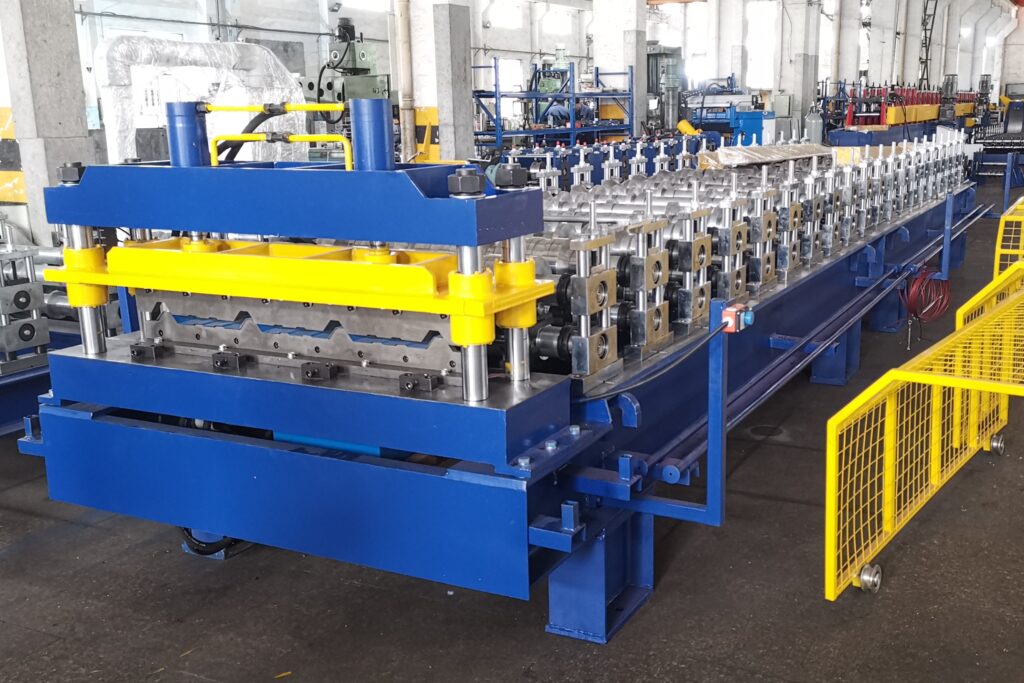
Understand the Types of Metal Roof Panels
Not all metal roof panels are the same, and the type of panel you plan to produce has a direct impact on the roll former you need. Here are the most common types:
- Corrugated Panel: This is the fastest and simplest panel to produce. Corrugated panels require fewer forming rolls, so even a single-layer forming rolling machine can handle high-speed production. Ideal for warehouses or industrial roofs with large surface areas.
- Trapezoidal Panel: Trapezoidal panels demand higher forming accuracy. The roll former will usually have more forming stations and precise roll alignment. This type is ideal for industrial and commercial roofing applications.
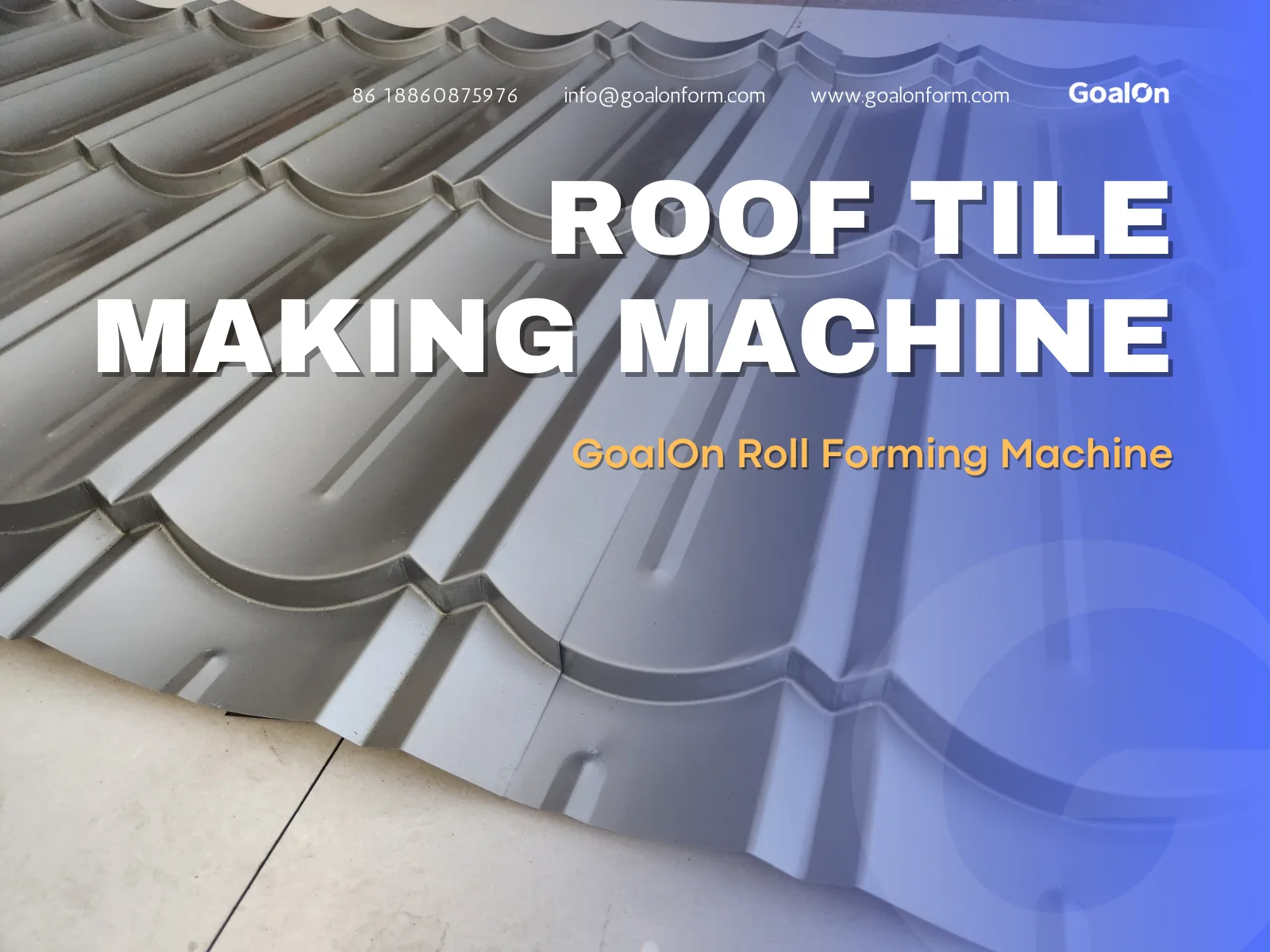
- Roof Tile Panel: Roof tile panels often require additional functions such as embossing or film coating to mimic ceramic tiles. A high quality roll forming machine with optional embossing attachments ensures a realistic and durable finish.
- Standing Seam Panel: Standing seam panels have complex fold edges and may require follow-up cutting or edge bending capabilities. This type calls for a machine capable of precise tracking and consistent seam formation.
Tip: Choosing the panel type first allows you to select a roll forming machine that matches your production needs. Investing in a machine with features you don’t need can increase cost without adding value, while an underspecified machine will limit your production flexibility.
Determine the Number of Profiles
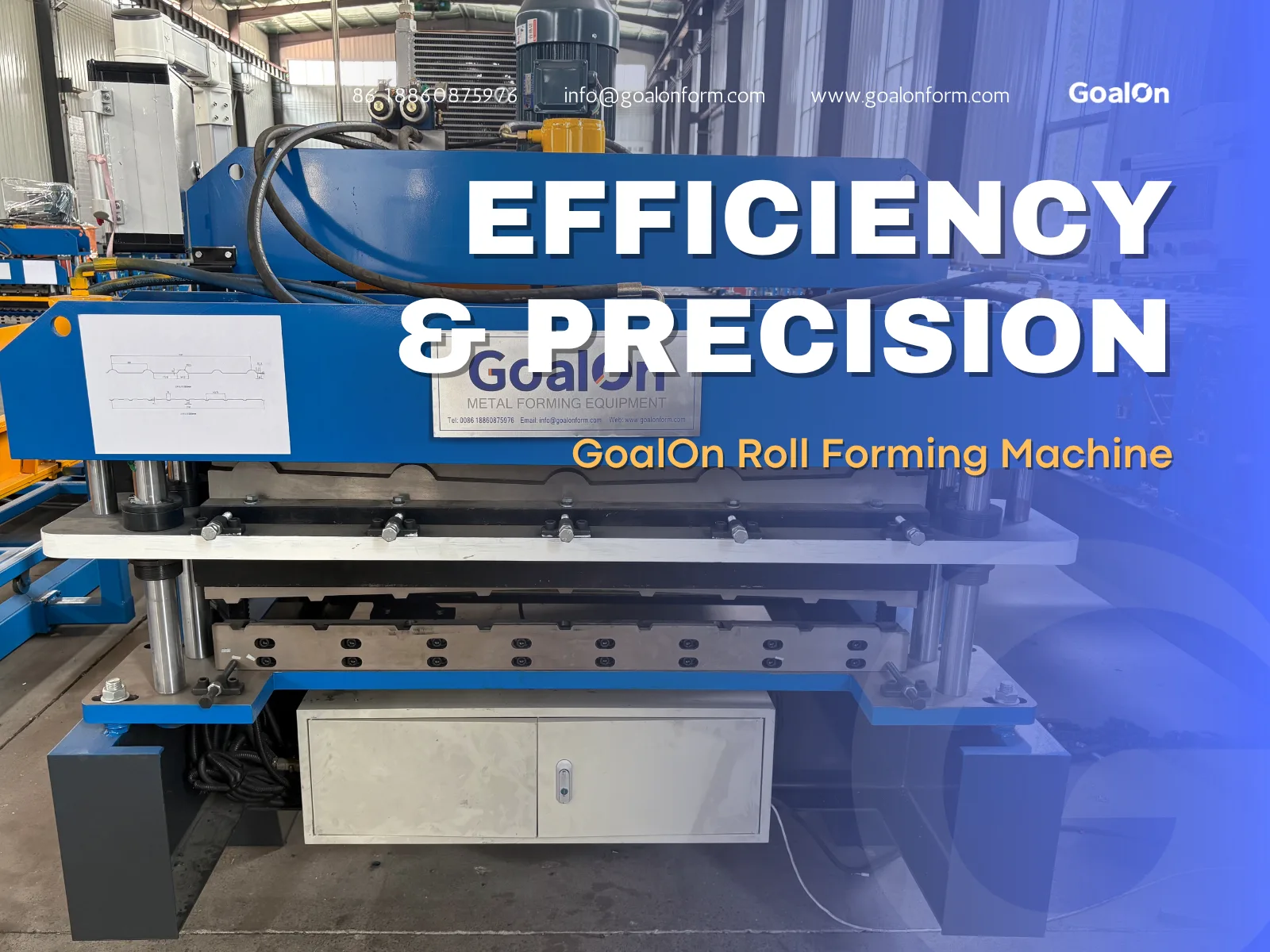
How many panel profiles do you want to produce simultaneously? The answer directly affects whether you need a single-layer, dual-layer, or even triple-layer roll forming machine.
- Single Profile: A single-layer machine is enough. It is simple and cost-effective for basic roof panels.
- Two Profiles: Dual-layer machines can produce two different profiles simultaneously. This is a good solution if you have multiple ongoing projects.
- Three Profiles: Triple-layer machines can produce three profiles at once, but you must consider your factory space and labor capacity.
You could also choose multiple single-layer machines instead of a multi-layer machine, but that increases space requirements and operational complexity. I recommend mapping your production schedule against the number of profiles to see whether a single machine or multiple machines better fit your workflow.
Assess Production Capacity
Every roll forming machine has a speed and output limit. Your required production capacity should dictate the type and size of the machine. Here’s what I consider:
- Material Thickness and Width: Thicker or wider sheets reduce machine speed. Ensure the machine can handle your heaviest and widest panels without sacrificing quality.
- Target Output: Calculate how many meters or tons of roofing panels you need per day. A mismatch could either underutilize the machine or leave you unable to meet orders.
- Future Growth: Invest in a machine that allows you to expand output as your business grows. A high quality roll forming machine may cost more initially but saves money in the long run by avoiding early replacement.
Evaluate Automation Level
Automation can dramatically affect efficiency, labor costs, and product consistency. Here are the key modules to consider:
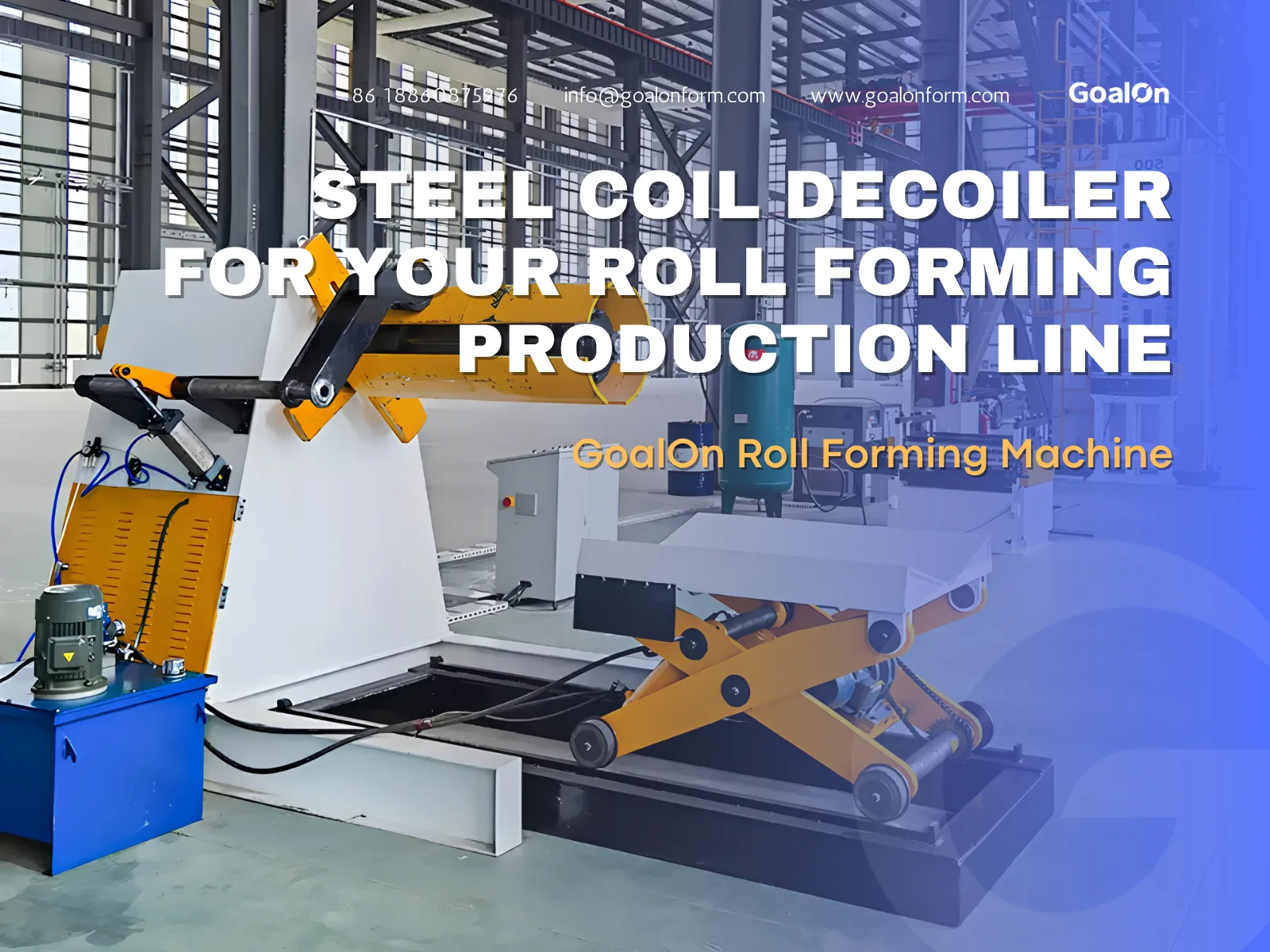
- Decoiler and Leveling: A stable, precise decoiler ensures smooth feeding and reduces production errors.
- Pre-Cutting or Tracking Cutting: Pre-cutting before forming saves time, while tracking cutting ensures accurate panel length without slowing down the machine.
- Optional Modules: Film coating, embossing, or mark printing can add product value and appeal.
- Material Handling: Choose between a basic exit table, an automatic stacker, or a fully automated packaging line. For example, an automatic stacker improves safety and reduces labor while keeping panels organized.
Tip: Consider your workforce and production volume when deciding automation. A fully automated highway guardrail barrier roll forming machine or barrier W beam roll forming machine may have a higher upfront cost but saves significant labor and increases output.
Consider Special Requirements
Sometimes your production environment dictates special features:
- Portable or On-Site Use: If you need to transport the machine to construction sites, diesel-powered models may be more suitable. Ensure vehicle capacity matches the machine’s weight and size.
- Factory Setup: Standard electric machines are better for fixed production lines, providing consistent performance and easier maintenance.
- Space Constraints: Measure your workshop carefully. Consider the full footprint of the forming line, including the exit table or stacker.
- Installation Convenience: Single machines can be relocated more easily, while heavy-duty multi-layer machines require proper foundation and layout planning.
Budget Planning
Budget is always a key factor. I recommend a staged investment approach:
- Phase 1: Start with a basic roll forming machine that meets your primary production needs.
- Phase 2: Add optional automation like stacking, film coating, or embossing.
- Phase 3: Expand production capacity by adding another machine or upgrading to a dual/triple-layer machine.
Tip: Avoid the temptation to buy the cheapest machine. Low-quality machines often compromise speed, precision, and durability. A high quality roll forming machine ensures long-term reliability and lower maintenance costs.
Conclusion
Selecting a metal roof panel roll forming machine isn’t just about price—it’s about matching the machine to your panel types, production volume, automation needs, and future growth plans. I always advise buyers to evaluate these six factors carefully:
- Panel Types
- Number of Profiles
- Production Capacity
- Automation Level
- Special Requirements
- Budget
By following this framework, you can confidently choose a roll forming machine that meets your needs and positions your business for success. Whether you are producing standard corrugated panels or specialized standing seam panels, investing in the right machine from the start makes all the difference.