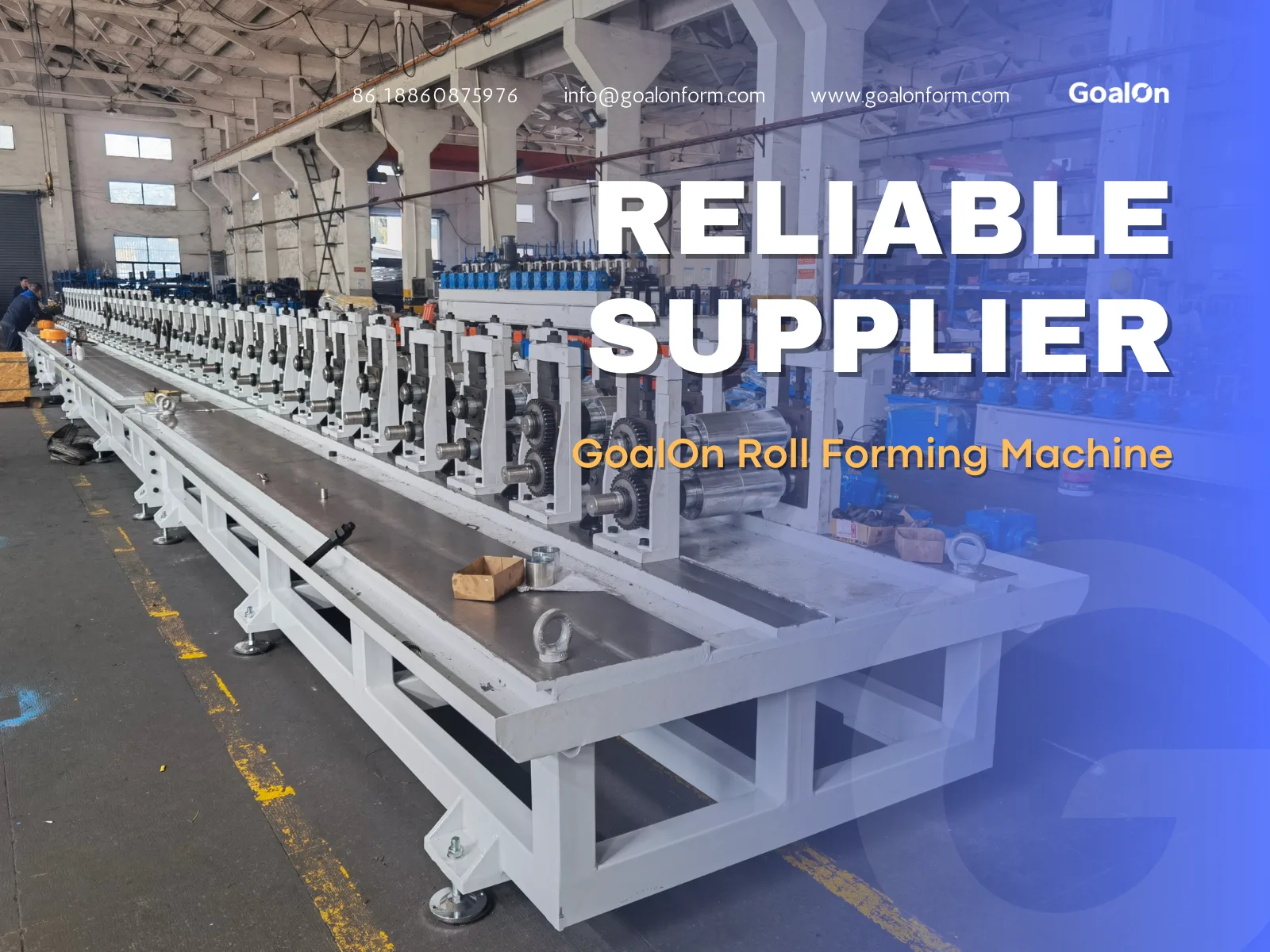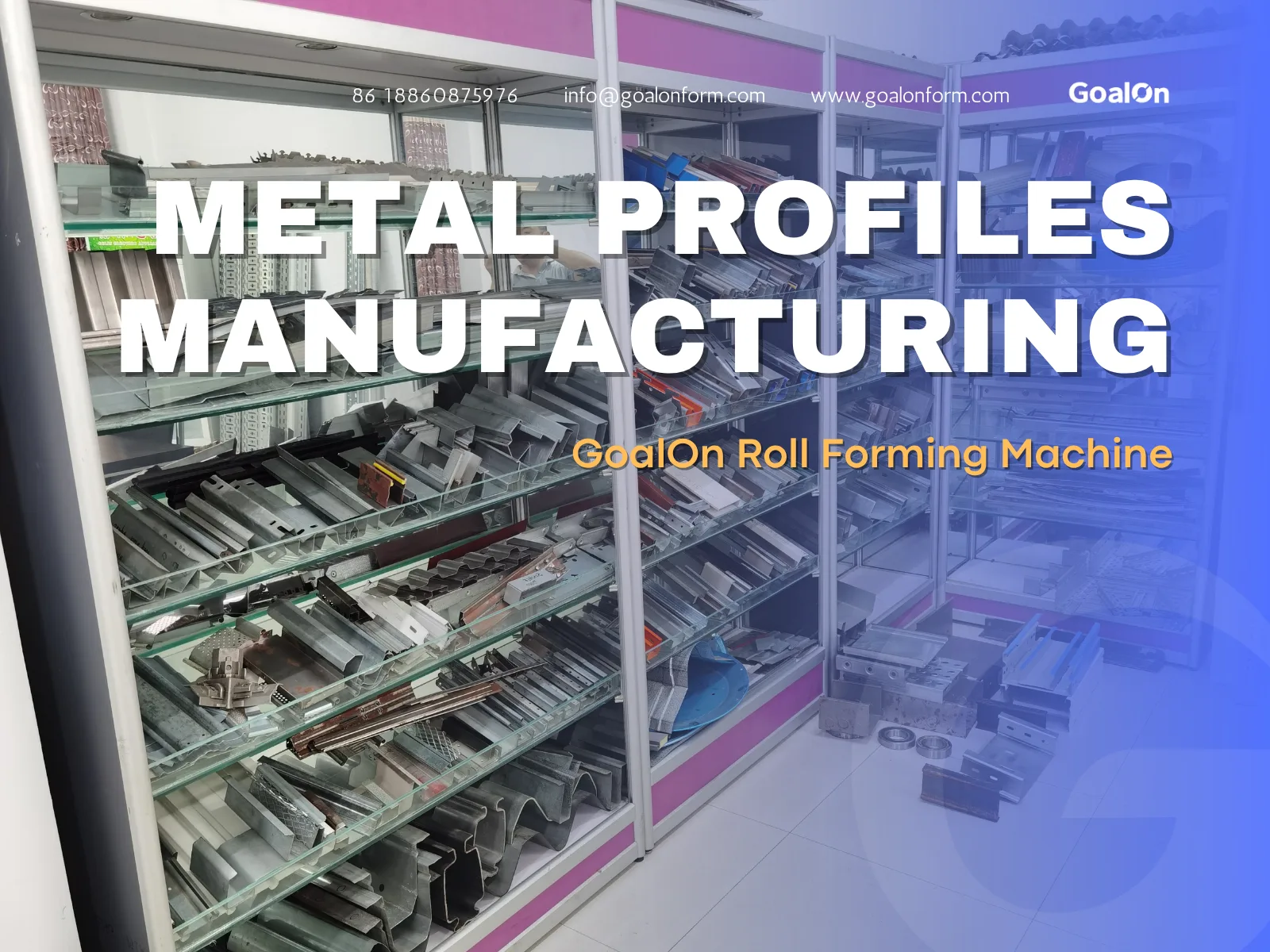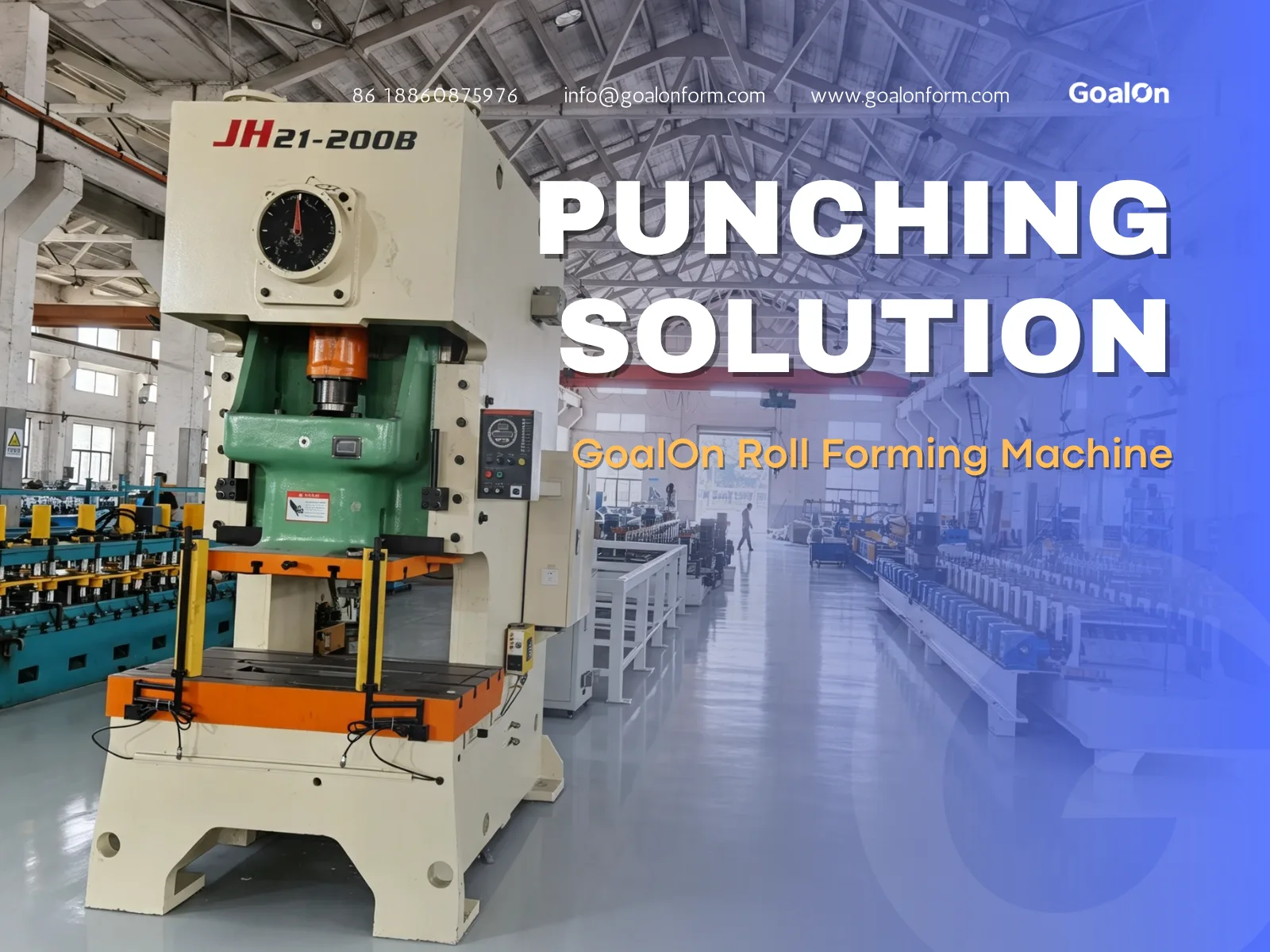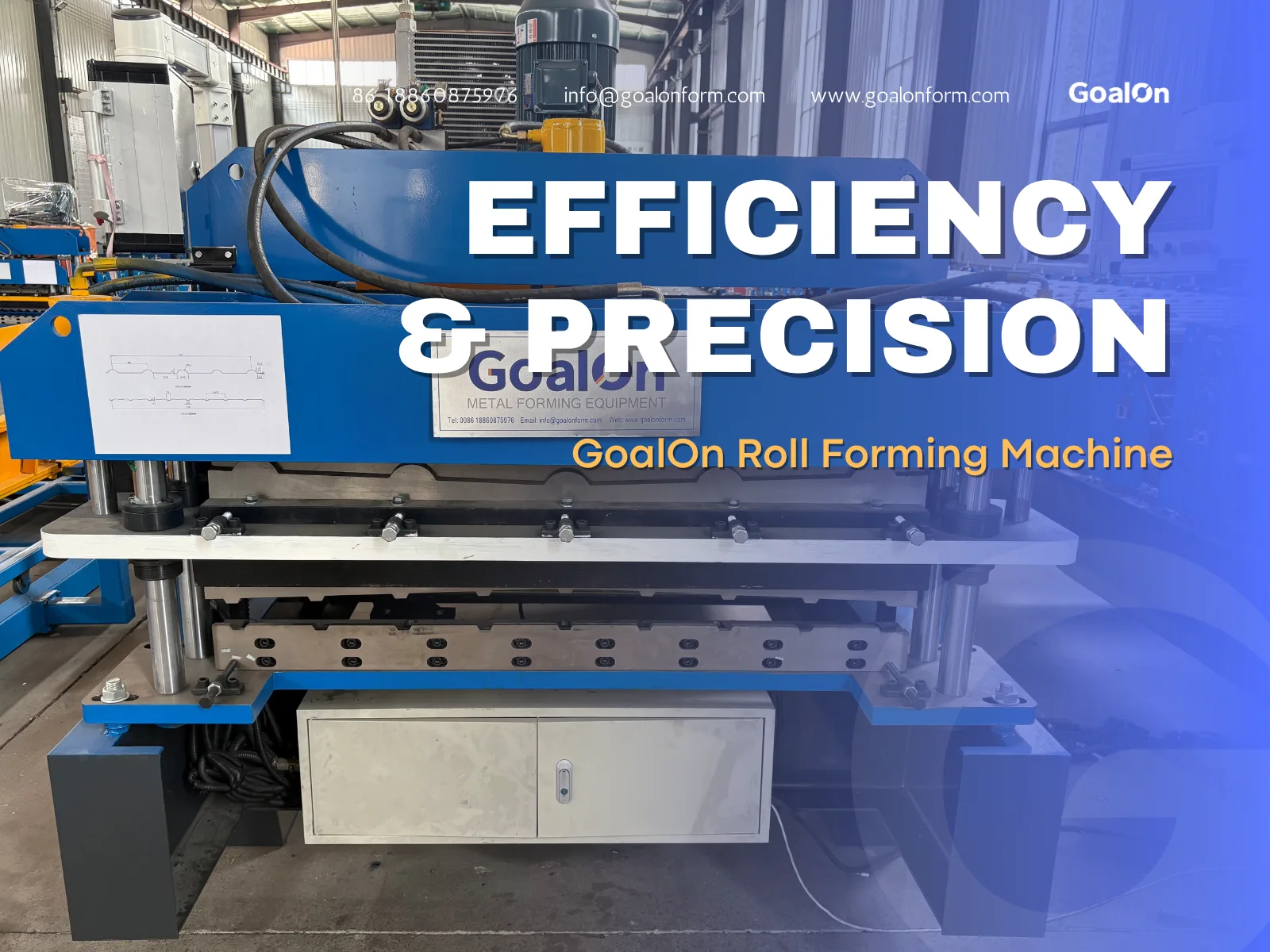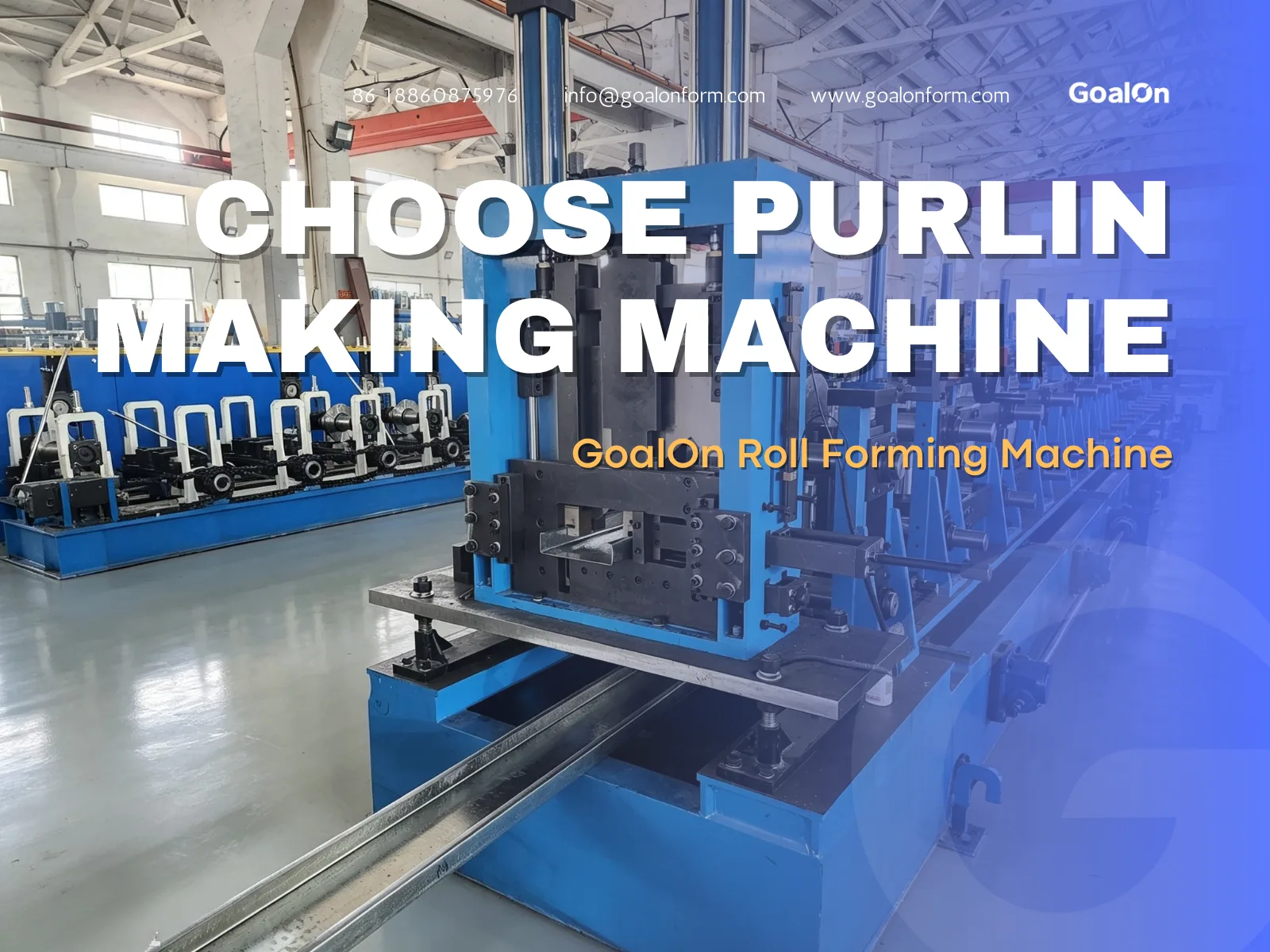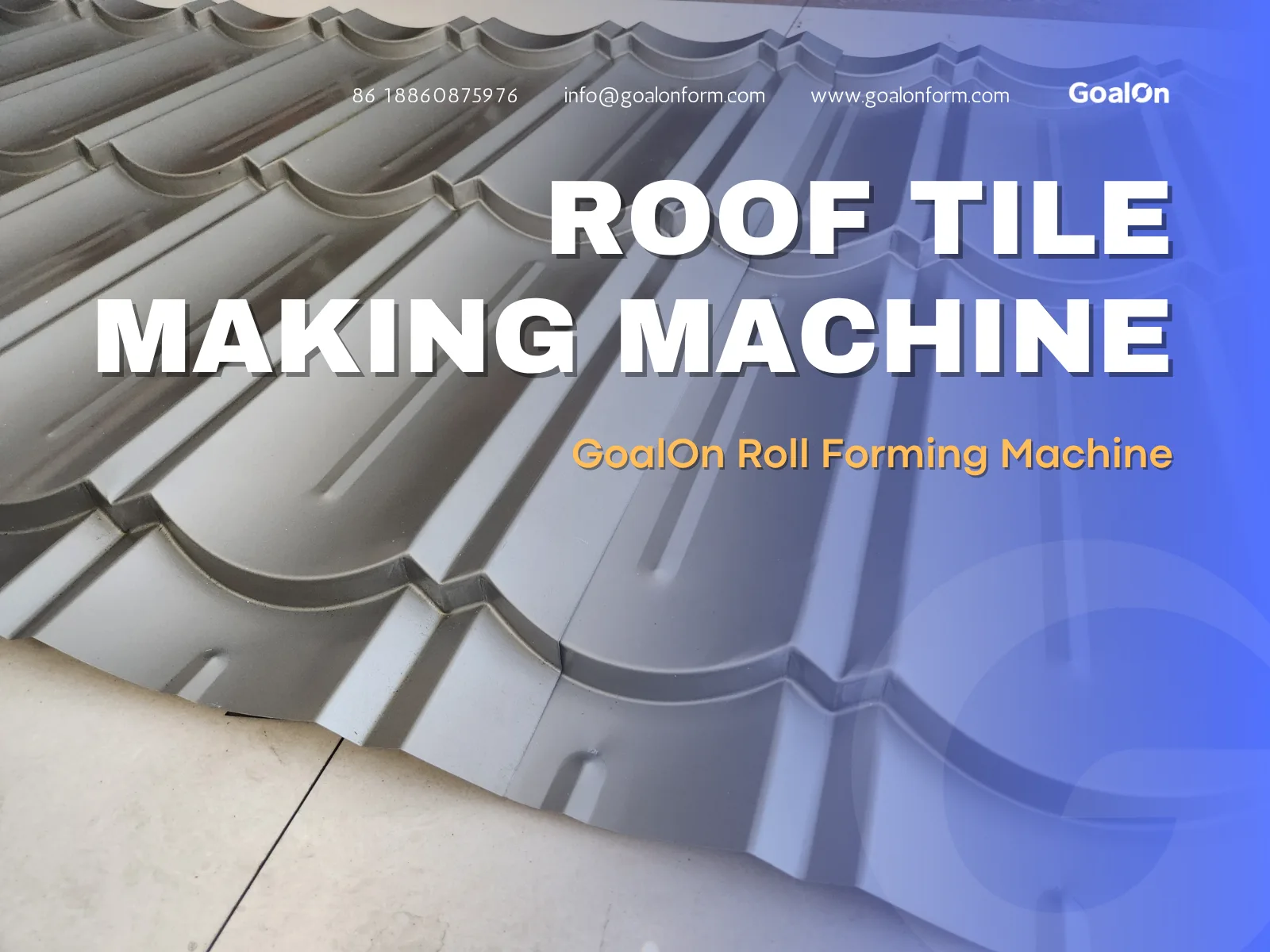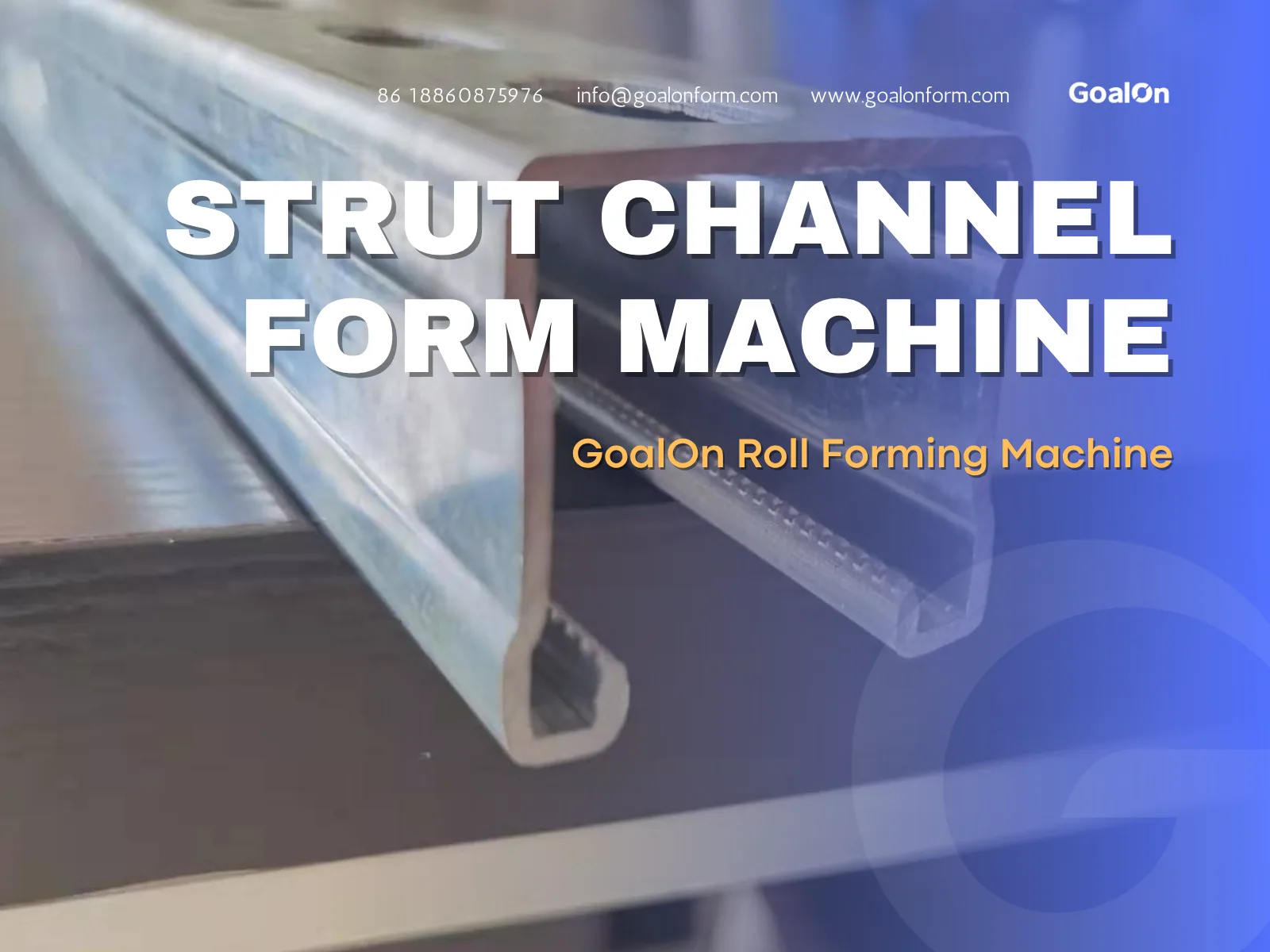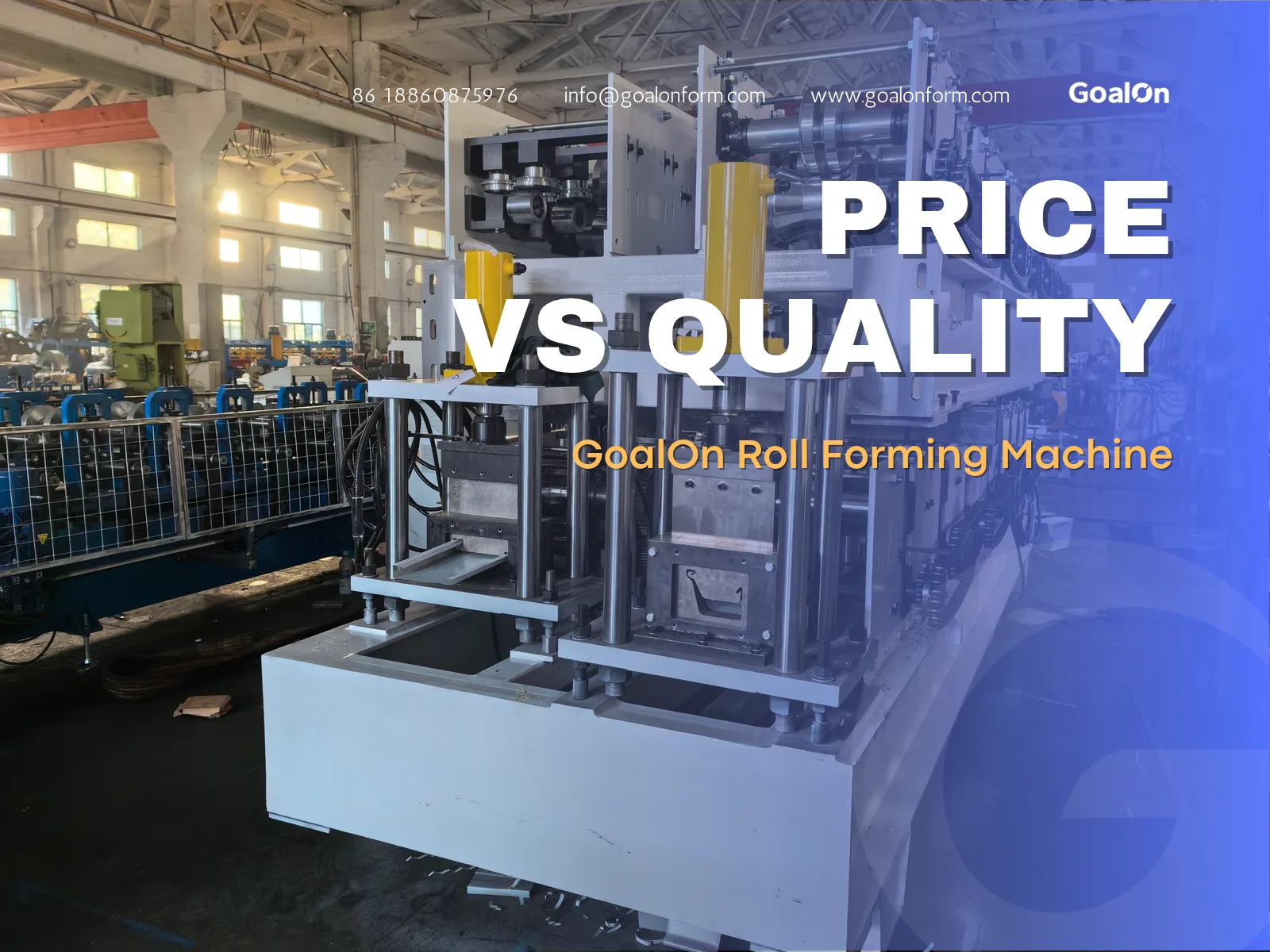
When deciding on a roll forming machine, consider both the price and quality. Look at the parts you need to make and the complete line you will use to produce them.
A useful quote covers more than the forming unit: it defines tooling, material handling, punching, cutting, and support. This article explains how to compare those items, check quality, and build a practical buying budget.
What determines a roll forming machine’s price?
A roll forming machine’s price depends on its forming capacity, tooling, profile needs, and line setup. Material thickness, section shape, punching, cutting, and handling all help define the equipment required. That makes a quote for a complete production line different from a quote for the forming mill alone.
Start with the finished product, not a catalog model. Send each supplier the same drawing, material details, and output target. Ask them to explain how their proposed line meets those needs.
Material and profile requirements
Do not describe your input material only as “steel.” Specify its grade, thickness range, coating, and width. Tooling must suit the material being formed. U.S. Steel’s roll-forming guide stresses that material thickness and tooling design need to be considered together.
The shape of a profile is important. Taller sections might need bigger rolls, and extra bends or features might increase the need for tools. Strict limitations on part sizes can also lead to more tool work and take longer to develop. Make sure these limits are connected to the part’s required fit and function.
The full production process
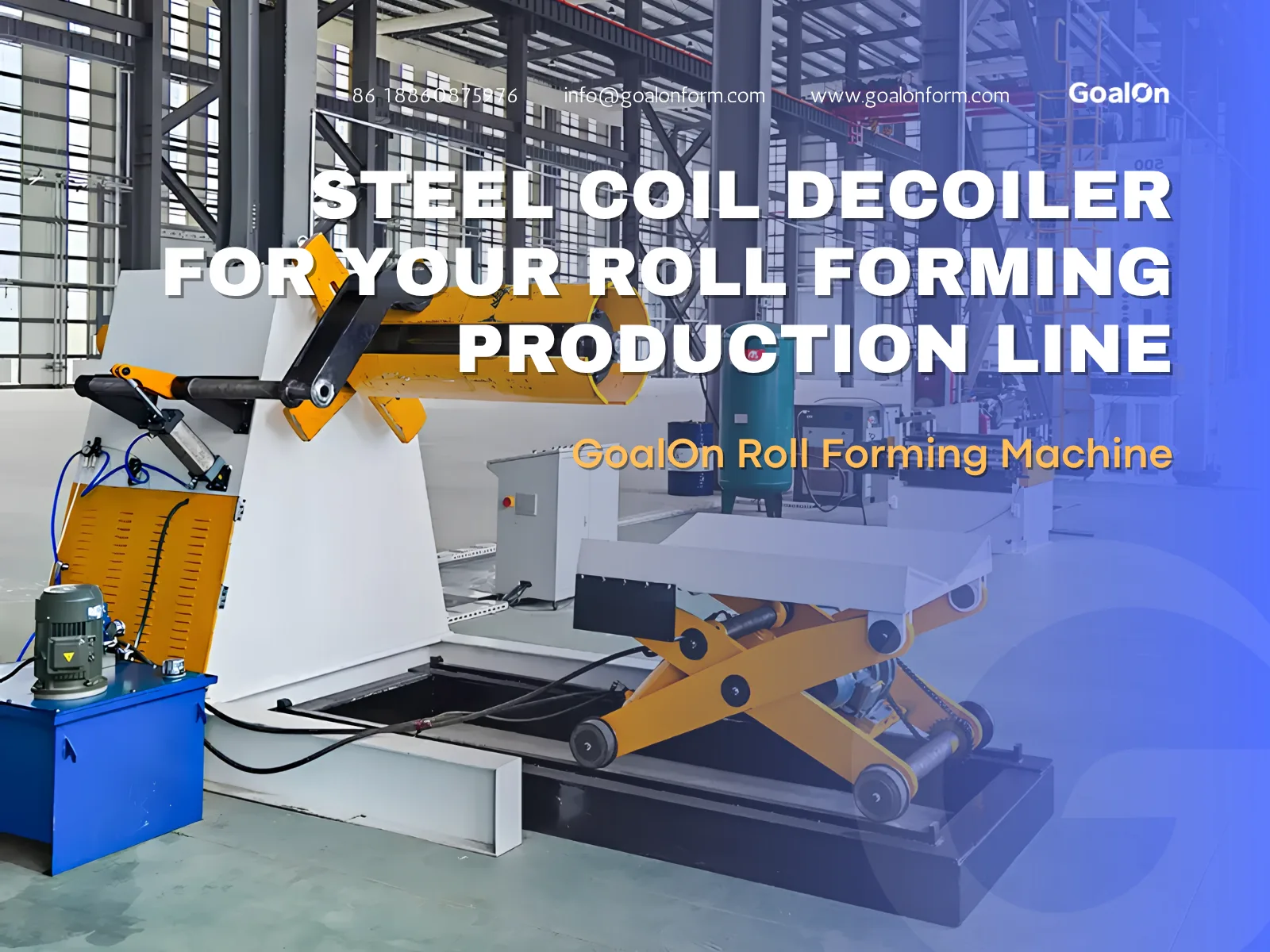
A forming mill is only one part of a line. Uncoilers, feeds, presses, cutoff units, and handling equipment may also be needed. Each must suit the product and work with the other equipment.
Ask suppliers to list every included unit. Then mark which tasks remain manual or require separate equipment. This gives you a clearer basis for comparing equipment price.
Compare machine types by the work they must do
Use the machine name as a starting point, not a complete buying specification. Build your pricing comparison around the exact products and tasks included. The checks below help turn broad search terms into useful quote requests.
| Machine category | Details to include in the quote request | Key comparison check |
|---|---|---|
| Cable tray line | Tray sizes, hole patterns, material, and edge shape | The quoted process covers every required feature |
| Cold roll forming line | Section drawings, material range, and cut lengths | Tooling and capacity suit the intended products |
| Double layer line | Both profiles, order mix, and switching needs | The proposed operating method fits your schedule |
| C purlin line | Section sizes, thicknesses, holes, and size changes | Adjustments and punching are clearly defined |
Cable tray roll forming machines
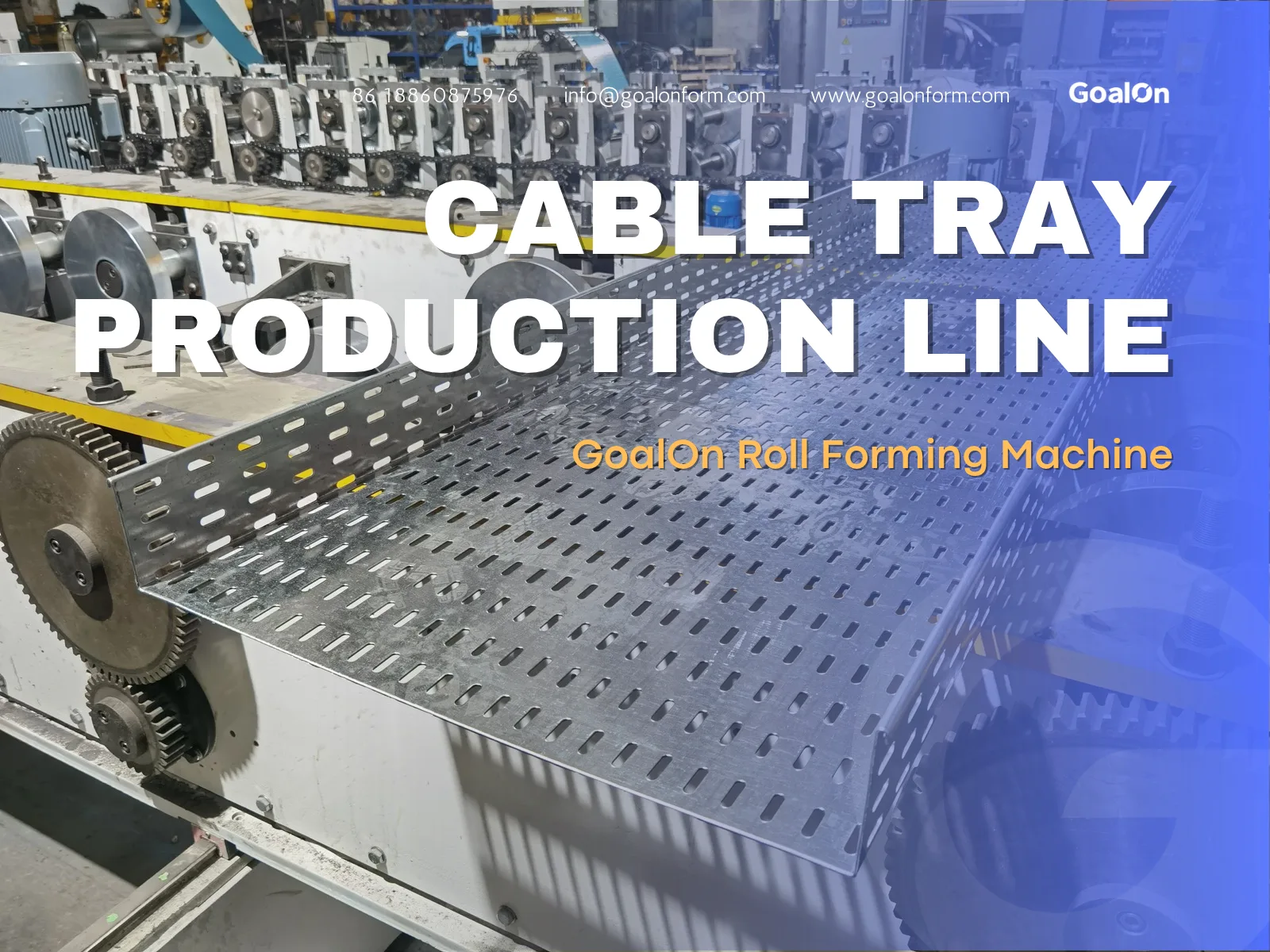
When reviewing cable tray roll forming machine price, give punching as much attention as forming. Cable trays may use different widths, thicknesses, hole patterns, and profile features. Samco describes these as key variables in cable tray and strut production.
Request drawings for every hole pattern you plan to sell. Ask whether punch tooling is included and how patterns are changed. Require the quoted output to be stated for finished trays with the required holes, not just an unpunched section.
Cold roll forming machines
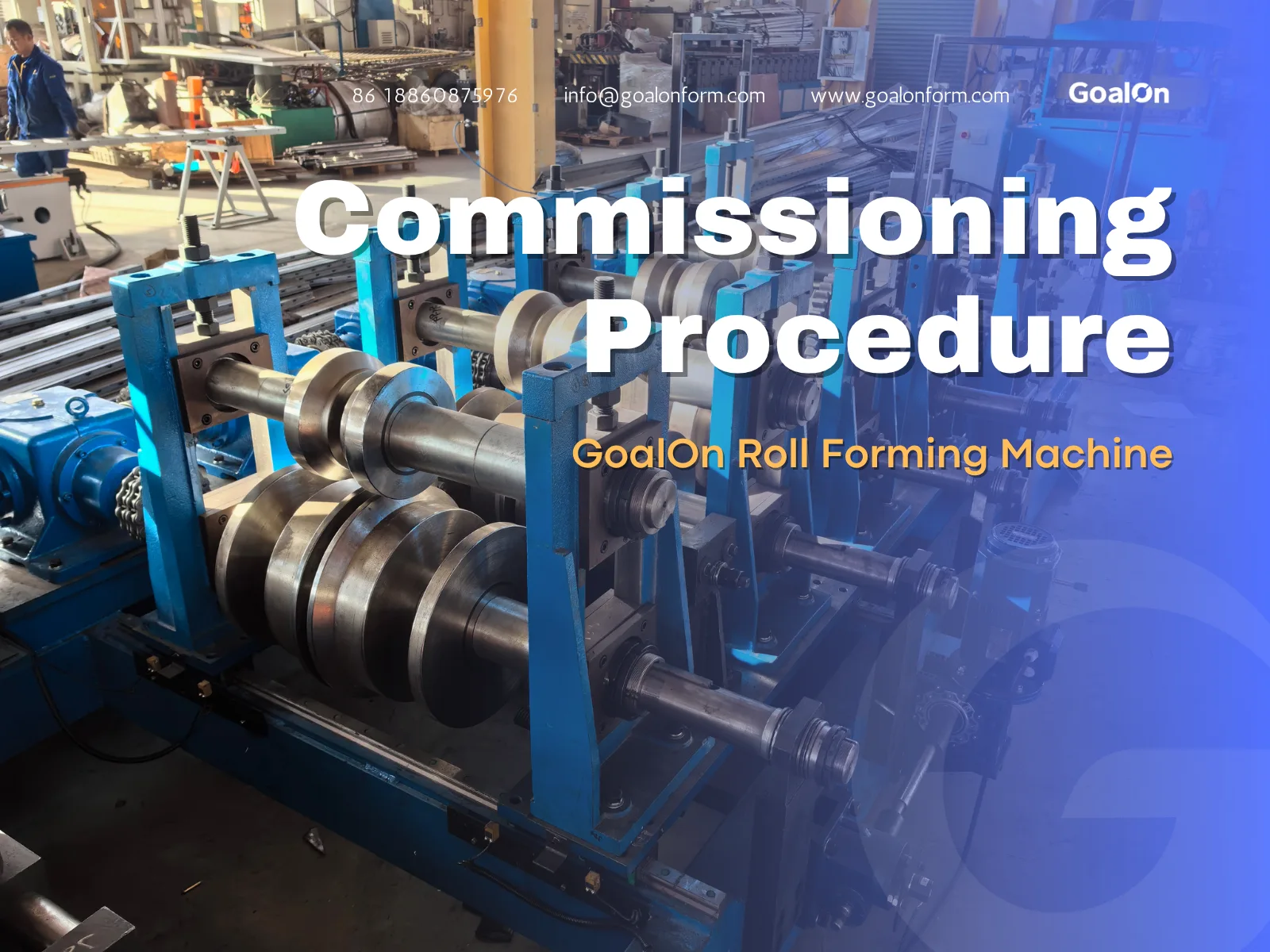
A cold roll forming machine price is most useful when linked to a defined set of profiles. Roll tooling is designed around the section and its forming steps. Samco, for example, uses tooling trials and design tools to identify forming problems before delivery.
Ask which profiles are covered by the quoted tooling. Separate included roll sets from future options. If you expect to add products later, request a written explanation of what would need to change.
Double layer roll forming machines
When comparing double layer roll forming machine price, focus on your product mix. Bradbury offers single-high, double-high, and rafted panel line layouts. Its buying guidance presents double-high and rafted machines as options when a business needs a second profile.
Ask for a demonstration of switching between the two quoted profiles. Confirm which feed, cutting, and control parts are shared. Do not assume that two forming levels mean two profiles can run at once; ask the supplier to state the operating limits.
C purlin roll forming machines
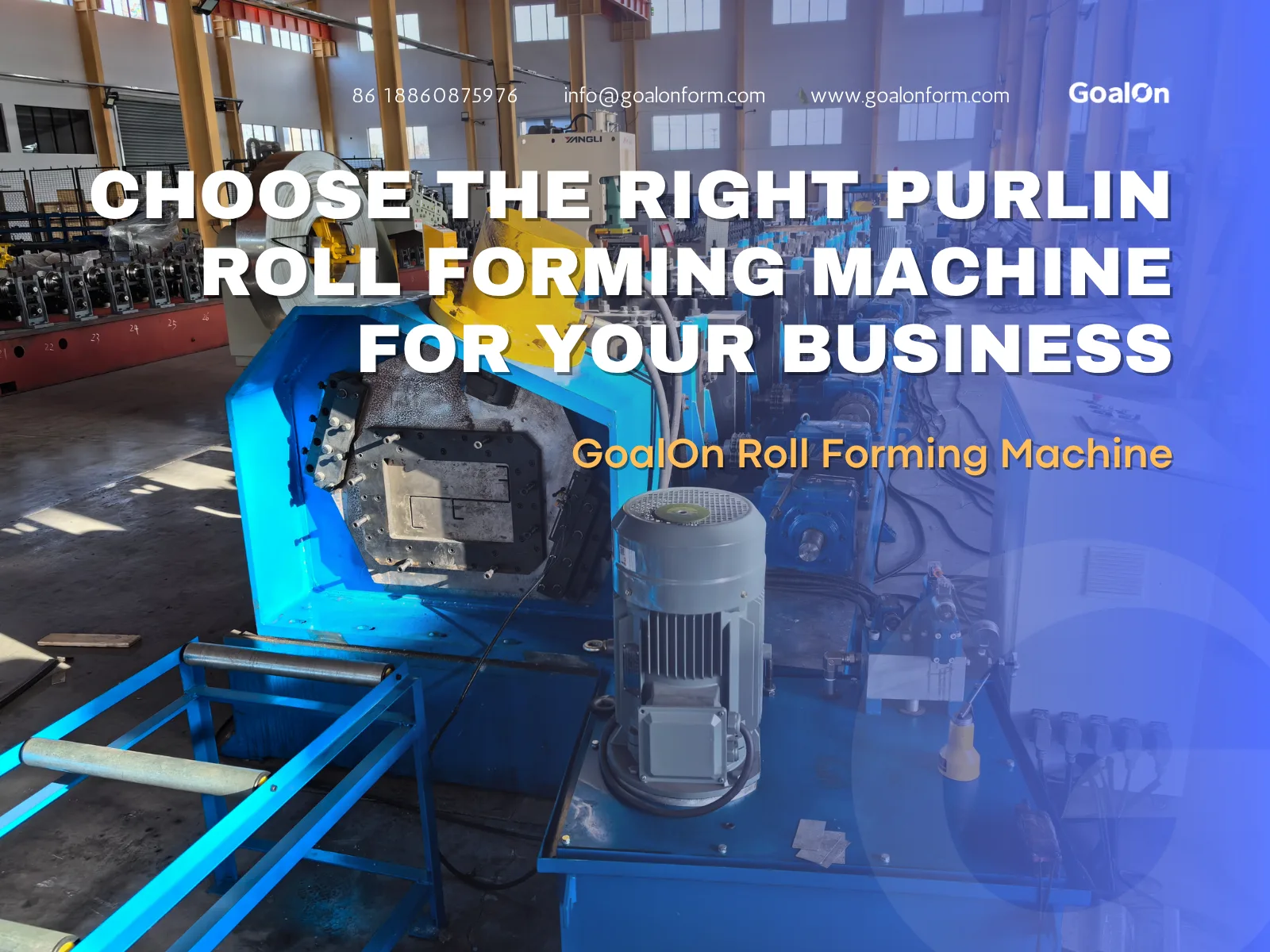
A c purlin roll forming machine price needs context on size changes and automation. Bradbury’s purlin range includes semi-manual and fully automatic changeover options. Its lines also differ in material capacity and handling features.
List your expected sizes and how often you will switch between them. Ask suppliers to show a complete changeover. Include adjustment, trial pieces, checks, and the point at which acceptable production resumes.
How can you check machine quality before buying?
Check machine quality by testing whether the proposed line can repeatedly make parts that meet your drawing. Use the agreed material, profile, and operating conditions. Review the tooling, setup records, and finished samples together, since alignment and material fit both affect part quality.
Appearance alone should not decide the purchase. Turn broad claims such as “high precision” into written checks. Define what will be measured, how it will be measured, and what counts as a pass.
Inspect tooling and setup evidence
Ask for roll drawings, setup instructions, and records of tooling trials. Samco describes testing replacement roll sets on a tryout mill before shipment. That is a useful example of the type of evidence to request.
Also ask how the line is aligned and checked. Roll-Kraft’s troubleshooting guidance calls for checking roll alignment, strip width, gauge thickness, and tooling setup. These checks deserve a place in your supplier review.
Agree on a factory acceptance test
Put the test plan in writing before placing the order. Choose products that reflect normal work and the harder jobs within the agreed range. Avoid leaving the supplier to choose the easiest demonstration.
Include these checks in the plan:
- Material: Record the grade, thickness, coating, and strip width used.
- Part dimensions: Measure the drawing’s critical widths, heights, angles, and lengths.
- Shape: Check agreed limits for straightness, twist, and end condition.
- Holes and slots: Confirm their size, spacing, and position after forming.
- Surface condition: Inspect agreed areas for marks or coating damage.
- Repeat output: Take samples across the run, not only at startup.
- Changeover: Record the work needed to move to another agreed size.
Keep measured results with labeled samples. Video can support the record, but request clear readings and inspection notes too. Agree in advance on how any failed checks will be corrected and retested.
Build a pricing comparison with equal scope
Create one comparison sheet for all suppliers. Mark each item as included, optional, excluded, or unclear. Do not treat a blank space as confirmation that something is included.
Use the same drawing revision and material specification for every request. Keep a record of later changes. If one supplier proposes a different process, ask for the reason before comparing its total with the others.
| Quote item | Detail to confirm in writing |
|---|---|
| Forming equipment | Agreed profiles and material range |
| Tooling | Roll sets, punch tools, and cutoff tools included |
| Feeding | Coil capacity and loading method |
| Production target | Finished-part output under agreed conditions |
| Controls | Recipes, backups, manuals, and access rights |
| Delivery | Packing, transport scope, and unloading responsibility |
| Startup | Installation, training, and acceptance work |
| Support | Warranty scope, spare parts, and service terms |
Ask suppliers to price important options separately.
This helps to easily tell the difference between necessary equipment and helpful upgrades.
It also helps prevent a low base quote from hiding a much larger required purchase.
Read warranty exclusions closely. Samco’s published service terms, for example, identify excluded items rather than treating every component alike. Request the actual terms for your purchase and clarify how a claim would be handled.
Look beyond the purchase price
Build a budget for getting the machine into production, not just buying it. Include a line for each cost your business expects to carry. Keep uncertain items visible until you have written estimates.
A practical budget can use this structure:
Initial project budget = equipment + tooling + delivery + site preparation + installation + training + startup allowance.
Treat this as a planning checklist, not a fixed accounting rule. Check which items are already included in the supplier’s quote. Avoid counting the same work twice.
Plan for setup and production time
Changeover time deserves its own review. Formtek’s accessory-system comparison shows how different tooling changeover times affect the production time available in a shift. Use your own order mix rather than copying another line’s output assumptions.
Ask your team to map a normal week. Include coil changes, size changes, checks, cleaning, and planned service. Then compare supplier proposals against that schedule instead of relying only on a headline speed.
Check service and spare parts
Request a parts list before purchase. Ask which items should be stocked on site and which need supplier support. Get written estimates for the parts you consider critical.
Clarify who handles fault finding and what information they need. Ask about remote support, site visits, and operator training.
Samco offers planned maintenance visits. This shows why you should consider support before buying, not after.
Where should you save, and where should you spend?
Save by removing features you cannot link to a real production need. Spend where a feature solves a clear problem in your expected work. Make the supplier explain the benefit in terms your team can test.
For example, compare manual and automatic size changes against your actual batch pattern. Purlin equipment is available with different levels of changeover automation. The right choice should follow your schedule, staffing, and required product range.
Use these questions to test each upgrade:
- Which current task does it remove or simplify?
- How often will we use it?
- What extra training or maintenance does it need?
- Can we verify its benefit during the acceptance test?
- Can it be added later, and under what conditions?
Do not relax product requirements just to reach a lower price. Instead, ask whether the line can be simplified while still meeting them.
Make sure to include quality checks, safe operating procedures, and clear documentation in the agreed scope.
Make the final decision with evidence
Compare roll forming machine price and quality through one shared specification, one clear quote sheet, and one agreed test plan. Choose the proposal that best fits your products, working schedule, and support needs—not simply the lowest listed figure.
Before signing, resolve every unclear inclusion and acceptance condition. A sound buying decision starts with a price you understand and ends with performance you can verify.