Metal profile manufacturers across the world rely on roll forming technology to produce long, consistent, and high-strength metal components. From roofing panels and steel purlins to racking systems and solar mounting structures, roll forming has become one of the most efficient metal forming processes used in modern industry.

For construction companies, metal profile manufacturers, and machine trading companies, understanding how a roll forming machine works—and how the technology evolved—can help identify the right equipment for high-volume production.
This article explains the development of roll forming technology, how a modern roll forming line operates, and why manufacturers continue to invest in advanced roll former systems.
The Early Development of Roll Forming Technology
The concept behind roll forming originates from early metal rolling techniques developed thousands of years ago. Historical evidence shows that basic rolling systems were already used in South Asia and the Middle East around 600 BCE. These early devices used rotating cylinders to shape metal instead of traditional hammering methods.
During the Renaissance period, mechanical innovations helped refine the rolling process. The Italian inventor Leonardo da Vinci designed early slitting mill concepts that used grooved rollers to process flat metal bars into rods or narrower sections.
In the 18th century, engineers in England further advanced rolling technology by introducing tandem rolling mills. These systems allowed metal to pass through multiple rolls in sequence, significantly improving production efficiency and consistency.
These early developments laid the foundation for the modern roll forming machine used today.
ما هو التشكيل بالدرفلة؟
Roll forming is a continuous metal forming process used to produce long metal profiles with consistent cross-sections.
In a typical roll forming line, sheet metal or steel coil passes through a series of precisely engineered roll stations. Each pair of rollers gradually bends the material until the final profile shape is achieved at the end of the production line.
Unlike press forming or stamping, roll forming does not reshape the material in a single step. Instead, the metal is progressively formed through multiple roll stations, which reduces internal stress and improves dimensional accuracy.
This process makes roll forming ideal for producing long structural components with uniform thickness and excellent surface quality.
How a Modern Roll Forming Line Works
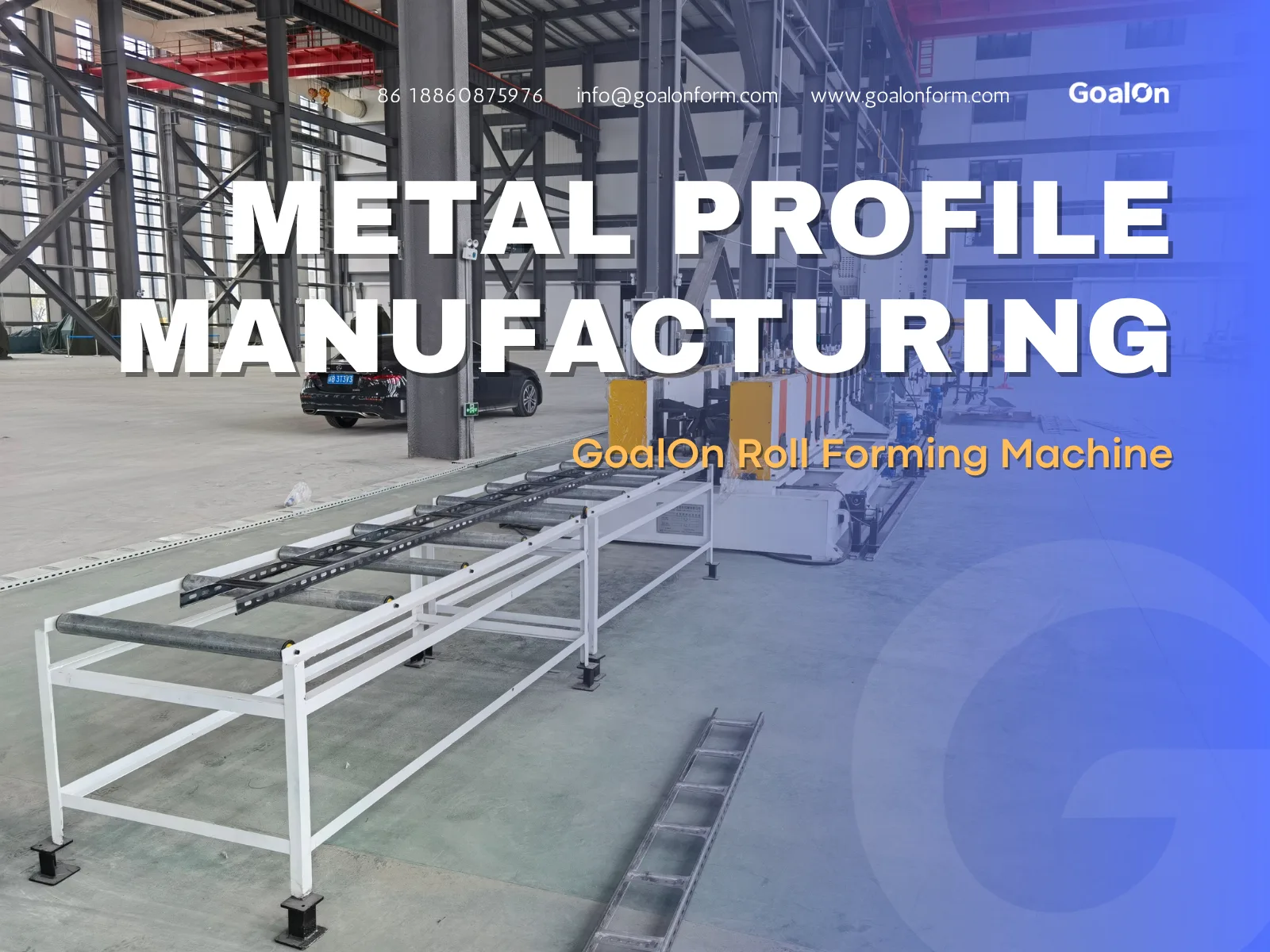
A modern roll forming production line usually includes several integrated systems that operate continuously.
Typical equipment in a roll forming line includes:
- Decoiler for feeding steel coils
- Guiding system for material alignment
- Roll forming machine with multiple forming stations
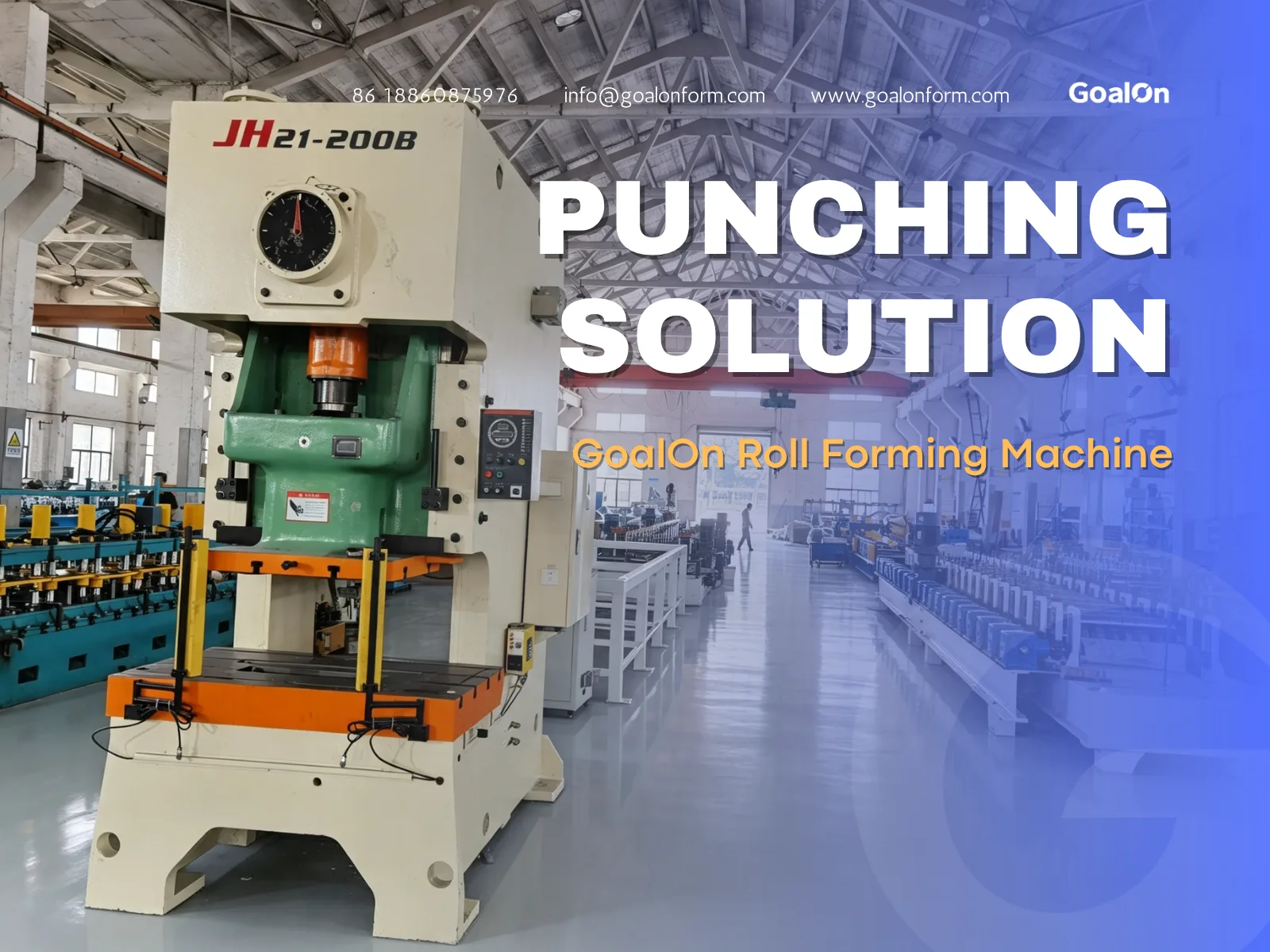
- Punching or embossing units if required
- Flying cut or hydraulic cutting system
- Run-out table or automatic stacking system
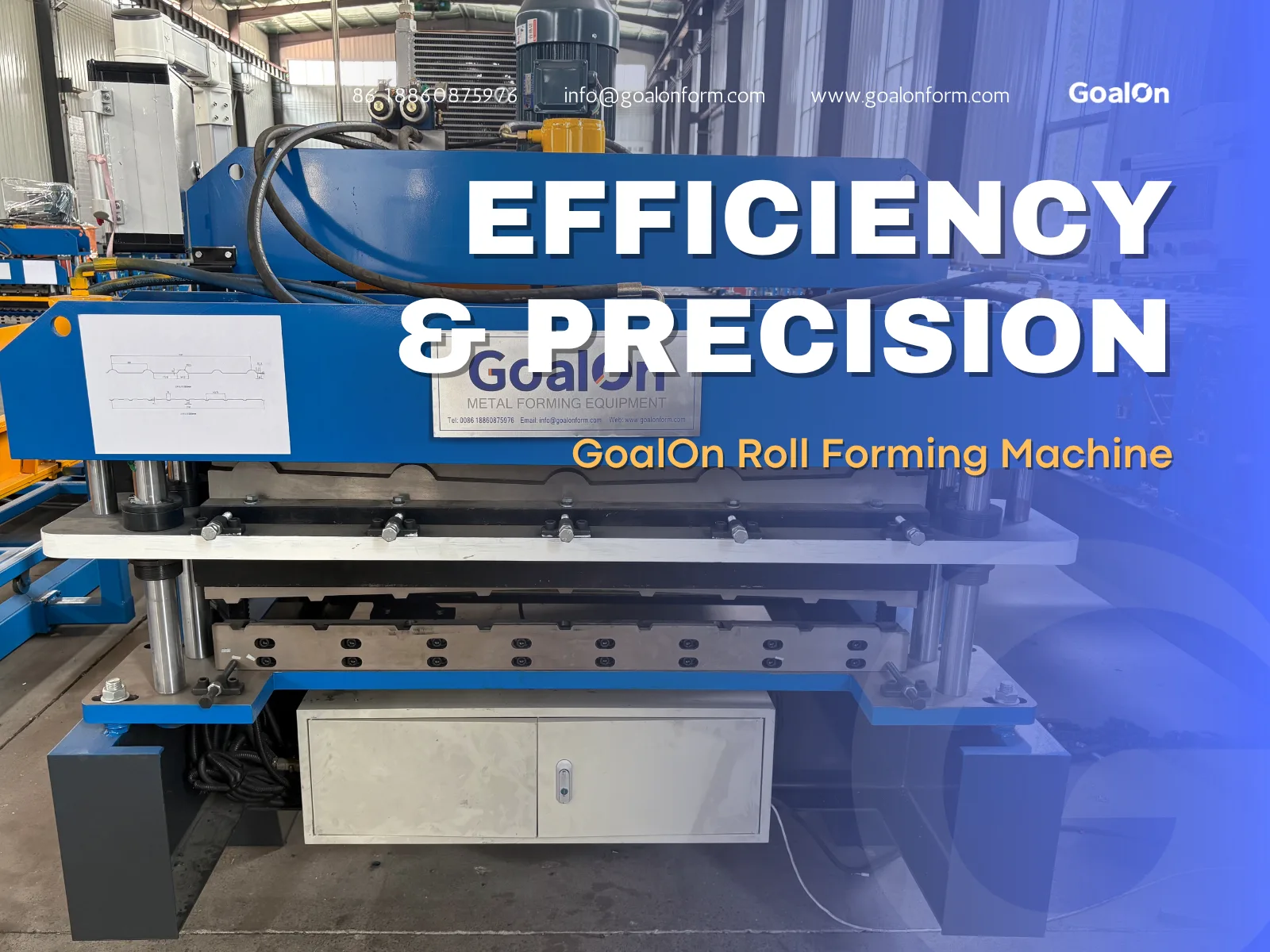
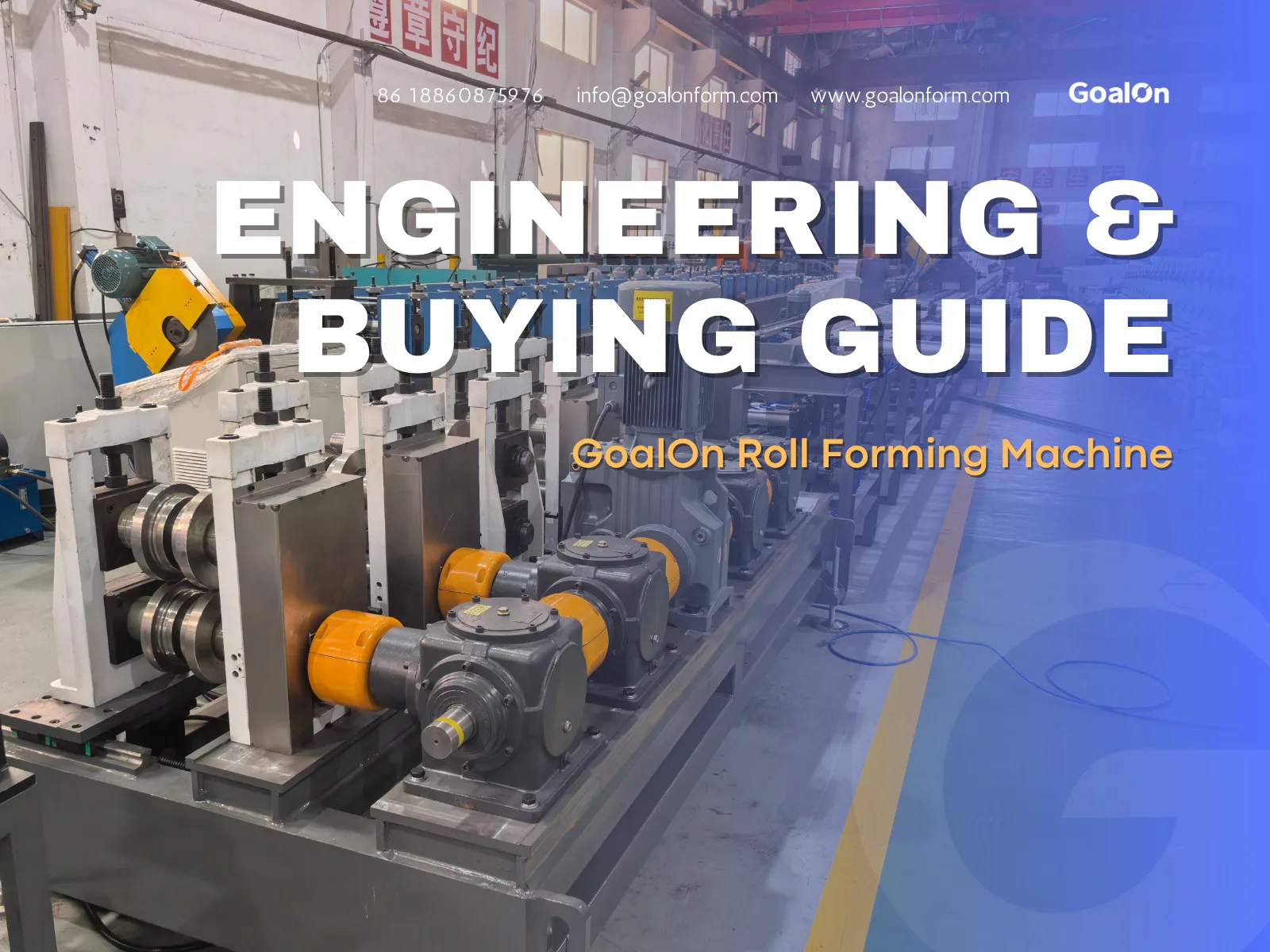
The roll forming machine is the core part of the production line. It contains multiple roll stands designed according to the specific profile geometry.
As the metal strip passes through the forming stations, the roll former gradually transforms the flat sheet into the required profile shape.
Because the process is continuous, roll forming lines can achieve high production speeds while maintaining excellent dimensional consistency.
Industries That Use Roll Forming Machines
Modern forming rolling machines are widely used across multiple industries that require high-volume production of metal profiles.
Some of the most common applications include:
Construction industry
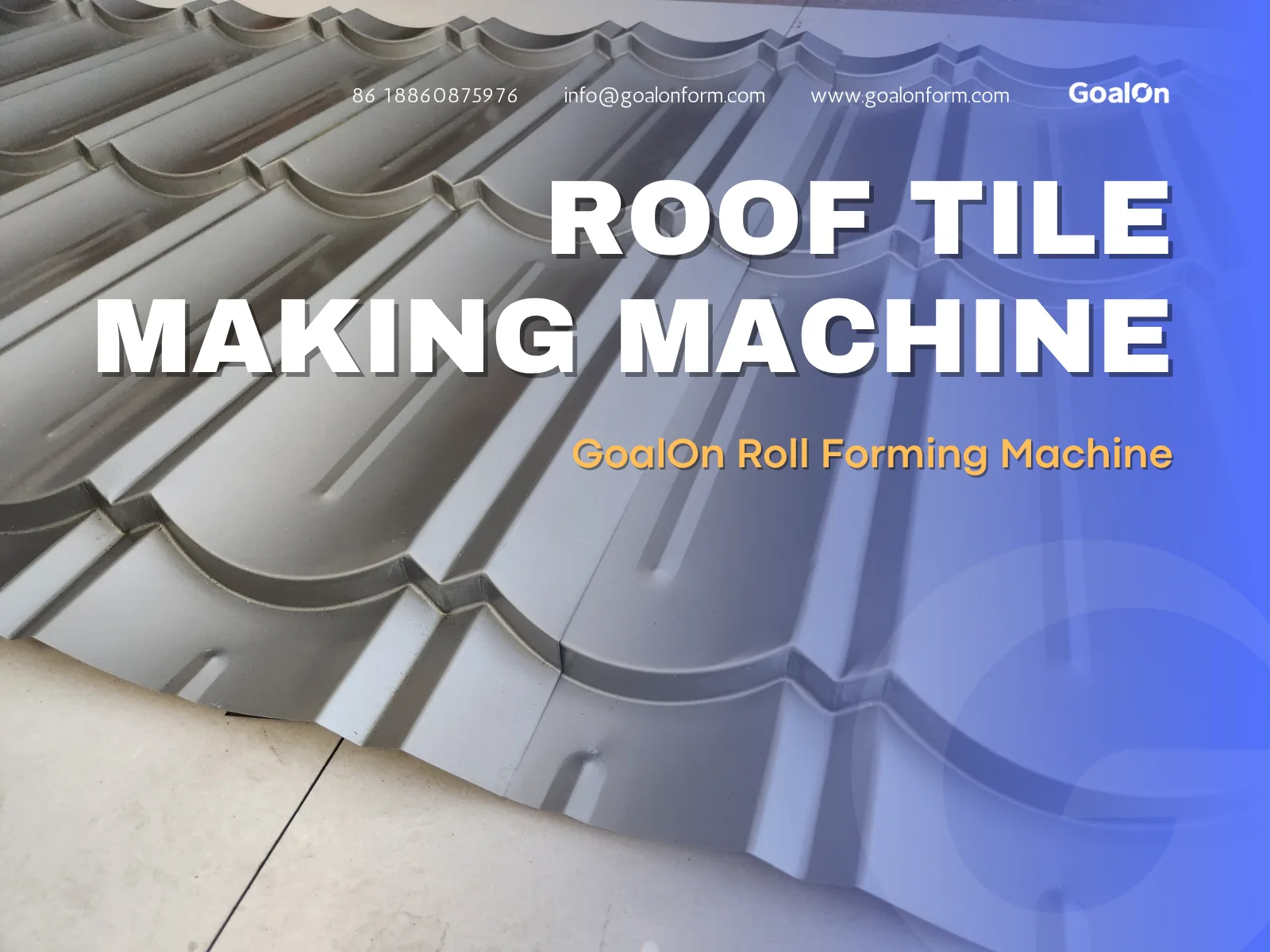
- ألواح التسقيف
- Wall cladding panels
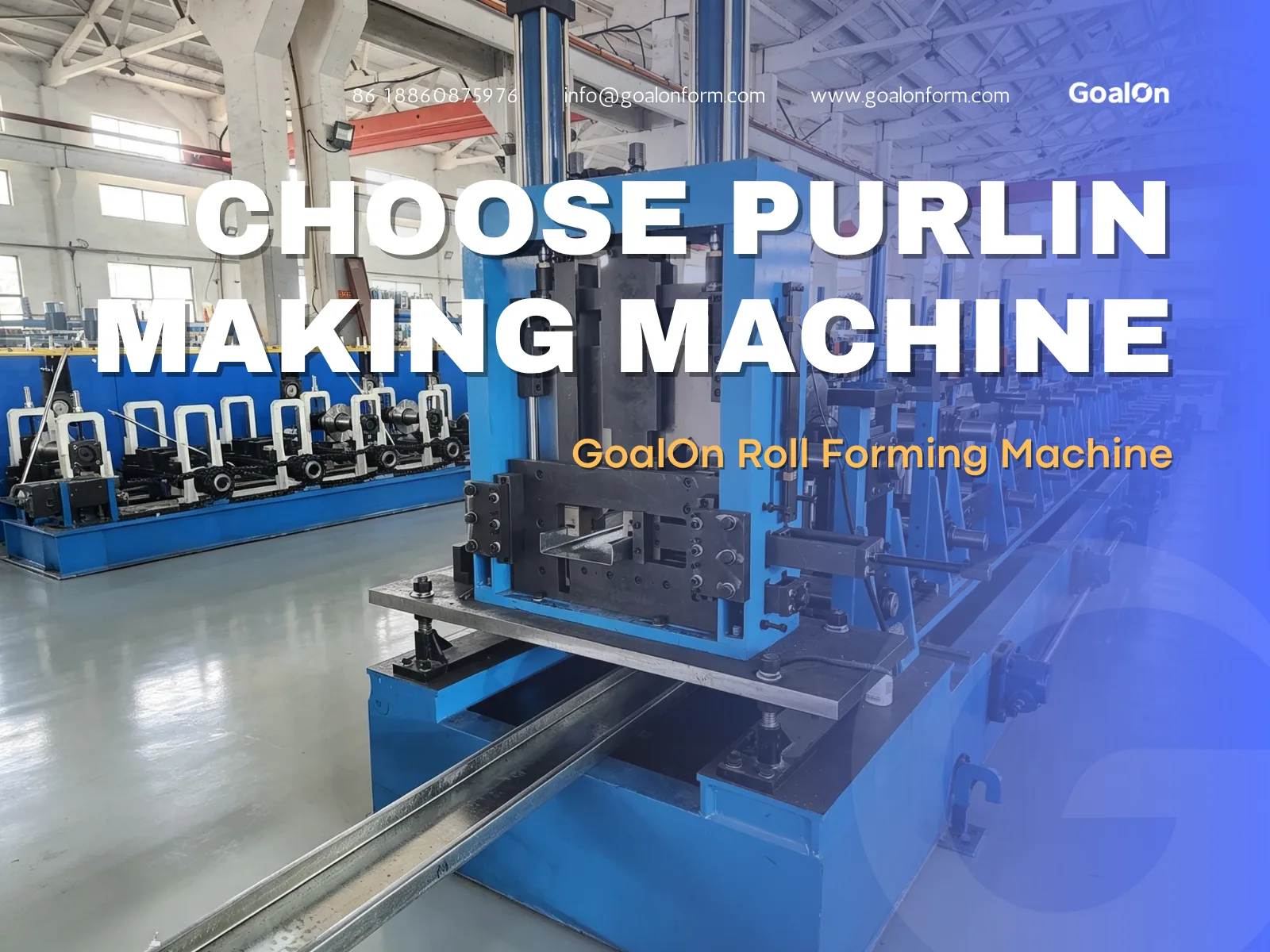
- Steel purlins and structural sections
- Floor decking panels
Storage and logistics industry
- Warehouse rack uprights
- Rack beams
- Shelving profiles
Home appliance industry
- Refrigerator panels
- Dishwasher frames
- Washing machine components
Renewable energy industry
- Solar panel mounting structures
- Support rails and brackets
Because roll forming machines can produce extremely long parts with consistent dimensions, they are ideal for manufacturing structural components used in large construction and infrastructure projects.
Roll Forming Machine Maintenance for Stable Production
For manufacturers operating a roll forming line, proper roll forming machine maintenance is essential for maintaining production stability and product quality.
Regular maintenance not only extends machine life but also prevents unexpected downtime.
Key maintenance practices include:
Roller inspection
Forming rollers should be inspected regularly to ensure there is no excessive wear, surface damage, or misalignment.
Lubrication system checks
Bearings, chains, and gearboxes must be properly lubricated to ensure smooth operation of the roll forming machine.
Alignment verification
Improper alignment of roll stands can affect product accuracy and increase material stress during forming.
Hydraulic and cutting system maintenance
Flying cut systems and hydraulic cutting units should be checked to maintain precise cutting length and stable operation.
Routine maintenance helps ensure that the roll forming line operates efficiently for long production cycles.
Why Roll Forming Remains a Key Manufacturing Technology
Despite the development of many alternative metal forming technologies, roll forming continues to dominate industries that require long metal profiles.
The advantages of roll forming include:
- كفاءة إنتاجية عالية
- Excellent dimensional consistency
- Ability to produce long metal profiles
- تقليل نفايات المواد
- High level of automation in modern roll forming lines
These benefits allow manufacturers to produce metal components at lower cost while maintaining high product quality.
Choosing the Right Roll Forming Machine for Your Production
For metal profile manufacturers and construction material suppliers, selecting the right roll forming machine is an important investment decision.
Key factors to consider include:
- Material thickness range
- مدى تعقيد الملف الشخصي
- Required production speed
- Automation level of the roll forming line
- Integration with punching or welding systems
Working with an experienced roll forming machine manufacturer can help ensure that the equipment is designed specifically for your product requirements.
Reliable Roll Forming Solutions from GoalOn Machinery
At GoalOn Machinery, we specialize in designing and manufacturing high-performance roll forming machines for global customers. Our roll forming lines are widely used by construction companies, metal profile manufacturers, and machine trading companies.
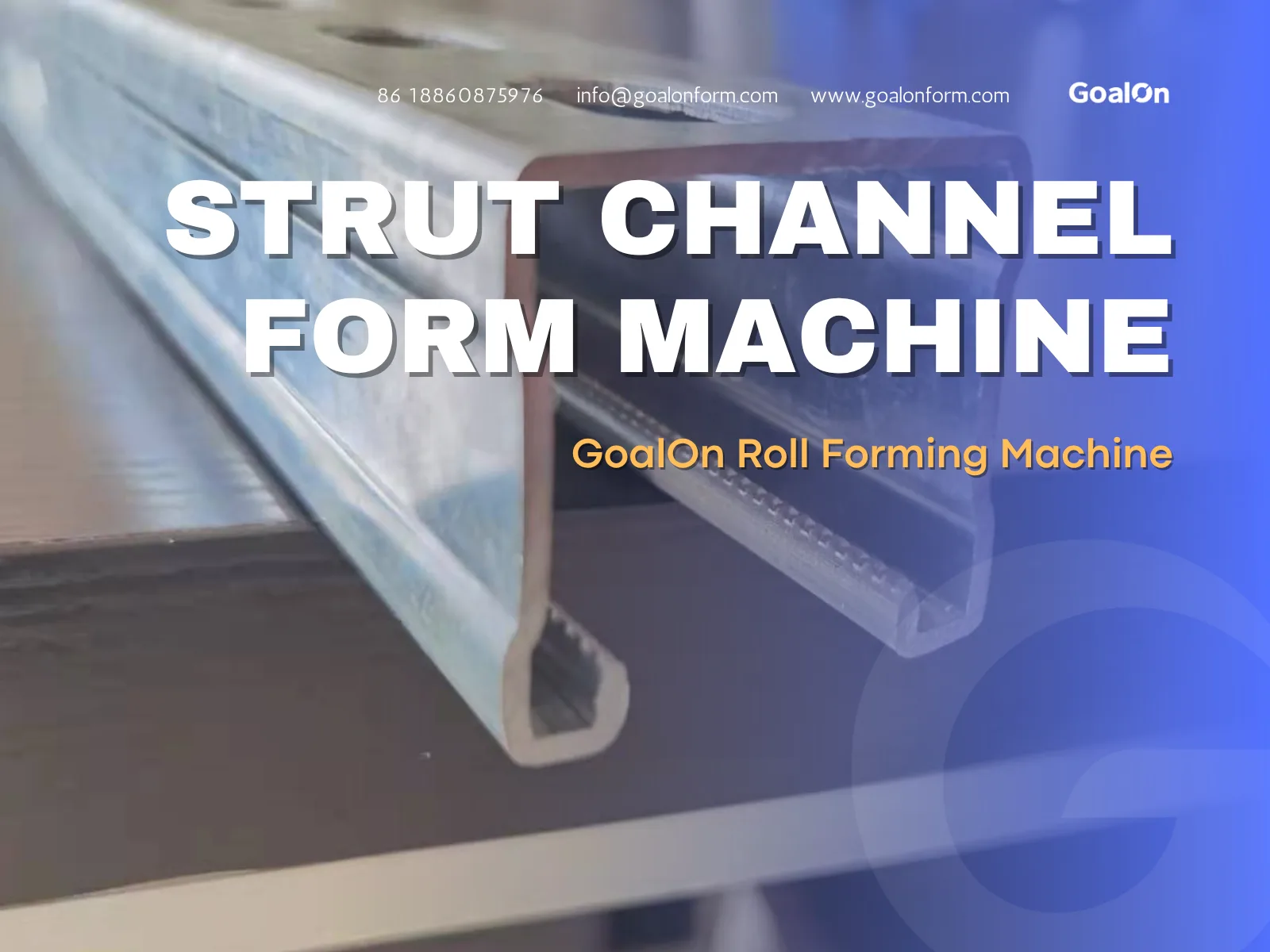
We provide customized roll former solutions for a wide range of metal profiles, including roofing panels, steel purlins, storage rack components, and structural channels.
Our engineering team focuses on machine stability, forming precision, and long-term durability to ensure reliable production performance for every customer.
If you are looking for a high-quality roll forming machine or a complete roll forming line, our team is ready to help you develop the best solution for your production needs.