Introduction: Why Roll Forming Alignment Dictates Your Factory’s ROI
Metal cold roll forming is the backbone of modern structural manufacturing. By passing metal coils through a continuous series of precision-machined rollers, a custom CNC roll forming machine transforms raw steel into complex, highly accurate profiles with near-zero material waste.
Today, industries like structural steel, automotive, logistics, and solar tracking demand unprecedented speed and accuracy. However, buying a roll forming line is not a simple commodity purchase; it is a long-term strategic investment. Choosing the wrong supplier leads to profile twisting, frequent downtime, and wasted material. This guide breaks down the core technical metrics to help you source high-performance heavy duty roll forming equipment that drives actual profitability.
1. Key Performance Indicators: What Engineers Look For
To ensure your production line complies with top-tier industrial standards, you must evaluate four foundational engineering metrics before signing any purchase contract.
| Technical Metric | Standard Equipment | High-End CNC Equipment |
| Profile Tolerance | ±0.5 mm to ±1.0 mm | Within ±0.1 mm |
| Production Speed | 15 – 30 m/min | Up to 100+ m/min (with Flying Cut) |
| Frame Architecture | Wall-plate / Welded Structure | Solid Cast Iron / Heavy Duty Gantry |
Profile Precision and Geometric Stability
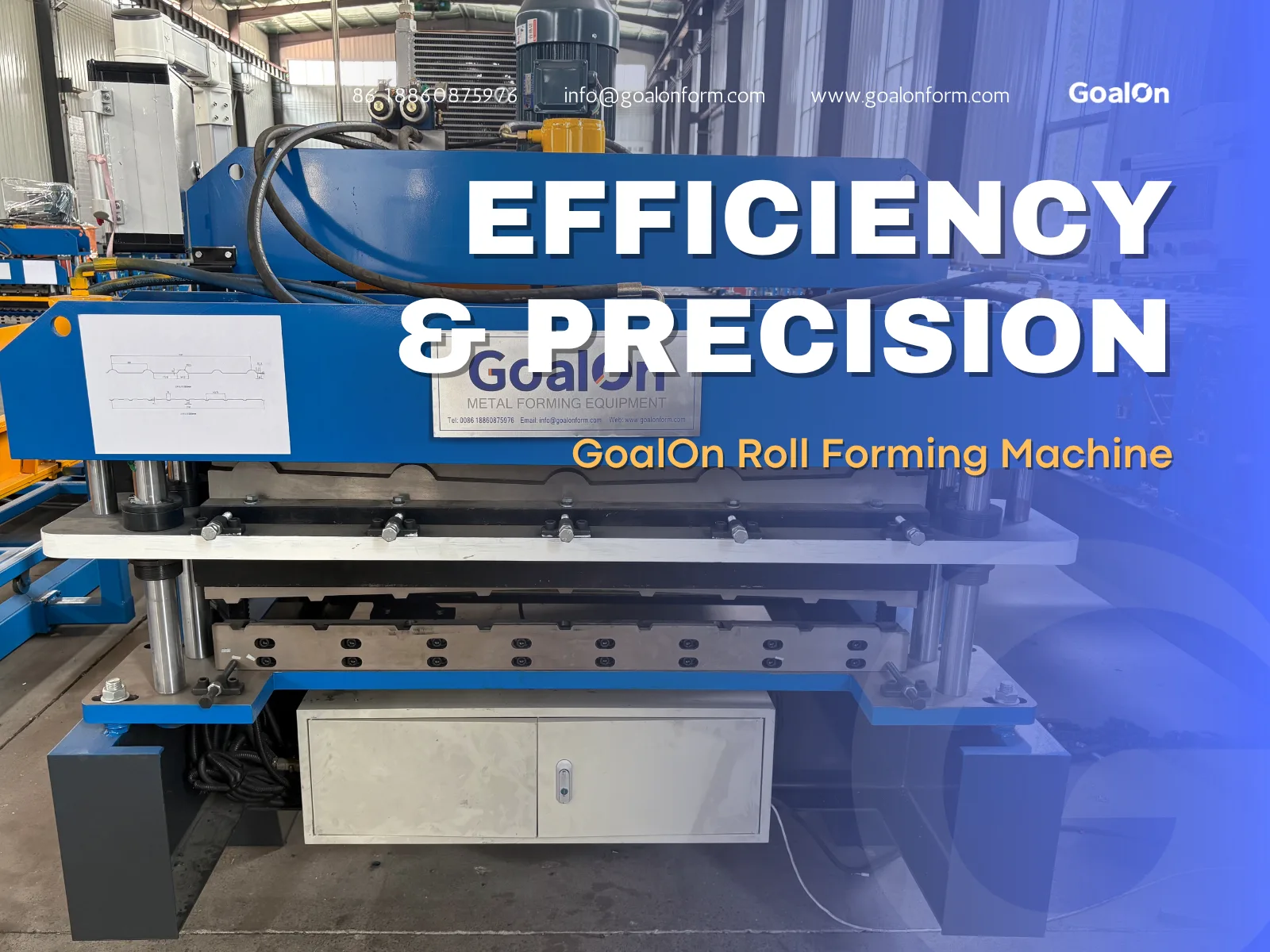
This is the ultimate test of a machine’s quality. High-end roll forming lines must control linear and cross-sectional tolerances within ±0.1 mm. Accumulative errors in roller design cause oil-canning, twisting, and sweeping. To avoid this, leading manufacturers use COPRA software simulation to optimize each forming stage before CNC machining the rollers.
Production Speed and Line Efficiency
Speed means nothing without stability. While basic machines run at 20 m/min, advanced lines hit 80 to 120 m/min using non-stop flying hydraulic cut-off systems. Achieving this requires perfect synchronization between the servo feeder, the PLC control unit, and the high-speed encoder feedback loops.
Machine Rigidity and Heavy-Duty Durability
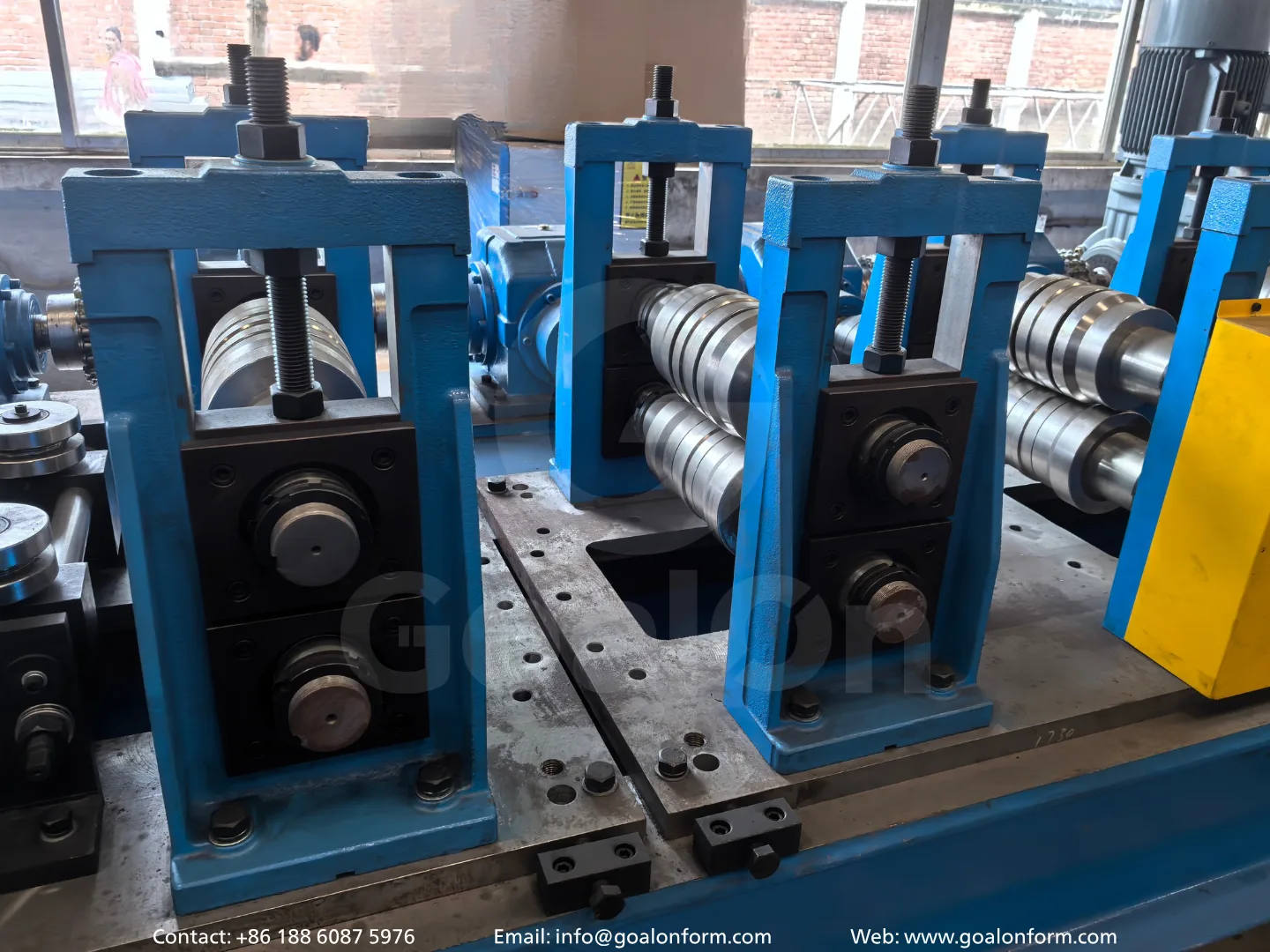
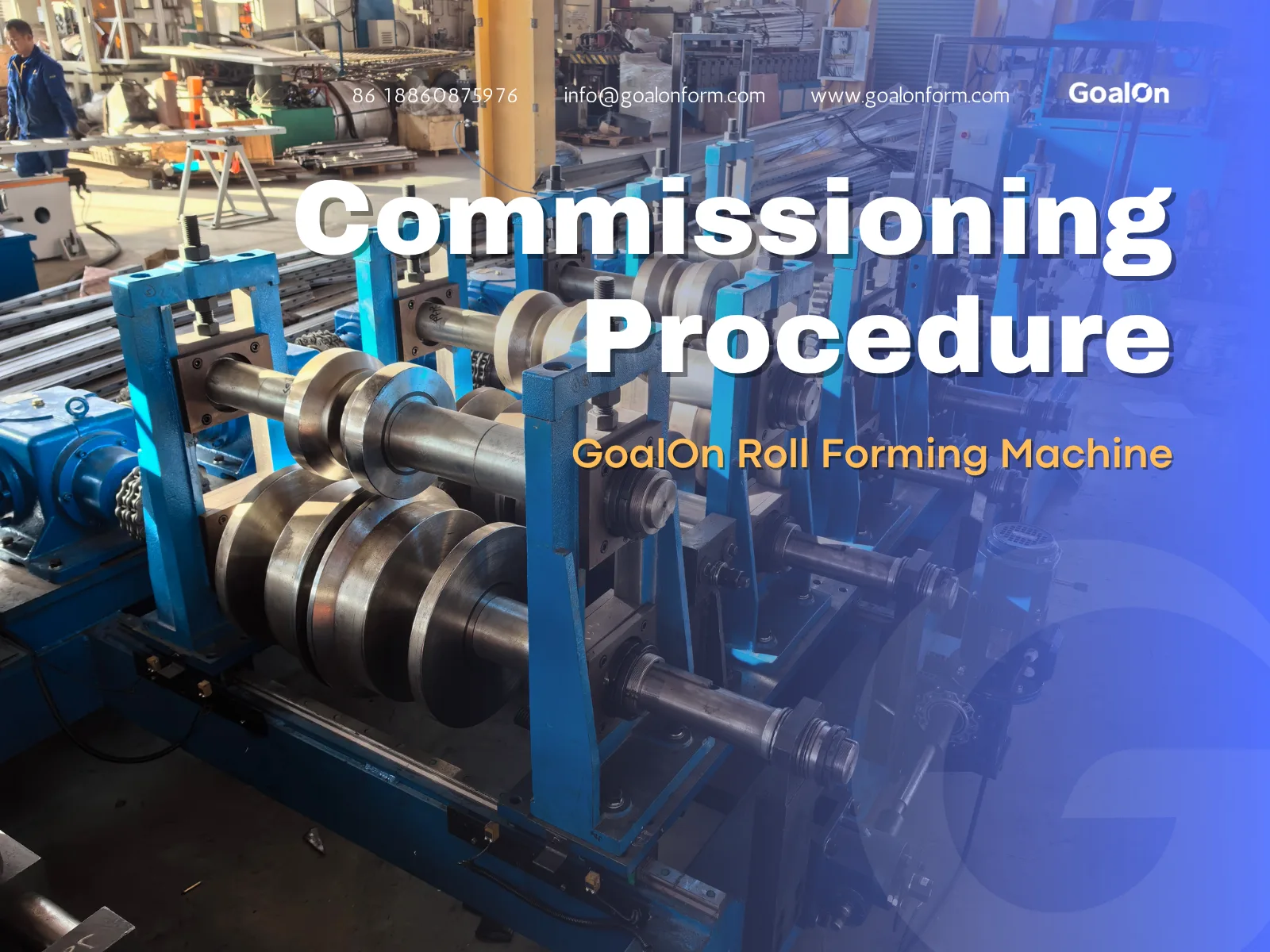
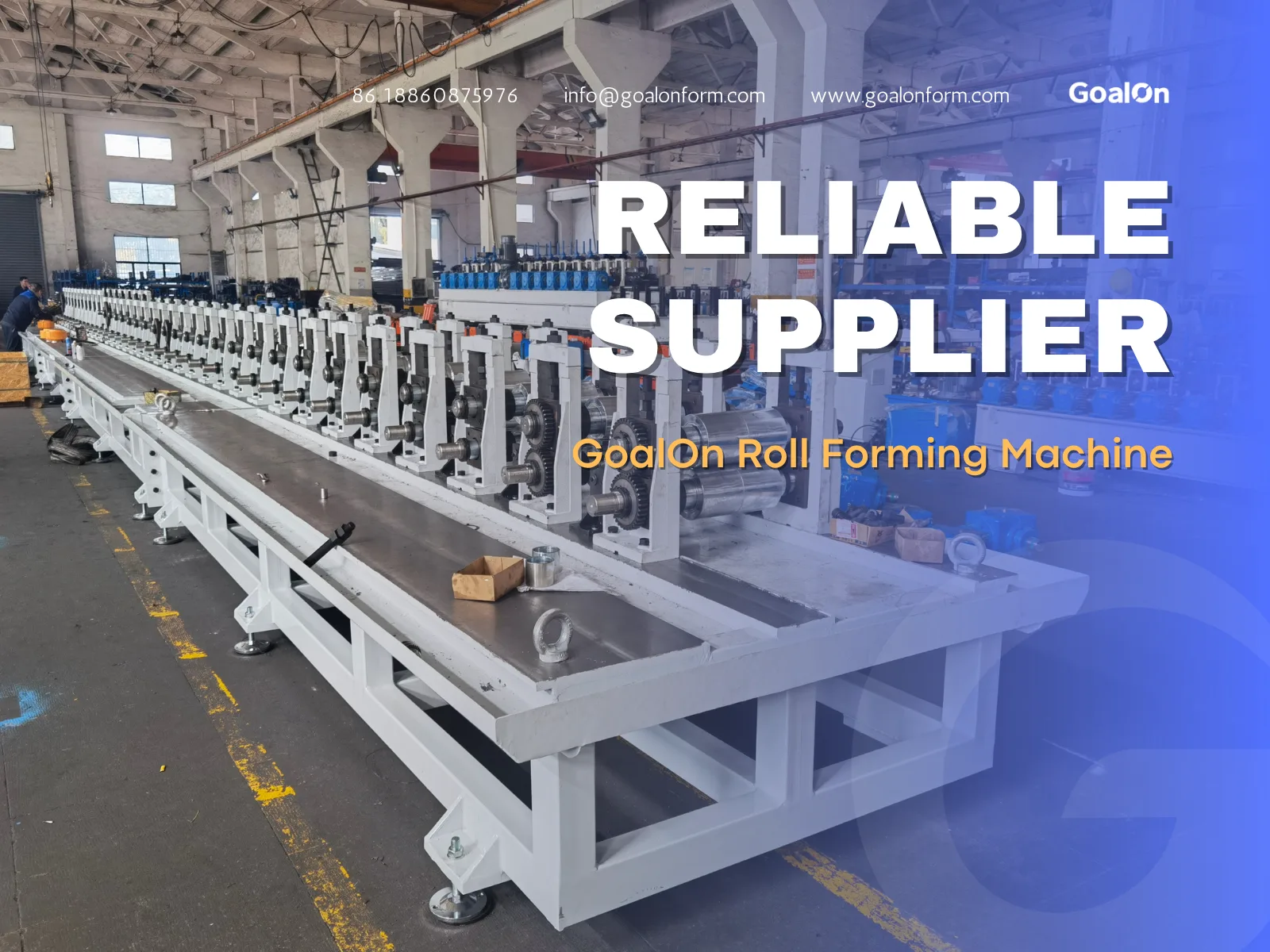
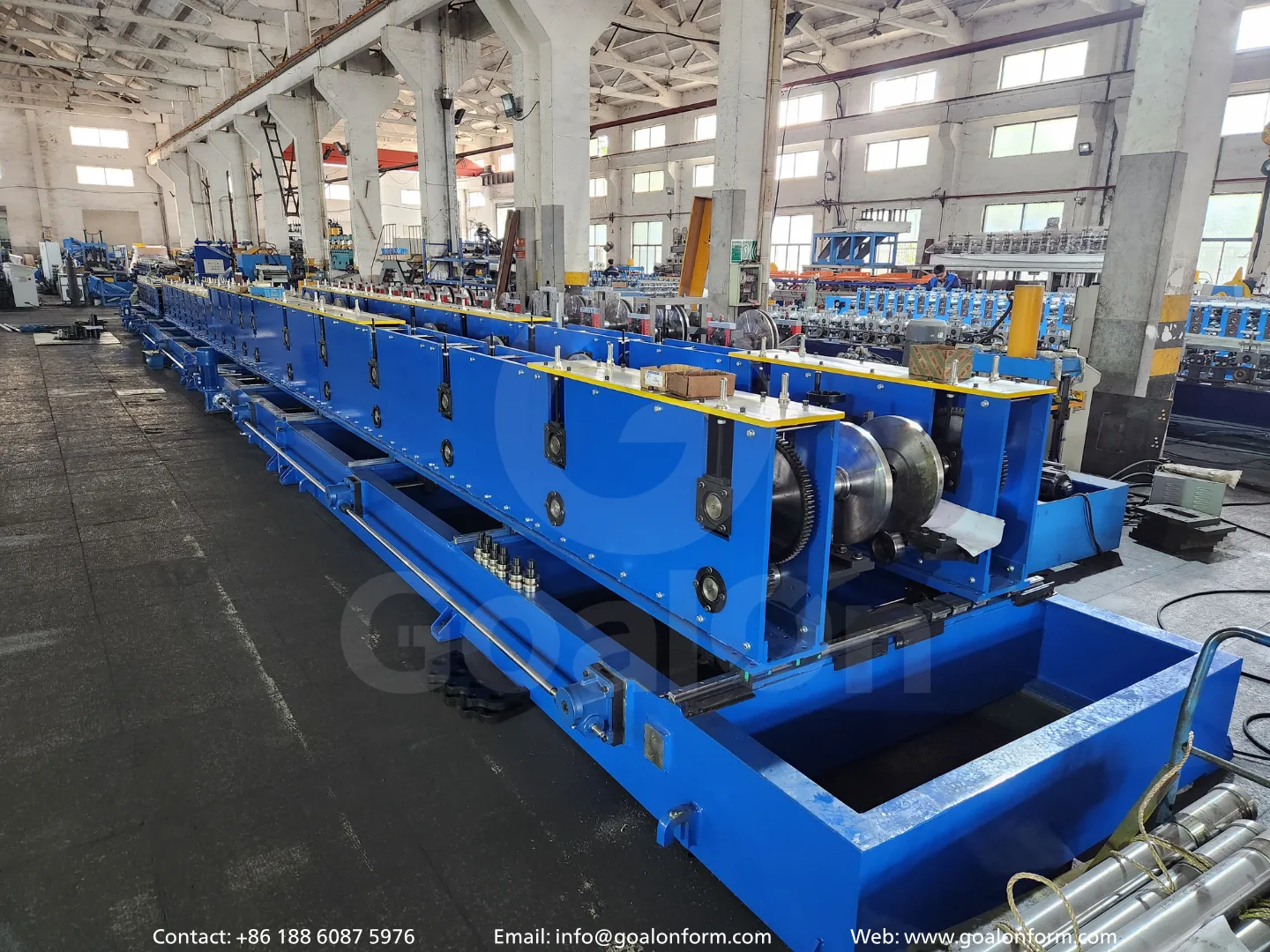
The structural frame determines how long your machine maintains its precision. Heavy duty roll forming equipment utilizes integrated cast-iron stands or thickened solid steel plates. For the components that wear out fastest:
- Heat Treatment: Vacuum quenching to HRC 58-62 ensures the rollers resist friction for over 10 years.
- Roller Material: Premium Cr12MoV (D2 Steel) or GCr15 bearing steel.
2. Advanced Smart Features: Moving Towards Industry 4.0
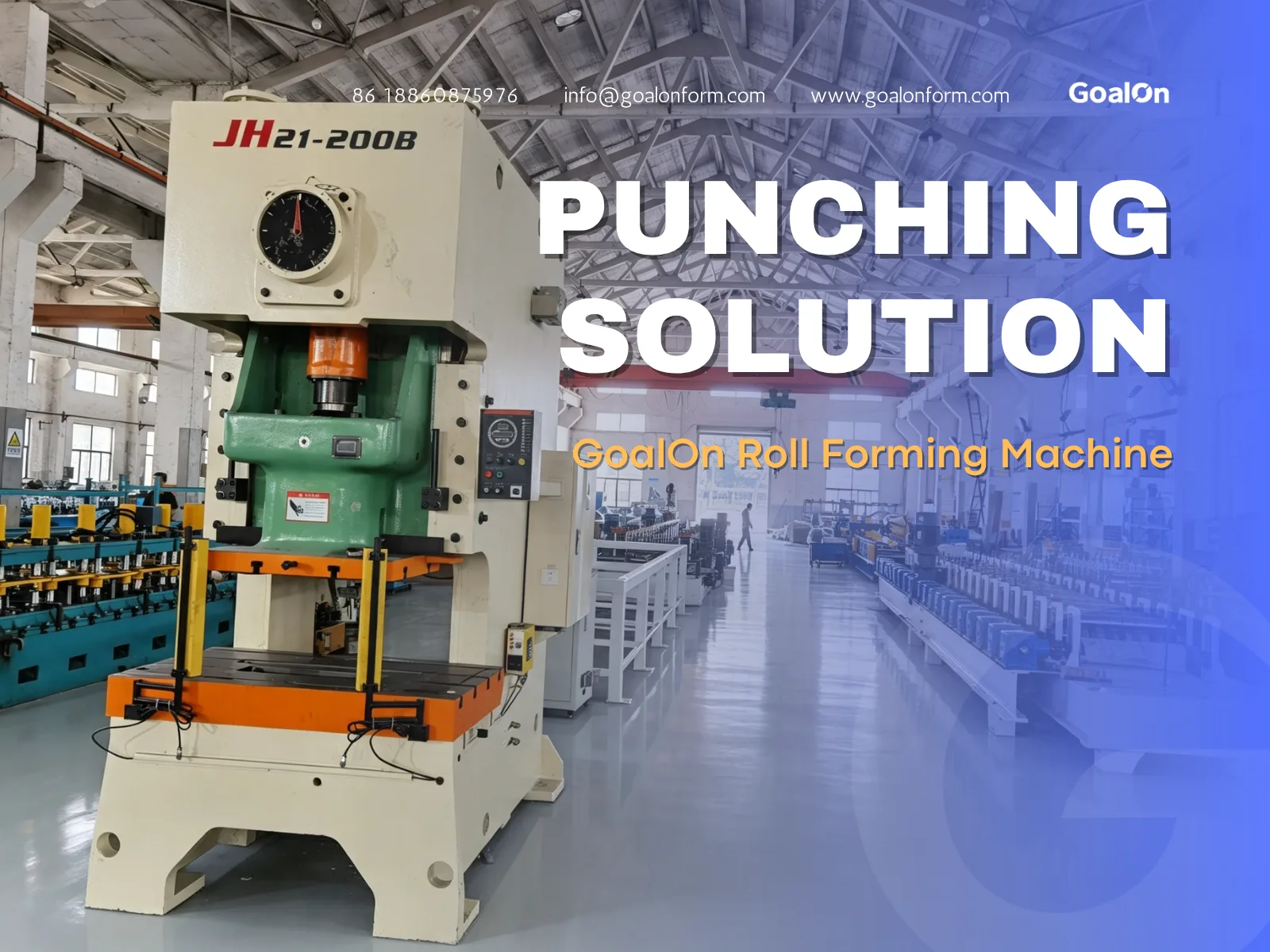
Modern factories no longer rely on manual setup. CNC automation reduces labor dependency and eliminates human adjustment errors.
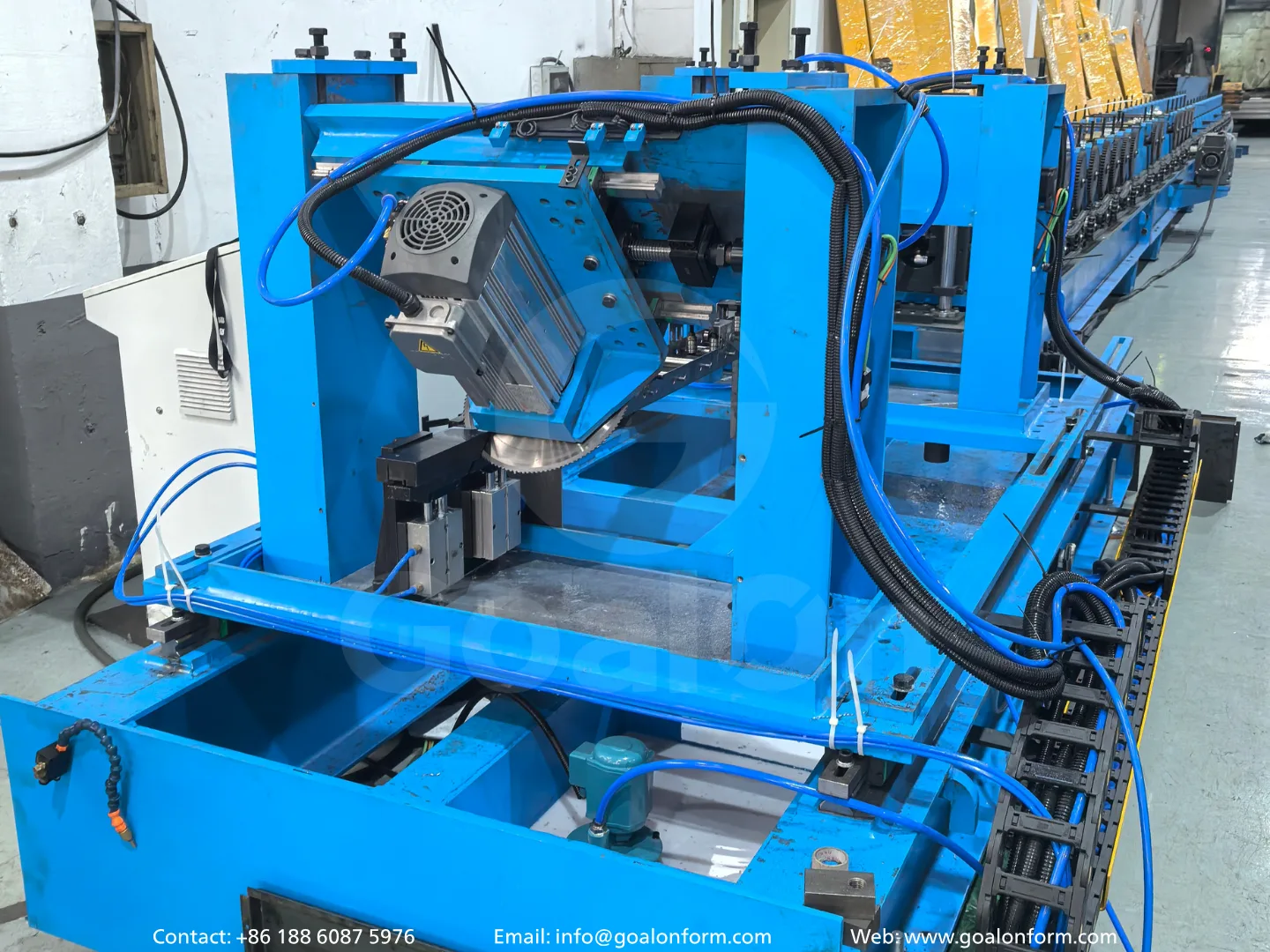
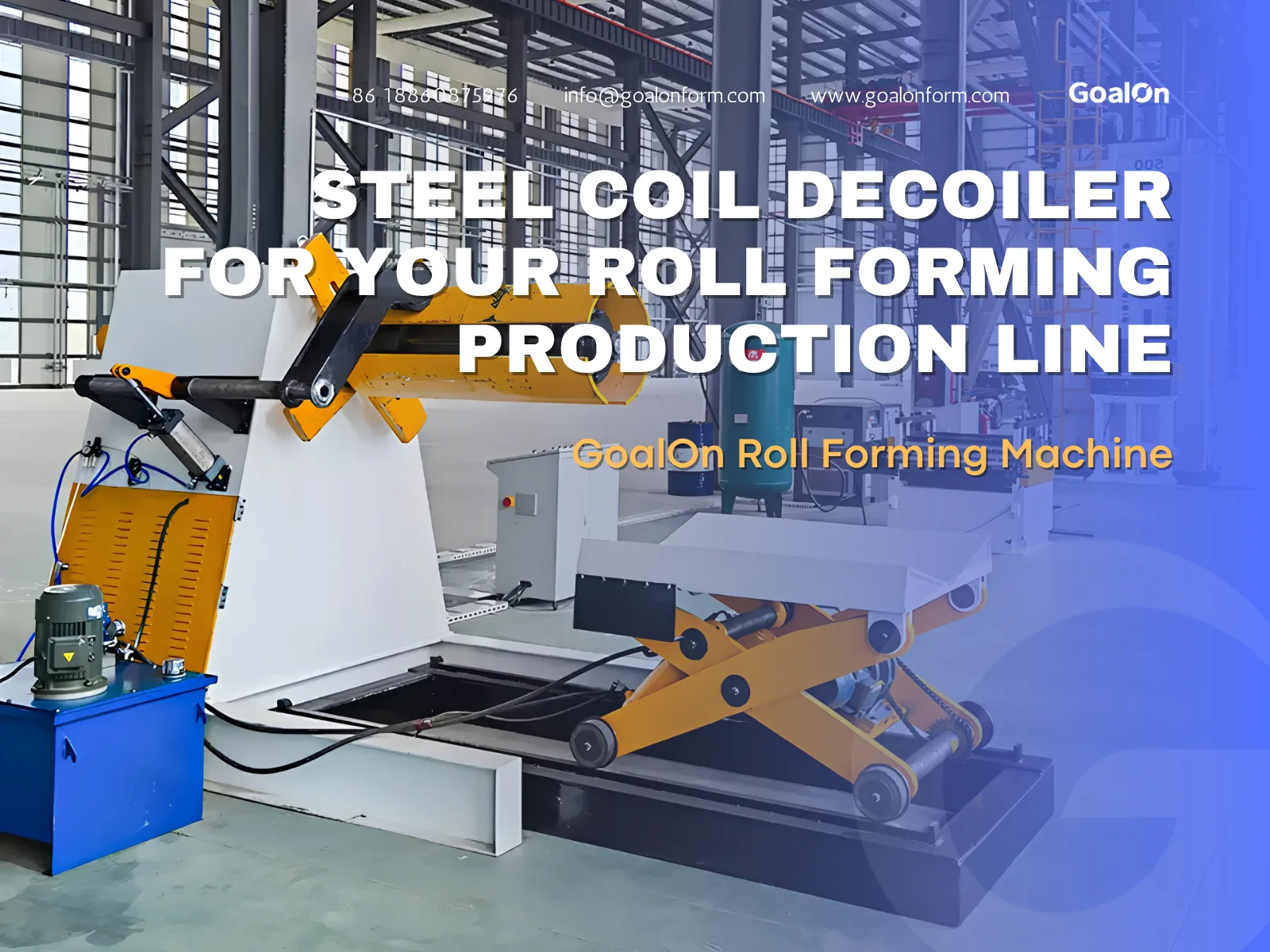
Coil Loading & Uncoiling ➡️ Servo Leveling & Punching ➡️ CNC Multi-Station Roll Forming ➡️ Flying Cut-off & Auto-Stacking
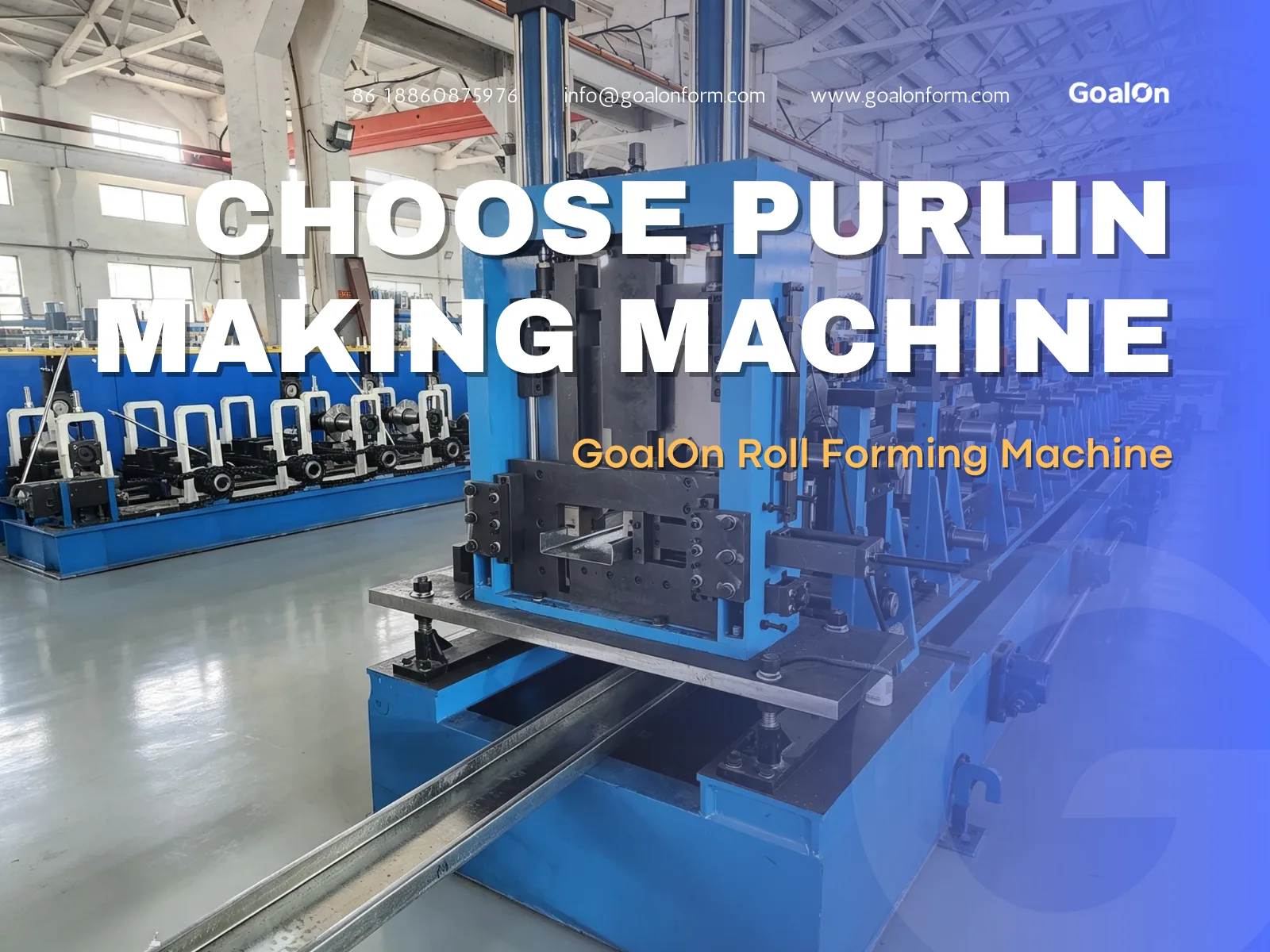
- Automatic Width Adjustment: Modern high speed purlin roll forming machine lines feature motorized width changes via CNC. Operators simply input the new dimensions into the Siemens HMI Touchscreen, and the rollers move automatically via servo motors within 3 minutes.
- Cloud Diagnostics and Remote OEE Monitoring: Integrated IoT modules allow engineers to monitor real-time production output, error logs, and cycle times remotely. If a fault occurs, factory technicians can get immediate remote troubleshooting support from the manufacturer.
3. Top Tier Application Scenarios
Different sectors require specialized roller configurations. Below are the most common industrial applications for cold roll formed steel profiles:
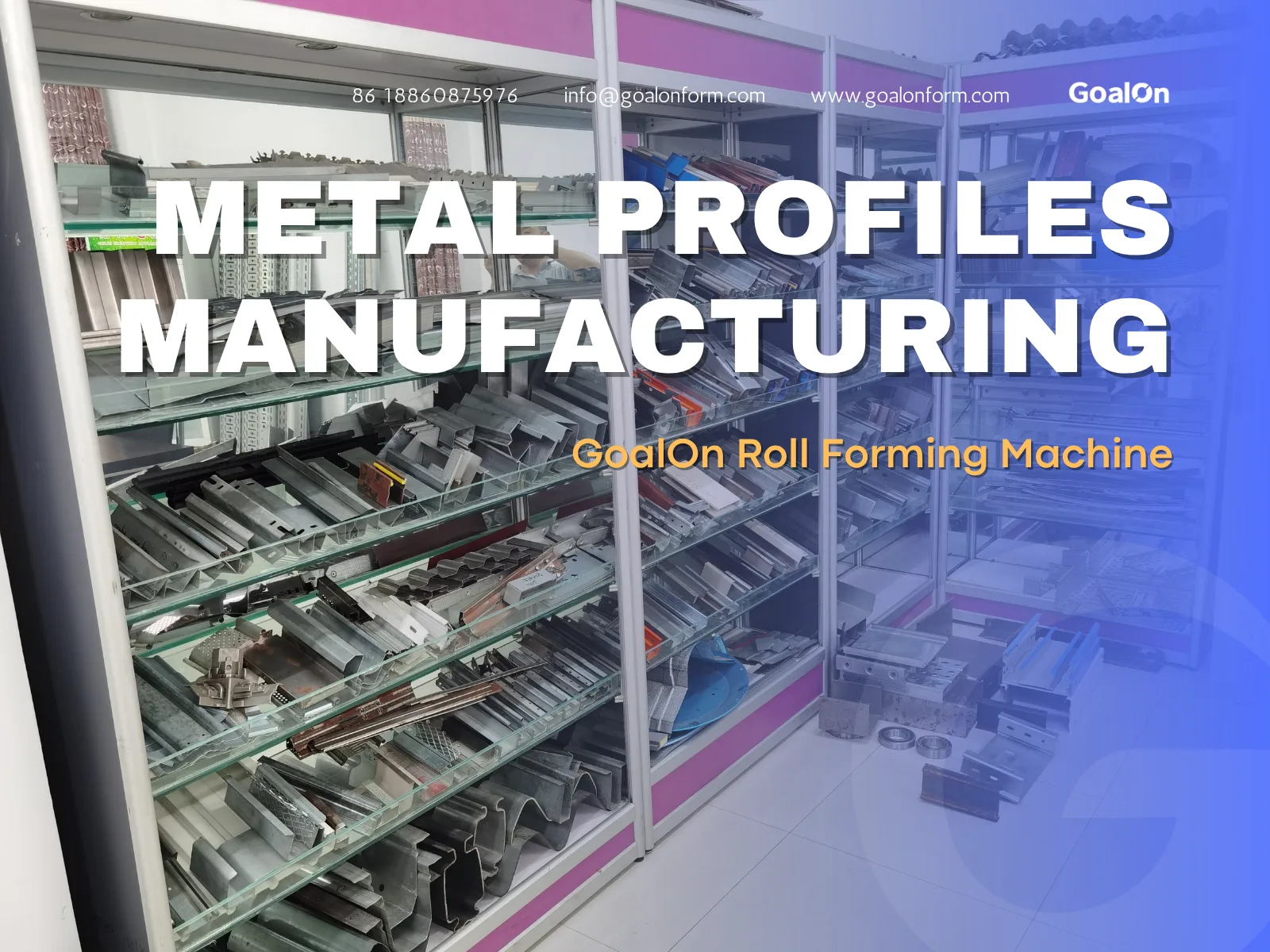
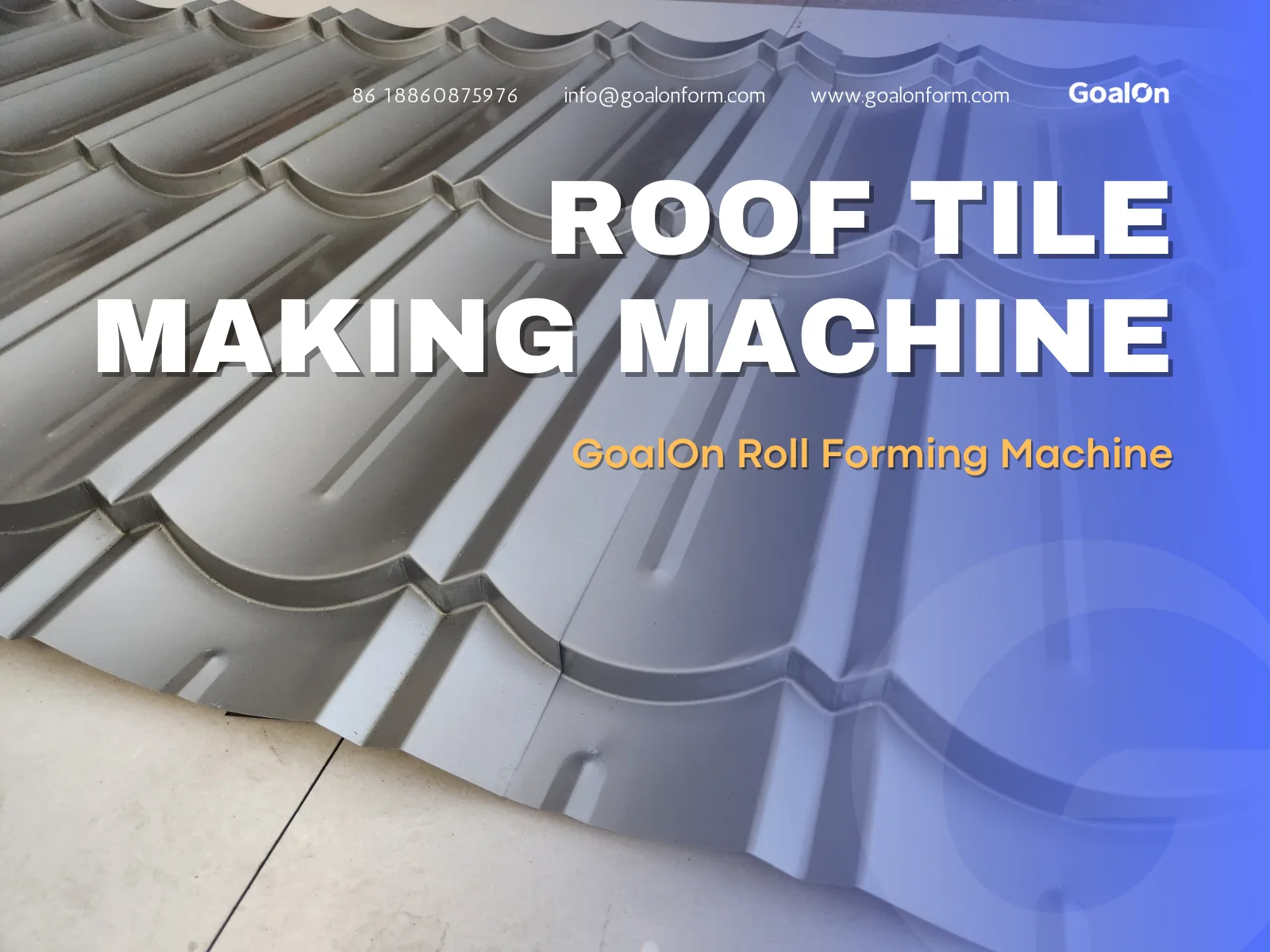
- Pre-Engineered Buildings (PEB): Heavy-gauge C/Z purlins, roof decking panels, corrugated metal tiles, and light-gauge steel framing.
- Automotive Logistics: High-strength door impact beams, window guide rails, and precision seat sliders.
- Warehouse Logistics: Heavy-duty storage rack uprights, box beams, and step beams.
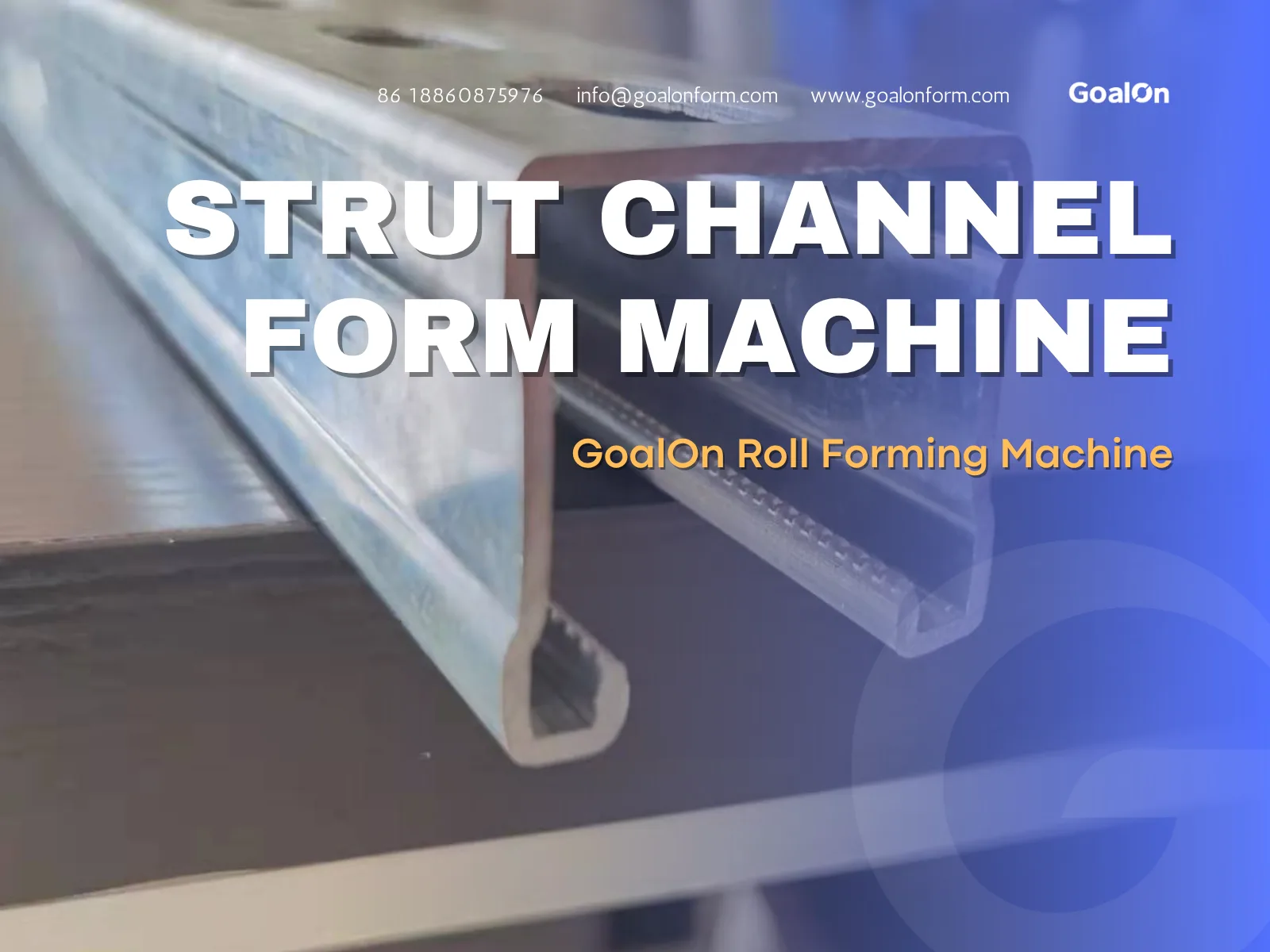
- Renewable Energy: High-accuracy solar tracking rails and C-channels requiring complex, automated inline pre-punching patterns.
4. Procurement Strategy: Evaluating Manufacturers beyond the Quote
When comparing global factories, looking at the initial quote sheet is a common mistake. Cheap machines often result in hidden expenses due to poor assembly and low-grade components.
Engineering & Customization Capability
Can the manufacturer analyze your specific material yield strength (e.g., Q235 vs. Q355 / G550 Galvanized Steel)? A qualified OEM supplier must provide detailed material spring-back analysis and finite element method (FEM) reports during the engineering phase.
Technical Service and Commissioning Support
A machine is only as good as its installation. Look for suppliers who offer overseas installation, local commissioning, and comprehensive operator training programs. Ask for a clear warranty policy on electronic parts (PLC, Inverters) and mechanical wear parts (Cutters, Dies).
The Real Roll Forming Machine Price and ROI Calculation
Investing in a premium automated line reduces scrap rates by up to 4% and cuts manual labor costs in half. When calculating your roll forming machine price and ROI, consider the total cost of ownership (TCO) over a 5-year cycle. High-end machinery pays for itself faster by significantly increasing your Overall Equipment Effectiveness (OEE).
Conclusion: Partner with a Proven Manufacturer
Selecting the right cold forming setup is an investment in your company’s competitive edge. By focusing on solid frame rigidity, smart PLC controls, and documented engineering accuracy, you protect your production floor from costly defects and downtime.
Ready to scale your manufacturing capacity? Contact our engineering team today for a tailored, professional custom CNC roll forming machine design and a free ROI breakdown.