Selecting the right roll forming machine is one of the most critical decisions for a metal profile manufacturer or a construction materials producer. Among the key factors that influence machine performance, cost, and maintenance, the driving system of the roll former stands out.
Today, I want to share my insights on the two most common driving systems in roll forming machines: chain drive and gearbox drive, and help you make an informed decision for your production line.
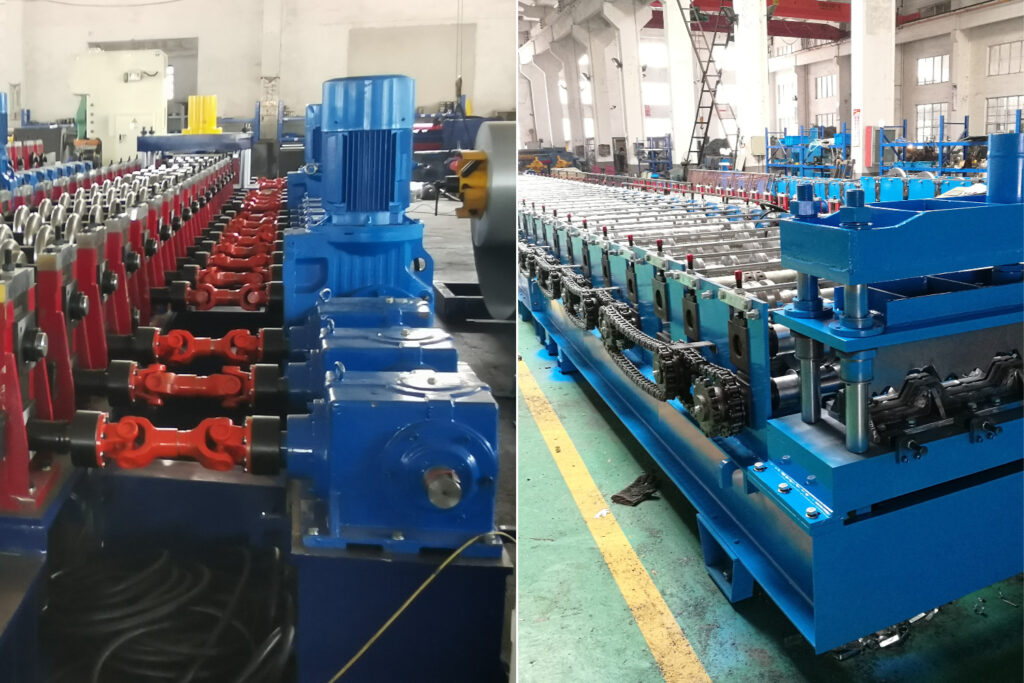
Understanding Roll Former Drive Systems
The main driving mechanisms in a roll forming line determine not only the production speed but also the precision, durability, and maintenance requirements of your machinery. While some older machines used belt drives, modern roll forming machines overwhelmingly rely on either chain drive or gearbox drive systems. Understanding their differences is essential when selecting a new roll former or upgrading your existing production line.
Chain-Driven Roll Forming Machines
- So funktioniert es
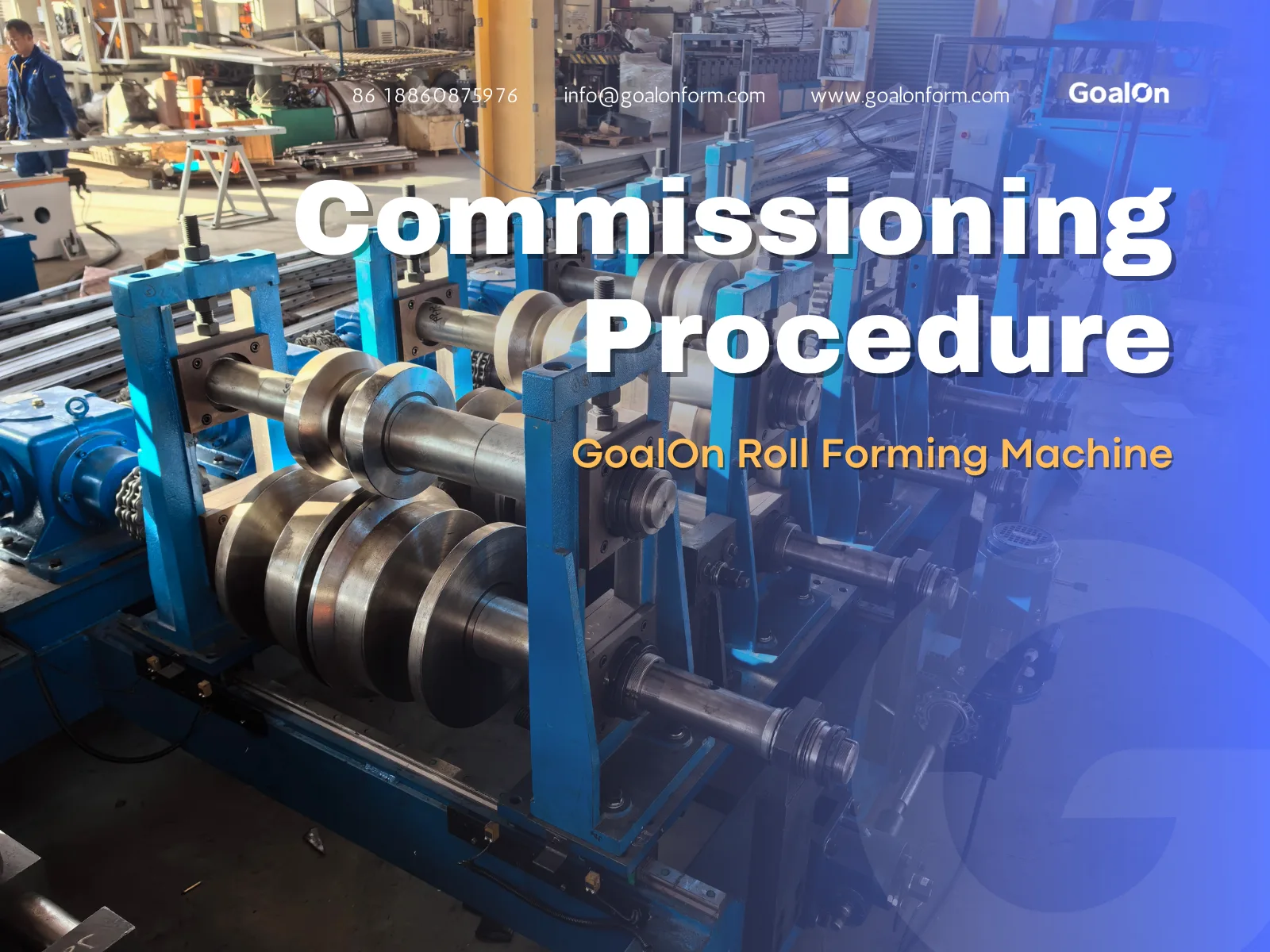
Chain-driven roll formers use a system of high-strength chains and sprockets to transmit power to the forming rollers. Each roller station is synchronized through chains, ensuring consistent material feeding and shaping throughout the roll forming line.
- Vorteile
- Lower initial cost: Chain-driven roll forming machines are more budget-friendly, making them suitable for small to mid-sized operations.
- Simplicity in maintenance: Chains and sprockets are easy to replace or adjust without specialized tools.
- Good for light gauge material: Chain drives handle thinner metal sheets effectively and are flexible for small-scale production.
- Einschränkungen
- Precision challenges: Over time, chain elongation or wear may cause slight deviations in roller alignment, affecting dimensional accuracy.
- Speed constraints: High-speed production can be limited due to the physical properties of chains.
- Wear and tear: Chains need periodic tension adjustment and lubrication to maintain consistent performance.
- Ideal Applications
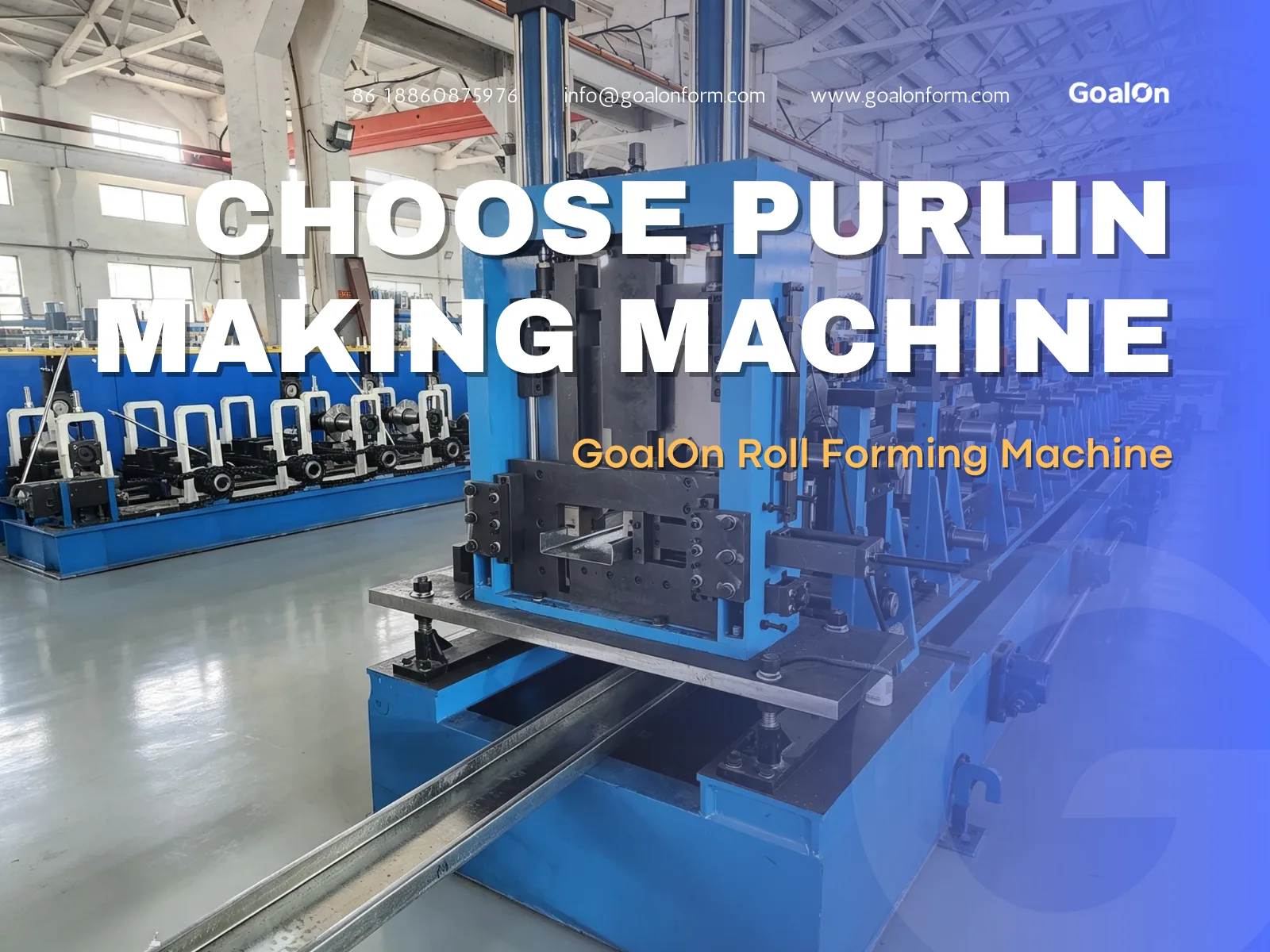
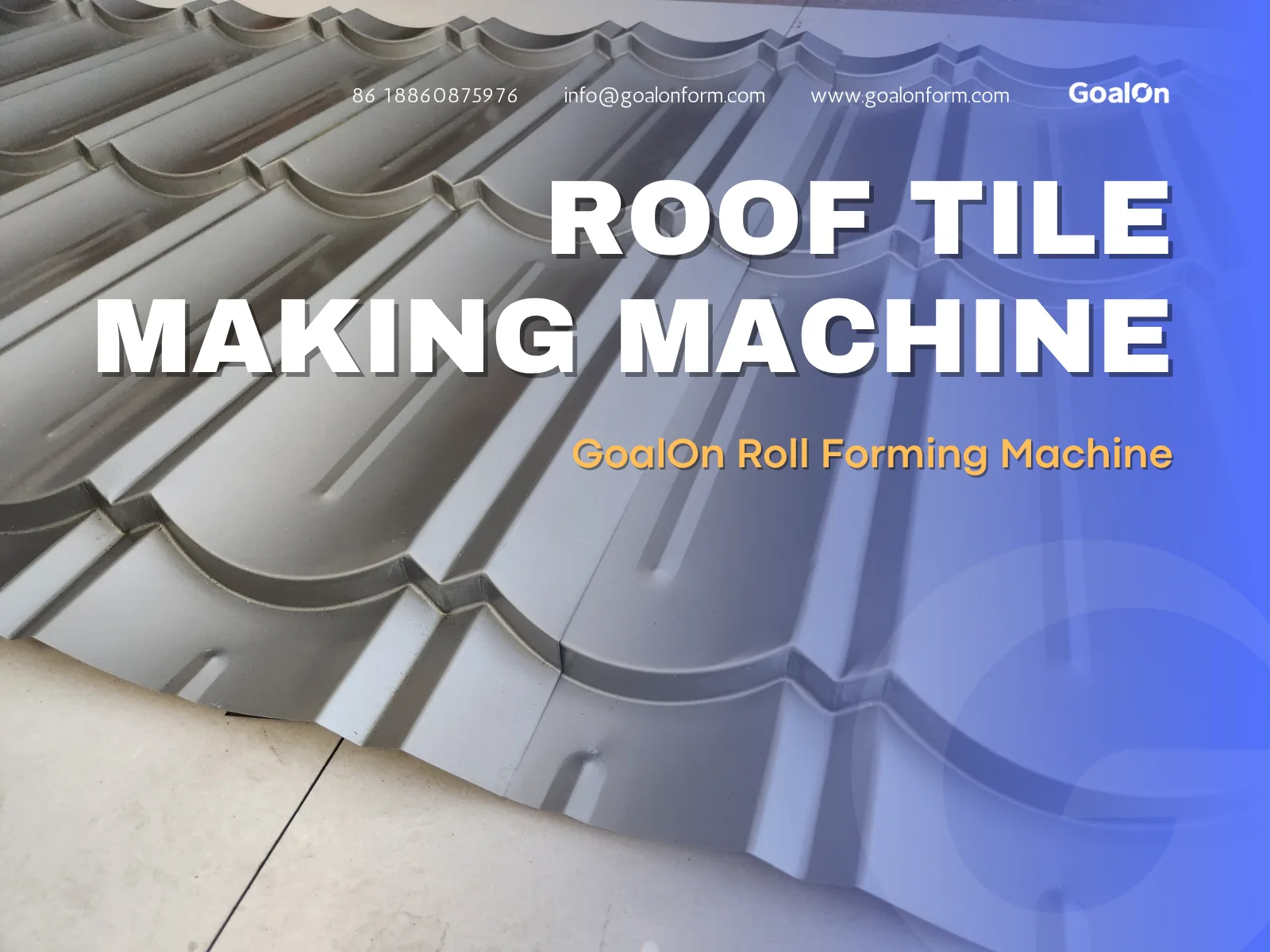
Chain-driven forming rolling machines excel in producing light roof panels, standard C and Z purlins, and other simple profiles where ultra-high precision is not critical.
Gearbox-Driven Roll Forming Machines
- So funktioniert es
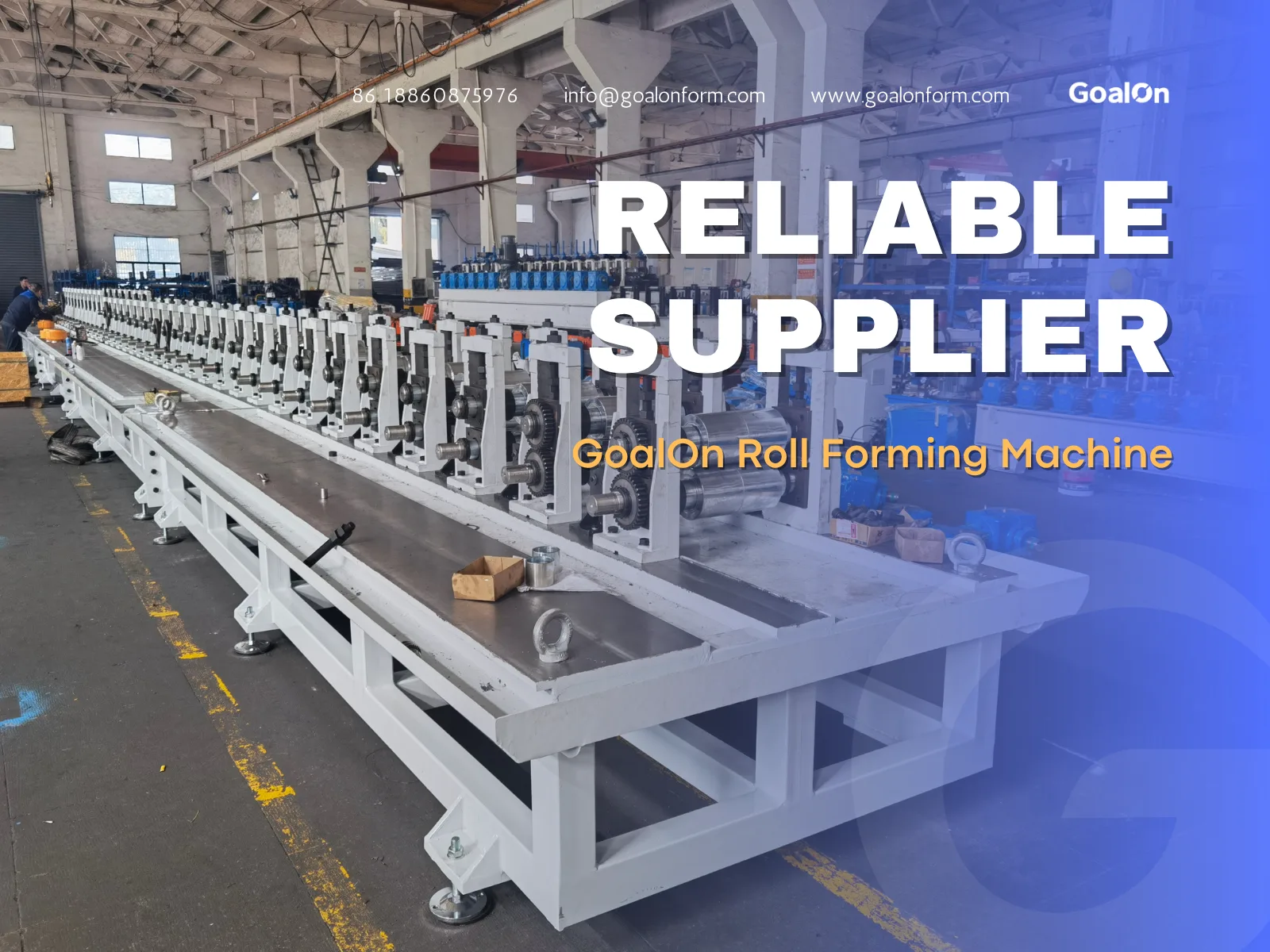
Gearbox-driven roll formers use precision gearboxes to transmit torque directly to each roller. Often, these machines feature dual-side driving, ensuring perfect synchronization between roller stations. This system delivers high stability and precision across the entire roll forming line.
- Vorteile
- High precision: Gearboxes maintain exact roller positioning, producing consistent profiles even with complex geometries.
- Supports high-speed production: Ideal for medium to large-scale manufacturing, where throughput is essential.
- Stable operation: Gear-driven systems handle thicker materials and maintain dimensional accuracy over long production runs.
- Einschränkungen
- Higher initial cost: Gearbox-driven roll forming machines are more expensive due to their complex design and precision components.
- Maintenance expertise required: Gearboxes require regular oil checks, gear alignment inspections, and professional maintenance.
- Dependency on gearbox condition: Any gearbox failure may halt the entire production line.
- Ideal Applications
Gearbox-driven roll formers are perfect for heavy-duty purlins, complex metal profiles, door and window frames, and structural components where accuracy and stability are paramount.
Chain vs Gearbox: Side-by-Side Comparison
| Merkmal | Chain Drive | Gearbox Drive |
| Initial Cost | Lower | Higher |
| Wartung | Simple, DIY-friendly | Requires skilled technicians |
| Produktionsgeschwindigkeit | Medium | Hoch |
| Precision | Mäßig | Hoch |
| Material Thickness | Thin to medium | Thin to thick |
| Suitable Applications | Roof panels, standard purlins | Heavy purlins, door frames, complex profiles |
How to Choose the Right Roll Forming Machine
When deciding between chain and gearbox-driven roll forming machines, consider the following factors:
- Production Goals: Do you need high throughput or moderate output? High-speed, precision-demanding production favors gearbox drives.
- Profile Complexity: Simple profiles can be efficiently produced with chain-driven roll formers, while complex shapes require gear-driven systems.
- Material Thickness: Chain drives suit light gauge metals, while gearbox drives handle thicker steel or aluminum sheets.
- Budget and ROI: Factor in initial investment, maintenance cost, and machine lifespan. Gearbox drives cost more upfront but may reduce downtime and scrap.
- Maintenance Capability: Ensure your team can handle the maintenance demands. Chains are easier to maintain, gearboxes need professional oversight.
Real-World Insights from the Shop Floor
From my experience in metal profile manufacturing, chain-driven roll forming machines perform reliably for small to medium-scale operations. They are forgiving, cost-effective, and easy to maintain. However, for industrial-scale roll forming lines producing heavy purlins or custom structural profiles, investing in a gearbox-driven roll former significantly reduces production errors and scrap rates.
Maintenance plays a crucial role in both systems. Regular roll forming machine maintenance—including lubrication, tension checks, and alignment—is key to achieving consistent production quality, whether your machine uses chains or gearboxes.
Schlussfolgerung
Choosing the right drive system for your roll forming machine is a decision that directly impacts productivity, product quality, and operational costs.
- Chain drive: Affordable, easier to maintain, suitable for light to medium-duty production.
- Gearbox drive: Expensive but precise, stable, and ideal for high-speed or complex profile manufacturing.
Investing in the correct system based on your production needs will save money, reduce downtime, and ensure high-quality output in your roll forming line.
At Goalon Machinery, I focus on providing both chain and gearbox-driven roll formers, tailored to your production requirements. Whether you are upgrading your current line or starting a new one, I can help you choose the best forming rolling machines for your business.