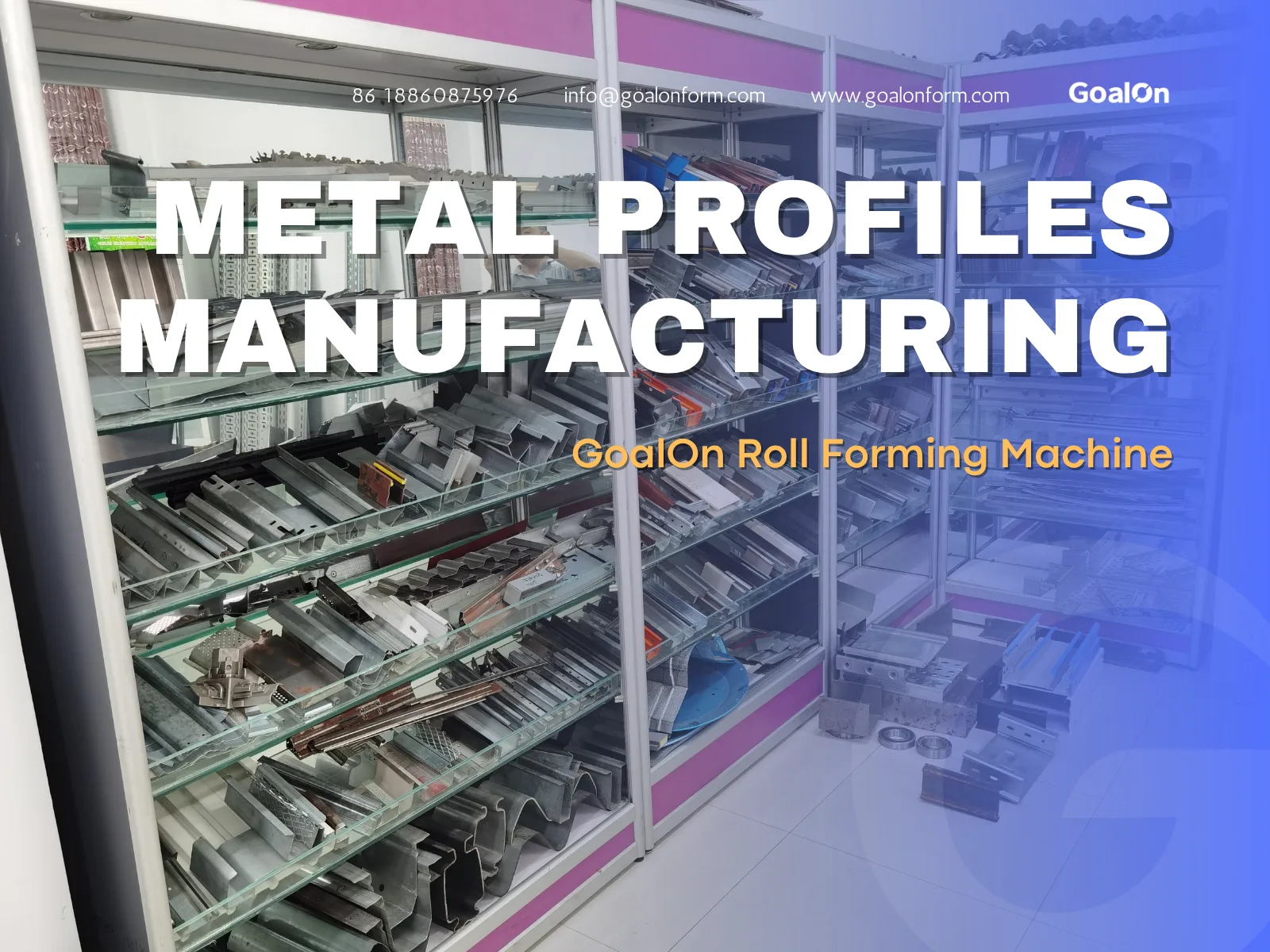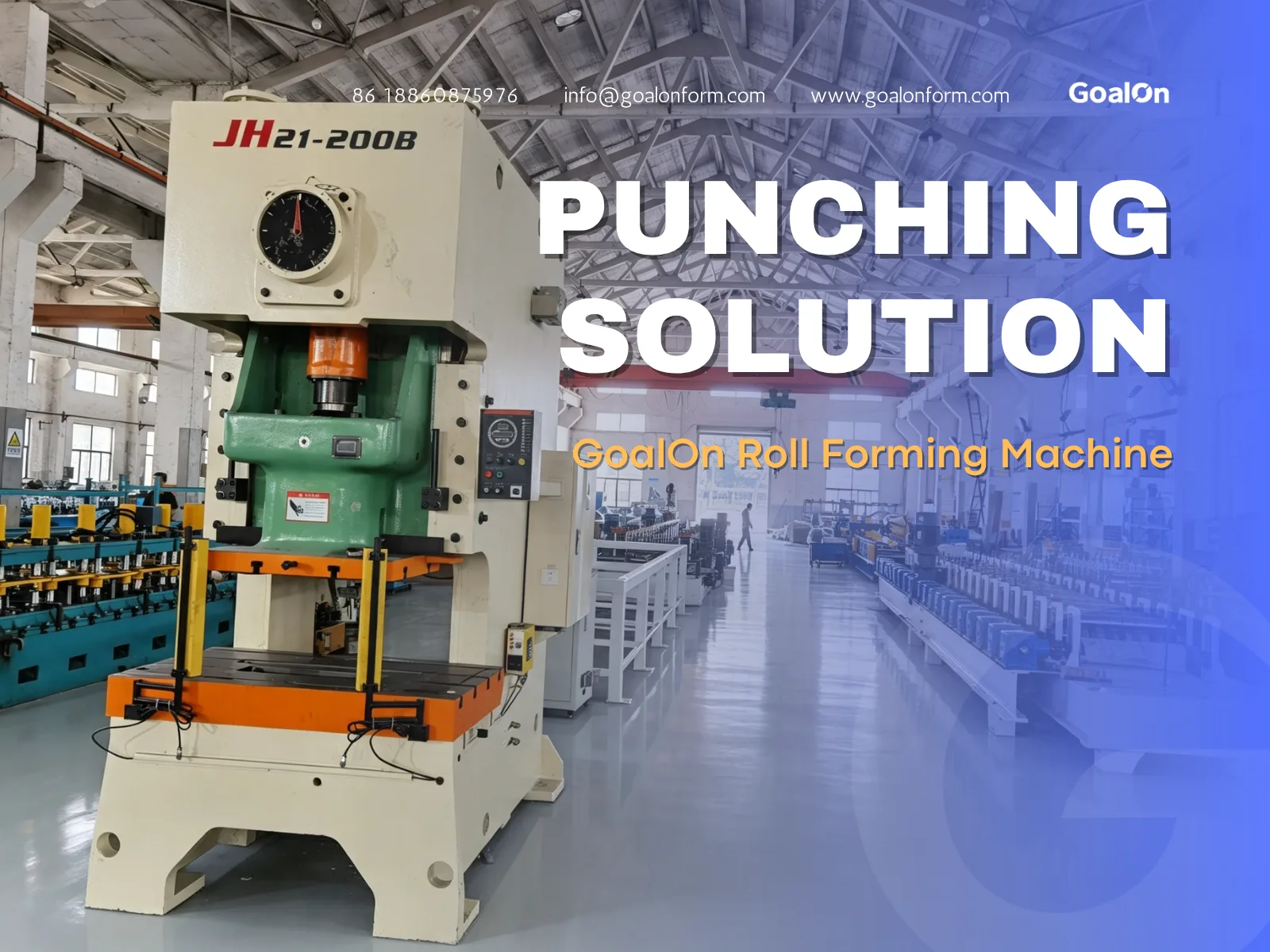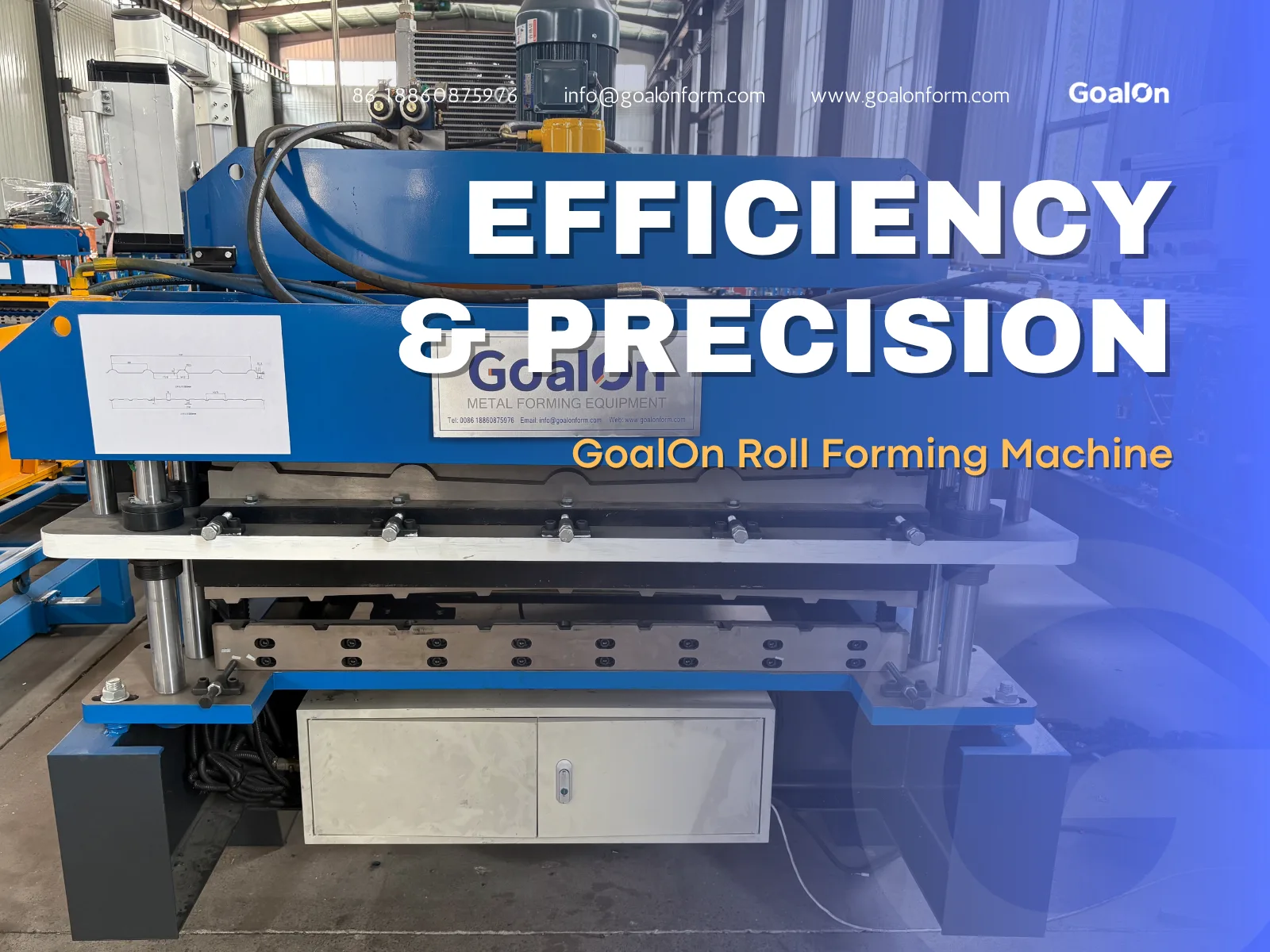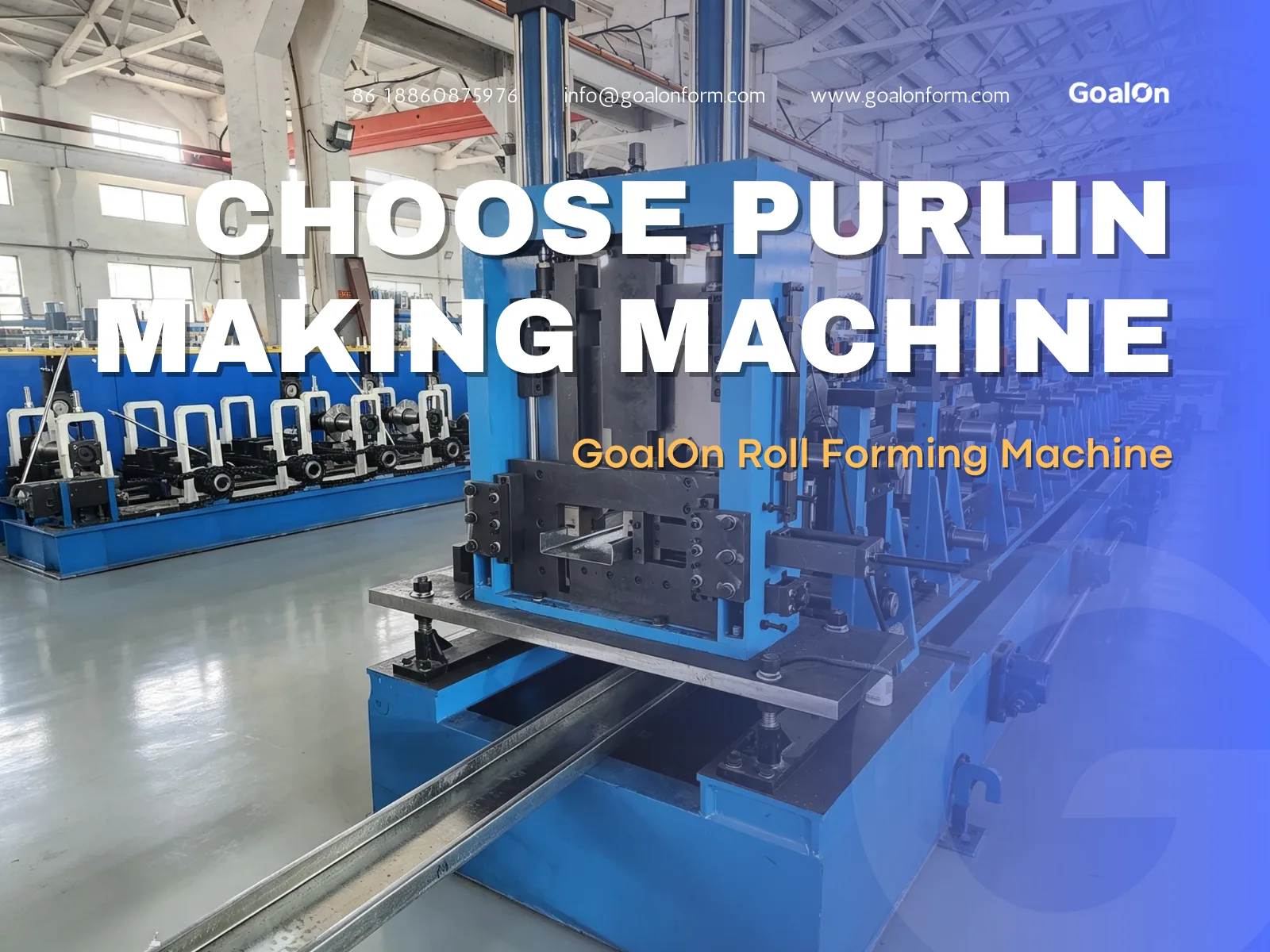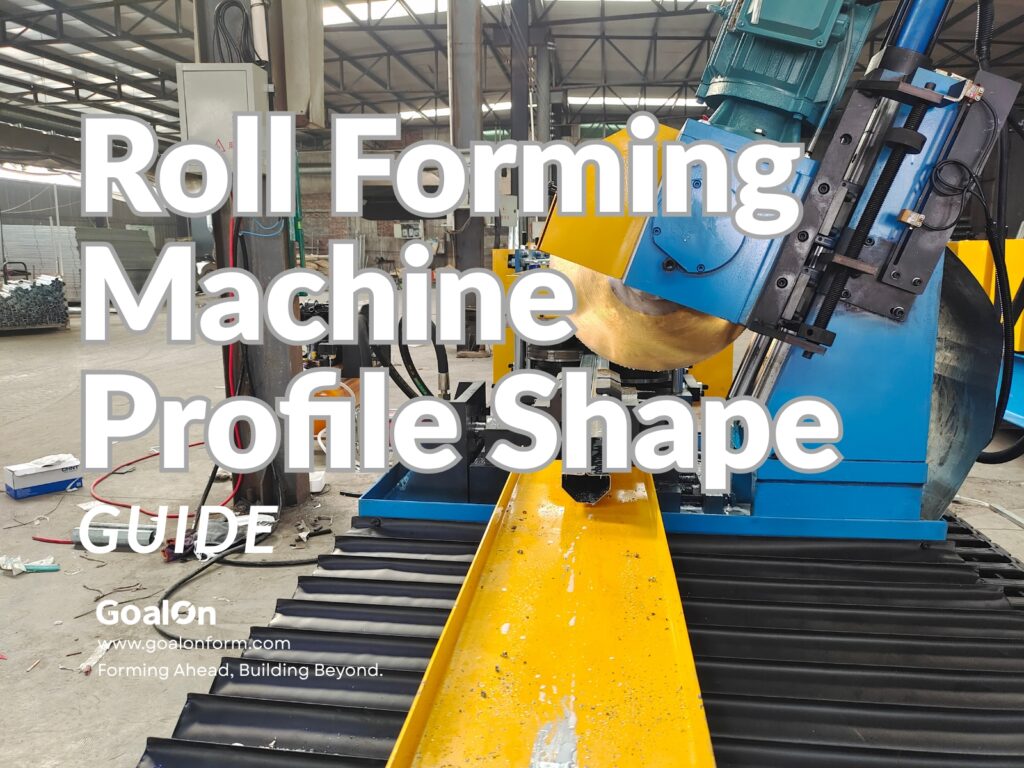
In the world of metal profile production, profile geometry is far more than an aesthetic concern—it dictates the efficiency, cost, and overall feasibility of a roll forming line. From construction beams to roofing sheets and rack systems, every dimension, curve, and rib influences the design of rollers, machine structures, and auxiliary equipment.
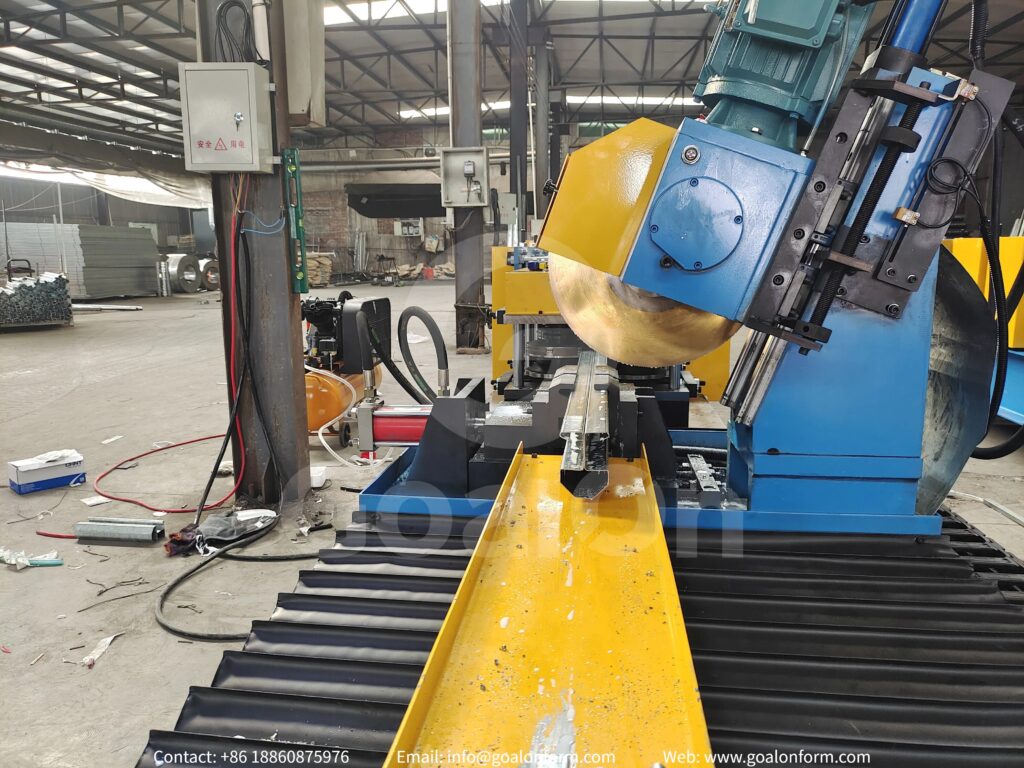
Understanding these dynamics enables manufacturers and equipment suppliers to collaborate effectively, ensuring production goals are met without unnecessary expenditure.
The Role of Profile Complexity in Machine Design
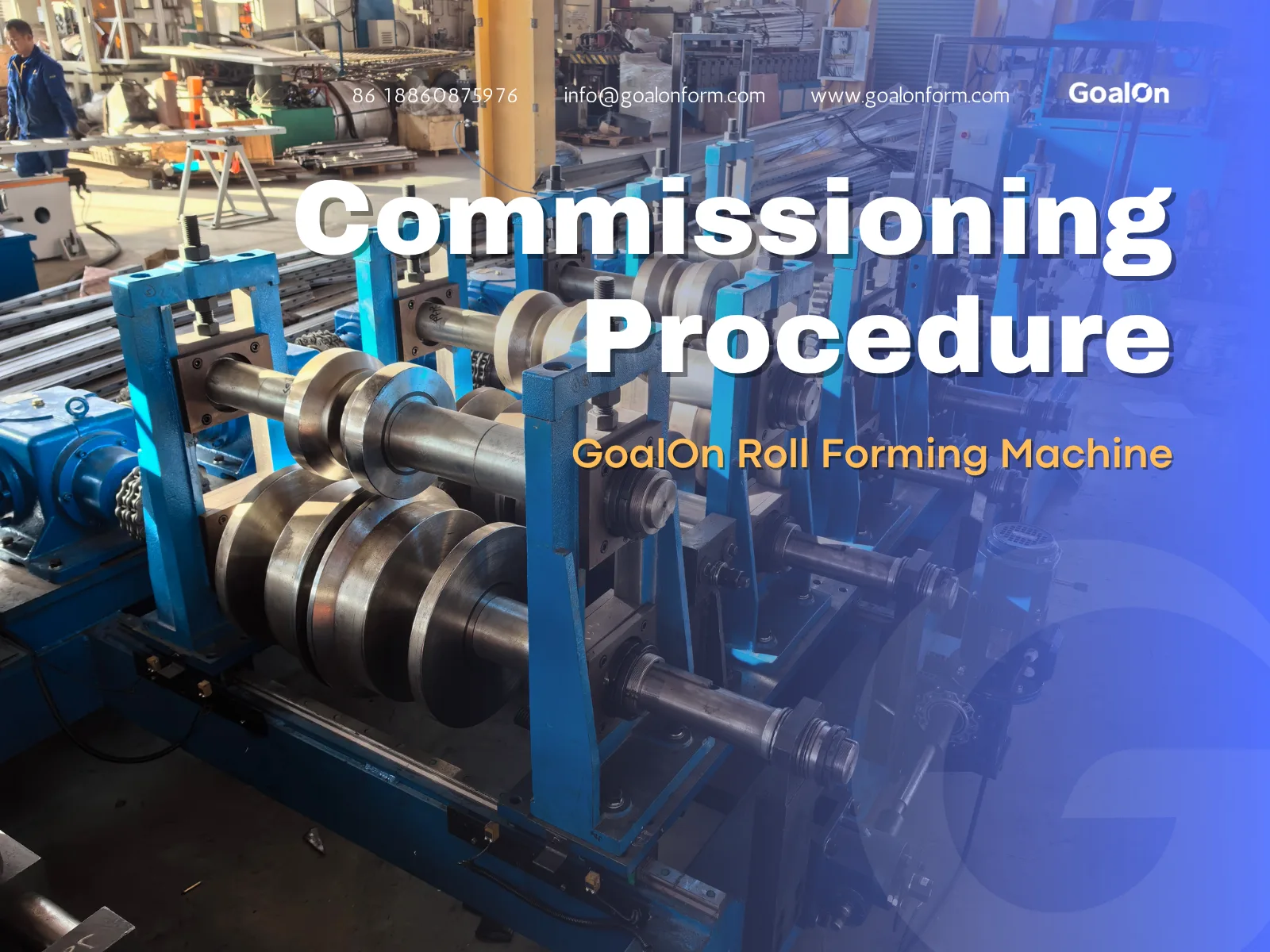
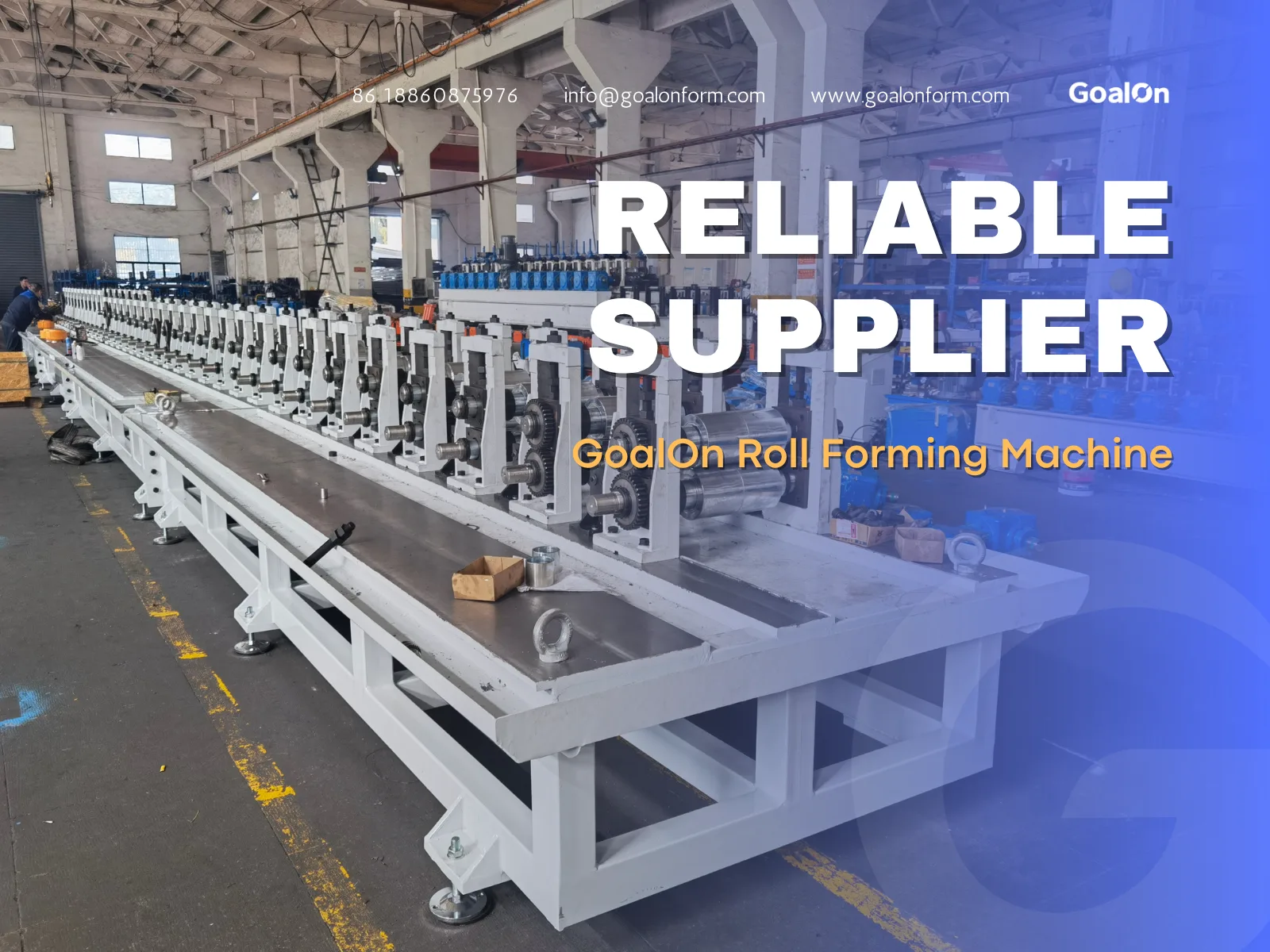
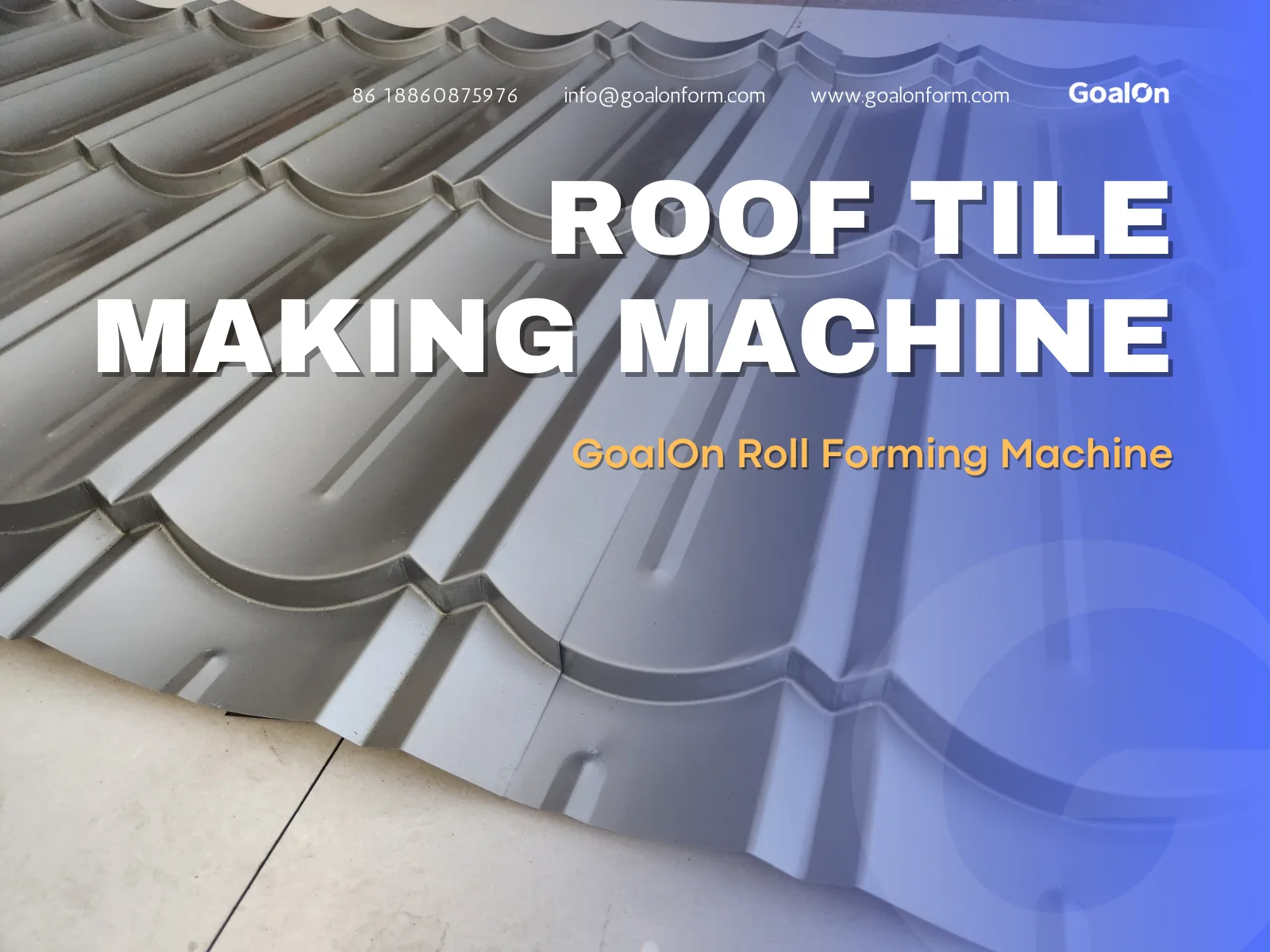
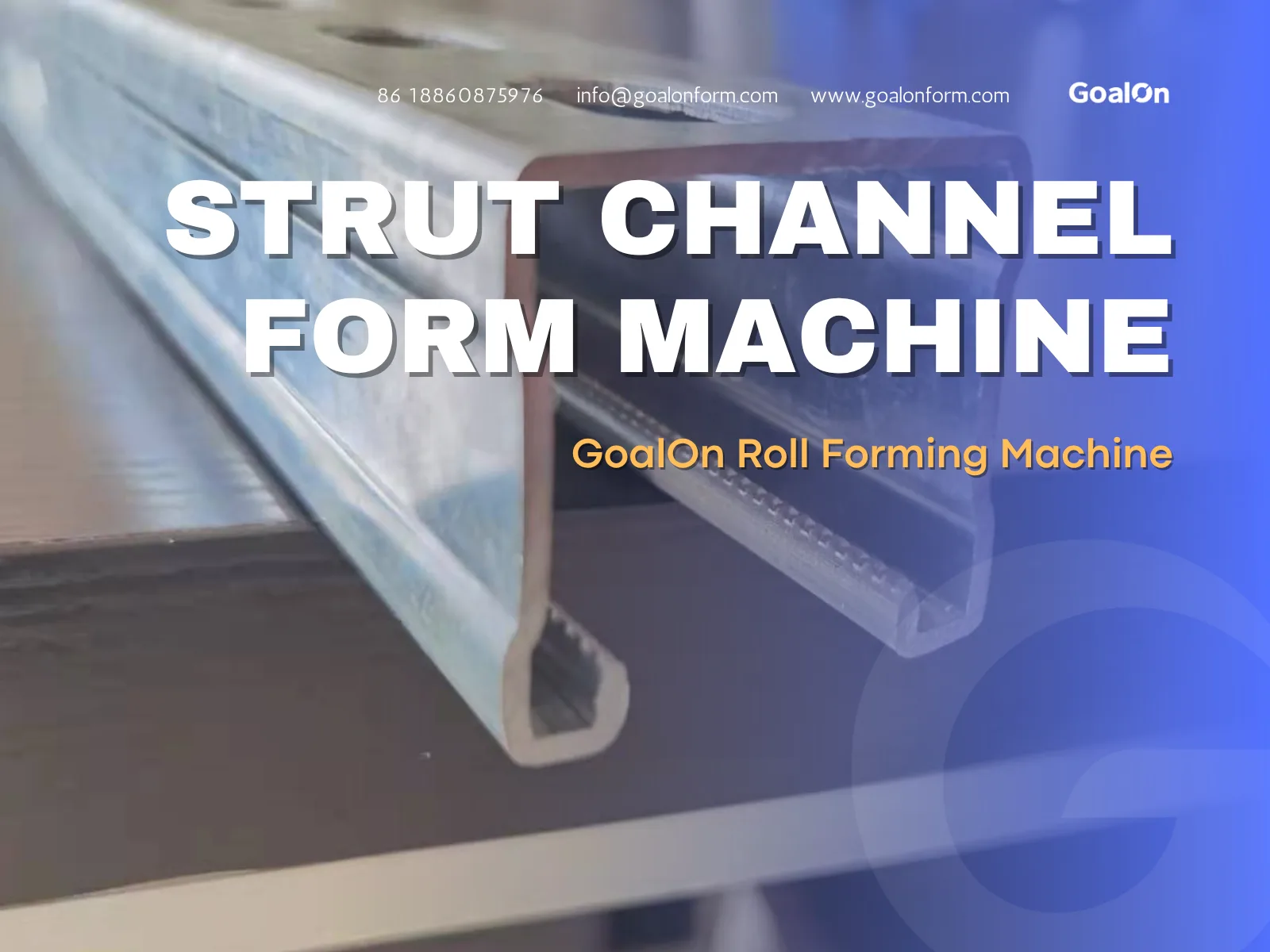
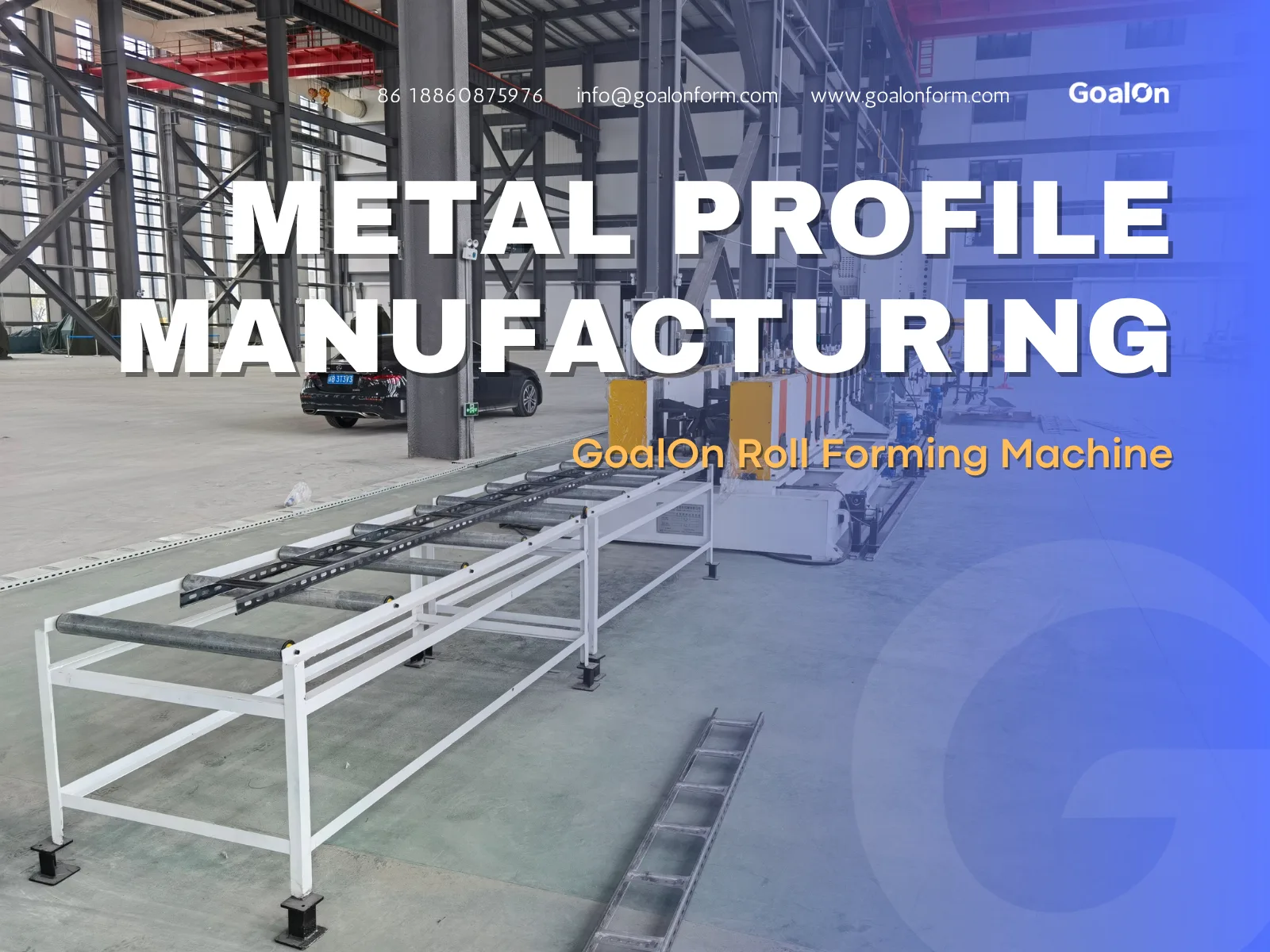
Die complexity of a profile directly affects the number of forming passes and, consequently, the machine’s size and cost. A simple C-purlin might only need 10–12 forming stations, whereas intricate box beams, rack rails, or multi-rib roofing panels may require 25–30 stations. Each additional forming station requires precise roller alignment, more robust machine frames, and sometimes specialized guiding systems to maintain profile accuracy.
Moreover, complex profiles often necessitate progressive forming strategies, where the sheet gradually reaches its final shape to prevent material stress or deformation. This stepwise approach demands a more sophisticated gearbox, accurate shaft calibration, and reinforced stands to support the additional load. From a cost perspective, the difference between a simple channel machine and a multi-rib roofing line can be substantial, sometimes exceeding 30–50% of the baseline investment.
Material Thickness and Its Influence on Machine Requirements
Material gauge is another critical factor in roll forming design. Thicker steel or aluminum requires larger shafts, heavy-duty frames, and high-torque drive systems. For example, a 3 mm galvanized C-section demands a machine with reinforced rollers and a gearbox capable of handling high torque, while a 0.5 mm roofing sheet can run efficiently on lighter, faster lines.
In addition to mechanical considerations, thicker materials impact energy consumption, bearing wear, und maintenance cycles. Manufacturers must consider whether a heavier-duty machine will be justified by production output and product value, or if a lighter, high-speed machine better suits thin-gauge applications like roofing or siding panels.
Special Features and Auxiliary Modules
Modern profiles frequently incorporate punched holes, embossed patterns, interlocking notches, or bent flanges to meet functional or aesthetic requirements. Each special feature adds complexity to the roll forming line:
- Punching modules must synchronize with forming speed to prevent misalignment. High-speed lines may employ servogesteuerte Stanzanlagen to ensure accuracy without reducing throughput.
- Embossing rollers require precise roller shaping and often additional support stands to maintain pressure and consistency across the material.
- Interlocking or snap-fit sections necessitate additional forming passes or specialized tooling, increasing both initial machine cost and ongoing maintenance requirements.
These auxiliary functions are essential in industries such as solar mounting systems, cable trays, and pre-fabricated building panels, where precision and durability are non-negotiable. Incorporating them into the early design phase avoids costly retrofits later.
Precision and Tolerance Considerations
Tolerance requirements heavily influence machine selection and cost. Industries like automotive, solar infrastructure, and specialized construction components often demand tolerances within ±0.1 mm or less. Achieving these results requires:
- High-precision rollers with uniform hardness and minimal wear.
- Advanced control systems capable of adjusting forming speed in real time.
- Rigorous quality control protocols to detect deviations immediately.
Failing to account for tolerance requirements can lead to scrap, rework, or even rejection of entire batches, significantly impacting profitability. Manufacturers often face a trade-off between machine cost und long-term operational efficiency, making early-stage profile planning critical.
Production Speed and Automation Impact
Liniengeschwindigkeit is a major determinant of both machine configuration and investment cost. High-speed lines with flying cut systems, servo feeders, and automatic stacking units can dramatically increase throughput, sometimes up to 50% higher than manual or semi-automatic setups. However, these features come with higher initial capital and more advanced maintenance requirements.
For example, roofing panel lines often operate at higher speeds to meet seasonal construction demands. Integrating servo-controlled feeding and cutting systems allows the line to maintain accuracy while handling continuous production, reducing labor costs and minimizing downtime. In contrast, low-speed manual lines may suffice for small-batch or specialty profile production, offering lower upfront costs but higher long-term labor expenses.
Cost-Benefit Analysis for Profile-Based Decisions
Choosing the right roll forming line requires a holistic view of profile design, material characteristics, auxiliary features, tolerance requirements, and desired production speed. Manufacturers should evaluate:
- The trade-off between machine sophistication and production efficiency.
- Whether auxiliary modules are necessary from day one or can be added later.
- Potential energy and maintenance costs associated with heavier or faster machines.
- Long-term flexibility for producing new profiles or variations without major machine modifications.
Engaging suppliers early in the design process can reveal opportunities to optimize roller sequencing, shaft sizing, and frame reinforcement, ultimately reducing unnecessary expenditures while maintaining production quality.
Long-Term Benefits of Profile Planning
Meticulous profile planning not only ensures accurate and consistent production but also enhances machine longevity und operational efficiency. Well-designed profiles reduce stress on rollers, shafts, and frames, limiting wear and maintenance requirements. Additionally, properly designed lines can accommodate material thickness variations, feature modules, and evolving production needs with minimal downtime.
In industries where every millimeter counts—such as solar mounting, industrial shelving, and architectural panels—the benefits of upfront design planning outweigh the initial investment. Manufacturers gain the ability to:
- Produce high-quality profiles consistently at high speed.
- Minimize waste and rework costs.
- Optimize labor and energy consumption.
- Adjust production quickly to meet market demand.
T standards—demonstrating expertise, authoritativeness, and trustworthiness.
Schlussfolgerung
The interdependence of profile design, material characteristics, machine complexity, and production speed underscores the importance of strategic planning in roll forming. Manufacturers who carefully analyze these factors in collaboration with suppliers can optimize both capital investment und operational efficiency, ensuring high-quality output, lower long-term costs, and the flexibility to adapt to future production requirements.
Ultimately, the success of a roll forming project hinges not just on purchasing a machine but on understanding the profile, planning the line, and integrating the right technology from the outset—a philosophy that pays dividends across production efficiency, product quality, and market competitiveness.