In modern steel construction, C and Z purlins are no longer just standard components—they are critical structural elements that directly affect installation efficiency, load performance, and overall project cost. Whether used in warehouses, industrial workshops, or commercial buildings, the demand for high-precision, high-strength purlins continues to grow.
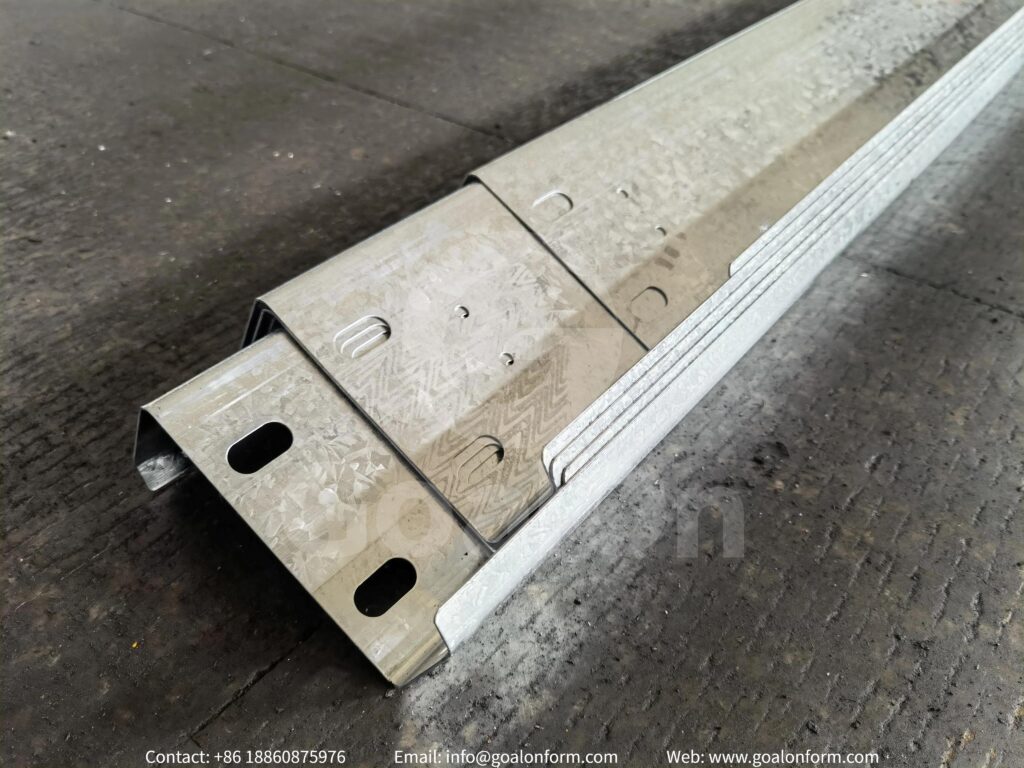
Behind this demand lies one key piece of equipment: the CZ purlin roll forming machine. For metal profile manufacturers, construction companies, and machine trading firms, selecting the right roll forming line is not only a technical decision but also a long-term investment strategy.
This guide explains how a professional CZ purlin roll forming line should be configured, what really impacts production performance, and how to avoid costly mistakes when purchasing.
Understanding the Complete CZ Purlin Roll Forming Line
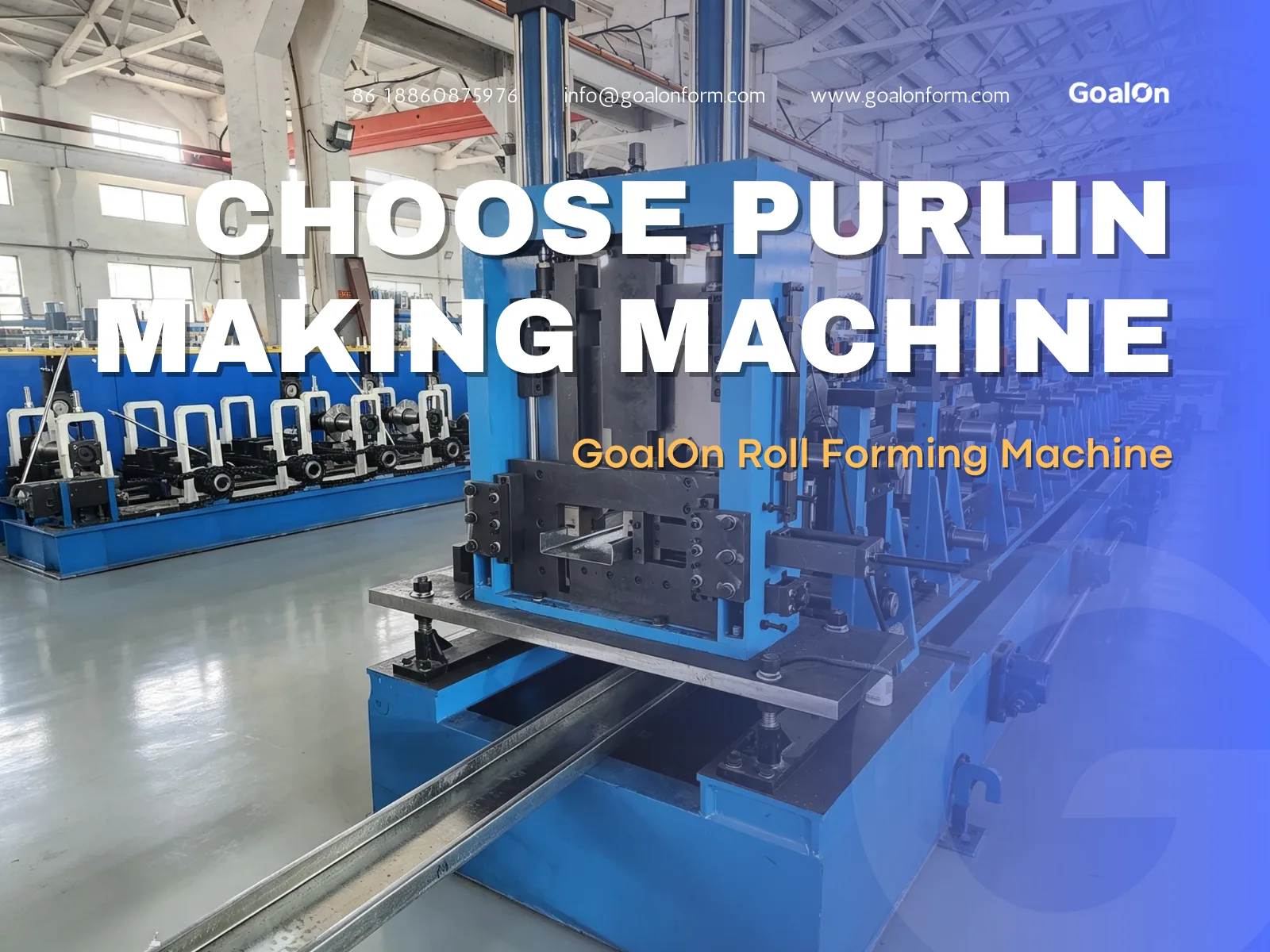
A modern CZ purlin roll forming line is not just a forming machine—it is an integrated production system. A typical configuration includes:
- Decoiling system
- Nivelliereinheit
- Stanzsystem
- Pre-cut or post-cut module
- Walzprofiliermaschine
- Cutting system (flying or stop-to-cut)
- Output and stacking system
Each section plays a critical role. Ignoring any one of them can result in poor product quality, production delays, or higher long-term costs.
Material Handling: Why Decoiling and Leveling Define Product Stability
The production quality of purlins starts long before forming begins. In fact, many dimensional defects originate from improper coil handling.
A hydraulic decoiler—commonly in 3T, 5T, or 10T configurations—ensures stable and safe material feeding. When equipped with a coil car, it significantly improves loading efficiency and reduces labor risks. More importantly, hydraulic expansion guarantees consistent tension during uncoiling, which is essential for maintaining straight feeding into the line.
Leveling is equally critical, especially when processing galvanized steel coils in the 1.5–3.0 mm range. Internal stress within the steel must be eliminated before forming. Without proper leveling, manufacturers often face issues such as twisting, flange deformation, or uneven profile geometry.
From an engineering perspective, investing in a heavy-duty leveling system is not optional—it is the foundation of consistent product quality.
Punching Technology: Flexibility vs Production Speed
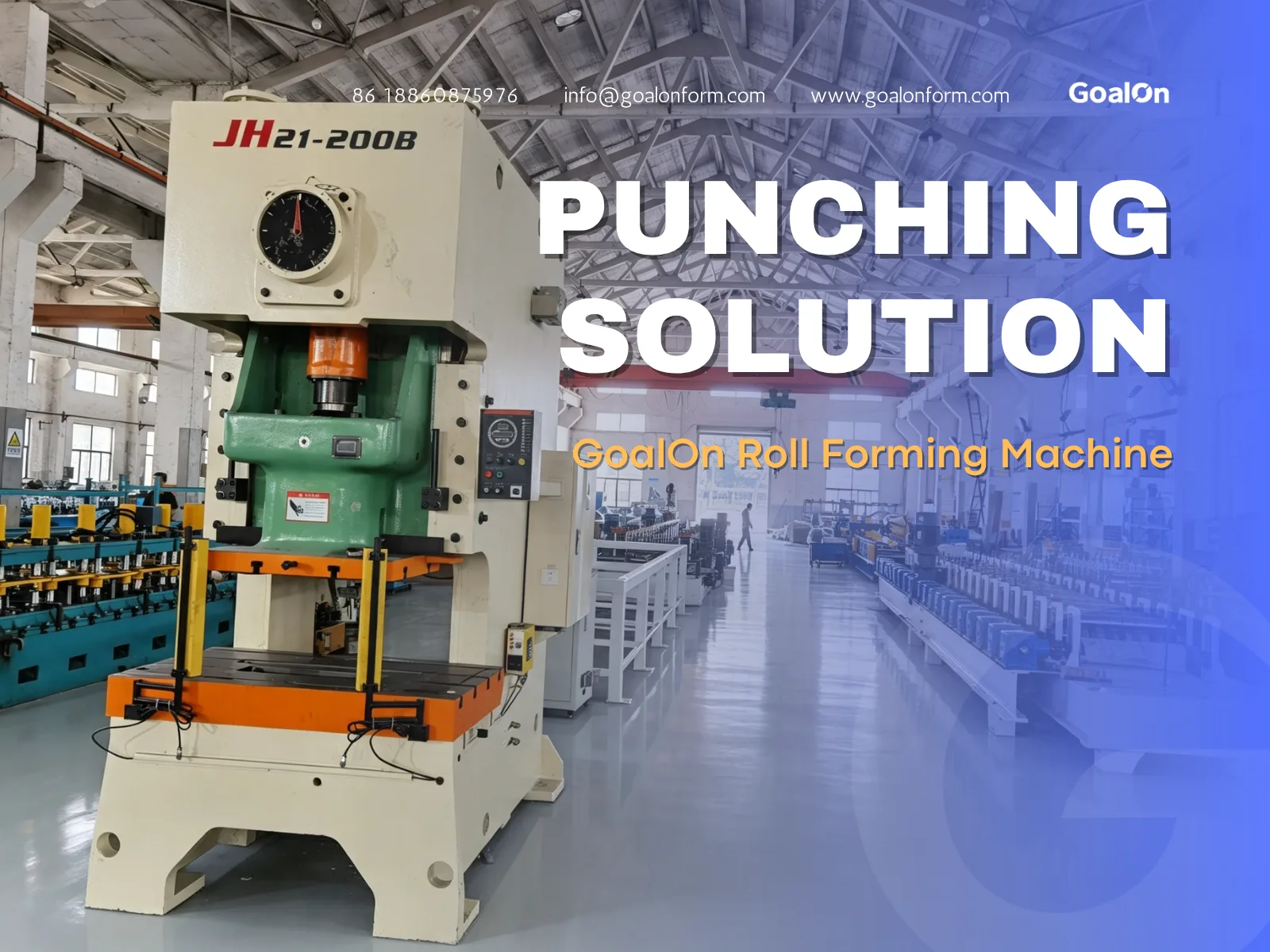
Punching is one of the most functionally important parts of a CZ purlin line because it directly determines how adaptable your production is to different projects.
Purlins typically require multiple hole patterns for installation, overlapping, and connection plates. Therefore, the punching system must be both precise and flexible.
There are three mainstream solutions:
- Hydraulic punching: cost-effective and reliable for medium-speed production
- Servo punching: high-speed and highly accurate, ideal for large-scale manufacturing
- Quick-change die systems: essential for reducing downtime when switching hole patterns
In real production environments, servo punching systems provide a clear advantage. They synchronize with the roll forming line speed, ensuring consistent hole spacing even at high throughput. This is especially valuable for contractors handling large-volume projects with strict deadlines.
Cutting Strategy: Pre-Cut or Post-Cut?
One of the most debated topics in roll forming machine design is the cutting position—before or after forming.
Pre-cut systems cut flat material before it enters the roll forming machine. This approach reduces blade wear and eliminates edge deformation during cutting. However, it is less suitable for variable-size production and continuous operation.
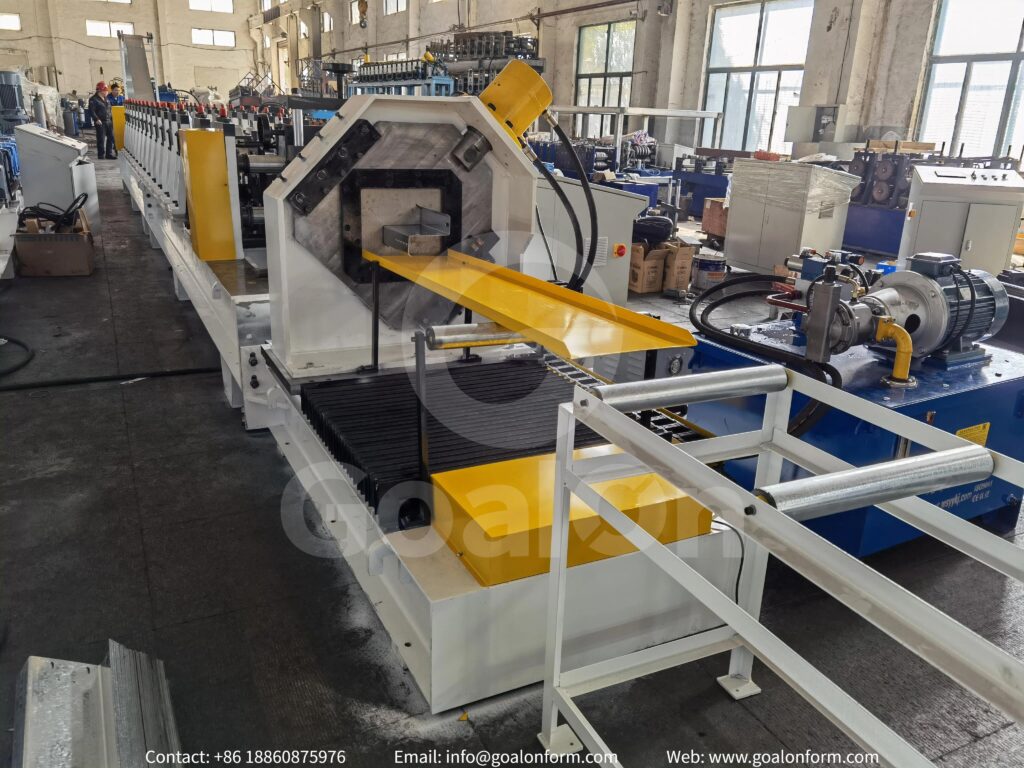
Post-cut systems, on the other hand, cut the profile after forming. When combined with a flying cutting system, they allow continuous production without stopping the line. This significantly improves productivity and is particularly suitable for CZ purlin lines that require frequent size adjustments.
From a practical standpoint, post-cut with servo flying cutting has become the industry standard for medium-to-large manufacturers due to its balance of flexibility and efficiency.
Roll Forming Machine Structure: The Core of Performance
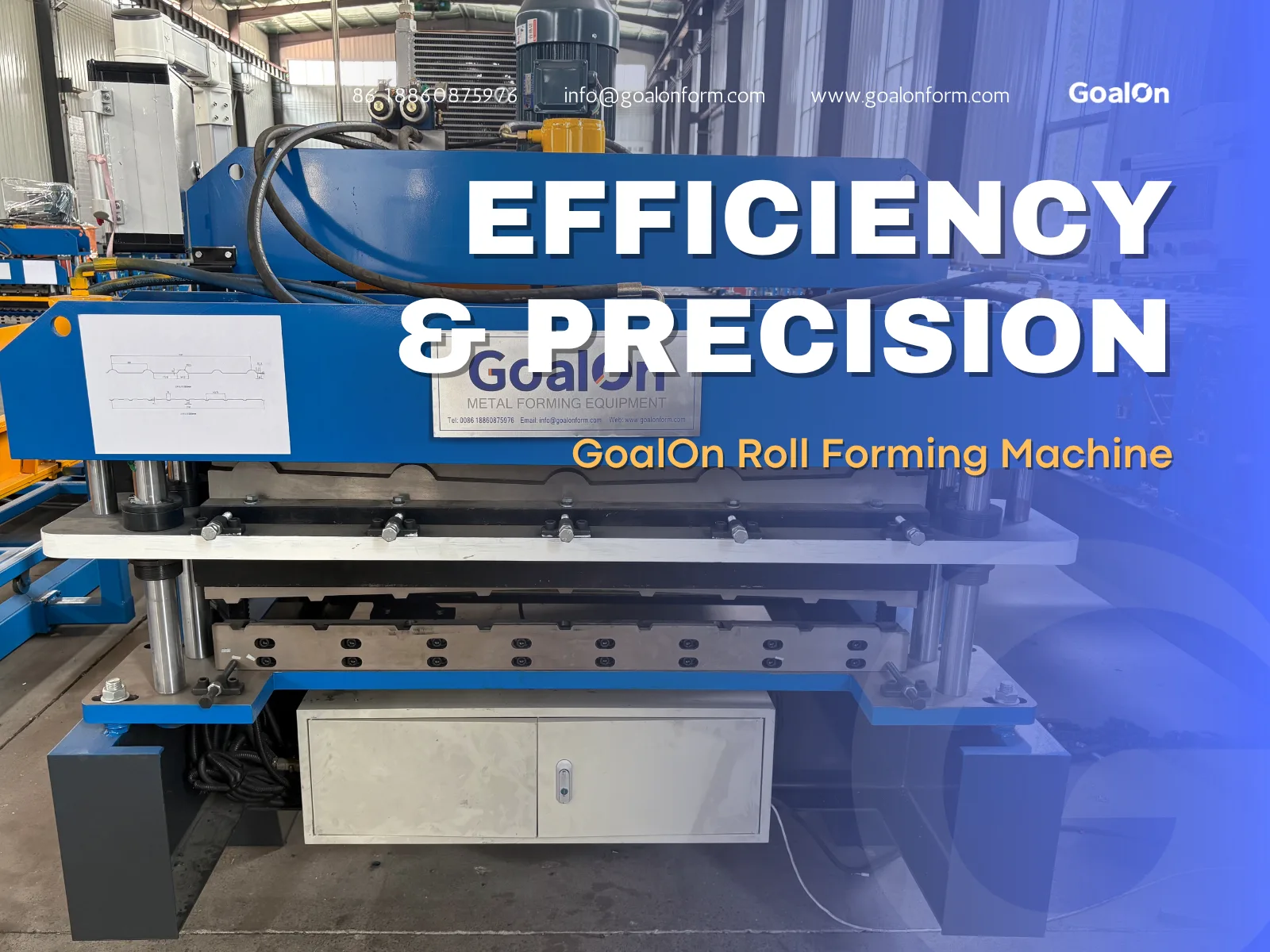
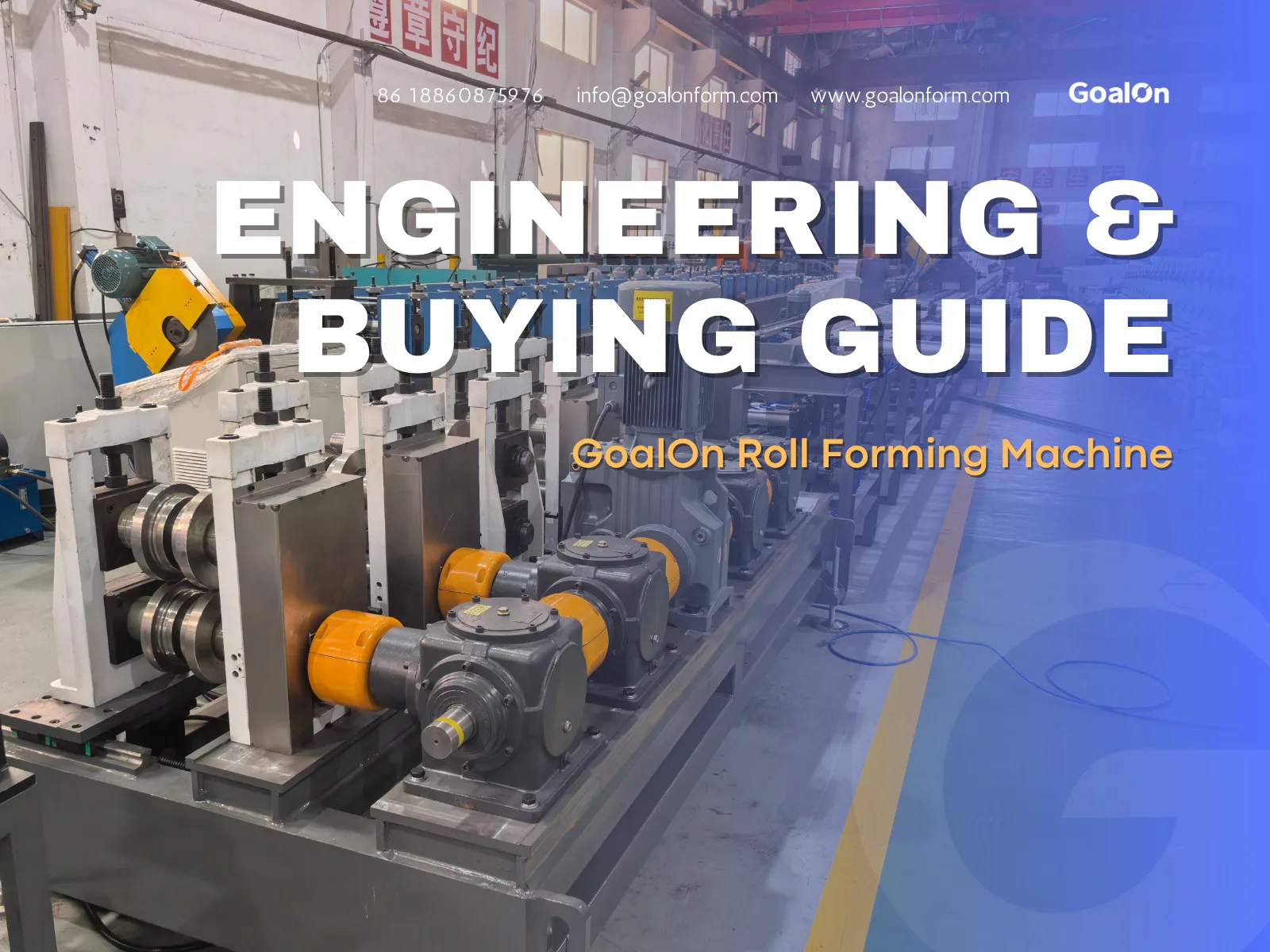
The forming section is the heart of the entire roll forming line. Its structure determines not only product accuracy but also machine durability and production speed.
There are two primary transmission types:
Chain-driven systems are widely used for their cost efficiency and simple maintenance. They are suitable for standard production scenarios and medium output requirements.
Gearbox-driven systems, however, are designed for industrial-level production. They provide higher torque, more stable transmission, and longer service life. For thicker materials or continuous multi-shift production, gearbox systems are the preferred choice.
Another critical factor is size adjustment capability. A modern CZ purlin roll forming machine should allow fast switching between C and Z profiles. Advanced systems use servo motors to automatically adjust width and height, reducing changeover time to just a few minutes.
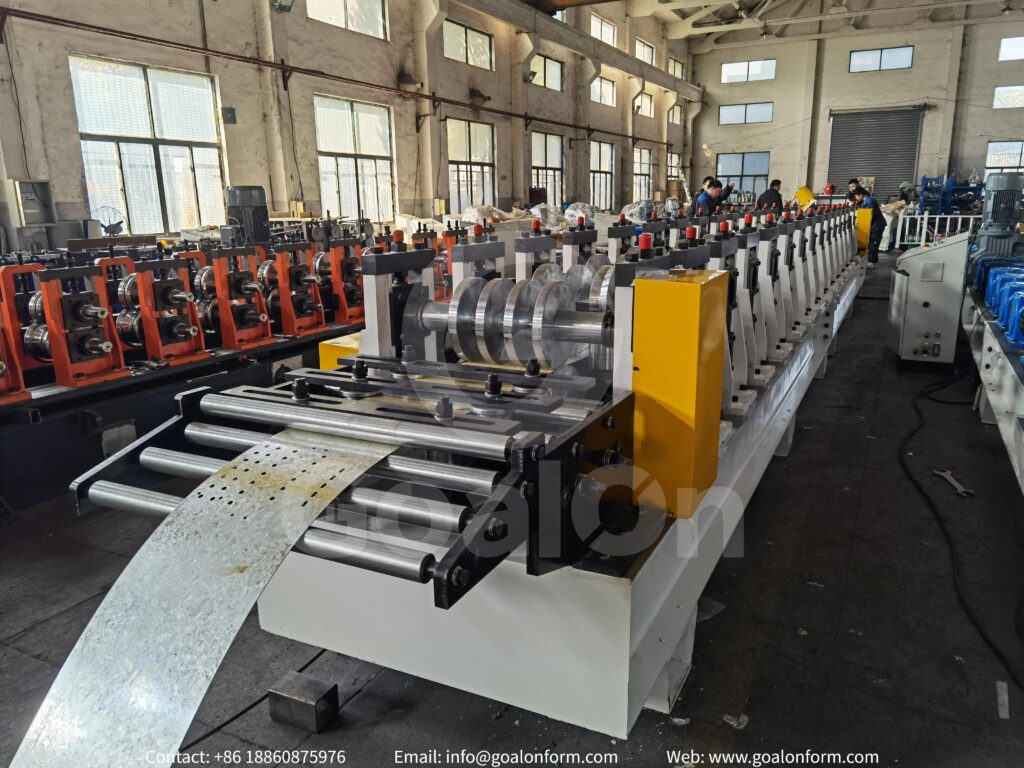
For manufacturers producing multiple specifications, this feature dramatically increases production flexibility and reduces idle time.
Flying Cutting Technology: Maximizing Output Efficiency
In high-efficiency production environments, stopping the machine for cutting is no longer acceptable.
Traditional stop-to-cut systems are affordable but reduce overall line speed. In contrast, servo flying cutting systems move synchronously with the profile, allowing continuous cutting without interruption.
This technology is especially important for:
- Large-volume orders
- Steel structure manufacturers
- Projects with tight delivery schedules
Although the initial investment is higher, the long-term productivity gains and reduced cycle time make flying cutting systems a smart choice for serious manufacturers.
Automation and Labor Optimization: The Role of Auto Stacking
Labor cost is a growing concern in many markets. As a result, automation is becoming a key consideration when investing in a roll forming line.
Automatic stacking systems can significantly reduce manual handling. They improve workplace safety, minimize product damage, and ensure neat stacking for easier transportation and storage.
Most modern stackers support standard lengths of 4–6 meters, with customization available based on project requirements. For factories aiming to scale production, an auto stacker is no longer a luxury—it is a necessary upgrade.
Tooling and Material Selection: Ensuring Long-Term Precision
The durability of a roll forming machine largely depends on the quality of its tooling materials.
Common materials include:
- GCr15 steel for rollers
- 42CrMo for shafts
- SKD11 for cutting blades
Proper heat treatment is essential to maintain hardness and wear resistance. Without it, even high-quality materials will fail prematurely under continuous operation.
For buyers, this is an area where cutting costs can lead to significant long-term losses. Always verify material specifications and heat treatment processes with your supplier.
Return on Investment: What Really Drives Profitability?
From a business perspective, a CZ purlin roll forming machine is not just equipment—it is a revenue generator.
A typical production line can produce between 3 and 6 tons per shift, depending on configuration and material thickness. However, actual profitability depends on several factors:
- Production speed and uptime
- Scrap rate and material utilization
- Labor requirements
- Flexibility to produce multiple profile sizes
A well-configured automatic line can usually achieve payback within 6 to 12 months in active markets. The key is not to minimize initial cost, but to maximize long-term output and reliability.
Common Purchasing Mistakes You Should Avoid
Even experienced buyers sometimes underestimate critical factors when selecting a roll forming machine.
Some of the most common mistakes include:
- Choosing a machine that cannot handle required material thickness
- Ignoring cutting precision and its impact on installation
- Purchasing a fixed C profile line when C/Z flexibility is needed
- Overlooking maintenance costs and spare parts availability
- Failing to consider factory layout and coil handling capacity
A professional supplier should provide not only machine specifications but also layout drawings, technical support, and production planning advice.
Future Trends in CZ Purlin Roll Forming Technology
As manufacturing continues to evolve, CZ purlin production is becoming more intelligent and automated.
Key trends include:
- Full servo automatic size adjustment
- Real-time monitoring of punching and cutting systems
- Rapid tooling change solutions
- Integration with smart factory systems
- Automated packaging and logistics handling
These innovations allow manufacturers to respond faster to market demands while reducing operational costs.
Conclusion: Building a Competitive Advantage with the Right Roll Forming Line
Investing in a CZ purlin roll forming machine is a strategic decision that directly affects production efficiency, product quality, and market competitiveness.
A well-designed roll forming line is not defined by a single component, but by the integration of all systems—from decoiling to stacking. By carefully evaluating machine structure, automation level, punching flexibility, and cutting technology, manufacturers can build a production line that is both reliable and highly profitable.
In an increasingly competitive steel construction market, the right roll forming solution is not just about producing purlins—it is about securing long-term business growth.