In der modernen Metallverarbeitung hängt der Unterschied zwischen Gewinn und Verlust oft davon ab, wie effizient Rohstoffe in verwertbare Produkte umgewandelt werden. Für Hersteller, die mit Stahlcoils arbeiten, ist der Übergang von breiten Master-Coils zu präzisen schmalen Bändern nicht nur ein Schritt – es ist ein Kernkompetenz in der Produktion.
Ein gut durchdachtes Stahlband-Längsschneidelinie (auch als Coil-Schneidemaschine oder Schneideliniensystem bekannt) ermöglicht es Herstellern, den Materialverbrauch zu steuern, die Effizienz in den nachgelagerten Prozessen zu verbessern und eine gleichbleibende Produktqualität bei Anwendungen wie dem Profilieren, der Rohrherstellung und dem Stanzen zu gewährleisten.
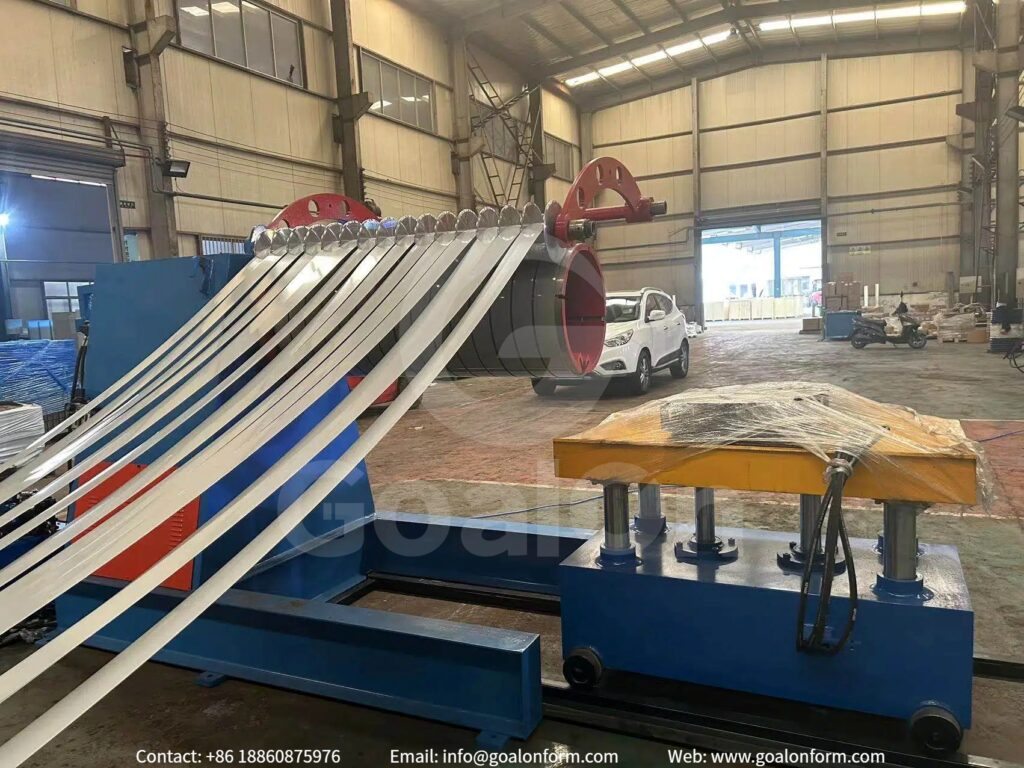
Warum das Längsschneiden von Stahlcoils wichtiger ist, als Sie denken
Viele Hersteller unterschätzen die strategische Bedeutung des Längsschneidens. Tatsächlich wirkt es sich unmittelbar aus auf:
- Materialausnutzungsgrad
- Produktionseffizienz der nachgeschalteten Maschinen
- Maßgenauigkeit des Endprodukts
- Personal- und Betriebskosten
Anstatt vorgeschnittene Coils zu höheren Preisen und mit eingeschränkten Spezifikationen zu kaufen, können Unternehmen diese Fähigkeit mit einer Bandschneidemaschine, wodurch Flexibilität und Kostenkontrolle gewonnen werden.
Was ist eine Längsschneideanlage für Stahlcoils?
A Stahlband-Längsschneidelinie ist ein integriertes Produktionssystem, das dazu dient, breite Metallcoils in mehrere schmalere Bänder mit präzisen Breiten zu schneiden. Diese Bänder werden anschließend zur weiteren Verarbeitung wieder aufgewickelt.
Im Gegensatz zu einer einzelnen Maschine ist eine Schneidelinie eine Komplettsystem, wozu in der Regel gehören:
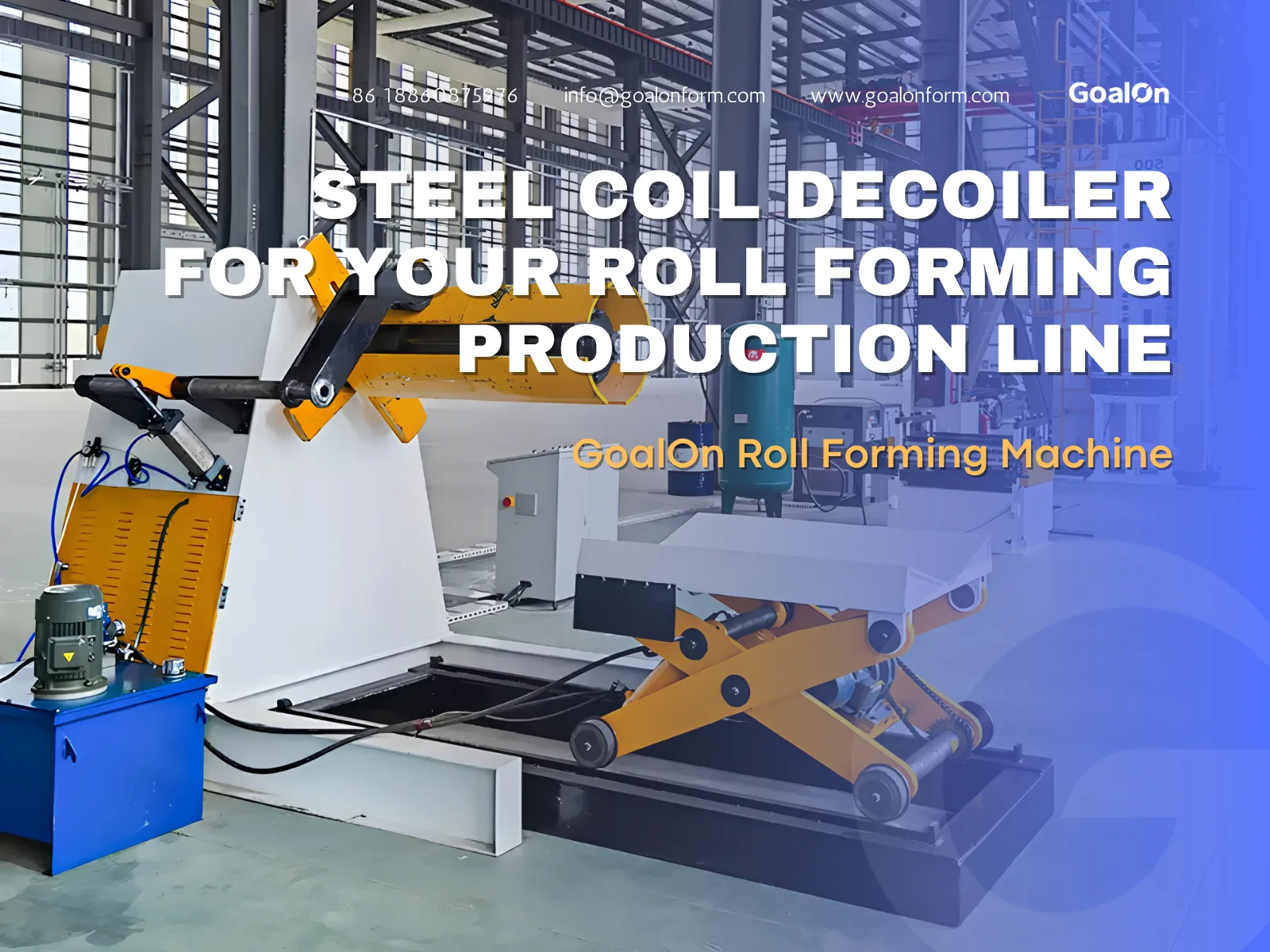
- Abwickler (Entwickler)
- Nivelliereinheit
- Schneidemaschine (Hauptschneidkopf)
- Spannungsregelsystem
- Aufwickler
- Zusatzausrüstung (Schrottwickler, Separator usw.)
Das Ziel ist einfach, aber anspruchsvoll:
Verwandeln Sie eine große Spule in mehrere hochpräzise Bänder mit gleichmäßiger Breite, glatten Kanten und kontrollierter Spannung.
Wichtige Branchen, in denen geschlitzte Coils zum Einsatz kommen
Stahlbandschneidemaschinen dienen in vielen Branchen als vorgelagerte Anlagen:
Bauwesen und Gebäudesysteme
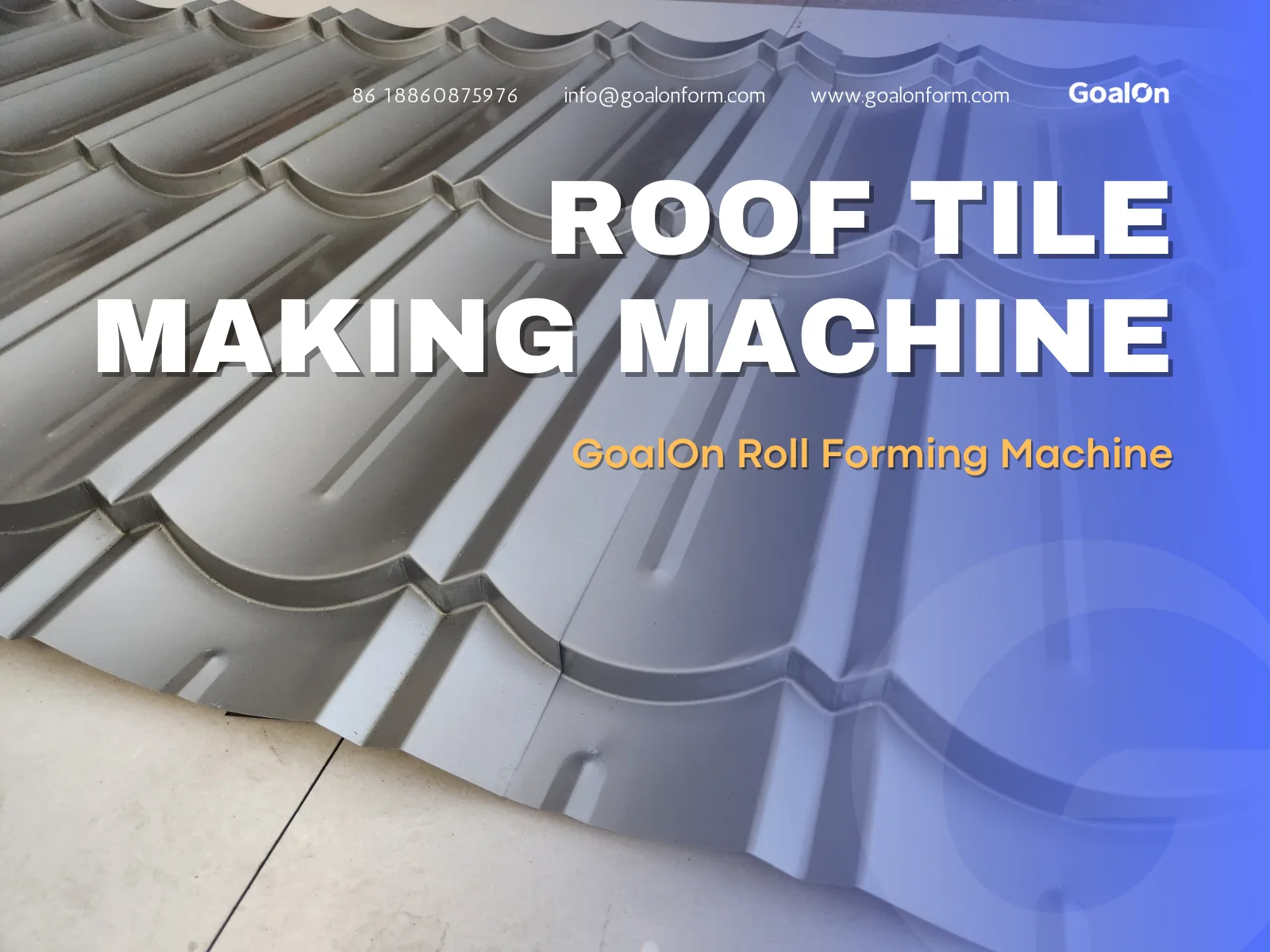
- Dachplatten
- Wandverkleidungssysteme
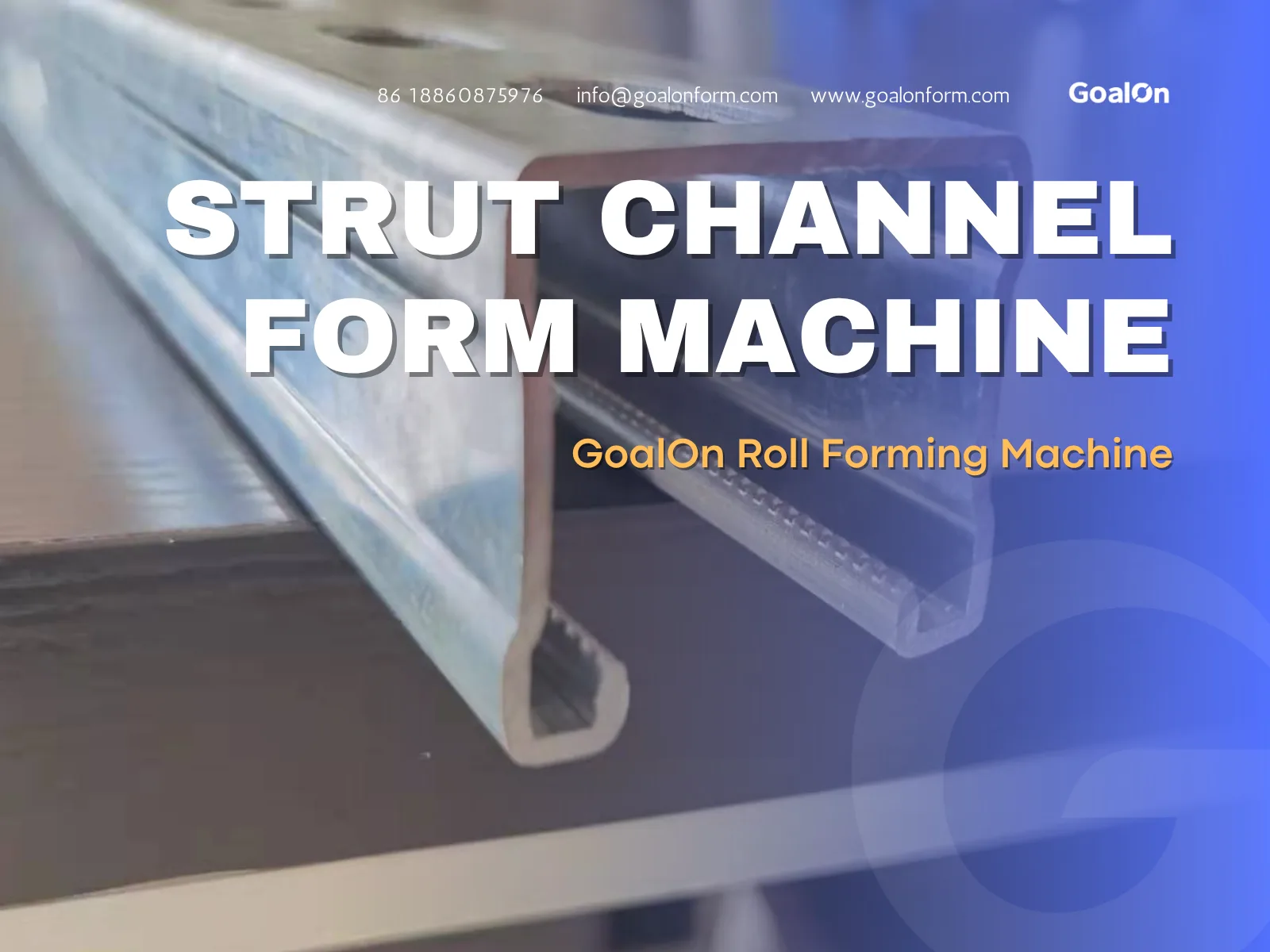
- Pfetten und Bauprofile
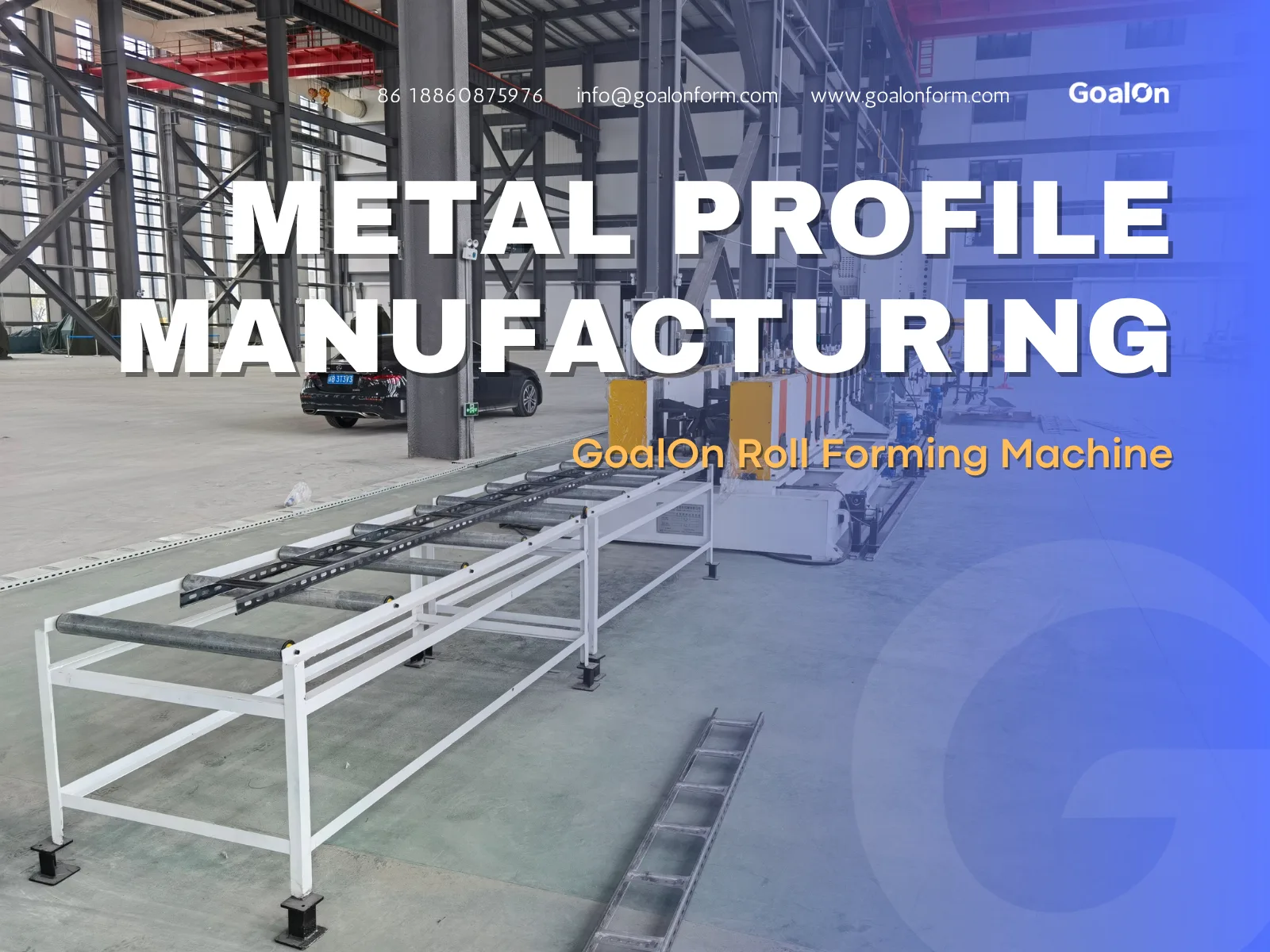
Metallprofilfertigung
- Profilierlinien
- Kabelrinnen
- Tür- und Fensterrahmen
Automobilindustrie
- Karosserieteile
- Strukturelle Verstärkungen
- Metallteile für den Innenraum
Herstellung von HLK-Anlagen und Haushaltsgeräten
- Luftkanäle
- Gehäuse und Einfassungen
- Tragwerksschalen
Für jedes Unternehmen, das ein Walzprofiliermaschine, Eine zuverlässige Längsschneideanlage trägt wesentlich zur Verbesserung der Produktionsstabilität und der Materialeffizienz bei.
So funktioniert eine Längsschneideanlage für Stahlcoils (Schritt für Schritt)
Auch wenn die Konfigurationen variieren, folgt das Funktionsprinzip einer Schneidelinie einem strukturierten Ablauf:
1. Abwickeln
Die Hauptspule wird auf einen hydraulischen Dorn aufgespult. Durch die Ausdehnung wird ein fester Halt und ein stabiler Vorschub gewährleistet.
2. Nivellierung
Ein Präzisionsnivellierer beseitigt Fehler wie beispielsweise:
- Spulensatz
- Randwelle
- Armbrust
Dieser Schritt ist entscheidend, um die Ebenheit des Bandes vor dem Längsschneiden sicherzustellen.
3. Längsschneiden (Kernprozess)
Auf parallelen Wellen montierte Rotationsmesser schneiden die Coil in Längsrichtung.
Wichtige technische Aspekte:
- Die Toleranz kann bis zu ±0,02 mm betragen (je nach Konfiguration)
- Der Messerspalt muss der Materialstärke entsprechen
- Das Klingenmaterial beeinflusst die Haltbarkeit und die Schneidenqualität
4. Bahntrennung und Spannungsregelung
- Trennscheiben oder Bananenrollen verhindern eine Überlappung der Streifen
- Das Spannsystem sorgt für eine gleichmäßige Wicklung und verhindert Kratzer
5. Rückstoß
Jeder Streifen wird unter kontrollierter Spannung zu kleineren Spulen aufgewickelt und ist damit bereit für den Transport oder die Weiterverarbeitung.
Fortschrittliche Funktionen moderner Längsschneidelinien
Um den heutigen Produktionsanforderungen gerecht zu werden, vereinen hochwertige Längsschneidelinien fortschrittliche Technologien:
- Automatische Messerpositionierungssysteme
- Schnellwechselwerkzeuge (Reduzierung der Stillstandzeiten)
- Kantenbeschnitt- und Restmaterialaufwickelsysteme
- SPS- und HMI-Steuerung mit Echtzeitüberwachung
- Automatische Dickenanpassung
- Regelsysteme mit Spannungsrückführung
Diese Funktionen sind besonders wertvoll für Hersteller, die mit verschiedenen Coil-Spezifikationen arbeiten oder häufige Umrüstungen vornehmen müssen.
So wählen Sie die richtige Stahldraht-Längsschneidemaschine aus
Bei der Auswahl der richtigen Schneidelinie geht es nicht nur um den Preis – es kommt darauf an, die Maschine an Ihre tatsächliches Produktionsszenario.
1. Werkstoffart und mechanische Eigenschaften
Unterschiedliche Materialien erfordern unterschiedliche Konfigurationen:
- Kohlenstoffstahl → Standardausführung
- Edelstahl → höhere Festigkeit, erfordert stabilere Klingen
- Aluminium → weicher, erfordert einen Oberflächenschutz
Beachten Sie außerdem:
- Dickenbereich
- Streckgrenze
- Anforderungen an die Oberfläche
2. Spezifikationen der Spule
Stellen Sie sicher, dass die Maschine zu Ihren Spulenparametern passt:
- Bandbreite (z. B. 600–1600 mm)
- Spulengewicht (z. B. 5T, 10T, 20T)
- Innendurchmesser (ID) und Außendurchmesser (OD)
Eine Diskrepanz führt hier zu schwerwiegenden betrieblichen Problemen.
3. Schneidkapazität und Messerkonfiguration
Frage dich selbst:
- Wie viele Streifen pro Durchgang benötigen Sie?
- Benötigen Sie eine flexible Breitenverstellung?
Eine höhere Messerkapazität steigert die Produktivität, erfordert jedoch auch:
- Bessere Fachkompetenz der Bediener
- Genauere Einstellung
4. Produktionsgeschwindigkeit vs. Stabilität
Typische Schneidegeschwindigkeiten:
- Standard: 60–120 m/min
- Hohe Geschwindigkeit: bis zu 200 m/min
Eine höhere Geschwindigkeit muss jedoch mit folgenden Faktoren in Einklang gebracht werden:
- Materialart
- Spannungsregelsystem
- Kapazität für die nachgelagerte Abwicklung
Geschwindigkeit ohne Stabilität führt zu Fehlern.
5. Automatisierungsgrad
Eine moderne Längsschneideanlage sollte Folgendes umfassen:
- SPS-Steuerungssystem
- Touchscreen-Oberfläche
- Fehlerdiagnose
- Datenüberwachung
Automatisierung reduziert:
- Arbeitsabhängigkeit
- Einrichtungsfehler
- Produktionsausfall
6. Integration in nachgelagerte Prozesse
Denken Sie über die Schneidelinie hinaus.
Wenn Sie Folgendes ausführen:
- Profilierlinien
- Rohrwalzwerke
- Stanzsysteme
Die Konsistenz der Streifen (Breite, Grate, Wölbung) wirkt sich also direkt auf die Qualität Ihres Endprodukts aus.
Häufige Probleme und wie eine gute Schneidelinie diese löst
| Problem | Ursache | Lösung |
| Gewindekanten | Falsches Messerabstand | Präzise Messereinstellung |
| Streifenkratzen | Mangelhafte Spannungsregelung | Fortschrittliches Spannsystem |
| Ungleichmäßiger Rückstoß | Uneinheitliche Spannung | Servogesteuerte Aufwickelvorrichtung |
| Geringer Wirkungsgrad | Manuelle Einrichtung | Automatisiertes Werkzeugsystem |
Warum die Investition in eine Schneidelinie eine strategische Entscheidung ist
Eine Stahlbandschneidemaschine ist nicht nur eine Maschine – sie ist ein Produktionssteuerungssystem.
Damit können Sie:
- Rohstoffkosten senken
- Lieferzeit verkürzen
- Erhöhung der Flexibilität bei der Auftragsabwicklung
- Die Konsistenz der Produktqualität verbessern
Für wachsende Hersteller und Maschinenhändler ist der Besitz eines Bandschneidelinie kann den Unterschied ausmachen zwischen einer reaktiven Haltung gegenüber dem Markt und einer führenden Rolle auf dem Markt.
Abschließende Überlegungen
In der heutigen wettbewerbsintensiven metallverarbeitenden Industrie sind Präzision, Effizienz und Flexibilität entscheidend für den Erfolg. Eine gut konfigurierte Stahlband-Längsschneidelinie ermöglicht es Herstellern, jede Phase der Produktion zu optimieren – vom Rohstoffumschlag bis zur Auslieferung des Endprodukts.
Ganz gleich, ob Sie als Zulieferer für die Bauindustrie, als Hersteller von Metallprofilen oder als Maschinenhandelsunternehmen tätig sind: Die Wahl der richtigen Längsschneidelösung ist kein Luxus, sondern entscheidend für Ihre langfristige Wettbewerbsfähigkeit.