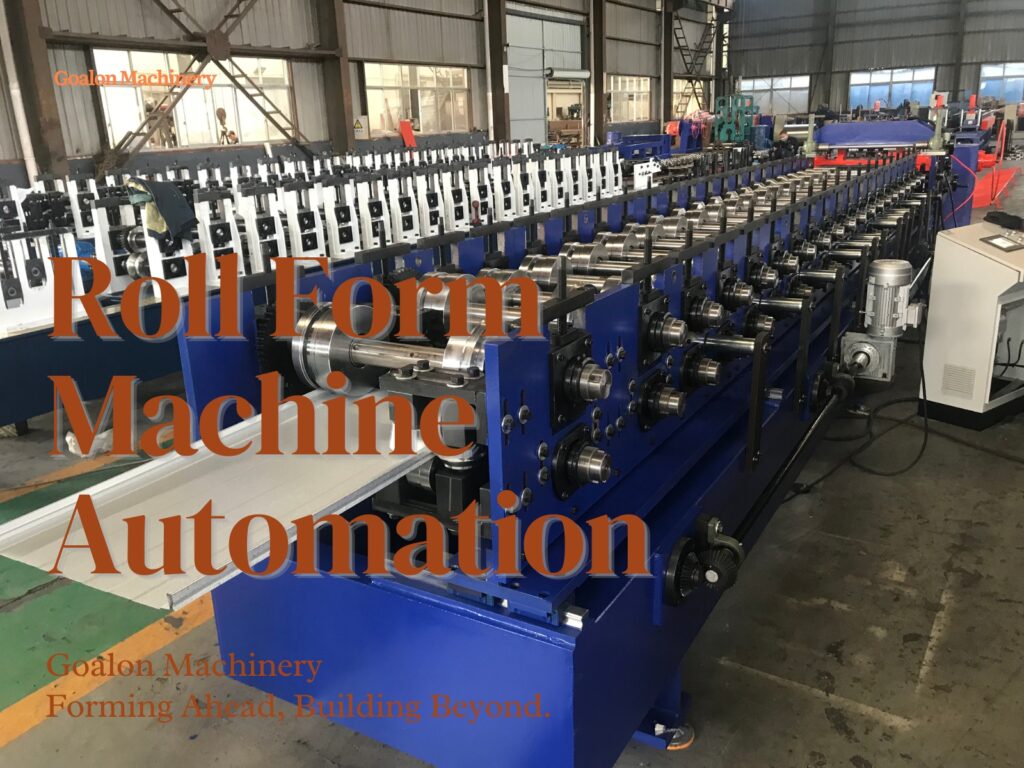
In today’s highly competitive metal forming industry, the conversation is no longer about whether automation is necessary—but how deeply it should be integrated into a roll forming line. For construction companies, metal profile manufacturers, and machine trading firms, automation has become a defining factor in determining production efficiency, product quality, and long-term profitability.
Modern roll forming is no longer just a sequence of forming stands. It is a coordinated system where mechanical design, electrical control, and production logic work together. Automation sits at the center of this transformation, turning traditional equipment into intelligent production assets.
From Mechanical Process to Intelligent System
A conventional roll forming line was once heavily dependent on operator experience. Manual feeding, mechanical punching, and stop-and-cut systems introduced variability into the process. Today, automation upgrades the entire workflow into a synchronized system driven by precise control logic.
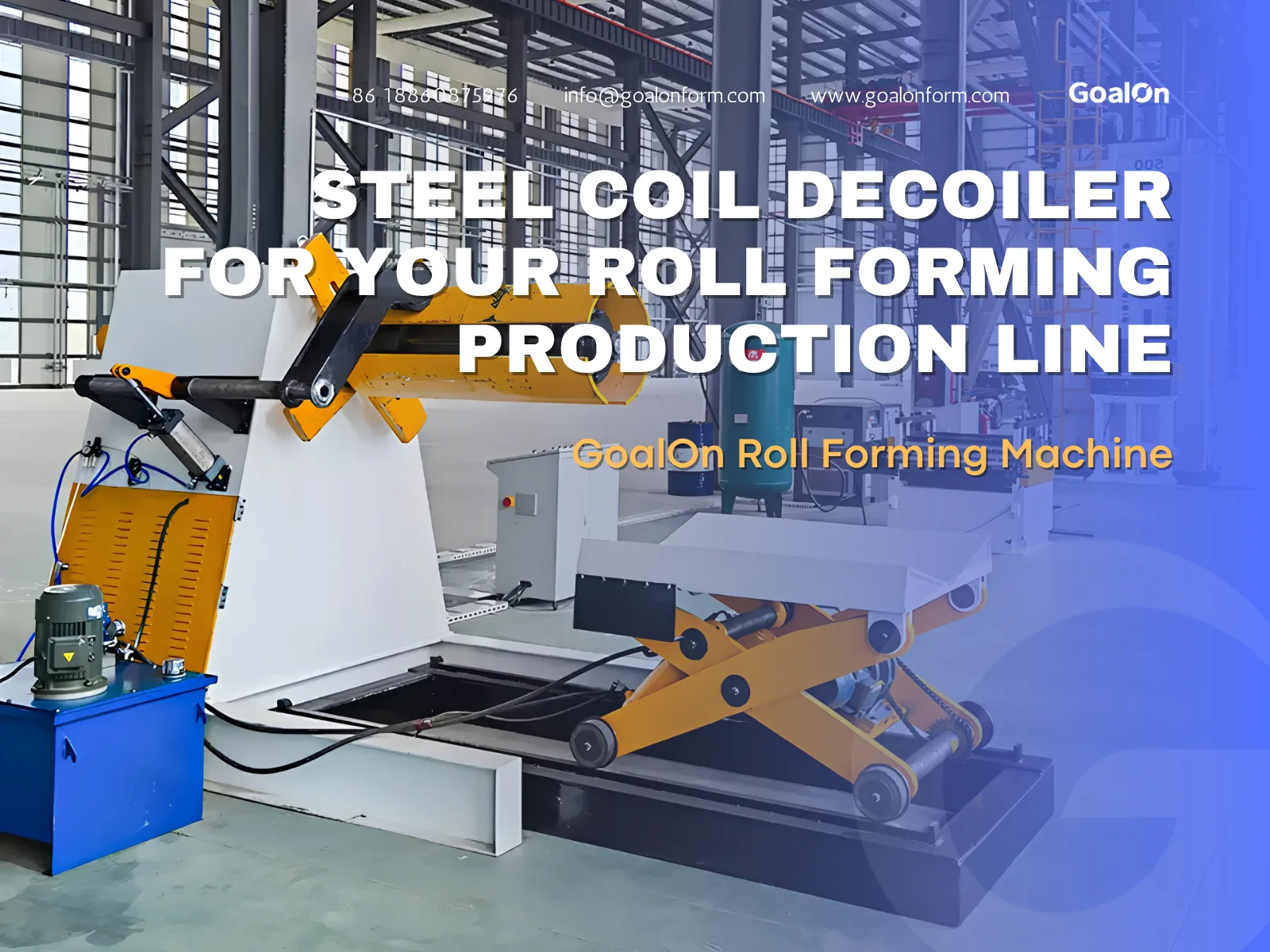
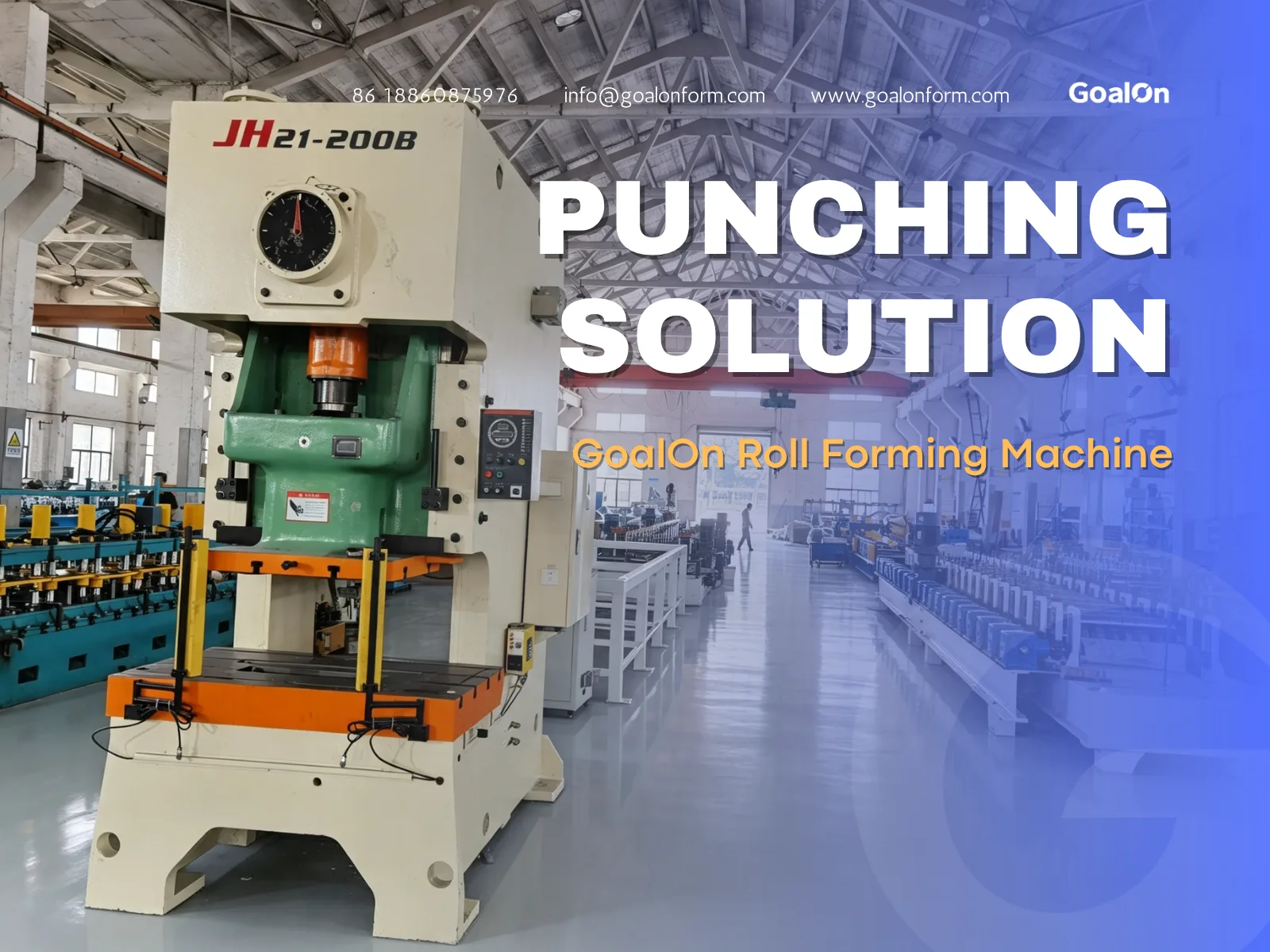
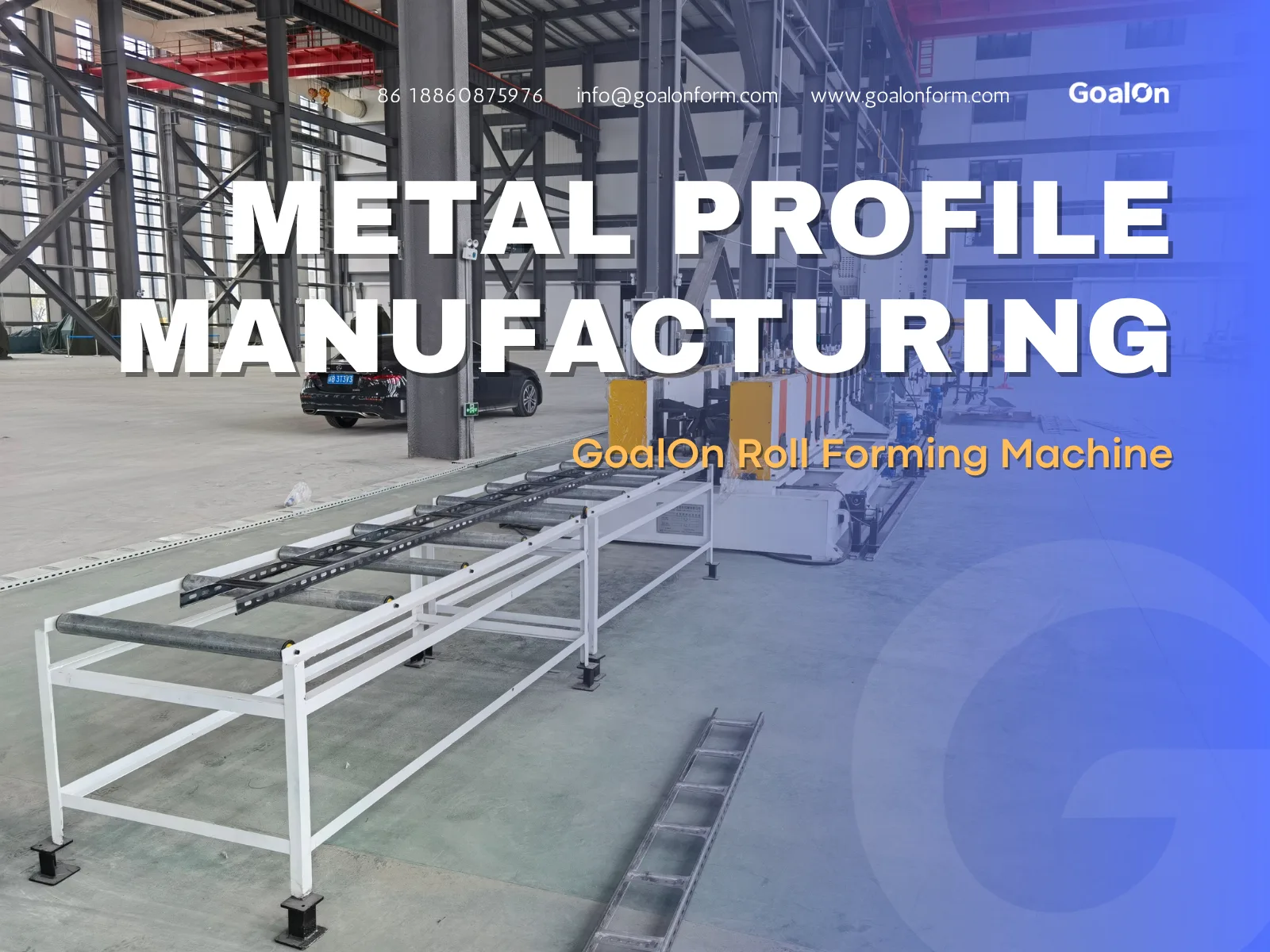
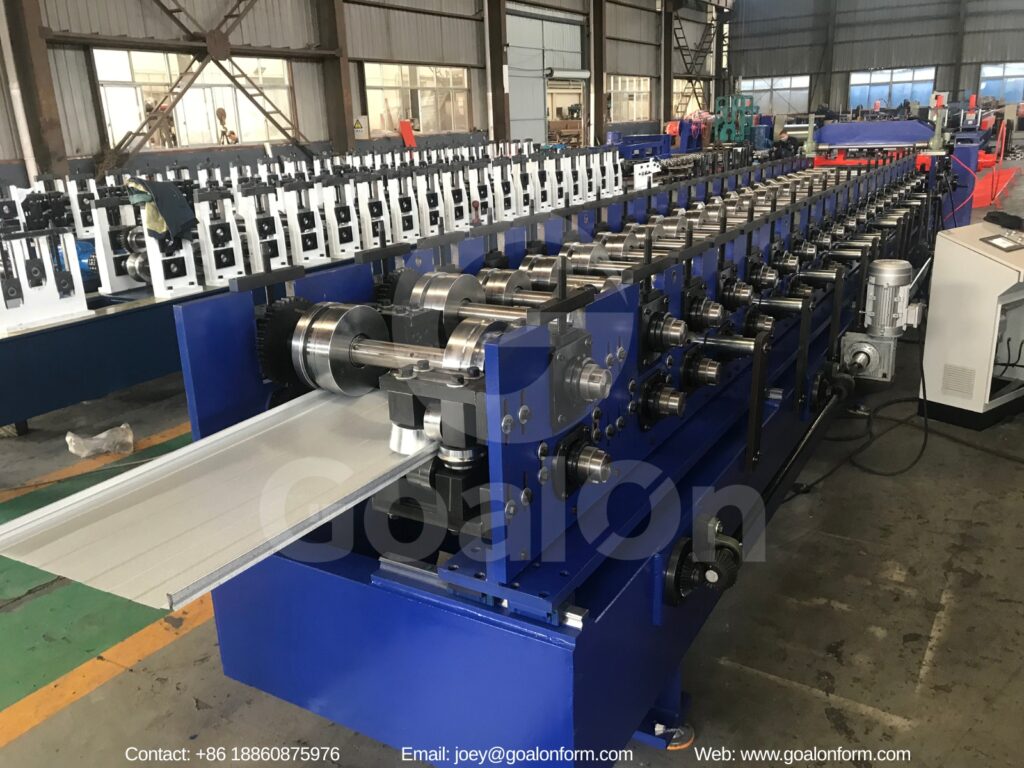
A typical automated roll forming line includes a hydraulic decoiler with automatic expansion, a servo-driven feeding system, an integrated punching unit, a PLC-based control system, and a flying cutting device. These components are not independent; they operate under a unified control architecture that ensures each step responds dynamically to production conditions.
The key shift here is not just automation of individual machines, but the integration of process synchronization, where feeding speed, punching timing, and cutting position are continuously aligned.
Precision Under High-Speed Production Conditions
One of the most critical advantages of automation is the ability to maintain high precision even as production speed increases. In manual or semi-automatic lines, accuracy often decreases as speed rises due to mechanical delays and human reaction time.
With automation, this limitation is eliminated through servo positioning systems und closed-loop feedback control. These systems allow real-time correction of position errors, ensuring that punching holes, embossing patterns, and cutting lengths remain consistent across long production runs.
This is especially important for profiles such as cable trays, C/Z purlins, and structural framing components, where hole alignment tolerance und length accuracy directly affect installation quality. A deviation of even 1–2 mm can result in assembly issues on-site.
Additionally, the use of encoder-based length tracking ensures that material elongation or slippage does not compromise final product dimensions, which is a common issue in lower-end systems.
Automation and Tooling Longevity
Another often overlooked benefit of automation is its impact on tooling life. Roll forming rollers, punching dies, and cutting blades are high-value components, and their lifespan directly influences operating cost.
Automated systems reduce mechanical shock through controlled acceleration and deceleration curves, minimizing sudden loads on tooling. For example, a flying shear synchronized with line speed eliminates the need to stop the line, reducing stress on both the cutting blade and the formed profile.
Similarly, servo-controlled punching ensures that the die engages material at the correct timing and pressure, preventing premature wear or misalignment. Over time, this translates into lower maintenance frequency and more stable product quality.
Safety as a Built-In System, Not an Afterthought
In traditional roll forming workshops, safety often relies on operator awareness. However, the presence of heavy coils, rotating shafts, and hydraulic systems introduces inherent risks.
Automation transforms safety into a system-level feature. Modern lines are equipped with safety interlocks, emergency stop circuits, und fault detection systems that monitor abnormal conditions such as material jams, overload, or misalignment.
For example, when a coil feeds unevenly, the system can trigger an automatic stop before the issue escalates into equipment damage. This proactive approach significantly reduces downtime and protects both operators and machinery.
Moreover, automated coil handling systems, such as coil cars and hydraulic loading arms, minimize the need for manual handling of heavy materials, which is one of the most dangerous aspects of roll forming operations.
Labor Optimization and Skill Dependency
Labor cost and availability are becoming increasingly critical challenges worldwide. Skilled operators who understand both mechanical adjustment and production control are not easy to find, especially for continuous production environments.
Automation reduces reliance on manual expertise by embedding operational logic into the control system. A well-designed interface allows operators to manage the entire line through a human-machine interface (HMI), where parameters such as length, batch quantity, and speed can be preset.
This does not eliminate the need for skilled personnel, but it shifts their role from manual operation to supervision and optimization. As a result, a single operator can manage multiple machines, significantly improving labor efficiency.
For manufacturers scaling production, this is a key advantage. Instead of expanding workforce proportionally, they can increase output through smarter systems.
Data-Driven Manufacturing and Predictive Maintenance
One of the most powerful aspects of automation is its ability to generate and utilize production data. Modern PLC systems are not just controllers—they are data hubs.
They can track coil consumption, production length, machine runtime, und energy usage. More importantly, they enable predictive maintenance by recording operating cycles and identifying patterns that indicate potential failures.
For example, if a punching unit shows increasing resistance over time, the system can alert operators before a breakdown occurs. This reduces unplanned downtime and ensures that maintenance is performed at optimal intervals.
Remote diagnostics is another key feature. Machine suppliers can access system data to troubleshoot issues without being physically present, which is especially valuable for international clients.
Flexibility for Diverse Profile Production
Market demand is becoming more diverse, requiring manufacturers to produce multiple profile types with varying specifications. Automation enhances flexibility by enabling quick changeovers and parameter adjustments.
Features such as automatic width adjustment, servo-driven positioning, und quick-change tooling systems allow manufacturers to switch between products with minimal downtime.
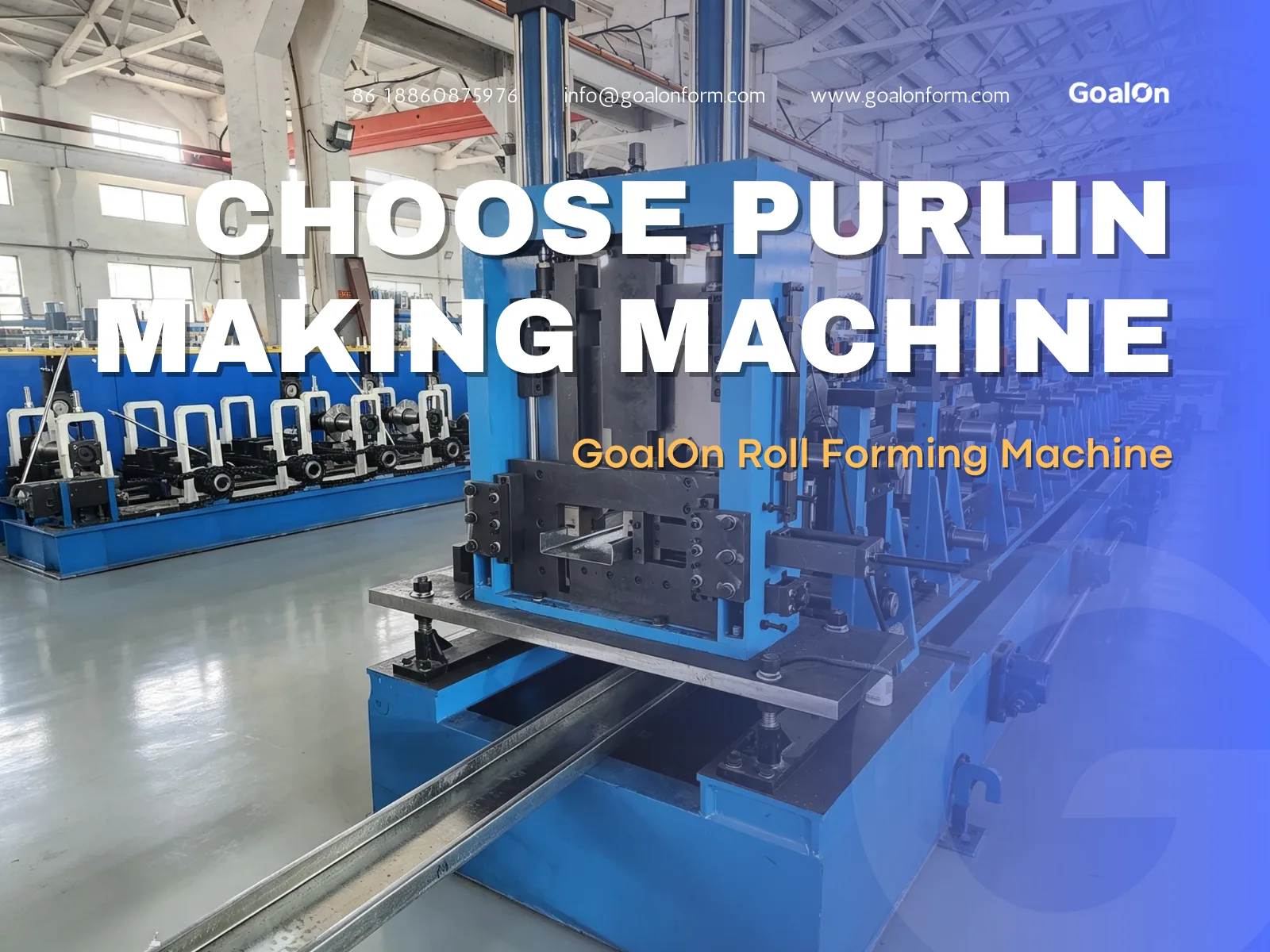
For example, in C/Z purlin production, automated lines can adjust profile dimensions through motorized roll positioning, eliminating the need for manual spacer changes. This significantly reduces setup time and improves responsiveness to customer orders.
Cost Structure: Investment vs. Long-Term Return
One common concern among buyers is the higher initial investment required for automated systems. However, this perspective often overlooks the total cost of ownership.
Automation reduces costs in several areas:
- Geringerer Personalbedarf
- Reduced material waste through precise control
- Extended tooling lifespan
- Decreased downtime due to predictive maintenance
When evaluated over a 3–5 year period, automated roll forming lines often deliver a stronger return on investment compared to manual or semi-automatic alternatives.
For machine trading companies, this also creates a stronger value proposition. Clients are no longer just buying equipment—they are investing in productivity and reliability.
Automation for Different Scales of Manufacturers
Automation is no longer limited to large-scale factories. With advancements in control systems and modular design, even small and medium-sized manufacturers can adopt automation at different levels.
Entry-level automation may include automatic length control und basic PLC integration, while advanced systems incorporate full-line synchronization and data monitoring.
This scalability allows companies to upgrade gradually, aligning investment with business growth. It also enables equipment suppliers to offer customized solutions based on client budget and production needs.
Conclusion: Automation as a Strategic Investment
Automation in roll forming is not just a technological upgrade; it is a strategic decision that impacts every aspect of production—from precision and safety to cost control and scalability.
For construction companies, it ensures consistent component quality. For profile manufacturers, it improves efficiency and flexibility. For machine traders, it enhances the value of their offerings in a competitive market.
As demand for higher quality and faster delivery continues to grow, automated roll forming lines are no longer optional. They represent the future of the industry, where intelligent systems replace manual limitations and enable manufacturers to operate with greater confidence and control.