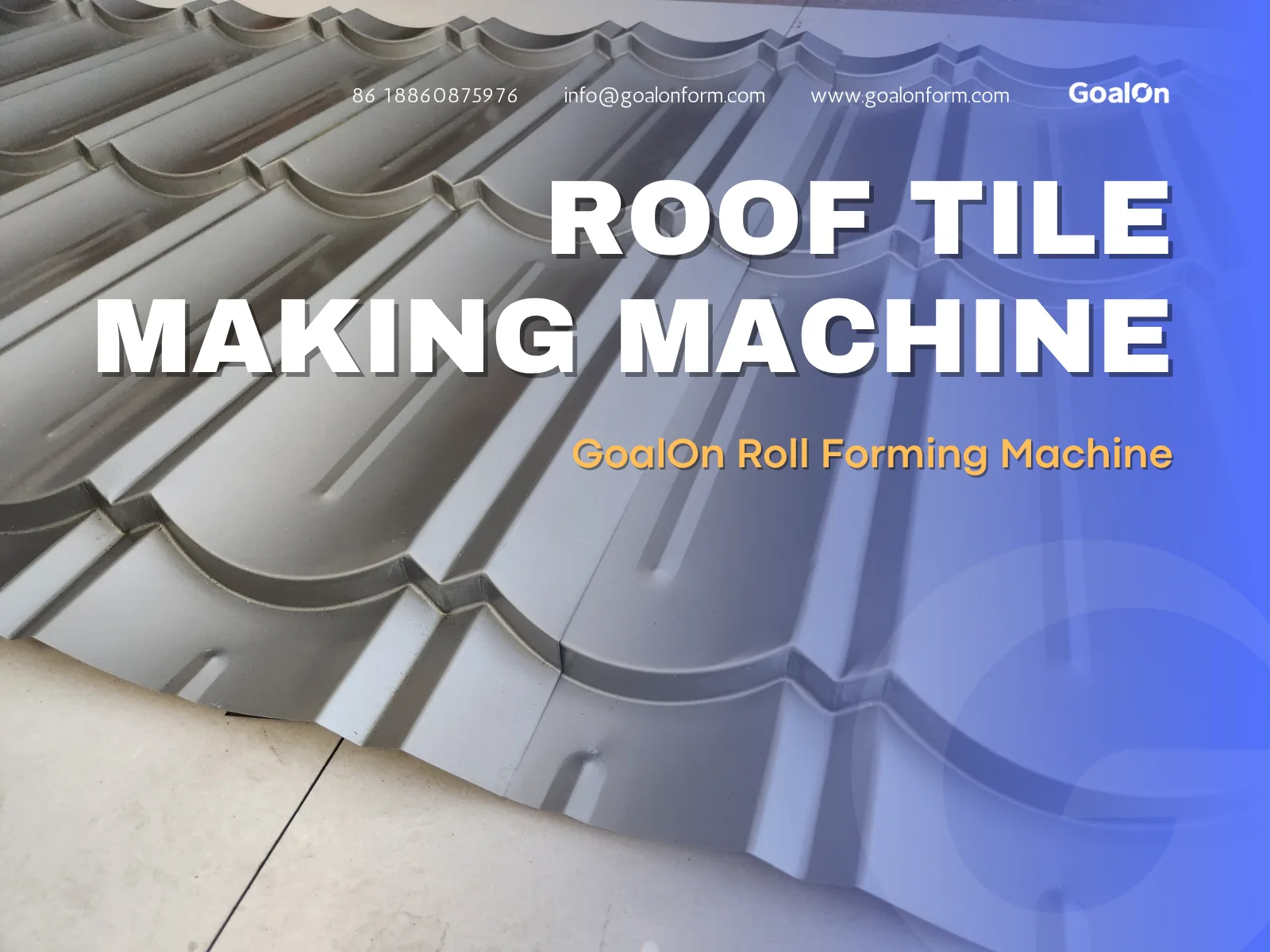
When someone asks me about a trapezoidal roof panel roll forming machine, the first question almost always concerns speed. Many factories want higher output, shorter delivery cycles, and better production efficiency. I understand that pressure very well, and I always evaluate speed from a practical engineering standpoint—not just from a marketing angle.
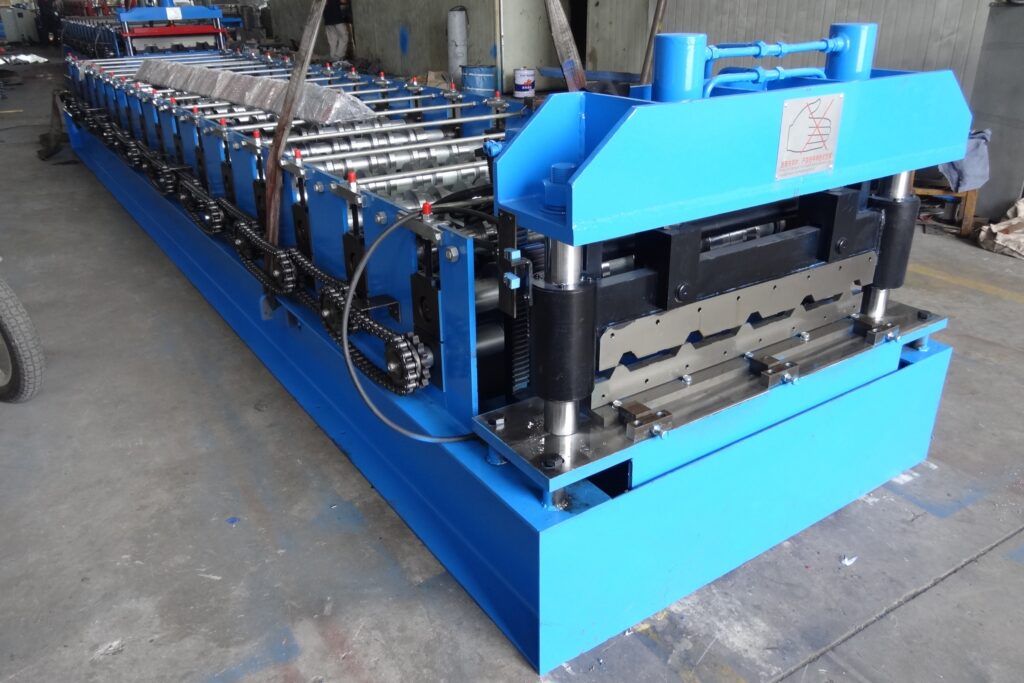
In this post, I want to break down how I judge the real production speed of a roof panel roll former, and what a buyer should focus on before making a decision.
1. Why Speed Matters in a Roof Panel Production Line
The speed of a roll forming machine shapes your entire production workflow. Faster production helps a construction company finish roofing installation on time. A metal profile manufacturer can respond to urgent orders faster. A machine trading company can promote machines more confidently when they understand how speed influences ROI.
When I evaluate a high quality roll forming machine, I always check three things:
- Actual mechanical speed
- Effective speed after cutting
- Operator-dependent productivity
Understanding all three helps you avoid overestimating daily output.
2. Mechanical Speed vs. Effective Speed
Many brochures claim 12–15 m/min or even 20–25 m/min. I always ask myself: Is this real production speed or just mechanical running speed without cutting?
A trapezoidal roof panel roll forming machine or IBR roof panel roll forming machine often slows during cutting. The hydraulic cutter or fly-saw cutter directly affects final output.
- If the line uses a stop-to-cut hydraulic system, the effective speed usually stays around 8–12 m/min.
- If the line uses a non-stop flying cutter, then I often see 20–40 m/min in real operation, depending on panel thickness, profile depth, and material quality.
I always calculate speed based on the longest sheet length because long panels expose the biggest slowdown during cutting.
3. Material and Profile Influence the Speed
Trapezoidal roof panels come in many shapes. Deep ribs, tight steps, or reinforced valleys create more forming resistance. If the profile requires 14–18 forming stations, the machine cannot run as fast as a simpler shape.
I always evaluate speed based on:
- Grosor del material: 0.3–0.8 mm runs fast; 0.9–1.2 mm slows the line.
- Zinc coating: Heavy-zinc materials sometimes drag more.
- Paint surface: Pre-painted coils demand smoother rollers to avoid scratching, so I reduce speed for safety.
A buyer often ignores these details, but they quietly determine the real efficiency of any forming rolling machines.
4. Machine Build Quality Also Shapes Speed
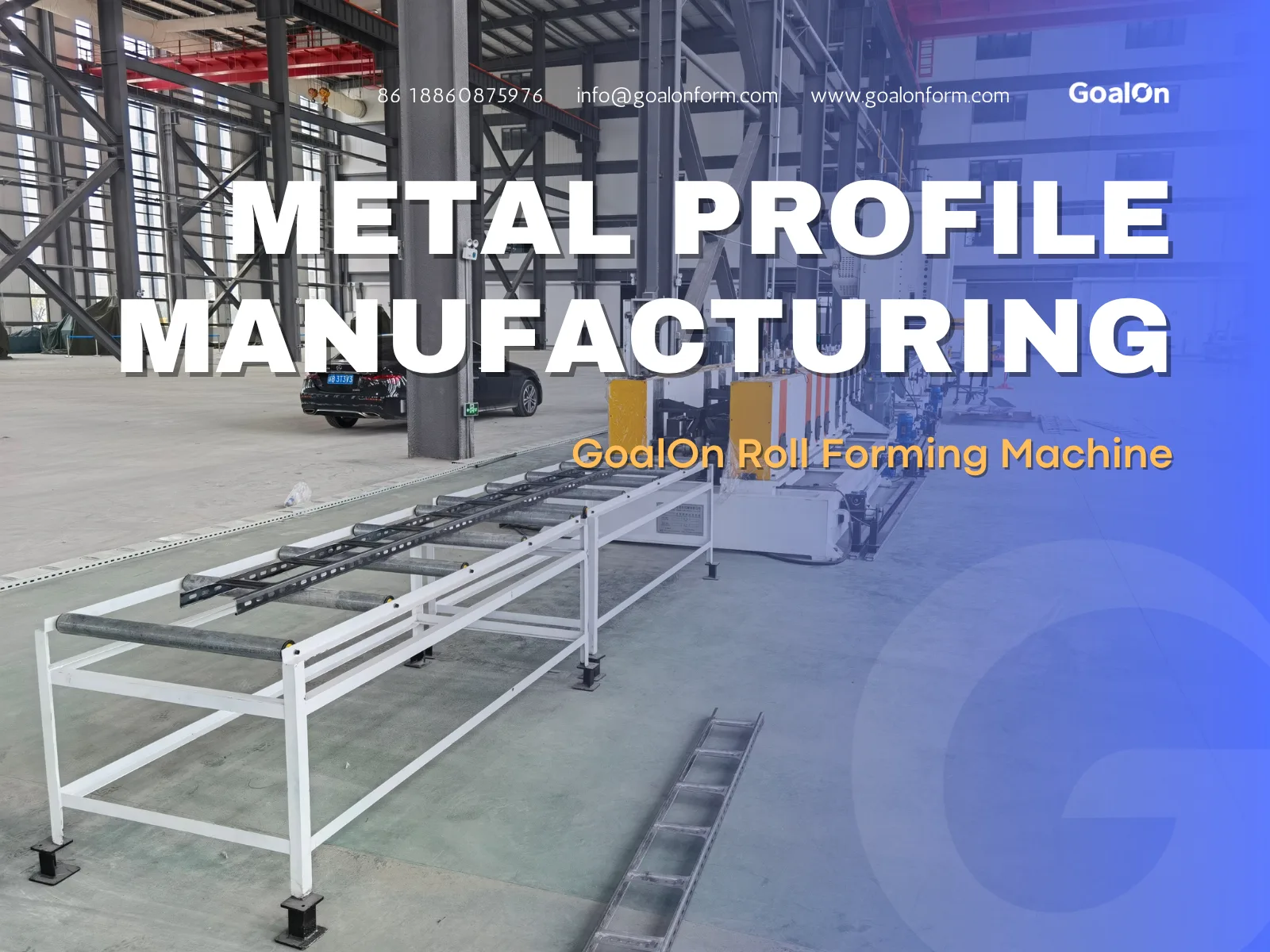
Every time I inspect a roof panel roll forming machine, I check several engineering factors because they define how fast the machine can run without vibration:
- The rigidity of the machine base
- The precision and alignment of rollers
- The gearbox or chain drive stability
- The cutting frame strength
- The PLC control responsiveness
A high quality roll forming machine keeps stability even at high speed. I often push a machine harder during testing just to see where vibration starts. This tells me the true safe production speed.
5. The Common Misunderstanding About “Faster Is Better”
Many buyers want the fastest machine, but more speed also means:
- Higher risk of panel scratches
- More difficulty maintaining a perfect rib shape
- Higher noise and vibration
- More oil temperature rise in the hydraulic station
- More roller wear in the long term
I always choose a balanced speed—fast enough for efficiency, but slow enough to protect the material and ensure long-term reliability. A roll former that runs smoothly at 20 m/min often performs better than a machine that shakes at 35 m/min.
6. What Speed I Recommend for Most Factories
Based on different business types, here is my usual suggestion:
- Construction companies with in-house production:
12–18 m/min (stop-to-cut or low-speed flying cut)
- Metal profile manufacturers with high volume demand:
25–35 m/min (stable flying cut)
- Machine trading companies:
Promote both options, but highlight the real effective speed to avoid customer complaints.
I always match speed with the buyer’s daily output target and operator experience.
7. How to Calculate Your Daily Production Output
To help buyers evaluate the real capacity, I often use a simple formula:
Effective speed × 60 min × working hours ÷ sheet length
Por ejemplo:
A machine running at 18 m/min, producing 3-meter panels for 8 hours:
18 × 60 × 8 ÷ 3 ≈ 2,880 pieces per day
This calculation gives a much clearer expectation before investment.
Reflexiones finales
I have tested many trapezoidal roof panel roll forming machines over the years, and speed always comes down to one principle: the fastest machine is not always the best machine— the most stable speed is.
When a buyer understands mechanical speed, effective speed, profile complexity, and machine build quality, the entire purchase becomes easier and safer. A stable, high quality roll forming machine always gives better long-term value than a machine that only looks fast on paper.
If you want, I can also help you compare different speed options or analyze a specific roof panel profile before purchasing.