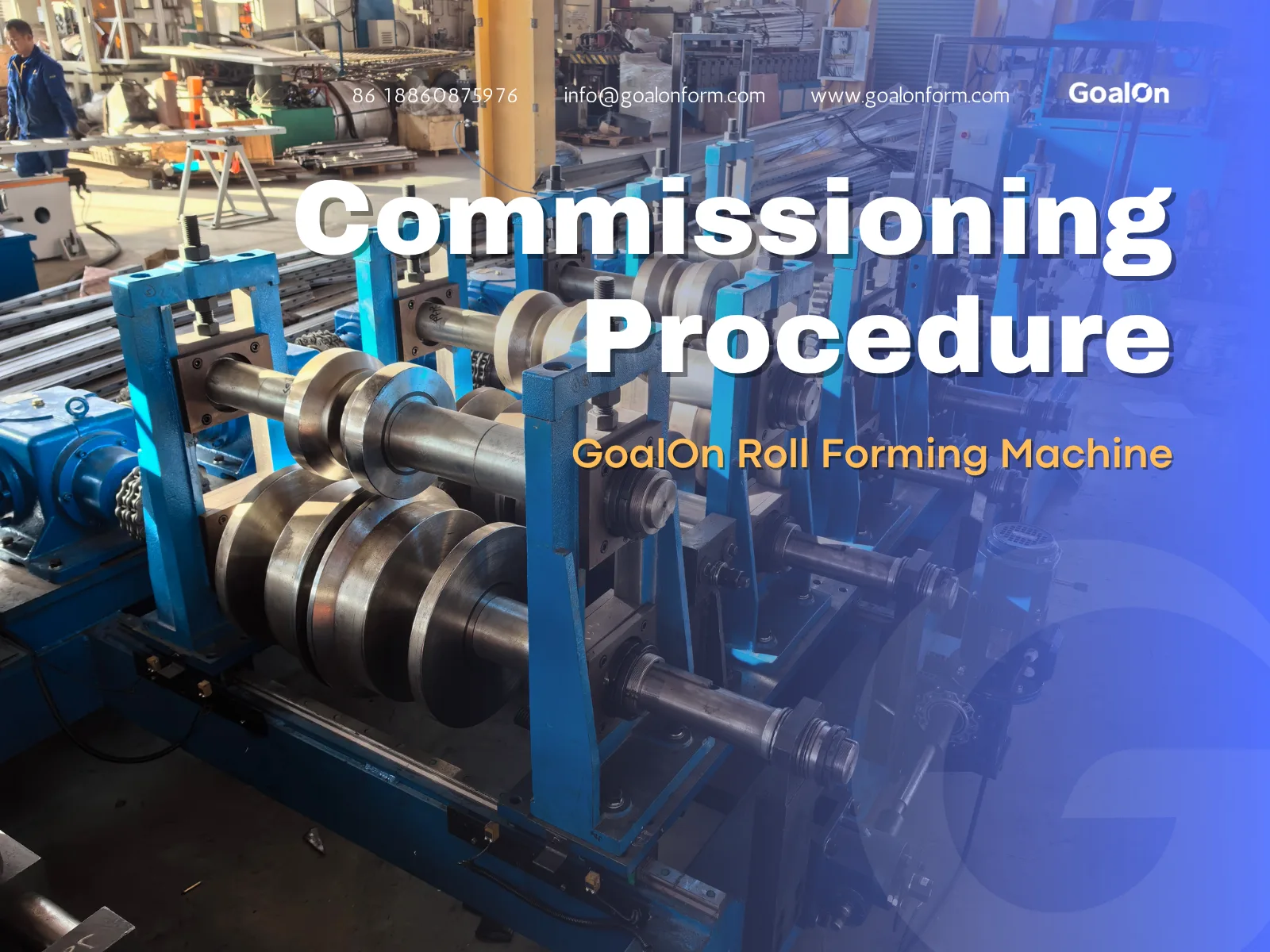
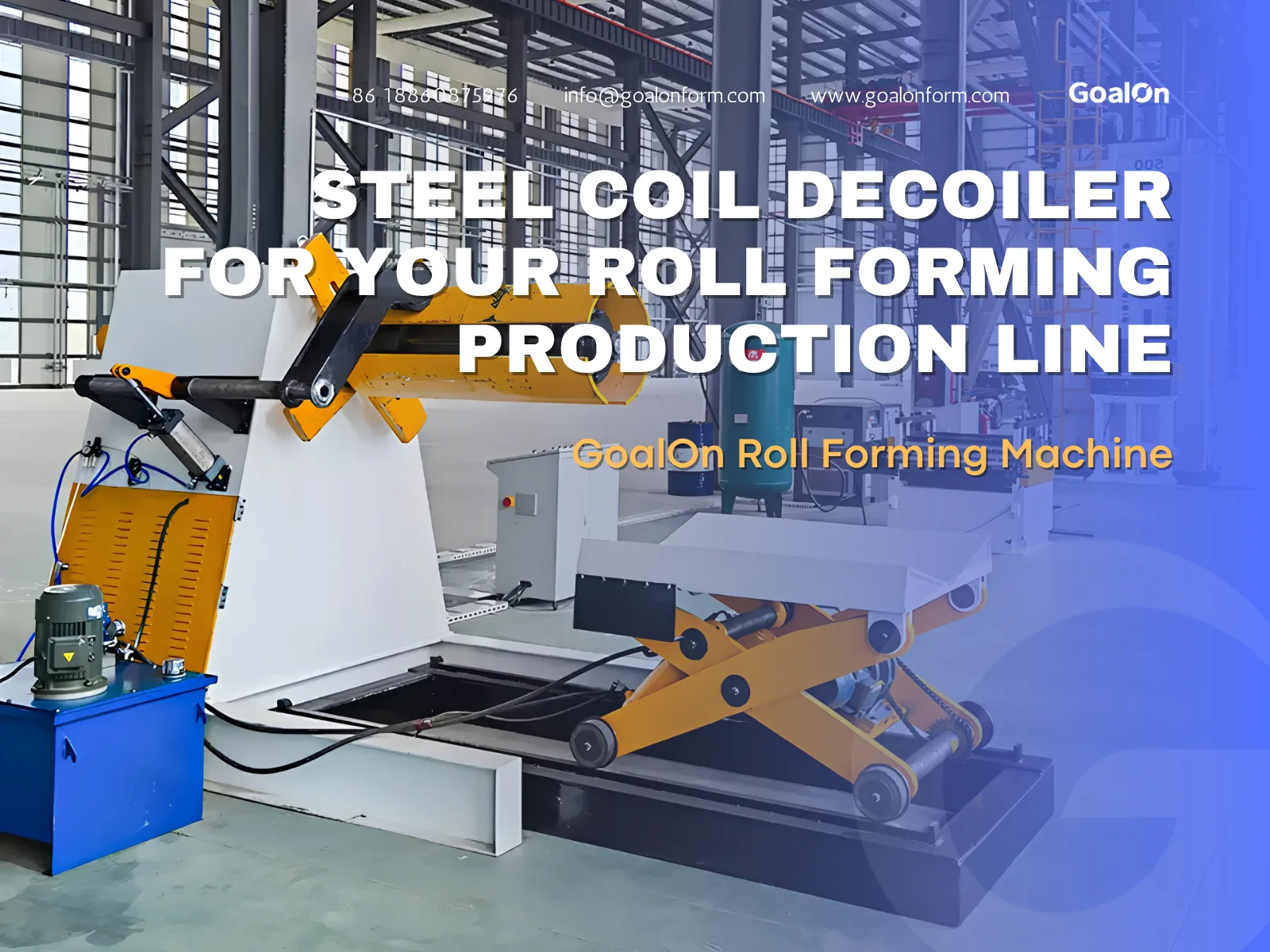
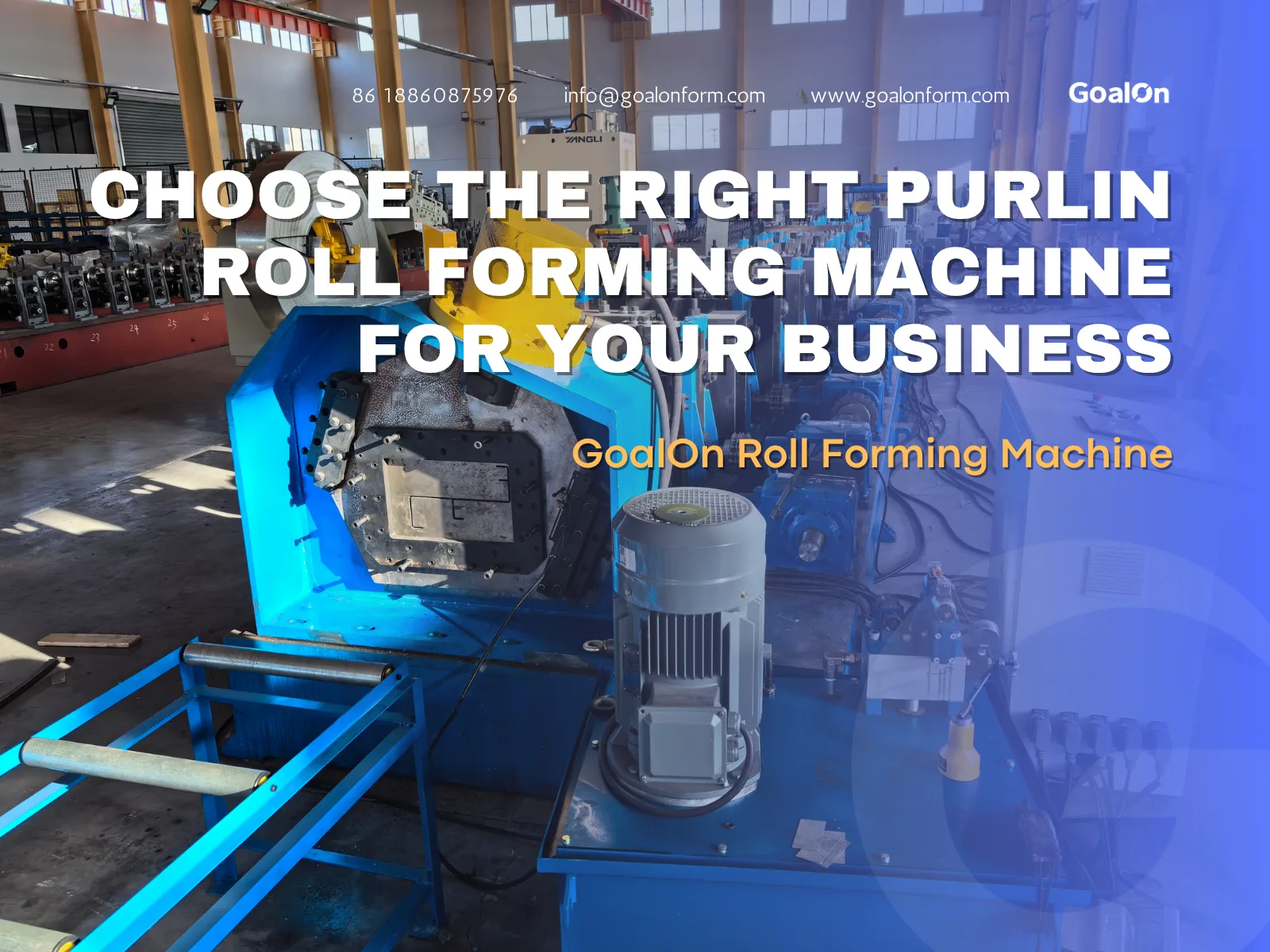
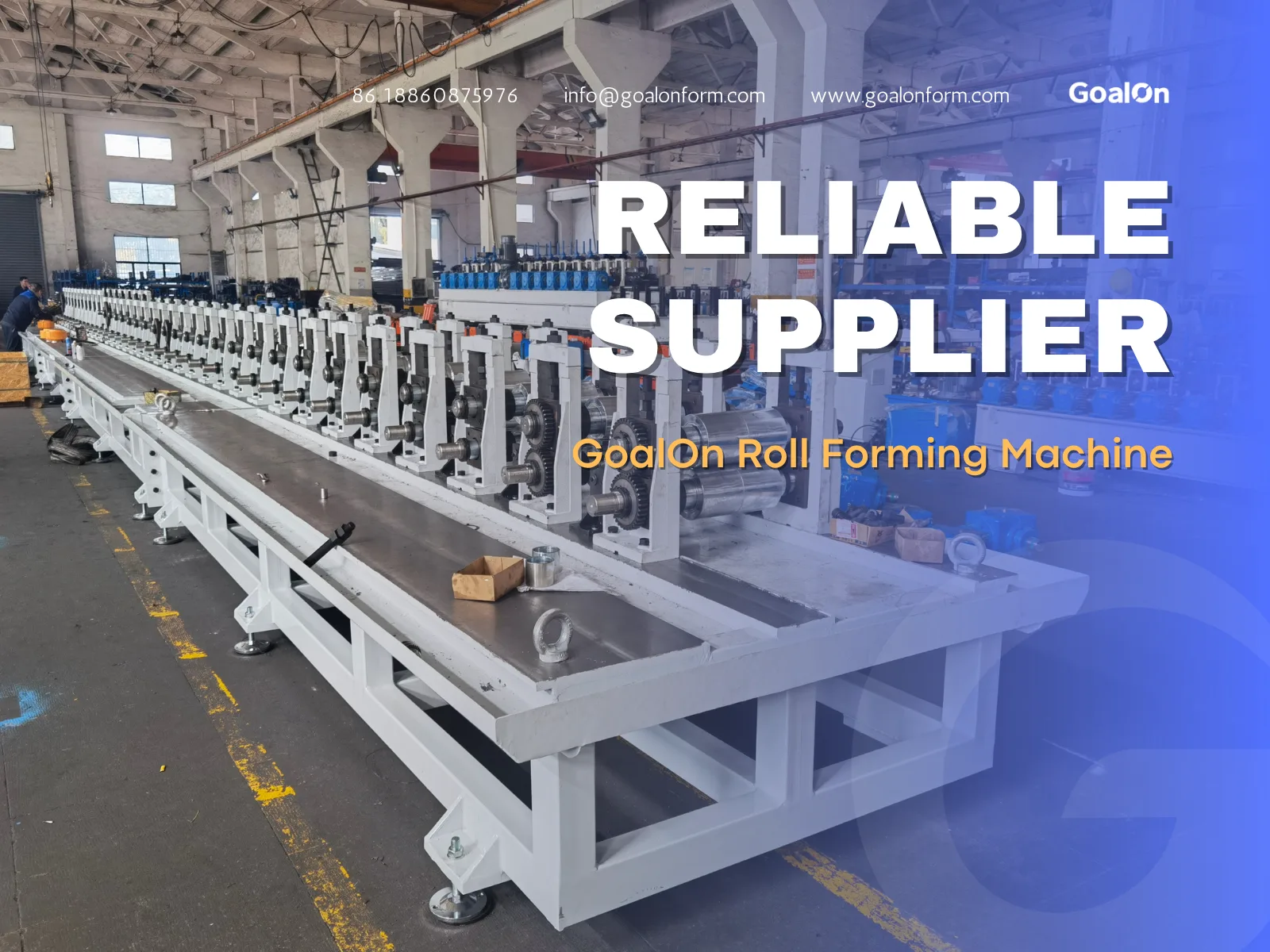
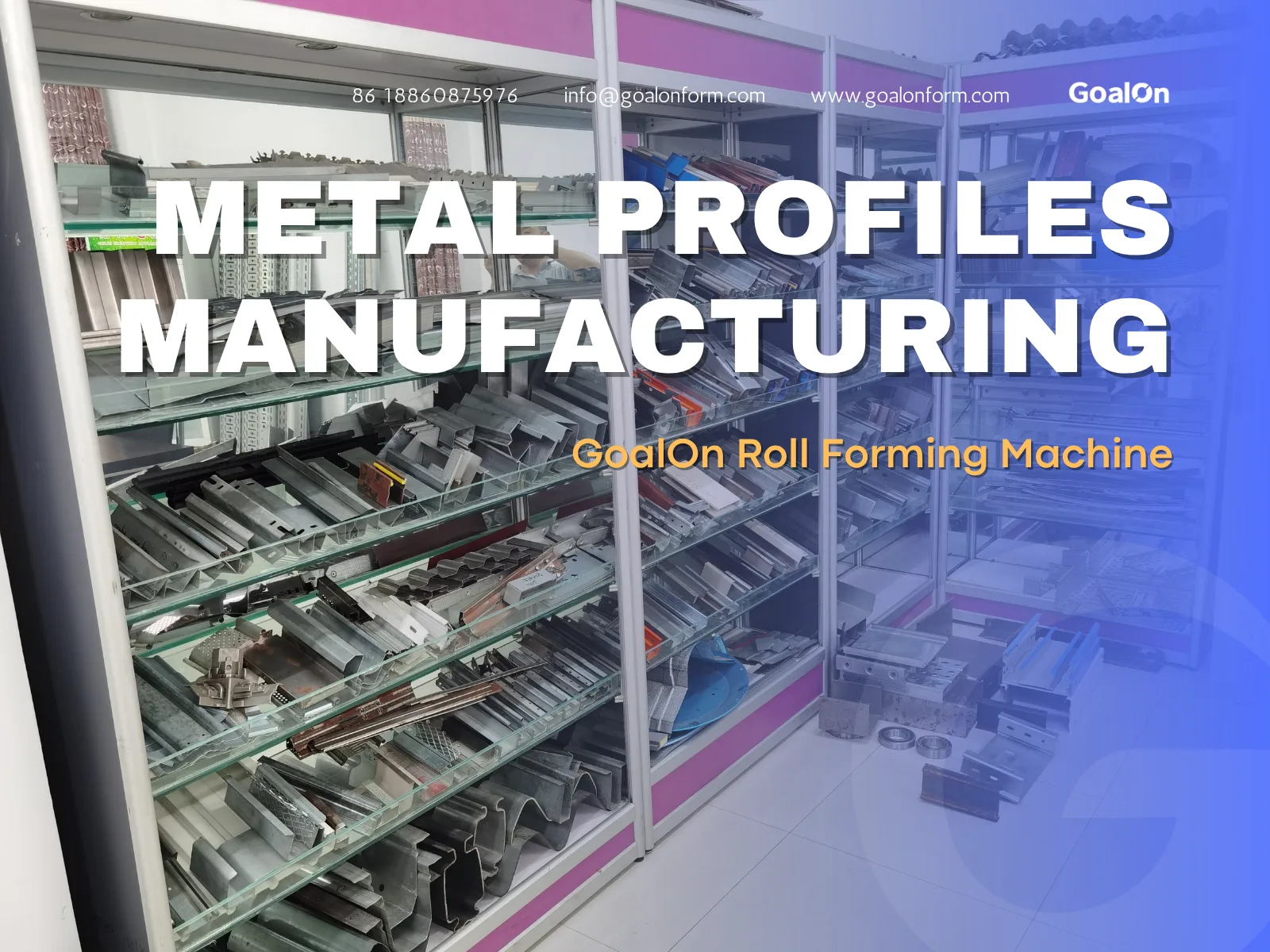
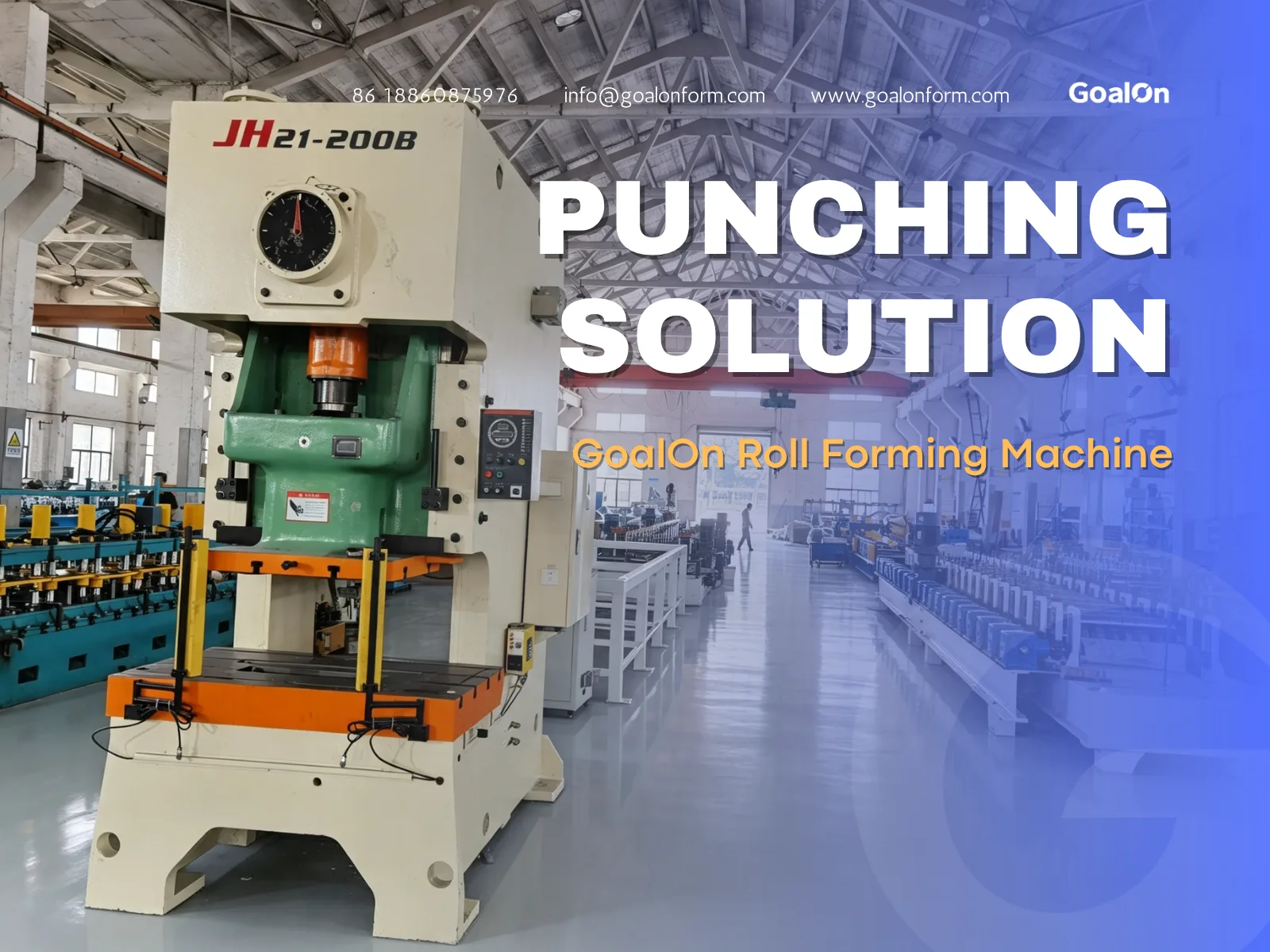
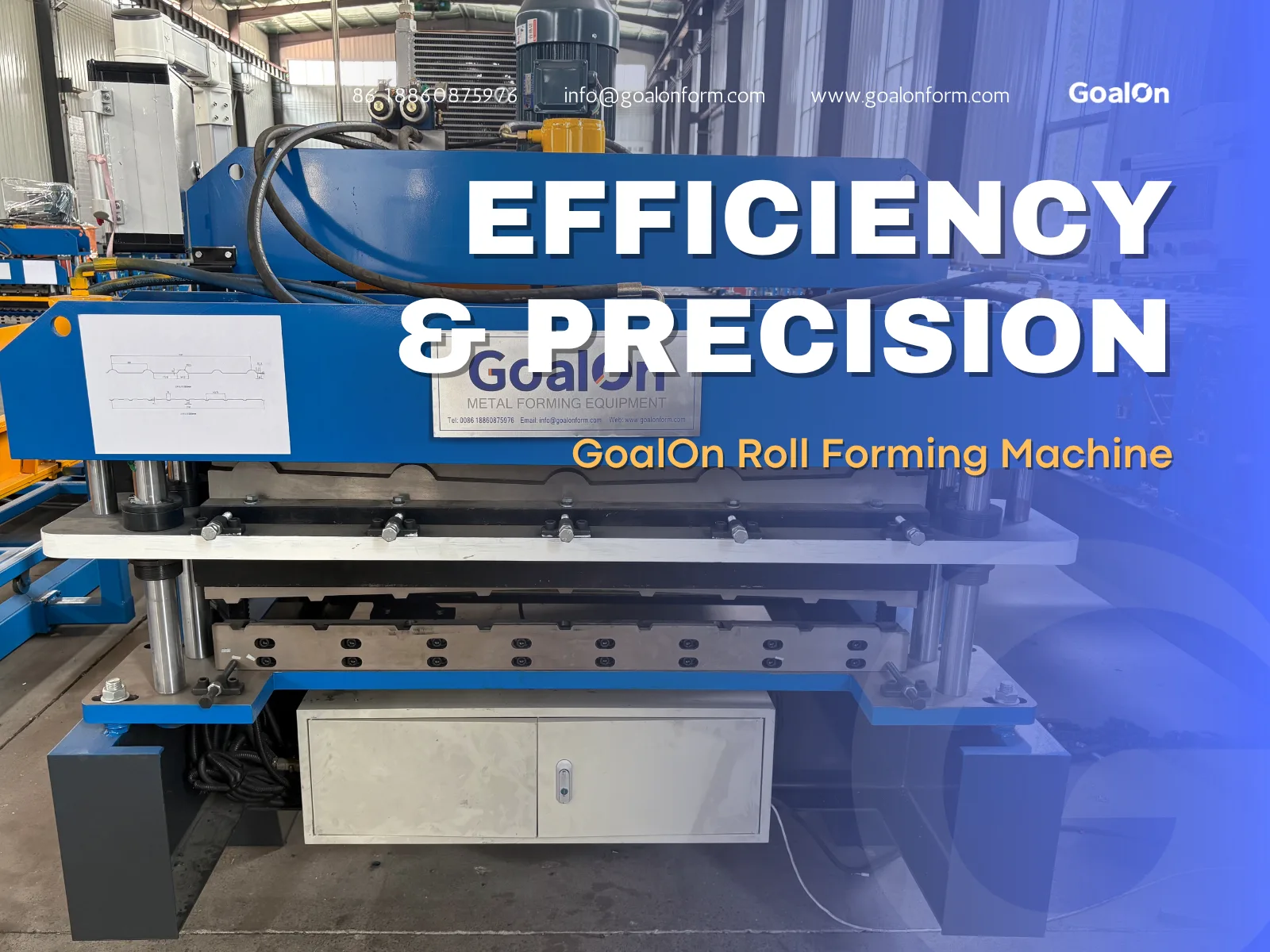
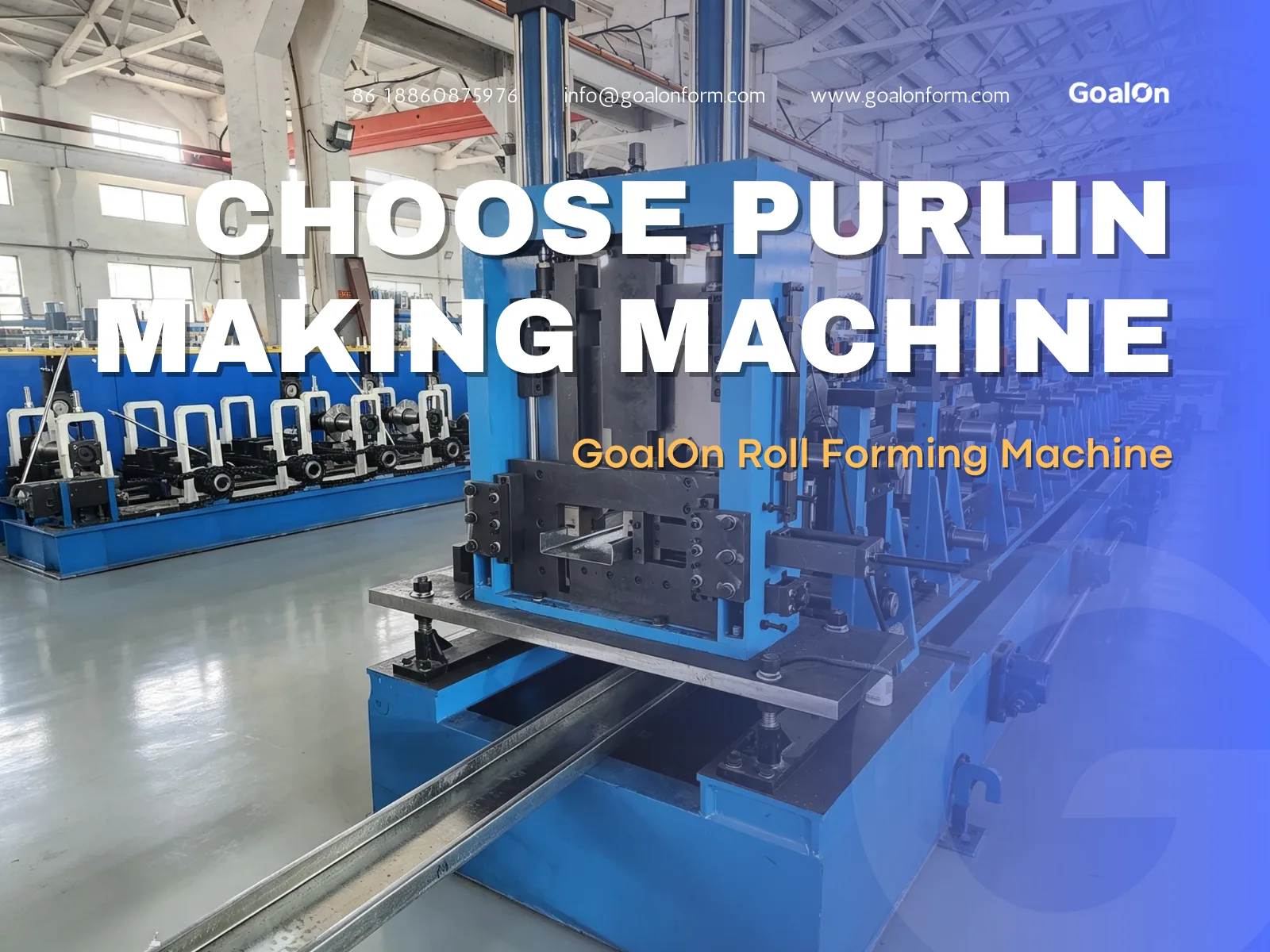
En el procesamiento moderno de metales, pocas tecnologías ofrecen la misma combinación de eficacia, consistencia y escalabilidad que el perfilado. Para las empresas constructoras, los fabricantes de perfiles metálicos y las empresas de comercio de maquinaria, comprender toda la gama de productos que pueden fabricarse con una perfiladora en frío es esencial, no sólo para seleccionar el equipo adecuado, sino también para identificar nuevas oportunidades de mercado.
Este artículo ofrece una visión estructurada y en profundidad de las diversas categorías de productos que permite la tecnología de perfilado, al tiempo que destaca las consideraciones técnicas clave que influyen en la viabilidad, el coste y el rendimiento de la producción.

Comprender la capacidad del perfilado
Antes de explorar las categorías de productos, es importante aclarar qué hace que el perfilado sea tan versátil.
El perfilado es un proceso de doblado continuo en el que una tira o bobina de metal pasa por varias estaciones de conformado. Cada estación realiza una pequeña deformación incremental hasta conseguir el perfil final. Esto permite:
- Producción continua de gran volumen
- Tolerancias dimensionales estrictas
- Geometrías transversales complejas
- Mínimo desperdicio de material
El proceso es especialmente adecuado para materiales como acero galvanizado, acero prepintado (PPGI), acero inoxidable y aluminio, en una gama de espesores de 0,3 mm a 6 mm, dependiendo del diseño de la máquina.
Perfiles para cubiertas y revestimientos murales
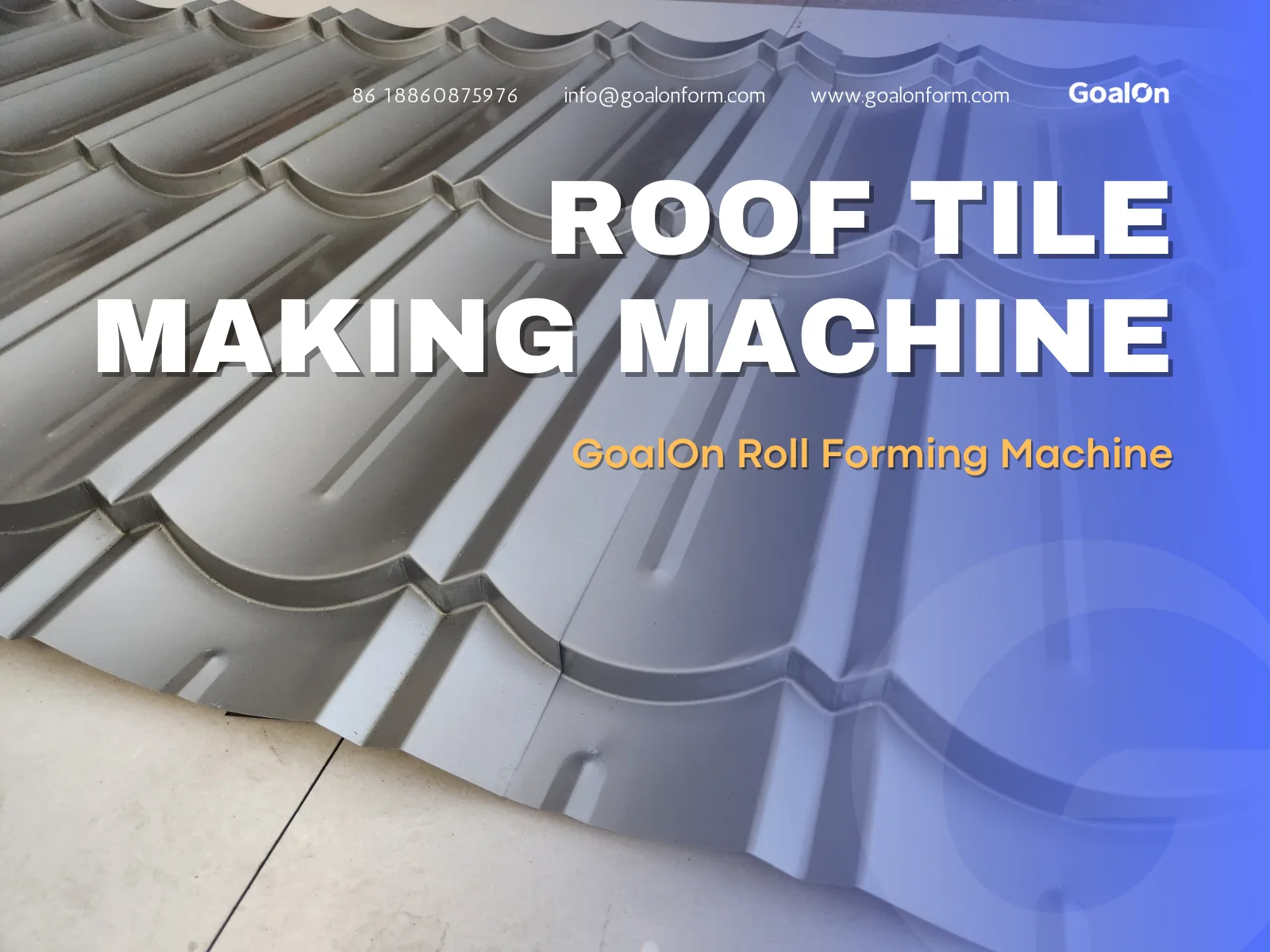
Una de las aplicaciones más comunes de las perfiladoras es la producción de chapas para cubiertas y revestimientos murales.
Productos típicos:
- Paneles de techo trapezoidales (IBR, panel R)
- Chapas onduladas
- Paneles de costura
- Paneles de revestimiento
Estos perfiles se utilizan ampliamente en edificios industriales, almacenes y construcciones residenciales.
Desde un punto de vista técnico, estos productos suelen requerir:
- Perfilado de alta velocidad (15-30 m/min o superior)
- Cizalla volante o sistemas hidráulicos de postcorte
- Opcional relieve o nervaduras por su resistencia y estética
La principal ventaja es la capacidad de producir paneles de gran longitud con una geometría uniforme, lo que reduce considerablemente el tiempo de instalación in situ.
Componentes estructurales del edificio
Las perfiladoras se utilizan ampliamente para fabricar componentes estructurales de acero, sobre todo en la construcción de acero ligero.
Productos típicos:
- correas C, correas Z, canales U
- Perfiles Sigma
- Estructura de acero ligero (LGSF)
- Planchas de entarimado
Estos componentes forman la espina dorsal de las estructuras de acero, soportando cargas y transfiriendo fuerzas.
Entre las principales consideraciones técnicas figuran:
- Grosor del material (normalmente 1,5-4,0 mm para correas)
- Sistemas de punzonado para patrones de agujeros
- Configuraciones de precorte frente a postcorte
- Ajuste automático del tamaño (máquinas intercambiables CZ)
Por ejemplo, un Perfiladora de correas CZ con cambio automático de tamaño puede producir varios tamaños de perfil sin necesidad de sustituir manualmente los rodillos, lo que mejora significativamente la flexibilidad y reduce los tiempos de inactividad.
Perfiles de puertas, ventanas y marcos
Otra categoría importante son los perfiles utilizados en puertas, ventanas y sistemas de marcos relacionados.
Productos típicos:
- Marcos de puerta de acero
- Perfiles de refuerzo de ventanas
- Lamas y carriles guía de la puerta de persiana
Estos productos suelen requerir una mayor precisión y fases de procesamiento adicionales.
Las características técnicas suelen incluir:
- Sistemas de punzonado multi-estación (2-6 estaciones)
- Servoalimentación para un posicionamiento preciso de los orificios
- Sistemas de corte capaces de cortar ángulos (por ejemplo, esquinas de 45°)
En este segmento, precisión dimensional y calidad superficial son fundamentales, especialmente para los mercados de exportación, donde las tolerancias de instalación son estrictas.
Sistemas de almacenamiento y estanterías
Los sistemas de almacenamiento representan una aplicación de gran valor para las máquinas de perfilado.
Productos típicos:
- Montantes (columnas de estantería)
- Vigas de caja
- Vigas escalonadas
- Paneles de estantería
Estos perfiles suelen tener geometrías complejas y requisitos de alta resistencia.
Aspectos técnicos importantes:
- Procesado de acero de alta resistencia (hasta 550 MPa o superior)
- Punzonado de precisión para conectores y ranuras
- Líneas de ensamblaje de vigas cajón con sistemas de bloqueo o soldadura
Por ejemplo, un sistema de vigas cajón puede implicar:
- Dos perfiles C formados por separado
- A proceso de perfilado + cierre (costura)
- Seguimiento de los sistemas de corte para producción continua
Este segmento exige no sólo precisión de conformado, sino también integridad estructural y capacidad de carga.
Sistemas de organización de cables y soporte eléctrico
El perfilado se utiliza ampliamente en productos de infraestructura eléctrica.
Productos típicos:
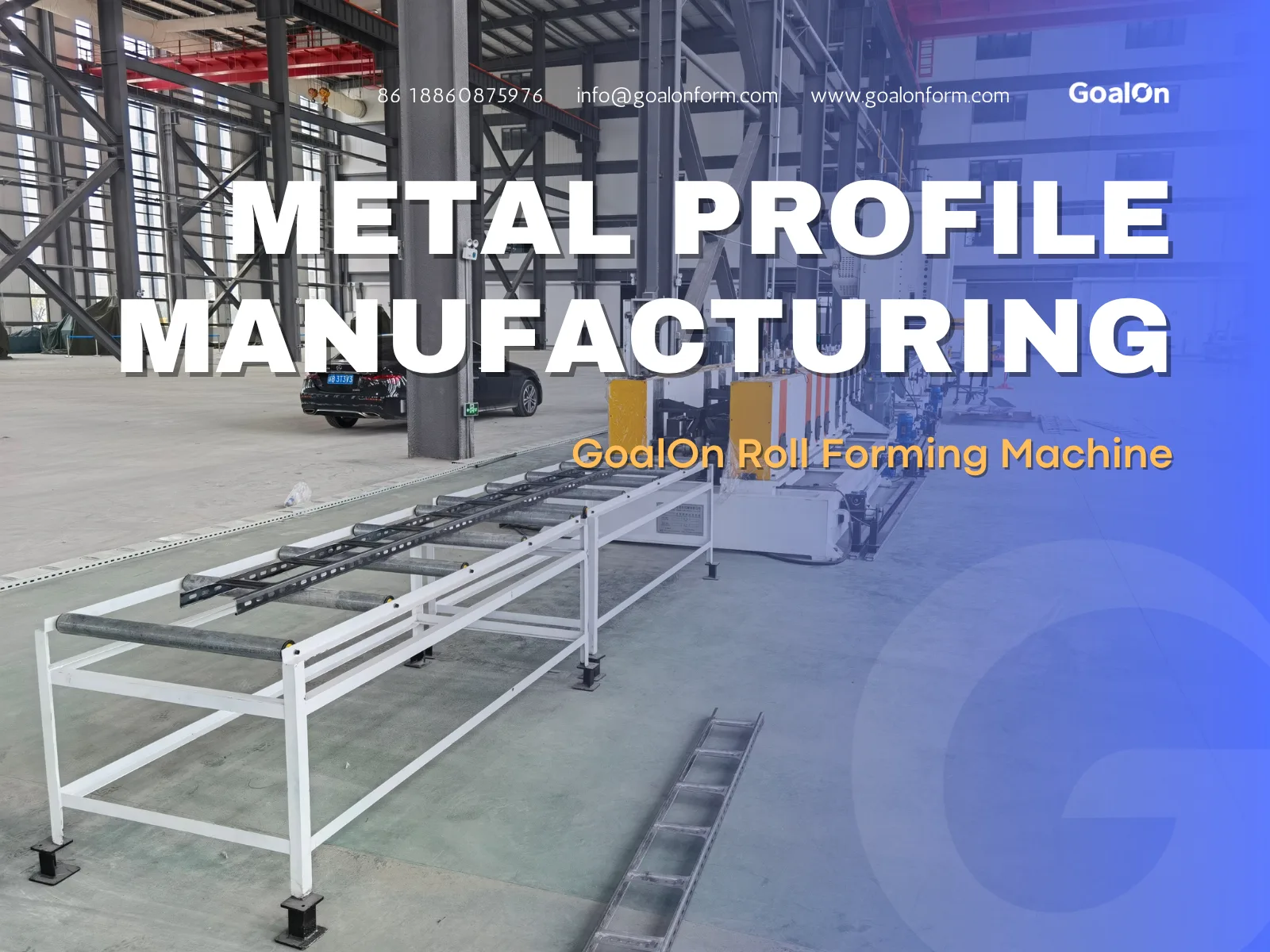
- Bandejas de cables
- Escaleras de cable
- Sistemas troncales
- Canales de montaje eléctrico
Estos productos se utilizan en edificios comerciales, fábricas y centros de datos.
Características típicas de la producción:
- Sistemas de perforación para ventilación y paso de cables
- Ajuste flexible de la anchura
- Integración con sistemas automáticos de apilado o envasado
La posibilidad de combinar el conformado con el punzonado en línea hace que el perfilado sea muy eficaz para estas aplicaciones.
Infraestructuras viarias y de transporte
Las perfiladoras también desempeñan un papel clave en las infraestructuras de transporte.
Productos típicos:
- Barandillas de carretera (viga en W, viga en triángulo)
- Barreras de seguridad
- Postes de valla
- Paneles antirruido
Estos productos suelen implicar materiales más gruesos y estrictas normas de seguridad.
Los requisitos técnicos incluyen:
- Estructuras para maquinaria pesada
- Sistemas de punzonado de alto tonelaje
- Cumplimiento de normas como Especificaciones AASHTO o EN
En este ámbito, consistencia del perfil y resistencia al impacto son más críticos que la apariencia superficial.
Sistemas de apoyo solar y sísmico
Con el crecimiento de las energías renovables y los requisitos de seguridad sísmica, han surgido nuevas categorías de productos.
Productos típicos:
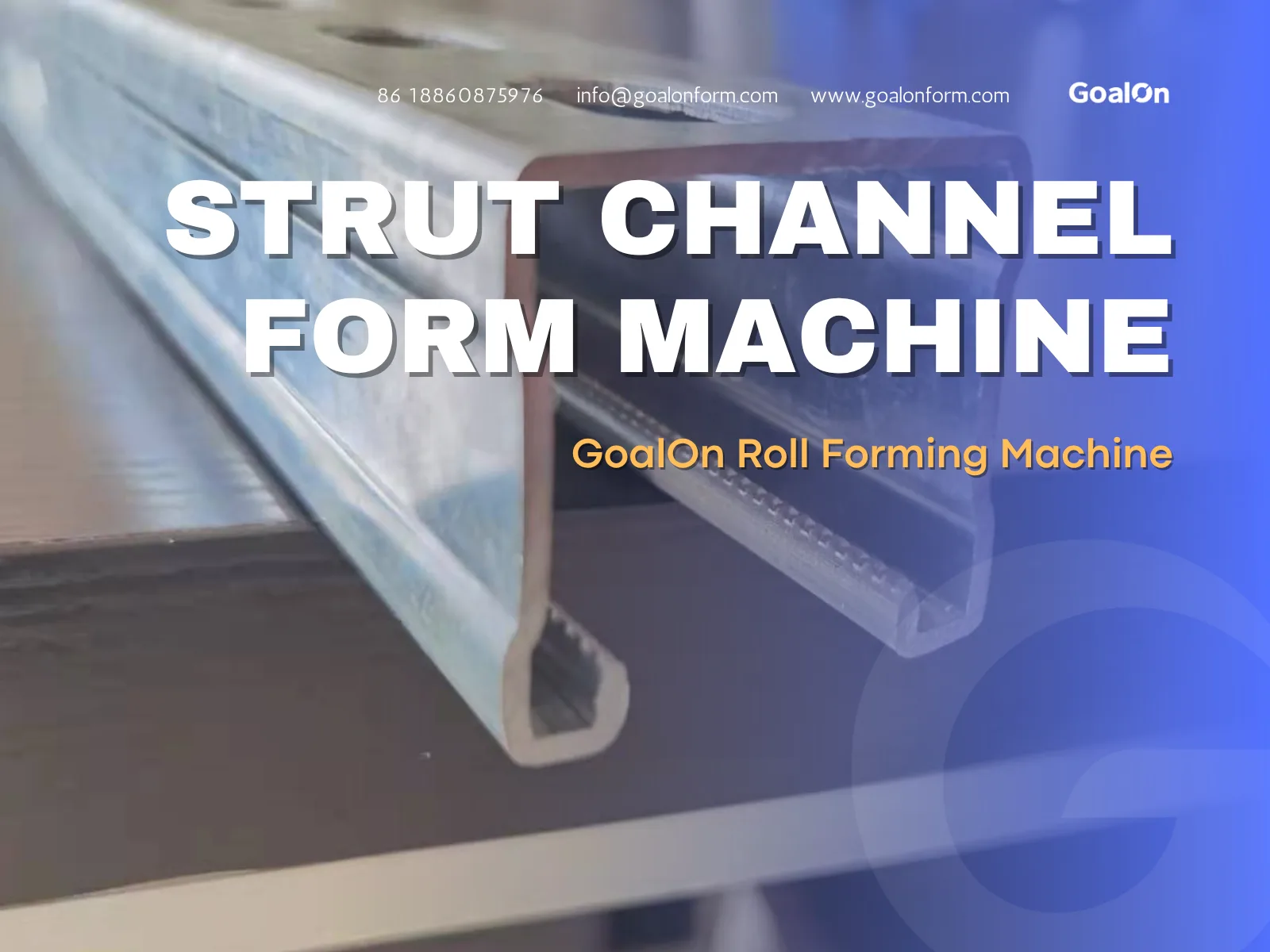
- Soportes de montaje solar
- Canales de refuerzo (tipo Unistrut)
- Sistemas de apoyo sísmico
Estos perfiles suelen ser modulares y requieren una gran precisión.
Principales características de la producción:
- Perforación continua con patrones de agujeros variables
- Sistemas de cambio rápido de herramientas
- Alta repetibilidad para compatibilidad de montaje
Se trata de un mercado en rápido crecimiento, sobre todo en regiones que invierten mucho en infraestructuras solares.
Perfiles de automoción y transporte
Aunque menos visible, el perfilado se utiliza mucho en la fabricación de automóviles.
Productos típicos:
- Refuerzos de parachoques
- Barras de impacto en las puertas
- Rieles de asiento
- Componentes del remolque
Estas aplicaciones requieren:
- Materiales de alta resistencia (a menudo superior a 600 MPa)
- Control estricto de la tolerancia
- Integración con procesos secundarios como la soldadura o el corte por láser
Aquí se hace hincapié en relación resistencia-peso y prestaciones de seguridad.
Perfiles personalizados y especiales
Uno de los mayores puntos fuertes del perfilado es su capacidad para producir perfiles personalizados.
Ejemplos:
- Rejillas decorativas para techos
- Guías de ascensor
- Perfiles de equipos agrícolas
- Componentes HVAC
La viabilidad de producir un perfil personalizado depende de:
- Complejidad transversal
- Propiedades de los materiales
- Requisitos de tolerancia
- Volumen de producción anual
Una solución de perfilado bien diseñada puede sustituir a menudo múltiples pasos de fabricación, reduciendo tanto la mano de obra como los costes.
Factores clave que influyen en la viabilidad del producto
No todos los perfiles son igualmente adecuados para el perfilado. A la hora de evaluar si un producto puede fabricarse mediante este proceso, hay que tener en cuenta varios factores técnicos:
1. Geometría del perfil
Perfiles con curvas graduales y secciones transversales uniformes son ideales. Las formas afiladas o complejas pueden requerir pasadas de conformado adicionales.
2. Espesor y resistencia del material
Se necesitan materiales más gruesos y resistentes:
- Más estaciones de conformado
- Estructuras de máquinas más fuertes
- Sistemas de transmisión de par superior
3. Punzonado y operaciones secundarias
Los productos que necesiten agujeros, ranuras o relieves deben integrarse:
- Sistemas de prepunzonado o postpunzonado
- Sincronización con la velocidad de la línea
4. Volumen de producción
El perfilado es más rentable para:
- Producción repetitiva de gran volumen
- Largas series de producción
5. Requisitos de tolerancia
Las tolerancias estrictas pueden ser necesarias:
- Utillaje de precisión para rodillos
- Sistemas de control avanzados (PLC + servo)
Conclusión
Las máquinas de perfilado son una de las soluciones más versátiles y eficaces en el procesamiento moderno de metales. Desde paneles para tejados y componentes estructurales hasta sistemas de estanterías y soportes solares, la gama de productos que pueden fabricarse es enorme.
Sin embargo, el verdadero valor del perfilado no reside sólo en lo que puede producir, sino en la eficacia con la que puede hacerlo, a través de producción continua, eficiencia del material y control preciso de geometrías complejas.
Para fabricantes e inversores, comprender estas categorías de productos y sus requisitos técnicos es el primer paso para tomar decisiones informadas sobre la selección de equipos, la planificación de la producción y la expansión del mercado.
Si se enfoca estratégicamente, una sola línea de perfilado puede desbloquear múltiples segmentos de productos, aumentando significativamente tanto la capacidad de producción como la rentabilidad de la inversión.