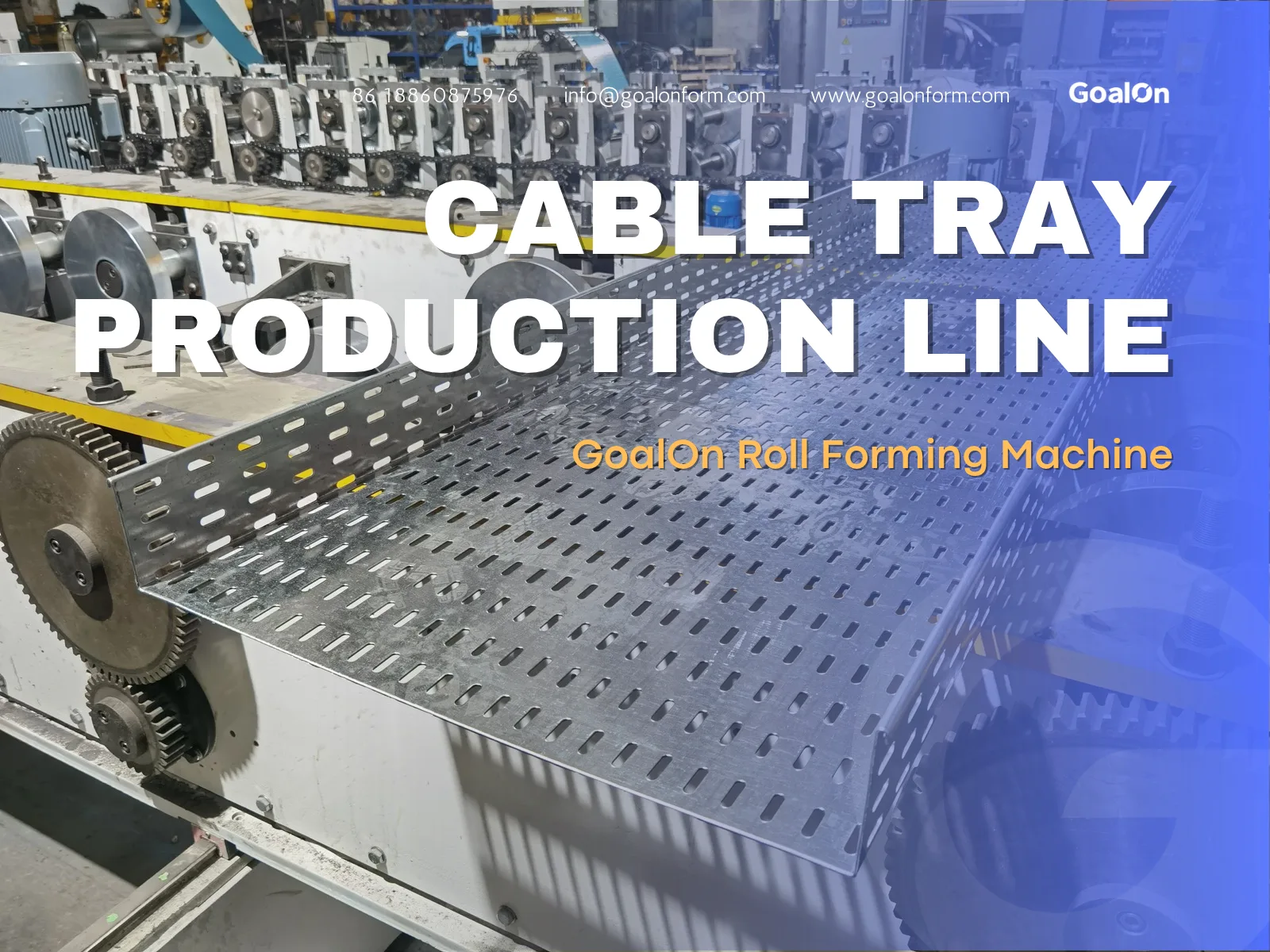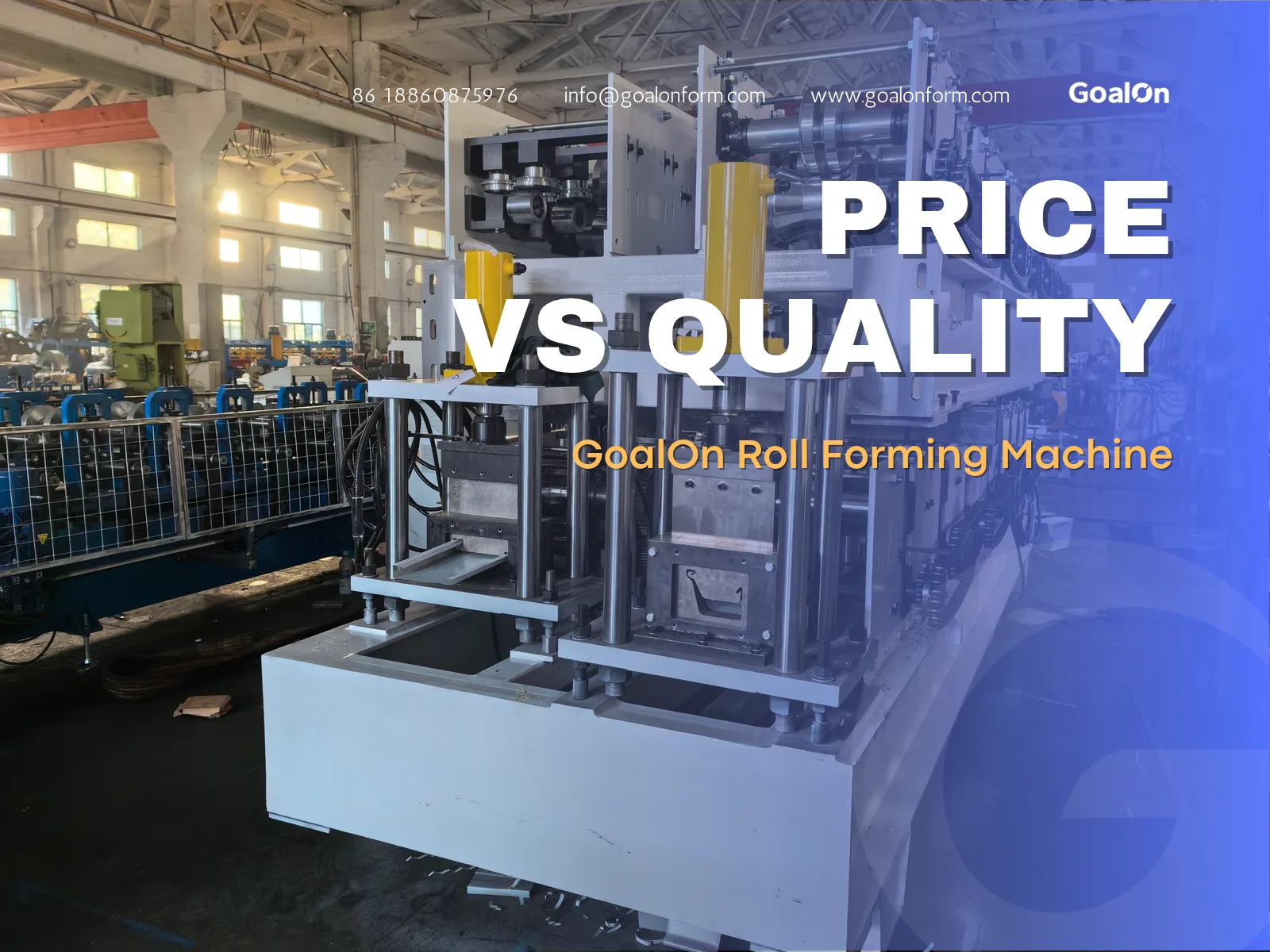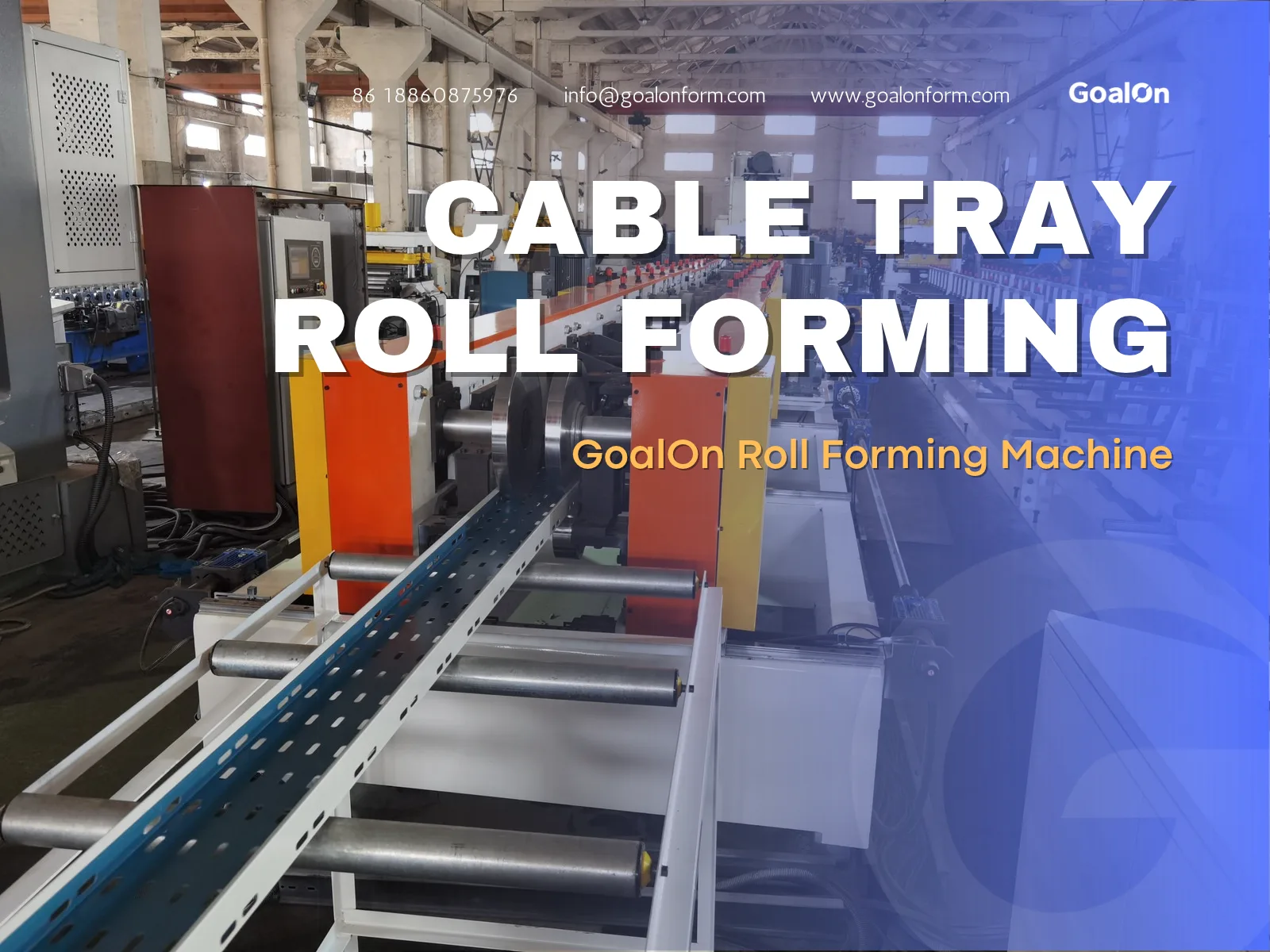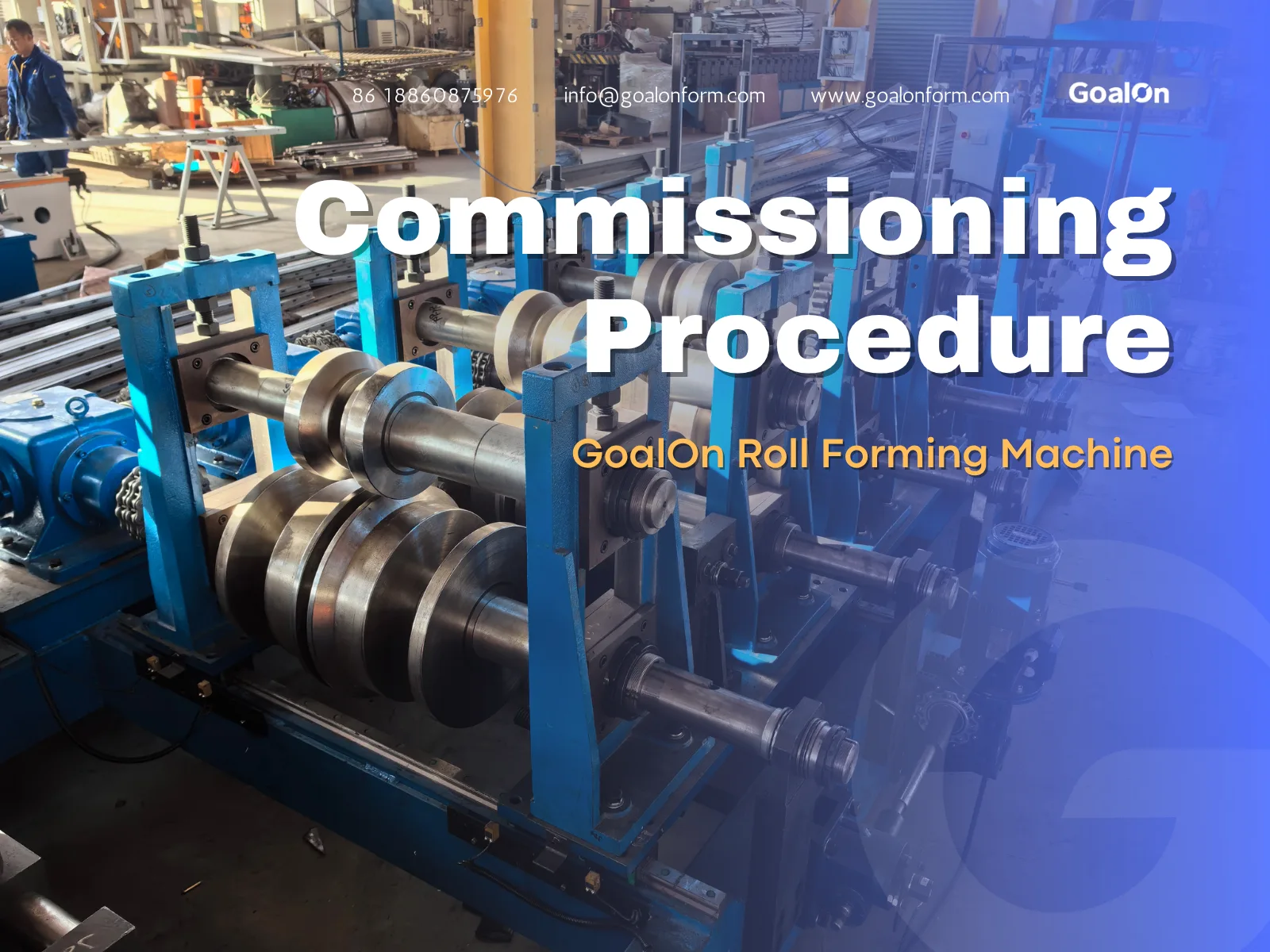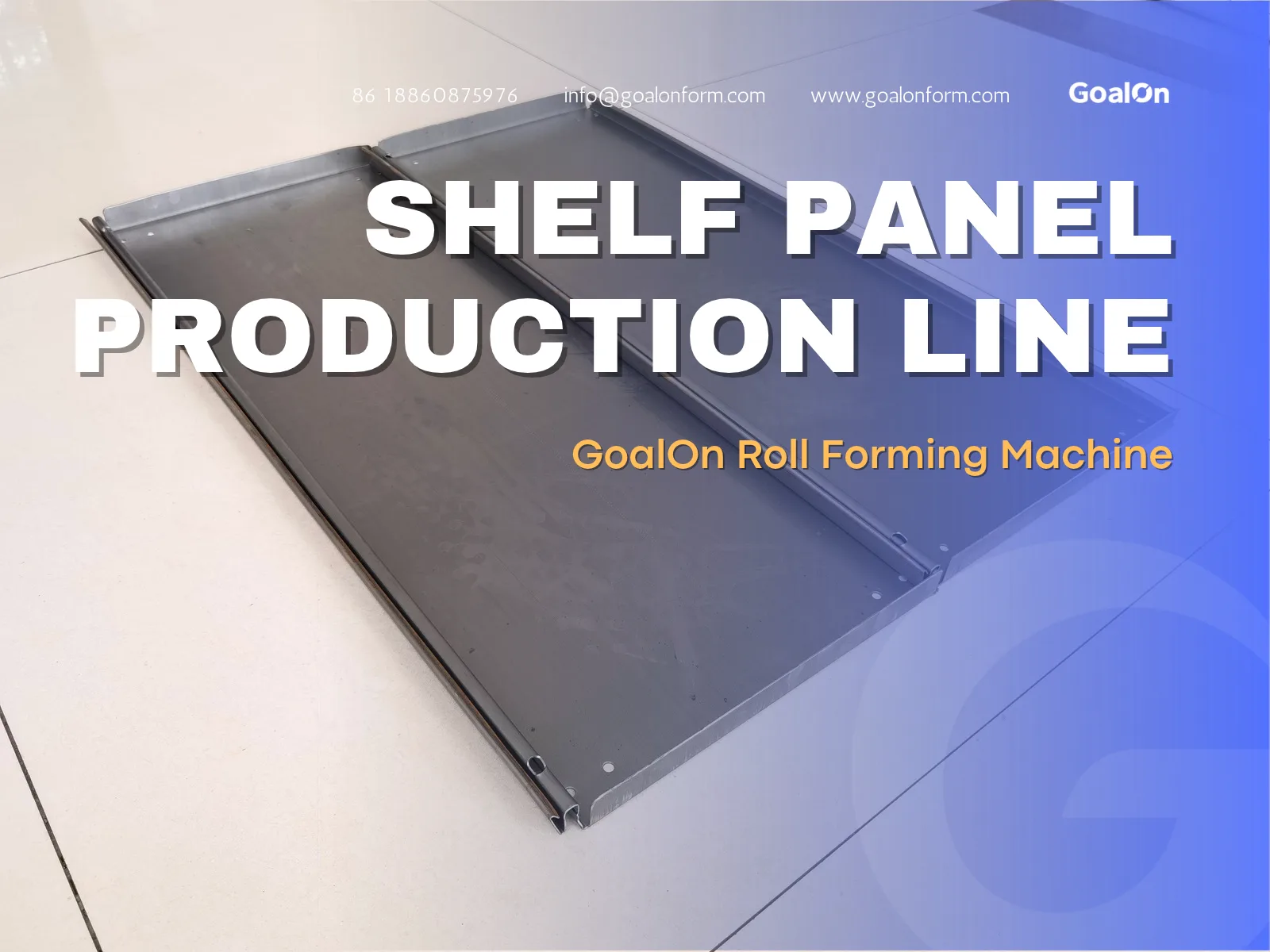
A rack shelf panel looks simple, but production is not. Once you move from a basic profile to double hem or triple hem edges, the roll forming line becomes a different project. Add holes, slots, keyholes, or stiffening ribs, and the configuration must be planned from the first station—otherwise you get poor edge quality, unstable feeding, and high scrap.
This guide explains how to build the right rack shelf panel roll forming production line based on the real variables that matter: hem times (1/2/3), punching method, rib embossing, speed, and tolerance targets. If you are sourcing a shelf panel roll forming machine with punching, you’ll also see which modules are optional, which ones are non-negotiable, and how to estimate total line complexity before you request a quote.
Why Shelf Panel Designs Drive Line Complexity
Shelf panels vary by load rating, rack system standard, and market preference. The “same” shelf panel may differ in:
- Edge structure: single hem / double hem / triple hem
- Stiffening method: flat, rib embossing, hat ribs, or intermediate beads
- Hole pattern: round holes, slots, keyholes, long slots for hooks
- Material: GI, cold rolled, pre-painted (scratch sensitive)
- Thickness: commonly 0.6–2.0 mm (customizable)
Among these, hem folding is the biggest driver of complexity. Hemming needs controlled material flow. Each additional fold increases demand on:
- guiding stability
- station arrangement (pre-bend → close → flatten)
- anti-scratch design (especially pre-painted)
- roll tooling accuracy and hardness
- line straightness and cut accuracy
That is why a double hem shelf panel roll forming line is not just “one more station”—it is a different line logic.
Core Modules of a Rack Shelf Panel Roll Forming Production Line
Before comparing configurations, it helps to break the line into modules. A standard system contains:
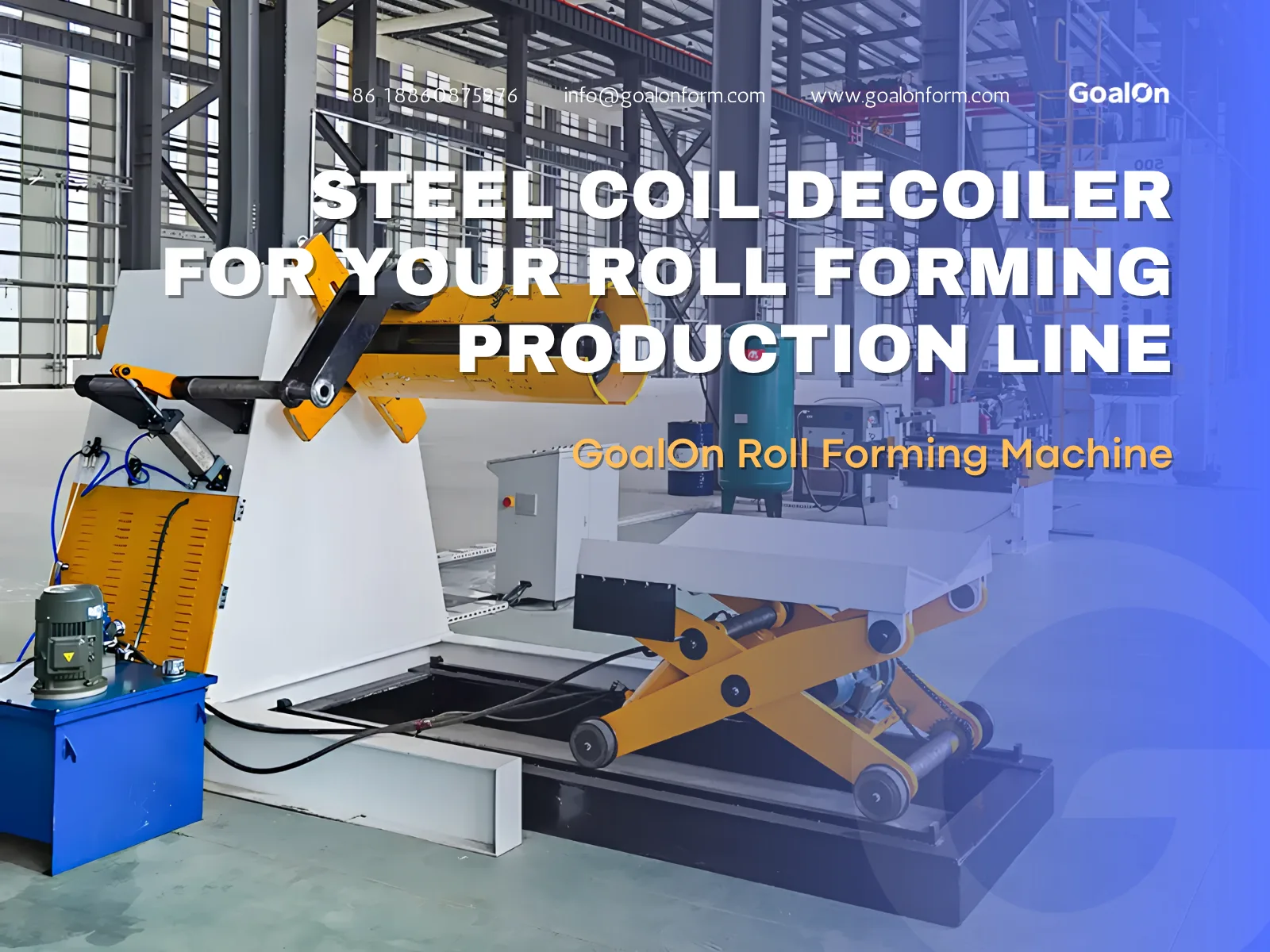
- Decoiler (manual or hydraulic)
- Feeding & leveling (optional but strongly recommended)
- Guiding system (entry guides, side guides, anti-twist)
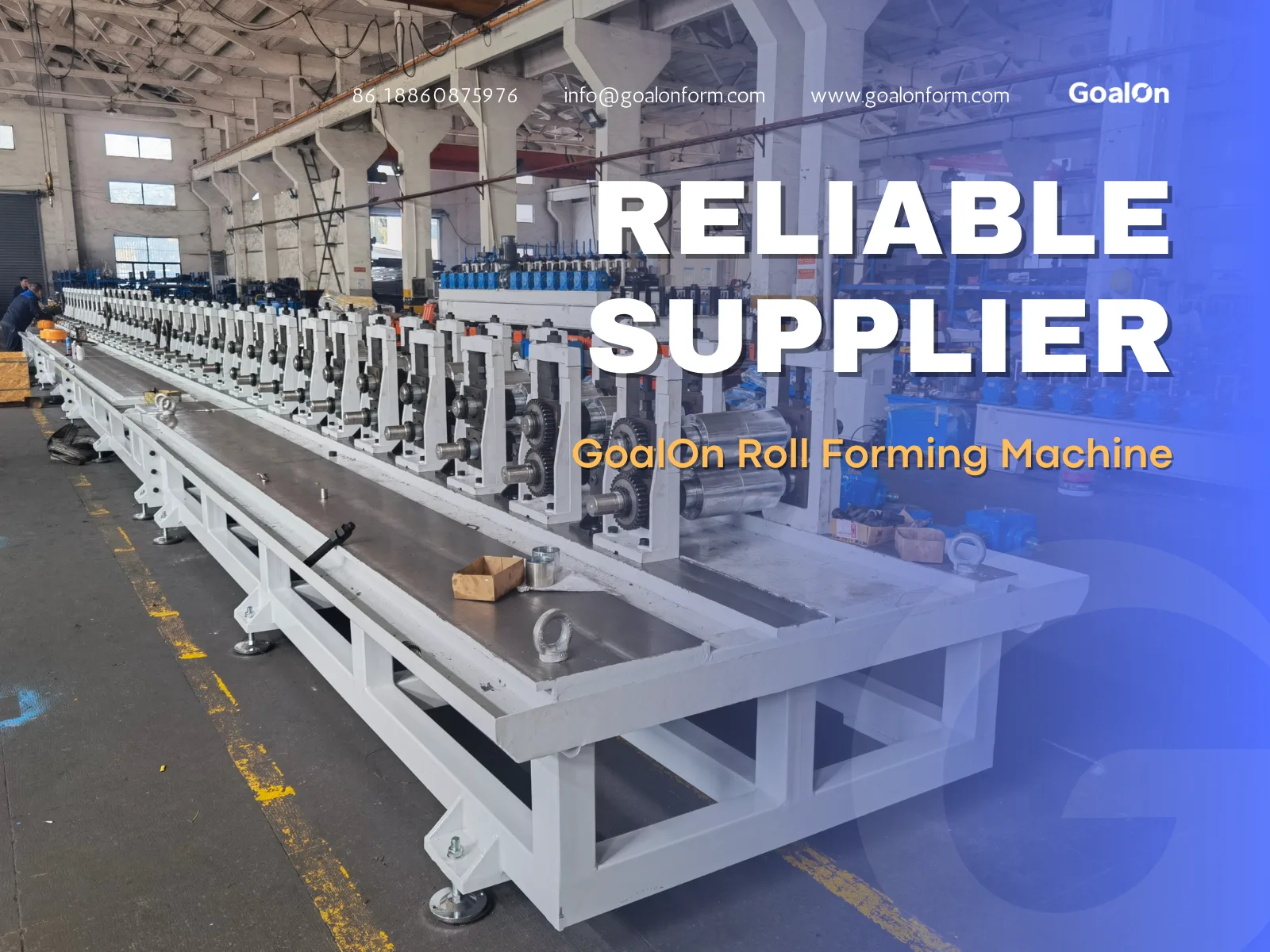
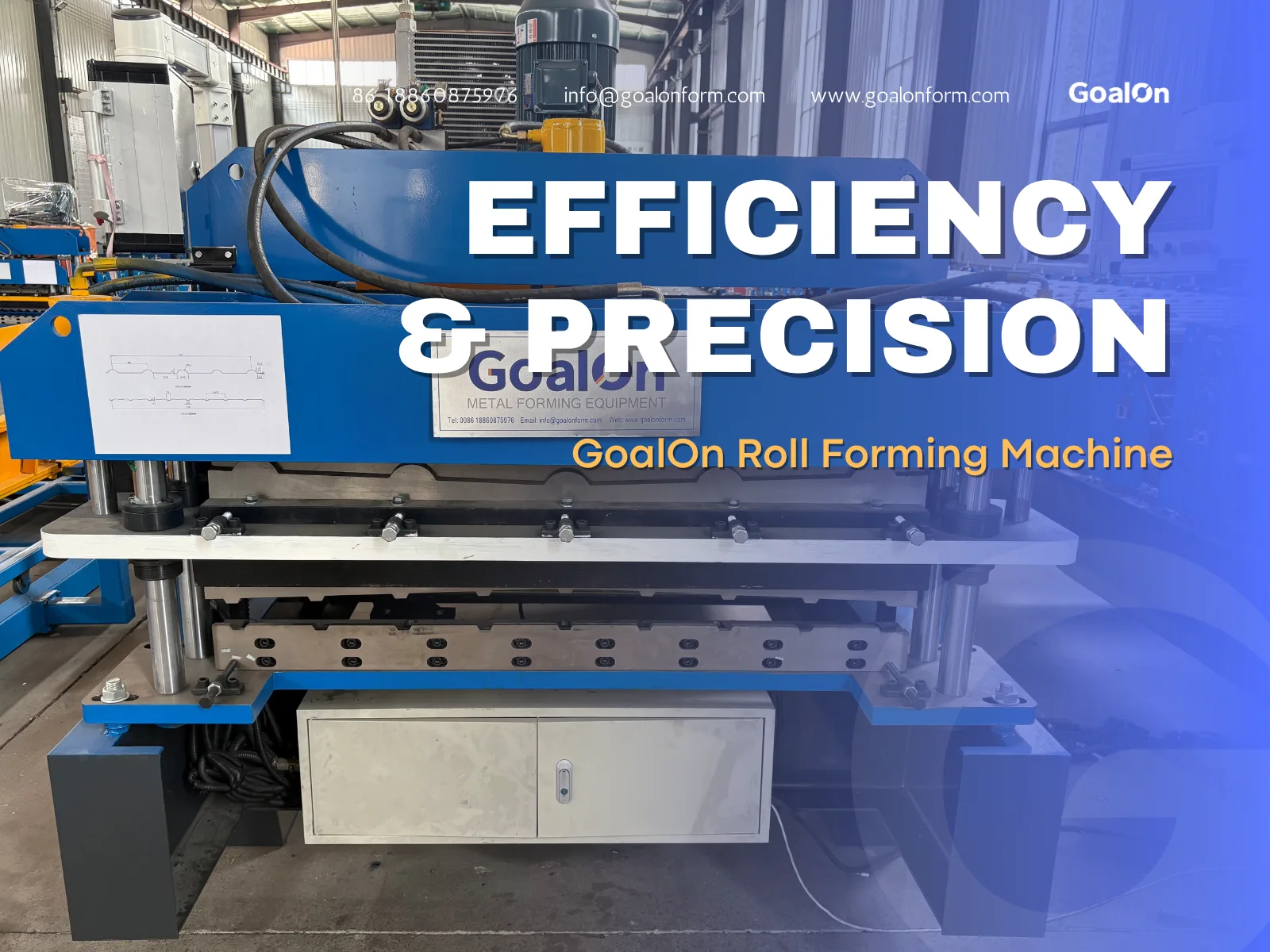
- Roll forming stations (main profile forming)
- Hem forming module (single/double/triple hem)
- Optional: inline punching module
- Optional: rib embossing stations
- Cutting system (stop-to-cut / flying cut)
- Run-out table + stacking (manual or automatic)
Key point: when you add punching and ribs, their position in the line affects quality. Punching before forming is common for hole accuracy, but it requires strong feeding control. Embossing/ribs usually happen before final forming so the ribs don’t distort at the end.
Configuration A — Single Hem Shelf Panel Line (Fast, Cost-Effective)
Best for
- Standard duty shelves
- Basic edge safety improvement
- Customers prioritizing throughput and simple upkeep
A single hem means folding the edge once (often 180° return or a “safe edge” style). The line structure is relatively straightforward:
- roll forming to near-final shape
- edge pre-bend stations
- hem closing stations
- cut to length
Critical professional note: for stable single-hem quality, you still need tight side guiding and proper station spacing. If the strip walks, the hem will not close evenly, creating sharp edges or wave marks.
Recommended modules
- Hydraulic decoiler + pinch feed (for stable coil management)
- Leveling (especially if thickness varies)
- Stop-to-cut for moderate speed, or flying cut for higher speed
If your future plan includes upgrading to holes or ribs, design the baseline line with reserved space for a punching press and embossing stations. This keeps your investment flexible.
Configuration B — Double Hem Shelf Panel Roll Forming Line (Stronger Edge, Higher Control)
A double hem shelf panel roll forming line is common for heavier loads, premium racks, and markets that demand high edge stiffness and safer handling. Double hem typically requires:
- pre-bend 1
- close/flatten 1
- pre-bend 2
- close/flatten 2 (or integrated closing stages)
What changes vs single hem
- More forming stations and stronger frames
Double hem increases forming force and sensitivity to thickness. A stronger stand and thicker base reduce vibration and keep alignment. - Guiding system becomes critical
With two hems, any side drift magnifies. You need precision side guides, anti-twist measures, and stable strip entry. - Surface protection matters
If you run pre-painted steel, roller surfaces and entry guides must be designed to reduce scratches. Using proper roller finishing and controlled pressure prevents paint damage.
Practical outcomes
- Better load resistance without increasing material thickness
- Cleaner edge with less risk of sharpness
- Higher tooling complexity and longer setup time
If you are quoting a double hem line, always specify:
- thickness range and yield strength
- hem dimensions (internal radius, return length)
- tolerance expectation for width and straightness
These details directly decide station count and roller design.
Configuration C — Triple Hem Roll Forming Machine for Shelf Panel (High-End and Most Sensitive)
A triple hem roll forming machine for shelf panel is used when the design needs maximum edge stiffness, premium appearance, or special rack standards. This is where many projects fail if the supplier treats it like a simple extension.
Why triple hem is difficult
- The material has already been work-hardened by previous bends.
- The strip becomes less “forgiving,” so minor misalignment creates visible defects.
- Closing the last hem often requires controlled forming pressure and excellent station sequencing.
Professional requirement: triple hem designs often need dedicated hem forming stations with fine-tuned roll profiles. In some cases, adding stabilization supports or intermediate straightening becomes necessary to prevent twist.
What to check before ordering
- Do you need a mirror-flat hem surface or is minor marking acceptable?
- Is the shelf panel narrow or wide? Wider panels increase the risk of camber and oil-canning.
- What is the target speed? Higher speed raises the requirement for rigidity and cutting method.
If you need tight tolerance plus triple hem, plan for higher capex—but you gain a premium product and lower rejection once the line is tuned.
Adding Punching — Inline vs Offline for Shelf Panels
Many buyers specifically search for a shelf panel roll forming machine with punching because shelves often need:
- mounting slots
- hook holes
- ventilation holes
- branding marks
- end notches
Option 1 — Offline punching (separate press line)
Pros
- Lower initial cost for roll forming line
- Press is easier to maintain and tool change is flexible
Cons
- Extra labor and handling
- Alignment risk between punching and final cut length
- Lower overall efficiency
Offline punching works well when SKUs change frequently and speed demand is moderate.
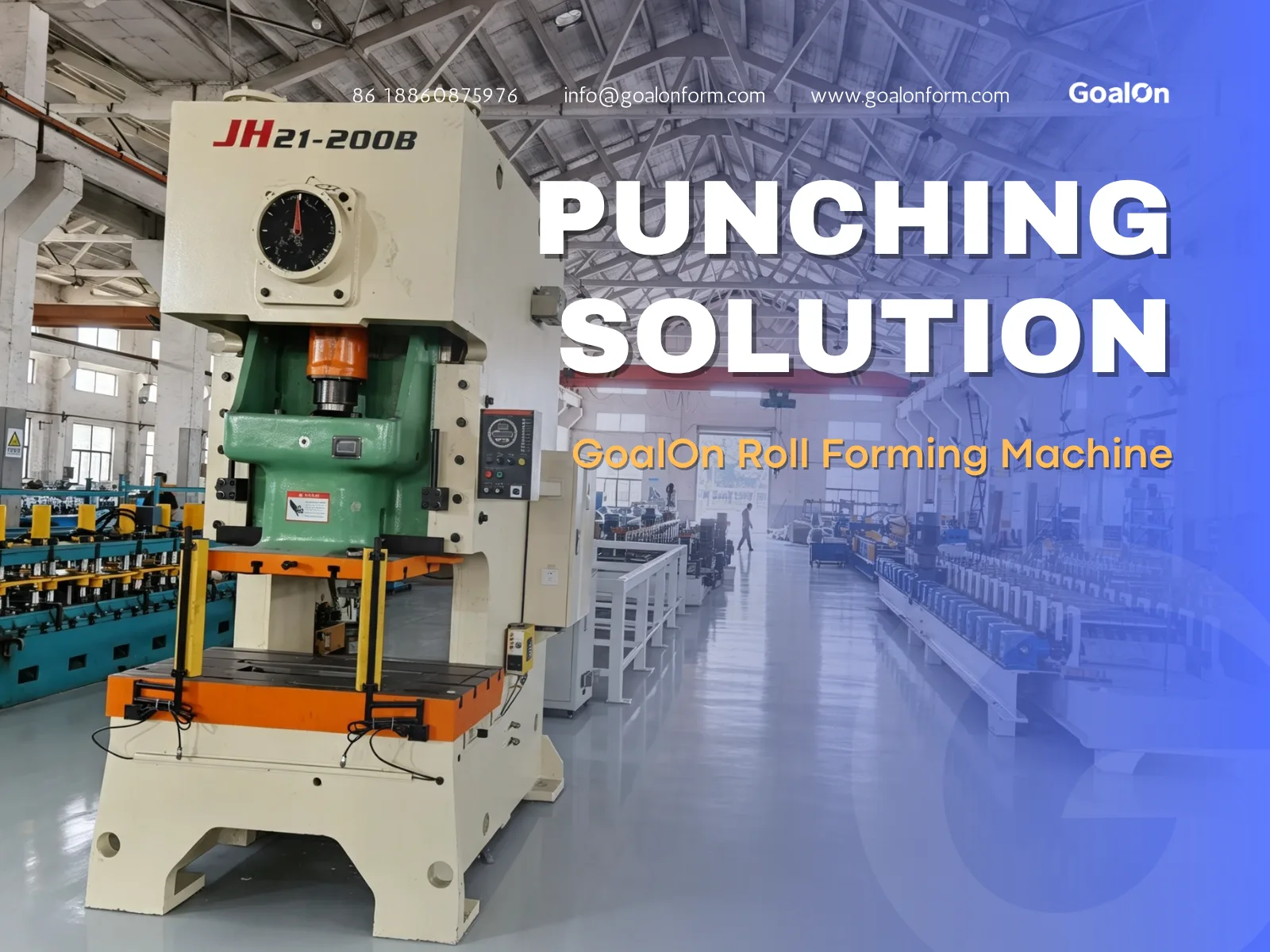
Option 2 — Inline hydraulic punching (inside the roll forming line)
Pros
- Better production flow, less handling
- Stable quality when feeding is controlled
Cons
- More complex commissioning
- Requires good synchronization to avoid length errors
Inline hydraulic punching is a common choice for standard shelf hole patterns with medium speed.
Option 3 — Inline servo punching (high accuracy and flexibility)
Pros
- Higher accuracy for hole pitch and position
- Better for complex patterns and higher speed
Cons
- Higher cost
- Requires more advanced control and setup
Key technical point: punching requires reliable feeding length control. Pairing punching with proper encoder measurement and a stable pinch feed improves hole position consistency.
Adding Stiffening Ribs / Embossing — More Strength Without More Steel
Ribs increase panel stiffness while keeping material thickness and cost controlled. For shelves, ribs help reduce deflection under load and improve “feel” quality.
A rack shelf panel machine with ribs embossing typically adds:
- embossing rolls or rib-forming stations before final profile forming
- additional guiding to keep rib alignment centered
- sometimes a light leveling step before embossing if coil shape is inconsistent
Important: rib depth and pattern affect springback and straightness. Deep ribs can introduce residual stress that shows up as end warp after cutting. A good line design compensates with station sequencing and optional straightening.
Cutting and Length Control — Stop-to-Cut vs Flying Cut
Cutting choice impacts speed, length tolerance, and line stability.
Stop-to-cut (stop then shear)
- stable and cost-effective
- suitable for moderate line speed
- easier for thicker materials
Flying cut (cutting while moving)
- supports higher speed and continuous production
- needs reliable control and typically higher investment
For punched shelf panels, flying cut can maintain output while keeping hole-to-end distance consistent—if the control system is well integrated.
Professional note: if your shelf panel has strict length tolerance and hole-to-edge distance is critical, specify that early. The supplier will choose the right measurement method (encoder + correction logic) and cutting structure.
Line Layout Recommendations (What a Good Supplier Should Provide)
When you request a quote for a rack shelf panel roll forming production line, you should receive more than a price. A serious supplier provides:
- station-by-station layout (including hem and embossing positions)
- power and hydraulic requirements
- estimated line length and operator positions
- tooling material and heat treatment plan
- spare parts list and wear parts recommendation
Ask for confirmation of key risks:
- how they prevent strip walking (guides, entry design)
- how they avoid scratches on coated steel
- how they control hem closing consistency across thickness range
These are practical indicators of whether the machine will run smoothly after installation.
How to Choose the Right Configuration (Decision Table)
| Your Shelf Panel Feature | Recommended Line Configuration | Notes |
|---|---|---|
| Single hem, no holes | Basic roll forming + single hem module | Lowest complexity |
| Double hem | Double hem shelf panel roll forming line | Strong guides required |
| Triple hem | Triple hem roll forming machine for shelf panel | Precision tooling and stability support |
| Holes/slots | Shelf panel roll forming machine with punching | Choose inline for efficiency |
| Ribs/embossing | Rack shelf panel machine with ribs embossing | Decide rib position early |
| Pre-painted material | Anti-scratch roller design + careful guides | Surface protection is essential |
Why GoalOn for Rack Shelf Panel Roll Forming Lines
GoalOn focuses on configurable roll forming solutions for real factory output, not just “can make a profile.” For shelf panels, this means we design around the exact features that change performance:
- customized station plan for 1–3 hem edges
- integrated solutions for inline punching (hydraulic/servo)
- optional ribs embossing stations for higher stiffness
- line layout planning based on your plant space and target speed
- commissioning support based on your coil and tolerance requirements
If you send your drawing (or samples), we can propose the correct configuration and explain where the cost comes from—especially for double hem and triple hem projects where tooling logic decides whether the line is stable or troublesome.
Conclusion: Get the Right Shelf Panel Line First, Save Cost for Years
A rack shelf panel is a high-volume product. The wrong line configuration can lock you into slow speed, unstable hems, and constant adjustment. The right configuration—matched to hem count, punching type, and rib design—delivers consistent edges, accurate hole positions, and predictable output.
If you are planning a rack shelf panel roll forming production line or sourcing a shelf panel roll forming machine with punching, contact GoalOn with your profile drawing, thickness, material type, and target speed. We will recommend a configuration that fits your shelf style—single hem, double hem shelf panel roll forming line, or triple hem roll forming machine for shelf panel—and supports future upgrades without rebuilding the whole line.
Request a proposal from GoalOn: send your drawing + hole pattern + rib details, and we’ll provide a line layout, technical solution, and quotation.