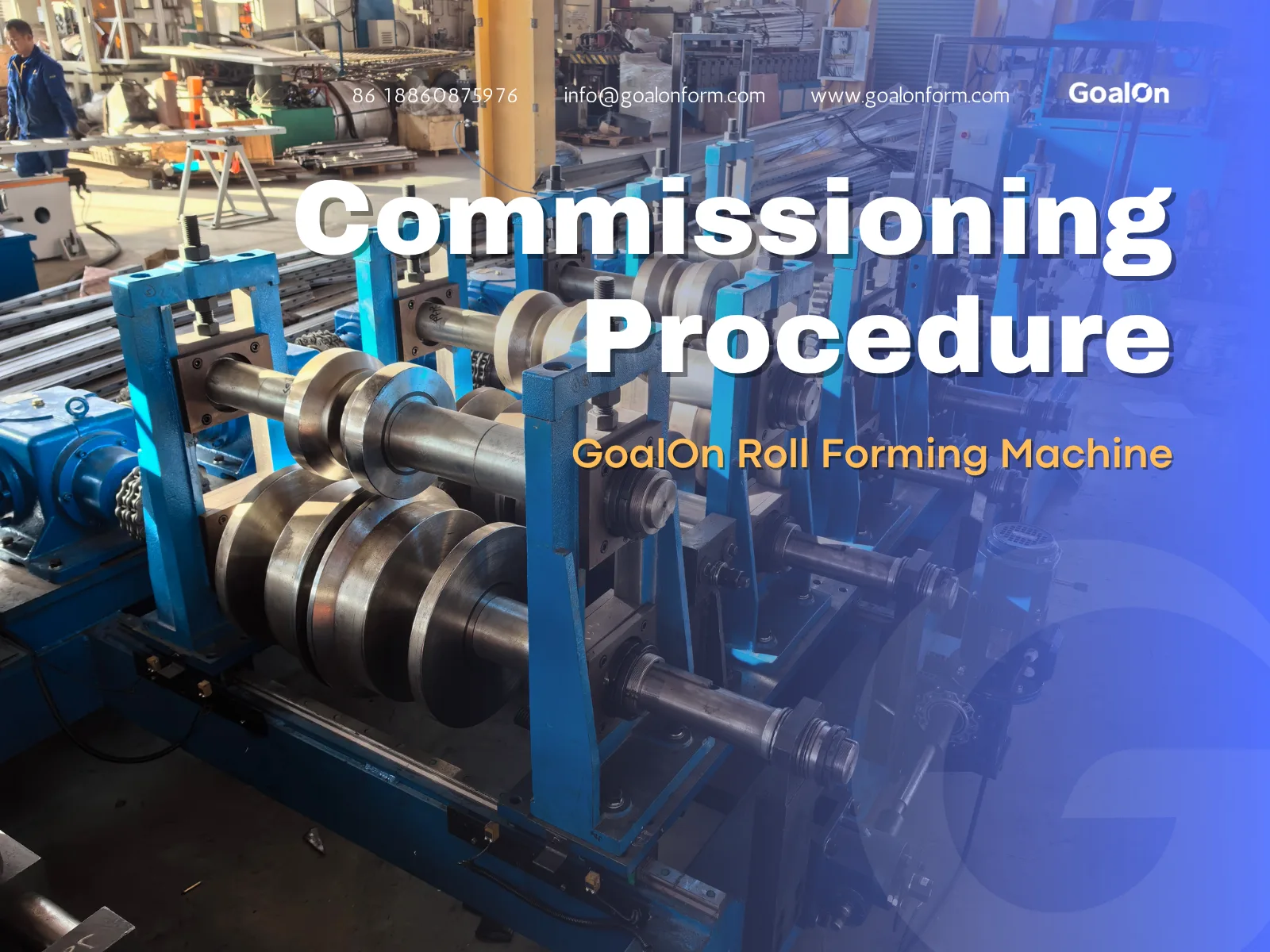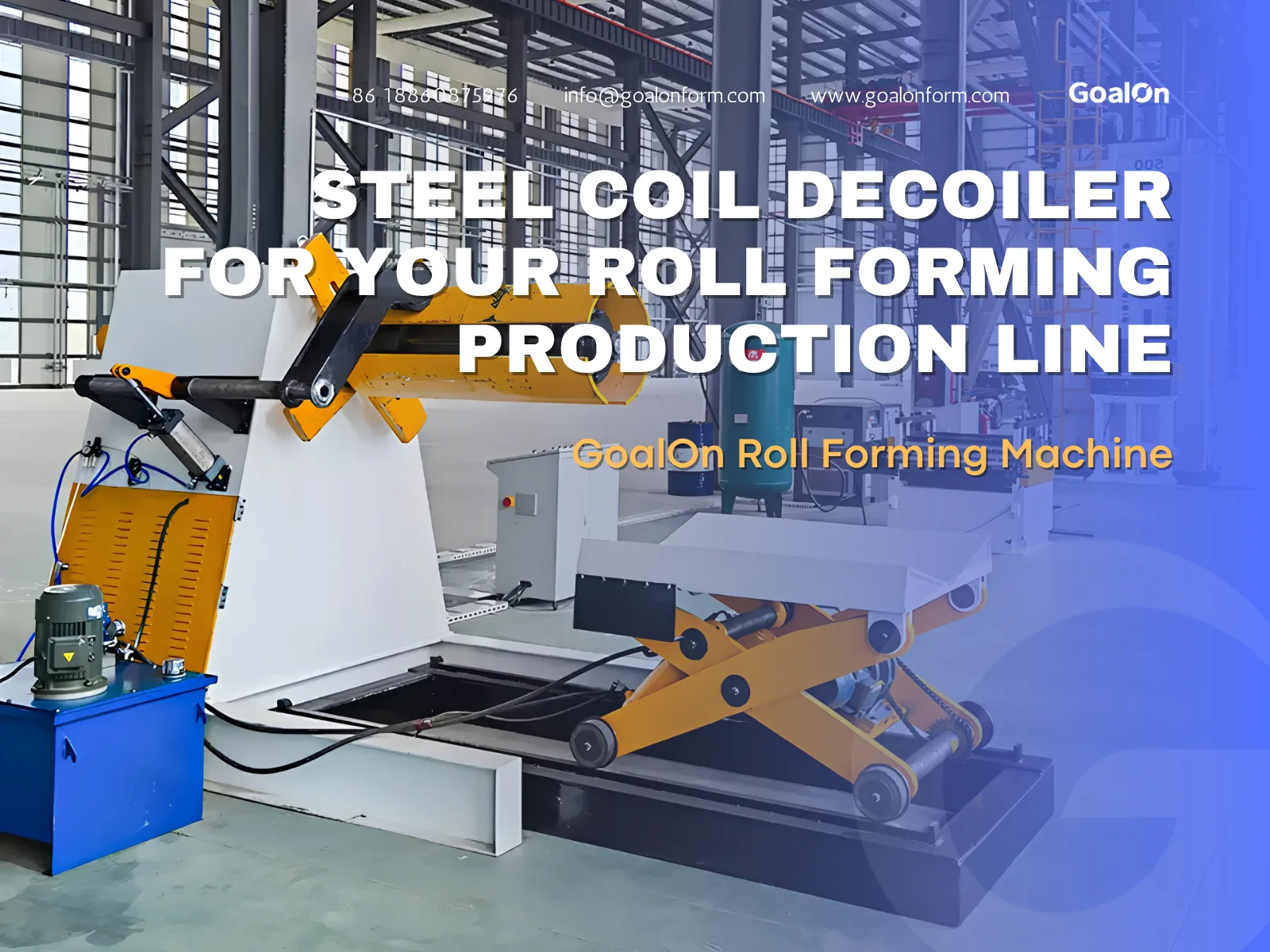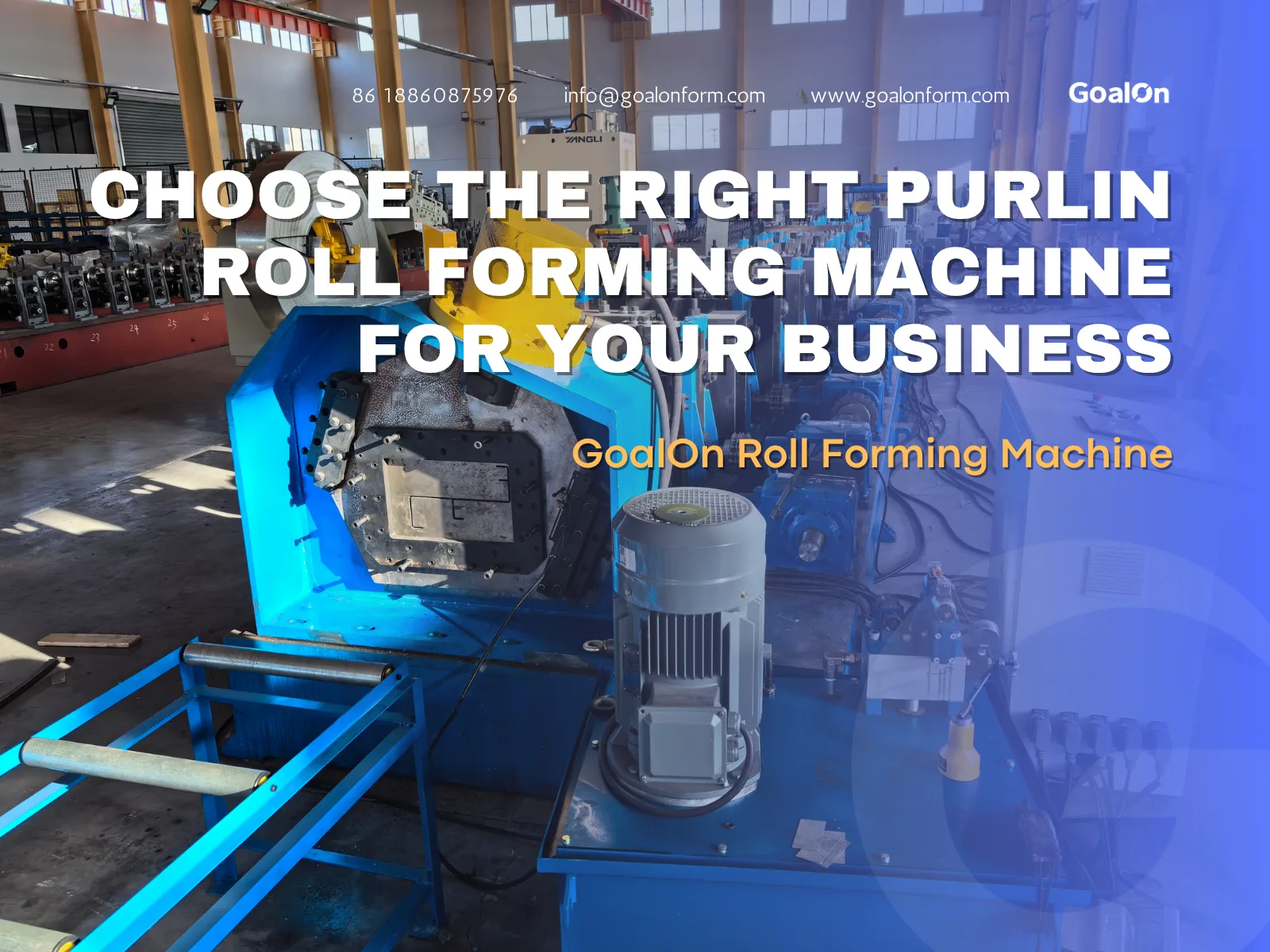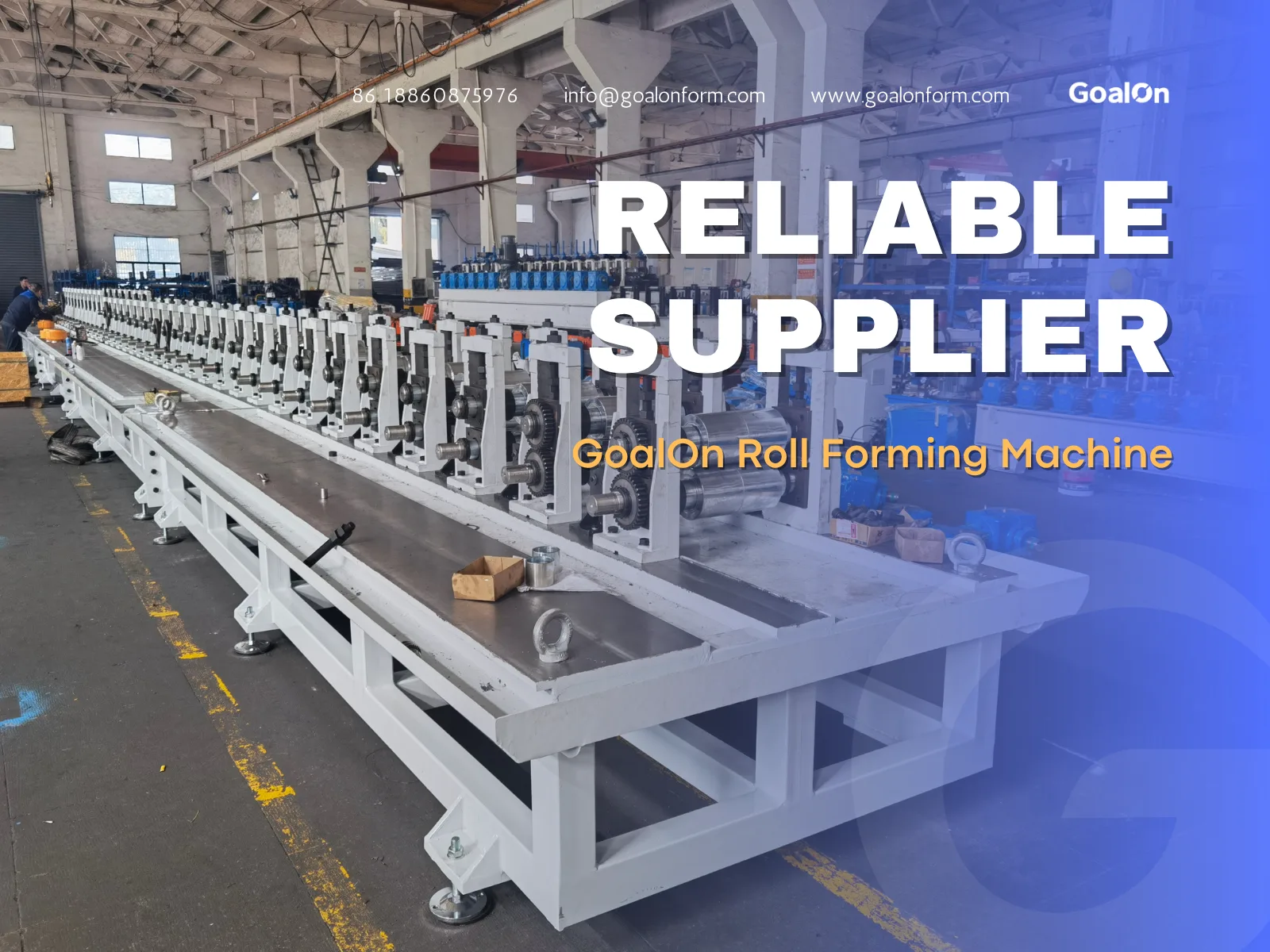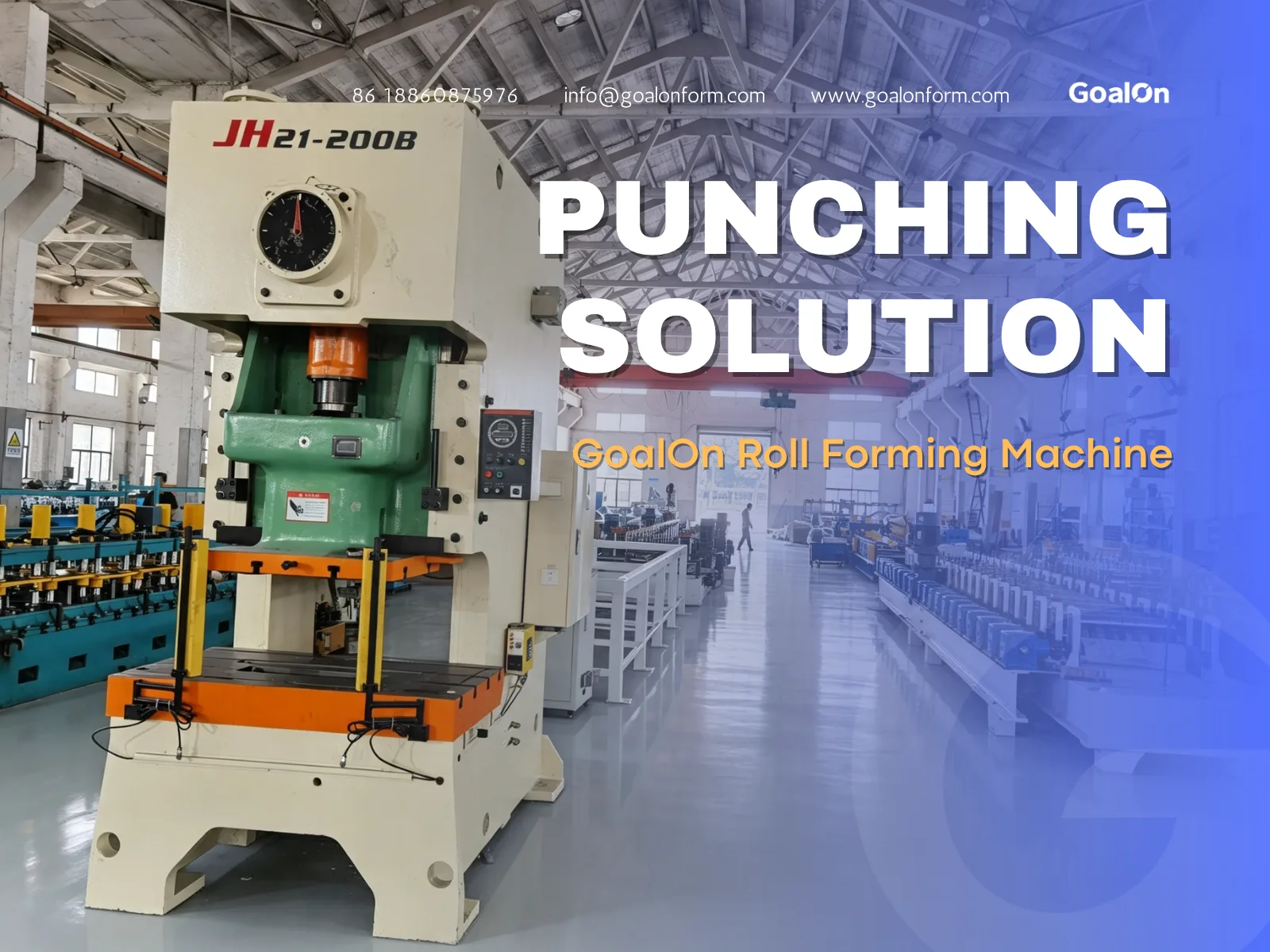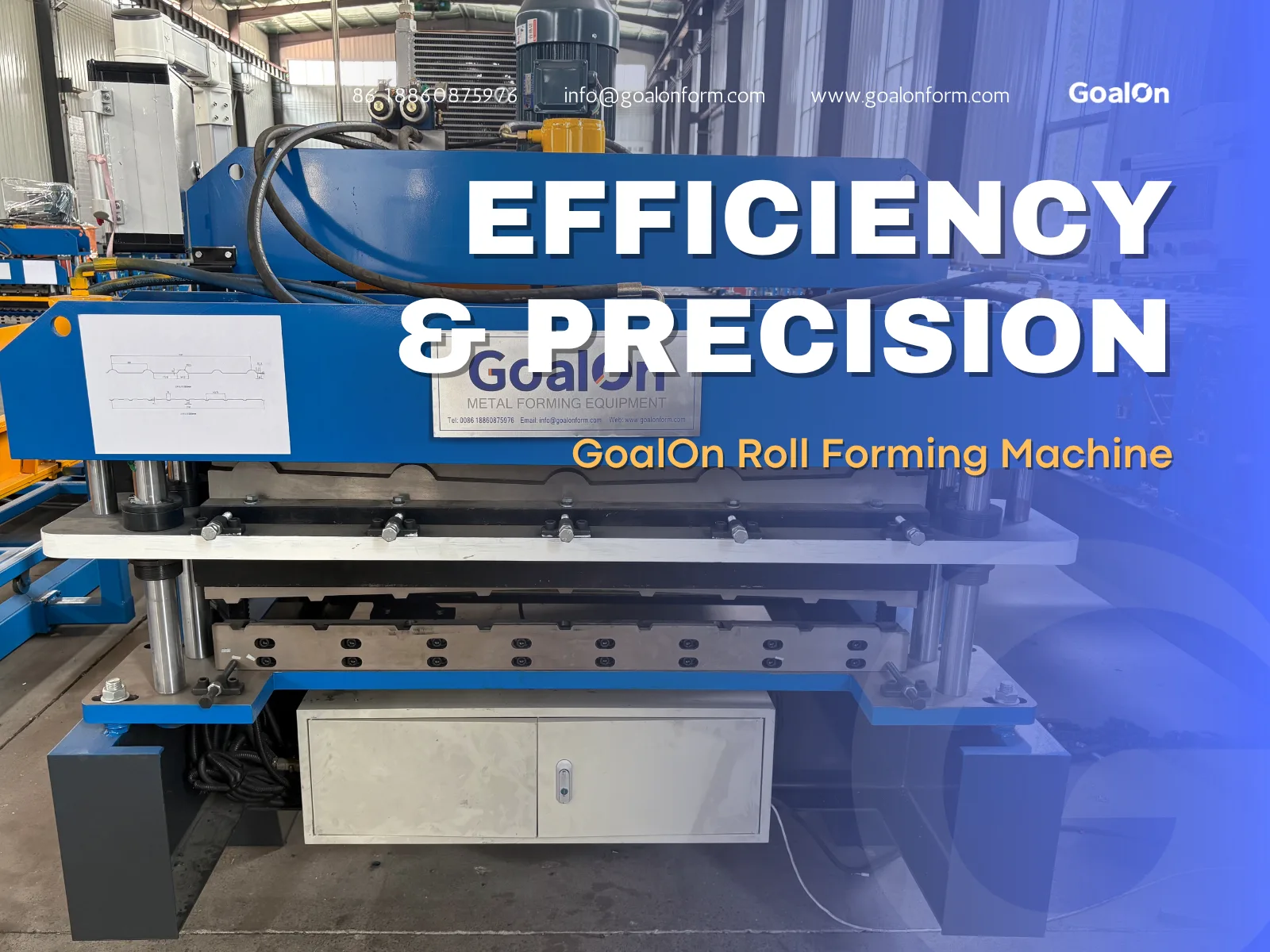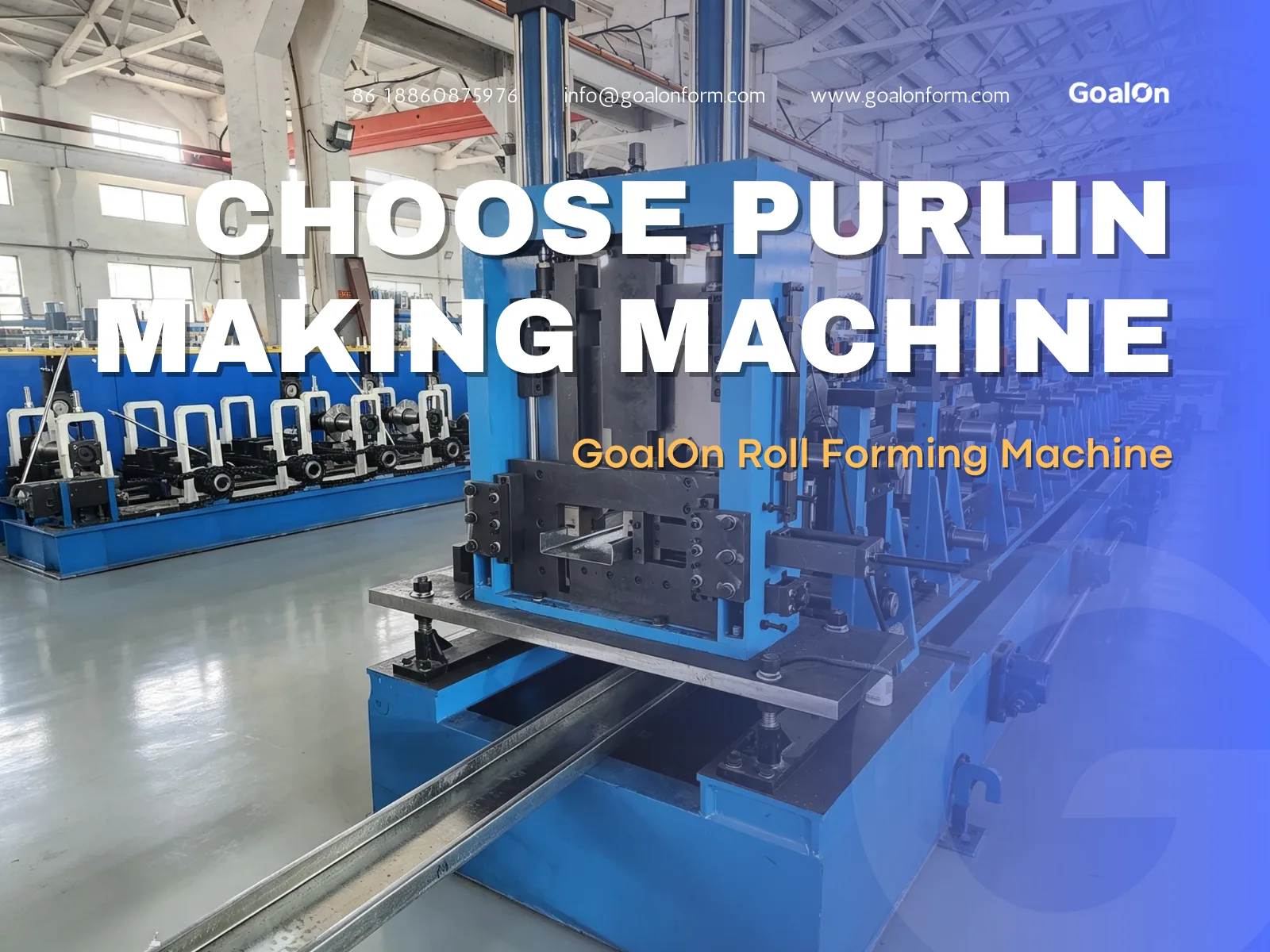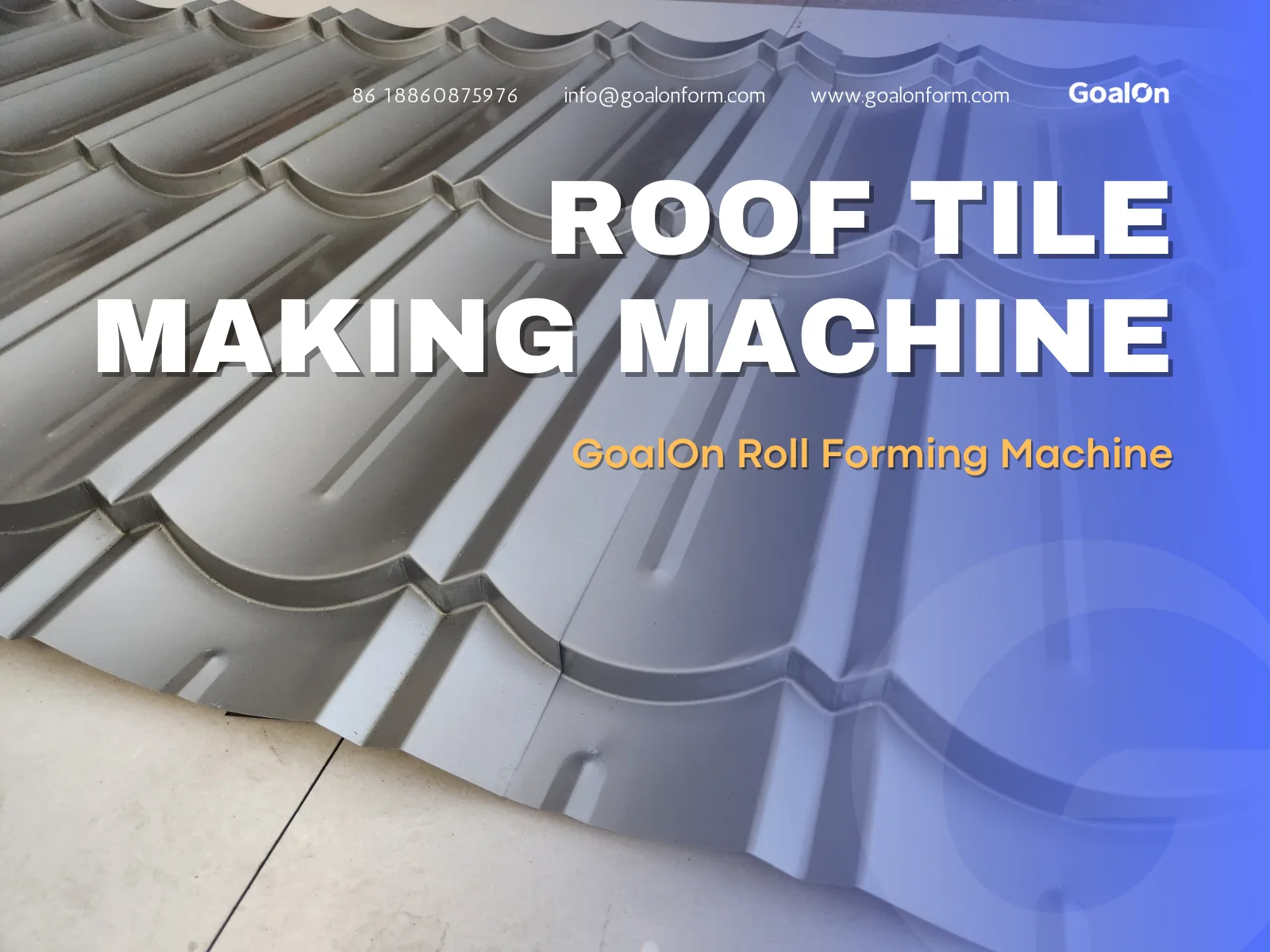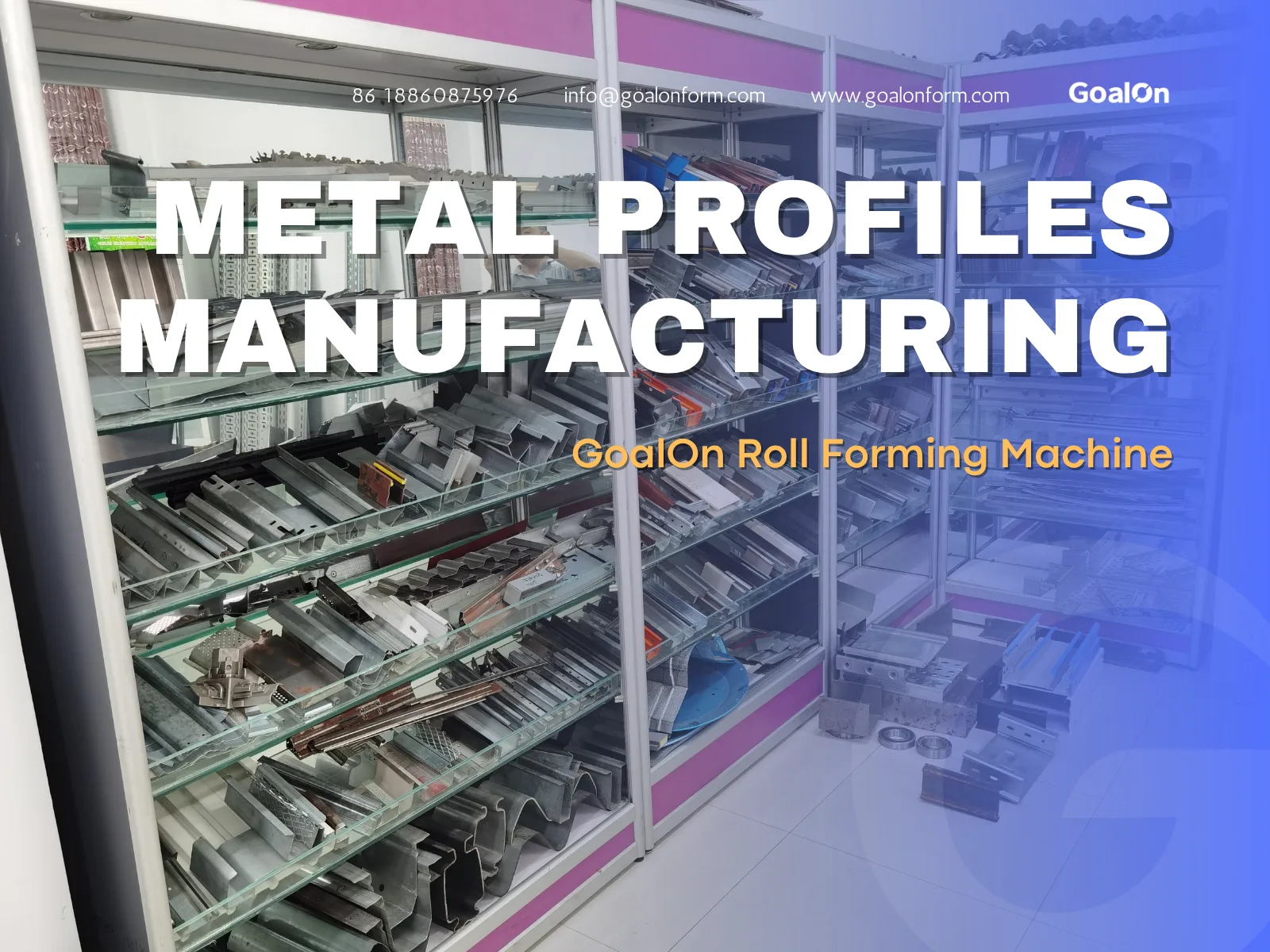
Roll forming machines are a game-changer for small manufacturing businesses. They offer precision and efficiency in producing metal profiles.
These machines are essential for creating consistent, high-quality products. They can handle various metals, including steel and aluminum.
Small manufacturers benefit from their cost-effectiveness and scalability. Roll forming equipment can be customized to meet specific production needs.
Investing in the best roll forming machines can enhance production speed. It also reduces labor costs and improves product quality.
Modern roll forming systems come with advanced features. Automated controls and quick-change tooling are just a few examples.
Understanding your business needs is crucial. It helps in selecting the right roll forming machine for your operations.
What is Roll Forming? An Overview for Small Manufacturers
Roll forming is a continuous bending process used in manufacturing. It’s perfect for creating long metal profiles with consistent cross-sections.
The process begins with a coil of metal. This is gradually formed through a series of carefully positioned rolls.
Each roll set shapes the metal slightly more until the final profile is achieved. The advantage is minimal waste and high precision.
Roll forming can be used with various materials. Common options include steel, aluminum, and copper.
Small manufacturers will find roll forming beneficial for multiple reasons:
- Высокая скорость производства
- Consistent quality and precision
- Минимальные отходы материалов
- Flexibility with complex shapes
These benefits make roll forming ideal for many industries. It is particularly useful in automotive, construction, and aerospace sectors.
Understanding roll forming helps businesses optimize their production. It allows for efficient manufacturing of custom and standard metal profiles.
Key Benefits of Roll Forming Machines for Small Manufacturing Businesses
Roll forming machines offer numerous benefits for small manufacturing businesses. These advantages lead to improved efficiency and profitability.
One major benefit is production speed. Roll forming machines can operate continuously, producing metal profiles quickly and efficiently.
High precision is another advantage. The machines ensure consistent quality, reducing material waste and ensuring reliable product dimensions.
The ability to handle complex shapes is also significant. Roll forming machines allow for intricate designs without compromising on quality or speed.
For small manufacturers, roll forming offers scalability. Businesses can easily adjust production volumes to match demand, optimizing resource use.
Cost-effectiveness is a key factor. The initial investment in roll forming equipment can lead to long-term savings in labor and material costs.
Here are the primary benefits summarized:
- Increased production speed
- High precision and quality
- Capability to produce complex shapes
- Scalability for flexible production
- Cost savings in the long term
These benefits make roll forming machines a strategic investment. Small manufacturers can enhance their competitive edge in various markets.
Top-Rated Roll Forming Equipment Types for Small Manufacturers
Selecting the right machinery depends heavily on your material gauge, profile complexity, and factory footprint. Here is how standard options compare for small-scale operations:
1. Compact Single-Stand Roll Formers
Best for basic profiles (e.g., standard channels or simple brackets). These space-saving machines are budget-friendly and easy to maintain.
2. Portable & Mobile Roll Formers
Designed for on-site roofing and gutter installations. They offer high flexibility for contractors working directly at construction job sites.
3. Multi-Stand & Custom Line Systems
Ideal for complex cross-sections requiring high precision (such as door frames or solar panel Racking).f your business is key. This strategic approach enhances your production capabilities and efficiency.
| Machine Type | Suitable Profile Thickness | Скорость производства | Ideal Application |
| Compact Single-Stand | 0.3 mm – 1.5 mm | 10 – 15 m/min | Simple channels, trims |
| Portable Roof Former | 0.4 mm – 0.8 mm | 8 – 12 m/min | On-site roofing panels |
| Multi-Stand Custom Line | 1.5 mm – 3.2 mm | 15 – 35 m/min | Solar brackets, structural purlins |
Essential Features to Look for in the Best Roll Forming Machines
Selecting the best roll forming machines requires attention to key features. High precision is critical for producing consistent metal profiles.
Consider machines with advanced automation. This feature reduces manual labor and increases production efficiency.
Quick-change tooling is a valuable addition. It allows for faster adjustments between different profiles and speeds up production changes.
Integrated controls and user-friendly interfaces simplify operation. These ensure smooth management and minimize potential errors.
Durability is a must in industrial equipment. Machines made from robust materials offer a long service life.
Energy efficiency should not be overlooked. Equipment that consumes less energy reduces operation costs over time.
The most important features to look for include:
- Высокая точность
- Advanced automation
- Система быстрой смены инструмента
- Integrated controls
- Durability
- Energy efficiency
Some models offer additional customizable features. These can be tailored to specific production needs for even greater flexibility.
It’s essential to evaluate the technology incorporated in the machine. State-of-the-art systems can improve output quality and consistency.
Top Roll Forming Machines for Small Manufacturing Businesses
Finding the right roll forming machines is vital for small manufacturers. In 2026, several top models stand out.
These machines combine cutting-edge technology with user-friendly designs. They are ideal for small-scale production and high-volume needs alike.
One leading option is the RFM Compact 4000. It offers precision forming with automated controls.
Another top contender is the FlexiForm Pro. Its quick-change tooling allows for fast profile adjustments, a feature valued by many.
Next on the list is the EcoMaster 200. This energy-efficient machine can handle various metal profiles with ease.
The PowerRoll 500 is known for its durability. Built with robust materials, it provides a long service life with minimal maintenance.
For businesses needing customization, the AdaptForm CX is ideal. It offers modular components that adapt to changing production demands.
These top-performing machines feature:
- RFM Compact 4000: precision and automation
- FlexiForm Pro: quick-change tooling
- EcoMaster 200: energy efficiency
- PowerRoll 500: durability
- AdaptForm CX: customizability
Custom Roll Forming Machine Cost & ROI Analysis
Understanding custom roll forming machine cost involves more than just the upfront equipment price. Small manufacturers must evaluate total operational expenditure (OPEX):
- Tooling & Roller Material: Cr12MoV / D2 steel rollers increase initial investment but extend service life up to 10+ years.
- Energy & Labor Savings: Automated PLC controls (Siemens/Schneider) cut operator requirements from 3 people down to 1.
- Raw Material Efficiency: Continuous forming reduces coil scrap rate to under 1.5%.
💡 Engineering Advice: Need an exact quote for your custom profile design? [Contact Our Engineers Today for a Free CAD/DWG Profile Feasibility Review & Quotation]
Investing in one of these top machines can enhance production efficiency. Improved efficiency leads to reduced labor costs and increased output.
Many of these models also feature advanced safety mechanisms. These ensure a safe working environment, critical for small manufacturing operations.
As technology advances, roll forming equipment evolves. Staying updated with the latest models can give small businesses a competitive edge.
Choosing the right machine depends on specific business needs. Consider production volume, metal type, and budget.
These top machines for 2026 offer various benefits. They can help small manufacturers improve quality and production rates.
Selecting the best machine is an investment in future growth. It enables businesses to streamline operations and expand capabilities.
How to Choose the Right Roll Forming System for Your Business
Selecting the right roll forming system can transform your manufacturing business. It requires careful consideration of several key factors. Proper selection ensures that the system aligns with your business needs.
Understanding your production requirements is the first step. Consider the types of metal profiles you plan to produce. Different roll forming equipment is designed for specific materials like steel, aluminum, or copper.
The complexity of your product shapes is another crucial element. Some roll forming systems are better suited for intricate designs. Assess whether your production involves simple or complex metal profiles.
Budget constraints must also be considered. While the initial investment may be high, long-term cost savings can offset this. Evaluating both initial costs and potential return on investment is essential.
Key factors in selecting a roll forming system include:
- Material type compatibility
- Product complexity
- Объем производства
- Budget and cost-effectiveness
Once these criteria are clear, compare different models. Look for machines that offer scalability and adaptability. This flexibility can accommodate changes in demand or product variety.
Consulting with industry experts or vendors can provide valuable insights. They can help align your choice with industry standards and future business goals. Take time to explore options thoroughly, ensuring a strategic investment in your business’s growth and productivity.
Applications: What Metal Profiles Can You Produce?
Roll forming machines are versatile tools that produce a wide array of metal profiles. They adapt to various industries by providing tailored solutions. From simple shapes to intricate designs, these machines handle it all.
Understanding the potential applications enhances your business’s adaptability. Popular products include roofing panels, automotive parts, and metal framing. Each offers specific advantages in terms of strength, weight, and aesthetics.
The automotive industry benefits from lightweight yet strong components. Construction sees huge advantages in roofing and walling materials. Such applications highlight the machines’ ability to produce durable and precise profiles.
Common metal profiles produced by roll forming systems include:
- Roofing and siding panels
- Дверные и оконные рамы
- Automotive body components
- Electrical enclosures and conduits
Custom designs are also achievable, opening doors to new markets. Businesses can meet unique customer demands efficiently. Customization in roll forming not only meets specifications but enhances product differentiation. This adaptability and breadth of applications make roll forming machines invaluable to small manufacturing businesses seeking growth and innovation.
Cost Considerations and ROI for Small Manufacturers
Investing in roll forming equipment requires careful cost analysis. Though initial expenses may seem high, the long-term savings can be significant. Reduced labor costs and material waste contribute to overall financial benefits.
The Return on Investment (ROI) from roll forming machines is impressive over time. Efficient production processes lead to higher output and reduced downtime. These improvements result in a faster payback period for small manufacturers.
Key factors impacting cost and ROI include:
- Initial purchase cost of the machine
- Efficiency and speed of production
- Energy consumption and operational costs
- Potential for reduced material waste
Consider the energy efficiency of the machines. Lower energy consumption can considerably reduce operational costs. Also, efficient machines minimize material waste, further enhancing profitability.
Weigh the costs against potential gains. Improved production efficiency and enhanced product quality often lead to increased market competitiveness and customer satisfaction. These advantages make roll forming machines a sound investment for growth-focused small manufacturers.
Maintenance, Support, and Training: Maximizing Your Investment
Proper maintenance is crucial for the longevity of roll forming machines. Regular checks and preventative measures can reduce unexpected failures. This helps in maintaining production schedules and avoiding costly downtime.
Support services from manufacturers add value to your investment. Quick access to technical support can solve issues efficiently. This ensures that any problems are resolved swiftly to keep operations running smoothly.
Consider the following for effective maintenance and support:
- Scheduled maintenance plans
- Доступность технической поддержки
- Spare parts accessibility
- Training programs for operators
Training is essential for maximizing the potential of your roll forming equipment. Skilled operators can utilize the machinery effectively, reducing errors and inefficiencies. Investing in comprehensive training programs ensures your team can operate and maintain the equipment proficiently.
Future Trends in Roll Forming Technology for Small Businesses
Roll forming technology is constantly evolving. Emerging trends can offer significant benefits for small manufacturers. Staying informed about these trends helps businesses to remain competitive and efficient.
Automation and digital integration are key trends shaping the future. These advancements can improve precision and reduce labor costs. Additionally, they enhance production speed and consistency, crucial for meeting market demands.
Some notable trends include:
- Enhanced automation features
- Integration with digital technologies
- Энергоэффективные конструкции
- Advanced material handling capabilities
Energy efficiency is gaining attention as businesses focus on sustainability. Energy-efficient machines can lower operational costs while reducing environmental impact. By adopting these trends, small manufacturers can achieve greater productivity and sustainability in their operations.
Conclusion: Choosing Your Next Roll Forming Solution
Investing in the right small scale roll forming equipment directly impacts your manufacturing output and profitability. By matching machine specifications with your production capacity, you secure a competitive edge in your market.
Ready to upgrade your production line? Contact our technical support team to receive customized machine layout options and competitive pricing today.