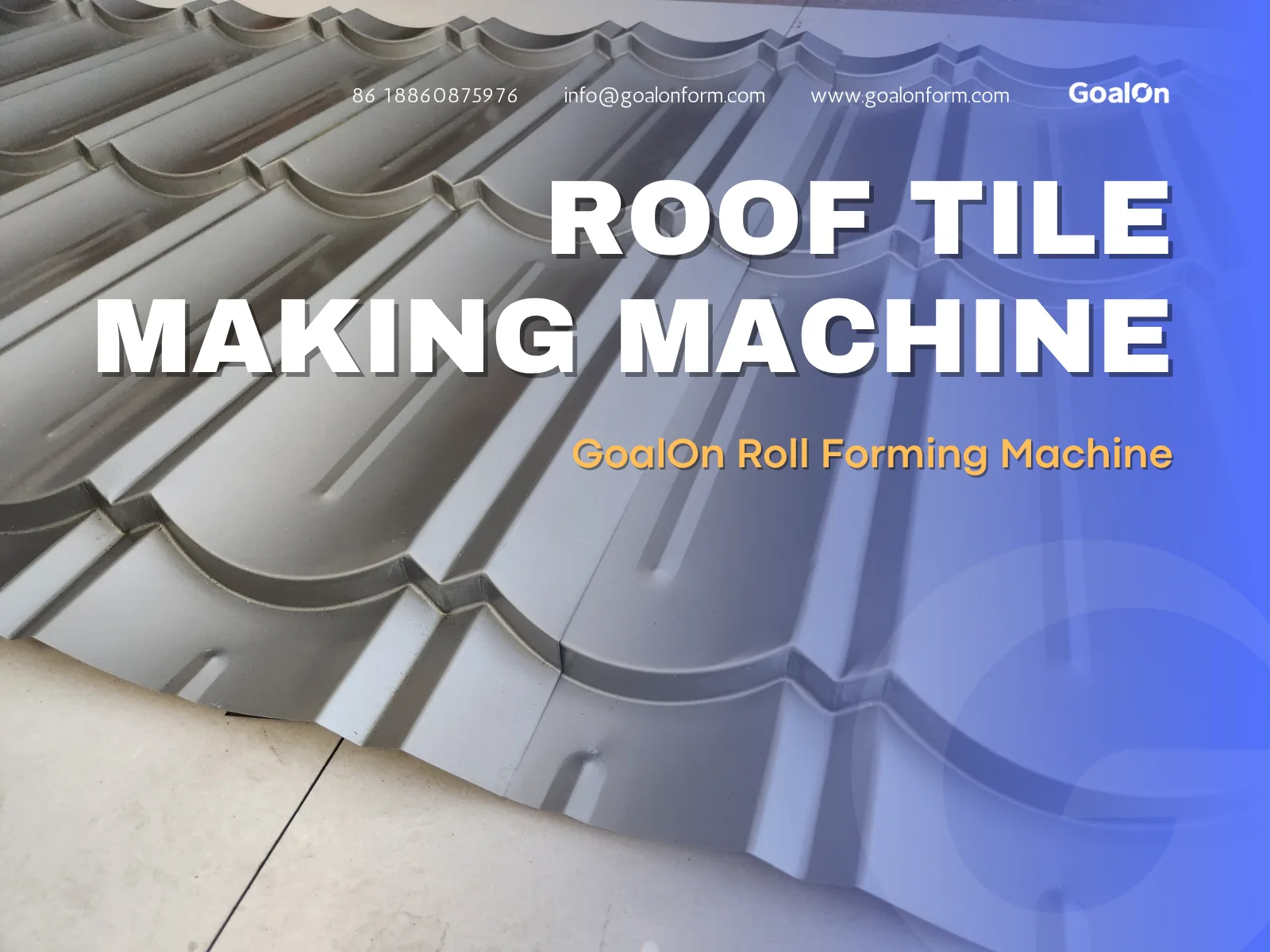
When selecting a roof tile roll forming machine, many buyers focus only on production speed and tile design. However, the cutting method—straight cutting or wave cutting—plays a crucial role in shaping your production efficiency, maintenance demands, and the market appeal of your final product.
Understanding these cutting techniques is essential for construction companies, metal profile manufacturers, and machinery trading businesses looking to invest in a reliable roll forming line.

In this guide, I break down the practical differences between straight cutting and wave cutting, discuss their advantages and limitations, and provide actionable insights to help you make informed purchasing decisions for your roll forming machine.
Understanding Roof Tile Roll Forming Machines
A roof tile roll forming machine is more than just a simple cutter. A typical roll forming line includes the following stages:
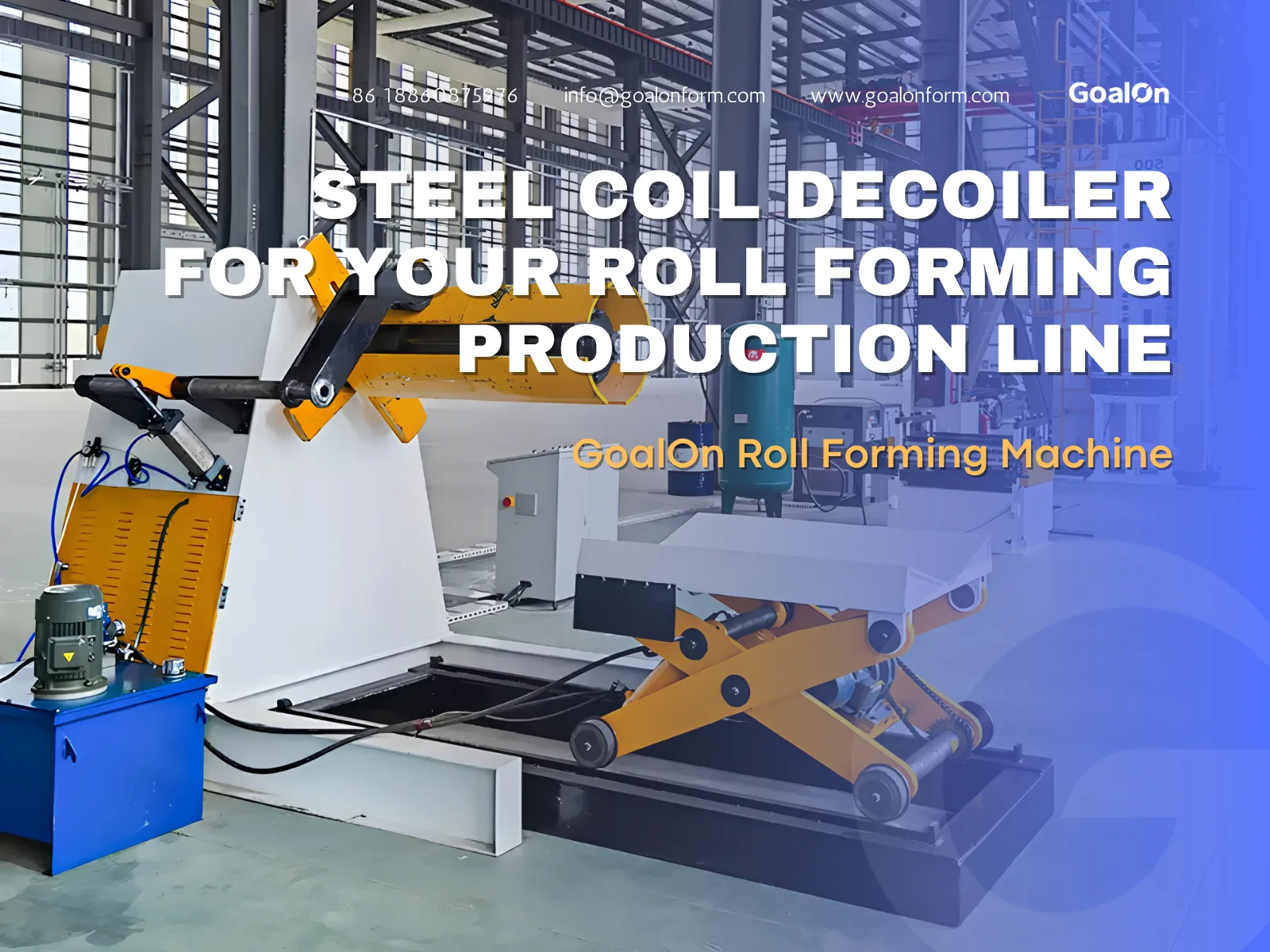
- Decoiling and leveling: Steel coils are fed into the machine and flattened to ensure consistent thickness.
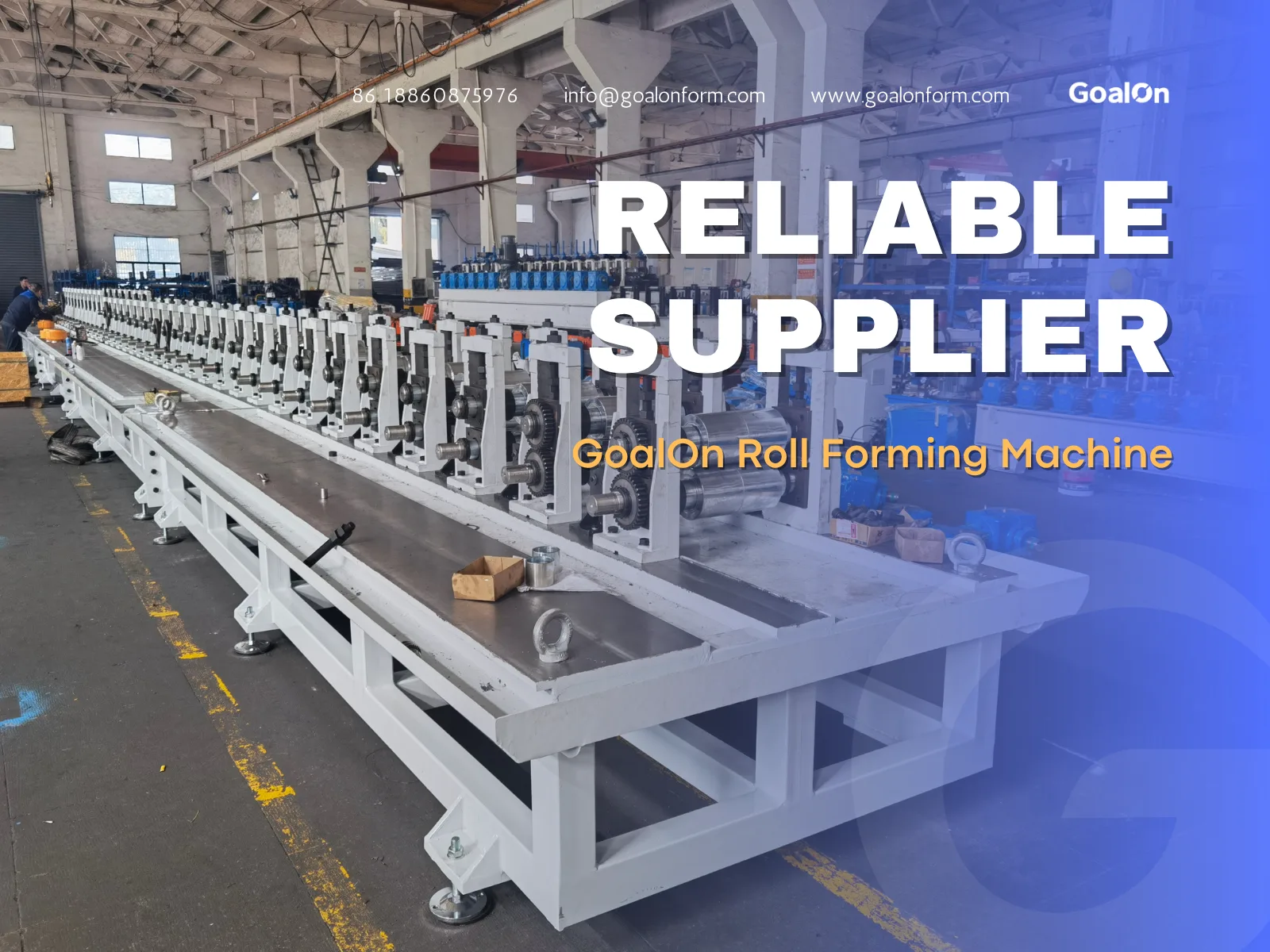
- Roll forming: The flattened steel passes through a series of forming rolls to achieve the desired tile profile.
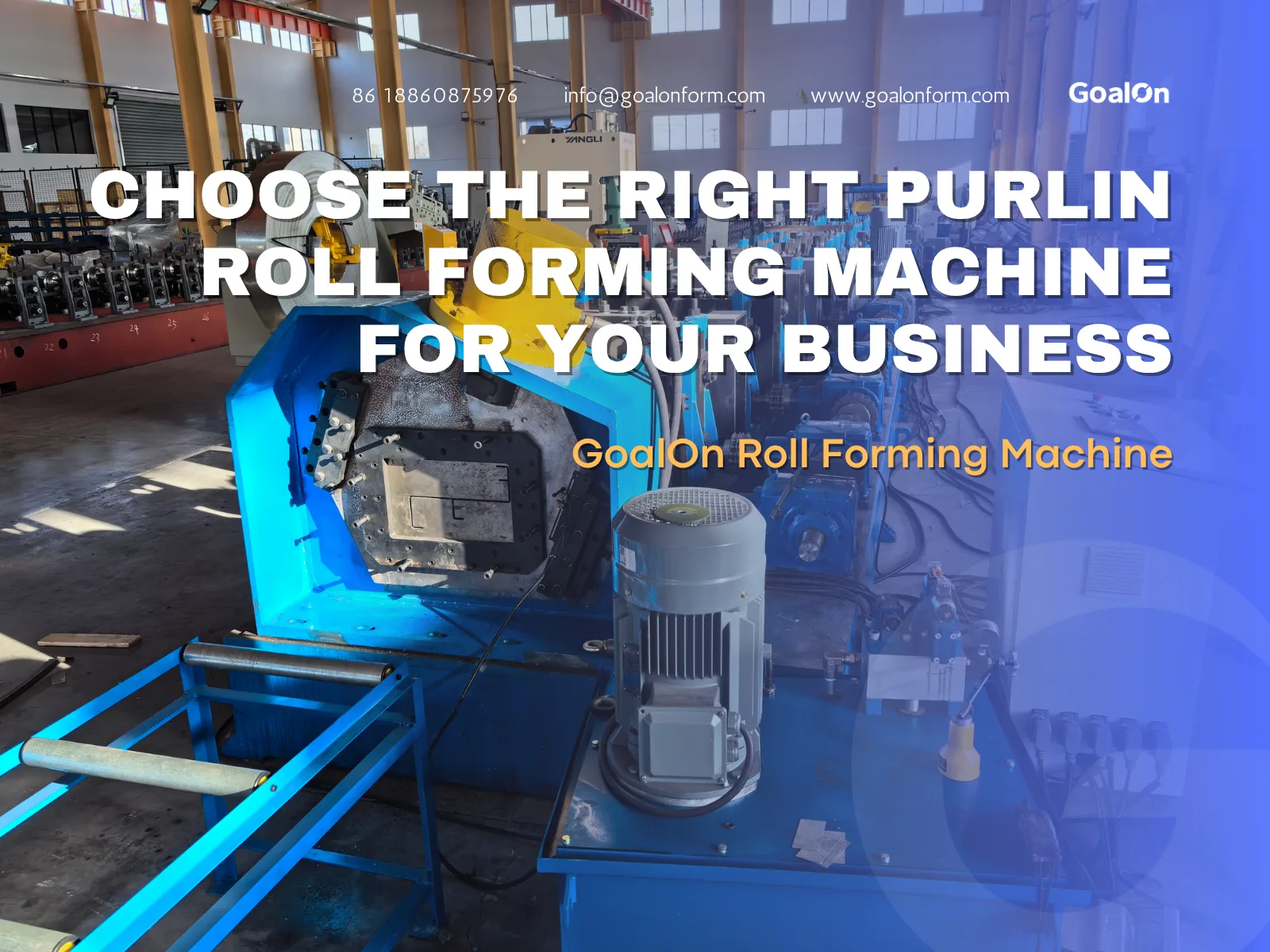
- Cutting: The machine trims or shapes the edges of each tile.
- Discharge: Finished tiles are collected on an outfeed table.
The cutting stage, although often overlooked, directly impacts production efficiency, product aesthetics, and maintenance requirements. The choice between straight cutting and wave cutting also depends on factors such as material thickness, steel type (galvanized or color-coated), and the final application of the roof tiles.
Straight Cutting: Features and Applications
Straight cutting is the most common approach in roof tile roll forming machines. The cutting knife moves along a straight line to trim the edges of formed tiles.
- Advantages of straight cutting:
- High efficiency: Straight cutting allows faster production, making it ideal for high-volume standard tile manufacturing.
- Simple mechanical design: The cutting mechanism is easier to maintain, reducing downtime.
- Low tooling cost and longer blade life: Less wear and tear compared to wave cutting, which saves on operational expenses.
- Limitations:
- Limited to standard tile shapes; it cannot produce custom edge designs.
- Less appealing for high-end architectural projects where aesthetics are a priority.
Practical use case: Small to medium-sized production lines that focus on standard roofing tiles benefit from straight cutting due to its efficiency and minimal maintenance requirements.
Wave Cutting: Features and Applications
Wave cutting allows the blade to follow the contour of the tile edge, creating wavy or customized profiles. This technique adds a high level of flexibility and aesthetic value to roof tiles.
- Advantages of wave cutting:
- High customizability: Ideal for special projects, luxury homes, or export markets requiring unique designs.
- Enhanced visual appeal: Wavy edges can distinguish your tiles in a competitive market.
- Limitations:
- Reduced production speed: The contour-following motion of the blade slows down output compared to straight cutting.
- Higher maintenance and tooling cost: Blade wear is faster, and precise hydraulic control is required.
- Complex system requirements: Accurate control of the cutting mechanism demands a stable hydraulic system and precise PLC or servo controls.
Practical use case: High-end residential projects or custom architectural designs benefit from wave cutting, where visual impact outweighs maximum production volume.
Production Efficiency and Cost Analysis
Choosing the right cutting method impacts efficiency, cost, and product quality. Below is a practical comparison:
| Feature | Straight Cutting | Wave Cutting |
| Production Output | High | Moderate |
| Blade Cost | Low | High |
| Maintenance | Simple | Intensive |
| Customization | Limited | High |
| Best Use Case | Standard tile production | High-end/custom tile projects |
When evaluating a roll forming machine, consider the trade-off between production speed and product customization. Straight cutting maximizes output and minimizes maintenance costs, while wave cutting adds market value for premium products.
Machine Selection Guidelines
Here’s how to select a roof tile roll forming machine based on cutting requirements:
- Batch standard production: Prioritize straight cutting for its speed, durability, and lower maintenance.
- High-end or export markets: Invest in wave cutting capabilities for custom tile designs.
- Technical parameters to consider:
- Hydraulic system stability: Especially critical for wave cutting to maintain precise blade movement.
- Control accuracy: Servo or PLC control ensures consistent tile shape and reduces errors.
- Blade replacement and accessibility: Machines that allow fast and safe blade changes minimize downtime.
- Forming roll compatibility: The roll former must match the cutter to prevent misalignment or deformation.
Maintenance and Technical Support
Maintaining your roof tile roll forming machine properly ensures consistent output and prolongs its lifespan.
- Straight cutting maintenance:
- Regularly inspect and sharpen blades.
- Check hydraulic pressure and lubrication.
- Ensure alignment between forming rolls and cutter.
- Wave cutting maintenance:
- Calibrate control systems and follow precise operational parameters.
- Replace worn blades promptly to avoid irregular cuts.
- Maintain hydraulic and servo systems to prevent inaccuracies.
Routine maintenance reduces downtime and keeps your roll forming line running efficiently, whether you operate a straight-cut or wave-cut roof tile machine.
Practical Tips for Buyers
- Assess production goals: Daily output, customization requirements, and budget will guide your cutting method selection.
- Avoid “one machine fits all”: A roll former designed for specific tile types will perform better than a generalized machine.
- Evaluate after-sales support: Consider blade supply, training, and remote support options.
Choosing the right roll forming machine can significantly influence your ROI and production reliability.
Conclusion
Understanding the differences between straight cutting and wave cutting is critical for anyone investing in a roof tile roll forming machine. Straight cutting suits high-volume standard production, while wave cutting caters to high-end, customized markets. By matching your production needs with the right cutting method, you can optimize efficiency, reduce maintenance costs, and create products that meet market demand.