1. Introduction: Why Roll Forming Is Critical for Rack Manufacturing
In today’s fast-growing logistics and warehouse industry, upright racks must meet strict requirements for strength, precision, and consistency. This is where roll forming technology becomes essential.
A well-designed roll forming line allows manufacturers to produce high-strength rack profiles continuously, with minimal waste and stable quality. Compared with traditional fabrication, a modern roll forming machine significantly improves production efficiency and reduces labor dependency.
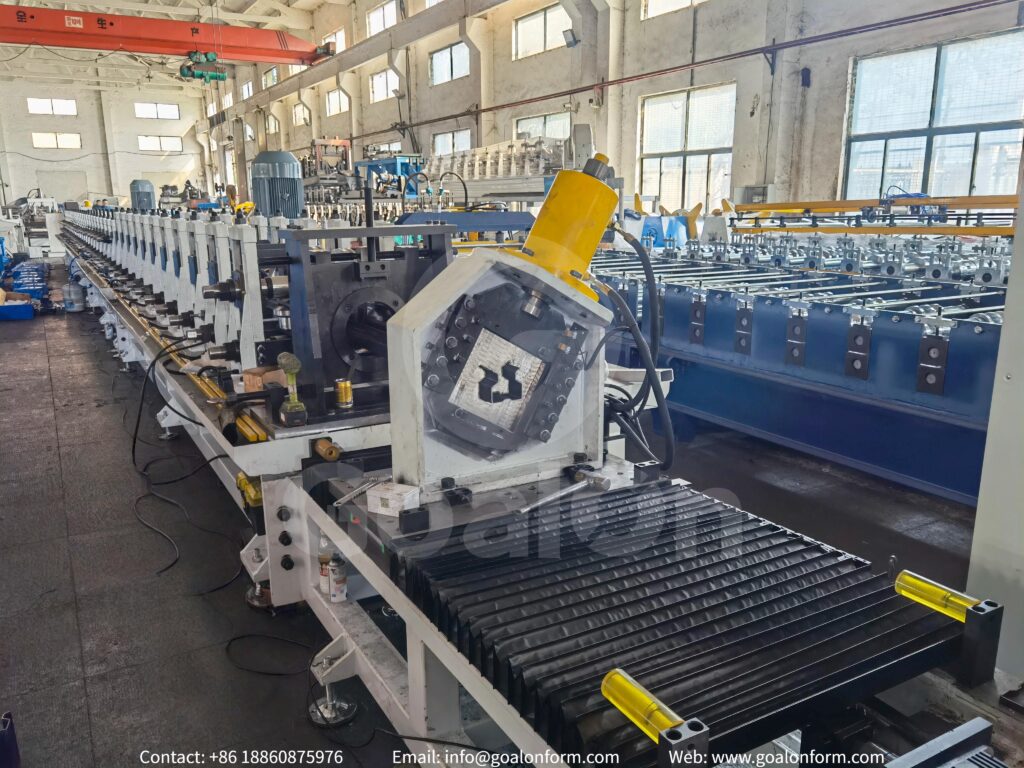
For construction companies, metal profile manufacturers, and machine traders, investing in the right roll former is not just about equipment—it directly impacts project delivery speed and long-term profitability.
2. What Is an Upright Rack Roll Forming Line?
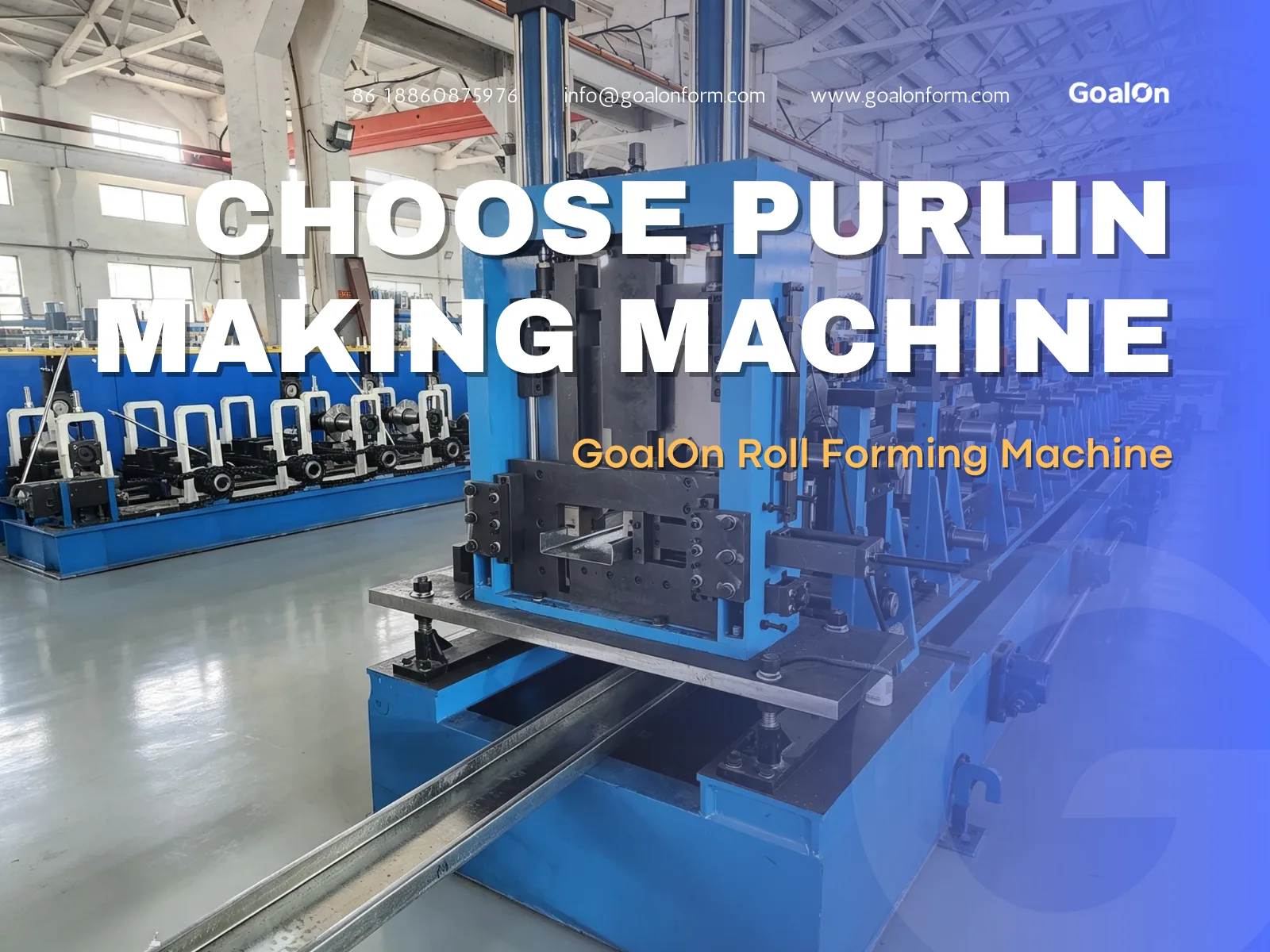
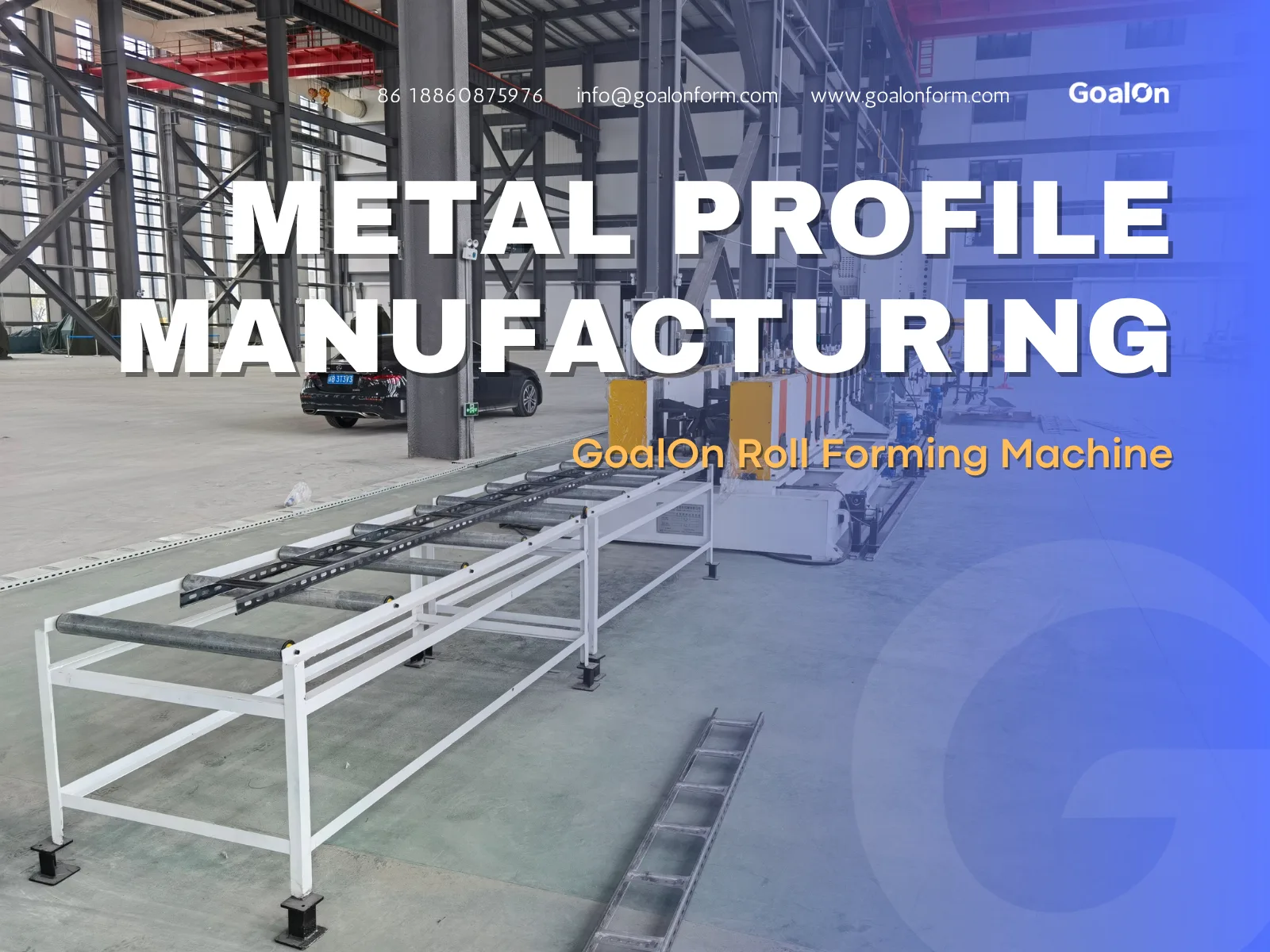
An upright rack roll forming line is a complete production system designed to manufacture vertical rack columns used in storage systems.
A typical configuration includes:
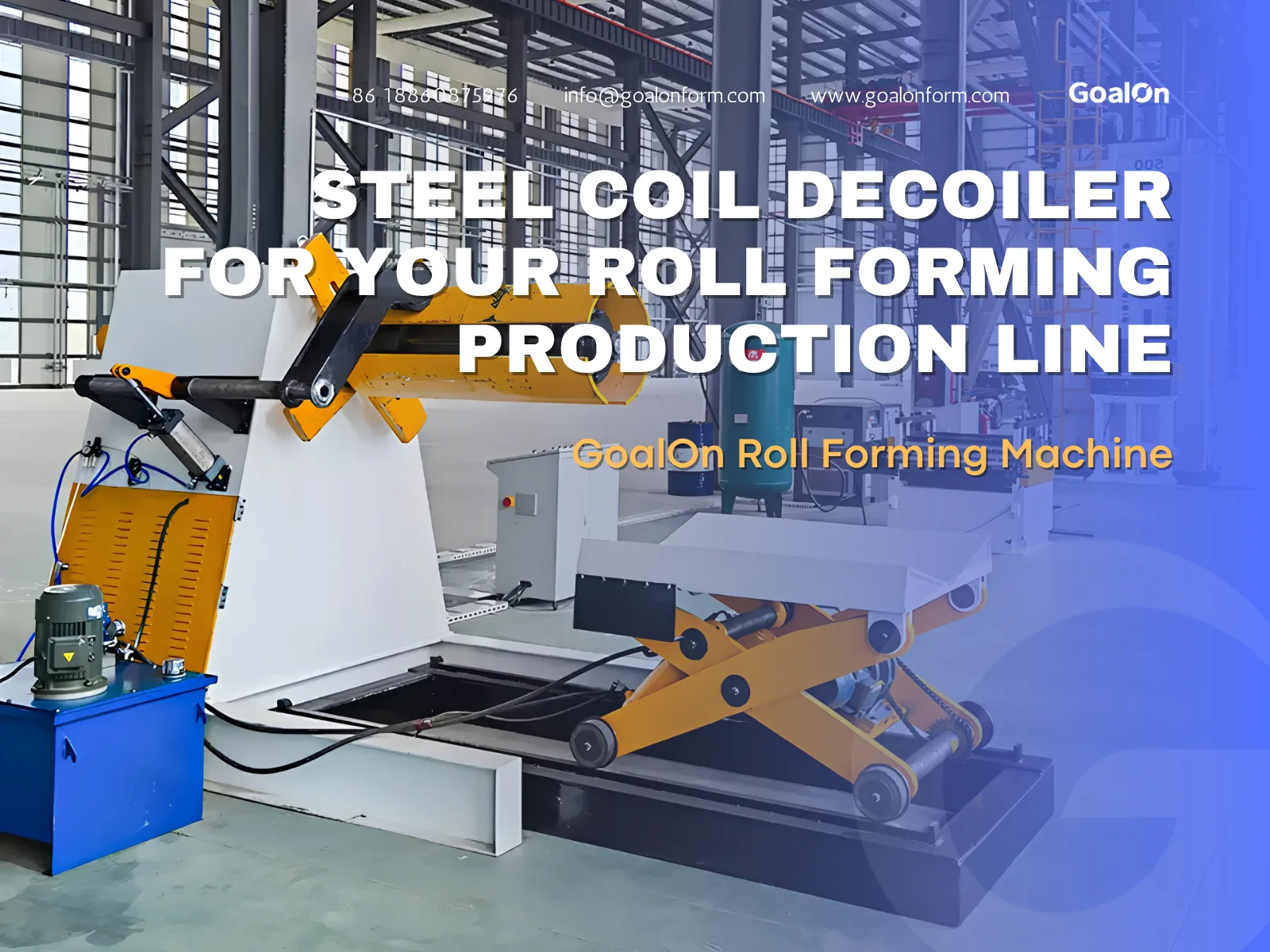
- Decoiler (manual or hydraulic)
- Leveling and feeding unit
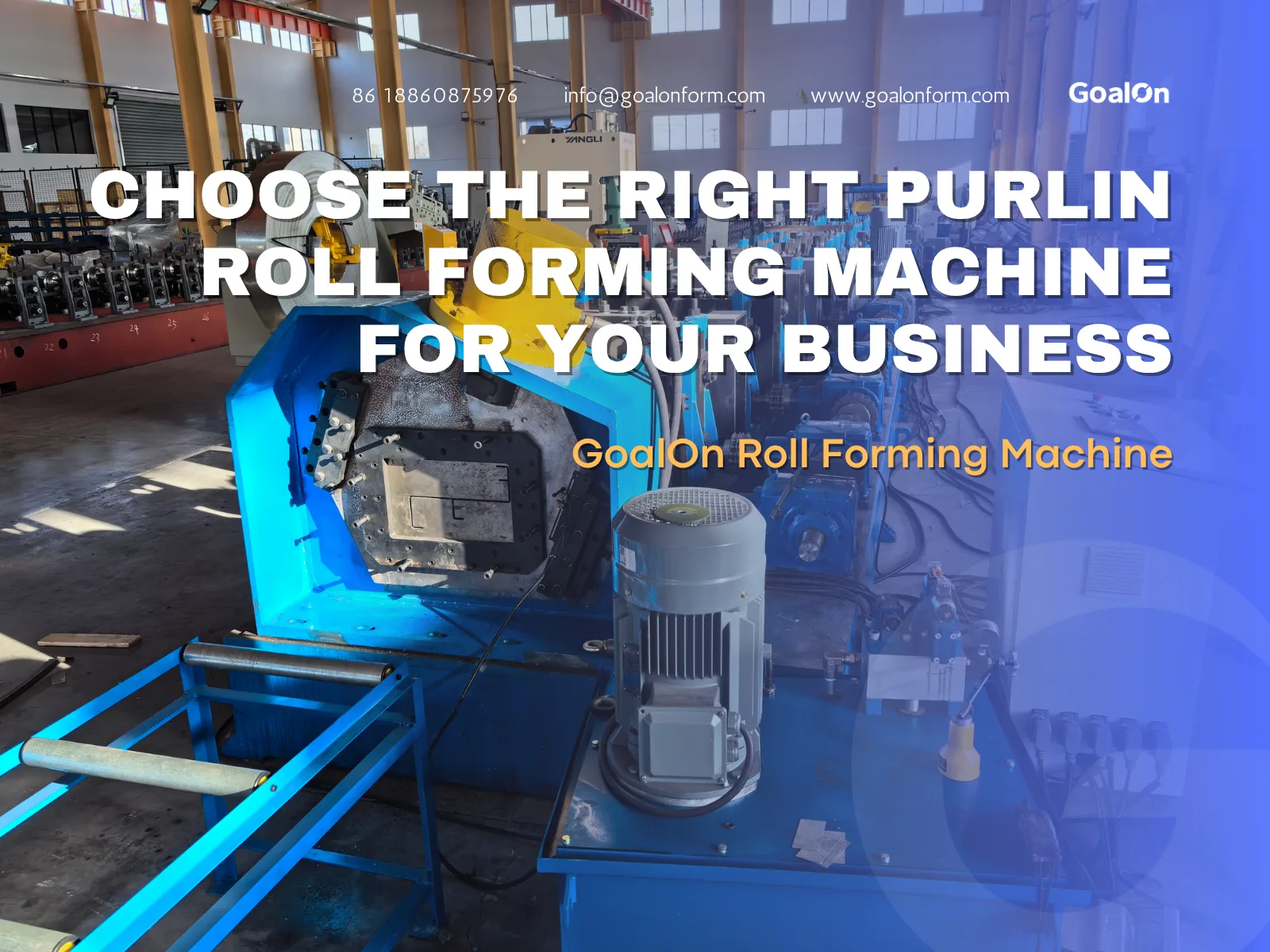
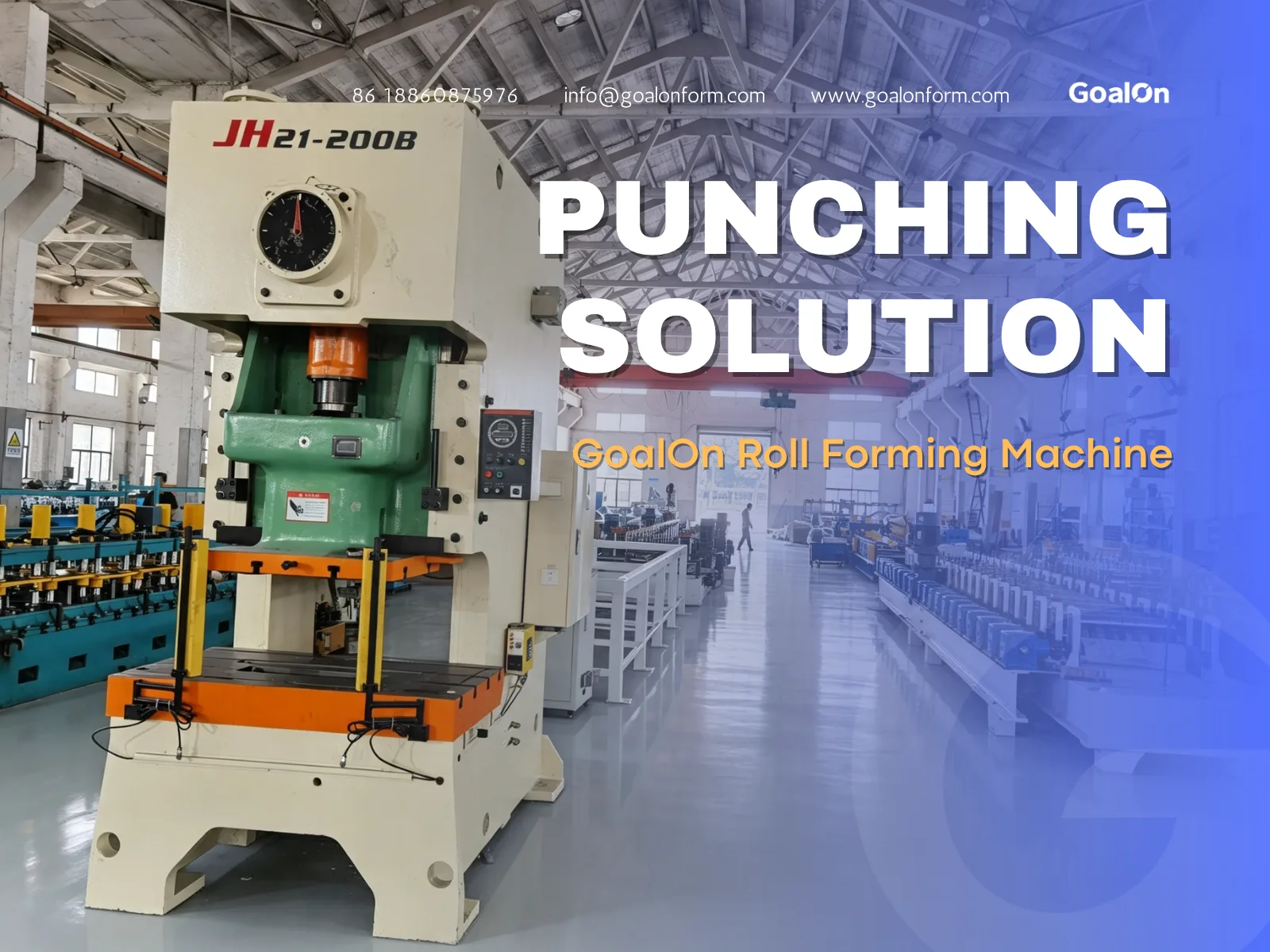
- Punching system (for slots and holes)
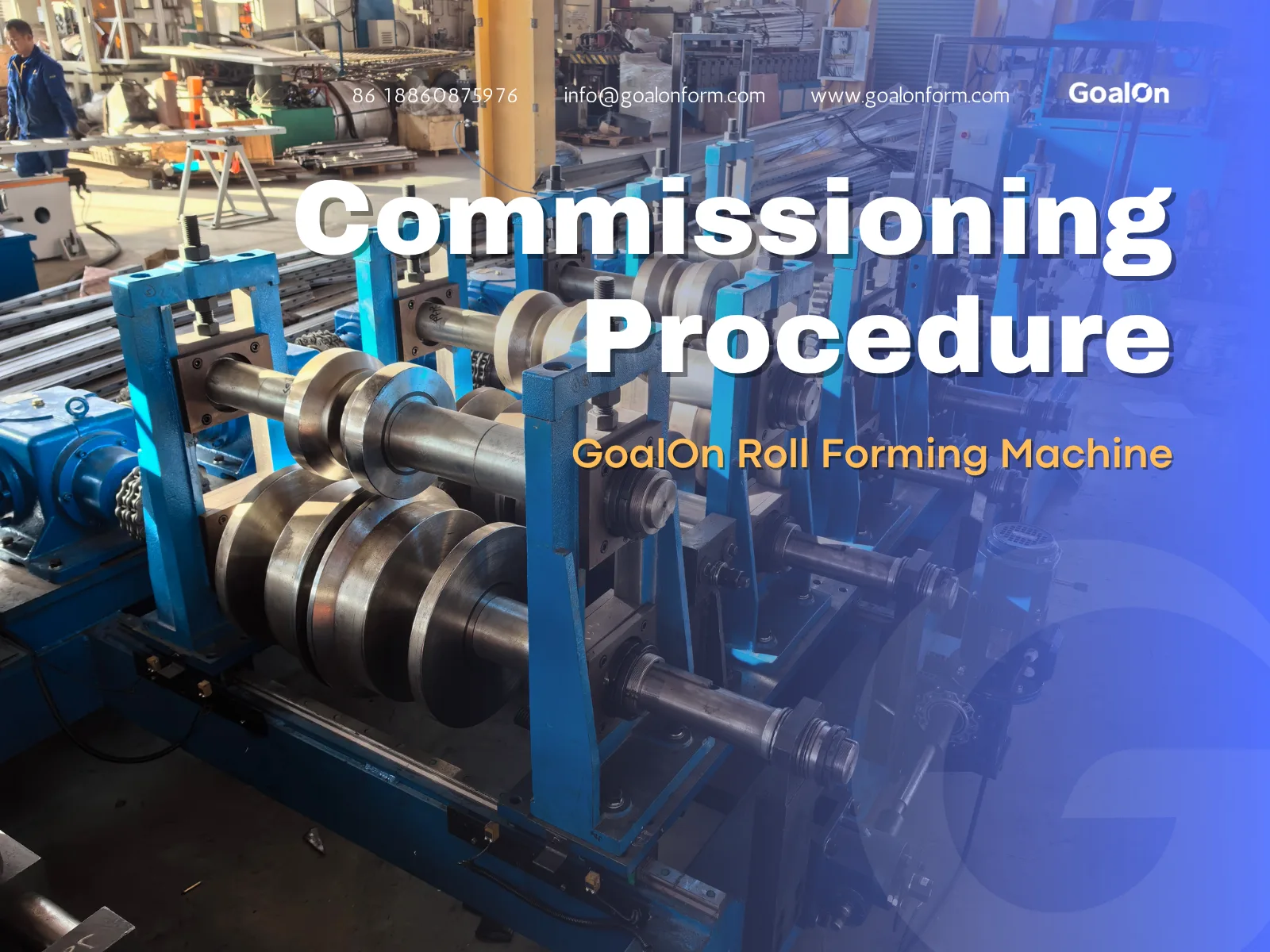
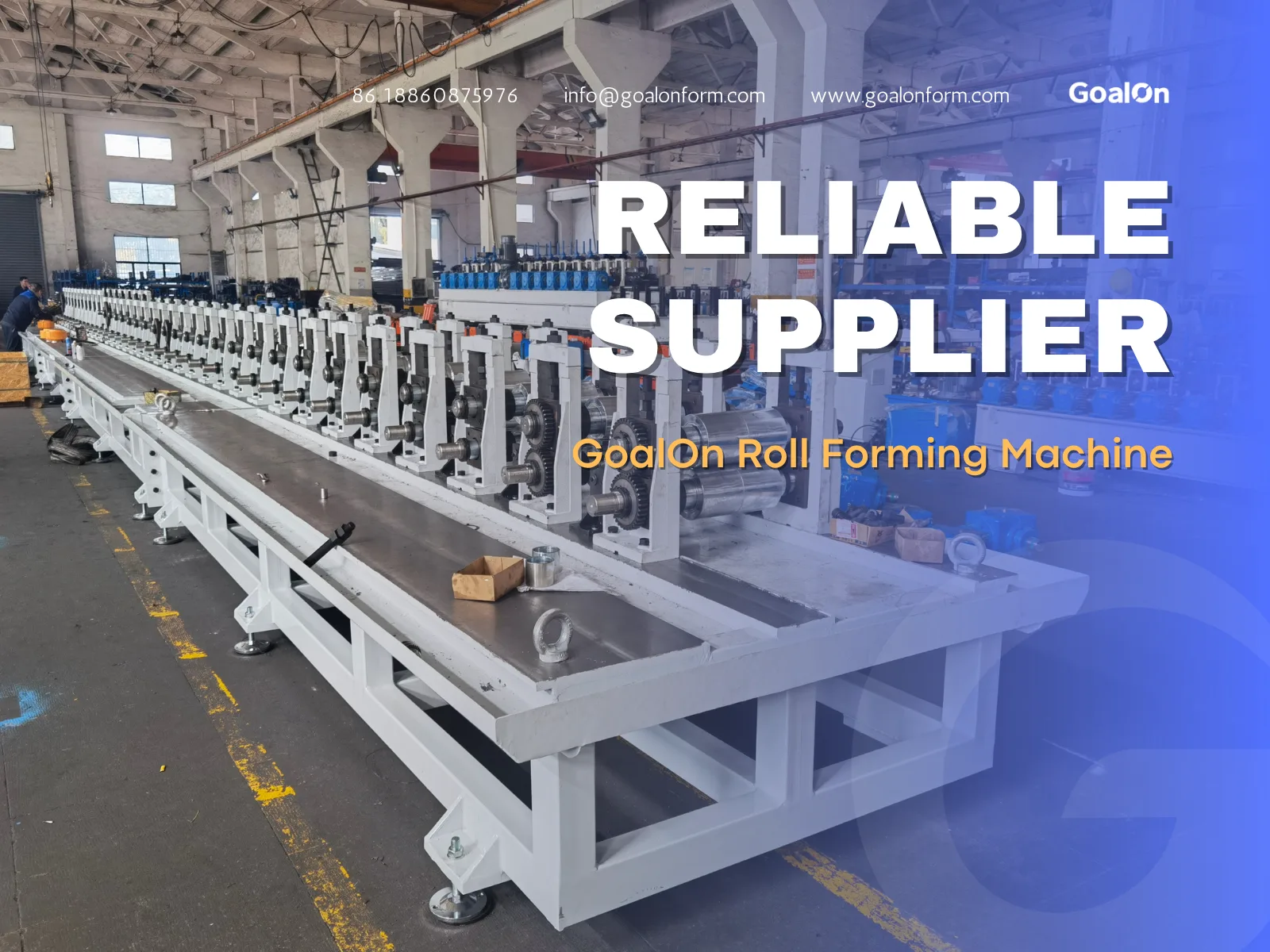
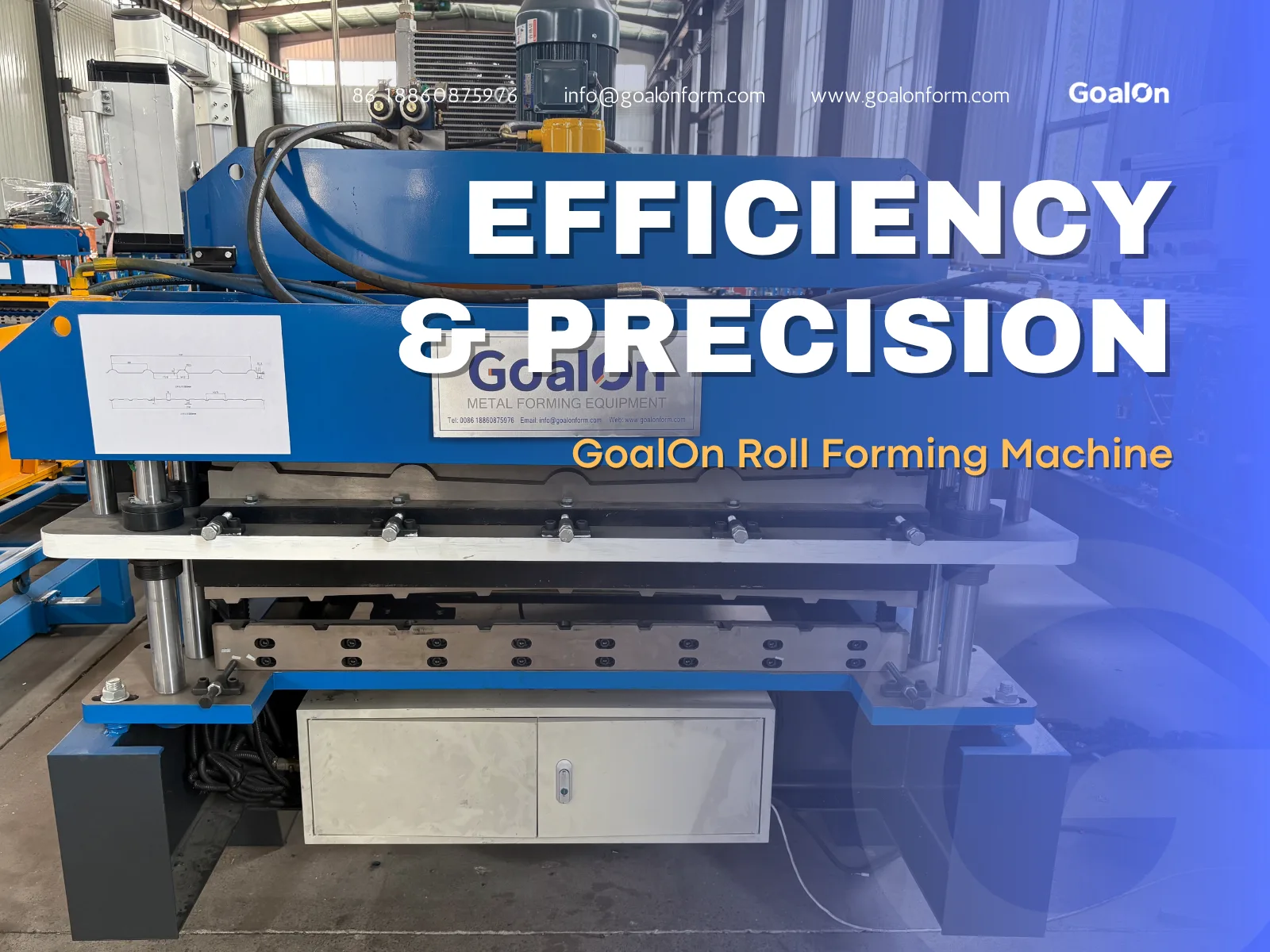
- Roll forming machine (core shaping unit)
- Cutting system (flying shear or stop cutting)
- Output table or automatic stacker
Among all sections, the roll forming machine plays the central role, ensuring profile accuracy, straightness, and dimensional consistency.
3. Key Factors Affecting Production Performance
Even with advanced forming rolling machines, real production performance depends on several critical factors:
Material Quality
Steel thickness variation and yield strength differences can directly affect forming results. A stable material supply is essential for consistent output.
Machine Stability
Unstable transmission or weak structure can lead to:
- Profile deformation
- Hole misalignment
- Increased scrap rate
Operator Experience
Incorrect parameter settings in the roll former can cause major production issues. Skilled operators significantly reduce errors and downtime.
4. How to Choose the Right Roll Forming Machine
Selecting the right roll forming machine requires balancing performance, flexibility, and cost.
4.1 Material Range
Ensure the machine supports your required thickness (commonly 1.5–3.0 mm for upright racks). Heavier materials require stronger shafts and more forming stations.
4.2 Production Speed
High-speed roll forming improves output, but excessive speed may reduce accuracy. A stable speed range is more valuable than maximum speed.
4.3 Punching Solution
- Pre-punching: higher precision, better for rack systems
- Inline punching: more compact but technically complex
4.4 Cutting Method
- Stop cutting: cost-effective
- Flying cutting: continuous production, higher efficiency
4.5 Machine Structure
- Chain-driven systems: economical and easy to maintain
- Gearbox-driven systems: better for heavy-duty applications
5. Flexibility vs Efficiency in Roll Forming Lines
Many buyers want one roll forming line to produce multiple profiles. While adjustable systems make this possible, there is always a trade-off:
- High flexibility → more setup time and complexity
- Dedicated design → higher speed and stability
For large-scale production, a specialized roll former usually delivers better long-term value.
6. Roll Forming Machine Maintenance: Best Practices
Proper roll forming machine maintenance is essential to ensure long service life and stable production.
Daily Maintenance
- Clean metal debris and dust
- Check lubrication points
- Inspect hydraulic pressure
Weekly Inspection
- Check roller wear
- Inspect cutting blades
- Tighten mechanical connections
Monthly Maintenance
- Replace or filter hydraulic oil
- Check electrical system stability
- Calibrate machine settings
Good roll forming machine maintenance can:
- Reduce downtime
- Extend machine lifespan
- Improve product quality
7. Advanced Technologies in Modern Roll Forming
Modern forming rolling machines are evolving rapidly with new technologies:
PLC Automation
Allows quick parameter adjustment and reduces operator dependency.
Servo Tracking Cutting
Ensures continuous production without stopping the roll forming line.
Real-Time Monitoring
Sensors detect deviations and improve product consistency.
Modular Design
Makes it easier to upgrade or expand production capacity.
These innovations make modern roll forming machines more efficient, but also require better technical understanding.
8. Cost vs Performance: A Practical Buying Strategy
When evaluating a roll forming machine, focusing only on price can lead to higher long-term costs.
Key factors to consider:
- Production efficiency
- Scrap rate
- Maintenance cost
- Machine durability
- After-sales support
A high-quality roll former may require higher initial investment, but it significantly reduces operational risks and improves ROI.
9. Future Trends in Roll Forming Industry
The future of roll forming is driven by:
- Automation and smart manufacturing
- Energy-efficient systems
- Integration with production data systems
- Flexible and modular roll forming lines
Manufacturers who adopt these technologies early will gain a strong competitive advantage in global markets.
10. Why Choose Goalon Machinery?
At Goalon Machinery, we combine engineering experience with real production insights to deliver reliable roll forming solutions.
We focus on:
- Stable and durable machine design
- Customized roll forming line solutions
- Professional technical support
- Long-term cooperation with global clients
Whether you are a construction company, metal profile manufacturer, or machine trader, we help you select the right roll forming machine to match your business goals.
11. Conclusion
An upright rack roll forming machine is more than equipment—it is the core of your production system.
Choosing the right roll forming line, ensuring proper roll forming machine maintenance, and understanding production logic will directly determine your efficiency and profitability.