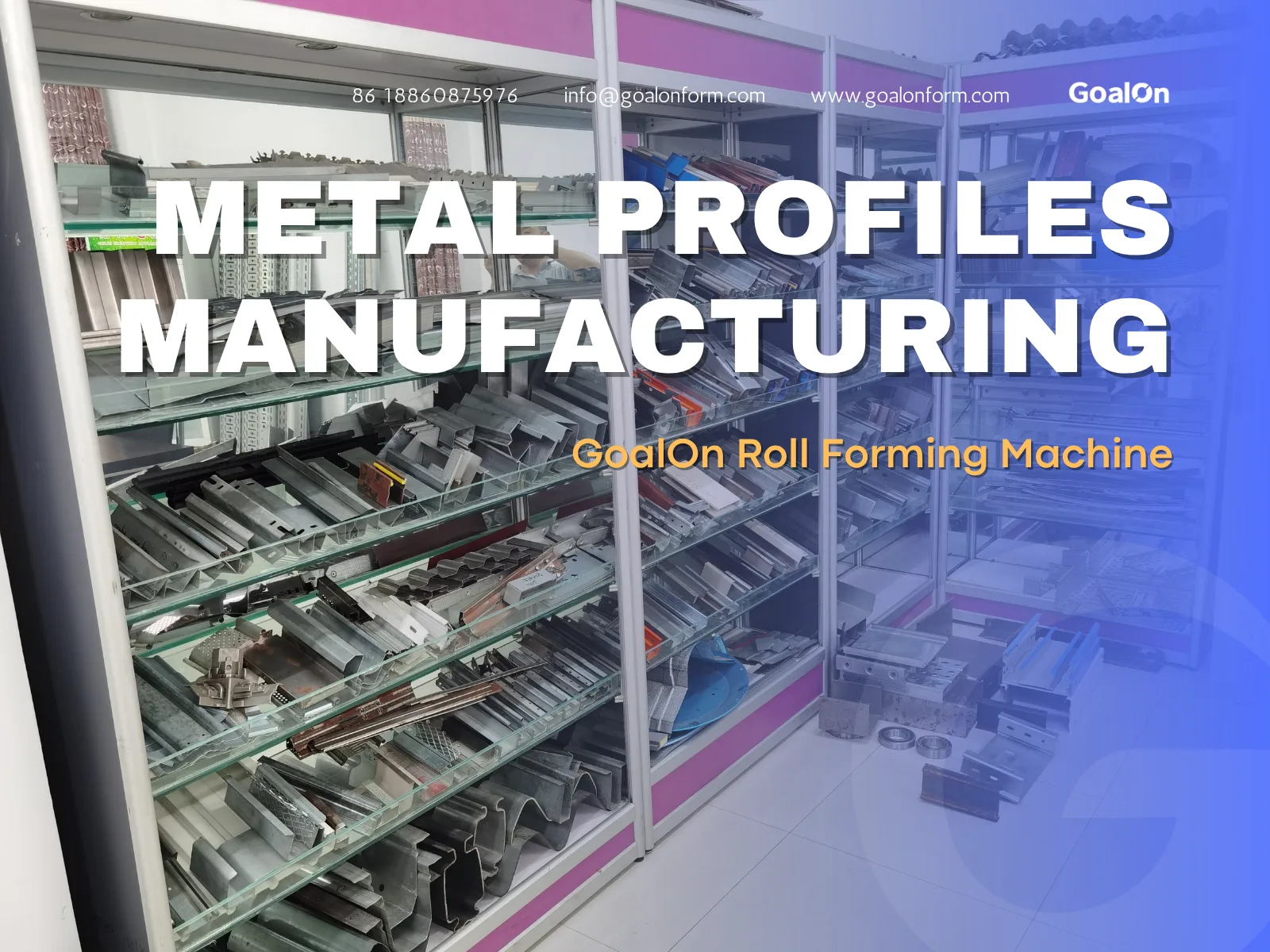
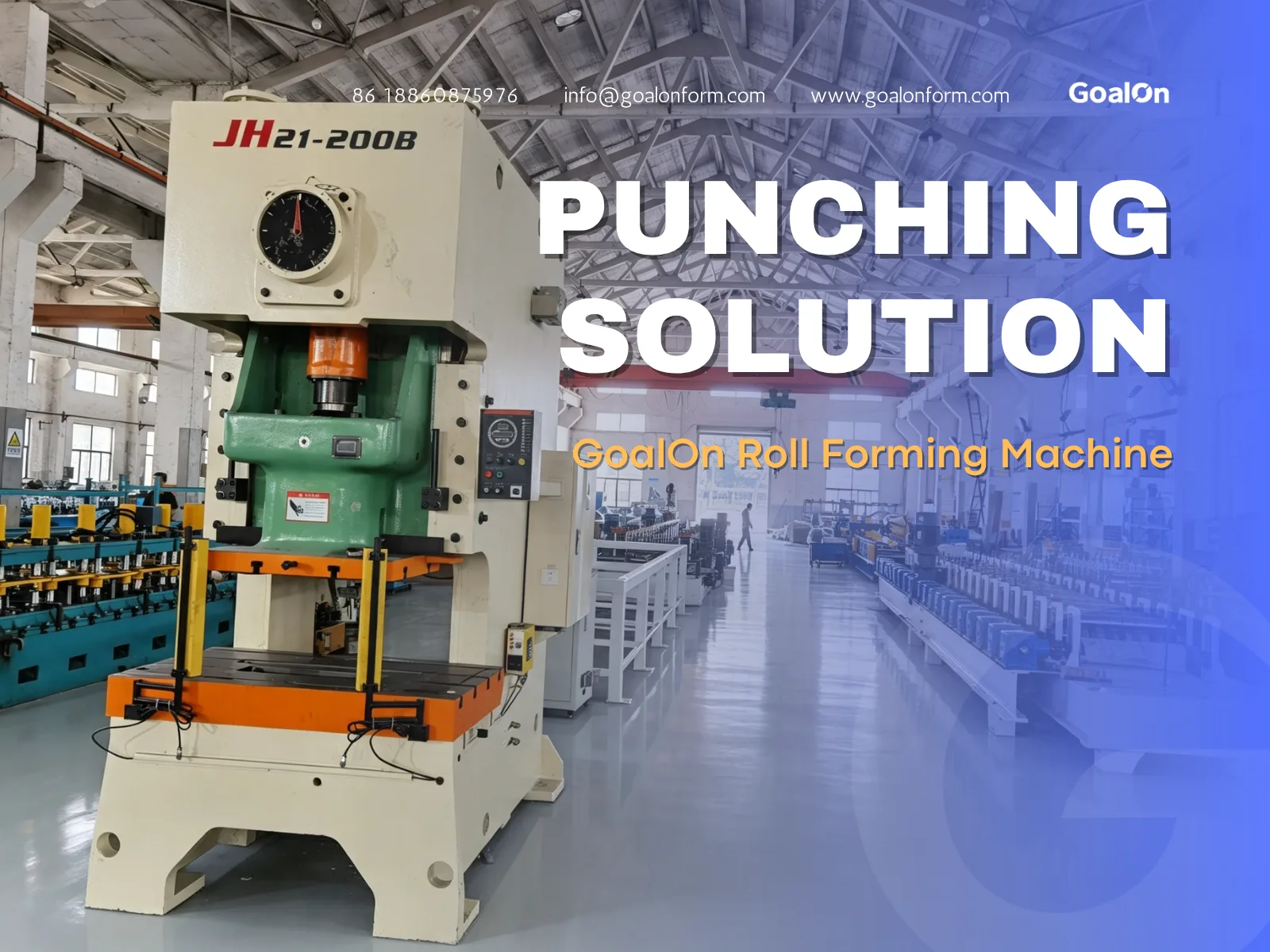
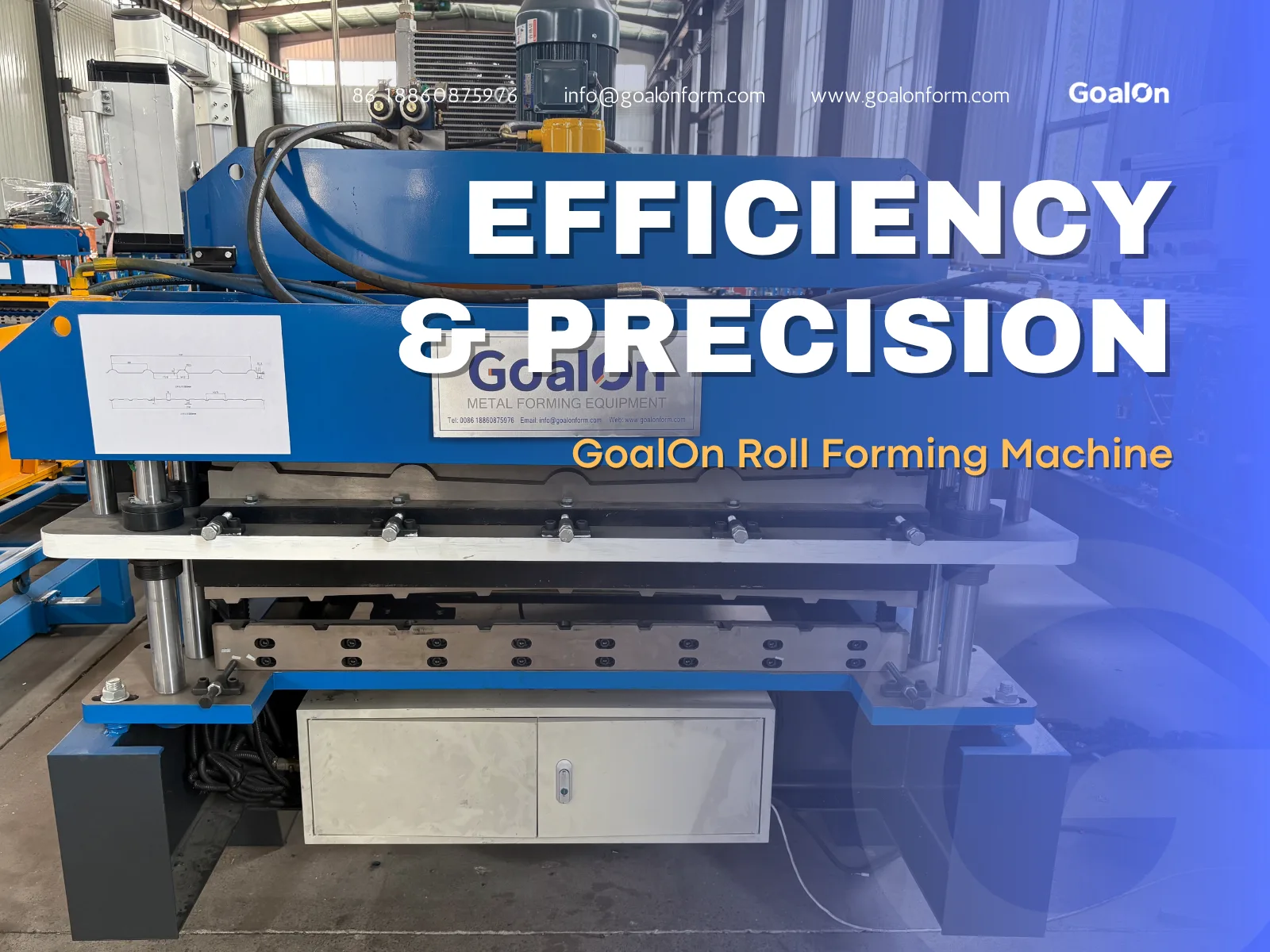
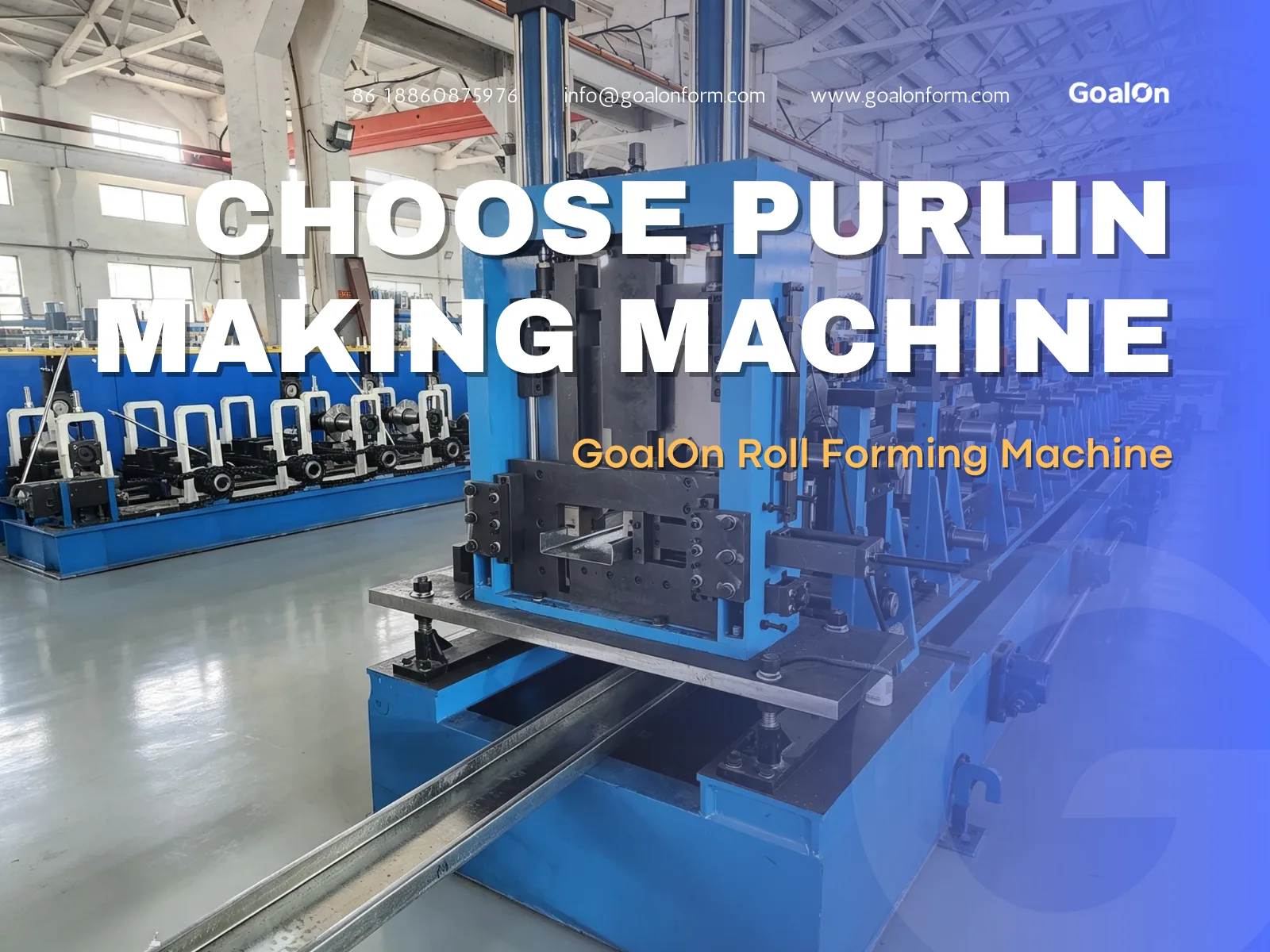
Global construction is undergoing a clear transition toward faster, lighter, and more standardized building methods. Within this shift, cold roll formed steel profiles have become one of the most widely adopted structural solutions. Instead of relying only on traditional hot-rolled sections or on-site fabrication, developers and manufacturers are increasingly choosing continuously produced steel sections manufactured by a roll forming machine production line.
This change is not simply about material preference. It reflects deeper requirements from modern construction: higher installation speed, tighter dimensional control, reduced labor dependency, and better lifecycle cost efficiency. As a result, roll formed steel is no longer a niche product; it has become a core supply component in industrial, commercial, and infrastructure construction.

Structural Performance and Engineering Advantages of Cold Formed Profiles
From an engineering perspective, the most important advantage of cold roll formed steel lies in its strength-to-weight efficiency. Unlike hot-rolled beams, which are shaped at high temperatures, cold forming processes use room-temperature deformation, allowing the material grain structure to remain stable while improving mechanical strength.
During production, steel coils are gradually shaped through multiple forming stands. This controlled deformation increases yield strength, especially in thin-gauge materials. In many structural applications, engineers rely on high-strength low-alloy steel (HSLA) to achieve lighter yet stronger designs.
Another key advantage is dimensional accuracy. Modern roll forming systems can maintain extremely tight production consistency, often achieving tolerance levels within ±0.5 mm depending on profile complexity and material thickness. This level of precision is critical for modular construction, where components must fit directly on-site without additional adjustment.
Surface quality is also superior compared to alternative forming methods. Since the material is not exposed to high temperatures, oxidation is minimal, resulting in a smooth finish suitable for downstream processes such as coating, galvanizing, or pre-painted applications.
Cold Roll Forming Technology and Production Line Engineering
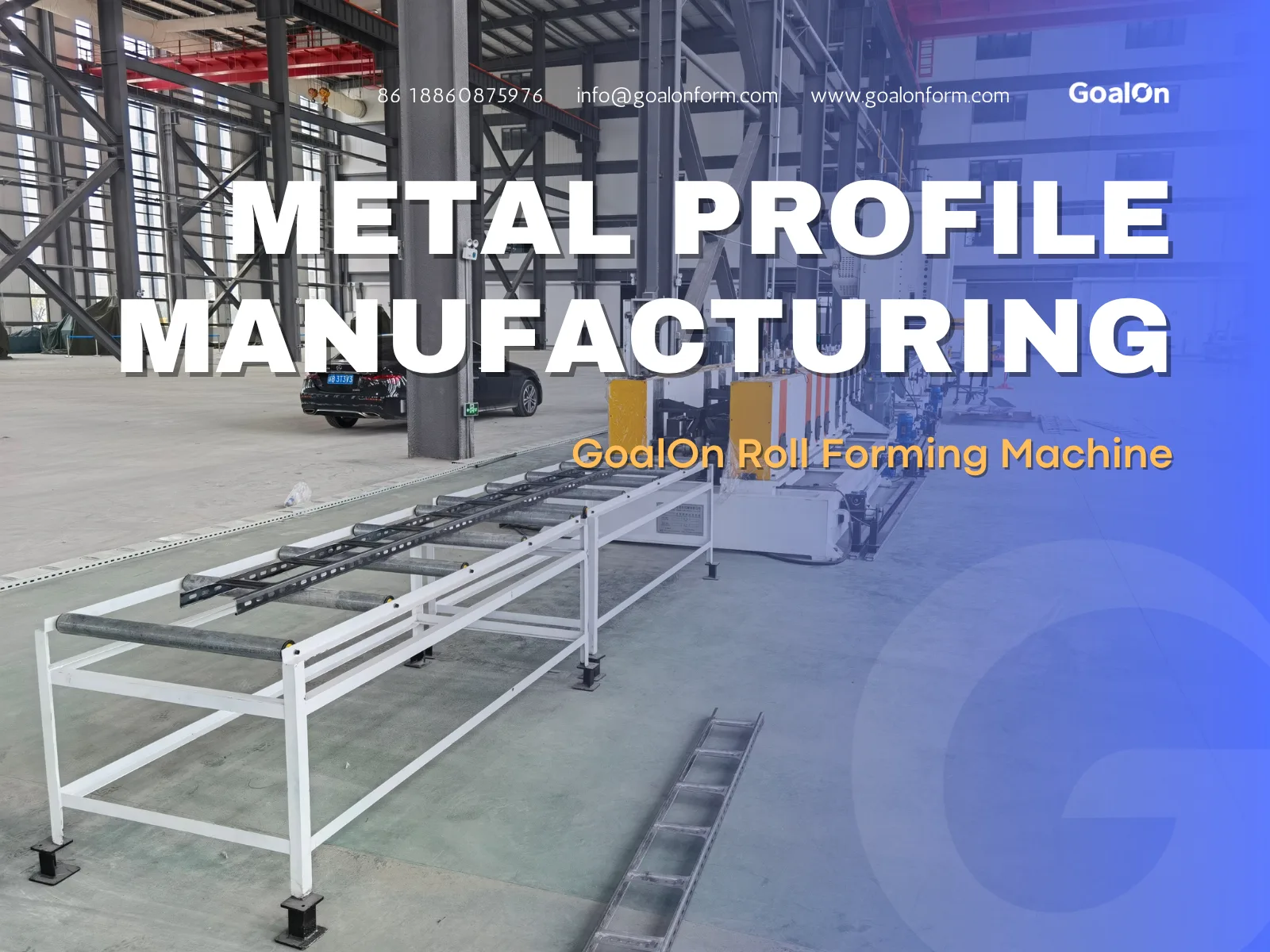
The rise of cold formed steel is directly tied to advances in roll forming machine technology. A modern production line is not just a forming unit—it is an integrated system combining mechanical, hydraulic, and electrical control technologies to ensure stable and continuous production.
A typical line includes several core sections:
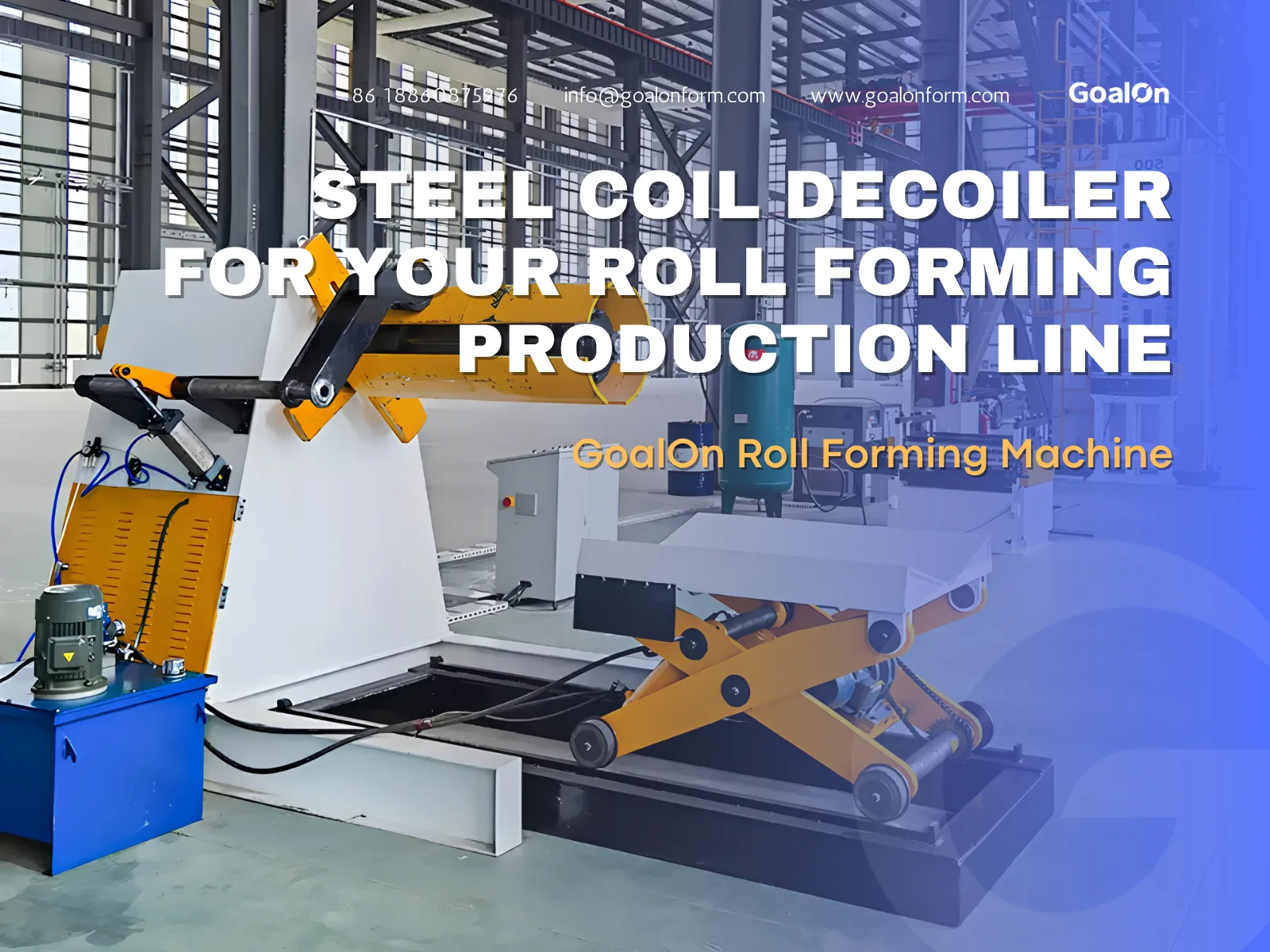
- Coil loading and hydraulic decoiler system
- Entry guide and leveling unit
- Punching or pre-cut modules (optional depending on profile)
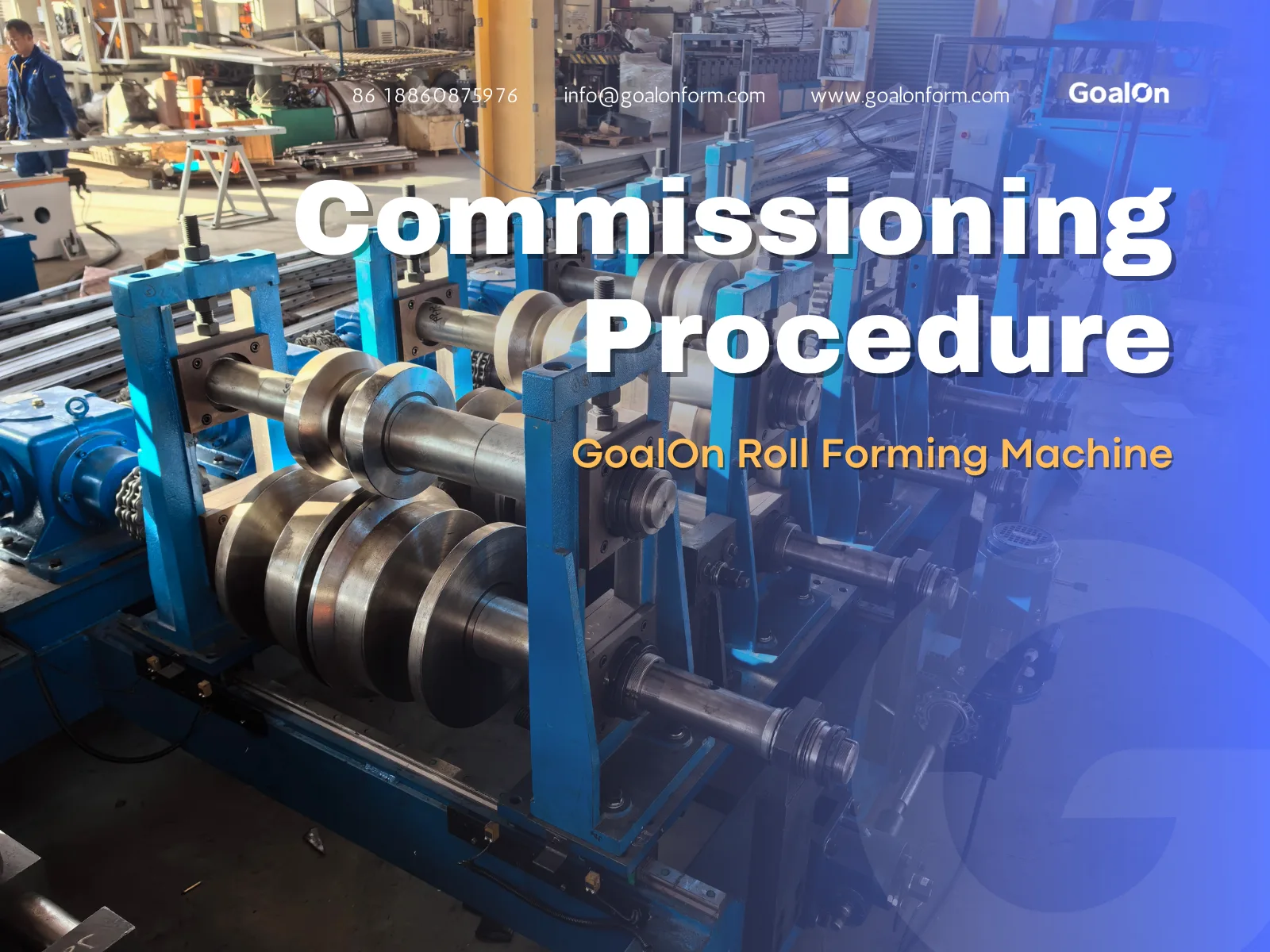
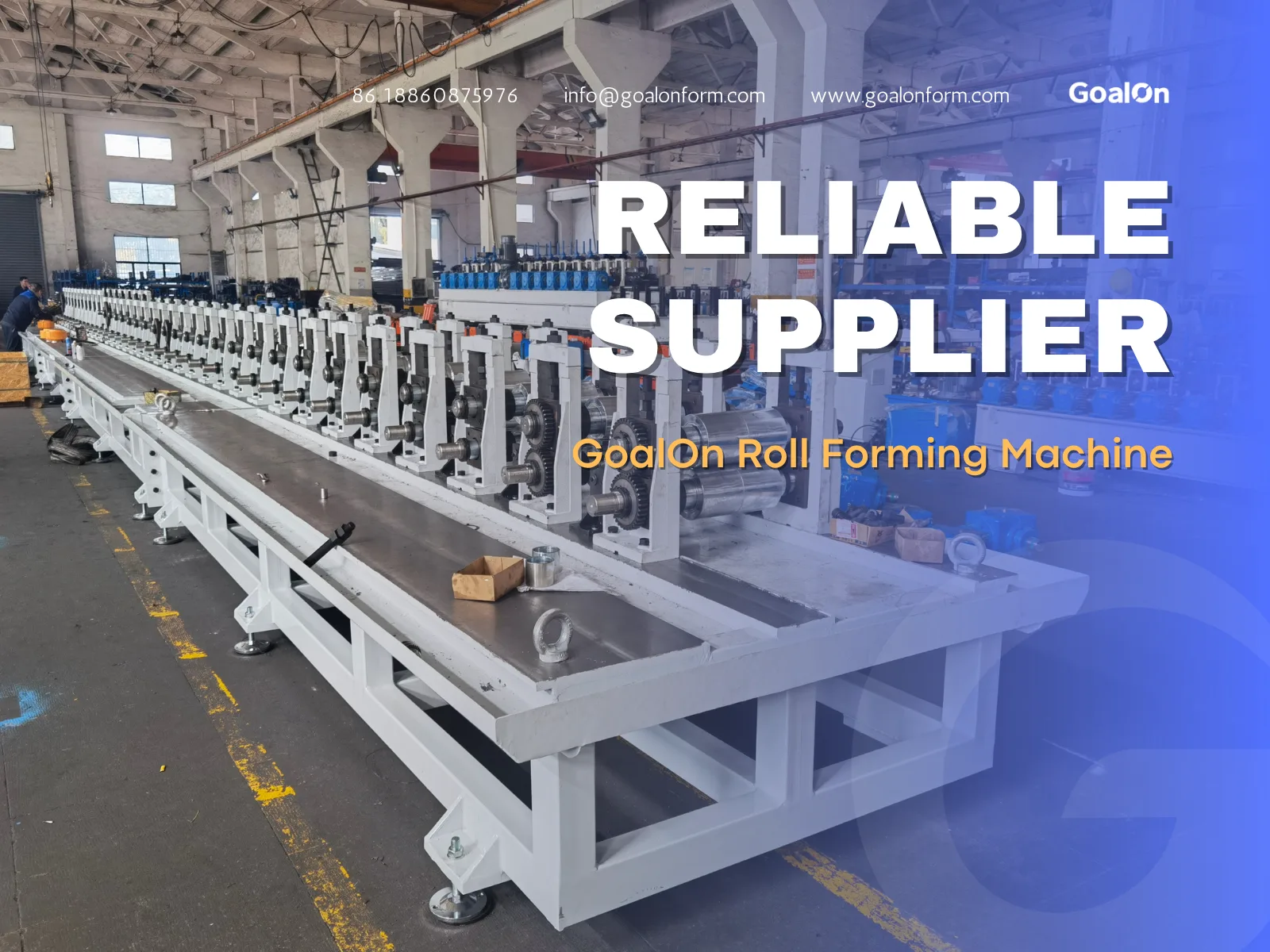
- Multi-stand roll forming main machine
- Post-cutting system (hydraulic or servo tracking shear)
- Automatic run-out table or stacking system
Each section contributes to production stability and product quality. For example, leveling ensures stress distribution is even before forming, preventing edge wave or twisting defects. Punching systems integrated before forming can ensure accurate hole positioning for structural assembly applications such as C/Z purlin systems or cable tray supports.
The heart of the system is the roll forming section itself. Profiles are gradually shaped through sequential roller stands, each designed with precise tooling geometry. The forming accuracy depends heavily on roller design, material hardness, and shaft rigidity. In high-end systems, the machine structure uses thick steel frame bases to minimize vibration and ensure consistent output during long production cycles.
Automation has also significantly changed productivity. Modern systems often include PLC control and servo synchronization, enabling automatic length setting, production speed adjustment, and real-time error monitoring. Some advanced configurations support automatic width adjustment systems, allowing quick changeovers between different profile sizes without full roller replacement.
Key Applications Across Global Construction Sectors
Cold roll formed steel is widely used across multiple construction categories due to its adaptability and cost efficiency. One of the most common applications is in roofing and structural framing systems. Products such as C and Z purlins are essential in steel structure buildings, warehouses, and industrial plants.
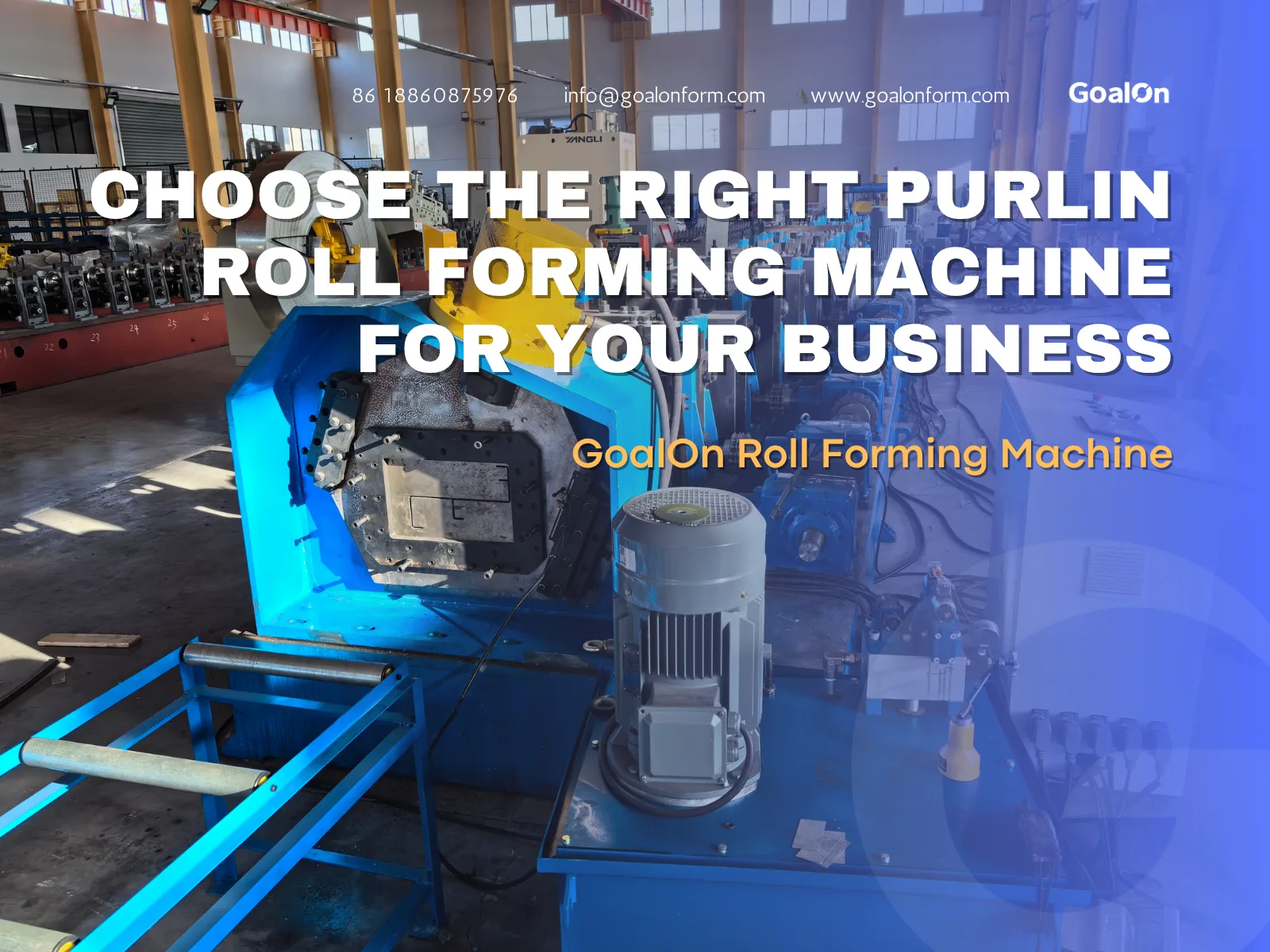
C/Z purlin roll forming machine systems are particularly important in this segment because they allow rapid production of interchangeable structural components. These profiles provide high load-bearing performance while keeping material usage low.
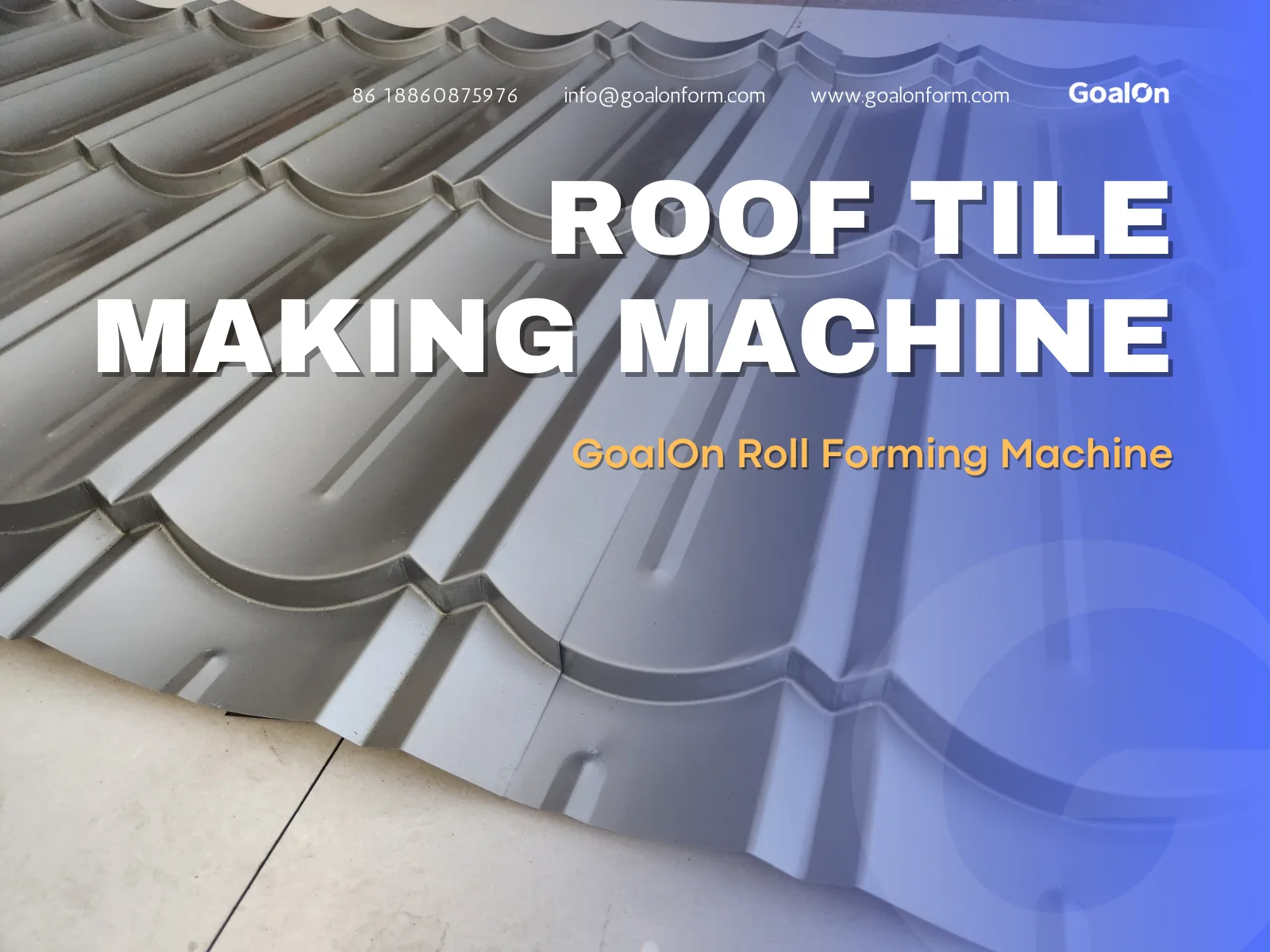
In building envelope systems, roll formed steel is used for roofing sheets, wall cladding panels, and façade support structures. The ability to produce long-length profiles with consistent cross-sections makes it ideal for modern architectural design, especially in large-span buildings.
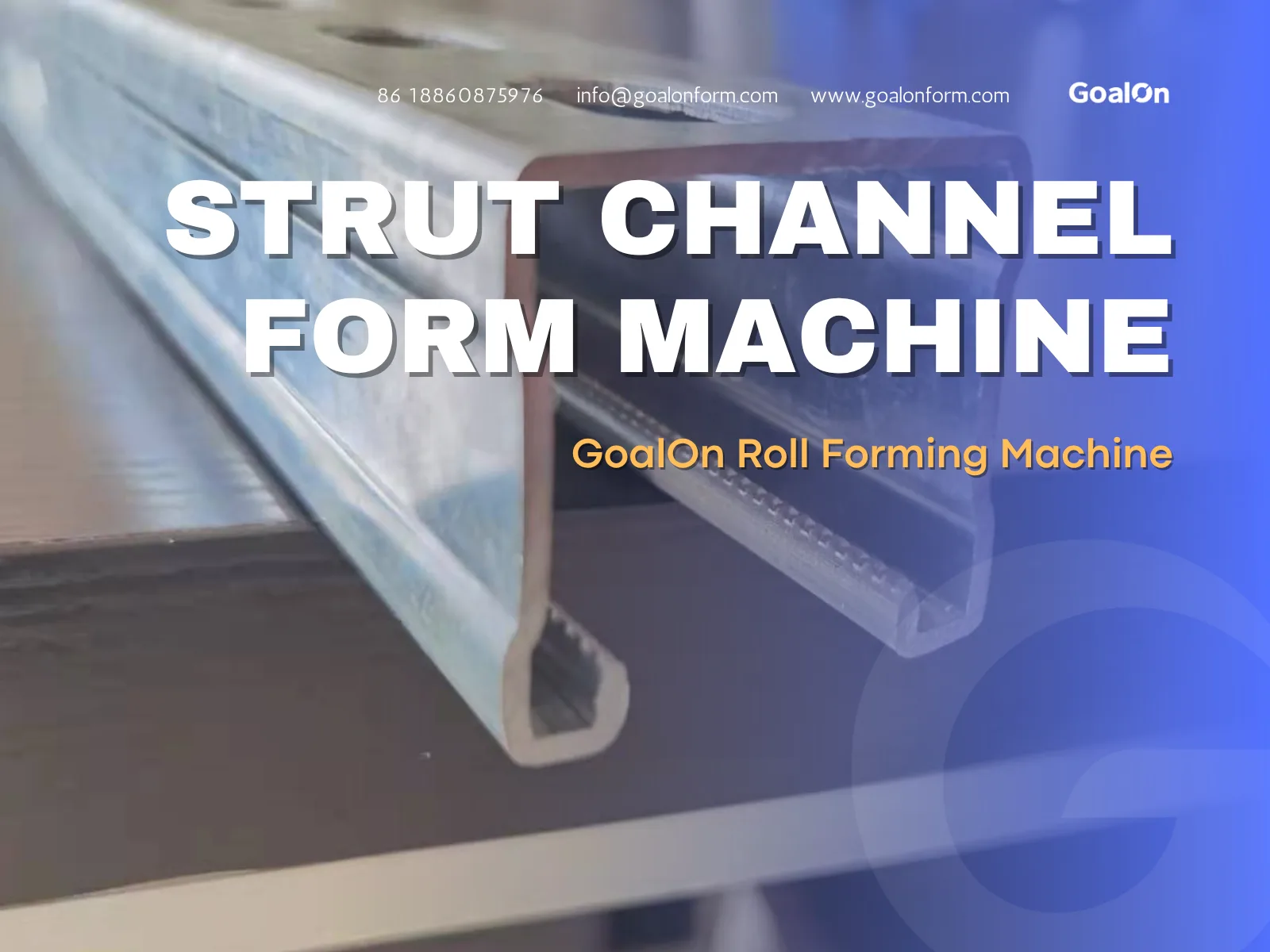
Infrastructure projects also rely heavily on roll formed products. Guardrails, bridge edge beams, cable trays, and railway support components are frequently produced using continuous forming lines. These applications require not only strength but also uniformity across large production volumes.
Another fast-growing segment is solar energy infrastructure. Solar farms require large quantities of mounting brackets and structural rails. Roll forming technology allows manufacturers to scale production efficiently while maintaining strict dimensional consistency required for photovoltaic installation systems.
Market Drivers Behind Growing Global Demand
Several macroeconomic and industrial factors are driving increased demand for cold roll formed steel worldwide.
The first major factor is industrialized construction. Prefabrication and modular building systems require standardized components that can be mass-produced with minimal variation. Roll forming technology is uniquely suited for this because it supports continuous high-speed production with repeatable geometry control.
Secondly, labor efficiency has become a major concern in global construction. Many regions are experiencing rising labor costs and shortages of skilled workers. Using pre-engineered roll formed components reduces on-site fabrication time and simplifies assembly processes.
Cost optimization is another important driver. Compared to welded or machined steel structures, roll formed profiles significantly reduce material waste. Since the process uses coil steel and converts it directly into finished shapes, material utilization is highly efficient.
Environmental requirements also play a major role. Cold roll forming consumes less energy than hot rolling processes, and steel itself is fully recyclable. As governments tighten carbon emission regulations, many construction projects are shifting toward lower-carbon structural materials.
The Role of Automation and Machine Intelligence in Production Efficiency
Modern roll forming lines are increasingly integrated with automation systems that improve both quality and productivity. In advanced configurations, production is controlled through centralized PLC systems combined with servo-driven components.
Key improvements include:
- Real-time production monitoring
- Automatic length cutting accuracy control
- Digital parameter storage for quick profile change
- Fault detection and shutdown protection systems
High-speed production lines can operate continuously with minimal manual intervention, which significantly reduces downtime. In some industrial configurations, line speed can reach high efficiency levels depending on profile complexity and thickness.
Another important development is predictive maintenance. Sensors installed on key mechanical components monitor vibration, temperature, and load conditions. This helps reduce unexpected downtime and improves long-term machine stability.
For manufacturers, this level of automation directly impacts competitiveness. A stable and intelligent roll forming production line reduces labor cost, increases output consistency, and improves delivery reliability.
Future Trends and Industry Outlook
Looking forward, the demand for cold roll formed steel is expected to continue expanding alongside global infrastructure investment. However, the industry is also moving toward higher customization and faster changeover capability.
Future roll forming machines will likely focus on:
- Faster tooling change systems
- Higher precision multi-profile compatibility
- Fully automated coil-to-product integration
- AI-assisted production optimization
Another trend is the integration of roll forming systems into fully automated factories. Instead of standalone machines, manufacturers are building complete production ecosystems that include coil handling, forming, punching, cutting, and packaging in one continuous workflow.
For steel profile manufacturers and construction suppliers, investing in advanced roll forming technology is becoming not just a production decision, but a strategic business requirement.
Conclusion
Cold roll formed steel has become a fundamental material in modern construction because it aligns perfectly with today’s industry needs: efficiency, precision, scalability, and sustainability. Supported by advanced roll forming machine technology, it enables manufacturers to deliver high-quality structural profiles at industrial scale.
As global construction continues to shift toward prefabrication and standardized building systems, companies equipped with advanced roll forming production capabilities will hold a clear competitive advantage in the international market.