In today’s highly competitive steel processing industry, manufacturers are under constant pressure to deliver high precision, consistent quality, and fast turnaround times. Whether you are supplying materials to construction companies, roll forming factories, or industrial equipment manufacturers, your ability to process coils efficiently directly impacts your profitability.
One of the most practical and widely adopted solutions is the 1600mm coil slitting line designed for up to 4mm thickness. This configuration strikes an optimal balance between processing capability, investment cost, and operational flexibility, making it a preferred choice for medium to large-scale steel service centers.
This comprehensive guide explores how this slitting line works, its technical advantages, and how to select the right configuration based on your production goals—while aligning with modern SEO and Google EEAT content standards.

Understanding the Role of a Coil Slitting Line in Modern Manufacturing
A خط حز اللفائف is an integrated production system used to cut wide steel coils into multiple narrower strips with precise width control. These strips are then used in downstream processes such as roll forming, tube production, stamping, and laser cutting.
For manufacturers working with diverse product lines, owning a slitting line means gaining full control over raw material preparation. Instead of relying on suppliers for pre-slit coils, companies can optimize purchasing by sourcing wider coils and processing them in-house.
A 1600mm slitting line refers to the maximum coil width capacity, while the 4mm thickness capability ensures the machine can handle medium to relatively heavy gauge materials such as hot-rolled steel (HR), cold-rolled steel (CR), galvanized steel (GI), and even stainless steel.
How a 1600mm Slitting Line Works: Process Breakdown
A slitting line is not a single machine but a coordinated system of multiple units working in synchronization. Each section plays a critical role in ensuring smooth material flow and cutting accuracy.
1. Coil Loading and Decoiling
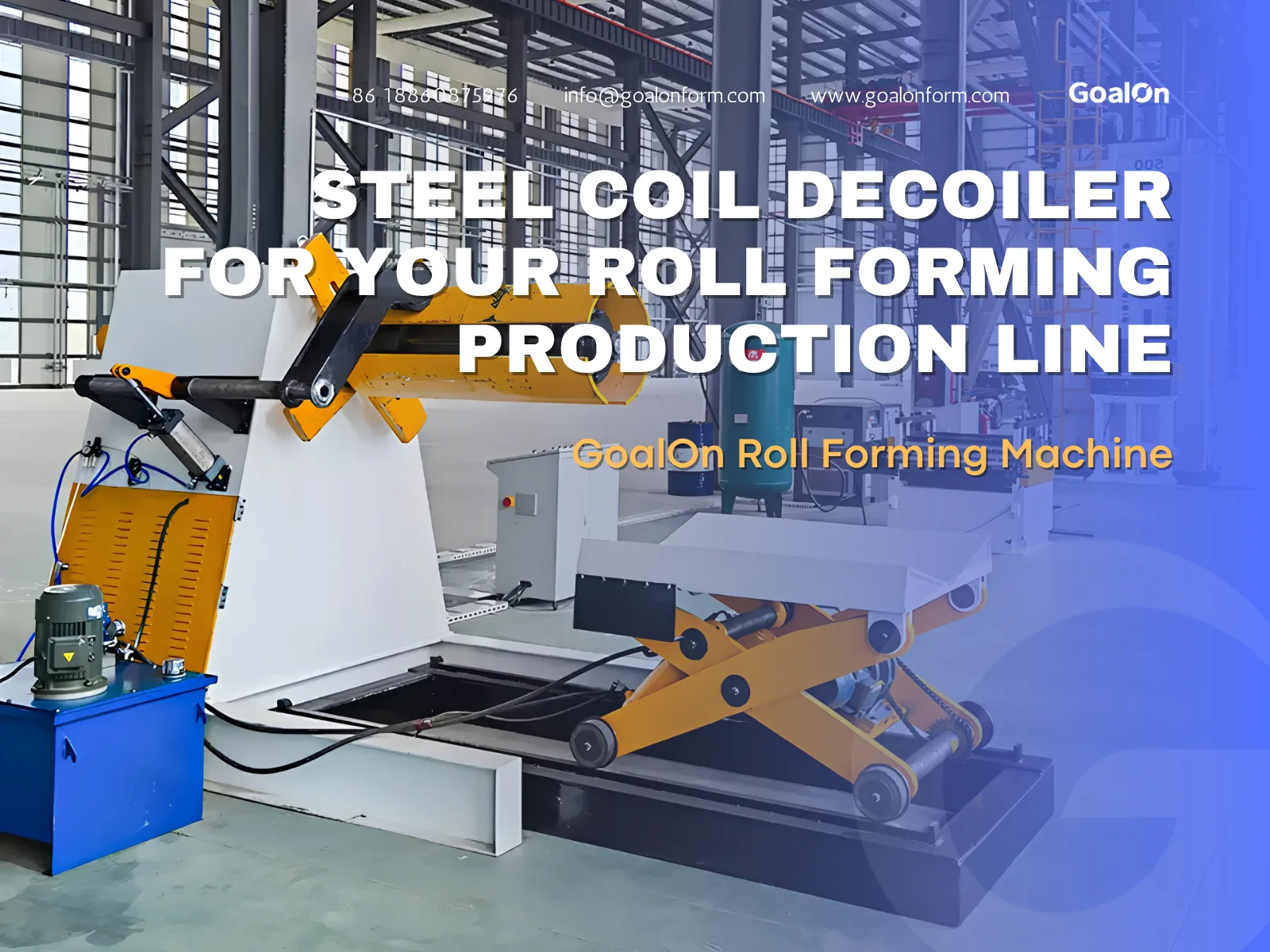
The process begins with a جهاز فك اللفائف الهيدروليكي, typically rated between 10–20 tons capacity. Equipped with a coil car and hydraulic pressing arm, it ensures safe and efficient loading of heavy coils.
2. Pinch Feeding and Leveling
Before slitting, the coil head must be flattened. The pinch roller and leveling machine eliminate coil curvature, also known as coil memory, which is essential for maintaining cutting accuracy and strip straightness.
3. Slitting Section (Core Unit)
This is the heart of the line. The material passes through a slitter head equipped with upper and lower circular knives.
Key technical highlights include:
- Blade material: SKD11 or D2 tool steel
- Hardness: HRC 58–62
- Adjustable knife spacers for precise strip width control
The precision of this section directly determines the final product quality.
4. Scrap Edge Handling
During slitting, edge trims are generated. These are collected by a scrap winder system, preventing interference with the main production flow and maintaining a clean working environment.
5. Tension Control and Looping System
A critical but often underestimated part is the tension control system, combined with a loop pit accumulator. This ensures:
- Stable strip tension
- Synchronization between slitting and recoiling speeds
- Prevention of defects such as edge waviness or strip deformation
6. Recoiling Section
The slit strips are rewound using a hydraulic recoiler, typically powered by 45–75 kW motors.
Advanced systems include:
- Separator discs for strip alignment
- Hydraulic pressing arms for tight winding
- Prevention of telescoping and loose coils
7. Unloading and Stacking
Finished coils are automatically discharged via a coil car or stacking table, ready for packaging or direct transfer to the next process.
Key Technical Specifications You Should Know
For a typical 1600mm slitting line handling 4mm steel, the following parameters are industry standard:
- Coil width: Up to 1600 mm
- سماكة المادة: 0.5 – 4.0 mm
- Coil weight: 10–20 tons
- Slitting speed: 80–120 m/min
- Number of strips: 10–25 strips (adjustable)
- Control system: PLC + HMI touchscreen interface
These specifications can be customized depending on your production requirements, especially if your focus is on high-strength materials or high-speed output.
Why This Configuration Is Ideal for Growing Manufacturers
From a strategic standpoint, investing in a 1600mm slitting line offers more than just cutting capability—it transforms your entire production workflow.
Improved Cutting Precision
With proper knife setup and leveling, the machine can achieve ±0.1mm width tolerance, which is essential for roll forming lines and precision stamping operations.
Higher Production Efficiency
The ability to process coils at speeds exceeding 100 m/min significantly reduces production cycles and increases output capacity.
Material Cost Optimization
Purchasing wider coils is often more economical. By slitting in-house, you reduce dependency on suppliers and gain better control over material utilization and cost per ton.
Flexibility Across Industries
This type of line supports multiple industries, including:
- Construction (roof panels, purlins, door frames)
- Tube and pipe manufacturing
- Automotive components
- Electrical enclosures
Critical Factors When Choosing Your Slitting Line
Selecting the right machine requires more than comparing price. You need to evaluate technical and operational details carefully.
Material Compatibility
Always define your maximum thickness and material strength. Processing HR steel at 4mm requires a more robust structure compared to thin GI coils.
Slitting Accuracy vs Speed
High-speed lines require precision shaft alignment and servo-controlled feeding systems. If your customers demand tight tolerances, do not compromise on this.
Knife Changing Efficiency
Consider whether the machine supports a cassette-type quick-change system. This can dramatically reduce downtime during production changeovers.
Tension Control System
جودة عالية hydraulic or pneumatic tension system is essential to avoid common defects like:
- Coil collapse
- Uneven winding
- خدوش سطحية
مستوى الأتمتة
Modern slitting lines increasingly feature:
- أنظمة تموضع السكين الأوتوماتيكية
- Digital width setting
- Integrated fault diagnostics
Higher automation reduces labor dependency and improves consistency.
Factory Layout Planning
A standard line typically requires 25–35 meters of length. Ensure your facility can accommodate proper material flow and maintenance access.
Integration with Roll Forming and Downstream Production
From a production strategy perspective, a slitting line is often the upstream foundation of a roll forming system.
By combining slitting with آلات التشكيل بالدرفلة على البارد, manufacturers can:
- Produce customized strip widths for different profiles
- Reduce scrap during forming
- Improve overall line efficiency
For example, when producing C/Z purlins, roofing panels, or door frames, having precise slit coils ensures better forming accuracy and reduces tooling wear.
This integration is especially valuable for companies aiming to build a fully automated coil processing and profile production line.
Real-World Applications Across Industries
A 1600mm slitting line for 4mm steel is widely used in:
- Steel service centers for multi-client supply
- Construction material manufacturers for roll formed products
- Tube mills for welded pipe production
- Automotive suppliers requiring narrow precision strips
- Industrial equipment manufacturers
Its versatility makes it a core asset for businesses looking to expand into diversified steel processing services.
Choosing the Right Supplier: What Truly Matters
A reliable supplier should provide more than just equipment. Look for:
- Detailed technical proposals and layout drawings
- Transparent specification of key components (PLC, motors, hydraulics)
- Real project references (videos, case studies)
- Installation support and operator training
- Long-term spare parts availability
A professional supplier understands your production goals and helps you design a solution—not just sell a machine.
Final Thoughts: A Smart Investment for Long-Term Competitiveness
A 1600mm slitting line for 4mm steel coils is not just a processing machine—it is a strategic investment that enhances your production flexibility, reduces costs, and improves product quality.
With the right configuration, including high-precision slitting knives, stable tension control systems, and automated operation, this equipment can handle demanding workloads while maintaining consistent output.
For manufacturers targeting construction, roll forming, or industrial supply markets, integrating a slitting line into your production system is a decisive step toward building a more efficient, scalable, and competitive business model.
As global demand for customized steel strips continues to rise, those who control their processing capabilities will always stay ahead.