In modern metal fabrication, cold roll forming technology is widely recognized for its efficiency in producing long, consistent profiles with high dimensional accuracy. However, many engineers and manufacturers still ask an important question during project planning: can this process only produce straight profiles, or is it also capable of forming curved geometries?

The answer is more nuanced than a simple yes or no. Roll forming is inherently designed for continuous straight-line production, but with the right engineering approach, tooling design, and auxiliary systems, it can also produce certain types of curved profiles. Understanding where its capabilities begin and end is critical for construction companies, metal profile manufacturers, and machine traders who need to balance productivity, cost, and design flexibility.
This article explores the technical principles behind straight and curved roll-formed profiles, the methods used to achieve curvature, limitations of the process, and how manufacturers can select the right production strategy.
Understanding the Fundamental Nature of Roll Forming
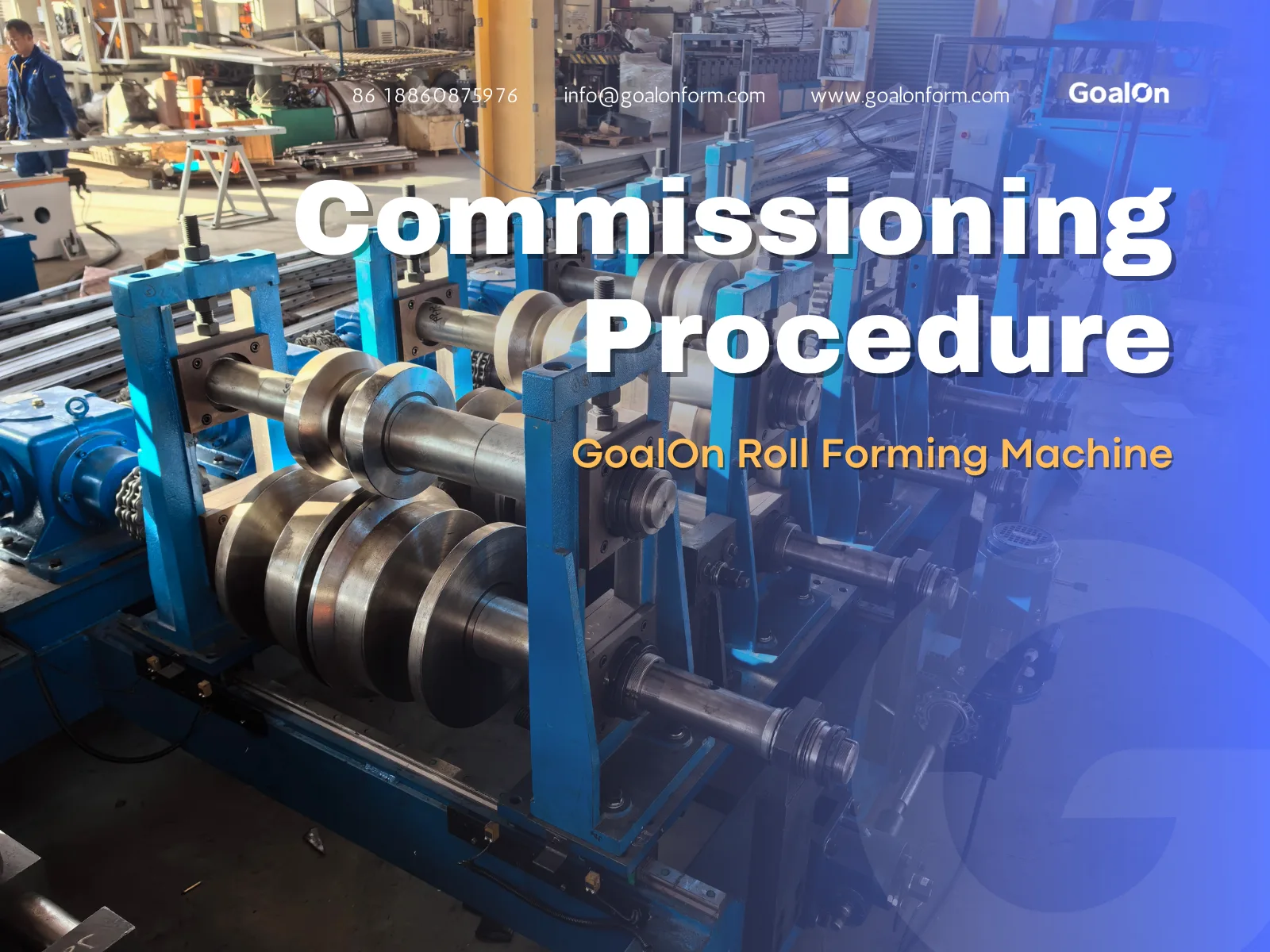
At its core, roll forming is a continuous bending process in which a metal strip passes through multiple sets of rollers. Each roller station gradually applies incremental deformation until the desired cross-section is achieved.
The key characteristic of this process is that deformation occurs along a straight feed direction. The strip moves linearly through the machine, and each roll stand performs a small, controlled bend. Because of this setup, traditional roll forming is naturally optimized for:
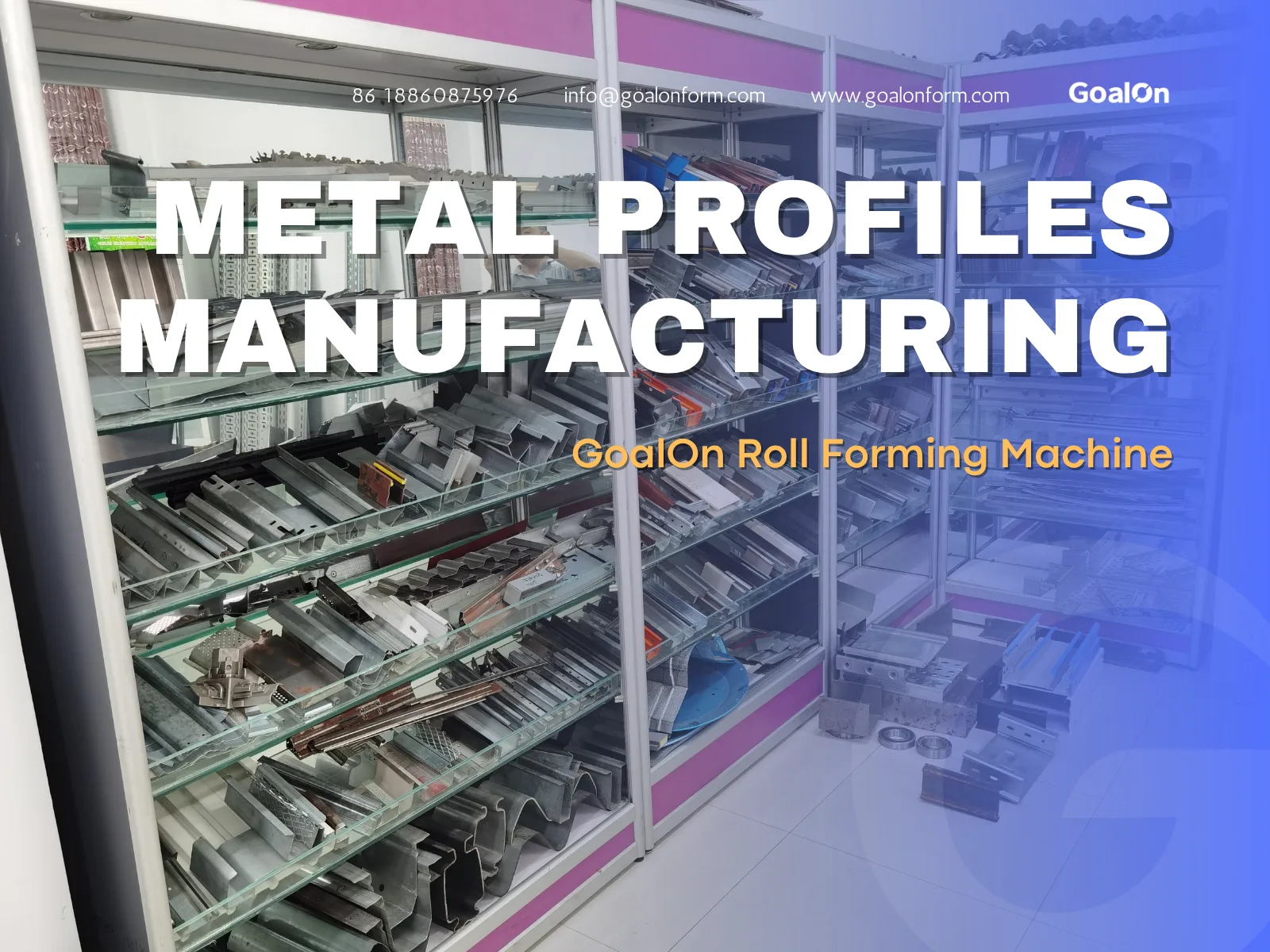
- Long straight profiles
- Constant cross-sections
- High-volume continuous production
- Tight dimensional repeatability
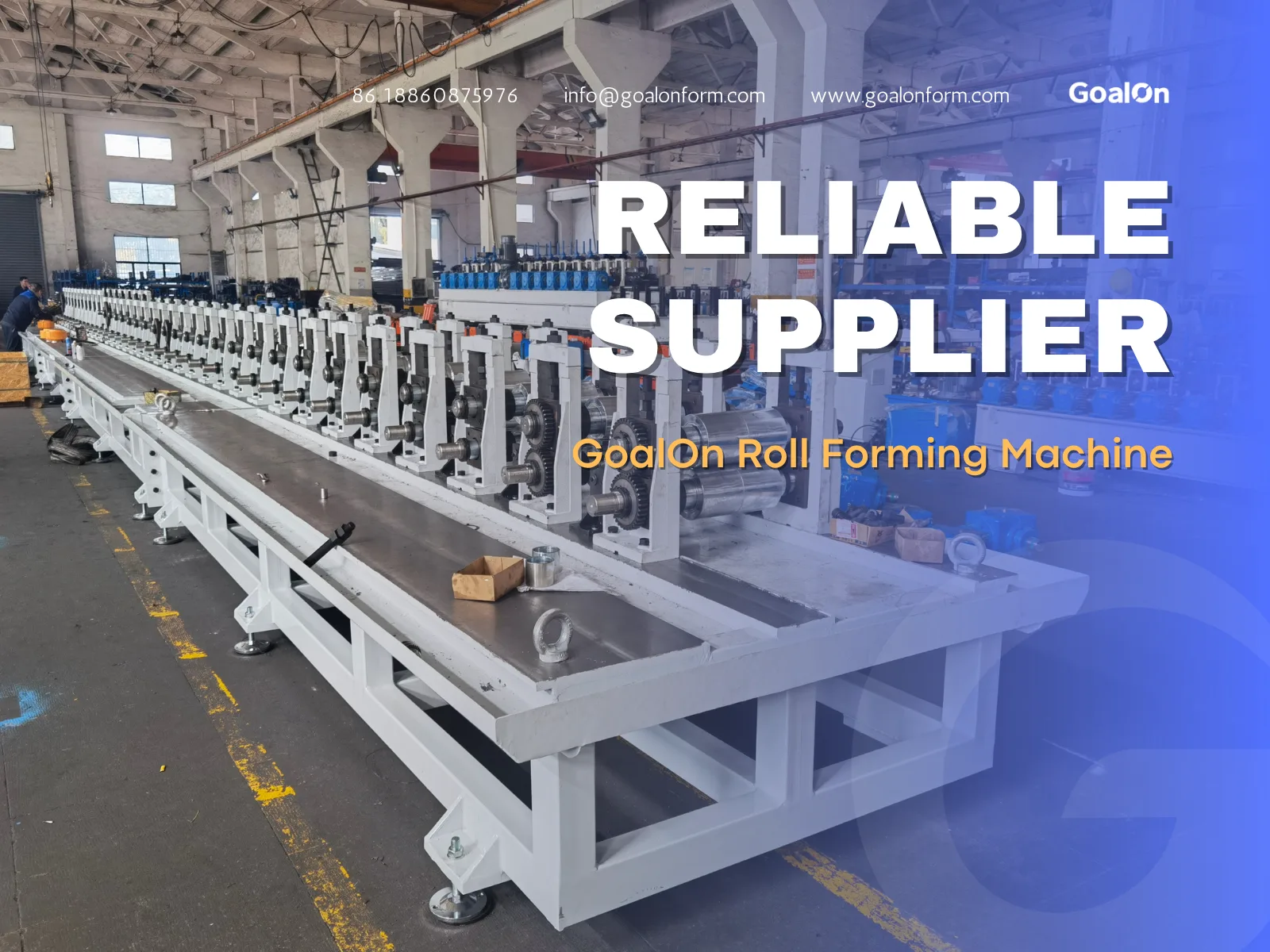
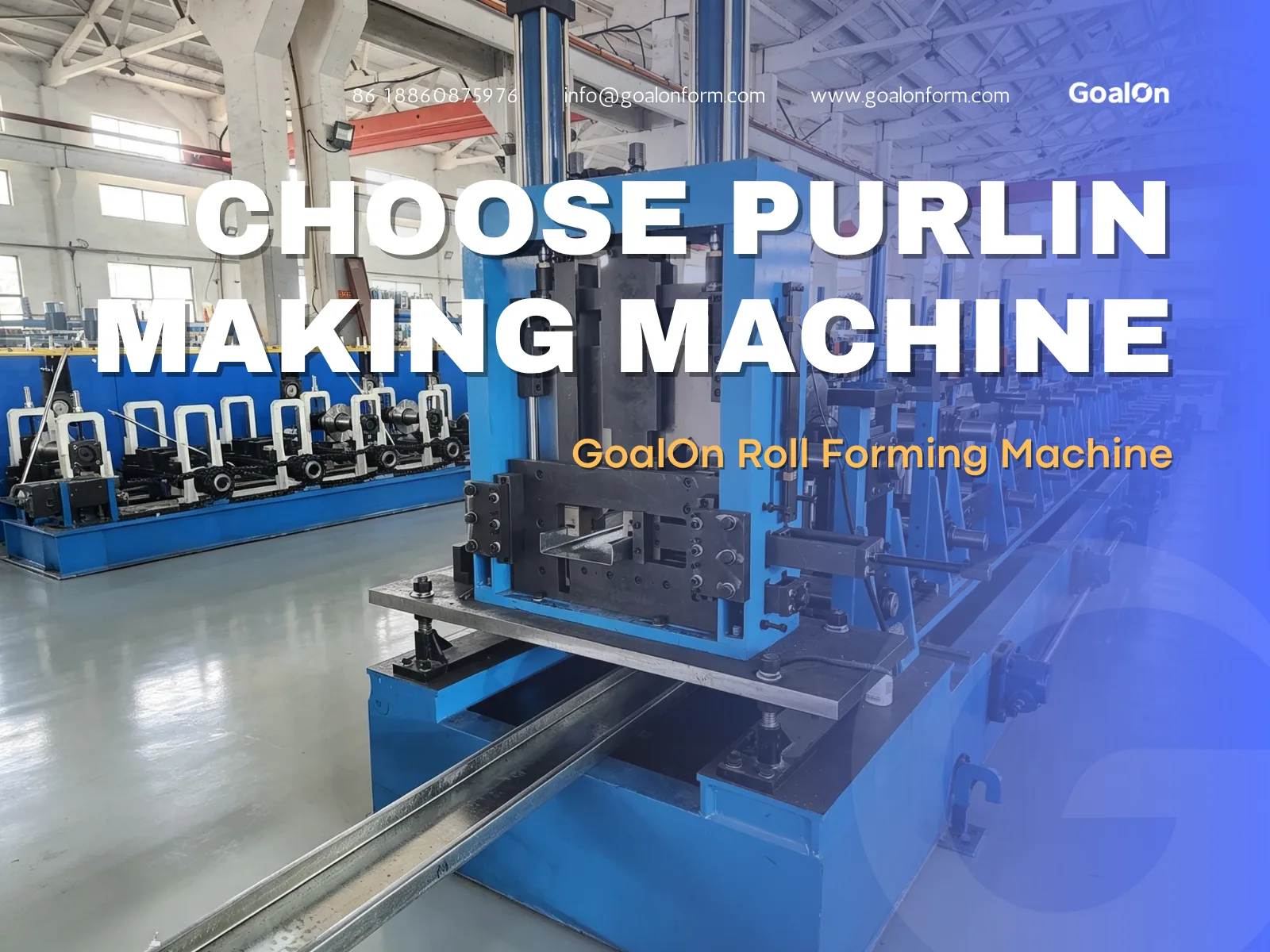
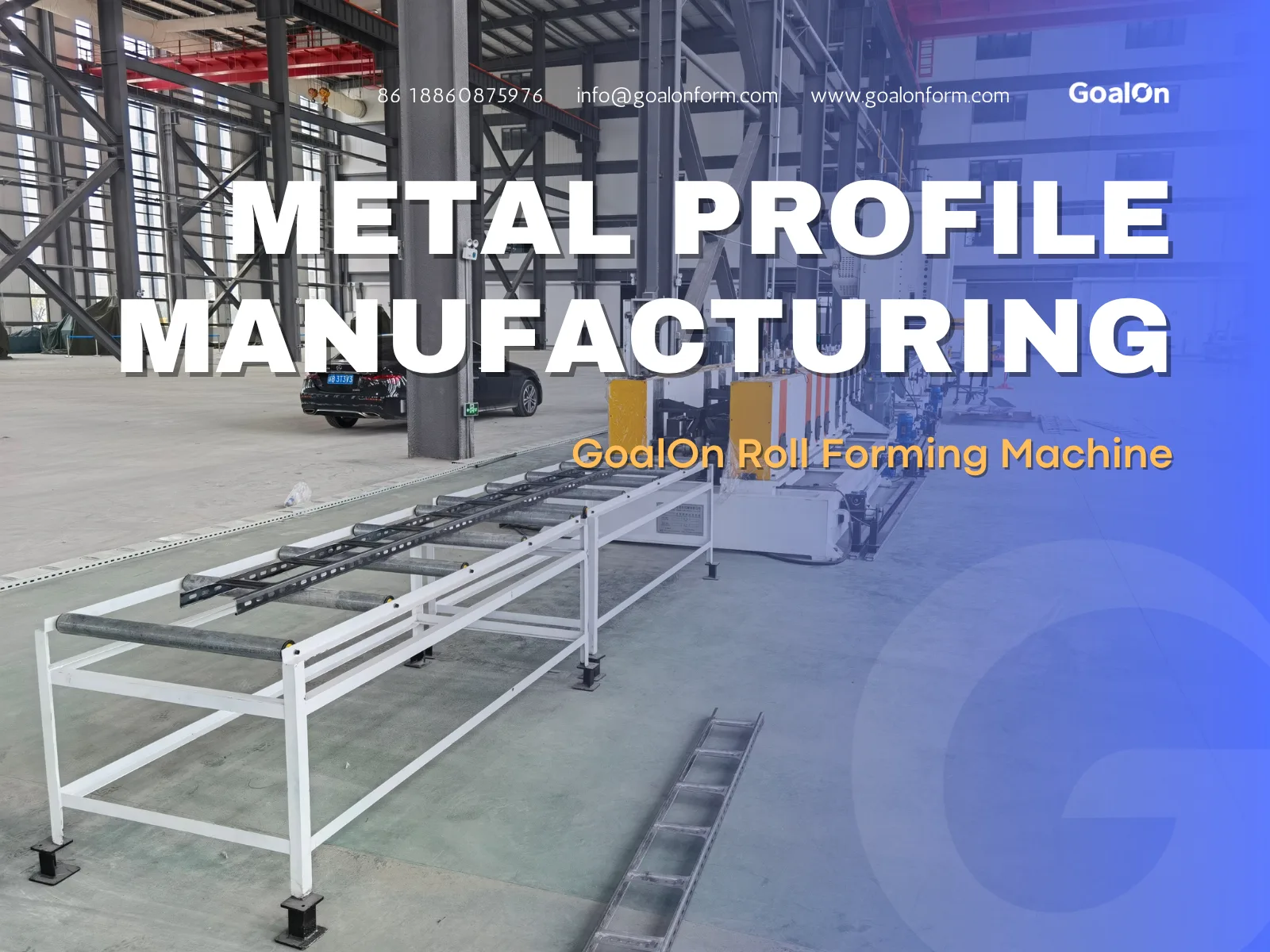
A standard cold roll forming machine is therefore fundamentally a straight-line forming system. Any deviation from straight geometry must be introduced through additional mechanical or post-forming processes.
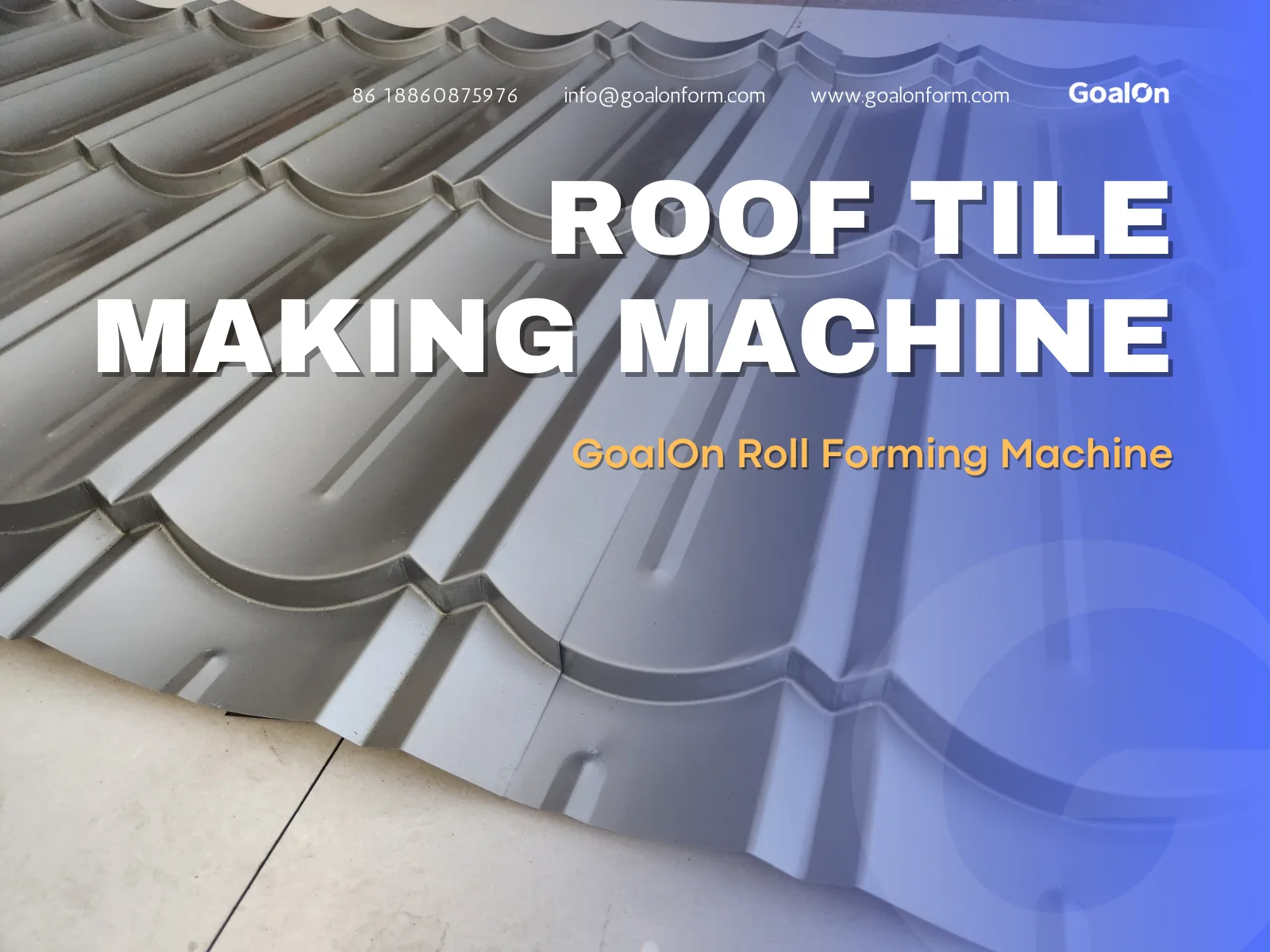
This inherent design is the main reason why straight profiles dominate roll forming applications in construction systems such as roofing sheets, purlins, studs, rails, and framing channels.
Why Straight Profiles Are the Default Output
Straight profiles are not just a limitation—they are a result of engineering efficiency. When the strip is fed through aligned roll stands, several advantages are achieved simultaneously:
First, the material experiences gradual plastic deformation, which reduces internal stress concentration. This improves structural consistency and minimizes defects such as cracking or wrinkling.
Second, straight-line feeding ensures stable tension control. If the strip were forced to curve during forming, uneven stress distribution would appear across the width, affecting dimensional accuracy.
Third, high-speed production becomes possible. Many industrial roll forming lines can reach speeds of 10–120 meters per minute depending on material thickness and profile complexity.
From a manufacturing perspective, straight profiles offer the best combination of speed, cost efficiency, and tooling durability. This is why industries such as construction framing and storage systems rely heavily on them.
However, modern engineering demands are increasingly requiring curved geometries for architectural and structural flexibility, pushing roll forming technology to evolve beyond its traditional boundary.
Methods Used to Produce Curved Roll-Formed Profiles
Although roll forming is naturally linear, several industrial methods allow controlled curvature after or during the forming process. These methods are widely used in architectural metalwork, transportation structures, and customized steel framing systems.
1. Post-Forming Mechanical Bending
The most common method is to produce a straight profile first and then apply controlled bending using a separate machine.
This can be done through:
- Three-roll bending systems
- Rotary bending machines
- Section benders
In this approach, the roll forming line remains unchanged, while curvature is added as a secondary process.
The advantage is flexibility. Manufacturers can use the same roll forming line to produce multiple curved radii without modifying the main tooling. However, this method introduces additional labor and processing time.
2. Controlled Radius Roll Forming
A more advanced approach involves modifying the roll forming line itself to generate curvature during production.
This is achieved by introducing differential speed control or adjustable roll stands on one side of the machine. When one side of the strip is slightly stretched more than the other, the material naturally bends.
This principle is based on differential elongation control, which is widely used in modern automated systems.
Key technologies include:
- Servo-driven roll stands
- Adjustable guide systems
- Side-shifting forming units
This method allows continuous curved production but requires precise engineering and high machine stability.
3. Flexible Roll Forming (FRF) Technology
Flexible roll forming is one of the most advanced developments in the industry. Instead of fixed roller sets, the machine uses adjustable roll positions controlled by CNC or servo systems.
This allows real-time adjustment of the forming path, enabling:
- Variable radius curves
- Complex 3D geometries
- Reduced tooling changes
Flexible roll forming is particularly useful in automotive and aerospace applications, but it is increasingly being adapted for architectural metal panels.
However, it comes with higher equipment costs and more complex maintenance requirements.
4. Cut-and-Assemble Curvature Systems
In some construction applications, curvature is not formed in a single continuous process but achieved through segmented assembly.
Straight roll-formed sections are cut at calculated angles and assembled into curved structures on-site or in a fabrication workshop.
This method is common in:
- Large-span roofing systems
- Warehouse arches
- Modular steel structures
While not a pure forming solution, it is often the most cost-effective method for large-radius curves.
Technical Limitations of Curved Roll Forming
Although curvature is achievable, there are clear engineering constraints that must be considered.
The most important limitation is material springback. When steel is plastically deformed, it tends to partially return to its original shape after stress release. This makes precise curvature control more difficult, especially for high-strength steels.
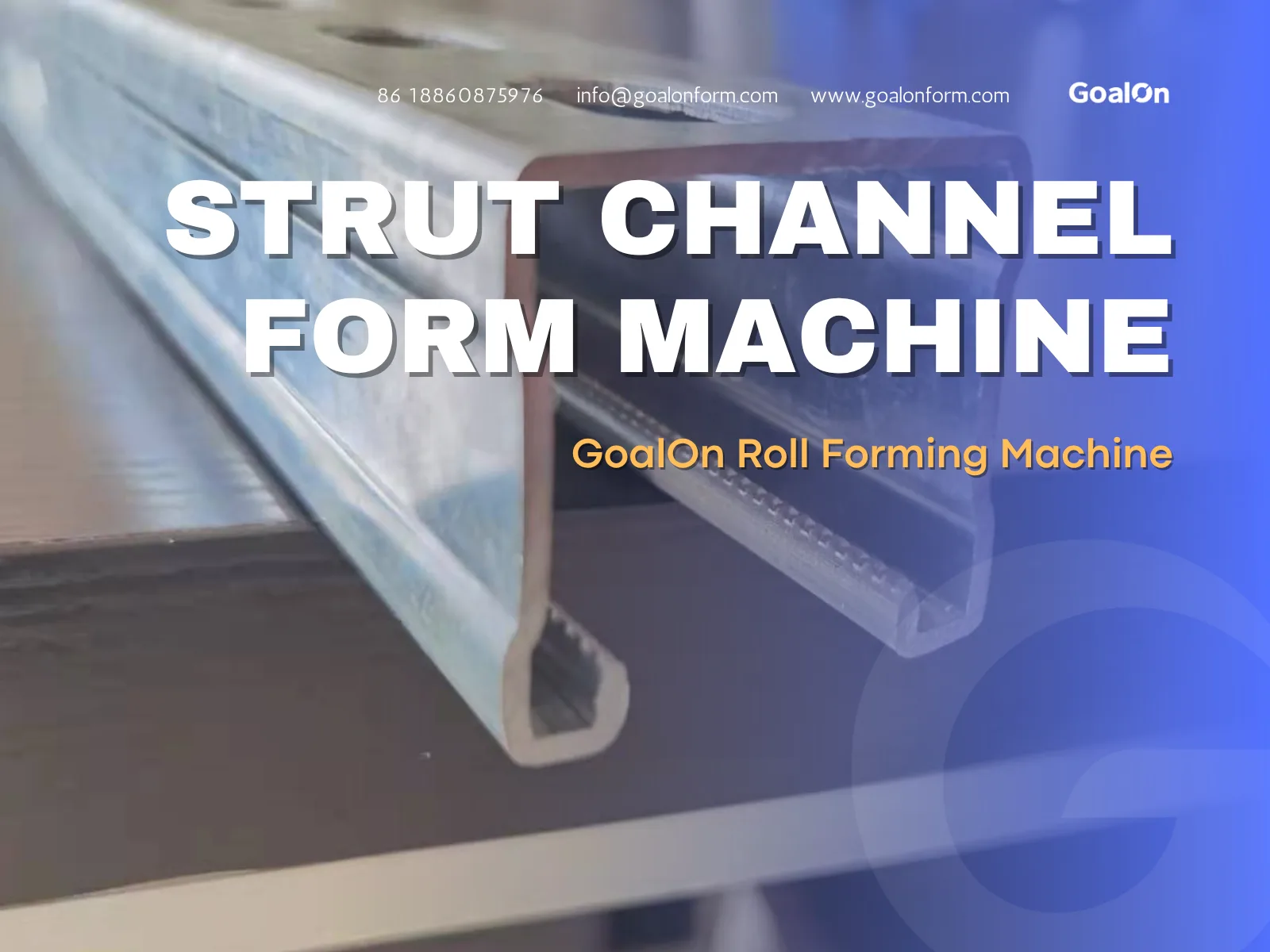
Another limitation is profile complexity. Simple U-channels or C-profiles can be curved more easily, while multi-bend sections or closed profiles are significantly more difficult to control.
Thickness also plays a role. Thin materials (0.3–1.5 mm) are easier to curve, while thick sections require higher force and more rigid machine structures.
Finally, production speed must often be reduced when curvature is introduced. This is due to the need for real-time adjustment and additional stress monitoring.
Industrial Applications of Straight vs Curved Profiles
Different industries prioritize different profile geometries based on functional requirements.
Straight roll-formed profiles dominate in:
- Building framing systems
- Solar mounting structures
- Storage rack beams
- Cable trays and conduits
These applications prioritize speed, cost efficiency, and standardized dimensions.
Curved profiles, on the other hand, are widely used in:
- Stadium roofing structures
- Airport terminals and architectural façades
- Transportation tunnels
- Decorative metal structures
Here, design flexibility and aesthetics are more important than mass production speed.
Understanding this distinction helps manufacturers choose the right production strategy and avoid unnecessary investment in overly complex systems.
How Manufacturers Should Choose the Right Process
From a production planning perspective, selecting between straight and curved roll forming depends on three key factors: volume, geometry complexity, and cost structure.
If the production involves high-volume standardized parts, a traditional straight-line cold roll forming machine remains the most efficient solution. It offers unmatched speed and repeatability.
If moderate curvature is required occasionally, post-forming bending systems are usually the most practical choice. They allow flexibility without changing the main production line.
For industries requiring continuous curved output, investment in flexible roll forming systems may be justified, although ROI must be carefully evaluated due to higher capital costs.
Manufacturers should also consider hybrid solutions. Many modern factories combine straight roll forming lines with secondary bending or CNC adjustment systems to achieve both efficiency and flexibility.
EEAT Perspective: Engineering Reliability and Real-World Practice
From an engineering standpoint, roll forming remains one of the most stable metal forming technologies due to its controlled deformation process and long-term tooling consistency.
Experienced machine designers emphasize that successful curved profile production depends less on force and more on precise stress distribution control. Even small adjustments in roller alignment or feeding tension can significantly affect final curvature accuracy.
In real factory environments, successful implementation usually requires:
- Skilled mechanical calibration
- Proper material selection (yield strength consistency)
- Accurate tooling design based on CAD simulation
- Stable servo control systems
This is why collaboration between machine manufacturers, engineers, and end users is essential in achieving reliable results.
Conclusion
Roll forming is fundamentally designed for straight-line production, but modern engineering has significantly expanded its capabilities. While straight profiles remain the most efficient and widely used output, curved profiles are absolutely achievable through post-forming bending, controlled deformation systems, or advanced flexible roll forming technologies.
The key takeaway is that roll forming is not limited to one geometry—it is a platform technology. Its real potential lies in how intelligently it is engineered and integrated into the production system.
For manufacturers, the best approach is not to ask whether roll forming can produce curved profiles, but rather which curvature method best fits their production volume, budget, and product complexity.