Introducción
In modern metal processing industries, tecnología de perfilado plays an essential role in producing high-strength metal profiles with excellent dimensional accuracy. From construction materials to storage systems and solar mounting structures, manufacturers rely on máquinas perfiladoras to produce long metal profiles efficiently and consistently.

Un buen diseño línea de perfilado allows companies to convert steel coils into finished profiles through a continuous and automated process. Compared with traditional stamping or bending methods, laminadoras conformadoras provide higher productivity, better material utilization, and more stable product quality.
For companies involved in construction, metal profile production, or machinery trading, investing in an advanced laminador can significantly improve production efficiency and long-term profitability.
In this guide, we will explain how roll forming works, the main components of a roll forming line, typical industrial applications, and important mantenimiento de perfiladoras practices that help ensure long service life.
What is Roll Forming?
Perfilado is a continuous metal forming process that gradually shapes flat metal coil into a specific profile by passing it through multiple roller stations.
Each forming station performs a small deformation step until the material reaches its final geometry. Because the deformation is progressive, the metal maintains good structural strength and surface quality.
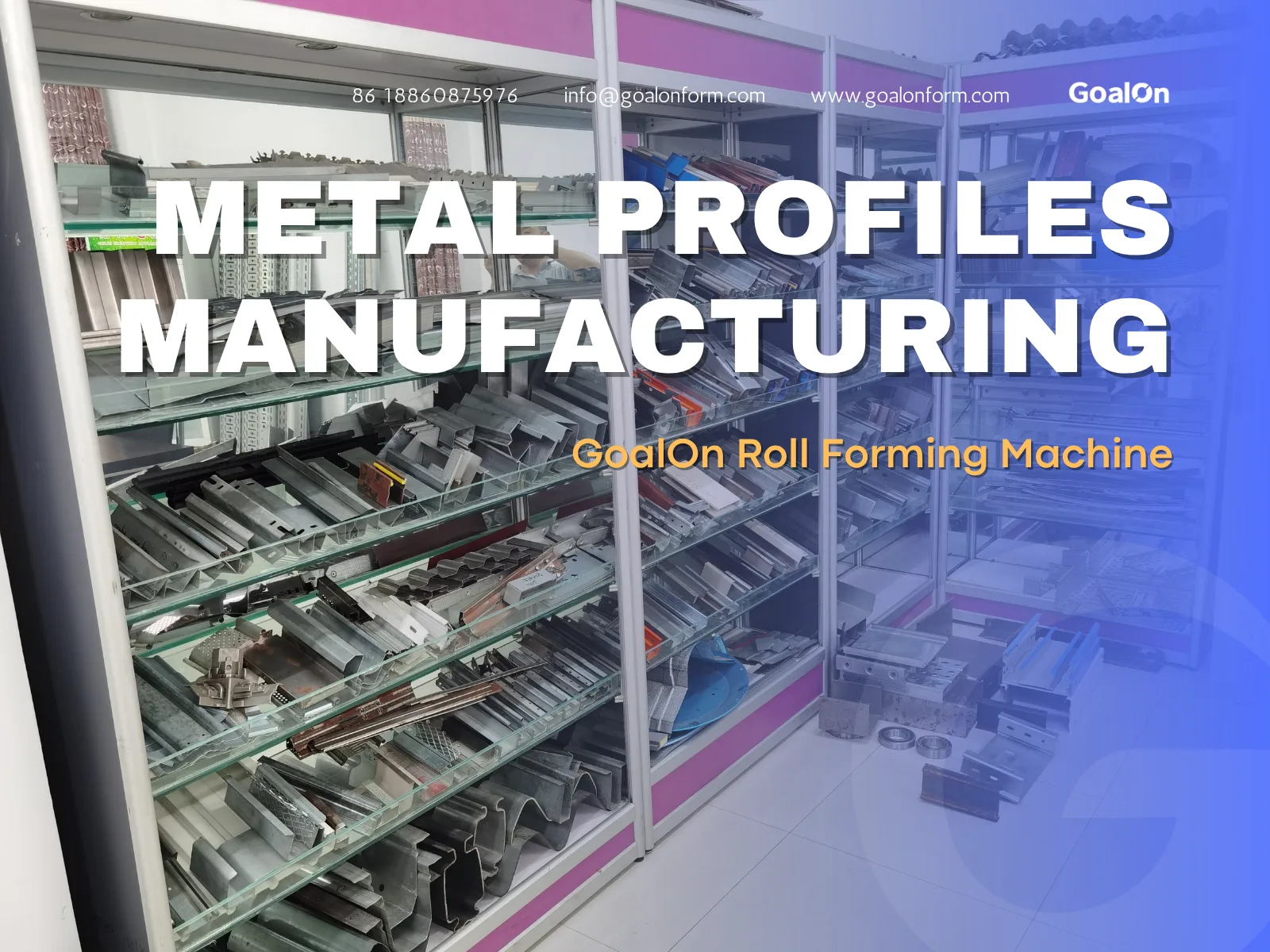
A typical máquina perfiladora can produce profiles such as:
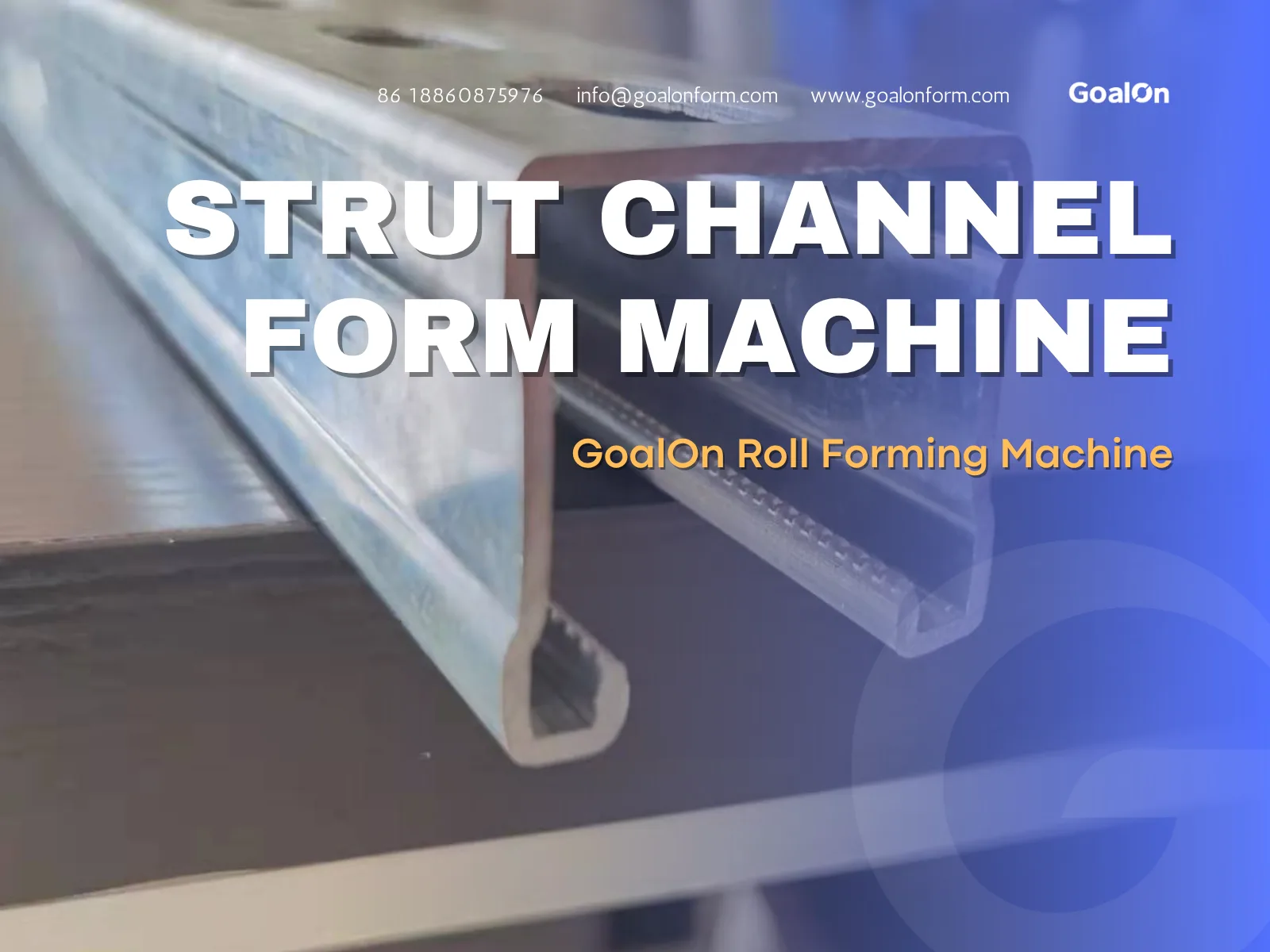
- Perfiles en C y en Z
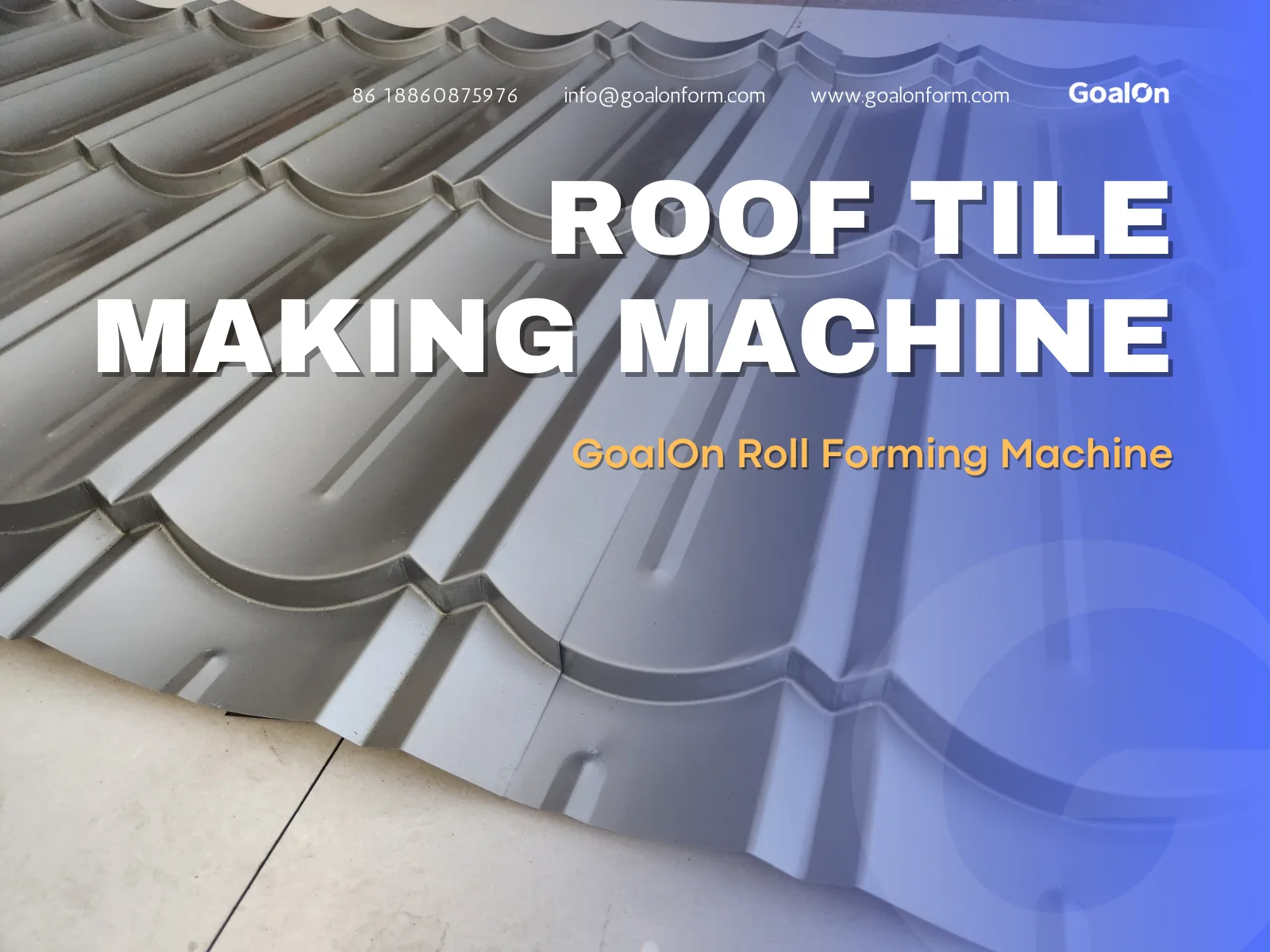
- roof and wall panels
- cable trays
- warehouse rack components
- solar mounting structures
- customized structural profiles
Compared with traditional press forming, líneas de perfilado offer several advantages:
- Continuous high-speed production
- Excelente consistencia dimensional
- Lower material waste
- Lower labor cost through automation
These advantages make laminadoras conformadoras one of the most efficient production technologies in modern metal fabrication.
Key Components of a Roll Forming Line
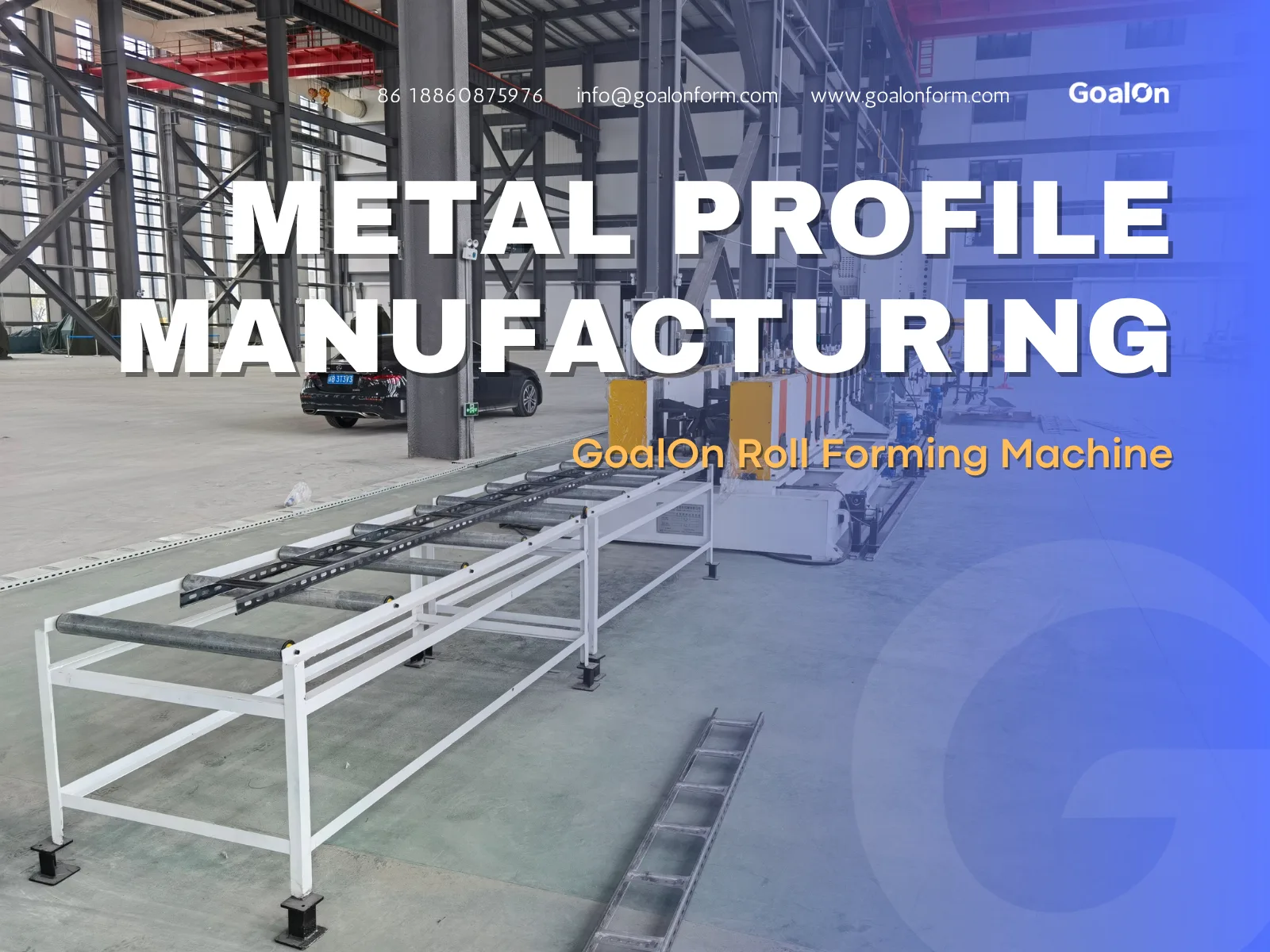
A complete línea de perfilado integrates several production modules that work together in a synchronized process.
Understanding these components helps manufacturers choose the right equipment for their production needs.
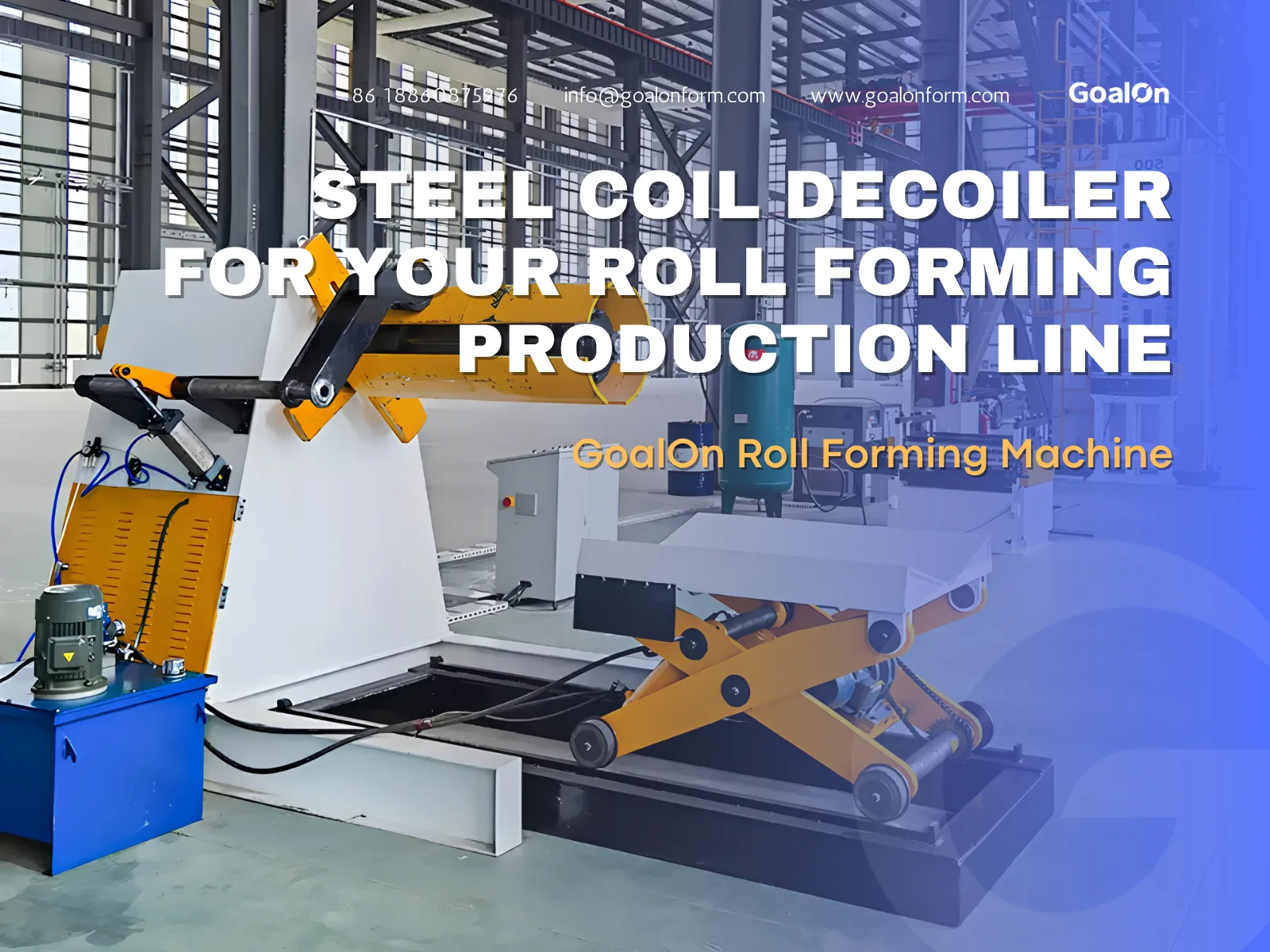
1. Decoiler and Coil Feeding System
Production begins with a metal coil. The decoiler supports and feeds the material into the roll forming machine at a controlled speed.
Modern decoilers can be configured as:
- manual decoilers
- hydraulic decoilers
- fully automatic coil loading systems
High-capacity models can support coils weighing up to 20 tons, ensuring long continuous production cycles.
Stable feeding is critical because it directly affects the accuracy of the entire roll forming process.
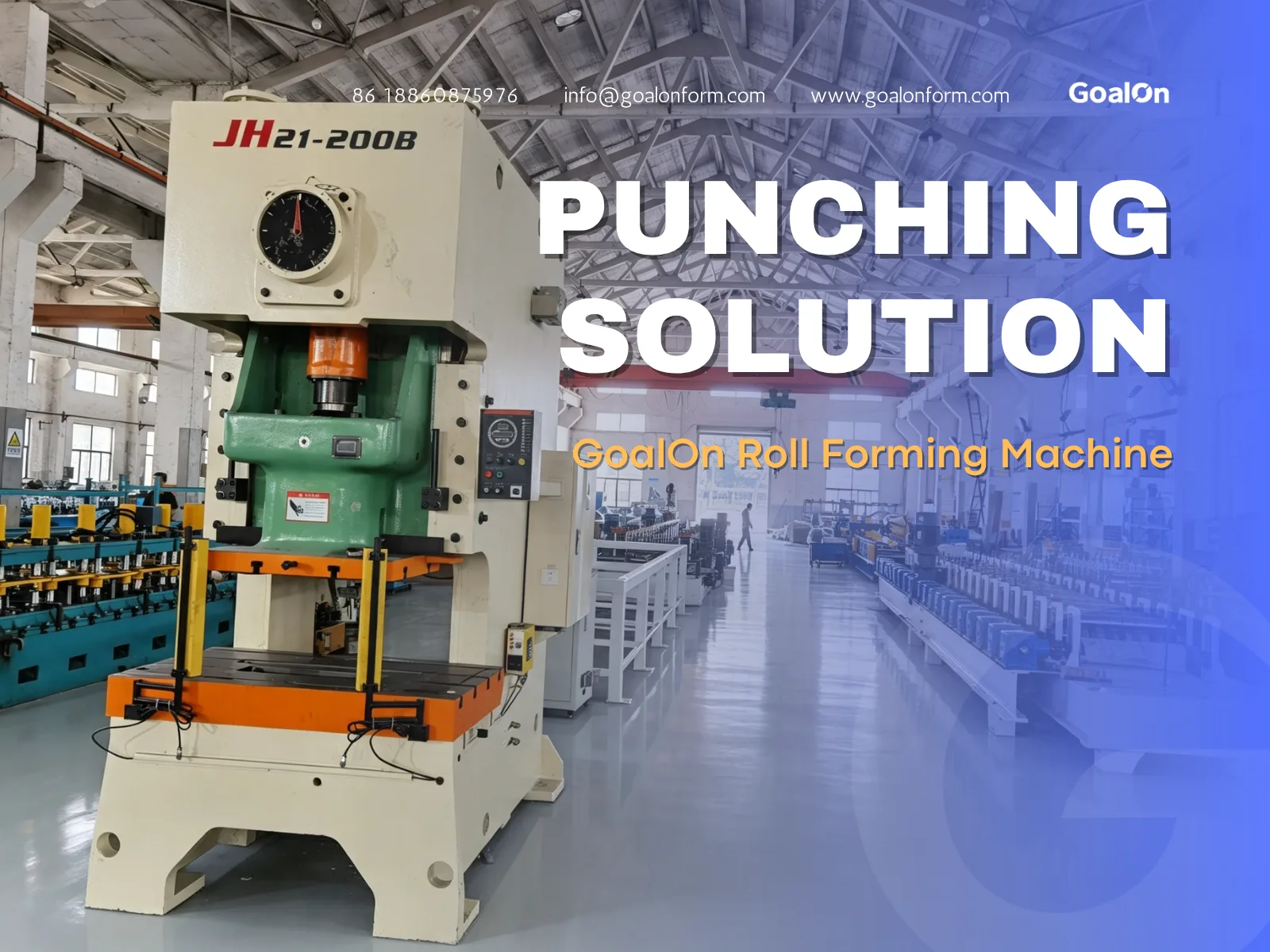
2. Punching or Pre-Processing Station
Many metal profiles require holes, slots, or mounting openings before forming. These operations are usually performed by a punching station integrated into the roll forming line.
Depending on production requirements, the punching unit may use:
- hydraulic punching systems
- mechanical presses
- servo controlled punching machines
A synchronized punching system ensures that holes remain accurately positioned even at high production speeds.
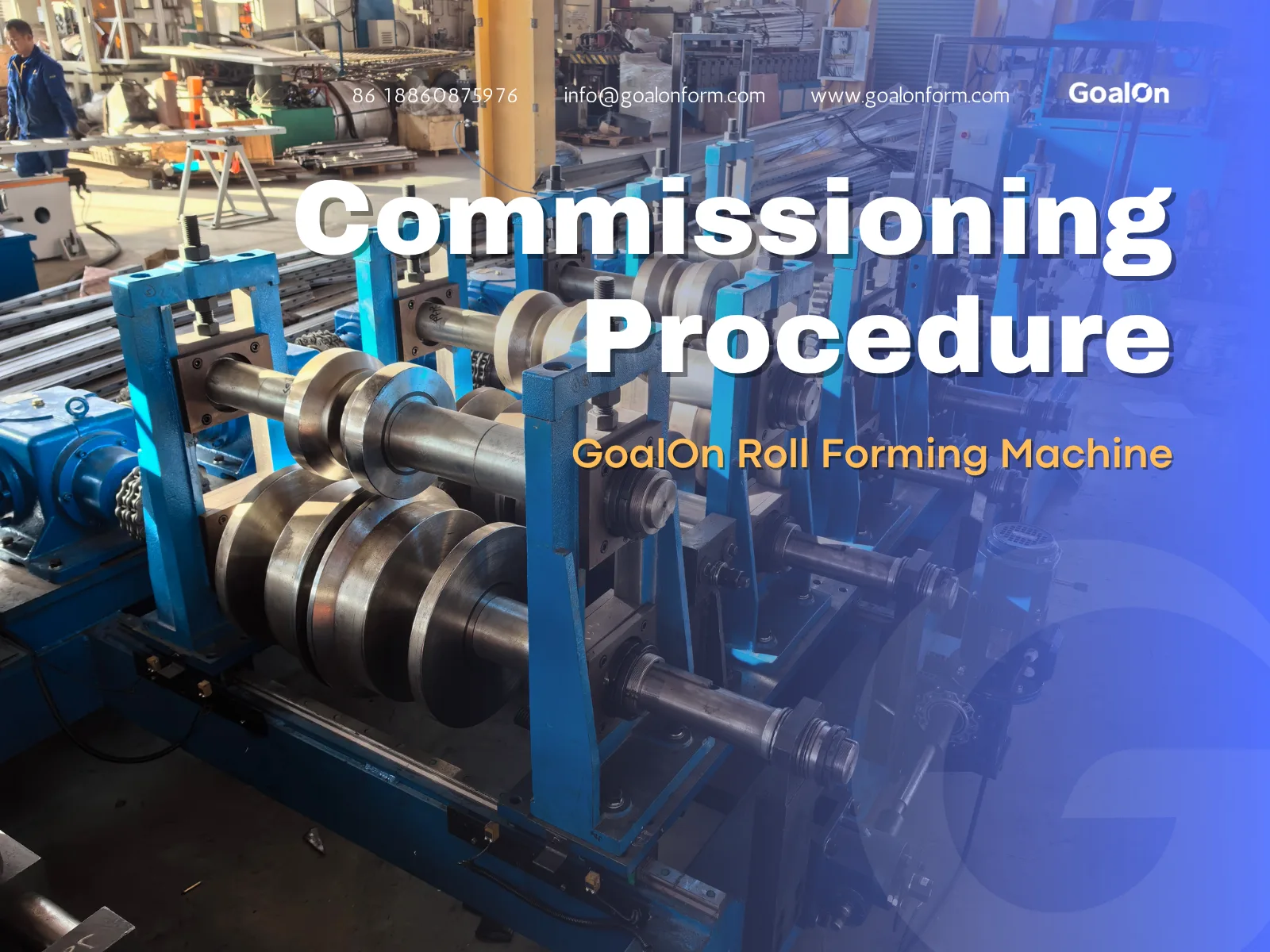
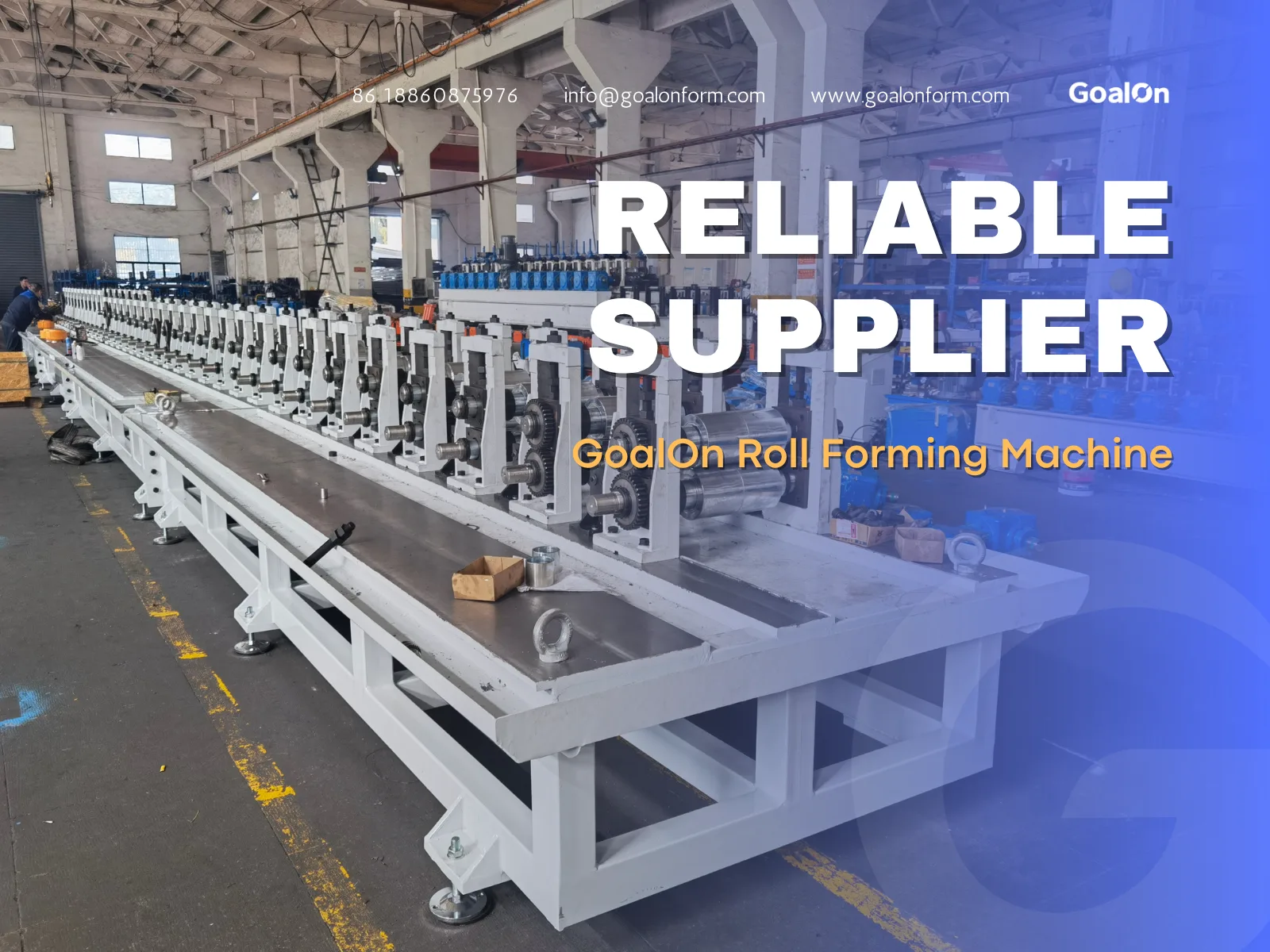
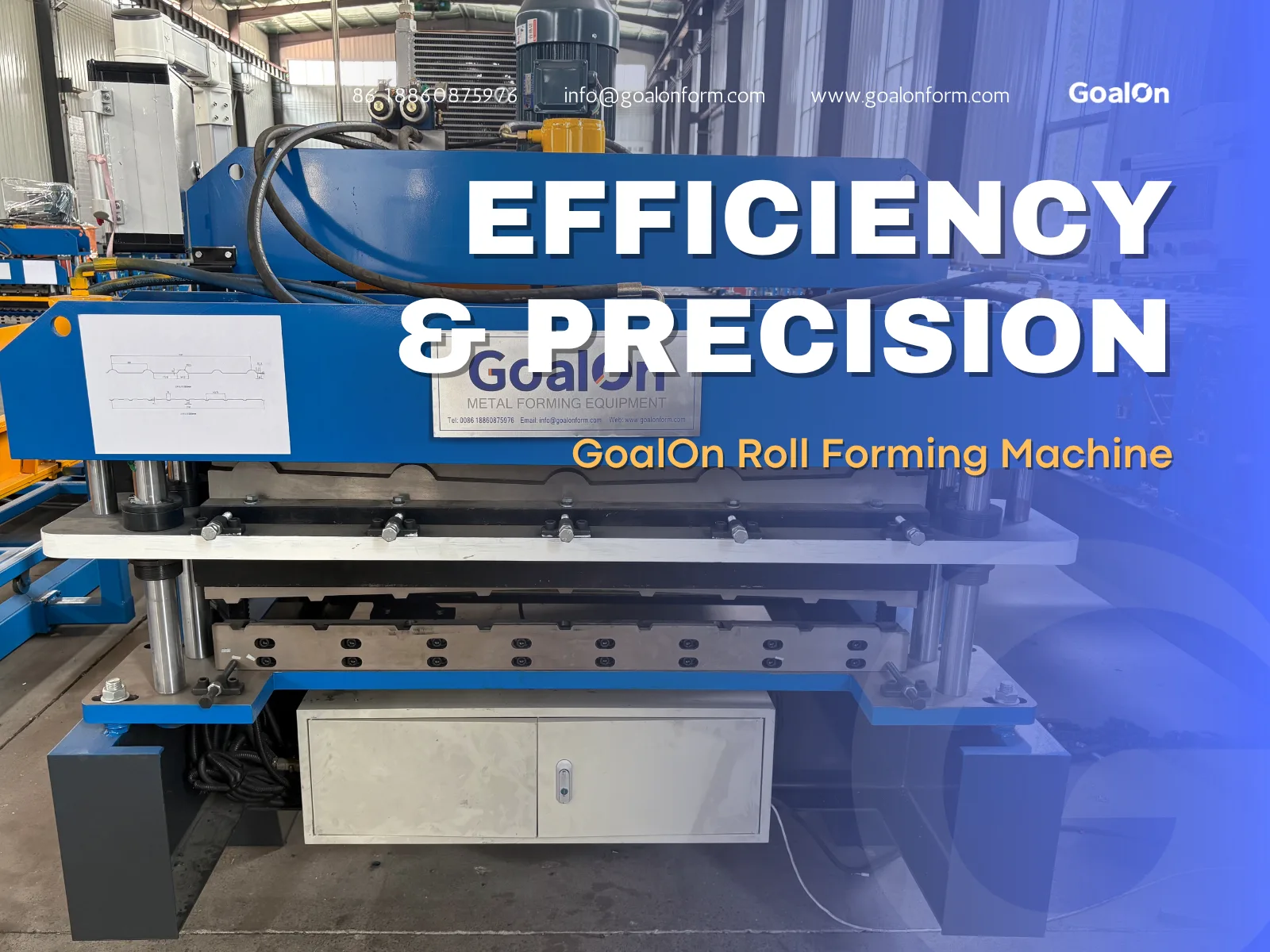
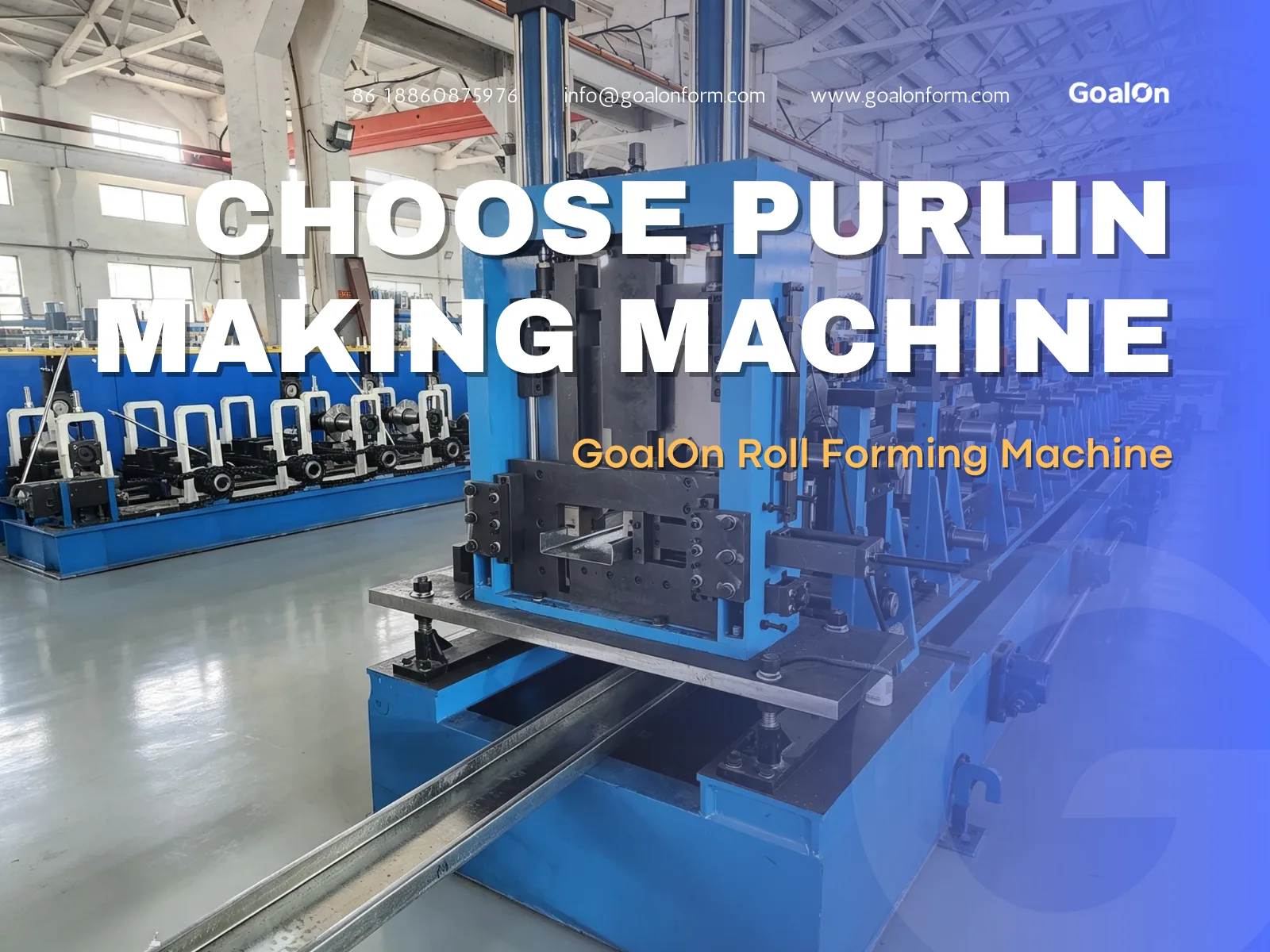
3. Roll Forming Machine
En máquina perfiladora is the core equipment of the entire production line.
It contains multiple forming stations where roller tools gradually shape the metal strip into the final profile.
Una alta calidad laminador typically includes:
- precision machined roller tools
- rigid machine frame structure
- stable transmission system
- adjustable forming stations
These design features ensure consistent profile dimensions and long machine service life.
For many manufacturers, the roll forming machine becomes the most important asset in their metal processing production line.
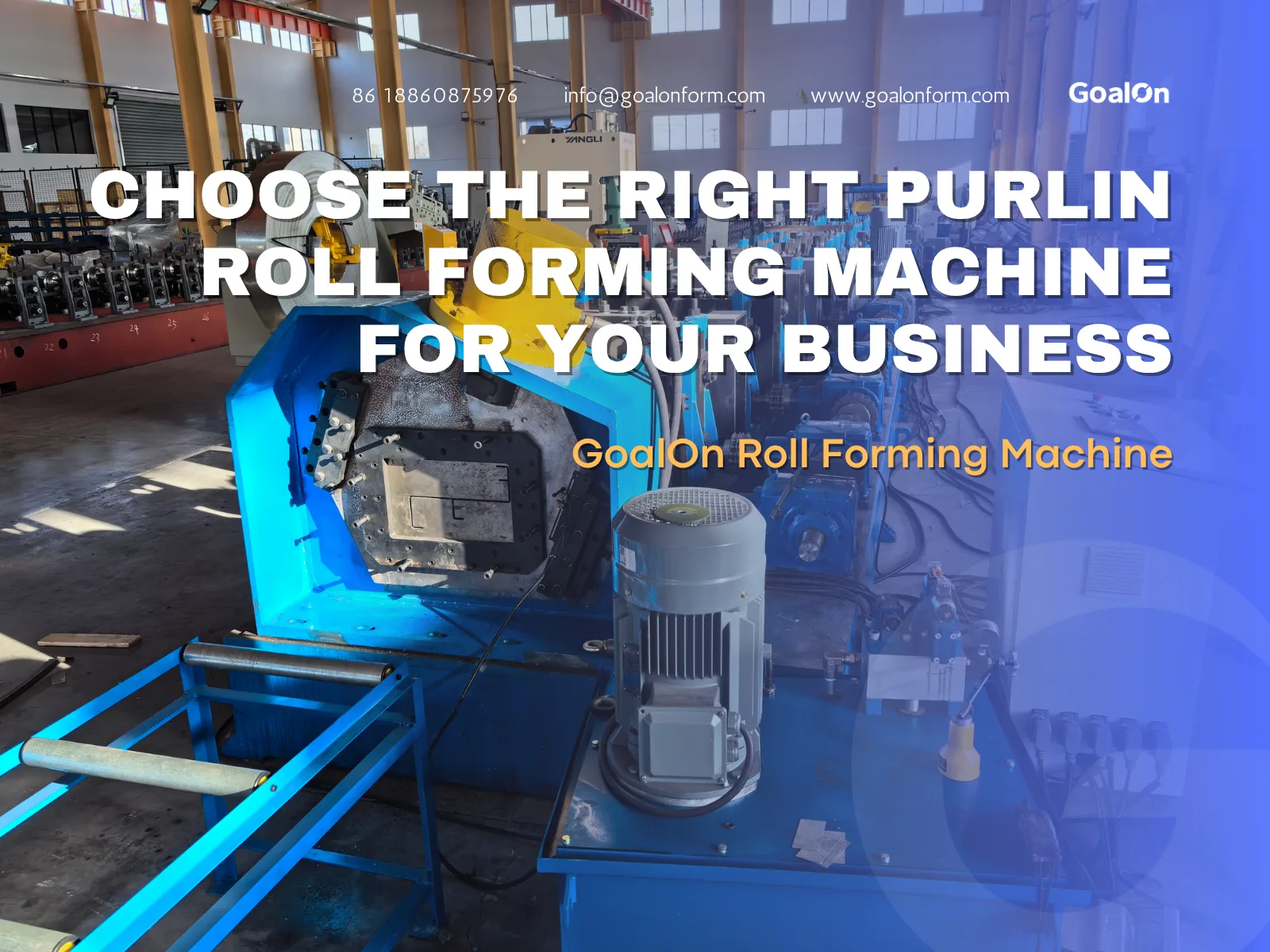
4. Cutting System
After the profile is formed, it must be cut to the required length. Cutting systems are normally designed based on production speed and profile type.
Common cutting options include:
- hydraulic stop cutting
- sistemas de corte en vuelo
- straight or angle cutting devices
Flying cutting systems are particularly suitable for high-speed líneas de perfilado because they allow cutting while the profile continues moving.
This design greatly improves overall production efficiency.
5. Product Discharge and Handling System
After cutting, the finished profiles are transferred to a discharge table or automatic stacking system.
Automatic unloading helps reduce labor requirements and improves production organization.
Depending on the production layout, roll forming lines can include:
- single-side discharge tables
- double-side unloading systems
- automatic stacking or palletizing units
These solutions help manufacturers manage high production volumes more efficiently.
Industrial Applications of Roll Forming Machines
Because of its flexibility and efficiency, tecnología de perfilado is widely used in many industries.
Some common application sectors include:
Sector de la construcción
Roll forming machines are widely used to produce:
- roof panels
- wall panels
- Perfiles en C y en Z
- steel framing components
These profiles are essential for modern steel structure buildings.
Sector de la energía solar
Solar mounting systems require large quantities of precision metal profiles. Líneas de perfilado provide an efficient method for producing these components with consistent quality.
Storage and Logistics Systems
Warehouse shelving and pallet racking systems require strong structural components such as rack uprights, beams, and support profiles.
These parts are typically manufactured using laminadoras conformadoras due to their high productivity and structural accuracy.
Transporte e infraestructuras
Road guardrails, metal barriers, and safety structures are also commonly produced using máquinas perfiladoras.
The continuous forming process ensures consistent strength along the entire profile length.
Roll Forming Machine Maintenance: Key Practices
To ensure long-term reliability and production efficiency, proper mantenimiento de perfiladoras is essential.
Regular maintenance helps prevent unexpected downtime and extends equipment service life.
Important maintenance practices include:
Roller Lubrication
Forming rollers and transmission components must be lubricated regularly to reduce friction and wear.
Alignment Inspection
Incorrect roller alignment can affect profile accuracy and increase tool wear. Periodic inspection ensures stable forming performance.
Hydraulic System Maintenance
Hydraulic cutting systems and punching units require regular oil inspection and filter replacement to maintain stable pressure.
Electrical and Control System Check
Operators should periodically check sensors, wiring, and control modules to ensure accurate machine operation.
With proper mantenimiento de perfiladoras, many production lines can operate continuously for more than 10 years.
Why Invest in an Advanced Roll Forming Machine?
For manufacturers and metal fabrication companies, investing in a high-quality máquina perfiladora offers significant long-term advantages.
Key benefits include:
- continuous automated production
- alta precisión dimensional
- reduced labor costs
- efficient material utilization
- flexible profile production
- stable long-term operation
These advantages allow companies to increase production capacity while maintaining competitive manufacturing costs.
For machine trading companies, supplying reliable líneas de perfilado also creates strong business opportunities in growing markets such as construction and renewable energy.
Choosing a Reliable Roll Forming Machine Manufacturer
When selecting a roll former supplier, companies should evaluate several important factors:
- machine design experience
- engineering capability
- customization options
- after-sales technical support
- spare parts availability
Working with an experienced manufacturer ensures that the roll forming line can meet production requirements and operate reliably for many years.
Conclusión
As demand for precision metal profiles continues to grow, tecnología de perfilado has become a key manufacturing solution across multiple industries.
Un buen diseño línea de perfilado combines automation, efficiency, and flexibility, allowing manufacturers to produce high-quality profiles at large production volumes.
For companies in construction, metal fabrication, and industrial equipment trading, investing in a reliable máquina perfiladora can significantly improve production capability and long-term profitability.
With proper mantenimiento de perfiladoras and professional technical support, these machines can deliver stable performance for many years.
Manufacturers looking to expand their production capacity should carefully evaluate modern laminadoras conformadoras and choose a supplier with strong engineering experience and industry knowledge.