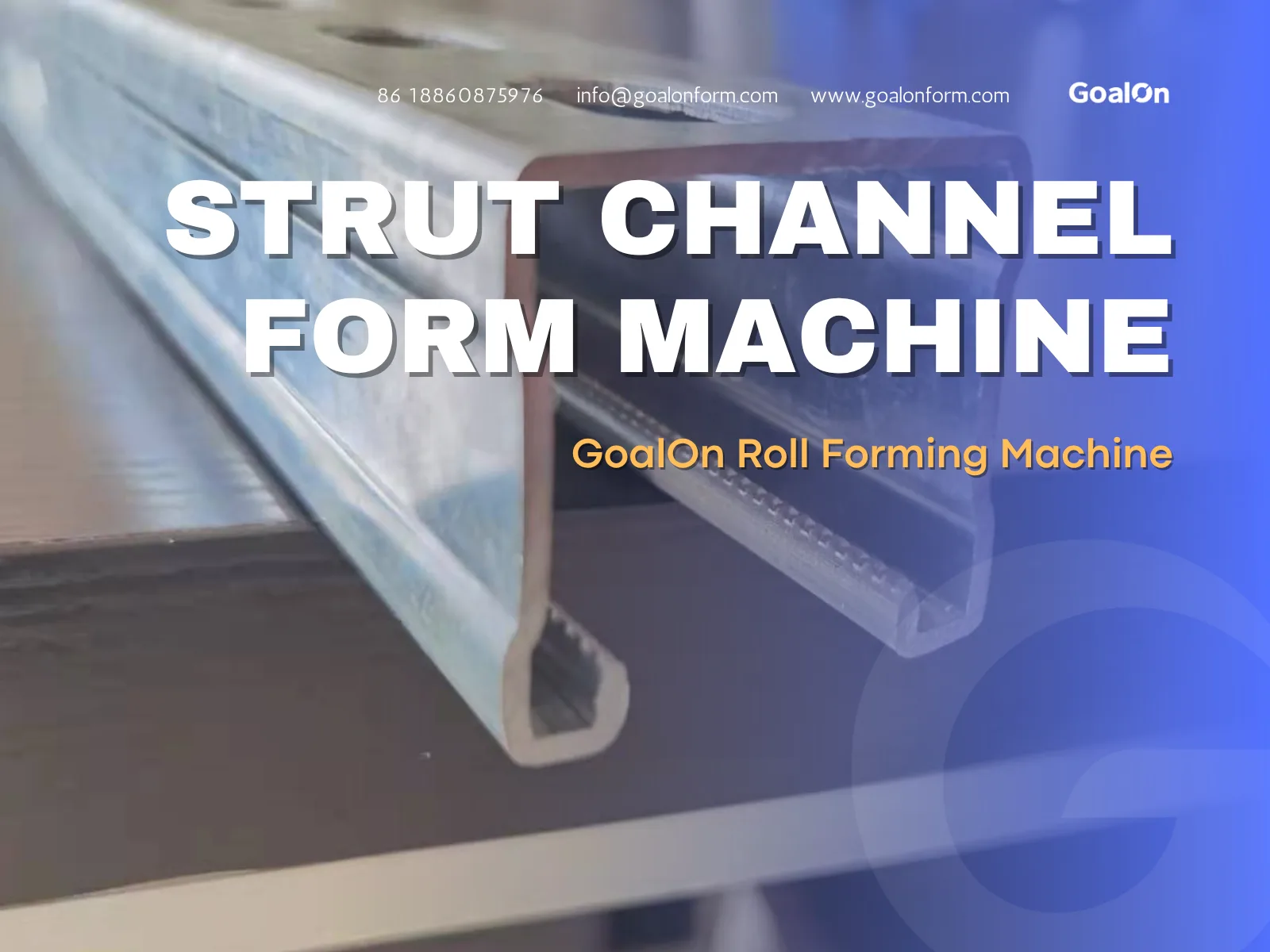
C-shaped steel profiles are among the most widely used structural components in modern industry. They can be found in steel buildings, warehouses, logistics systems, transportation equipment, solar mounting structures, and machinery manufacturing.
The ability to produce these profiles quickly and accurately depends on one essential piece of equipment: the C purlin roll forming machine.
At GoalOn Machinery, we have spent years designing and manufacturing roll forming equipment for customers worldwide. Through continuous innovation in mechanical design, automation, and tooling technology, modern C purlin production lines can now achieve higher precision, faster production speeds, and lower operating costs than ever before.
But how does a C purlin roll forming line actually work?
What happens to a steel coil before it becomes a finished C section profile?
This article explains the complete production process, the key machine modules, and the technologies that make modern C purlin manufacturing possible.
Understanding Cold Roll Forming Technology
Before discussing the machine itself, it is important to understand the manufacturing process behind it.
Cold roll forming is a continuous metal forming process that gradually bends flat steel strip into a desired profile shape through a series of roll forming stations.
Unlike hot rolling, the steel is processed at room temperature. No heating furnace is required.
The material passes through multiple sets of rollers. Each roller performs a small portion of the bending work. Instead of forcing the steel into shape in one step, the profile is formed gradually.
This process offers several advantages:
- دقت چندبعدی
- Excellent production efficiency
- Consistent profile quality
- Minimal material waste
- کاهش هزینههای تولید
- Improved structural strength
Because the steel is not exposed to high temperatures, its original mechanical properties remain largely unchanged.
This makes cold roll forming an ideal manufacturing method for producing structural C profiles used in construction and industrial applications.
What Is a C Purlin Roll Forming Machine?
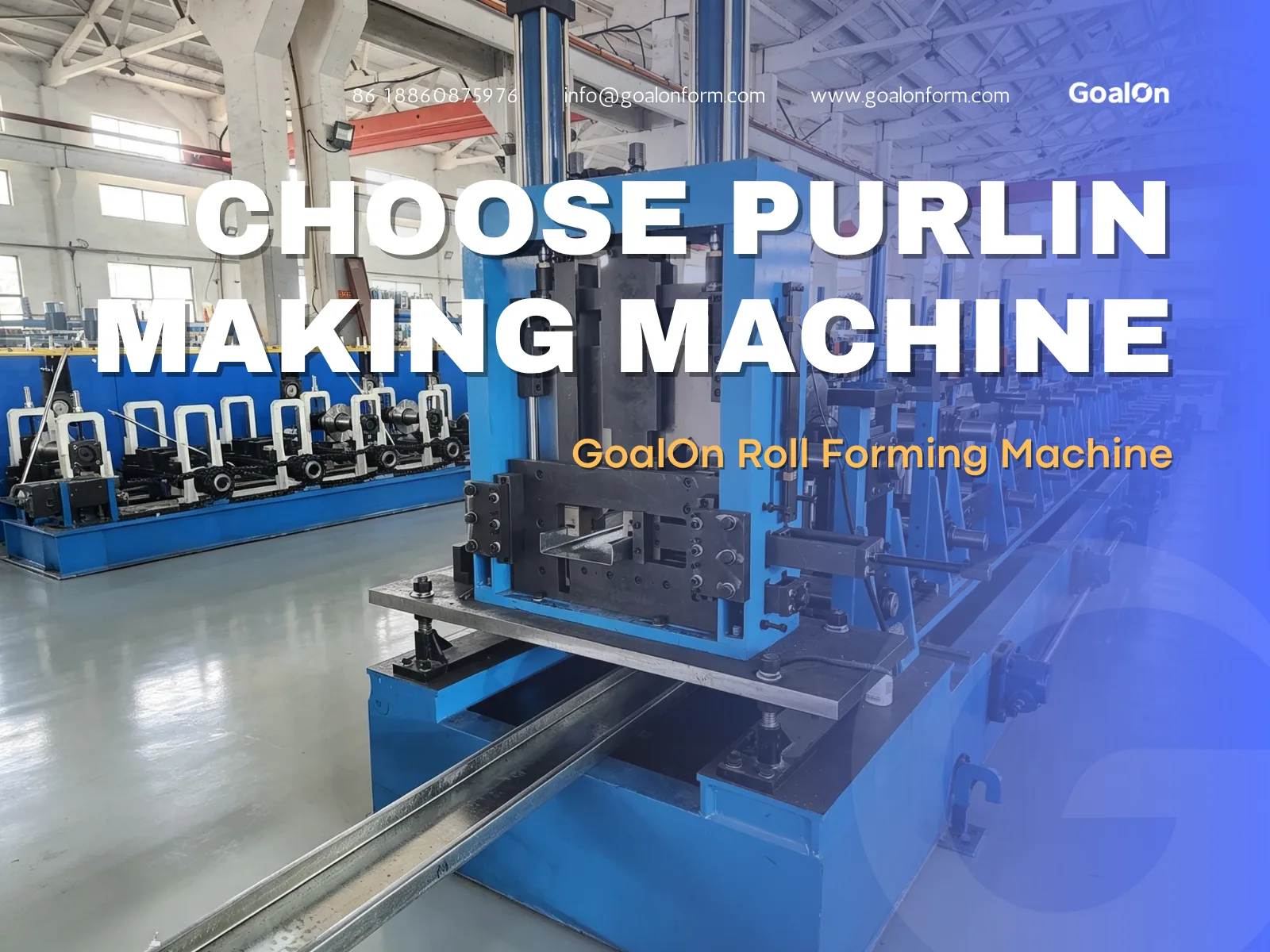
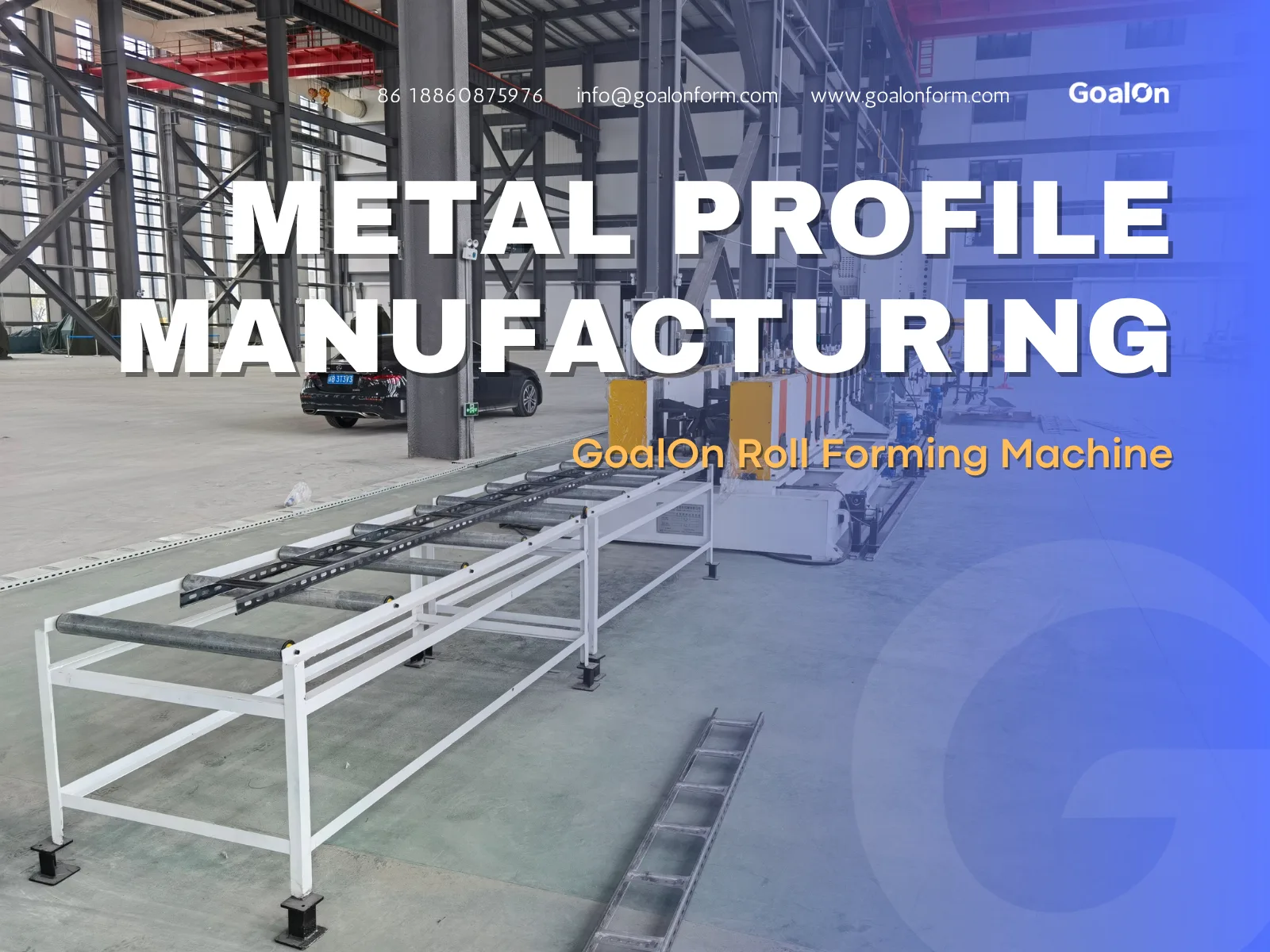
A C purlin roll forming machine is a specialized production line designed to convert steel coils into continuous C-shaped profiles.
The machine can produce:
- C purlins
- C channels
- Structural framing members
- Light gauge steel components
- Rack support members
- Solar mounting profiles
- Vehicle structural components
Depending on the application, the machine can process:
- فولاد گالوانیزه
- Black steel
- Pre-painted steel
- High-strength steel
- فولاد ضد زنگ
- آلومینیوم
Modern systems are capable of producing different profile sizes with automatic adjustment functions, reducing setup time significantly.
Main Components of a C Purlin Production Line
A complete C section roll forming machine generally consists of three primary production stages:
- Decoiling
- Roll Forming
- برش
Each stage plays a critical role in ensuring final product quality.
Stage 1: Decoiling – Preparing the Steel Coil
Every production cycle begins with a steel coil.
Since coils are tightly wound for transportation and storage, they must first be unwound before entering the forming section.
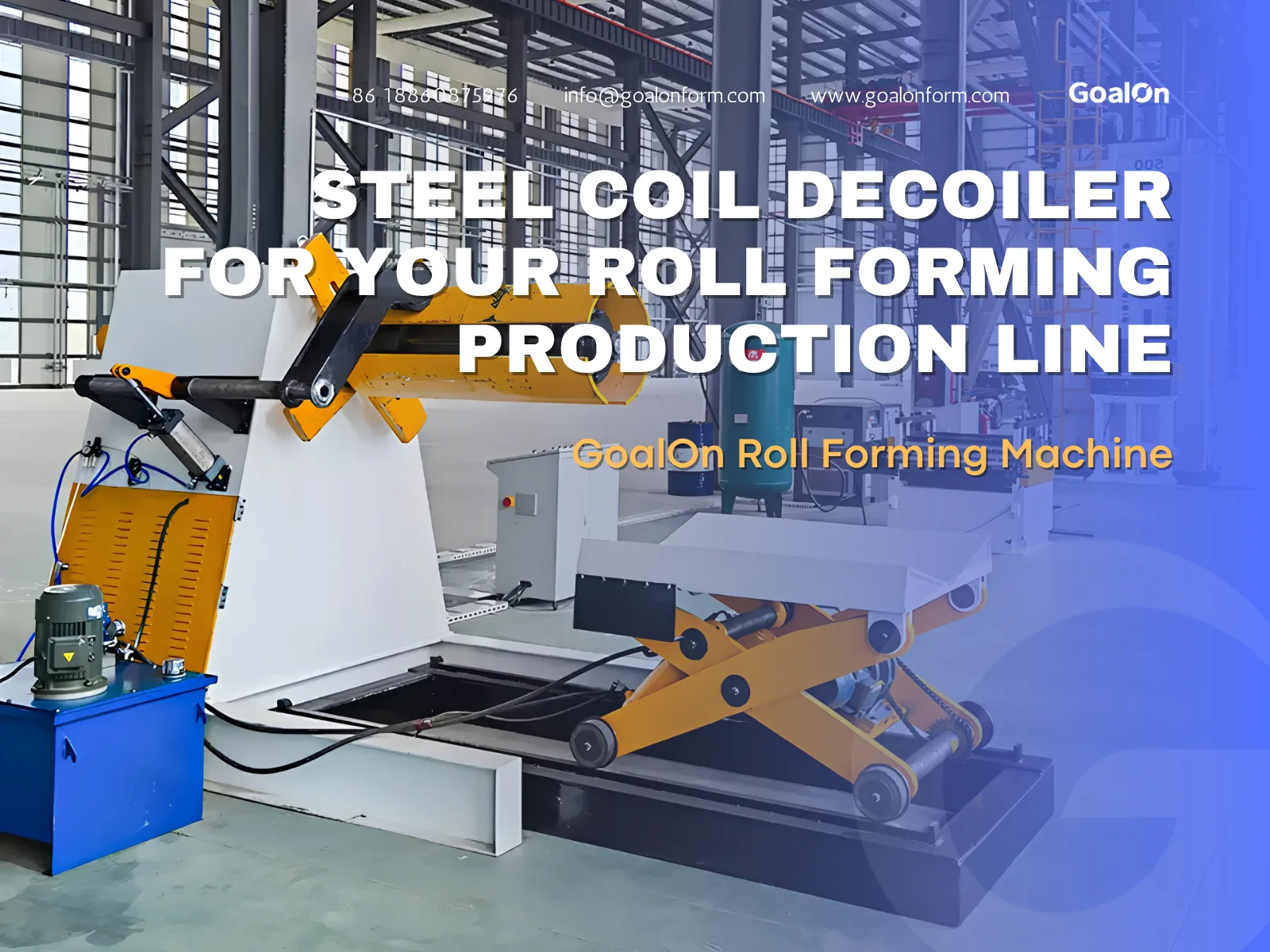
This task is handled by the decoiler.
Functions of the Decoiler
The decoiler performs several important functions:
- Supports the steel coil
- Unwinds the material smoothly
- Maintains stable feeding tension
- Prevents material damage
- Synchronizes feeding speed
Most industrial production lines use either:
- Manual decoilers
- Hydraulic decoilers
For higher productivity, hydraulic decoilers are typically preferred because they offer:
- Faster loading
- Better stability
- Automatic expansion
- کاهش نیاز به نیروی کار
Maintaining proper tension is especially important.
Excessive tension may stretch the material and affect profile dimensions. Insufficient tension may cause feeding instability and alignment problems.
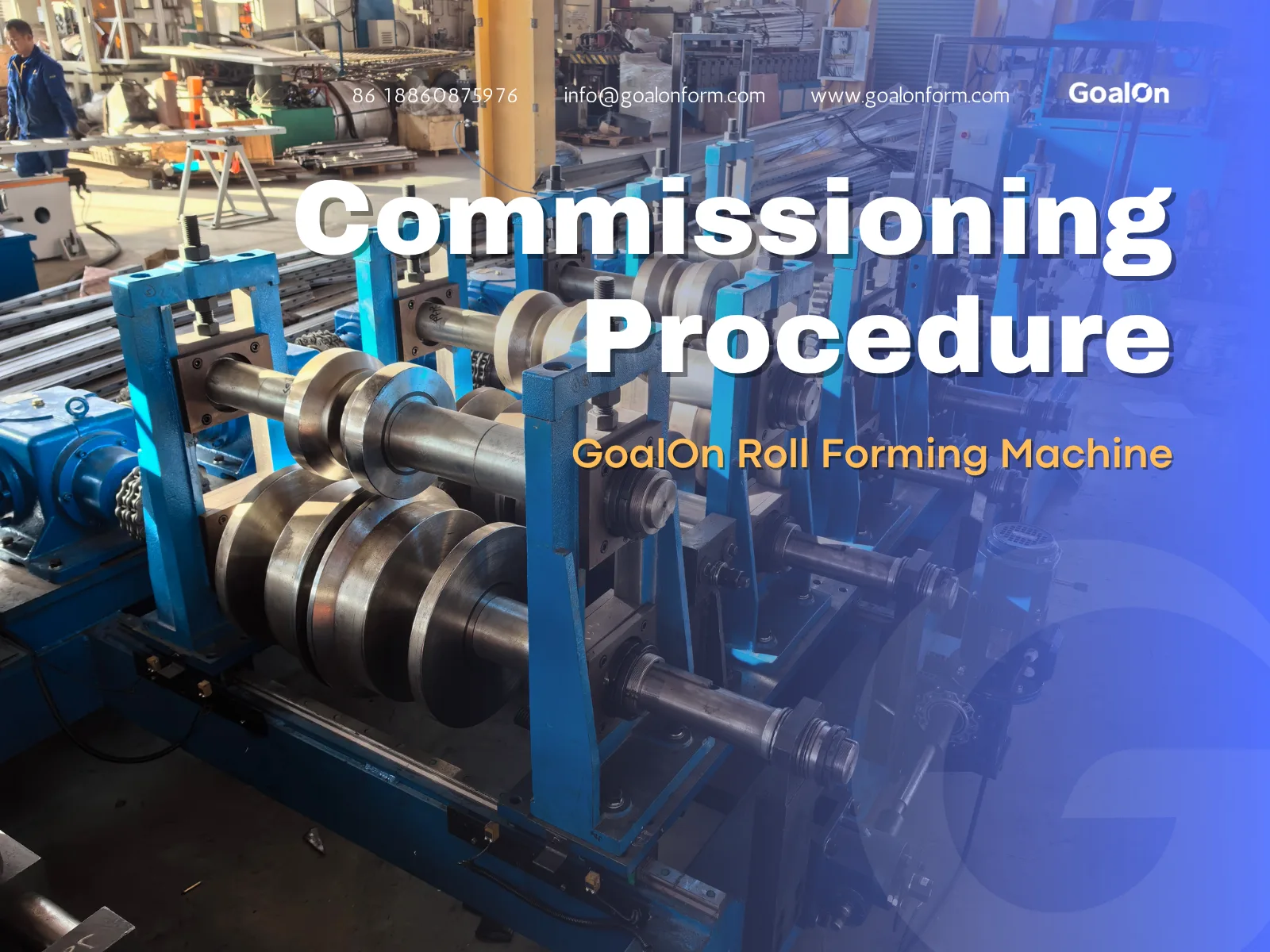
Stage 2: Roll Forming – The Core of the Production Line
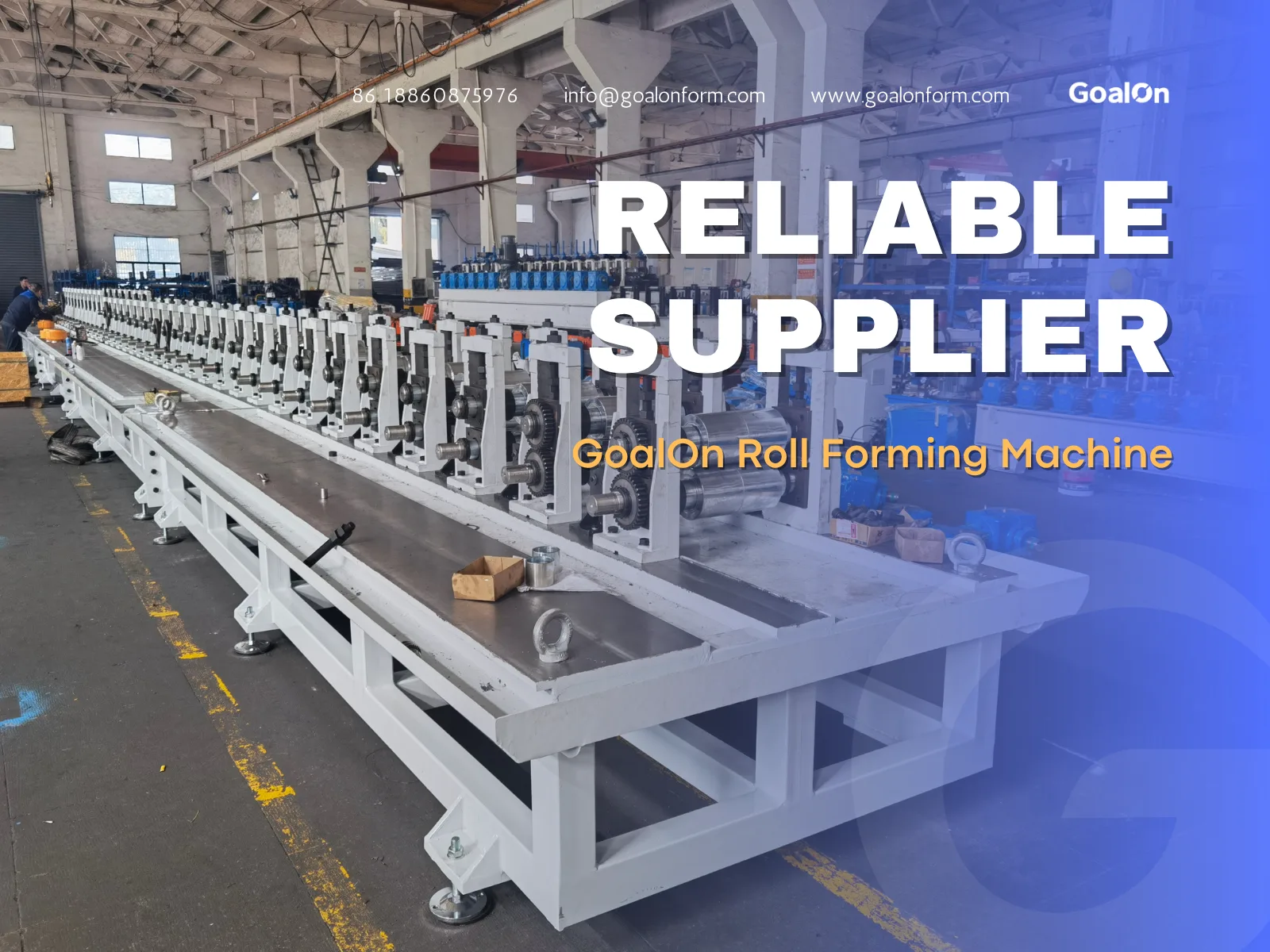
The roll forming section is the heart of the entire machine.
This is where the flat steel strip is transformed into a finished C profile.
Progressive Forming Principle
A common misconception is that the steel is bent into shape immediately.
In reality, the process is much more sophisticated.
Each roll forming station contributes a small amount of deformation.
For example:
- Station 1 performs initial edge bending.
- Station 2 increases the bend angle.
- Station 3 develops the profile geometry.
- Additional stations refine dimensions and accuracy.
This gradual approach prevents:
- Material cracking
- Surface defects
- Shape distortion
- Excessive internal stress
The result is a highly accurate profile with excellent consistency.
Why Roll Design Is So Important
One of the most critical factors affecting machine performance is roll tooling design.
The roller set determines:
- Product accuracy
- Surface quality
- سرعت تولید
- Material utilization
- دوام دستگاه
Professional roll designers use advanced software to calculate:
- Forming angles
- Material flow
- Springback compensation
- Stress distribution
Proper roll flower design helps prevent common production issues such as:
- Edge waves
- پیچاندن
- Bowing
- Corner cracking
A well-designed roller system can significantly improve both productivity and product quality.
Roll Material and Surface Treatment
Rollers operate under constant pressure and friction.
Their quality directly affects machine life.
High-end C purlin roll forming machines often use rollers manufactured from high-grade alloy steel.
To improve wear resistance, rollers may undergo:
- Heat treatment
- Hard chrome coating
- Nitriding treatment
- Surface polishing
Among these options, nitrided rollers provide excellent hardness and long service life while maintaining dimensional stability.
This is particularly important when processing high-strength steel materials.
Stage 3: Cutting – Producing Finished Lengths
After the profile is formed, it must be cut into specific lengths.
The cutting system performs this task automatically.
Modern production lines typically use:
Hydraulic Flying Cut-Off Systems
A flying cut-off system moves together with the profile during cutting.
Benefits include:
- Continuous production
- No machine stopping
- Higher production speed
- Better cut quality
Servo Tracking Cut-Off Systems
Servo tracking technology provides even higher precision.
مزایا عبارتند از:
- Accurate length control
- Faster response
- Reduced cutting errors
- Improved efficiency
Depending on the application, cutting accuracy can typically reach ±0.5 mm or better.
Automation and Intelligent Control Systems
The biggest transformation in roll forming technology over the last decade has been automation.
Traditional production lines required extensive manual adjustments.
Operators needed to:
- Adjust rollers manually
- Modify machine settings
- Control production speeds
- Verify dimensions frequently
This process was time-consuming and heavily dependent on operator experience.
Modern machines use advanced سیستمهای کنترل PLC, servo motors, and touch-screen interfaces.
Operators simply enter production parameters, and the machine automatically performs:
- Position adjustments
- همگامسازی سرعت
- Length settings
- Production monitoring
This dramatically improves productivity and reduces setup time.
In many cases, machine changeover time can be reduced by more than 80%.
Vision Inspection and Smart Manufacturing
As Industry 4.0 continues to develop, more manufacturers are integrating intelligent monitoring systems into roll forming lines.
Advanced systems may include:
- Laser measurement devices
- Vision inspection systems
- Automatic quality monitoring
- Production data collection
These technologies allow real-time detection of:
- Dimensional deviations
- Surface defects
- Material feeding issues
- Production abnormalities
When a problem occurs, the system can immediately alert operators and reduce material waste.
Some highly automated factories can maintain scrap rates below 0.1%.
Applications of C Purlin Roll Forming Machines
The demand for C profiles continues to grow across multiple industries.
Construction Industry
Construction remains the largest market.
Applications include:
- Steel structure buildings
- Warehouses
- Industrial workshops
- سیستمهای اسکلت فولادی سبک
- Roof support systems
- Wall support systems
Because C purlins offer an excellent strength-to-weight ratio, they are widely used as primary structural members.
Transportation Industry
Vehicle manufacturers increasingly use cold-formed profiles to reduce weight.
Applications include:
- Truck body frames
- Trailer structures
- Vehicle reinforcement members
- Logistics equipment
Reducing weight improves fuel efficiency and overall vehicle performance.
Solar Energy Industry
The rapid growth of renewable energy has created strong demand for roll-formed steel profiles.
Applications include:
- سازههای نصب خورشیدی
- Ground support systems
- Tracking system components
These applications require profiles with excellent dimensional consistency and corrosion resistance.
Agriculture Industry
Agricultural facilities are also adopting roll-formed steel structures.
Examples include:
- Greenhouse frames
- Livestock housing
- Fencing systems
- Storage facilities
Compared with traditional welded structures, roll-formed components offer lower production costs and faster installation.
چگونه دستگاه رولفرمینگ ناودان C مناسب را انتخاب کنیم
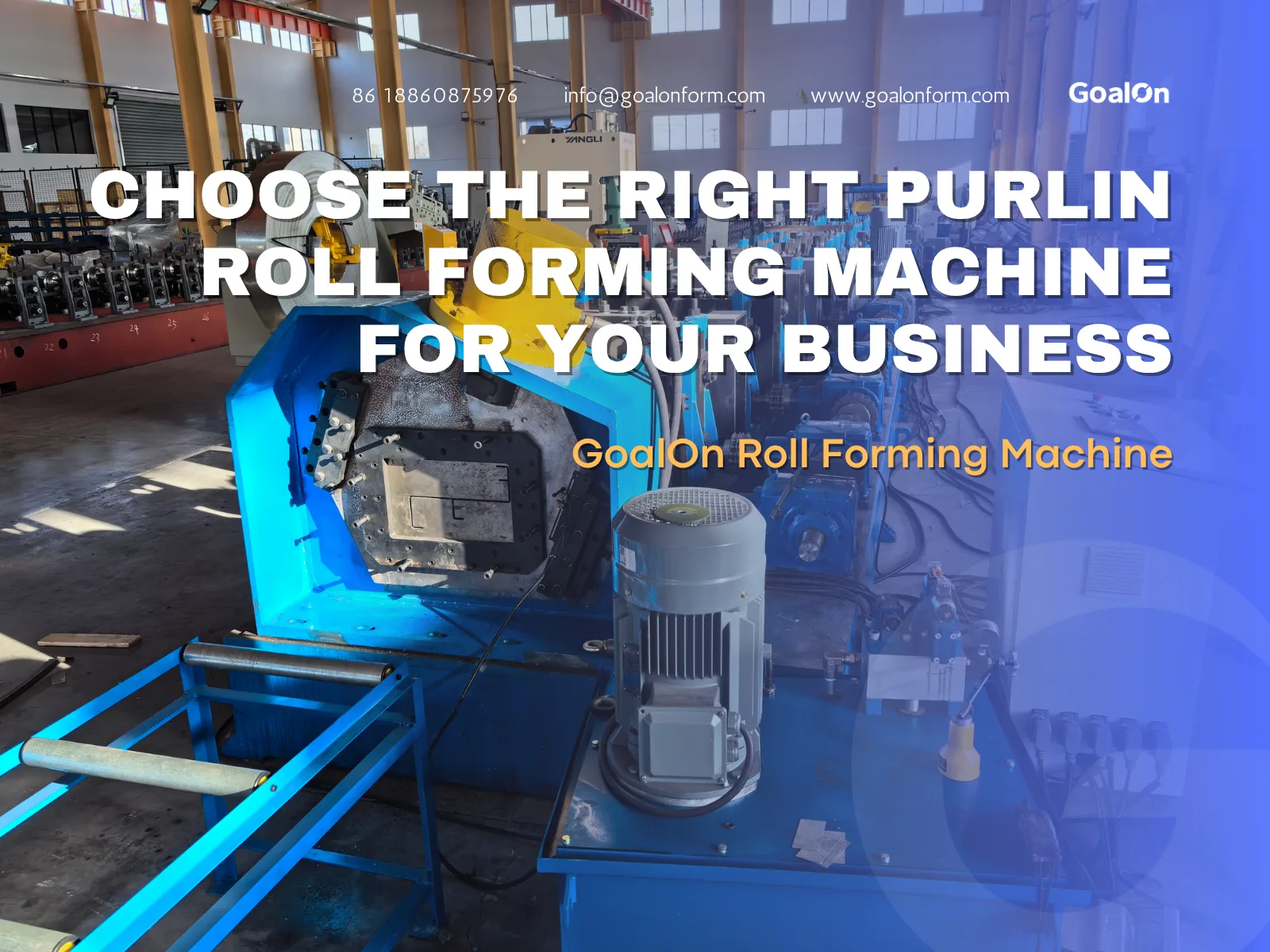
Selecting the correct machine requires careful evaluation of production requirements.
Important factors include:
Material Thickness Range
The machine must match the intended material specifications.
Profile Dimensions
Profile size directly affects machine design and roller configuration.
سرعت تولید
Higher production speeds increase output but require more advanced engineering.
سطح اتوماسیون
Automated systems reduce labor costs and improve consistency.
Future Expansion
Consider whether future products may require additional profile sizes or configurations.
A machine designed with flexibility can provide greater long-term value.
The Future of C Purlin Manufacturing
Manufacturing technology continues to evolve.
Future C purlin roll forming lines will increasingly incorporate:
- Full servo automation
- AI-assisted process optimization
- Digital production management
- تشخیص از راه دور
- Predictive maintenance
- یکپارچهسازی کارخانه هوشمند
These developments will further improve efficiency, quality, and production flexibility.
As industries pursue lighter structures, faster construction methods, and sustainable manufacturing practices, roll forming technology will remain a critical production solution.
نتیجهگیری
The journey from a steel coil to a finished C profile may appear simple, but it relies on highly sophisticated engineering.
یک مدرن C purlin roll forming machine combines precision mechanical design, advanced roll tooling, intelligent automation, and high-speed cutting technology to produce structural profiles with exceptional consistency.
From construction and transportation to solar energy and agriculture, C-shaped steel sections play a vital role in modern infrastructure.
As technology continues to advance, the C purlin production line will become even more intelligent, efficient, and versatile. For manufacturers seeking high productivity and reliable profile quality, investing in a well-designed roll forming solution remains one of the most effective ways to achieve long-term competitive advantages.