L'achat d'une ligne de profilage peut sembler une tâche intimidante, en particulier pour les fabricants qui se lancent pour la première fois dans la production de profilés métalliques. De nombreux acheteurs novices s'inquiètent du processus d'assemblage : “ Aurai-je besoin d'ingénieurs spécialisés ? »
” Combien de temps faudra-t-il pour que la chaîne de production fonctionne efficacement ? » J'ai travaillé pendant des années en tant qu'ingénieur et responsable des achats dans le secteur du profilage, et je souhaite vous donner un aperçu clair et concret de ce qu'implique le montage d'une machine de profilage et de la manière de s'y préparer.
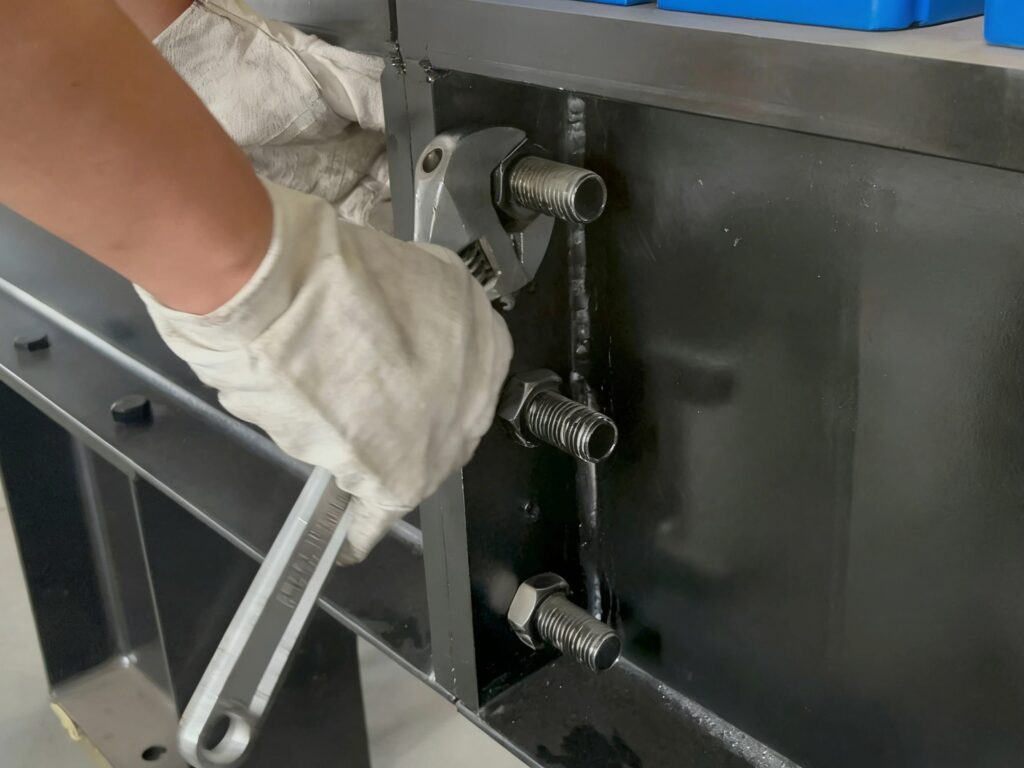
Comprendre les composants d'une ligne de profilage
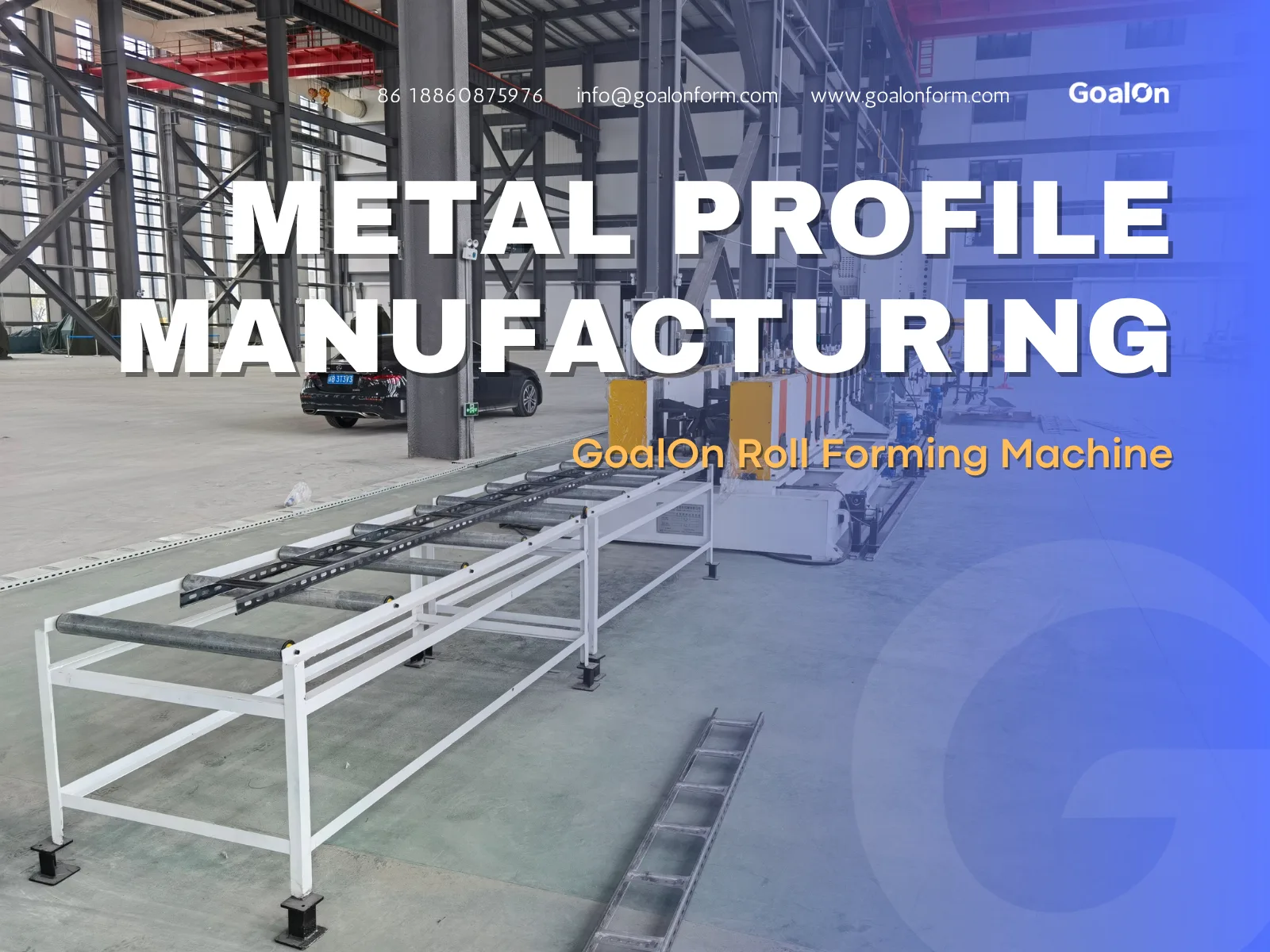
Une ligne de profilage n'est pas une machine unique, mais un système de modules interconnectés qui fonctionnent ensemble pour façonner des profilés métalliques avec précision et efficacité. Il est essentiel de bien comprendre le fonctionnement de chaque module avant d'évaluer la difficulté de montage.
- Dérouleur (débobineur)
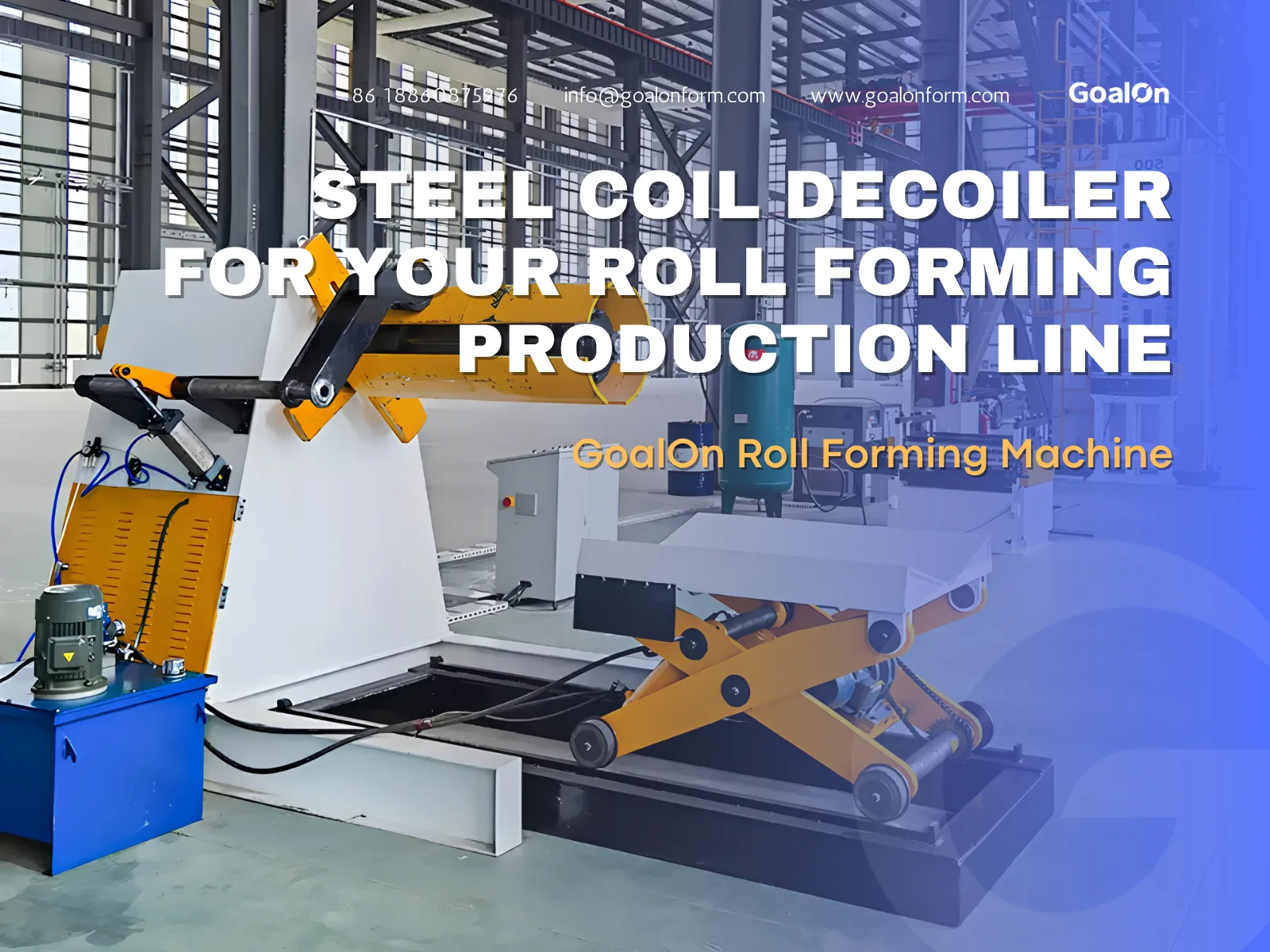
Le dérouleur maintient la bobine de métal et l'achemine vers la ligne de production. L'installation nécessite de s'assurer que le mécanisme de déroulement hydraulique ou mécanique est correctement aligné et solidement fixé. Le diamètre de la bobine, son poids et la taille de son mandrin influent sur le degré de complexité de la mise en place.
- Aligneur / Alimentateur
La planeuse aplatit la bande à l'entrée afin d'éviter tout défaut lors du formage. L'installation et le réglage d'une planeuse exigent une grande précision, car même un léger désalignement peut entraîner une déformation du matériau ou nuire à la qualité de la production.
- Système de poinçonnage / d'encochage
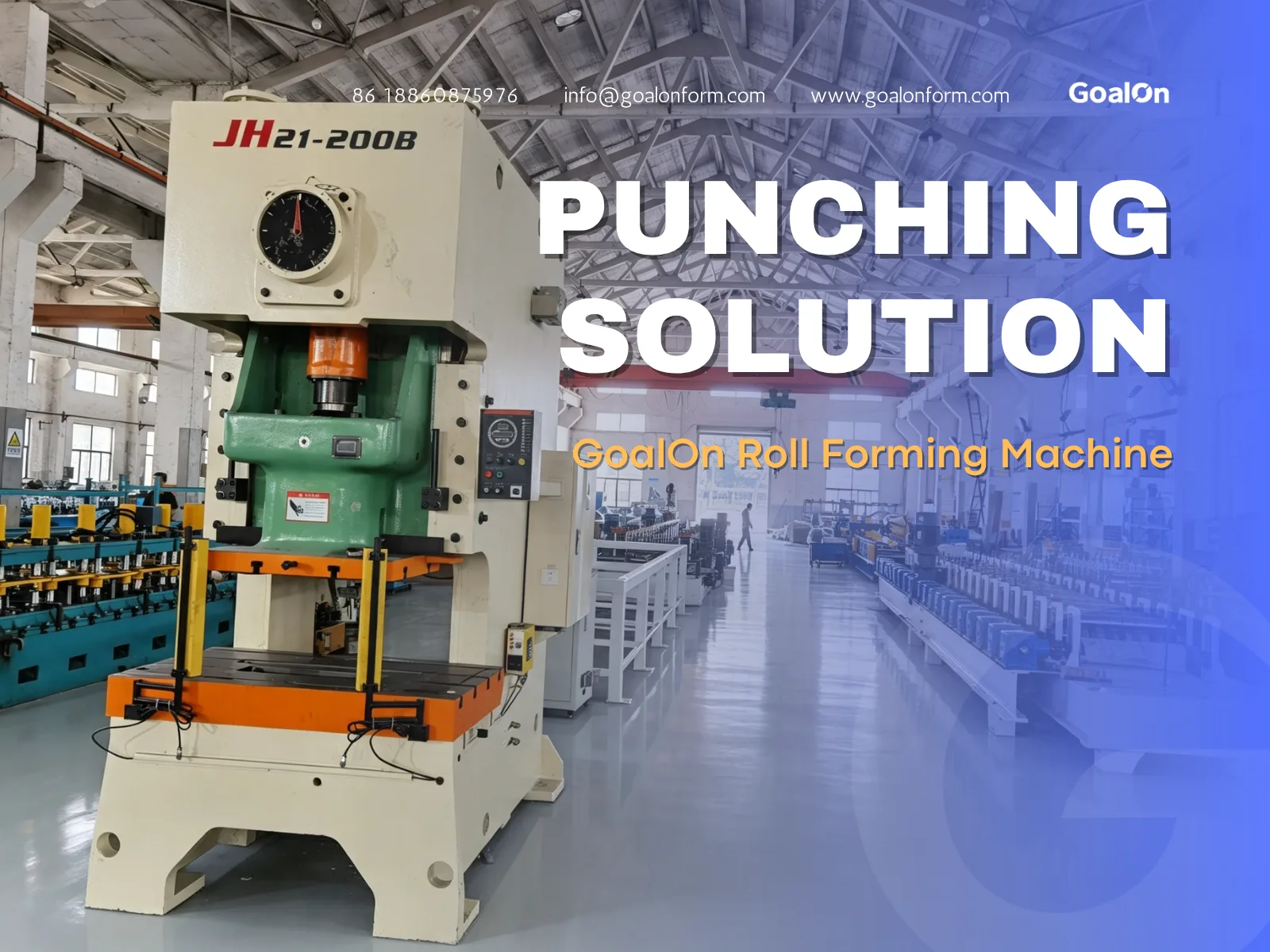
Si votre ligne de profilage comprend des opérations de poinçonnage ou d'encochage, ces systèmes nécessitent un positionnement précis. Le module doit être synchronisé avec la vitesse de la ligne, et tout désalignement lors du montage peut compromettre la précision des trous et l'intégrité du profilé.
- Machine de profilage (section de formage principale)
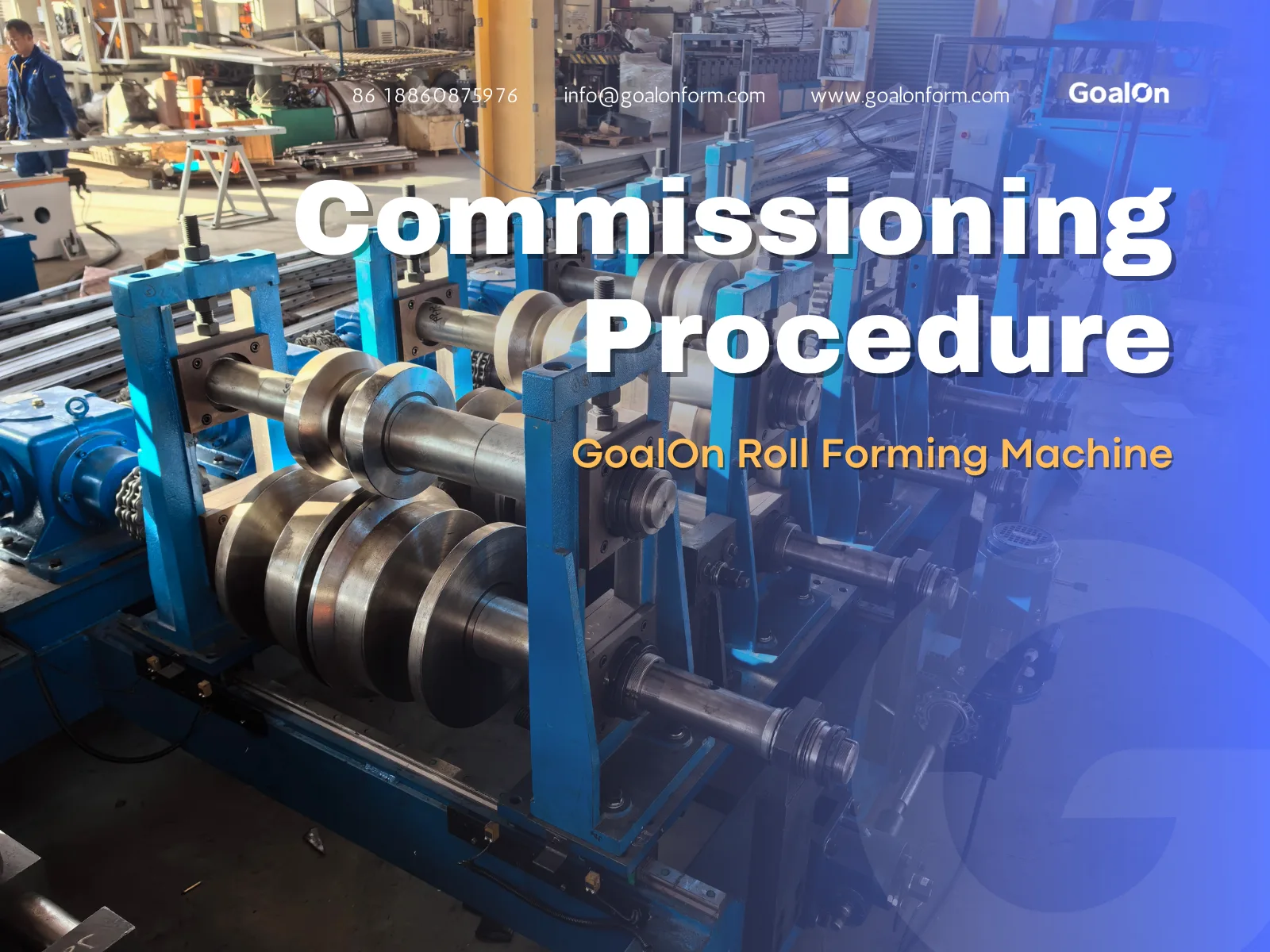
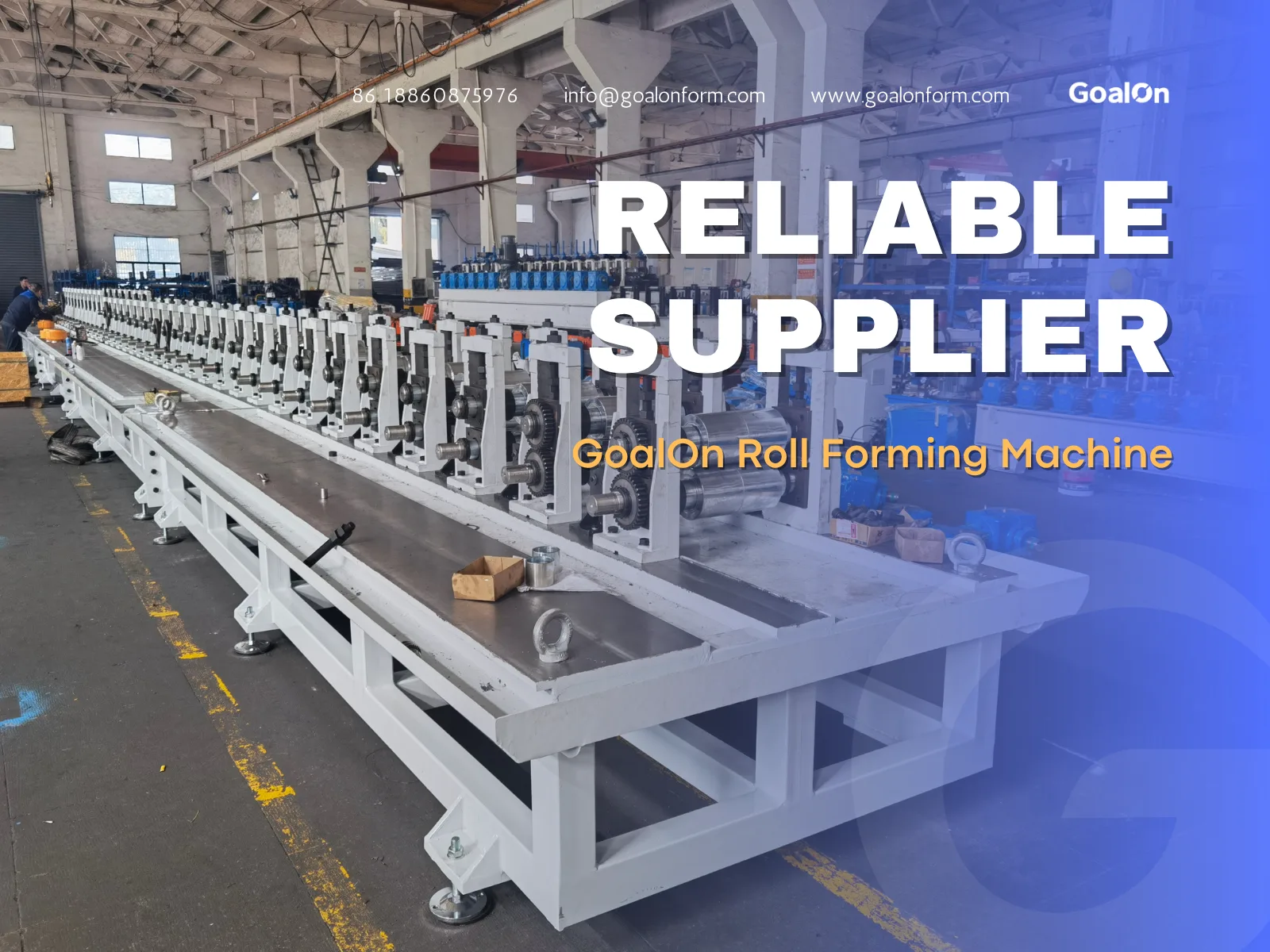
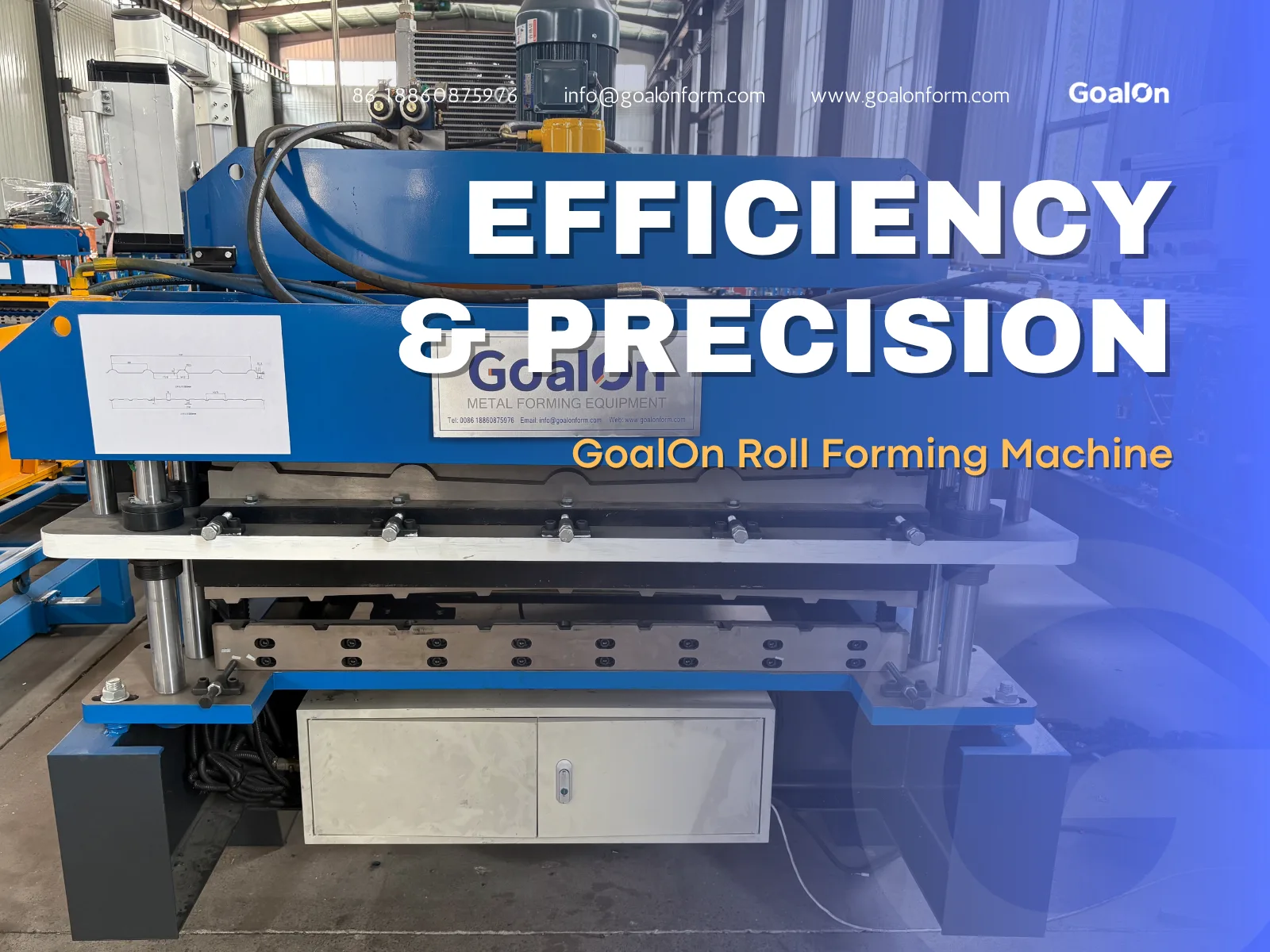
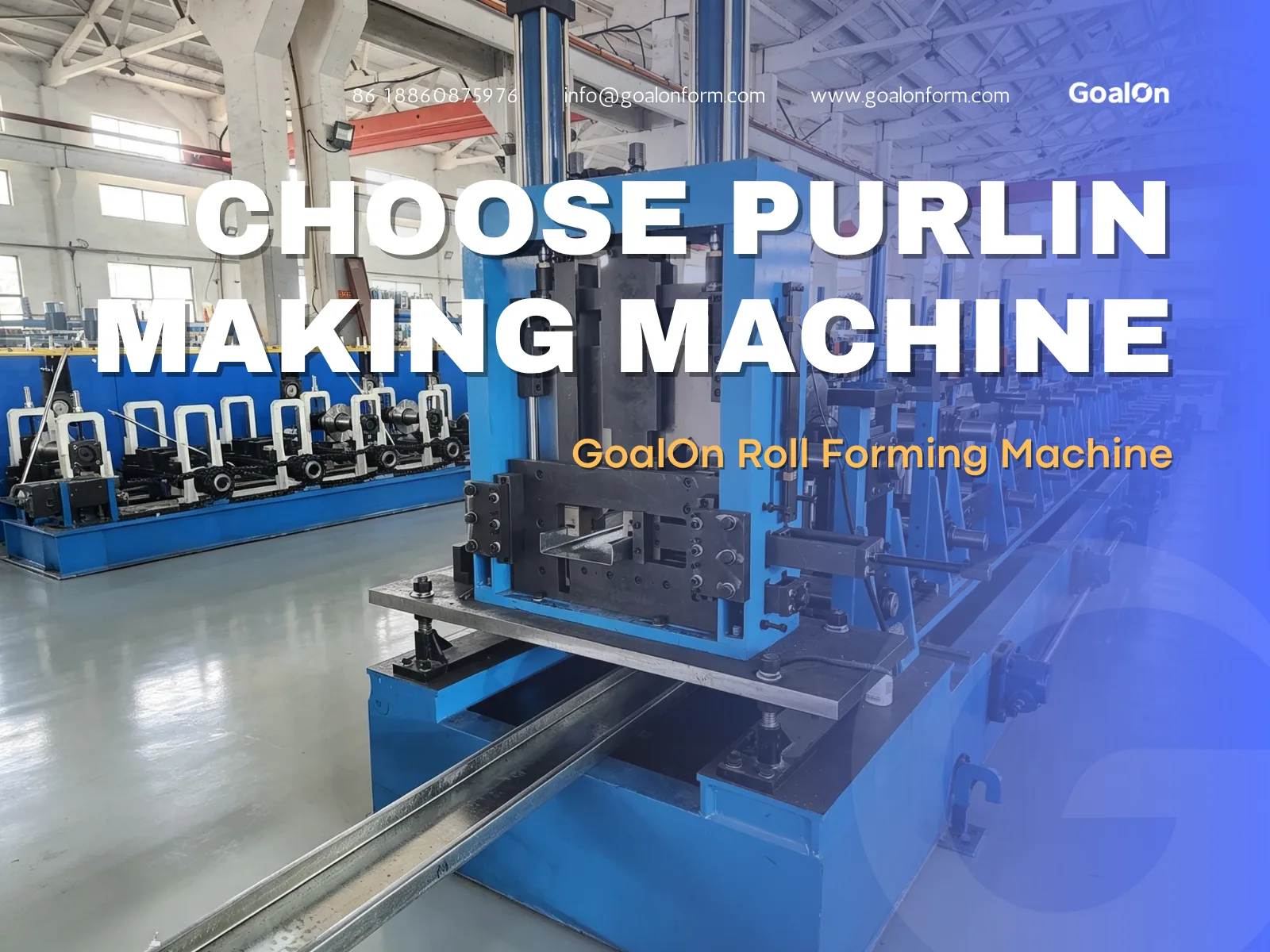
La machine de profilage constitue le cœur de toute ligne de profilage. Elle peut fonctionner soit avec un système d'entraînement par chaîne, soit avec un système d'entraînement par engrenages. Il est essentiel de monter les rouleaux de profilage avec précision : l'espacement, l'alignement et le parallélisme ont une incidence directe sur le profilé fini. Même de petites erreurs à ce niveau peuvent entraîner des produits défectueux ou une usure accrue des composants.
- Unité de découpe / cisaillage
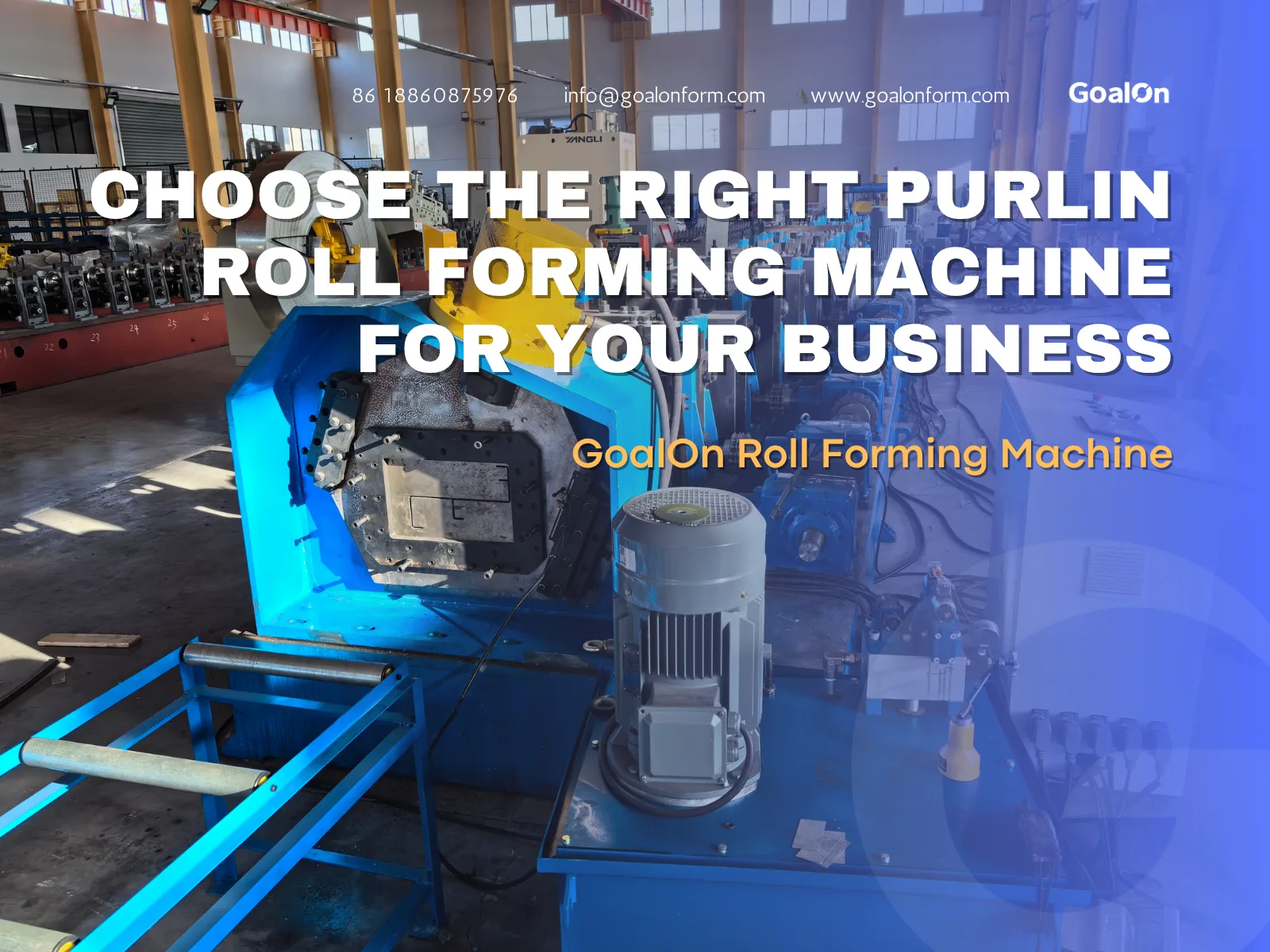
Selon la conception de la ligne, le module de découpe peut être une cisaille hydraulique à coupe droite ou une cisaille à refendre. La précision de l'assemblage garantit une longueur de profilé constante et empêche toute déformation des bords.
- Convoyeur de sortie / Empileur
Le système de sortie prend en charge les profilés finis et comprend souvent des mécanismes d'empilage ou de collecte. Le montage consiste principalement à positionner les châssis de support, à vérifier l'alignement correct en longueur et à intégrer des capteurs si la ligne est automatisée.
Principaux défis liés au montage d'une ligne de profilage
Le montage d'une machine de profilage ne se résume pas à assembler des modules. Plusieurs facteurs techniques rendent ce processus complexe :
- Fondations et nivellement
Il est essentiel que le sol soit plat et stable. Même une légère pente ou une fondation irrégulière peut entraîner un désalignement, ce qui nuit à la qualité du produit et réduit la durée de vie de la machine.
- Installation et réglage des rouleaux
Les rouleaux doivent être montés en respectant un espacement précis et un alignement parallèle. Le matériau, la dureté et la concentricité des rouleaux ont une incidence tant sur la qualité du produit que sur les taux d'usure. Le réglage des jeux de rouleaux constitue souvent l'étape la plus chronophage du montage.
- Synchronisation du système d'entraînement
Les réducteurs, les chaînes et les moteurs doivent être parfaitement synchronisés. Un mauvais alignement peut entraîner un formage irrégulier, une usure excessive, voire des arrêts de la ligne.
- Systèmes hydrauliques et électriques
L'installation et les essais des circuits hydrauliques, des électrovannes, des capteurs et de l'armoire de commande exigent une grande vigilance. La moindre erreur peut empêcher la ligne de fonctionner en toute sécurité ou de manière efficace.
- Mise en service initiale de la ligne
Une fois le montage terminé, les premiers cycles de profilage sont déterminants. Il faut affiner les réglages de vitesse, la synchronisation des coupes et la coordination des modules. Cette étape prend souvent plus de temps que le montage mécanique lui-même.
Facteurs influençant la difficulté de montage
La difficulté liée au montage d'une ligne de profilage dépend de plusieurs facteurs :
- Complexité en nombre de lignes : Le poinçonnage multi-postes, les géométries de profil complexes ou les lignes conçues pour plusieurs produits allongent le temps d'assemblage.
- Conception du fournisseur : Les lignes modulaires composées d'éléments standardisés sont bien plus faciles à assembler que les configurations entièrement sur mesure et non standard.
- Conditions du site : La planéité du sol, l'espace disponible et l'accès à l'alimentation électrique et hydraulique sont des éléments essentiels à prendre en compte.
- Expérience de l'opérateur : Les ingénieurs ou techniciens expérimentés peuvent réduire considérablement le temps de montage, tandis que les opérateurs novices ont besoin d'un accompagnement plus important.
Comment les primo-accédants peuvent-ils se préparer ?
Pour éviter les mauvaises surprises, je vous recommande d'adopter une approche proactive :
- Consulter la documentation technique
Vérifiez les manuels d'installation, les dimensions des modules et les schémas d'implantation avant l'expédition.
- Évaluer l'assistance fournie par les fournisseurs
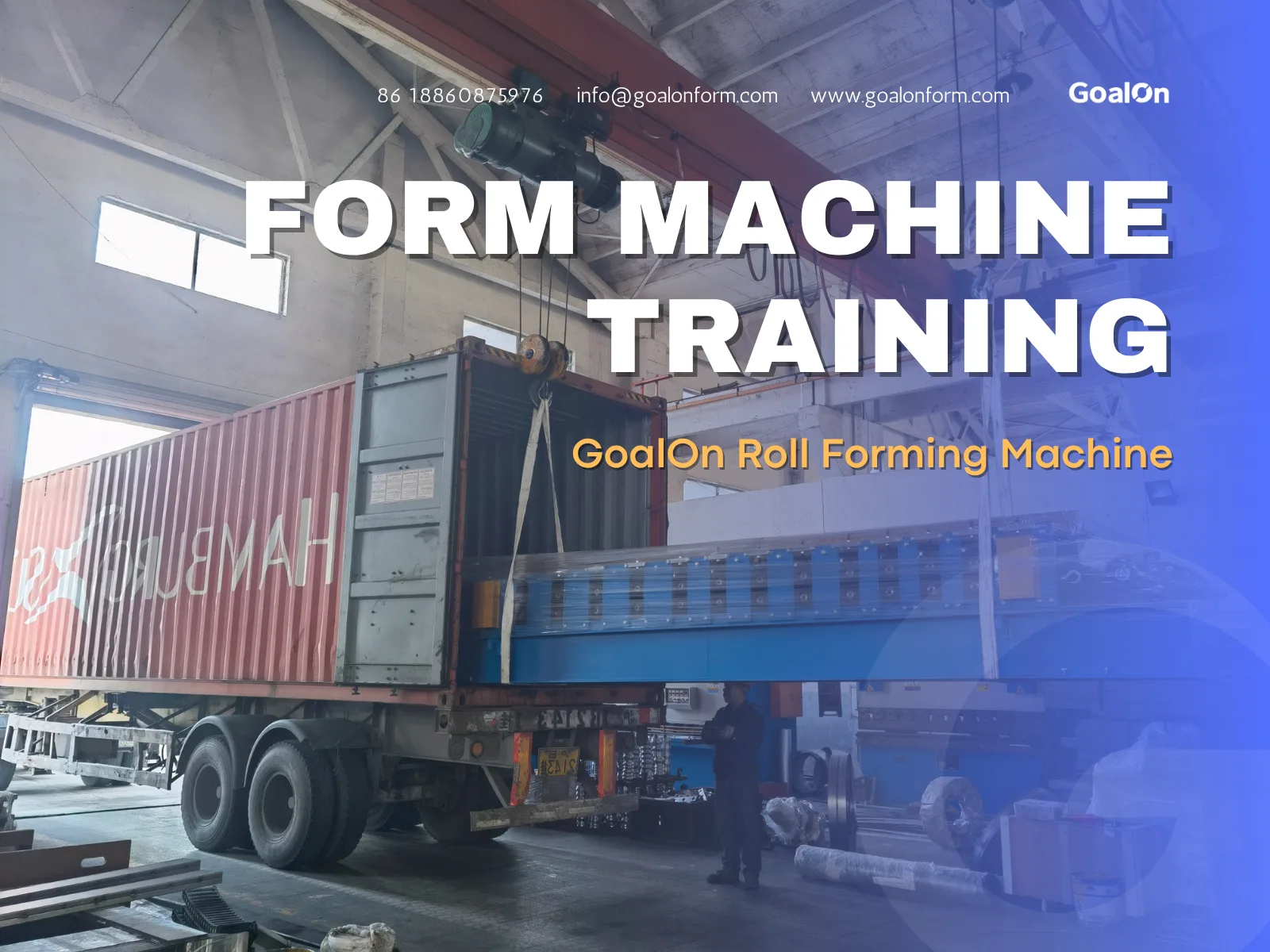
Vérifiez si le fournisseur propose des services d'installation, de mise en service et de formation sur site. Un partenaire fiable comme Goalon Machinery apporte souvent son aide aux nouveaux acheteurs en leur fournissant des conseils professionnels.
- Ressources et outils pour la planification
Préparez le matériel de levage, les outils de mesure de précision et le matériel d'assemblage de base. Même de petites erreurs lors de l'assemblage peuvent avoir de graves conséquences.
- Estimation du temps de montage
Tenez compte de la longueur des lignes, du nombre de modules et de la complexité du système lorsque vous planifiez le calendrier de votre installation. Ne sous-estimez pas la phase de mise en service : celle-ci peut durer de quelques jours à plusieurs semaines, selon la complexité du réseau.
Difficulté de montage et décisions d'achat
Comprendre les défis liés à l'assemblage ne relève pas uniquement de la logistique ; cela a également une incidence sur vos décisions d'achat :
- Planification budgétaire : Les coûts de montage, la main-d'œuvre et les éventuels temps d'arrêt doivent être pris en compte dans votre budget.
- Gestion des risques : Un mauvais alignement ou un montage défectueux peut entraîner une perte d'efficacité de la production et la fabrication de produits défectueux.
- Entretien et durée de vie : Une ligne bien assemblée est plus facile à entretenir. Les lignes modulaires facilitent le remplacement des rouleaux, l'entretien du système hydraulique et le dépannage électrique.
Conseils pour simplifier l'assemblage d'une ligne de profilage
- Choisissez une ligne de profilage modulaire proposée par un fournisseur offrant une assistance à l'installation.
- Vérifiez le programme de formation et d'accompagnement sur site proposé par le fournisseur.
- Assurez-vous que votre équipe dispose des outils et des appareils de mesure adaptés à l'alignement des rouleaux et au réglage de la cisaille.
- Confiez à des ingénieurs ou techniciens expérimentés la supervision de l'installation et de la mise en service initiale.
Conclusion : le montage est tout à fait réalisable avec une bonne préparation
Le montage d'une machine de profilage peut sembler intimidant au premier abord, mais avec une bonne planification, des conseils techniques et des attentes réalistes, c'est tout à fait faisable, même pour les acheteurs novices. Comprendre les modules, les défis et les facteurs qui influencent le montage vous aidera à prendre des décisions d'achat éclairées et à vous assurer que votre ligne de profilage produira efficacement des profilés de haute qualité.
Si vous envisagez d'acheter une machine de profilage, tenez compte à la fois de la complexité technique et de l'assistance offerte par le fournisseur. Choisir un partenaire fiable comme Goalon Machinery peut simplifier le montage, réduire les risques et garantir que votre investissement commence à générer des bénéfices le plus rapidement possible.