Choosing the ideal automatic C purlin roll forming machine is critical for structural steel contractors and roll forming businesses. C purlins supply essential structural load capacity for metal roofing and wall cladding. In this expert buyer’s guide, we break down vital C purlin machine specifications, operational mechanics, and cost drivers to help you source the highest-ROI equipment for your factory.
Understanding roll forming technology is key. It involves bending metal strips through rolls to achieve desired shapes. This process ensures precision and consistency in production.
When selecting a machine, consider material compatibility and production speed. These factors impact the efficiency and quality of the output. Machine durability is also important for long-term use.
Automation features can enhance production efficiency. They reduce labor costs and increase output. Look for machines with advanced features like quick-change tooling.
The reputation of the manufacturer is another critical factor. Reliable after-sales support ensures smooth operation and maintenance. Energy consumption and maintenance requirements should also be evaluated.
Ultimately, the right machine can boost production capacity and profitability.
Understanding C Purlins and Their Role in Construction
C purlins are fundamental in the construction of buildings. They act as the supporting spine for roofs and walls. Their C-shaped profile provides strength and stability.
These purlins are preferred for their lightweight yet robust nature. Made typically from steel, they ensure lasting support. Their shape distributes loads efficiently across the structure.
In construction, C purlins are often chosen for their versatility. They can be used in both industrial and commercial buildings. This adaptability makes them a popular choice.
Key advantages of using C purlins include:
- Ease of installation: Simple to handle and install.
- Cost-effectiveness: Lower costs compared to other materials.
- Corrosion resistance: Long lifespan due to protective coatings.
Their design helps accommodate various construction needs. C purlins’ uniform shape ensures consistent performance. When integrated, they enhance the building’s overall safety and durability.
What Is Roll Forming Technology?
Roll forming technology involves the continuous bending of metal. Long metal strips pass through consecutive sets of rolls. These rolls create the desired shape.
This method is ideal for mass production. It’s efficient and ensures consistent results. Precision and speed are the technology’s hallmarks.
With roll forming, manufacturers achieve complex profiles. Without excessive manual labor, it shapes metals efficiently. The technology’s potential extends across various industries.
Advantages of roll forming technology include:
- High precision: Ensures accurate and consistent production.
- Minimal waste: Reduces scrap, improving material use.
- Cost efficiency: Lowers production costs through automation.
- Customization options: Easily adjustable for different designs.
The technology is crucial in manufacturing processes. It supports industries such as automotive, construction, and more. Each sector benefits from its flexibility and adaptability.
How Does a C Purlin Roll Forming Machine Work?
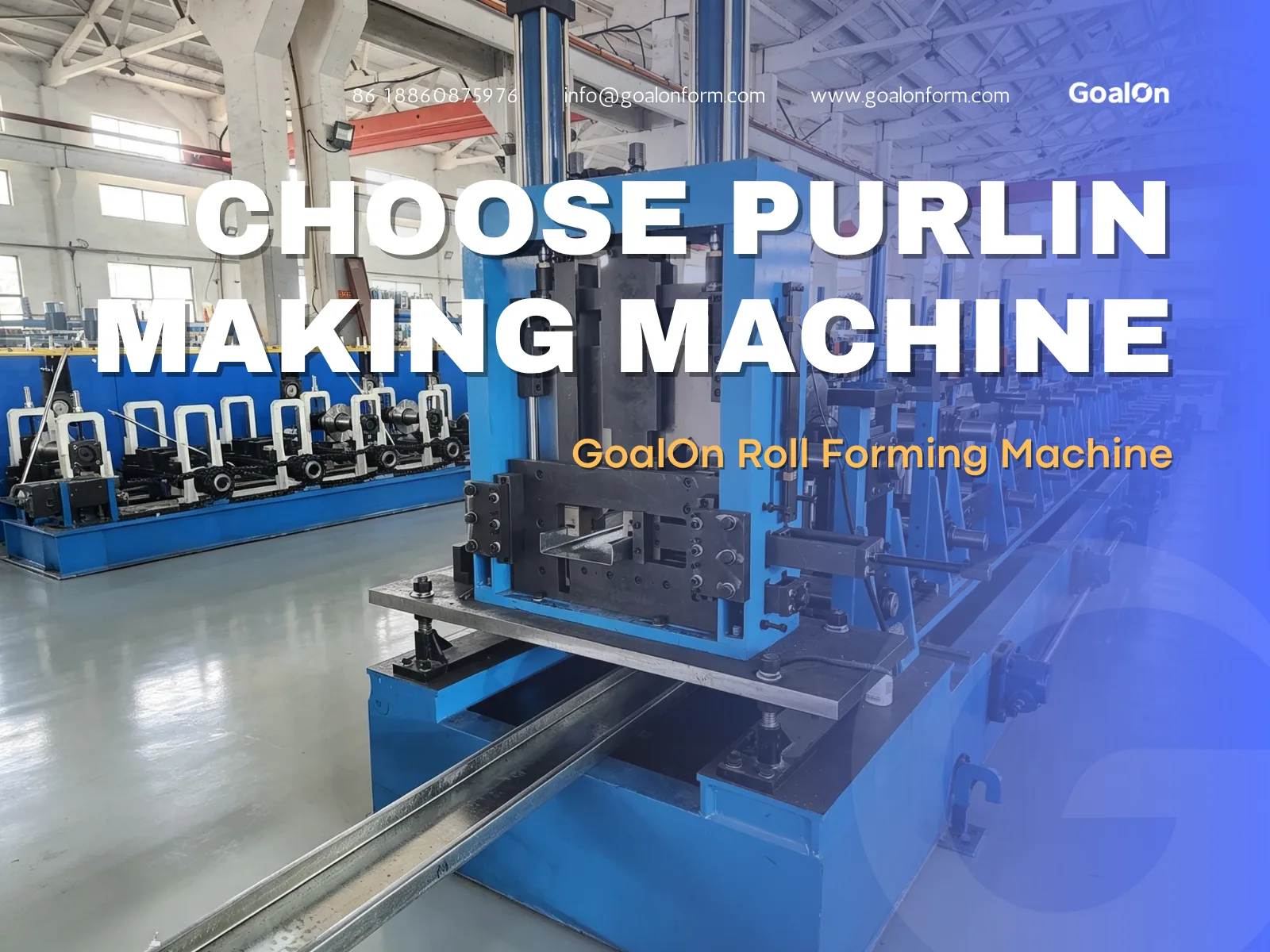
The C purlin roll forming machine is designed for precision. It takes flat metal strips and transforms them into C-shaped purlins. This process is both efficient and automated.
Initially, a metal coil feeds into the machine. The material unwinds and prepares for shaping. Adjustments ensure the strip aligns correctly with the rollers.
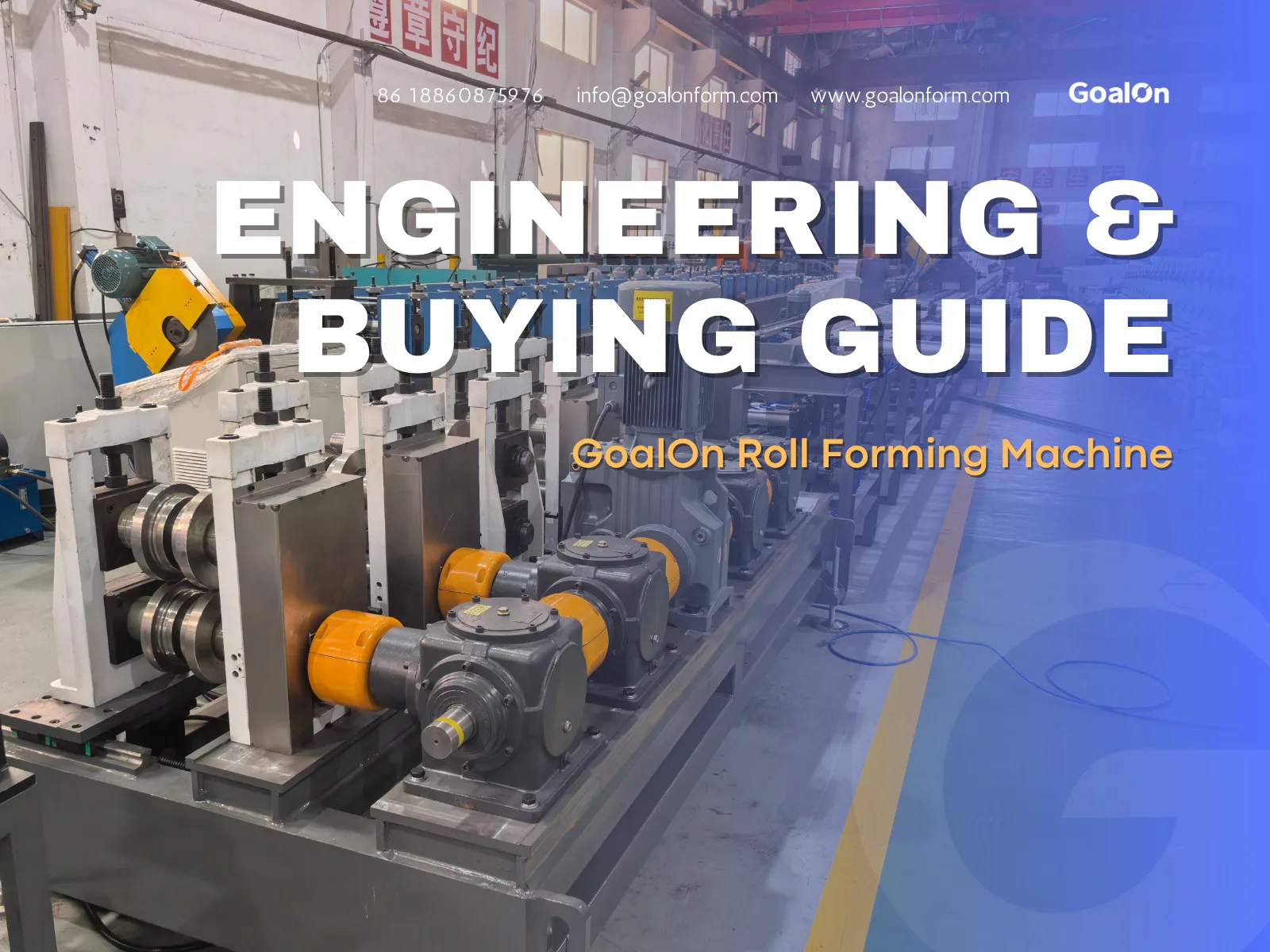
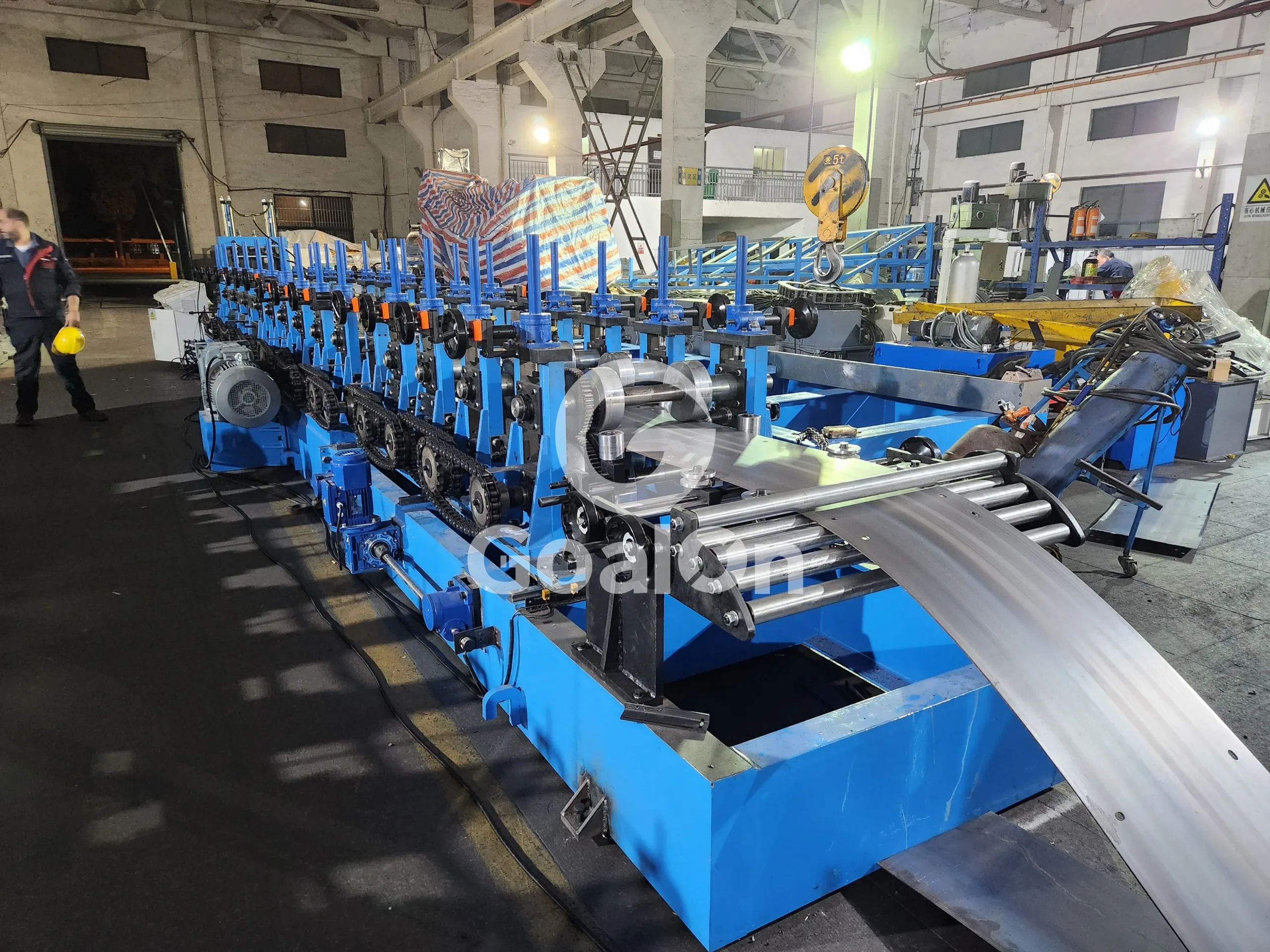
The metal strip then passes through a series of roll stations. Each station bends the metal slightly. Gradually, the final C-shape emerges.
A list of core components involved includes:
- डीकोइलर: Unwinds the metal strip from the coil.
- Rollers: Bend and shape the metal step by step.
- Cutting station: Precisely cuts purlins to the specified length.
- Control system: Manages machine operations with automation.
Finally, the machine cuts the formed purlin. This step ensures each piece meets the desired length specifications. The cutting mechanism is crucial for consistent product quality.
Post-cutting, the purlins exit the machine. They are now ready for use in various construction applications. This seamless operation showcases the machine’s efficiency and advanced engineering.
Key Technical Factors & Specifications
When reviewing C purlin machine specifications, do not look solely at forming speed. Focus heavily on:
- Yield Strength & Thickness: Ensure the roller material (typically Cr12 or GCr15 steel with heat treatment) handles raw material specs ranging from $1.5\text{ mm}$ to $3.0\text{ mm}$ steel coils without profile deformation.
- Cut System: Hydraulic post-cutting systems offer cleaner edges and less blade wear compared to basic pre-cut systems.
- Purlin Size Flexibility: Modern automatic models allow PLC-controlled web-to-flange dimension changes within 60 seconds without manual spacer adjustment.
Key Specifications to Consider When Choosing a C Purlin Roll Forming Machine
Selecting the right C purlin roll forming machine is crucial for production efficacy. Understanding key specifications is essential. Start with material compatibility.
Determine the types of metals the machine can process. This ensures it aligns with your project requirements. Compatibility is often defined by thickness.
Next, assess the production speed. High-speed machines increase output. But balance speed with quality to avoid defects.
Precision is another critical factor. The machine’s rollers and cutting mechanisms must ensure accurate shaping. Precise tools yield consistent, quality purlins.
Consider the automation features. Automated systems enhance productivity. They also reduce human error and labor costs.
Look for machines that offer flexibility in size and profiles. This ensures diverse production capabilities. Flexibility is key in adapting to different project needs.
Some specifications to prioritize include:
- सामग्री की मोटाई की सीमा: Ensure it covers your intended purlins.
- Width capacity: Matches the dimensions of your metal strips.
Examine the machine’s durability. High-quality construction ensures longevity. Durable machines withstand rigorous production demands.
Quality after-sales support cannot be overlooked. A reputable manufacturer offers ongoing support. This is vital for troubleshooting and maintenance.
A checklist for specification considerations:
- Ease of operation: User-friendly interfaces simplify use.
- रखरखाव की आवश्यकताएँ: Low-maintenance designs reduce downtime.
Finally, energy consumption impacts operational costs. Opt for energy-efficient models. This lowers long-term expenses and improves sustainability.
Evaluating these specifications carefully helps in making the right choice. Focus on both immediate needs and future production potential. This strategic selection impacts the overall success of your manufacturing process.
Types of C Purlin Roll Forming Machines
C purlin roll forming machines come in various types, each catering to different production needs. Understanding these types helps in selecting the right equipment.
The first type is the manual roll forming machine. These machines are typically more affordable. They suit smaller operations with limited production volumes.
Next is the semi-automatic roll forming machine. This type blends manual and automated processes. It offers greater speed and efficiency than manual models.
द fully automatic roll forming machine maximizes production capabilities. They require minimal human intervention. Ideal for high-volume operations, they ensure consistent quality.
Machines may also differ based on flexibility and customization. Types include:
- Adjustable machines: Allow for production of various sizes without changing tools.
- Non-adjustable machines: Designed for specific size profiles.
| Capability / Feature | Semi-Automatic C Purlin Machine | Automatic C Purlin Machine |
| Size Adjustment | Manual spacer/screw adjustment ($30\text{–}60\text{ mins}$) | PLC touch-screen auto-change ($< 2\text{ mins}$) |
| Ideal Production Volume | Small runs / specialized orders | Continuous industrial production |
| Labor Requirement | 2–3 Operators required | 1 Operator for monitoring |
| Target C Purlin Machine Price | Lower initial cost ($\$$) | Higher initial cost ($\$\$$) but lower TCO |
Choosing the right type depends on your specific production demands. Consider the balance between cost, speed, and flexibility. This decision has a significant impact on your manufacturing process efficiency.
Evaluating Production Needs and Material Compatibility
Before purchasing a C purlin roll forming machine, it’s vital to evaluate production needs. Consider your current and projected output requirements. This analysis ensures that the selected machine can meet demand.
Material compatibility is another critical factor. Different machines handle different metals. Determine the types of materials you’ll use, including their thickness and width.
Evaluate these factors for optimal machine performance:
- सामग्री का प्रकार: Steel, aluminum, etc.
- मोटाई की सीमा: Minimum and maximum values.
- Width capacity: Metal strip width the machine can process.
Understanding these specifications helps in selecting equipment that maximizes efficiency. A mismatch could result in operational inefficiencies or machine damage.
Finally, take into account future expansion plans. Choose a machine that accommodates growth. Adaptable technology can support different materials and production levels, safeguarding your investment.
Automation, Efficiency, and Advanced Features
Automation plays a crucial role in modern roll forming technology. Machines equipped with automation increase precision and reduce labor needs. This leads to cost savings in the long run.
Efficient machines mean higher productivity. Production cycles are faster. This is important for meeting tight deadlines in manufacturing.
Advanced features in roll forming equipment can include computerized control systems. These systems enable easier operation and adjustments. Quick-change tooling is another innovation that enhances productivity by minimizing downtime.
When evaluating advanced features, consider the following benefits:
- Automated controls: Simplifies operation and ensures consistency.
- त्वरित-परिवर्तन उपकरण: Reduces time spent on setup and changeovers.
- Computerized systems: Provides real-time monitoring and adjustments.
Automation and advanced features make the difference in a competitive industry. Such features reduce waste and enhance output quality. Opting for machines with these capabilities can boost overall production efficiency.
Assessing Manufacturer Reputation and After-Sales Support
Choosing the right supplier is as important as the machine itself. A manufacturer’s reputation can give insights into machine quality and durability. Experienced manufacturers often offer more reliable equipment.
After-sales support is crucial for resolving issues quickly. It ensures that any disruptions in production are minimized. This support might include technical assistance, spare parts availability, and routine maintenance.
When evaluating a manufacturer’s reputation and support, consider these aspects:
- Customer reviews and feedback: Learn from others’ experiences.
- Warranty options: Protect your investment with reliable warranties.
- Technical support availability: Ensure help is easily accessible when needed.
Reliable after-sales support enhances your investment. It ensures your machine continues operating at peak efficiency.
Operational Considerations: Energy, Maintenance, and Safety
Operational factors greatly affect the efficiency of roll forming equipment. Energy consumption is a key consideration. Machines with high energy efficiency can significantly reduce operating costs.
Regular maintenance is essential for extending the machine’s lifespan. Well-maintained machines experience fewer breakdowns. This reduces downtime and boosts productivity.
Safety should never be overlooked. Ensure the machine complies with industry safety standards. This protects your workers and reduces accident-related liabilities.
Consider these operational factors when evaluating a machine:
- ऊर्जा की खपत: Opt for energy-efficient models.
- रखरखाव की आवश्यकताएँ: Check for easy maintenance and availability of parts.
- Safety standards compliance: Prioritize machines with robust safety features.
These considerations ensure smooth and safe operation. They also contribute to the overall cost-effectiveness of your production process.
Cost Analysis: Investment vs. Long-Term Benefits
Investing in a C purlin roll forming machine requires a significant financial commitment. This initial cost can be daunting. However, it is crucial to consider the long-term gains.
Higher-priced machines often offer advanced features. These features can lead to increased productivity and reduced material waste. Over time, these benefits translate into considerable savings.
When evaluating costs, weigh initial investment against potential returns. Prioritize long-term efficiency improvements over short-term savings.
Consider the following financial aspects:
- Initial purchase price: Factor in both immediate and hidden costs.
- Operational savings: Look for reduced waste and labor costs.
- Resale value: Machines with a higher residual value can mitigate depreciation.
A detailed cost analysis ensures informed decisions. This approach maximizes your investment’s return over time.
Customization and Integration with Existing Production Lines
Customization options can enhance the utility of a C purlin roll forming machine. Tailoring a machine to specific requirements allows for versatility. This flexibility is crucial for meeting varied production needs.
Efficient integration of new equipment into existing production lines is essential. Disruptions can lead to costly downtime. Seamless integration can help maintain production flow.
Consider these customization and integration factors:
- Adaptability: The ability to switch between different profiles and sizes.
- Compatibility: Ensuring the new machine aligns with current processes.
- Training needs: Assessing required skill sets for new technology.
By focusing on these aspects, businesses can enhance operations. Choosing a machine that seamlessly integrates and adapts ensures optimal performance and output.
Innovations and Trends in Roll Forming Equipment
The roll forming industry is witnessing significant technological advancements. These innovations aim to improve efficiency and product quality. Staying updated with these trends can give your business a competitive edge.
Recent innovations include:
- Quick-change tooling systems: Reduce downtime and increase flexibility.
- Computerized control: Enhances precision and automation.
- Energy-efficient designs: Lower operational costs and environmental impact.
Investing in modern machinery with these features can boost your production capabilities. As roll forming technology evolves, embracing these changes ensures your business remains at the forefront of the industry.
Conclusion: Making the Right Choice for Your Business
Choosing the right C purlin roll forming machine is crucial for optimizing production. Thorough research and evaluation can lead to informed decisions that benefit your operations. Consider specifications, cost, and manufacturer reputation carefully.
Tailor your choice to align with your production needs and material requirements. Assessing these factors ensures that the machine will meet your specific demands. This selection process will directly impact your overall efficiency and profitability.
Embracing advancements in roll forming technology can enhance your manufacturing capabilities. Stay informed about trends and innovations to remain competitive. Making a well-rounded decision today can pave the way for future business success.
Understanding C Purlin Machine Price & ROI
द C purlin machine price varies significantly based on automation level, hydraulic drive units, and line speed. While entry-level manual setups lower initial capital expenditure, an automatic C purlin roll forming machine reduces labor costs by up to 60% and minimizes material waste.
Need a custom quote or factory layout advice? Contact our engineering team today to receive complete technical specs and a competitive quotation within 24 hours.