Introduction
Choosing a roll forming solution is not simply a procurement decision—it is a long-term production strategy that directly influences product accuracy, line efficiency, and manufacturing cost structure. For construction steel systems, industrial profiles, and structural components, the correct equipment layout determines whether a factory can achieve stable output and competitive margins.
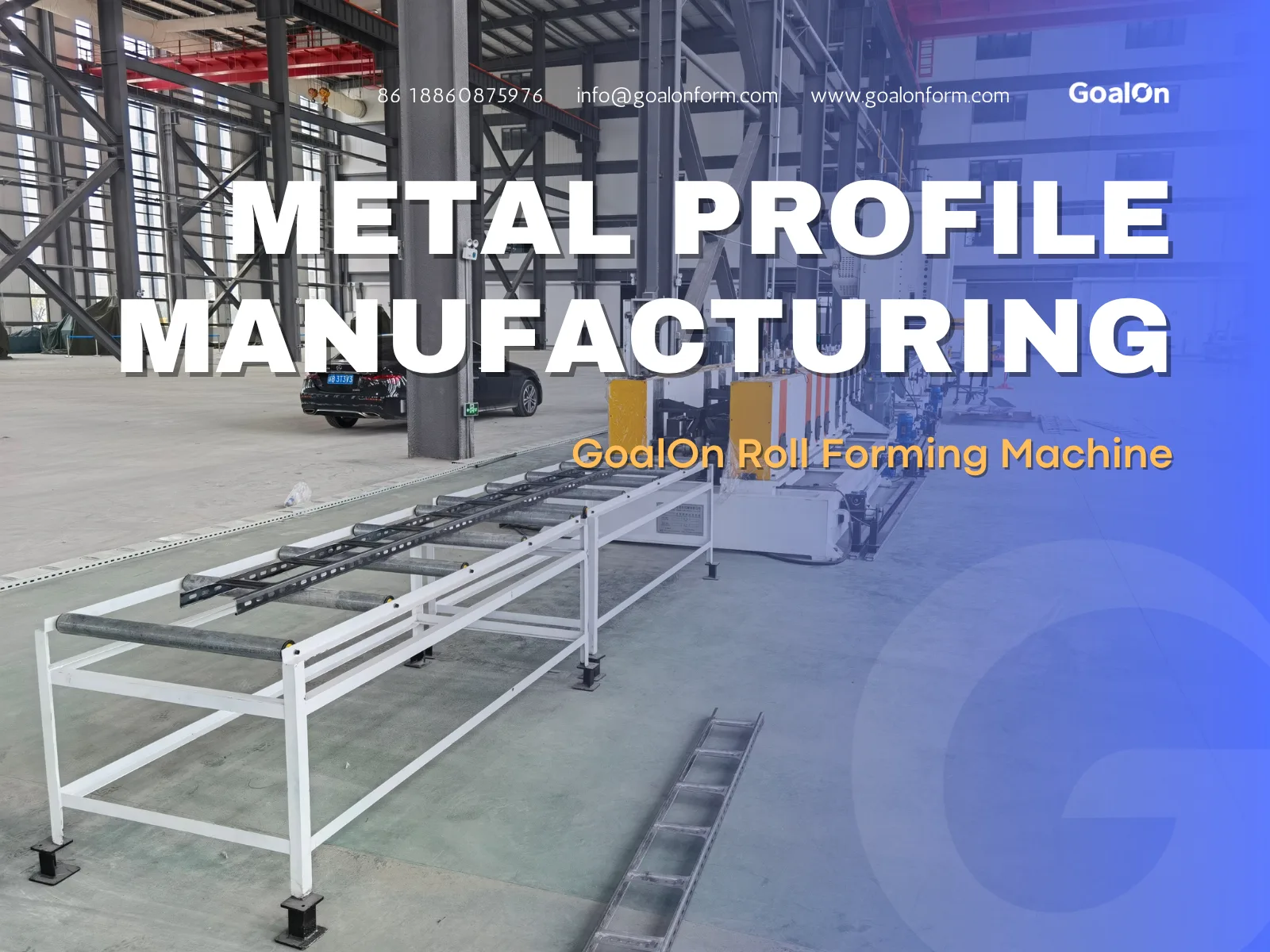
A modern roll forming machine is no longer a standalone unit; it is a fully integrated production system that may include decoiling, leveling, punching, forming, cutting, and stacking modules. Therefore, selecting the right configuration requires a systematic evaluation of material properties, profile engineering, automation level, and lifecycle support.
This article breaks down the selection process from an engineering and production-management perspective, helping manufacturers, construction suppliers, and machinery traders make informed investment decisions aligned with real production demands.

1. Material Specification Defines the Entire Line Structure
The first and most critical step in selecting a roll forming system is understanding the raw material characteristics. In real industrial applications, material selection directly affects machine frame strength, shaft diameter, roller material, and drive system design.
Key parameters include:
- Steel grade (mild steel, high-strength steel, galvanized steel)
- Thickness range
- Coil width
- Yield strength and coating type
For example, when processing 1.5–3.0 mm high-strength galvanized steel, the system typically requires a gearbox-driven transmission structure instead of a chain-driven system. This ensures sufficient torque stability and reduces deformation risk during heavy forming loads.
In contrast, lightweight roofing profiles made from 0.3–0.8 mm pre-painted steel usually adopt chain-driven high-speed systems, optimized for continuous production and lower operational resistance.
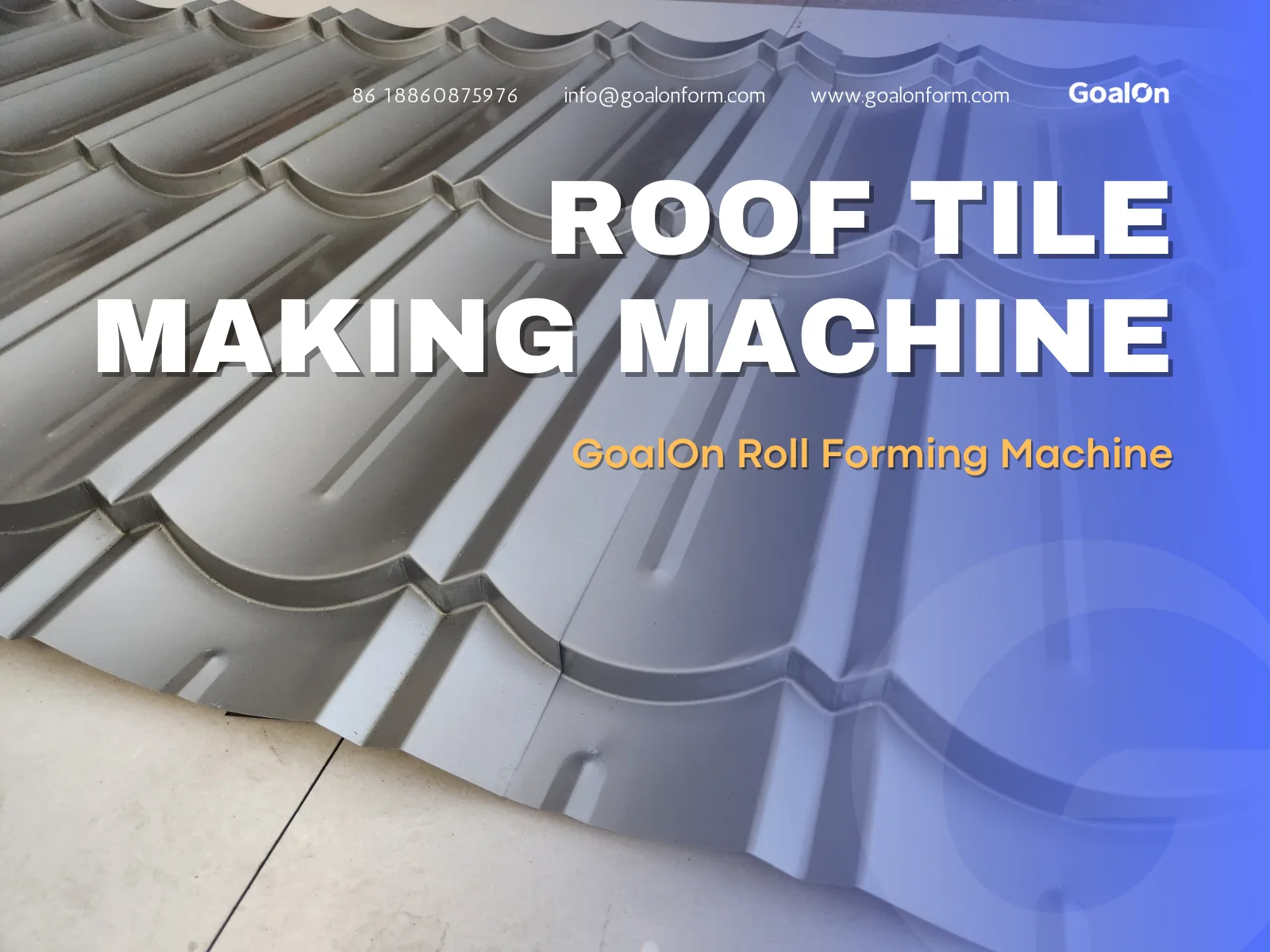
Another important engineering factor is surface coating sensitivity. Materials like PPGI require carefully designed roller surface treatment (often hard chrome plating or D2 steel rollers) to avoid scratching and maintain coating integrity.
From a production planning perspective, material definition is essentially the foundation that determines whether the line is a light-duty, medium-duty, or heavy-duty system.
2. Profile Complexity and Forming Pass Design
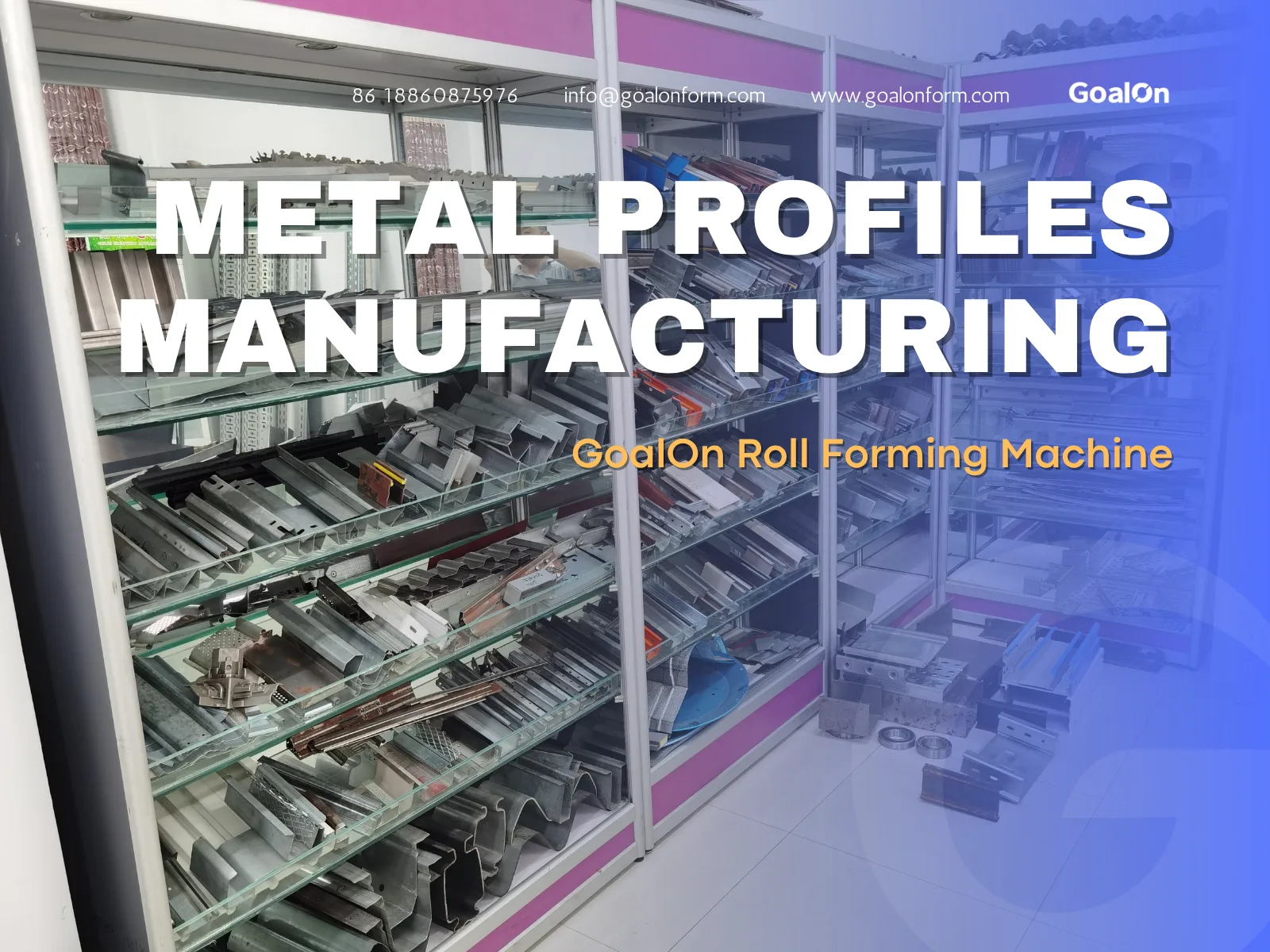
After material selection, the next decisive factor is profile geometry. In roll forming engineering, profile design determines the number of forming stations, roller pass layout, and auxiliary systems.
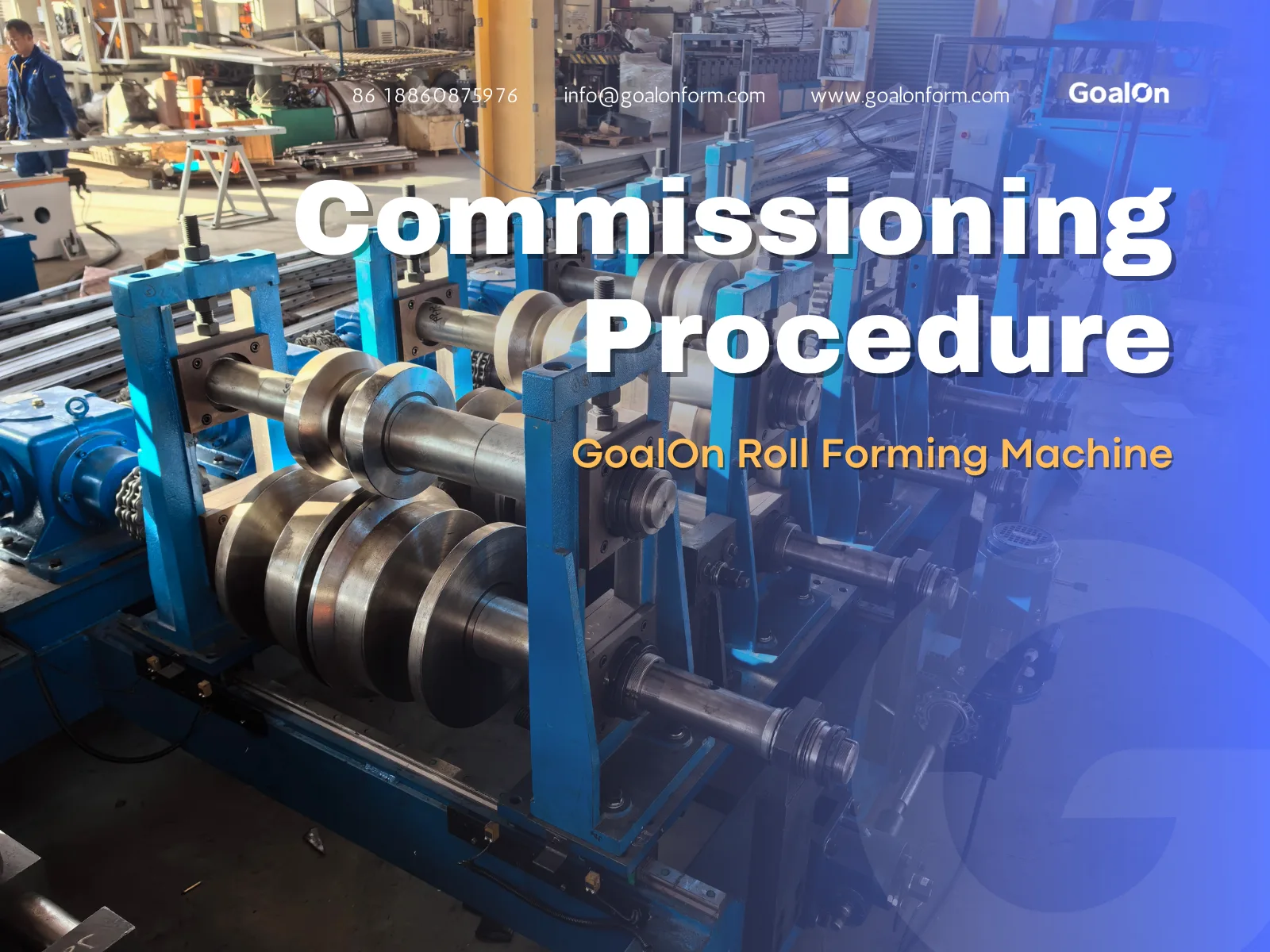
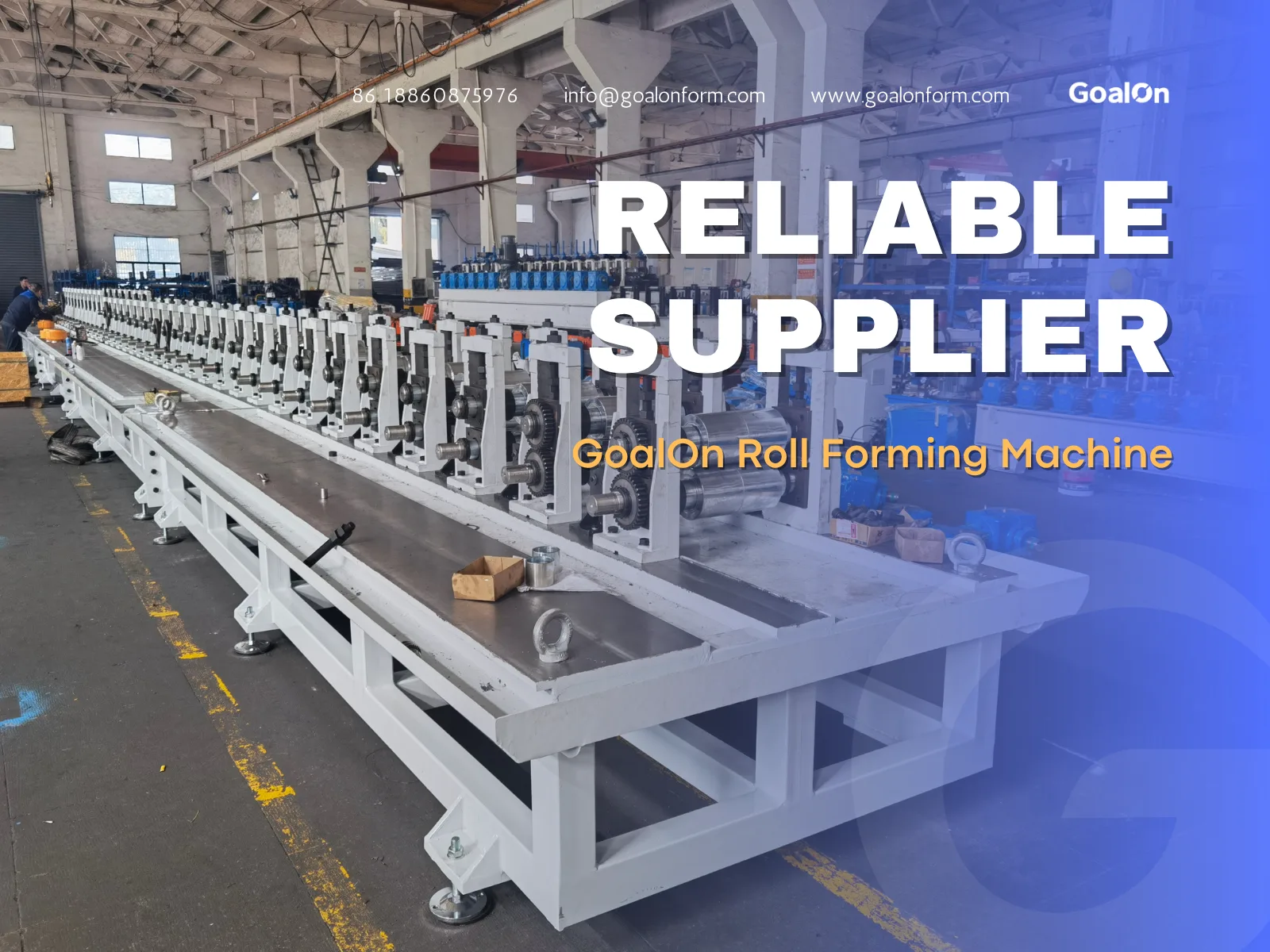
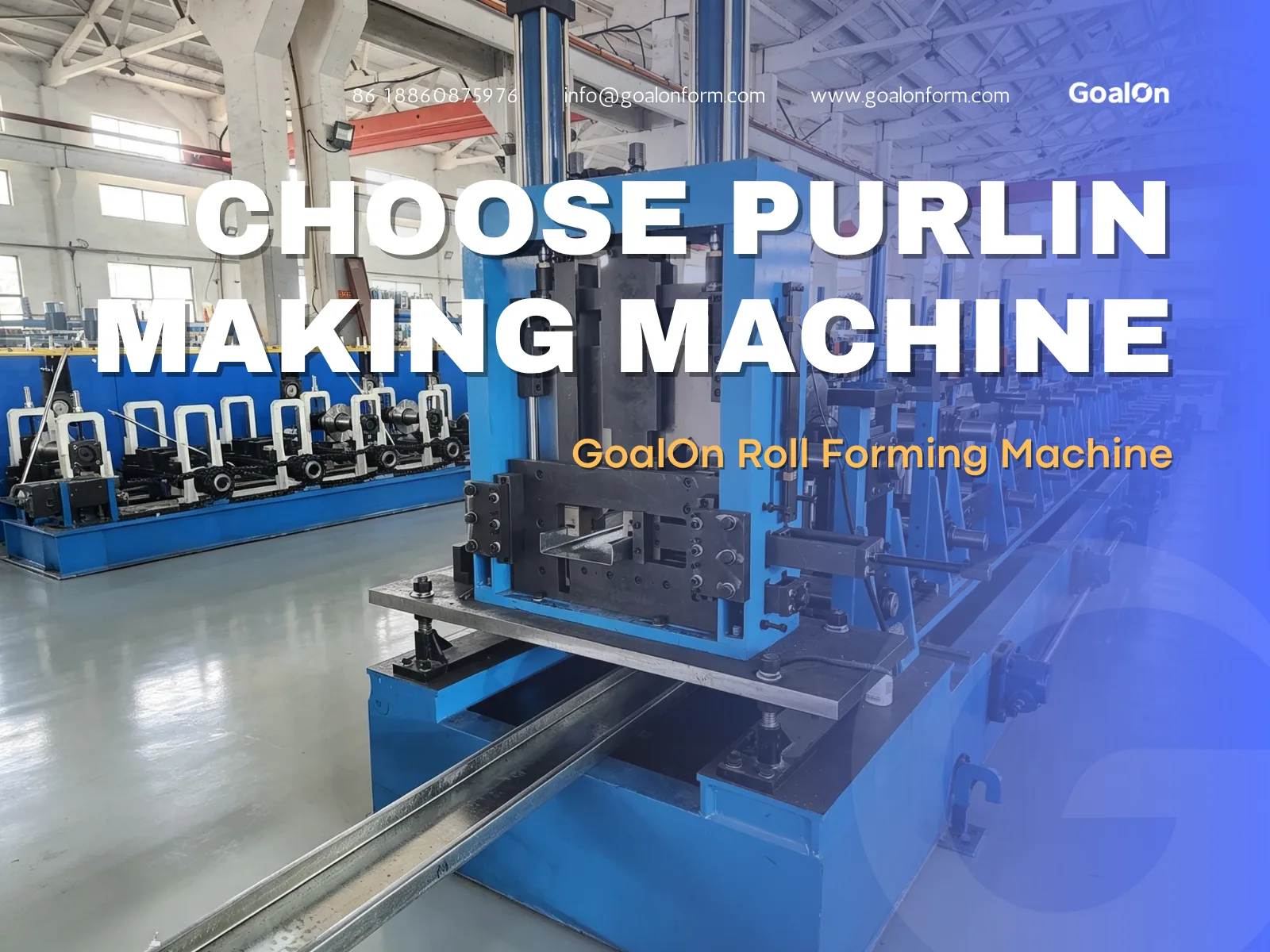
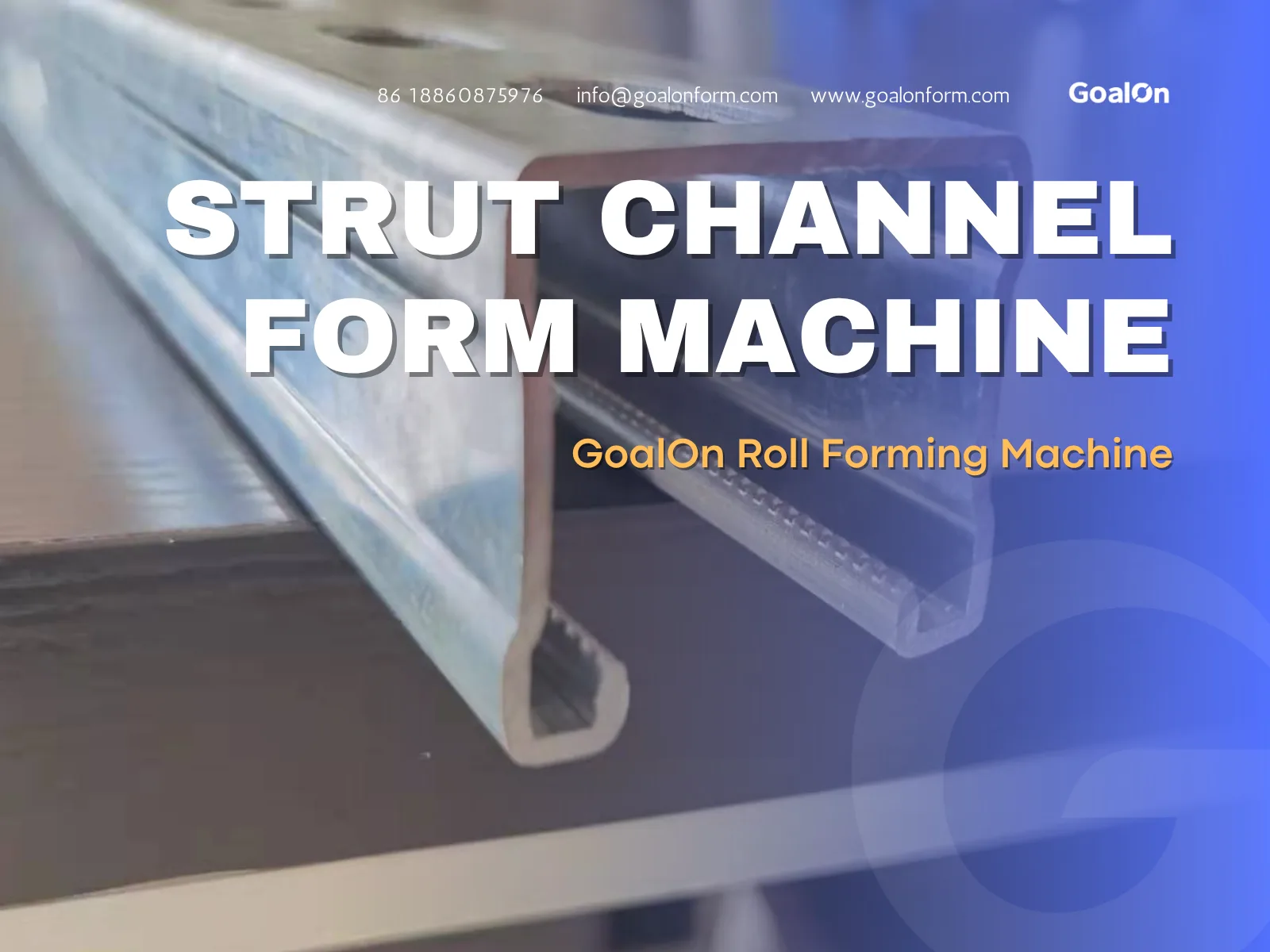
Simple profiles such as U channels or basic C sections may require 10–14 forming stands. However, more complex profiles—such as C/Z interchangeable purlins or rib-reinforced structural channels—can require 18–30 forming stations or more.
Profiles with functional features introduce additional complexity:
- Embossed stiffening ribs require synchronized roller shaping
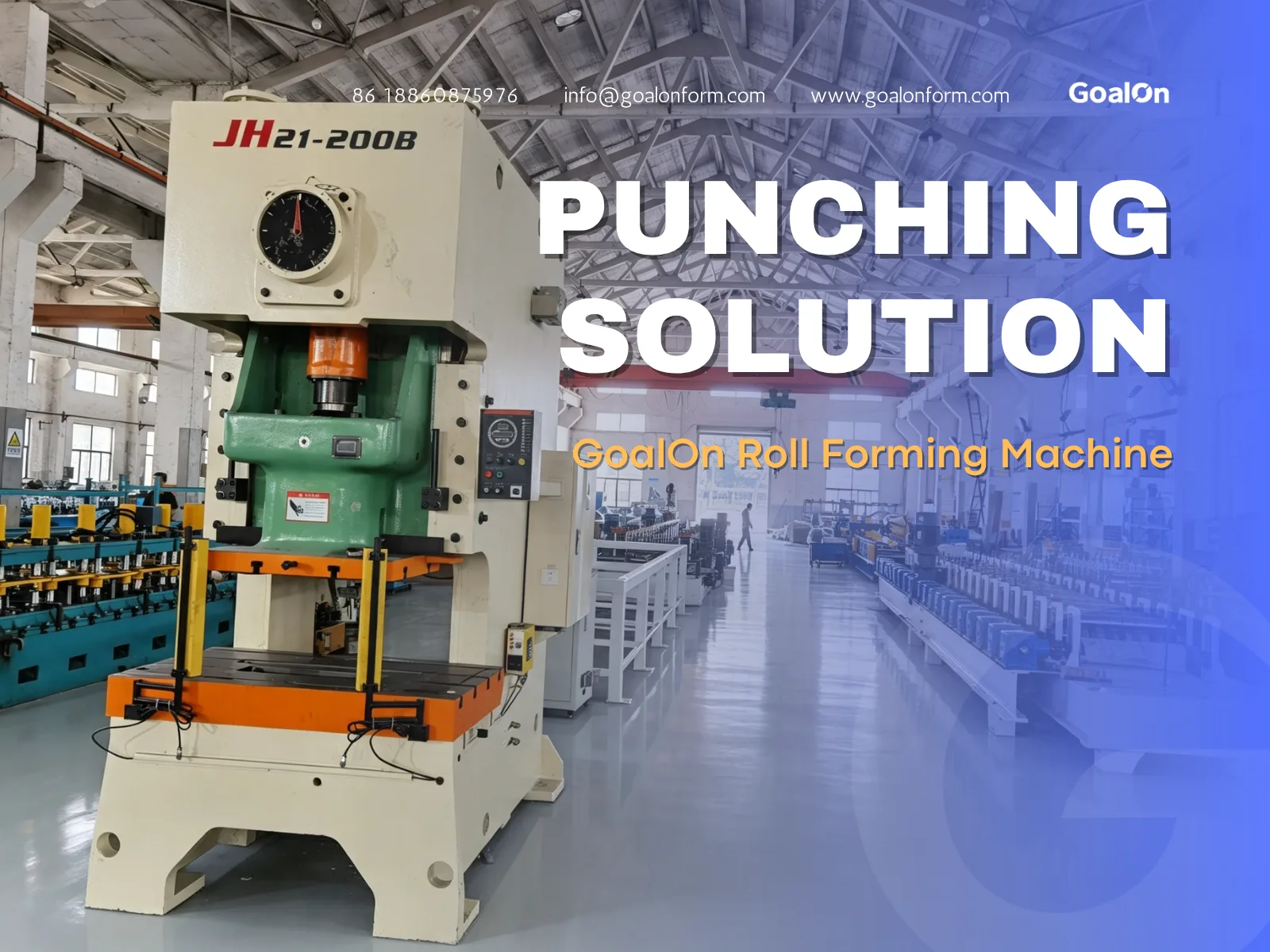
- Side punching holes require hydraulic punching systems integrated before forming
- Return flanges or snap-fit edges require multi-stage precision forming control
For adjustable systems like C/Z purlin machines, the most critical feature is automatic width adjustment (web size change) and flange height adjustment, often achieved through servo-controlled positioning systems or fully automatic motorized adjustment units.
From an engineering standpoint, poor profile design matching often leads to issues such as edge wave, torsion, or dimensional instability—especially under high-speed production conditions.
3. Production Capacity and Automation Level Selection
Production output is another key decision-making factor that determines whether the line should be semi-automatic or fully automatic.
Small workshops or project-based manufacturers often choose manual or semi-automatic systems with lower investment cost and flexible operation. These systems typically rely on operator intervention for adjustment and coil change.
However, for industrial-scale production, fully automated systems are essential. These may include:
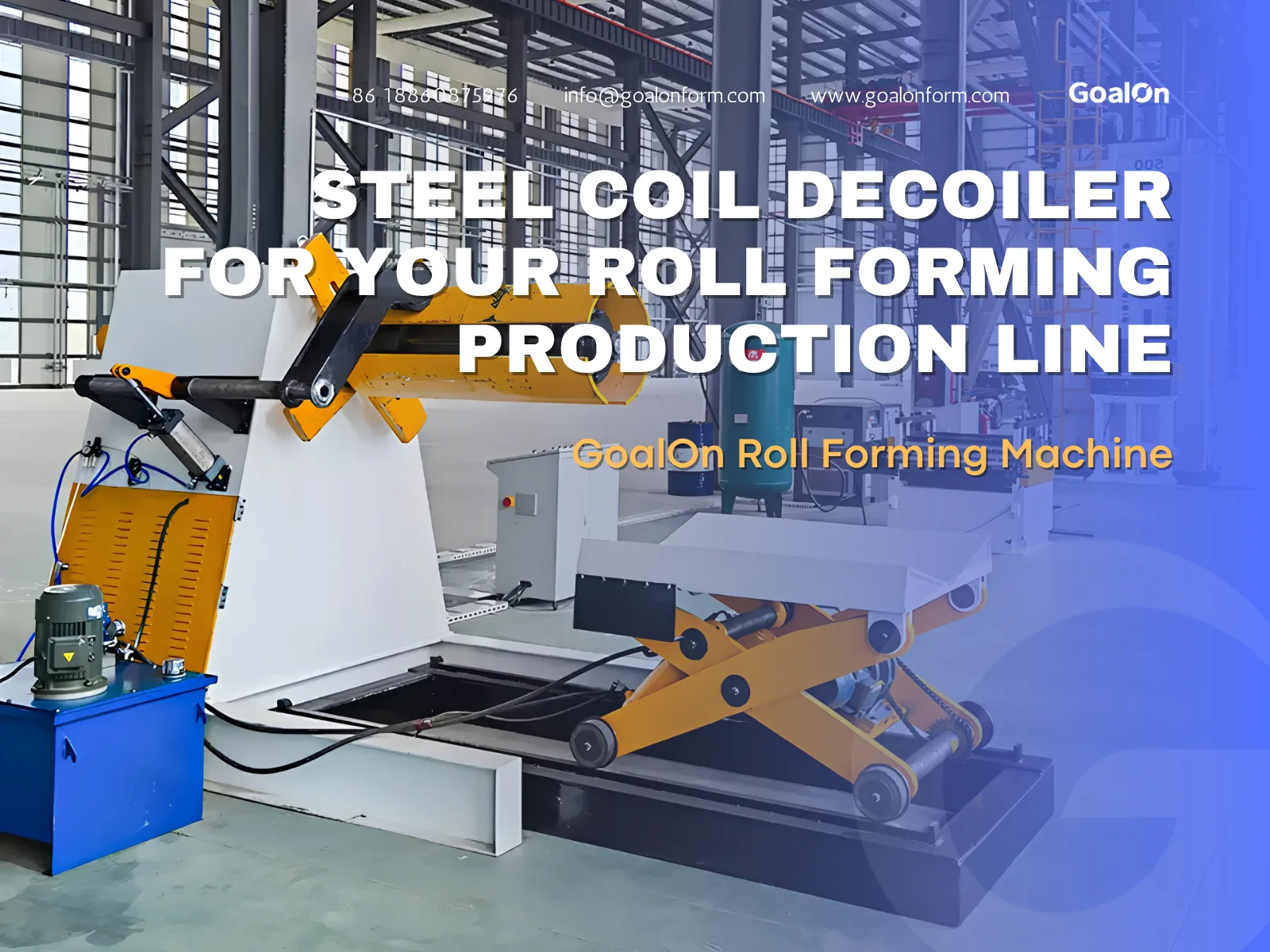
- Automatic decoiler with loading car
- Servo-controlled feeding system
- Online punching unit
- High-speed forming section
- Flying hydraulic cutting system
- Automatic stacker or packing system
The most significant difference lies in production continuity. A line equipped with a flying cut-off system can operate without stopping during cutting, significantly increasing output efficiency compared to stop-to-cut hydraulic systems.
In high-volume construction material manufacturing, automation is not only about labor reduction—it directly improves consistency, reduces scrap rate, and stabilizes dimensional accuracy across long production runs.
4. Cutting System Selection: Accuracy vs Speed Balance
Cutting technology plays a critical role in determining final product precision and production rhythm. There are two mainstream solutions in modern roll forming systems:
Hydraulic Stop-to-Cut System
This system stops the strip during cutting. It is widely used in medium-speed production lines due to its simplicity and lower cost. Its advantages include:
- Stable cutting precision
- Lower maintenance requirements
- Suitable for medium batch production
However, the production cycle is interrupted during each cut, which limits output speed.
Flying Hydraulic Cutting System
A more advanced configuration, the flying cut system synchronizes cutting movement with line speed, allowing continuous operation. It is widely used in high-speed roofing sheet production and large-scale industrial lines.
Advantages include:
- Continuous production without interruption
- Higher line efficiency
- Better suited for automated stacking systems
From a technical perspective, flying cutting requires precise synchronization between encoder feedback systems and servo control, making it more complex but significantly more productive.
5. Structural Design and Machine Durability
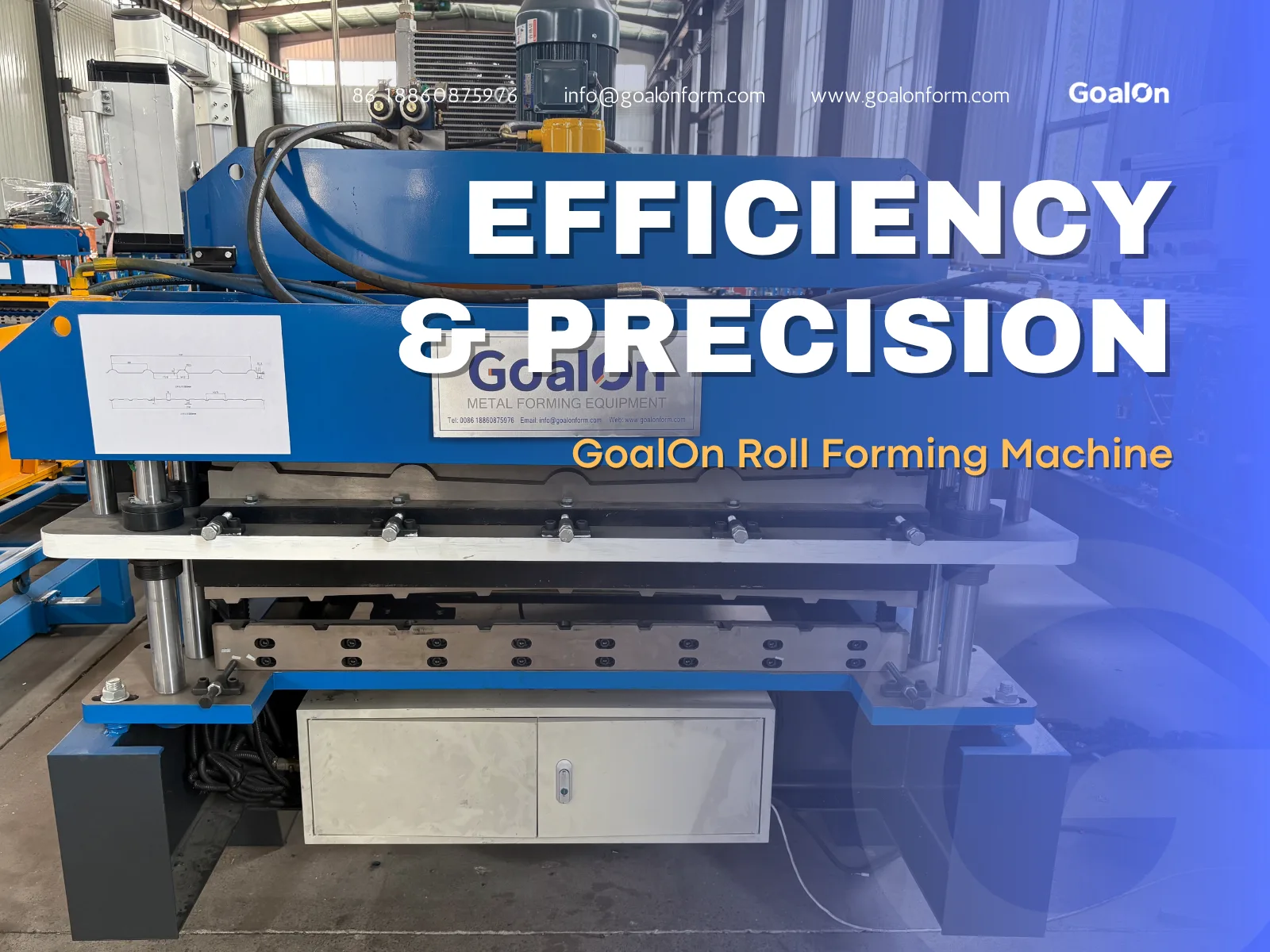
A frequently underestimated factor in equipment selection is machine structural integrity. A roll forming line is subject to long-term dynamic load stress, especially when processing thick or high-strength steel.
Key structural considerations include:
- Frame type (H-frame, wall panel type, or cast iron structure)
- Shaft diameter (typically 70–120 mm for industrial machines)
- Roller material (GCr15 bearing steel with heat treatment)
- Transmission system stability
Heavy-duty applications often require cast steel or reinforced welded frame structures to prevent long-term deformation. For high-speed production, vibration control is equally important to maintain profile consistency.
A well-designed machine ensures not only production stability but also longer service life with reduced maintenance frequency.
6. Supplier Engineering Capability and After-Sales System
Beyond machine configuration, supplier capability plays a decisive role in long-term operational success. A roll forming line is a customized engineering system rather than a standardized product.
Professional suppliers should provide:
- Profile design optimization before manufacturing
- Production simulation and technical drawings
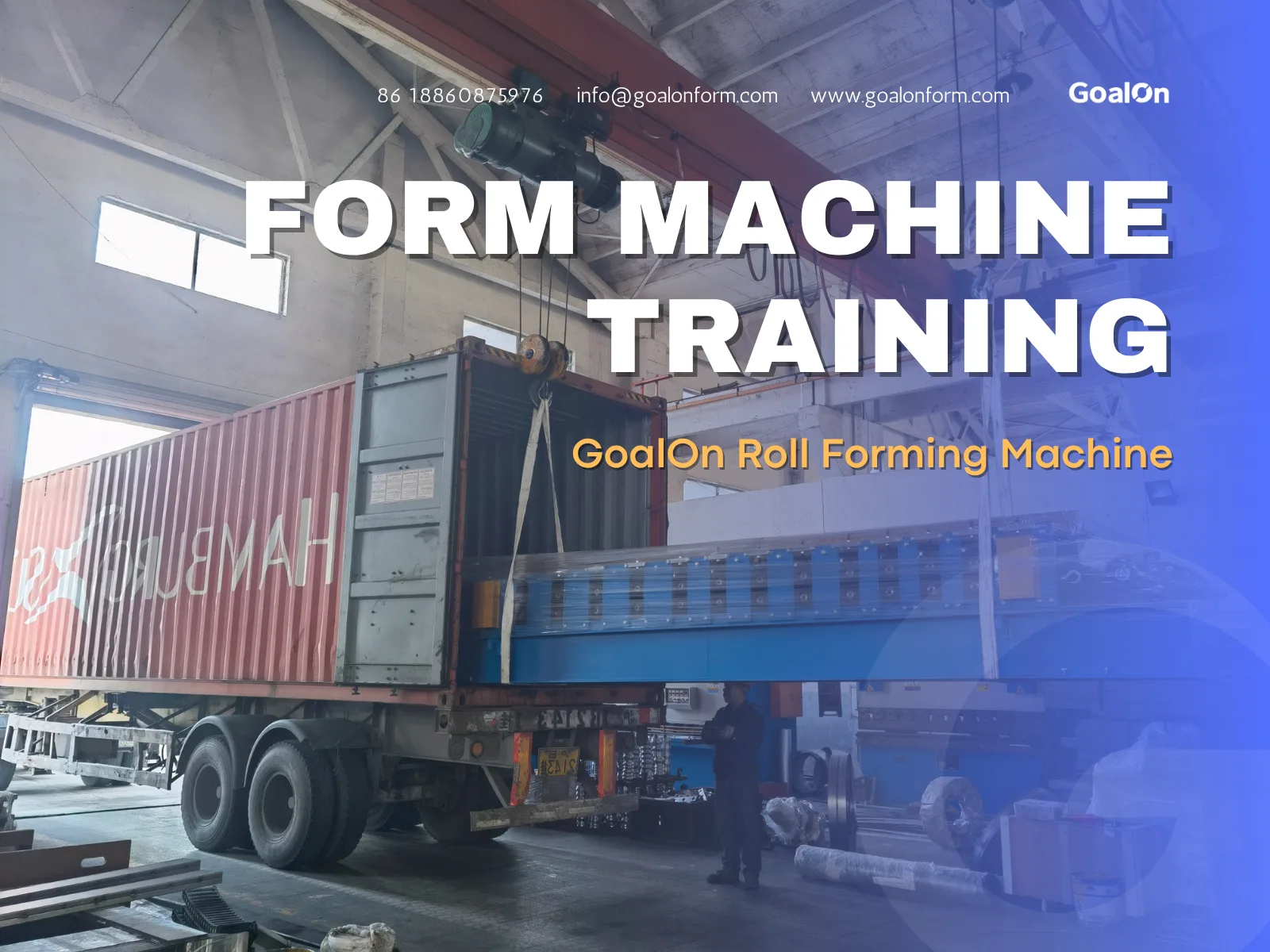
- Installation guidance and operator training
- Spare parts availability and fast response support
In global supply chains, downtime is often more expensive than equipment cost itself. Therefore, reliable after-sales engineering support becomes a critical part of ROI calculation.
Manufacturers and trading companies should evaluate not only the machine, but also the supplier’s ability to support long-term production continuity.
7. Long-Term Efficiency and Investment Perspective
From a strategic perspective, selecting a roll forming machine is an investment in production capability over the next 10–20 years. A low-cost machine with poor engineering design may result in higher scrap rates, unstable operation, and frequent maintenance shutdowns.
On the other hand, a properly engineered system improves:
- Material utilization rate
- Production consistency
- Labor efficiency
- Product market competitiveness
The real value of a roll forming line is not just output speed, but its ability to maintain stable performance under continuous industrial operation.
Conclusion
Selecting the right roll forming machine requires a multi-dimensional evaluation that combines material science, mechanical engineering, production planning, and supplier capability. Key decision factors such as material thickness compatibility, profile complexity, automation level, and cutting system design must be analyzed together rather than individually.
For construction companies, steel profile manufacturers, and equipment investors, a well-matched roll forming system is a foundation for long-term profitability and production stability.
By approaching selection from an engineering and lifecycle perspective, buyers can significantly reduce operational risks and ensure their production line remains competitive in a rapidly evolving global market.