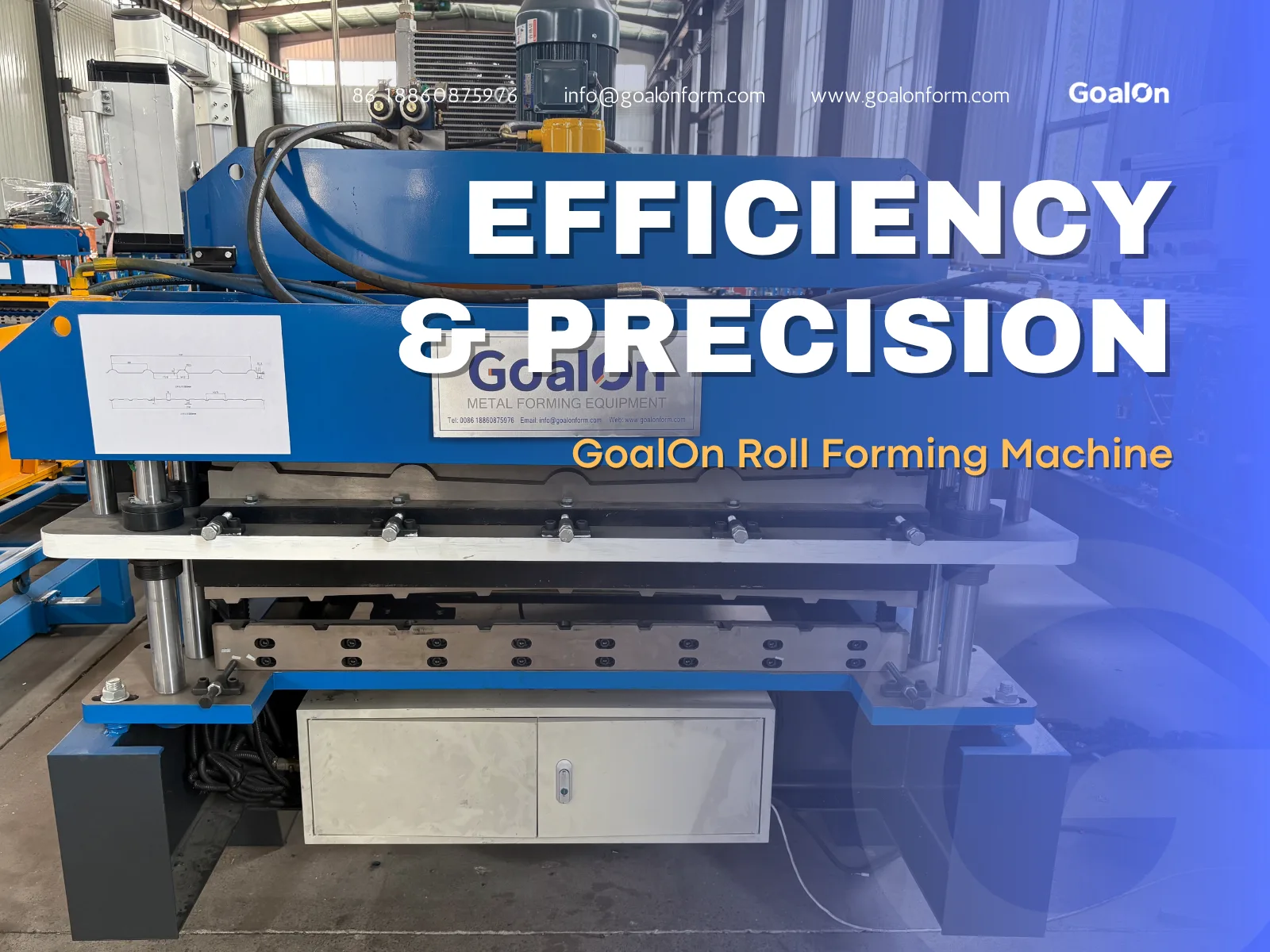
Roll forming machines are revolutionizing the metal forming industry. They offer unmatched efficiency and precision.
These machines shape metal sheets into desired profiles through a continuous bending process.
Manufacturers and engineers appreciate their high-speed production capabilities. This makes them ideal for large-scale operations.
Roll forming machines handle various metals, including steel, aluminum, and copper. This versatility is a significant advantage.
The process minimizes waste, reducing material scrap and saving costs. It also ensures consistent quality in complex cross-sections.
Automation in roll forming reduces manual labor needs, enhancing safety and productivity.
These machines are cost-effective, with high production rates and low labor costs. They are also energy-efficient, requiring less power than other methods.
Roll forming machines are integral to industries like construction, automotive, and aerospace. They support innovation and efficiency in modern manufacturing.
What Is a Roll Forming Machine?
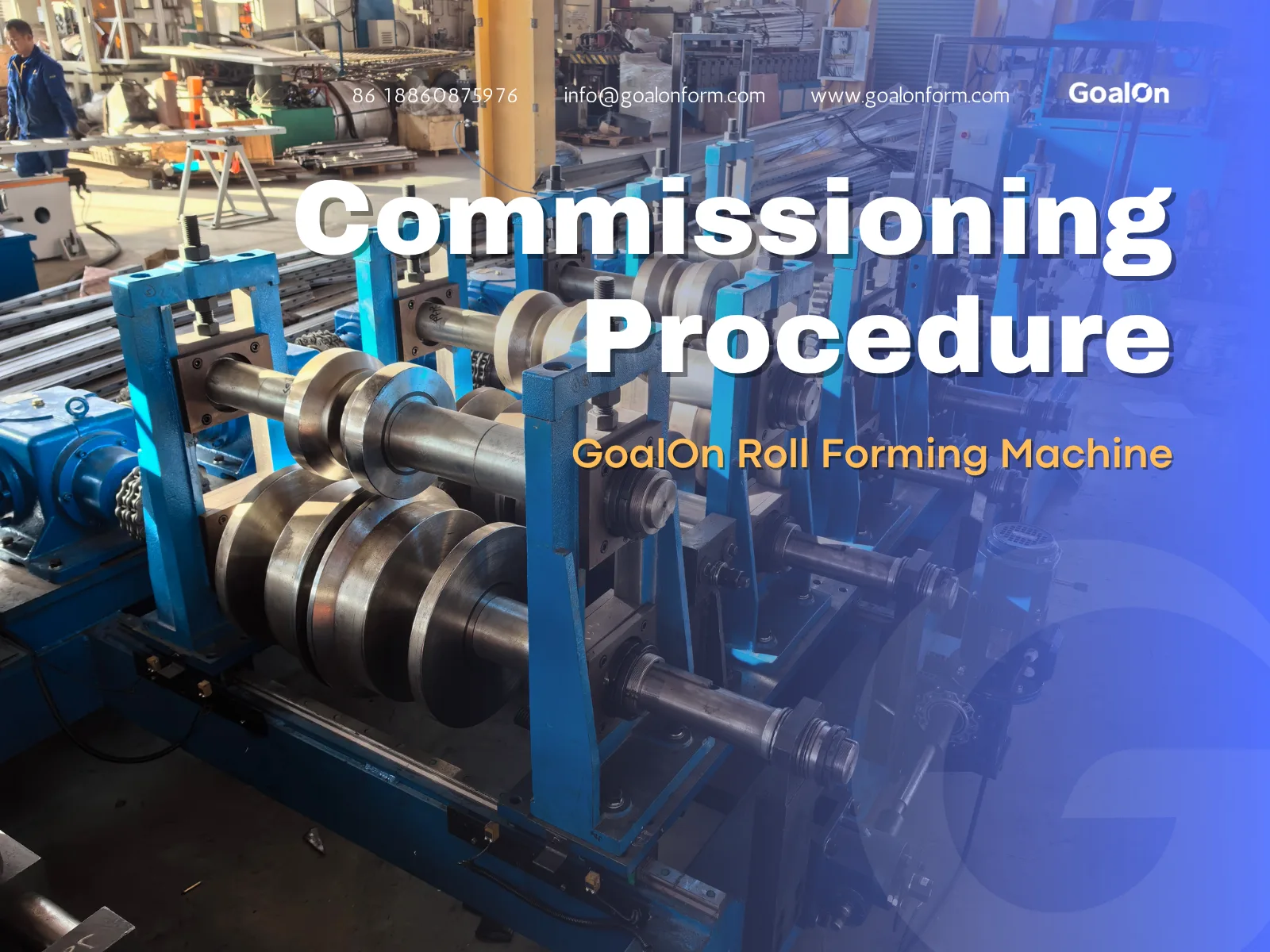
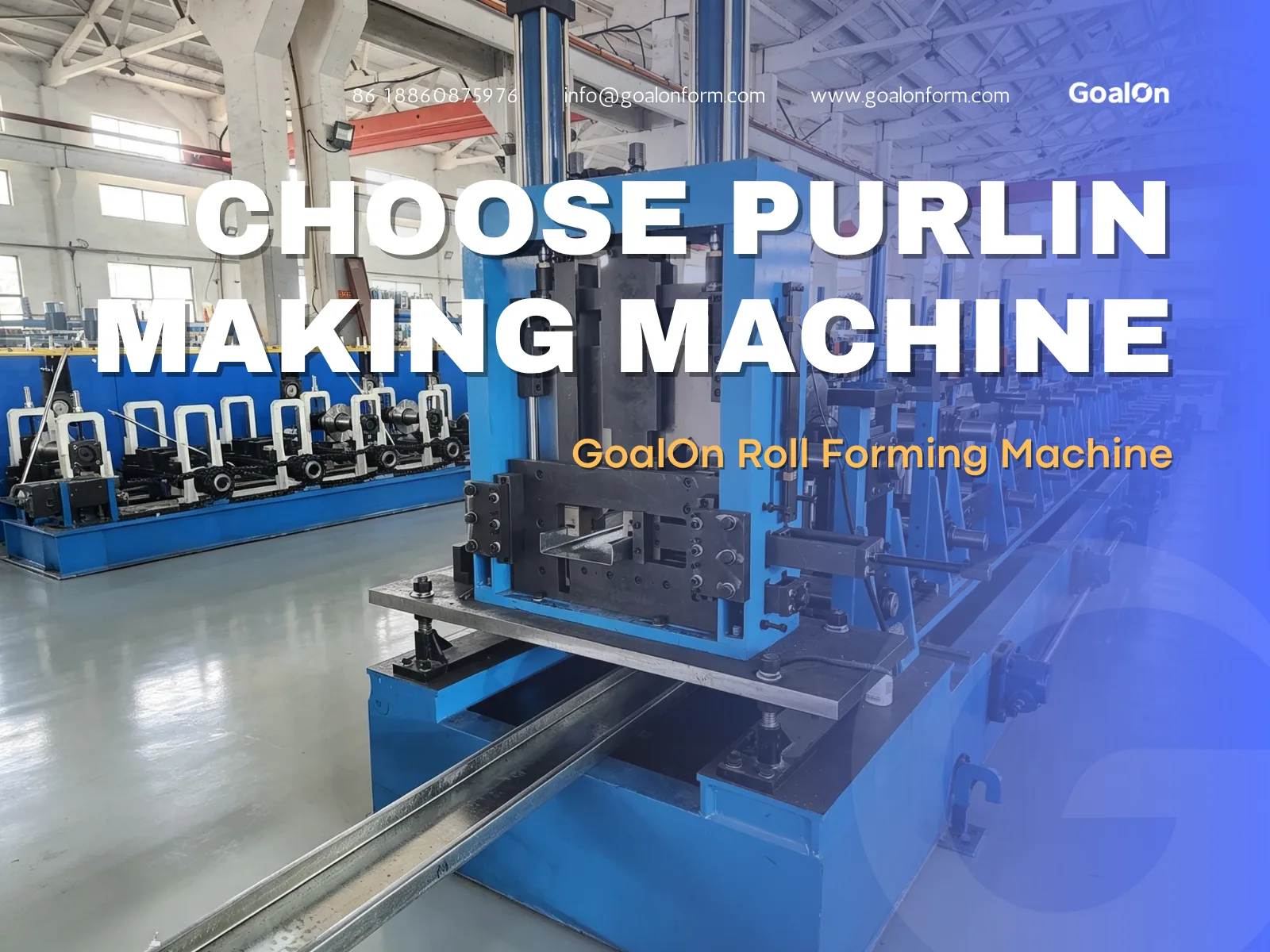
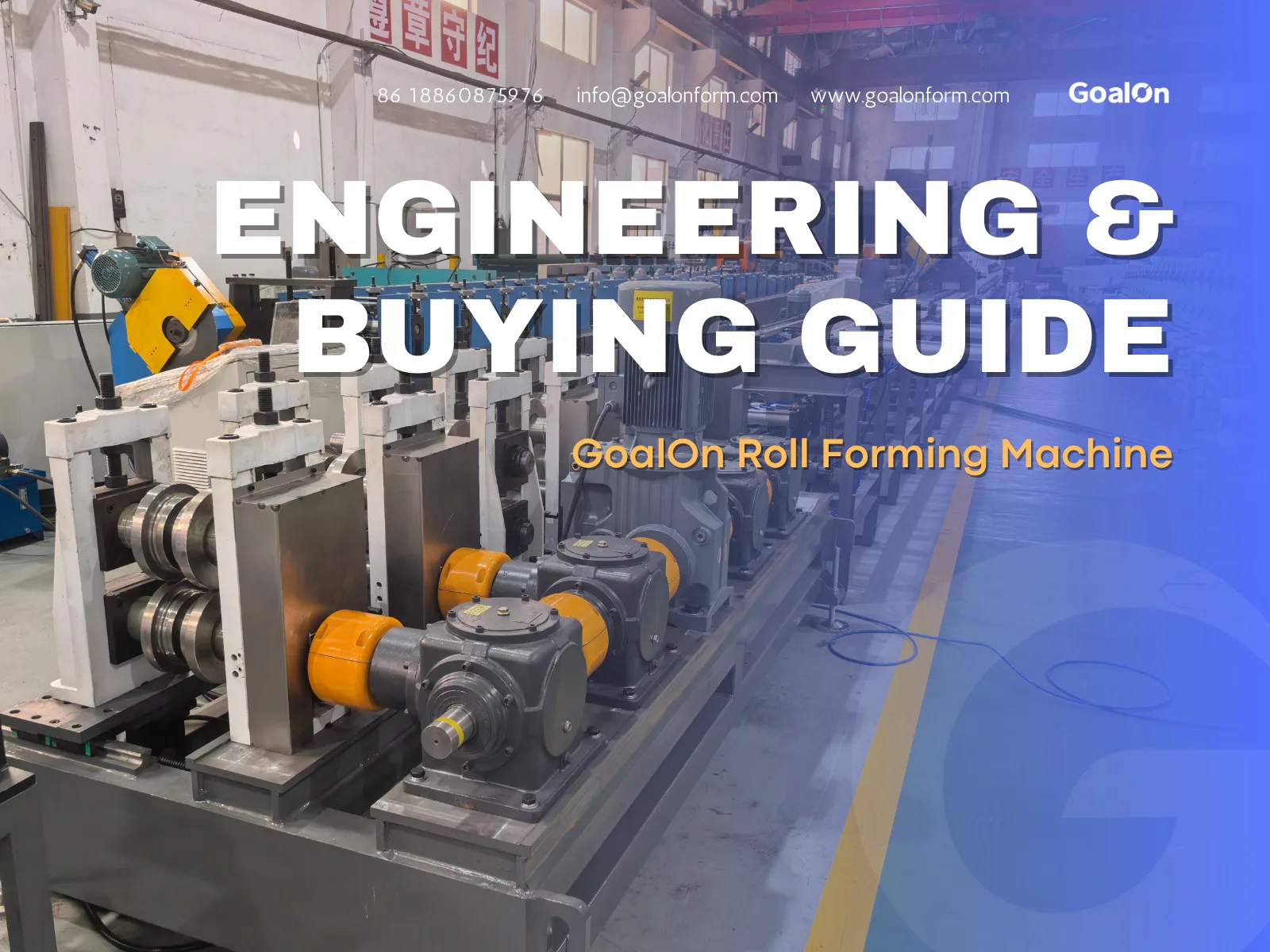
A roll forming machine is a piece of industrial equipment used in metal forming. It works by feeding a sheet or strip of metal through a series of mated roll dies.
The machine gradually bends the metal into the desired profile. This process is continuous and highly efficient.
Roll forming machines can transform plain metal sheets into complex shapes. They maintain consistent quality and accuracy throughout production.
These machines can handle a variety of metal types. This includes common materials like steel and aluminum.
Key features of a roll forming machine include:
- Precise bending capabilities
- Adaptability to different metals
- Customizable designs for specific needs
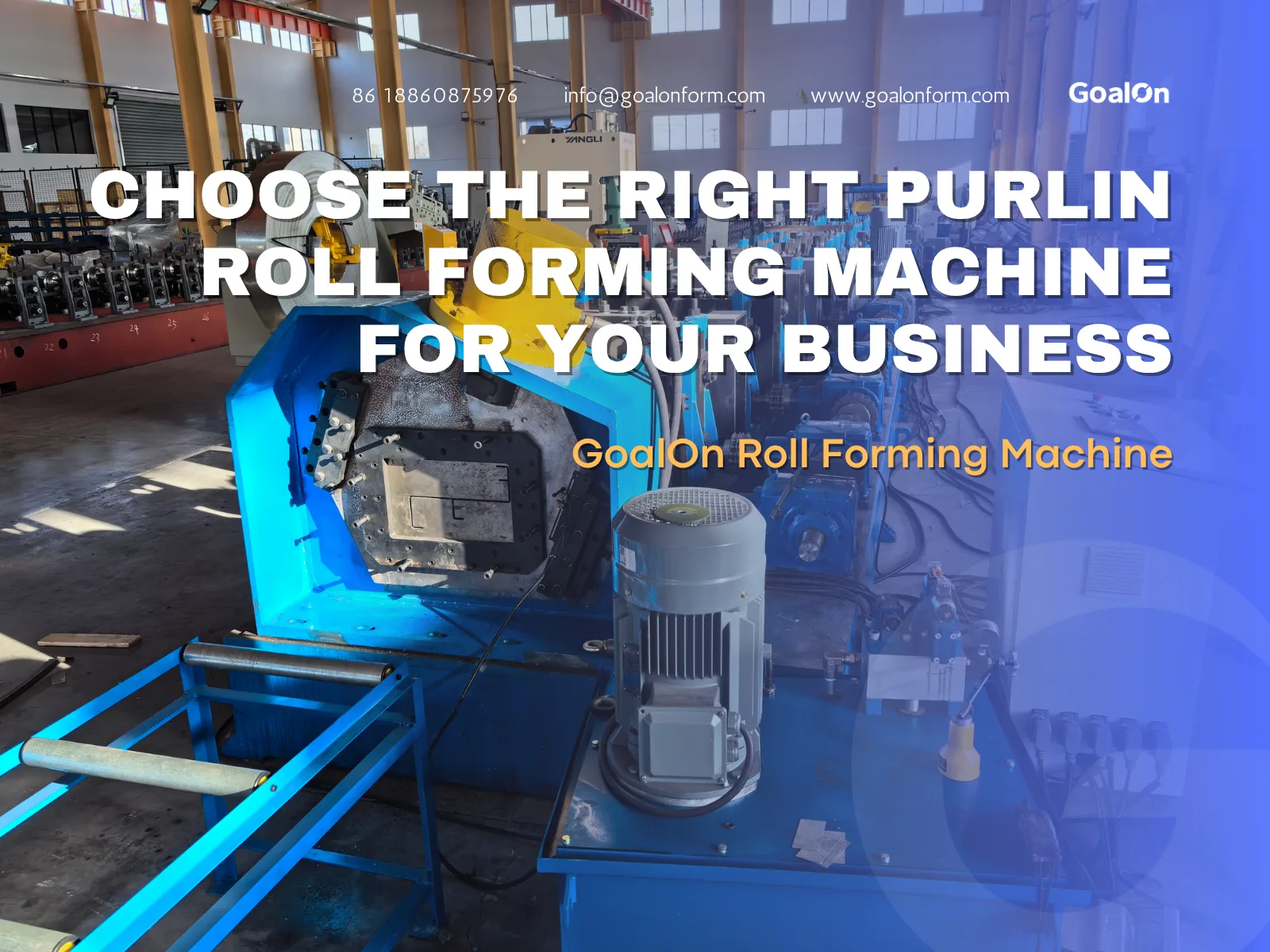
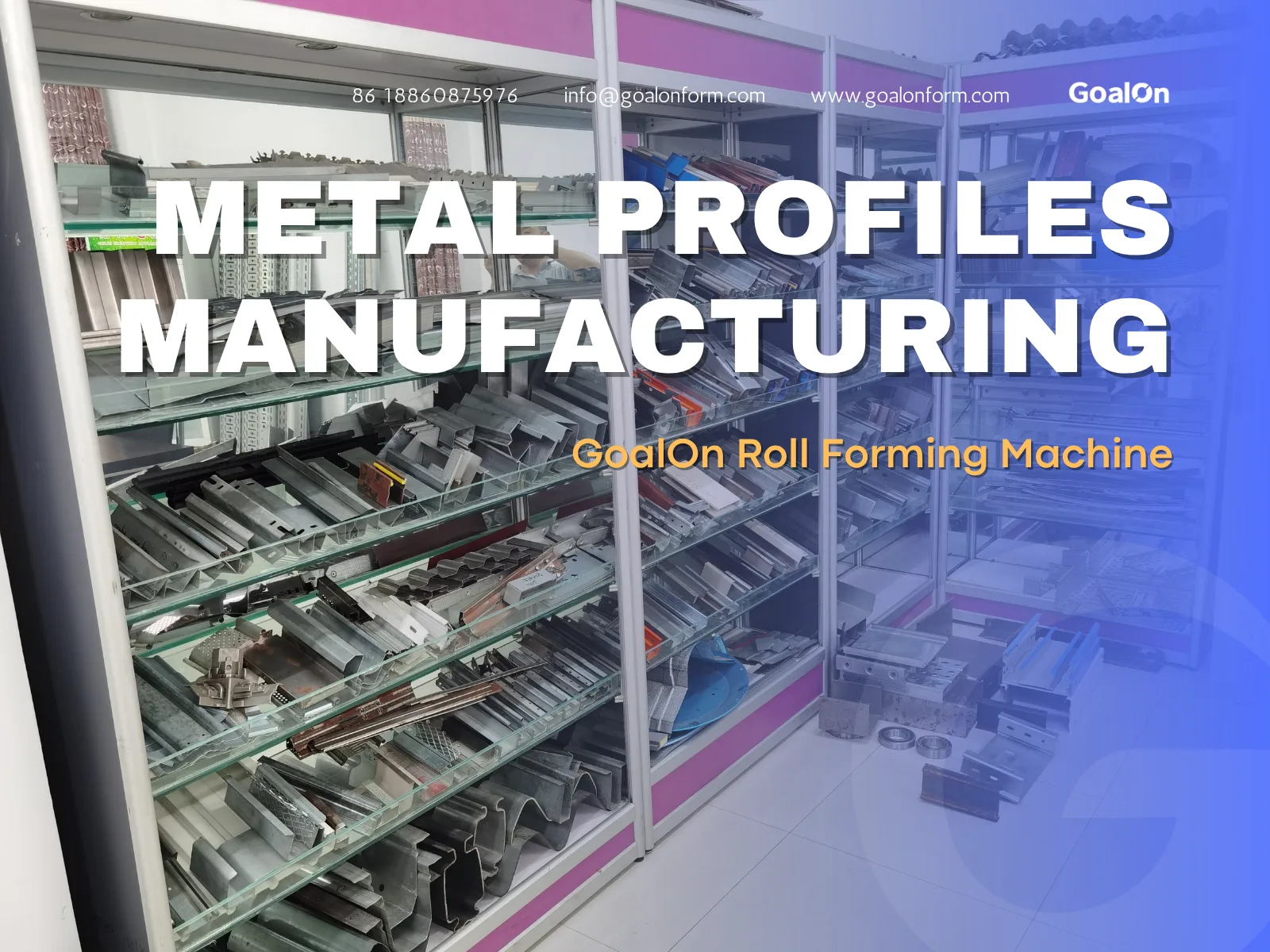
Roll forming machines are essential in producing long, lightweight metal components. They are used in roofing, wall systems, and structural supports.
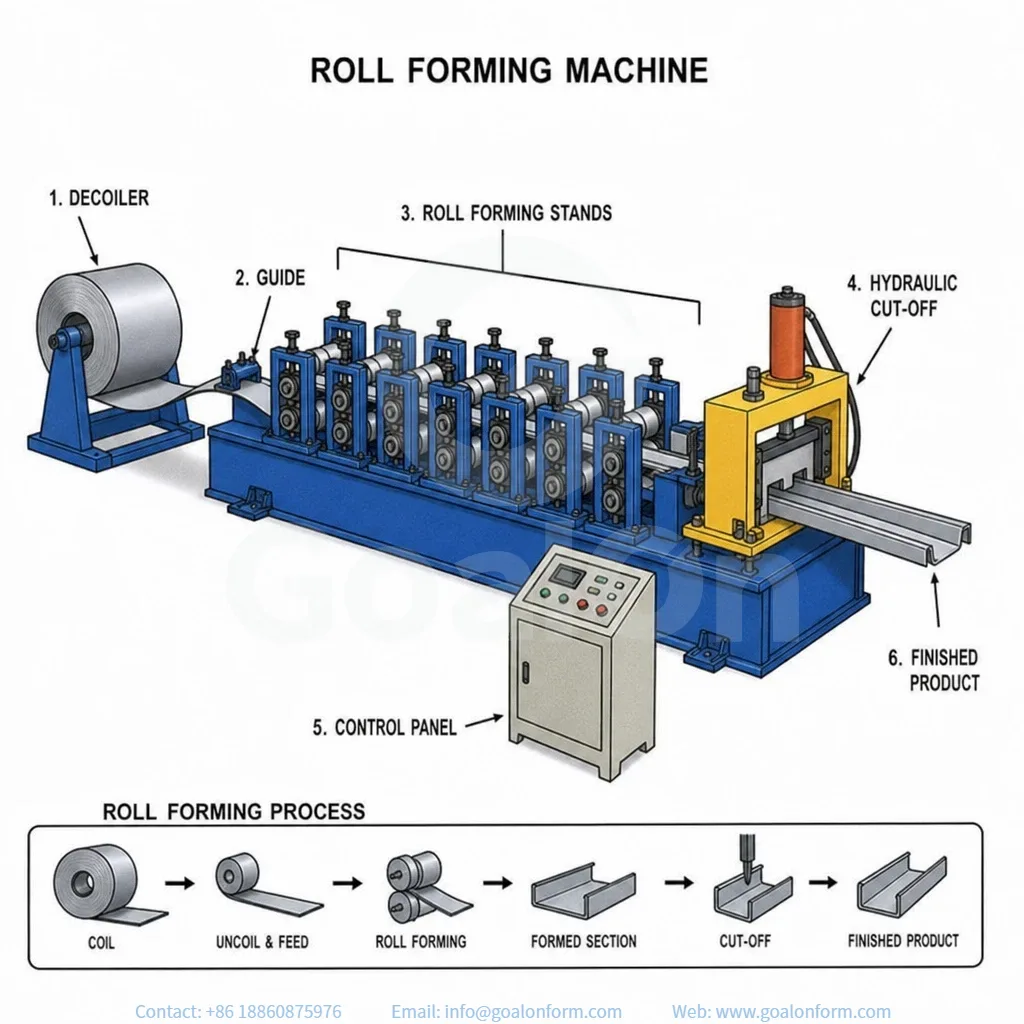
This machinery supports various industries by delivering fast production with minimal waste. Roll forming plays a vital role in modern manufacturing processes.
Overall, these machines provide a reliable solution for creating metal products with high efficiency and precision.
How Roll Forming Works: The Metal Forming Process
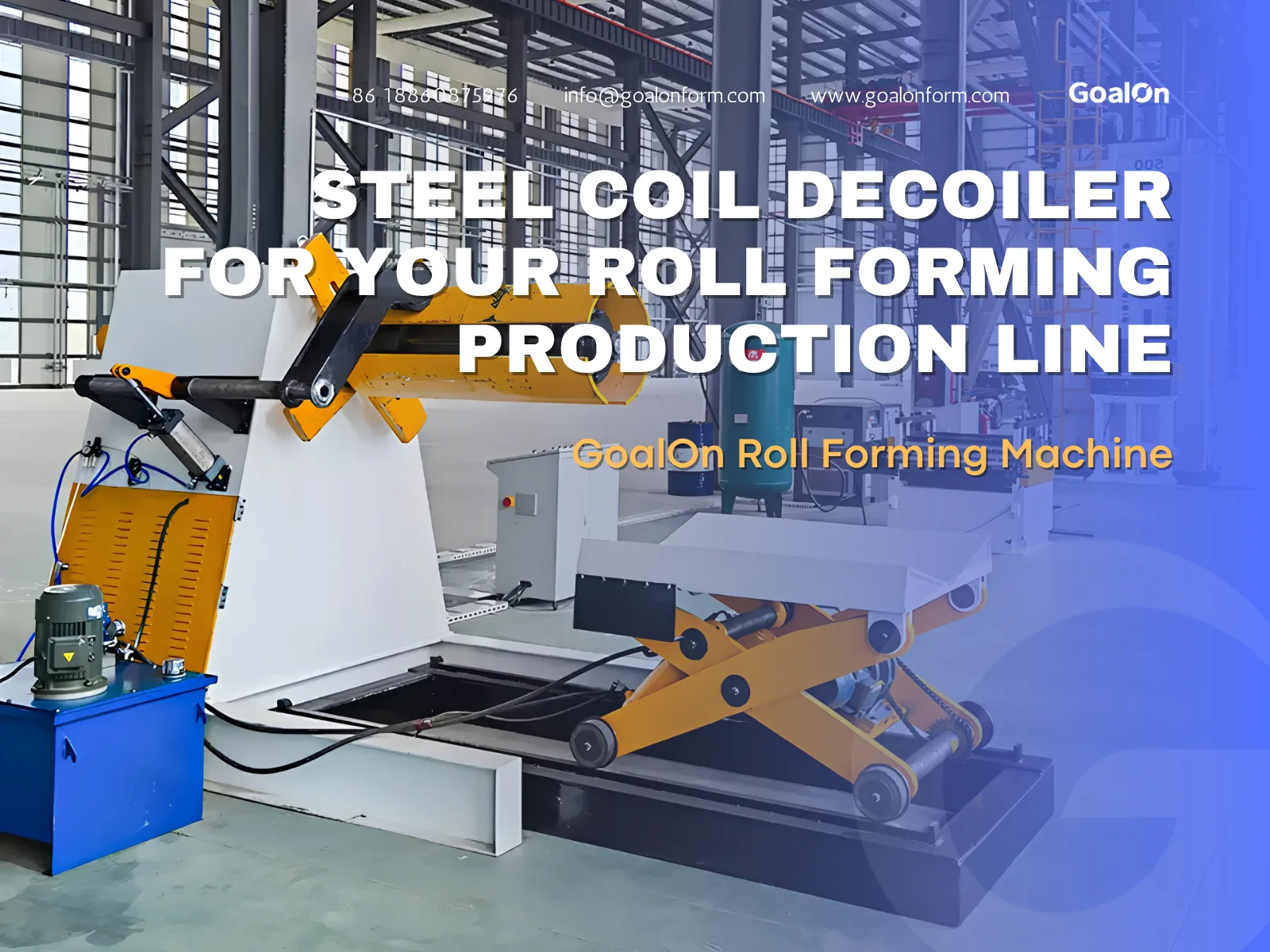
Roll forming is a fascinating process in the realm of metal forming. It begins by feeding metal into a roll forming machine. This metal can be in sheet or coil form.
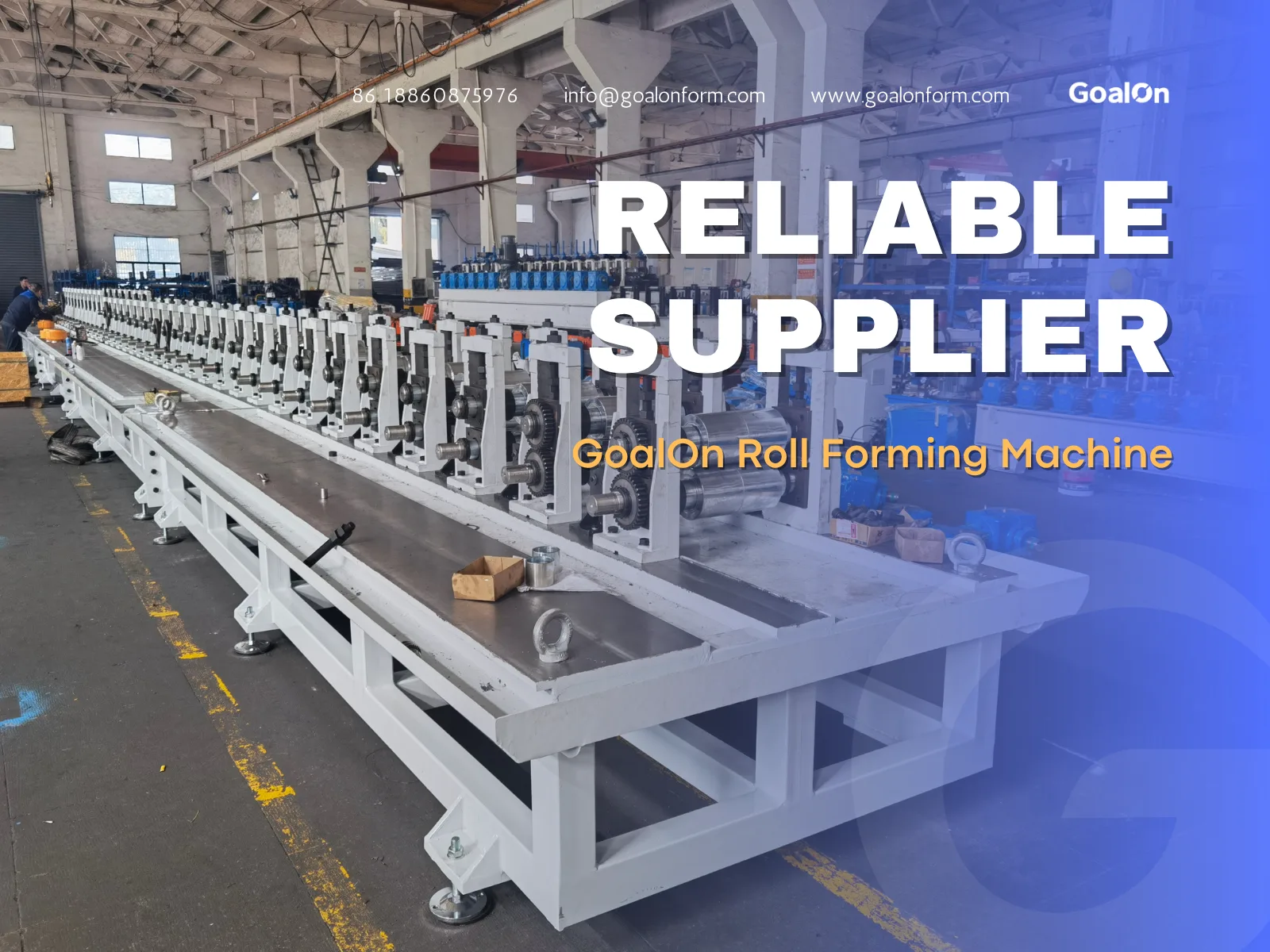
The machine then drives the metal through a series of rollers. Each set of rollers bends the metal a little more toward the final shape.
This gradual bending ensures the material doesn’t crack or warp. The process creates intricate profiles with high precision. Roll forming can produce both symmetrical and asymmetrical shapes.
A typical roll forming process includes the following steps:
- Feeding the metal sheet or coil into the machine
- Progressive forming through a series of roller stations
- Corte the formed metal to the desired length
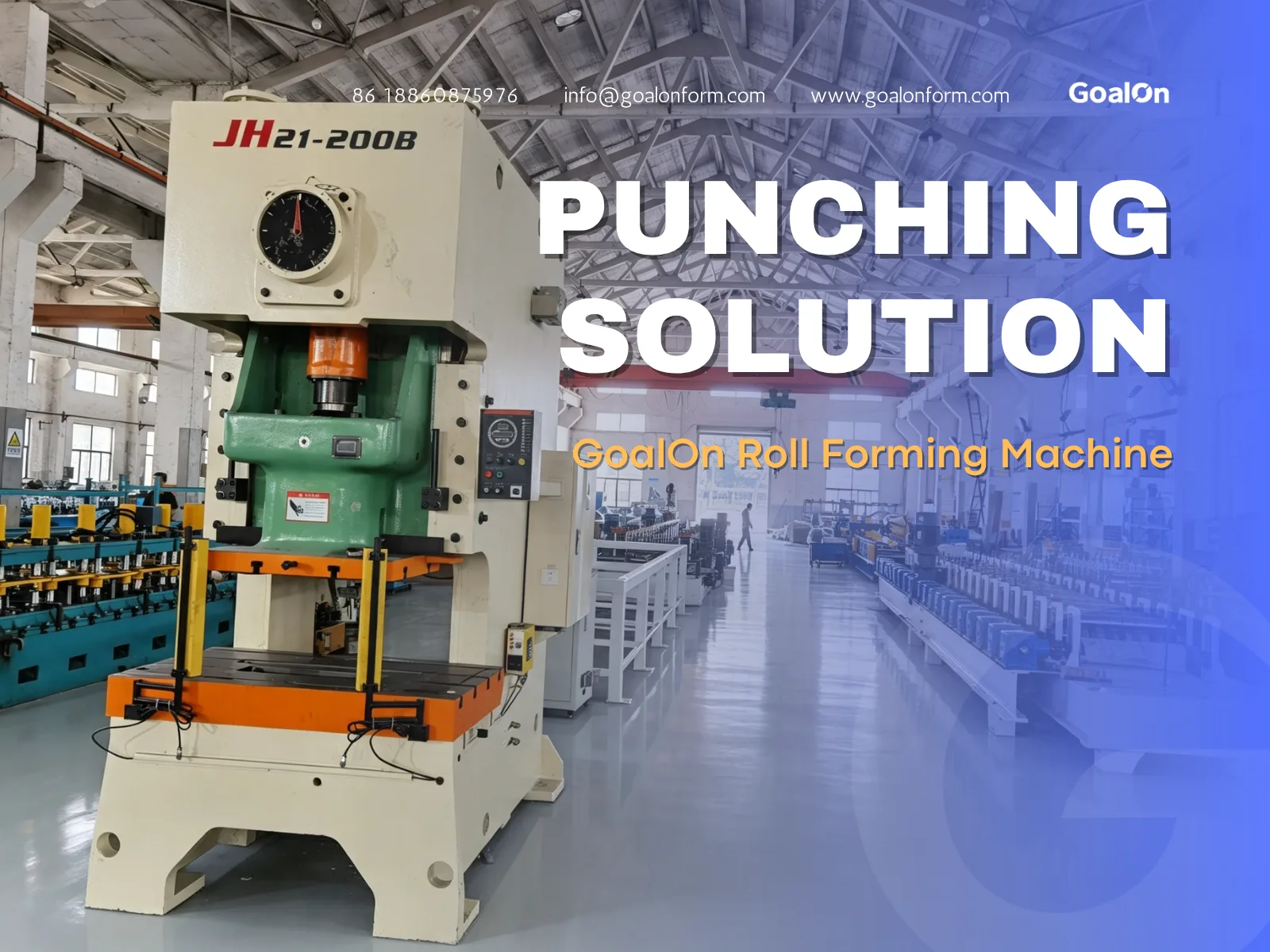
- Optional additions such as punching or embossing for customization
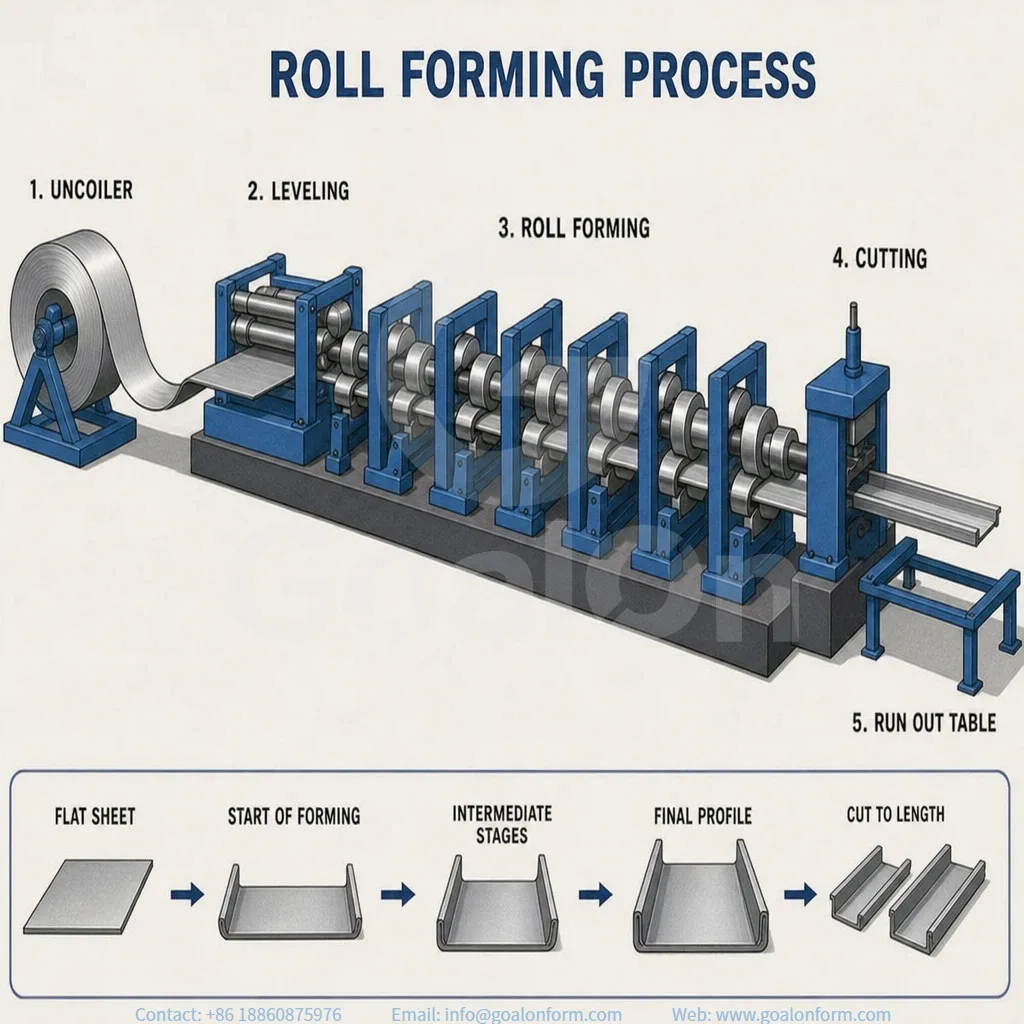
The beauty of roll forming lies in its efficiency and consistency. With minimal human intervention, these machines produce long stretches of metal components swiftly. This process is crucial in industries that demand high-quality, reliable metal products.
Overall, roll forming provides an excellent combination of speed, quality, and versatility in metal manufacturing.
Key Advantages of Roll Forming Machines
Roll forming machines offer a multitude of advantages for metal forming processes. They excel in delivering high production rates with exceptional accuracy. This makes them ideal for industries that require large volumes of metal components.
One of the standout advantages is their ability to produce complex cross-sections consistently. These machines facilitate the production of intricate designs without compromising structural integrity. Roll forming results in components that are both aesthetically pleasing and functional.
Additional benefits include:
- High efficiency and speed
- Minimal material waste
- Versatility in design applications
With these advantages, roll forming machines stand out in the manufacturing world. They support innovation and efficiency, driving industry-wide improvements.
High Efficiency and Speed in Production
Roll forming machines are renowned for their efficiency and speed. They streamline the production of metal components, boosting productivity in manufacturing facilities. Fast cycle times mean that large production runs are achievable in shorter periods.
The high-speed operation is made possible by the automated process. Metal sheets move swiftly through each set of rollers. This automation ensures minimal downtime.
Key aspects of roll forming’s efficiency:
- Continuous processing reduces lead times
- Automated systems minimize manual intervention
- Quick changeover capabilities enhance flexibility
Roll forming machines make high-volume production less daunting, enhancing operational efficiency and meeting tight schedules.
Cost-Effectiveness and Reduced Waste
The cost-effectiveness of roll forming machines is unmatched in metal fabrication. Their ability to minimize waste translates into significant cost savings. Precision measurements ensure only the necessary material is used.
By eliminating excess material scrap, businesses reduce overall production costs. Lower waste levels also contribute to a sustainable production process.
Cost-effective features include:
- Efficient material usage lowers expenses
- Fewer secondary operations reduce labor costs
- Long-term savings through reduced maintenance
Overall, roll forming offers both financial and environmental benefits. This makes it a preferred choice for savvy manufacturers.
Versatility in Metal Forming Applications
Roll forming is famous for its versatility across various applications. Whether for automotive or construction, it can adapt to different industry requirements. The machines handle an extensive range of metals, from aluminum to steel.
This adaptability allows manufacturers to produce diverse metal profiles. Custom shapes and sizes are crafted with ease, supporting specific project needs.
Examples of versatile applications:
- Automotive frames and components
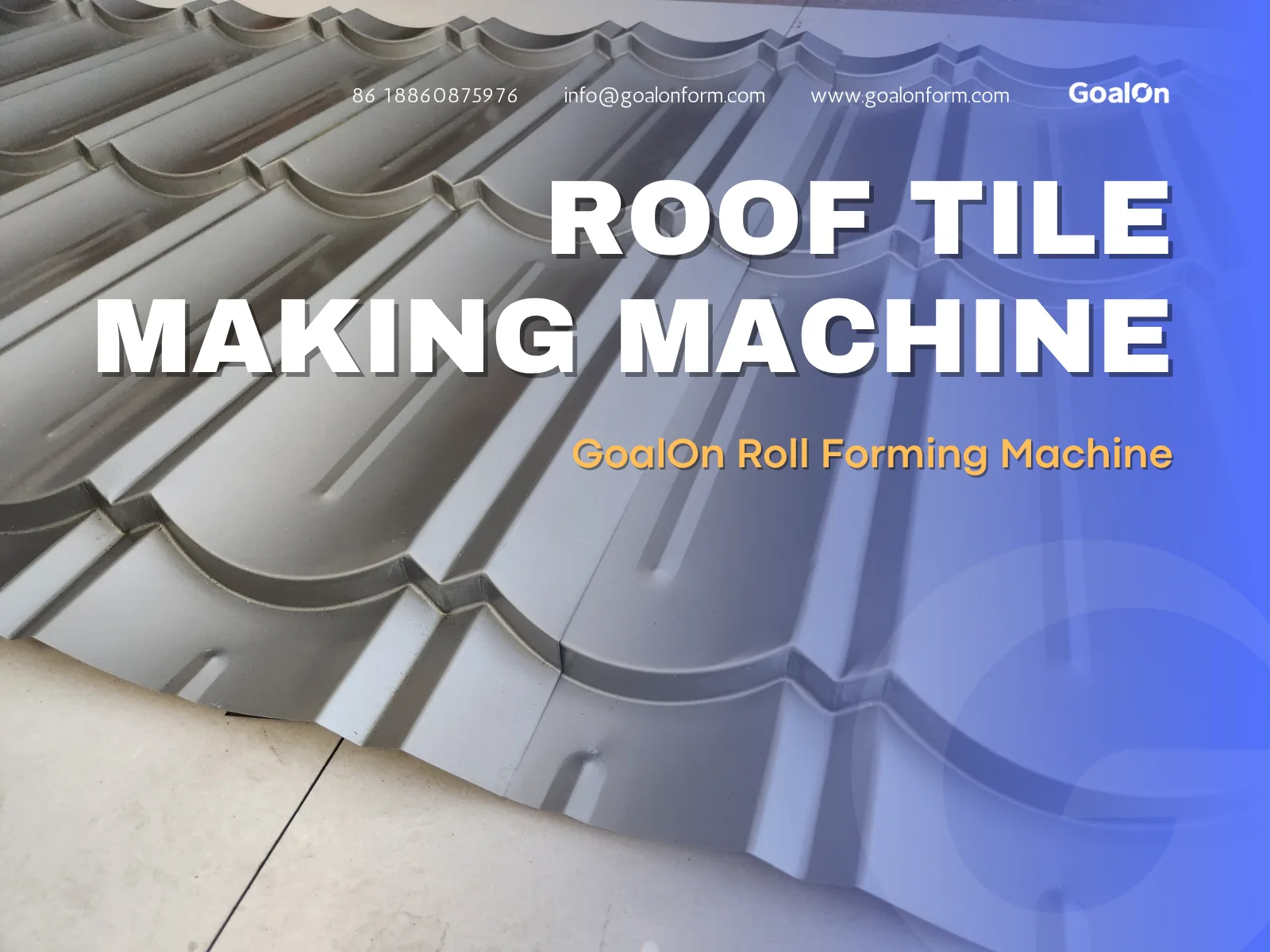
- Architectural panels and roofing
- Aerospace structural parts
Such versatility ensures that roll forming machines can cater to various industries, broadening their utility and appeal.
Consistent Quality and Precision
In the realm of metal forming, precision is key. Roll forming machines deliver consistent quality across production runs. Automated features ensure each metal part meets exact specifications.
This repeatability is vital for maintaining quality standards over time. Dimensional accuracy is achieved through advanced control systems.
Important factors in achieving precision:
- Automated adjustments maintain consistency
- High dimensional accuracy eliminates discrepancies
- Quality control systems ensure uniformity
For manufacturers seeking reliability, roll forming machines are indispensable, providing both consistency and quality.
Automation, Safety, and Labor Savings
Roll forming machines maximize automation, thus reducing labor needs. These machines minimize the requirement for manual intervention, enhancing workplace safety. With automated processes, human errors are reduced significantly.
This also saves on labor costs, as fewer workers are needed to operate the equipment. Enhanced safety features protect workers from potential hazards.
Automation and safety benefits include:
- Reduced manual labor requirements
- Increased worker safety with protective features
- Lower risk of operator error
With these safety and labor advantages, roll forming offers improved operational conditions while streamlining workflows.
Energy Efficiency and Environmental Benefits
Energy efficiency is a strong point of roll forming machines. They consume less power than other metal forming methods. This leads to reduced energy bills and lower operational costs.
Furthermore, the process is environmentally friendly. Minimal waste generation ensures a lighter footprint.
Eco-friendly benefits of roll forming:
- Lower energy consumption reduces costs
- Environmentally sustainable with reduced emissions
- Waste reduction minimizes environmental impact
By prioritizing energy efficiency, roll forming not only benefits businesses but also supports environmental responsibility.
Customization and Flexibility in Roll Forming
Roll forming machines offer unmatched customization capabilities. They can be adapted to produce a variety of metal profiles, accommodating diverse industry needs. This flexibility is essential for manufacturers requiring specific custom designs.
The ability to tailor machines allows for quick adaptations. Manufacturers can transition seamlessly between different product lines. Such flexibility enhances their competitive edge in dynamic markets.
Features of customization in roll forming include:
- Adjustable rollers for diverse shapes
- Compatibility with various metals
- Capacity for both small and large production runs
This customization means roll forming is not only versatile but also highly adaptable. It meets the diverse demands of modern manufacturing with ease.
Industries and Applications of Roll Forming Machines
Roll forming machines play a pivotal role in various industries. Their ability to produce precise and consistent metal components is invaluable. This makes them essential in sectors that demand high-quality metal profiles.
In the construction industry, roll forming creates steel frames and panels. Automotive manufacturers use these machines for making structural components. The aerospace sector relies on them for producing lightweight, durable parts.
Some key applications include:
- Structural beams and steel doors
- Vehicle parts like bumpers and seat tracks
- Aerospace components
These examples highlight the versatility and widespread adoption of roll forming machines. Their ability to meet diverse industry needs ensures their continued relevance in modern manufacturing.
Technological Advancements in Roll Forming Equipment
Technological advancements continue to enhance roll forming machines. These innovations improve efficiency, precision, and adaptability. Manufacturers benefit from faster production cycles and higher-quality outputs.
Automation is a key area of progress. Enhanced control systems reduce human intervention, increasing safety. Computer-aided design (CAD) integrates seamlessly with machinery for precise operations.
Recent developments include:
- Automated changeover systems for quick setup
- Advanced sensors for real-time quality checks
- Integration with smart manufacturing technologies
These innovations ensure roll forming remains a competitive choice in metal forming. As technology evolves, so do the capabilities of roll forming equipment, offering greater advantages to various industries.
Maintenance, Durability, and Long-Term Value
Roll forming machines are built for longevity, making them a sound investment. Their robust construction ensures they withstand continuous use over many years. Regular maintenance, however, is key to sustaining their performance.
Maintenance requirements are minimal yet crucial. Operators should perform routine checks to prevent unexpected breakdowns. Adhering to the manufacturer’s guidelines helps prolong the machine’s life.
As principais práticas de manutenção incluem:
- Regular lubrication of moving parts
- Inspection of rollers and tooling for wear
- Timely replacement of worn components
Durability combined with low upkeep costs enhances the machine’s long-term value. Companies find roll forming machines an economical choice due to their reliability and extended service life.
Conclusion: Why Invest in Roll Forming Machines?
Roll forming machines offer compelling benefits for manufacturers. Their high efficiency in metal forming is unmatched. The machines significantly reduce production time, enhancing overall output.
Cost-effectiveness is another advantage. By minimizing waste and labor costs, they ensure higher profit margins. Additionally, their ability to produce complex profiles with consistent quality is invaluable.
In summary, roll forming machines provide:
- High efficiency and rapid production
- Cost savings and reduced waste
- Precision and consistent quality
Ultimately, investing in roll forming machines boosts productivity and efficiency. Their versatility and adaptability make them a cornerstone in modern manufacturing industries. For businesses looking to innovate and improve processes, these machines are indispensable.