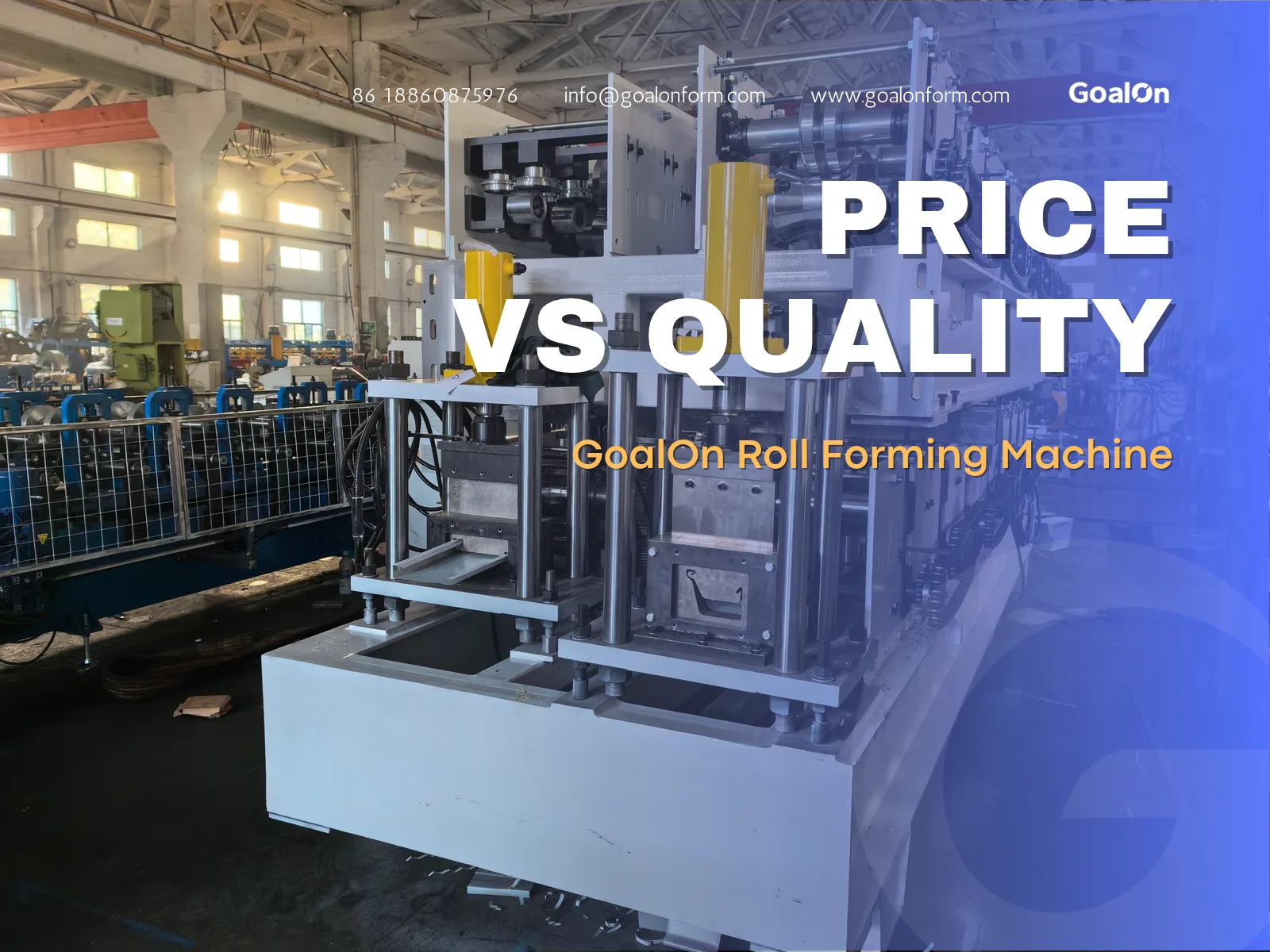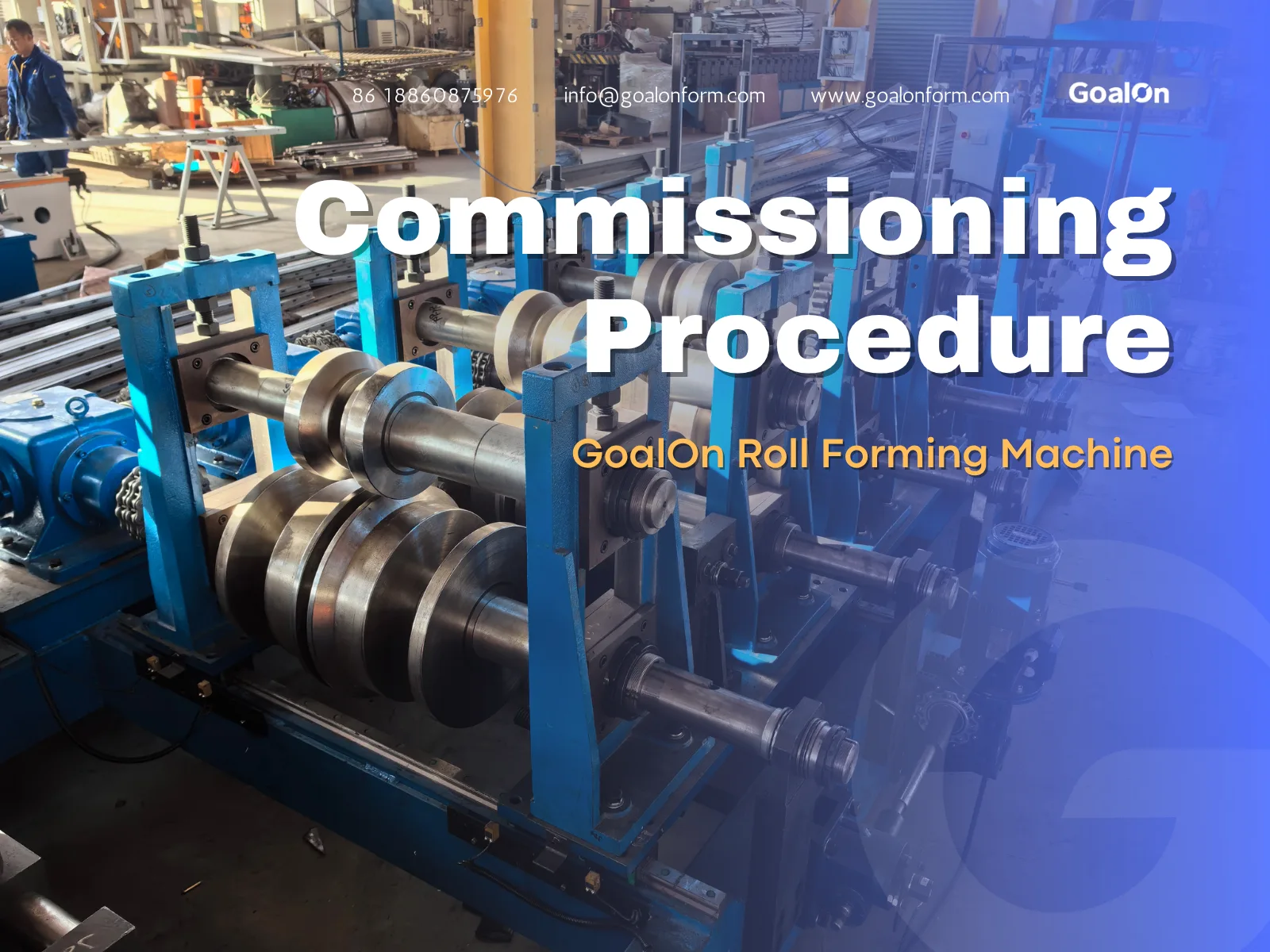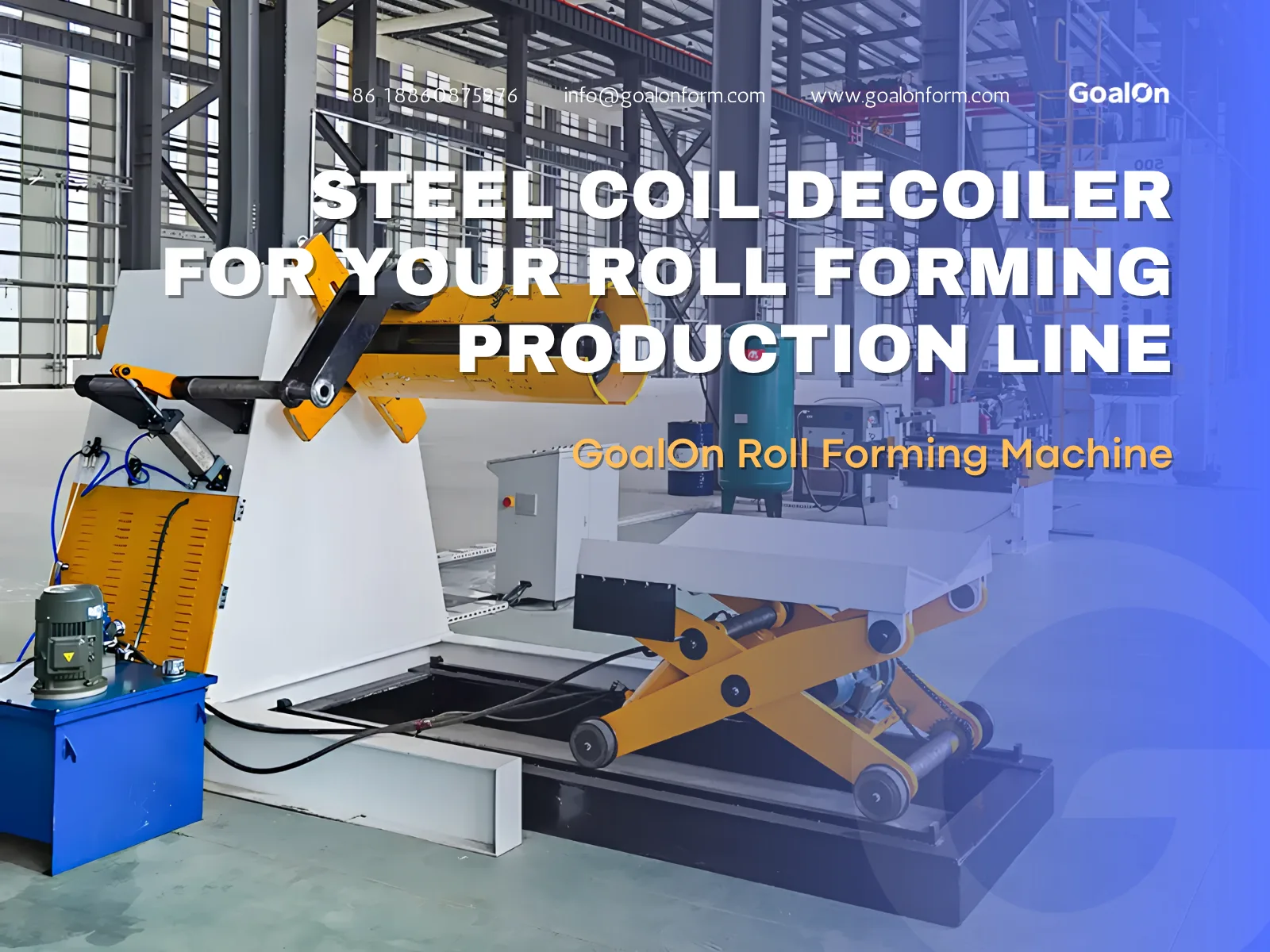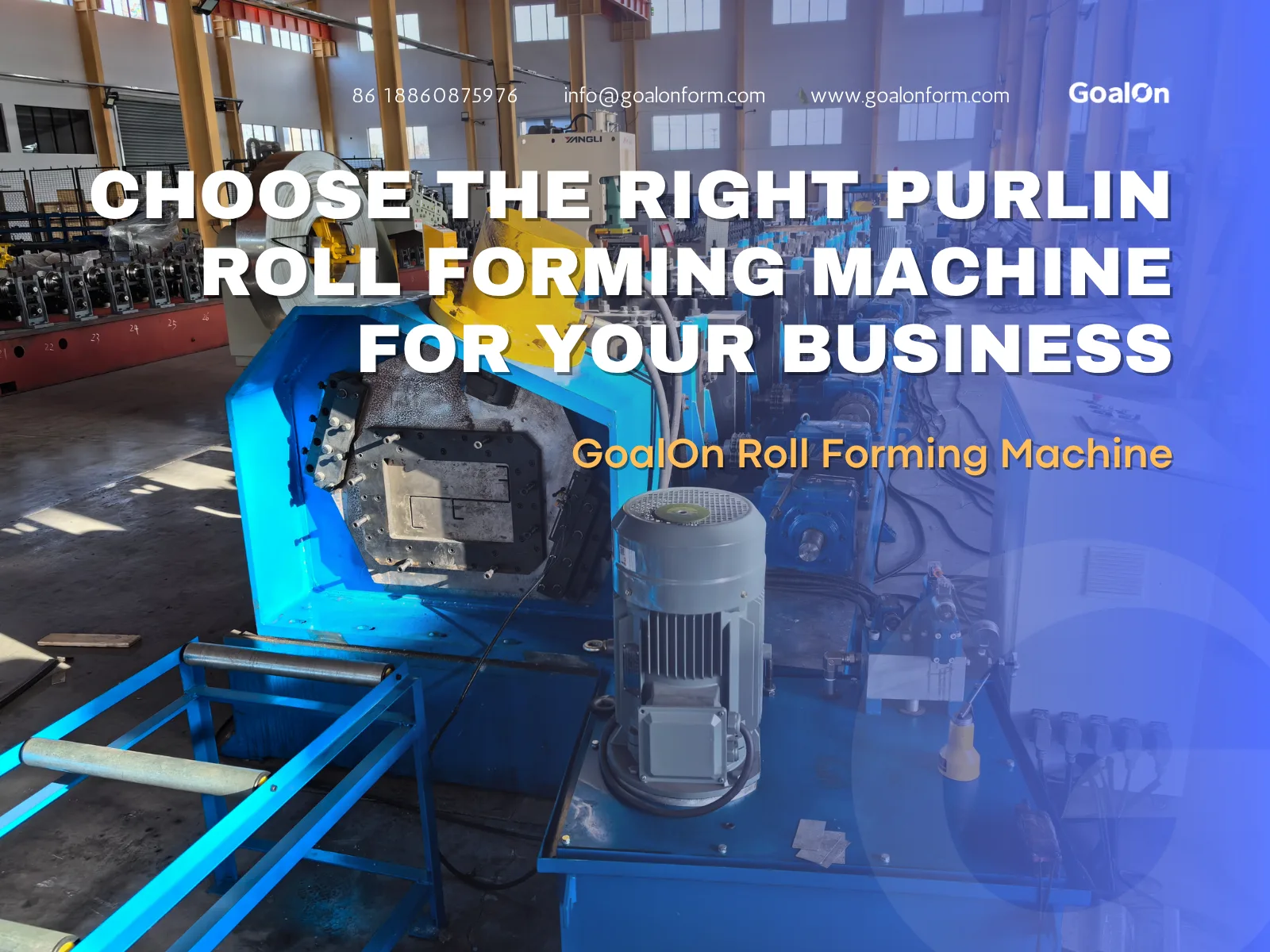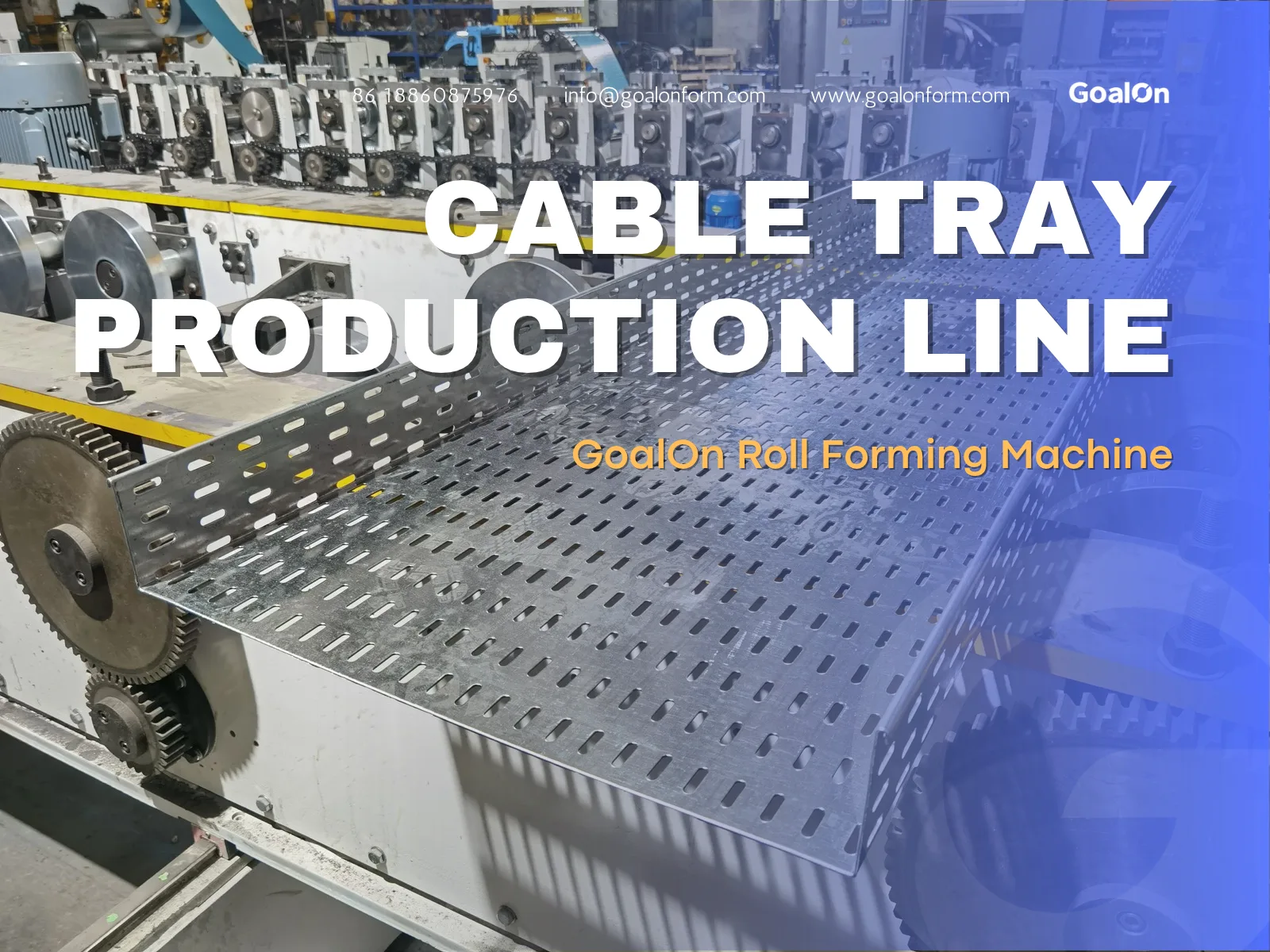
Are you planning to start or expand cable tray production? A cable tray roll forming machine is your most important investment. This equipment transforms flat metal sheets into strong cable trays. These trays protect electrical cables in buildings, factories, and power plants.
In this guide, we cover everything you need to know. You will learn about machine types, key features, and pricing factors. We also share tips on choosing the best cable tray manufacturing equipment for your business. Whether you need a basic unit or an automatic cable tray production line, this article helps you make a smart decision.
What Is a Cable Tray Roll Forming Machine?
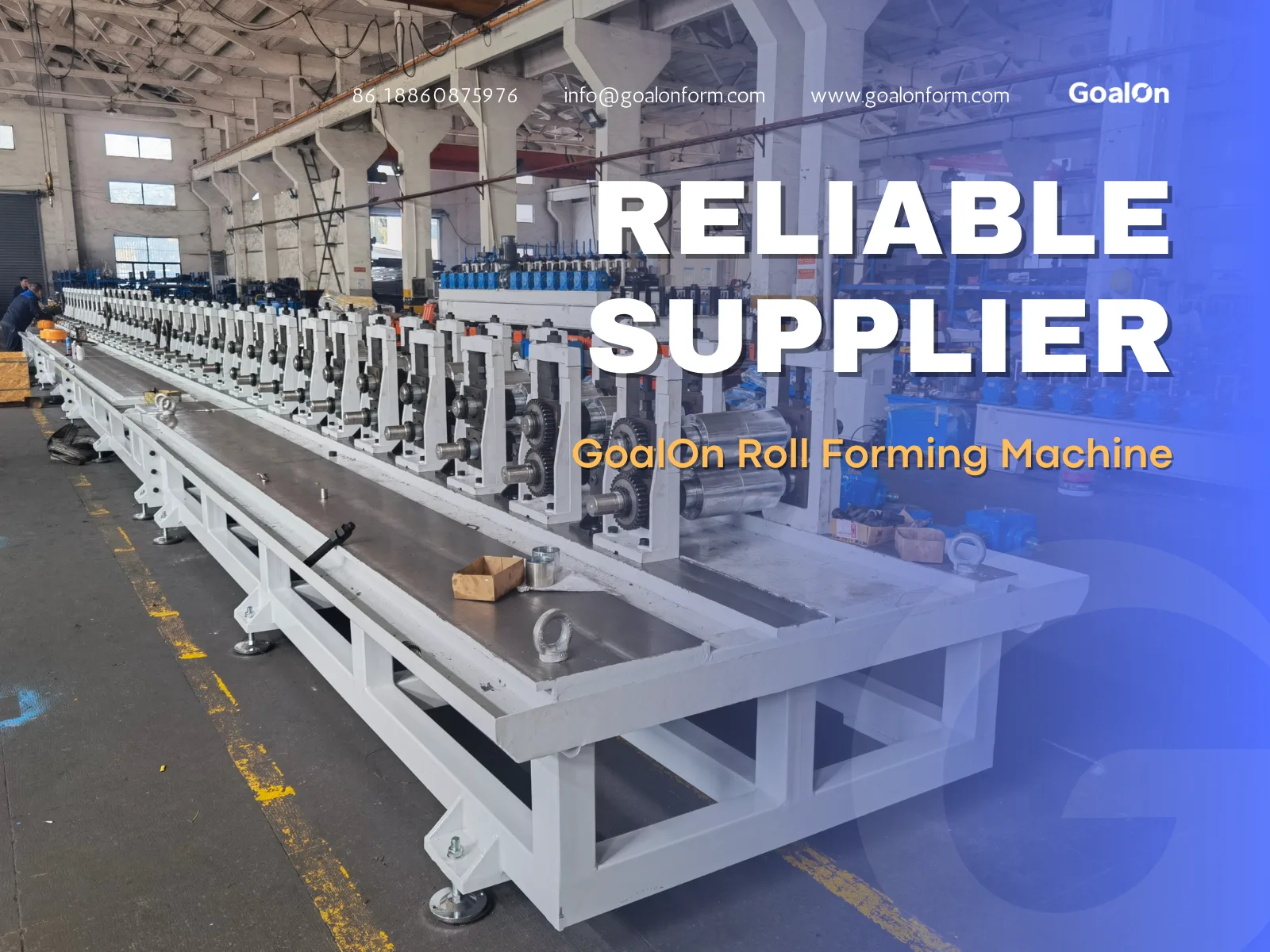
A cable tray roll forming machine shapes metal coils into cable trays. It uses a series of rollers to bend the metal step by step. The process is continuous and highly efficient. Modern machines can produce hundreds of meters of cable tray per hour.
How Does It Work?
The process starts with a metal coil. The coil feeds into the machine through an uncoiler. Then, the material passes through multiple roller stations. Each station bends the metal a little more. Finally, a cutting system cuts the tray to your desired length.
Here is a simple breakdown:
- Uncoiling – The metal coil unwinds
- Nivelamento – The sheet becomes flat and straight
- Perfilagem – Rollers shape the profile
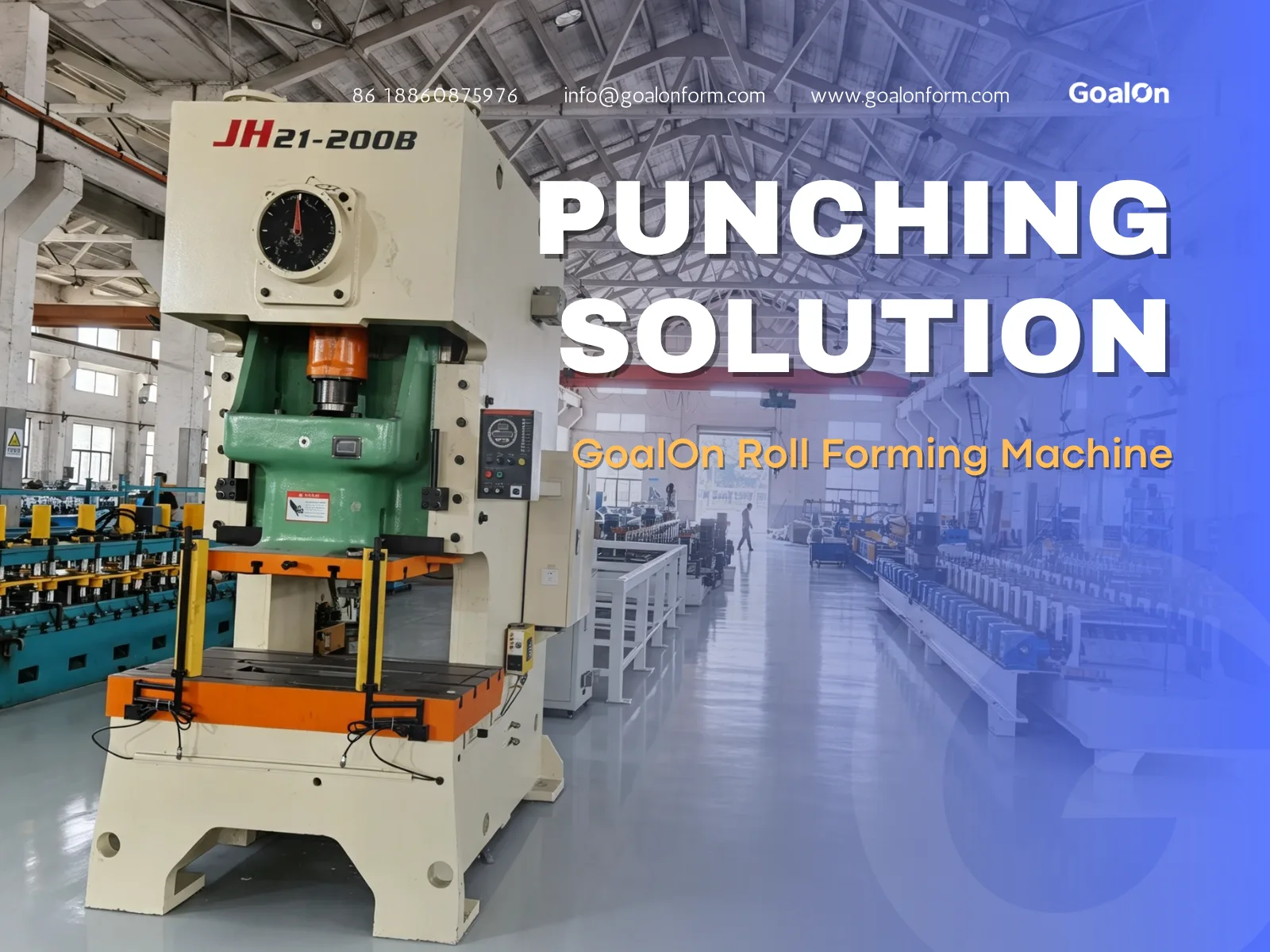
- Soco – Holes are added (for perforated trays)
- Corte – The tray is cut to length
- Empilhamento – Finished trays collect on a table
Key Components of the Machine
| Component | Function |
|---|---|
| Desbobinador | Holds and unwinds the metal coil |
| Leveling device | Flattens the material |
| Roll forming stations | Shape the metal profile |
| Punching unit | Creates holes or slots |
| Sistema de corte | Cuts trays to length |
| Sistema de controlo PLC | Manages all operations |
| Tabela de excentricidade | Collects finished products |
Types of Cable Tray Roll Forming Machines
Different cable tray styles need different machines. Let’s look at the main types.
Ladder Cable Tray Forming Machine
A ladder cable tray forming machine makes trays that look like ladders. These trays have two side rails with rungs between them. They are popular because:
- They allow good air flow
- Cables cool down easily
- They are lightweight
- Easy to install
Ladder trays work well for heavy cables in industrial settings.
Perforated Cable Tray Machine
A perforated cable tray machine produces trays with small holes. The holes allow air to circulate. They also make the tray lighter. These trays suit:
- Commercial buildings
- Data centers
- Telecommunication facilities
Perforated trays offer a good balance of strength and ventilation.
Solid Bottom Cable Tray Machine
Solid bottom trays have no holes. They provide maximum protection for sensitive cables. They are best for:
- Outdoor installations
- Areas with dust or debris
- Cleanroom environments
This machine type is simpler because it skips the punching step.
Key Features to Look for in Cable Tray Manufacturing Equipment
Not all machines are equal. Here are the features that matter most.
Velocidade de produção
Speed affects your output and profits. Entry-level machines produce 10-15 meters per minute. High-end models reach 25-30 meters per minute. Choose based on your volume needs.
Compatibilidade de materiais
Most machines handle:
- Galvanized steel (0.8mm – 2.5mm thick)
- Aço inoxidável
- Alumínio
- Pre-painted steel
Make sure your machine handles the materials you plan to use.
Nível de automatização
Automation saves labor and reduces errors. Basic machines need more manual work. Advanced machines feature:
- Automatic coil loading
- Auto length measurement
- Automatic punching
- Servo motor cutting
- PLC touch screen control
Um automatic cable tray production line costs more. But it pays off through higher efficiency.
Quick Changeover
If you make different tray sizes, changeover time matters. Some machines need hours to switch sizes. Better machines change in 15-30 minutes. The best use cassette-type quick-change systems.
Build Quality
Look for:
- Heavy-duty steel frame
- Hardened tool steel rollers
- Quality bearings
- Reliable hydraulic systems
Good build quality means less downtime and longer machine life.
Benefits of Automatic Cable Tray Production Line
Investing in automation brings many advantages.
Higher Efficiency
- Continuous operation
- Minimal stops
- Faster production cycles
Custos de mão-de-obra mais baixos
- One operator can run the line
- Less manual handling
- Reduced training time
Consistent Quality
- Precise measurements every time
- Uniform punching patterns
- Smooth, clean edges
Reduced Waste
- Accurate cutting minimizes scrap
- Better material utilization
- Lower raw material costs
Easy Operation
- Touch screen controls
- Stored product recipes
- Simple troubleshooting
Many manufacturers see ROI within 12-18 months after upgrading to automation.
Cable Tray Making Machine Price: What Affects the Cost?
Understanding pricing helps you budget properly. Here are the main cost factors.
Machine Type and Complexity
Simple solid-bottom machines cost less. Combination lines that make multiple profiles cost more. Expect this general range:
| Machine Type | Price Range (USD) |
|---|---|
| Basic single-profile machine | $15,000 – $35,000 |
| Standard perforated line | $35,000 – $65,000 |
| Automatic production line | $65,000 – $120,000 |
| Multi-profile combination line | $100,000 – $200,000+ |
Nível de automatização
More automation means higher cable tray making machine price. But remember the long-term savings:
- Lower labor costs
- Higher output
- Better quality
- Less waste
Brand and After-sales Service
Established manufacturers charge more. But they offer:
- Proven reliability
- Better support
- Available spare parts
- Training programs
- Installation assistance
Cheap machines may cost more in repairs and downtime.
Shipping and Installation
Don’t forget these costs:
- Sea or air freight
- Customs duties
- Installation support
- Operator training
Ask for a complete quote including all costs.
How to Choose the Right Machine for Your Business
Follow these steps to make the best choice.
Step 1: Define Your Production Needs
Pergunte a si próprio:
- What cable tray types will you produce?
- What sizes and thicknesses?
- How many meters per day/month?
- Will you need multiple profiles?
Step 2: Set Your Budget
Consider:
- Machine purchase price
- Shipping and installation
- Training costs
- Spare parts inventory
- Working capital for raw materials
Step 3: Research Manufacturers
Look for:
- Years of experience
- Customer references
- Machine quality certifications
- After-sales support capability
- Factory visit possibility
Step 4: Request Detailed Quotes
Get quotes from 3-5 suppliers. Compare:
- Technical specifications
- Included accessories
- Warranty terms
- Delivery time
- Payment terms
Step 5: Verify Before Buying
If possible:
- Visit the manufacturer
- Watch a live demonstration
- Talk to existing customers
- Check recent export records
Common Applications of Cable Tray Systems
Cable trays serve many industries. Understanding end-use helps you target your market.
| Industry | Common Tray Types | Key Requirements |
|---|---|---|
| Commercial buildings | Perforated, solid | Fire rating, aesthetics |
| Industrial plants | Ladder, perforated | Heavy load capacity |
| Power plants | Ladder | High strength, large sizes |
| Data centers | Perforated | Ventilation, density |
| Oil & gas | Ladder, solid | Corrosion resistance |
| Infrastructure | All types | Durability, standards compliance |
Growing markets include:
- Renewable energy projects
- Data center expansion
- Smart city infrastructure
- Electric vehicle charging networks
Why Partner with an Experienced Manufacturer?
Your machine supplier is a long-term partner. Choose wisely.
Technical Expertise
- Custom solutions for your needs
- Engineering support
- Process optimization advice
Reliable Equipment
- Tested designs
- Quality components
- Consistent performance
After-sales Support
- Remote troubleshooting
- Spare parts availability
- On-site service when needed
Training Programs
- Operator training
- Maintenance training
- Production optimization tips
A good partner helps you succeed beyond just selling a machine.
Ready to Boost Your Cable Tray Production?
Choosing the right cable tray roll forming machine is crucial for your business success. The right equipment delivers:
- Maior eficiência na produção
- Qualidade consistente do produto
- Lower operating costs
- Quick return on investment
We specialize in roll forming solutions for cable tray manufacturers worldwide. Our team has helped hundreds of companies start and grow their production.
Take the next step today:
- Request a Free Quote – Tell us your requirements
- Download Our Catalog – See our full machine range
- Schedule a Video Call – Discuss your project with our engineers
Contact us now and let’s build your success together!
Frequently Asked Questions
Q: How long does it take to install a cable tray roll forming machine?
A: Installation typically takes 3-7 days. This includes setup, calibration, testing, and operator training. Complex lines may need more time.
Q: What maintenance does the machine need?
A: Daily maintenance includes cleaning and lubrication. Weekly checks cover hydraulic oil and electrical connections. Annual service should include roller inspection and bearing checks.
Q: Can one machine make different tray sizes?
A: Yes. Most machines are adjustable for different widths and heights. Quick-change systems reduce changeover time between sizes.
Q: What is the typical machine lifespan?
A: With proper maintenance, quality machines last 15-20 years. Rollers may need replacement after 8-10 years depending on usage.
Q: Do you provide installation support?
A: Yes. We offer on-site installation, training, and technical support. We also provide video guidance for remote support.