In modern metal processing, productivity is not defined only by machine speed or automation level—it is equally determined by how consistently your equipment performs over time. For manufacturers operating roll forming lines, maintenance is not a secondary task but a core operational strategy. A well-maintained line delivers stable profile accuracy, minimizes downtime, extends equipment life, and protects your return on investment.
This guide explores the full scope of maintenance required for roll forming machines, from daily operator routines to long-term predictive strategies. It is written for construction companies, metal profile manufacturers, and machinery traders who need both technical clarity and practical execution.
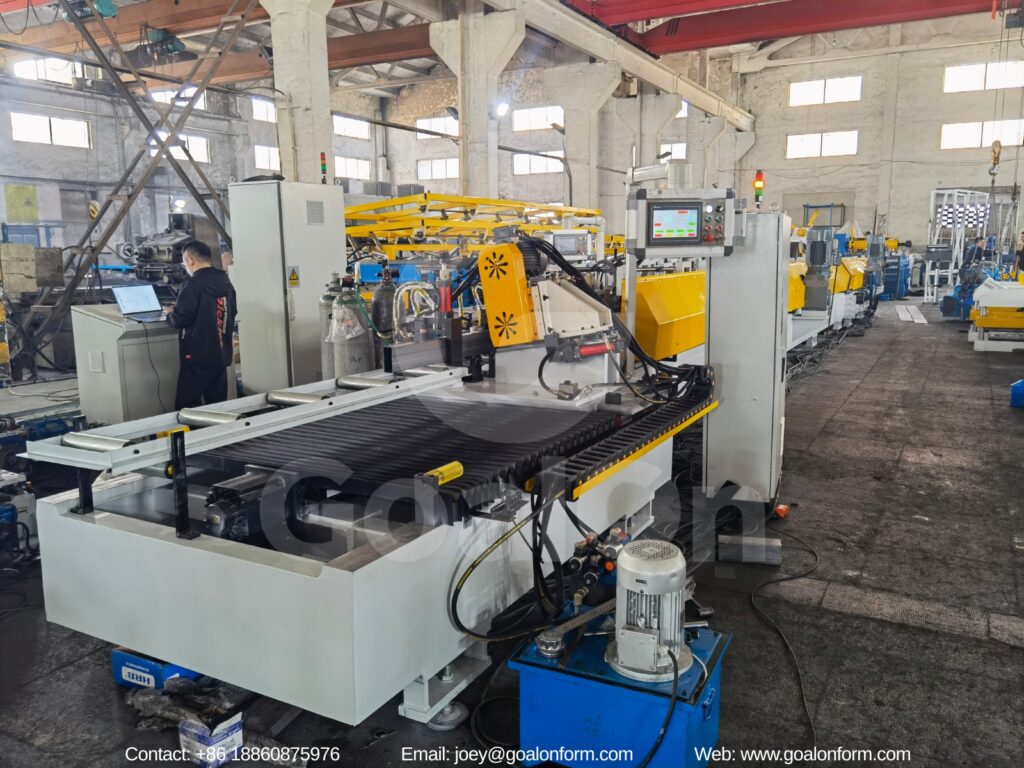
Understanding the Maintenance Philosophy Behind Roll Forming Equipment
Before diving into specific tasks, it is important to recognize that roll forming machines operate under continuous mechanical stress. Unlike intermittent stamping or punching systems, roll forming relies on progressive deformation across multiple forming stations, which means components are constantly under load.
This leads to three key maintenance principles:
- Wear is gradual but cumulative, especially on rollers, bearings, and transmission systems
- Precision alignment is critical, as even minor deviation can affect final profile geometry
- Preventive maintenance is far more cost-effective than reactive repair
From an operational standpoint, maintenance should be structured into three levels: routine (daily/weekly), preventive (monthly/quarterly), and predictive (data-driven long-term planning).
Daily and Shift-Based Maintenance: The First Line of Defense
The most effective maintenance program starts with disciplined daily checks. These tasks are simple but directly impact machine stability and product quality.
Operators should begin each shift by inspecting the forming line visually and functionally. Key areas include:
- Lubrication points, especially bearings and chain drives
- Hydraulic oil level and pressure stability
- Fastener tightness, particularly on roll stands and guide systems
- Electrical cabinet cleanliness and ventilation
Lubrication is especially critical. Components such as roller shaft bearings and chain transmission systems operate under continuous friction. Insufficient lubrication leads to overheating, accelerated wear, and eventual failure. Using the correct grade of lubricant—matched to load and operating temperature—is essential.
Another often overlooked factor is cleanliness. Metal debris, oil residue, and dust can accumulate quickly. Over time, contamination can affect sensor accuracy, encoder feedback, and hydraulic valve response.
A well-trained operator can detect early warning signs such as abnormal noise, vibration, or slight dimensional deviation in the produced profile. Addressing these signals early prevents costly downtime later.
Weekly and Monthly Preventive Maintenance: Ensuring System Stability
While daily checks maintain surface-level performance, preventive maintenance ensures deeper system reliability.
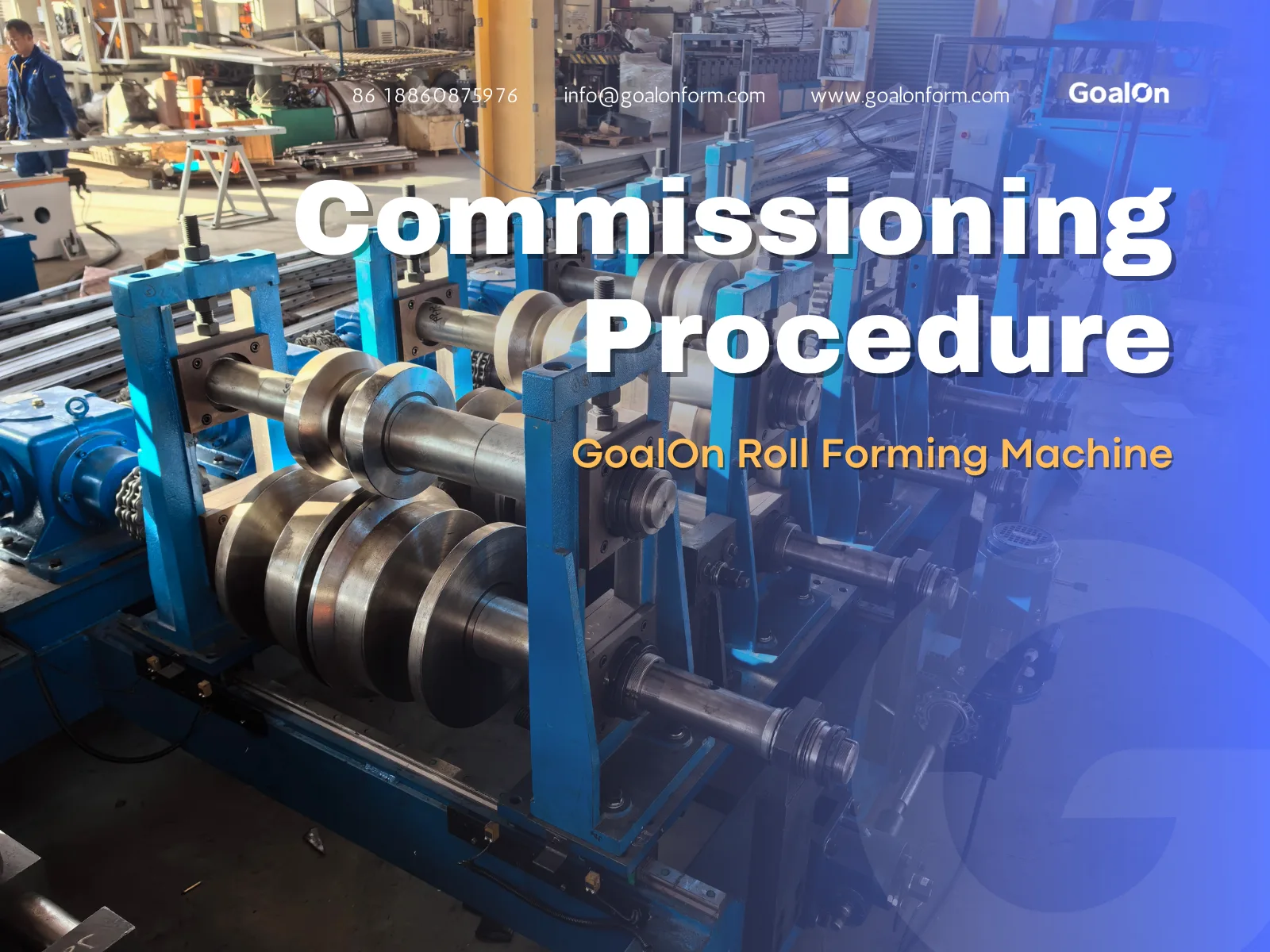
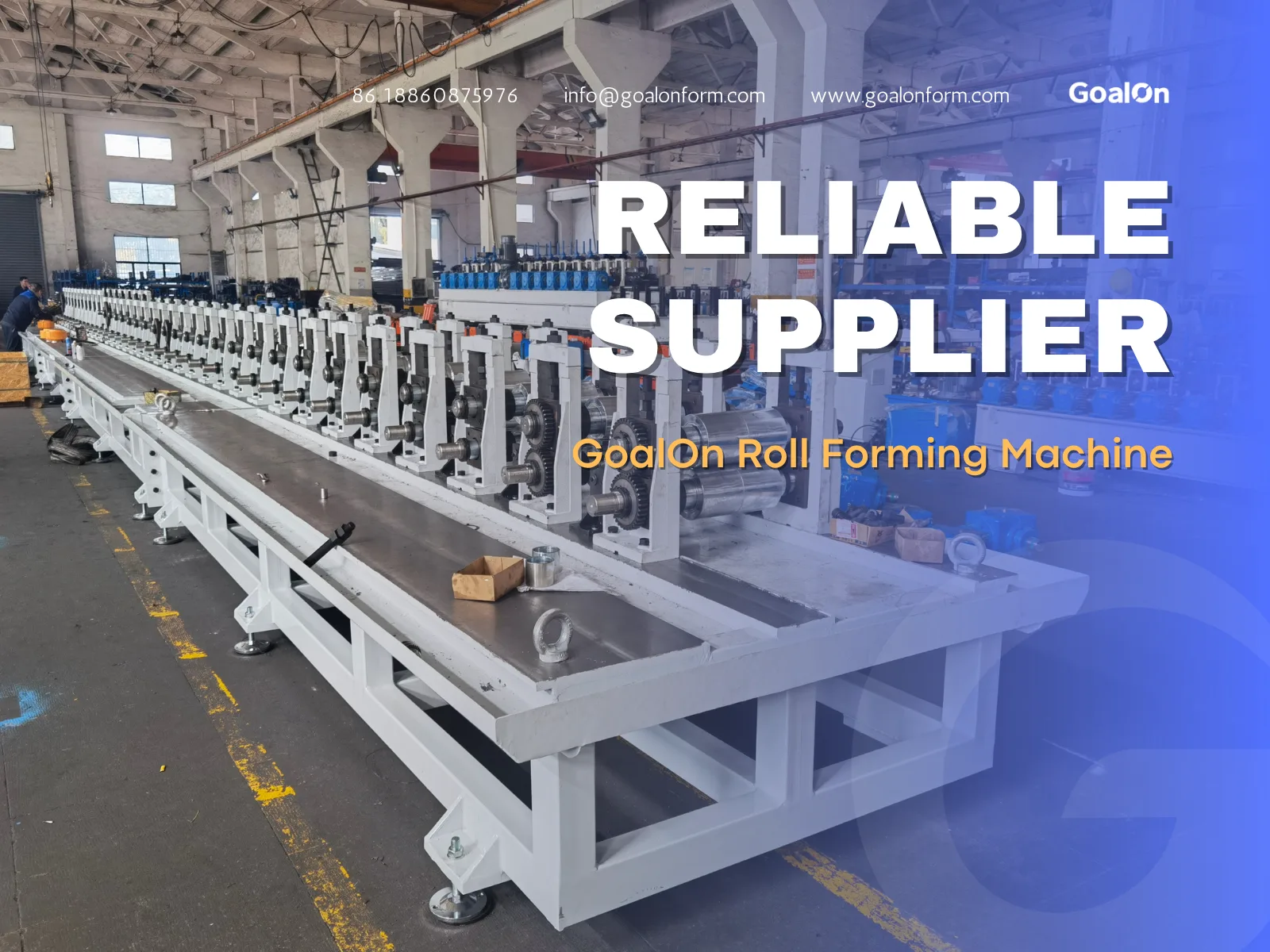
At this stage, attention should shift to mechanical integrity and alignment. The forming section is the heart of the machine, and its performance depends heavily on precision.
Rollers and Tooling System
Rollers must be inspected for:
- Surface wear or scoring
- Material buildup (especially with coated steel)
- Profile deviation due to long-term usage
Even slight wear can affect forming tolerance and profile symmetry, particularly for high-precision products like purlins or door frames. Regular cleaning and polishing help maintain surface quality.
Shaft and Bearing Alignment
Misalignment is one of the most common causes of long-term damage. Over time, shaft parallelism and roll gap consistency can shift due to vibration or load stress.
Using dial indicators or laser alignment tools, technicians should periodically verify:
- Horizontal and vertical alignment of shafts
- Uniform gap between upper and lower rollers
- Stability of the roll forming stands
Proper alignment reduces uneven load distribution and extends the life of both rollers and bearings.
Transmission System
Depending on the design—chain-driven or gearbox-driven—the transmission system requires different care.
- For chain drive systems, check chain tension, lubrication, and sprocket wear
- For gearbox systems, monitor oil condition, temperature, and noise
Transmission inefficiency often leads to inconsistent forming speed and can impact cutting accuracy in flying shear systems.
Hydraulic and Cutting System Maintenance: Precision Under Pressure
Hydraulic systems play a critical role in cutting, punching, and sometimes in automatic adjustments. Their performance directly affects production efficiency and accuracy.
Hydraulic Unit Maintenance
Key maintenance tasks include:
- Monitoring hydraulic oil cleanliness and viscosity
- Replacing filters at defined intervals
- Checking for leakage in hoses and fittings
Contaminated oil is a major risk. It can damage solenoid valves, proportional valves, and hydraulic cylinders, leading to unstable pressure and inconsistent operation.
Cutting System Calibration
For systems using post-cutting or flying shear, blade condition and alignment are crucial.
Maintenance should focus on:
- Blade sharpness and wear
- Cutting clearance adjustment
- Synchronization between forming speed and cutting action
Poorly maintained cutting systems can result in burr formation, dimensional inaccuracy, and material deformation, especially in thicker gauges.
Electrical and Control System Maintenance: The Brain of the Line
Modern roll forming machines rely heavily on automation, typically controlled by PLC systems, servo drives, and encoders. Maintenance in this area is often underestimated but equally critical.
Control Cabinet Care
Electrical cabinets should be:
- Kept clean and dust-free
- Properly ventilated to avoid overheating
- Checked for loose wiring or terminal connections
Temperature control is important. Overheating can shorten the lifespan of inverters, relays, and PLC modules.
Sensor and Encoder Accuracy
Accurate length control depends on encoder feedback systems. Over time, sensors may drift or become misaligned.
Regular checks should ensure:
- Correct positioning of proximity sensors
- Stable encoder signal without interference
- Proper calibration of length measurement systems
Any deviation can lead to cumulative length errors, especially in high-speed production.
Long-Term Maintenance and Predictive Strategies
For companies operating multiple production lines, maintenance should evolve beyond routine checks into predictive systems.
Data-Driven Maintenance
By tracking parameters such as:
- Bearing temperature
- Vibration levels
- Hydraulic pressure fluctuations
It is possible to predict failures before they occur. This approach reduces unplanned downtime and improves overall equipment effectiveness (OEE).
Spare Parts Management
A strategic inventory of critical components is essential. These include:
- Bearings and seals
- Hydraulic valves
- Cutting blades
- Electrical components like relays and sensors
Lead times for some parts can be long, especially for imported components. Having key spares on hand minimizes production interruptions.
Scheduled Overhaul
After extended operation, typically 2–3 years depending on usage, a full system overhaul is recommended. This includes:
- Replacing worn rollers
- Re-aligning the entire forming section
- Flushing and replacing hydraulic oil
- Updating control software if necessary
A planned overhaul restores machine performance close to its original condition and extends its lifecycle significantly.
The Cost of Neglect vs. the Value of Maintenance
Many manufacturers underestimate the hidden costs of poor maintenance. These include:
- Increased scrap rate due to inconsistent profiles
- Unexpected downtime and missed delivery deadlines
- Higher energy consumption due to inefficient operation
- Reduced machine lifespan
In contrast, a structured maintenance program delivers measurable benefits:
- Stable profile accuracy and repeatability
- Extended component lifespan
- Lower total cost of ownership (TCO)
- Improved production planning reliability
For machine trading companies, maintenance history also directly impacts resale value. A well-maintained machine commands higher market confidence.
Final Thoughts: Maintenance as a Competitive Advantage
In the roll forming industry, machines are not just assets—they are production ecosystems. Their performance depends on how well mechanical, hydraulic, and electrical systems work together over time.
Maintenance should not be viewed as a cost center but as a strategic investment. Companies that implement structured maintenance programs consistently outperform competitors in terms of product quality, delivery reliability, and operational efficiency.
For decision-makers—whether you are a construction contractor, a profile manufacturer, or a machinery trader—the real question is not whether maintenance is necessary, but how systematically and professionally it is executed.
Because in roll forming, consistency is everything—and consistency is built on maintenance.