As someone who has worked closely with cold roll forming machines for years, I understand that many first-time buyers often worry about how difficult it will be to operate and adjust a roll forming machine.
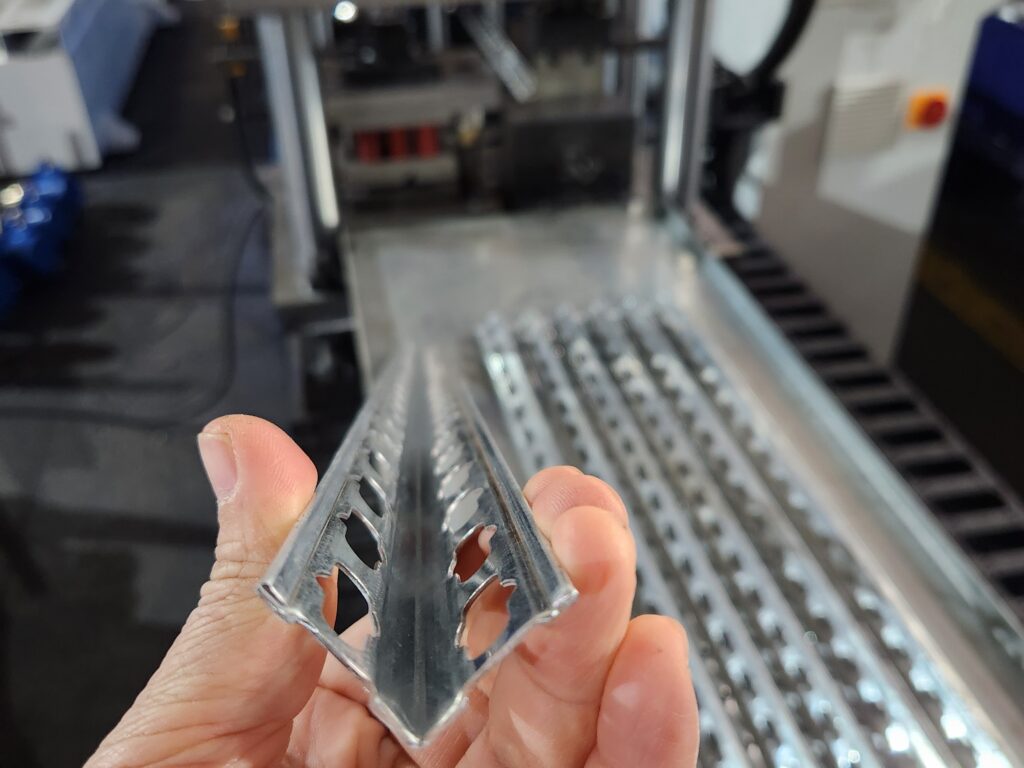
Will it take weeks to train staff? Can the line produce consistent, high-quality profiles without constant supervision? In this post, I will break down the operating difficulty of roll forming machines in detail, helping you make an informed decision before purchasing a roll forming line.
1. Why Operating Difficulty Matters
Operating a roll former is not just about pushing steel through a machine. The efficiency, quality, and long-term maintenance of your forming rolling machines depend on how easily operators can manage setup, adjustments, and troubleshooting. For new buyers, misjudging operational difficulty can lead to costly downtime, wasted materials, and even frustration in your workshop.
Understanding the practical challenges of different types of roll forming machines allows you to choose the right machine for your production needs, ensuring smooth operations and faster return on investment.
2. Operating Difficulty: A Relative Concept
It’s important to understand that operating difficulty is relative. A roll forming machine that seems complex at first may become easy with proper training and experience. Factors affecting difficulty include:
- The complexity of the profile being produced
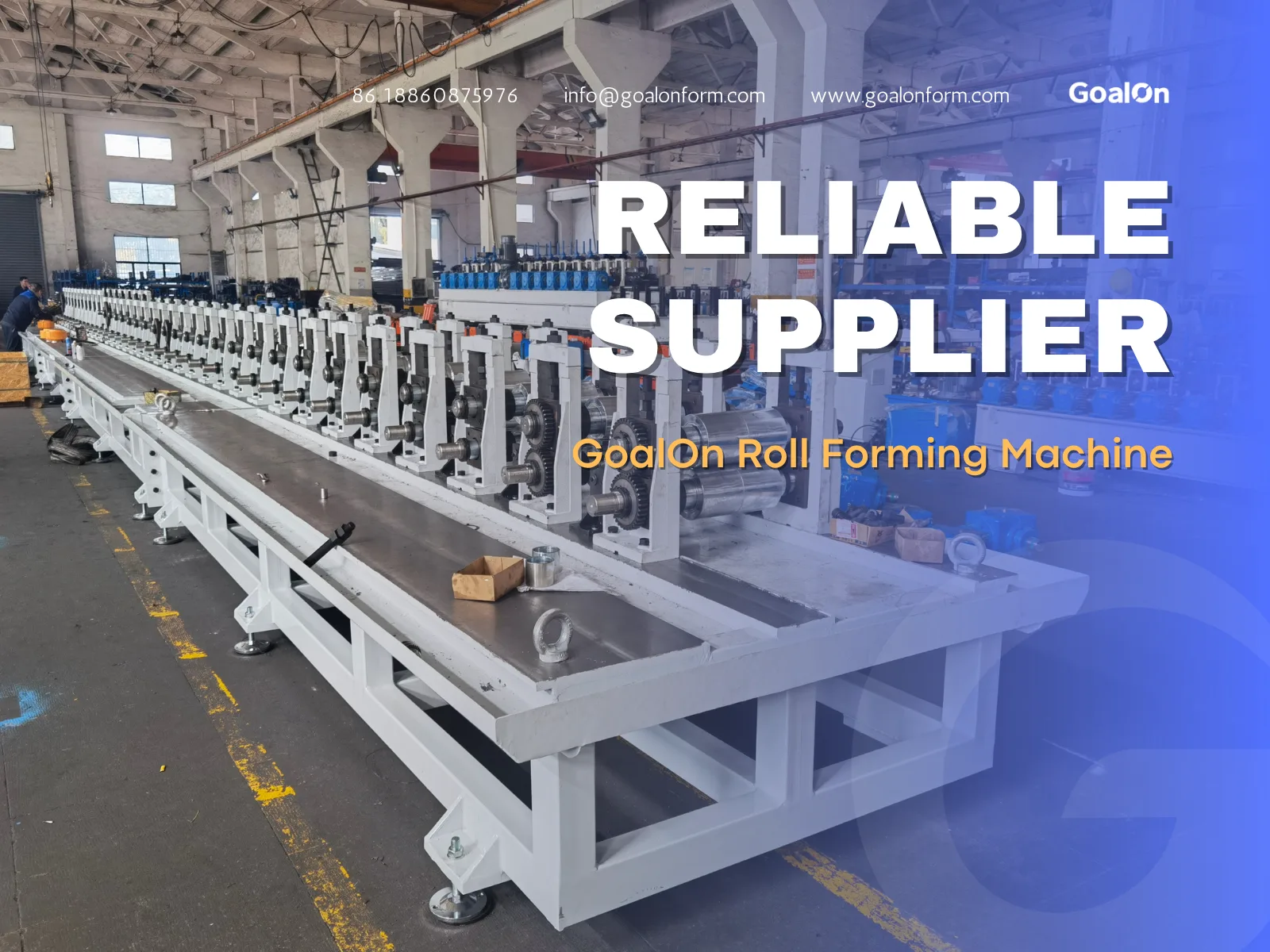
- The number of forming stations (roll sets) and machine modules
- Automation features of the roll forming line
- Material thickness and type
Experience can dramatically reduce perceived difficulty. I always advise clients to consider training and a phased approach when introducing new forming rolling machines to their production.
3. Impact of Different Profile Types on Operation
Different profiles require varying levels of attention during operation:
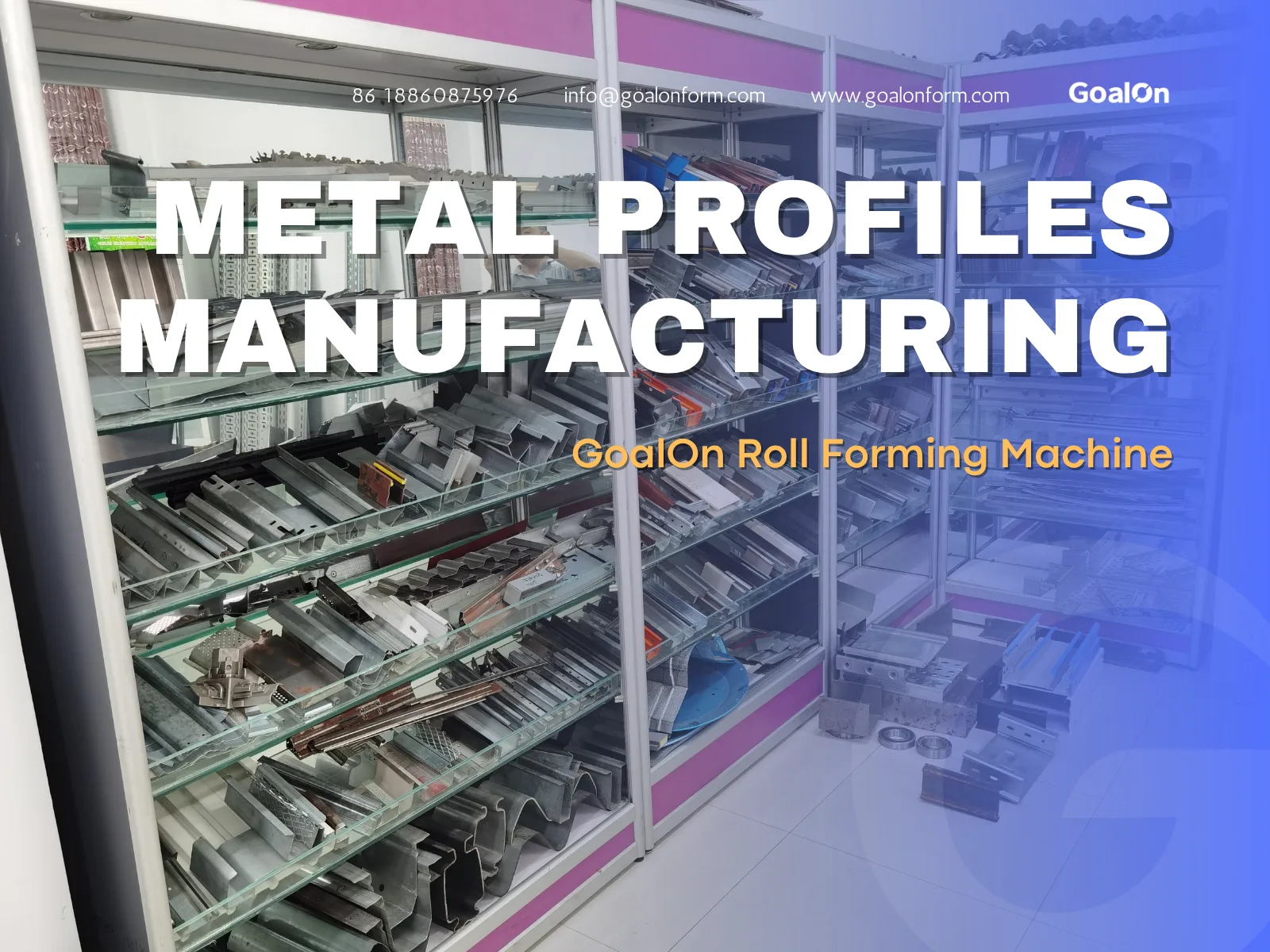
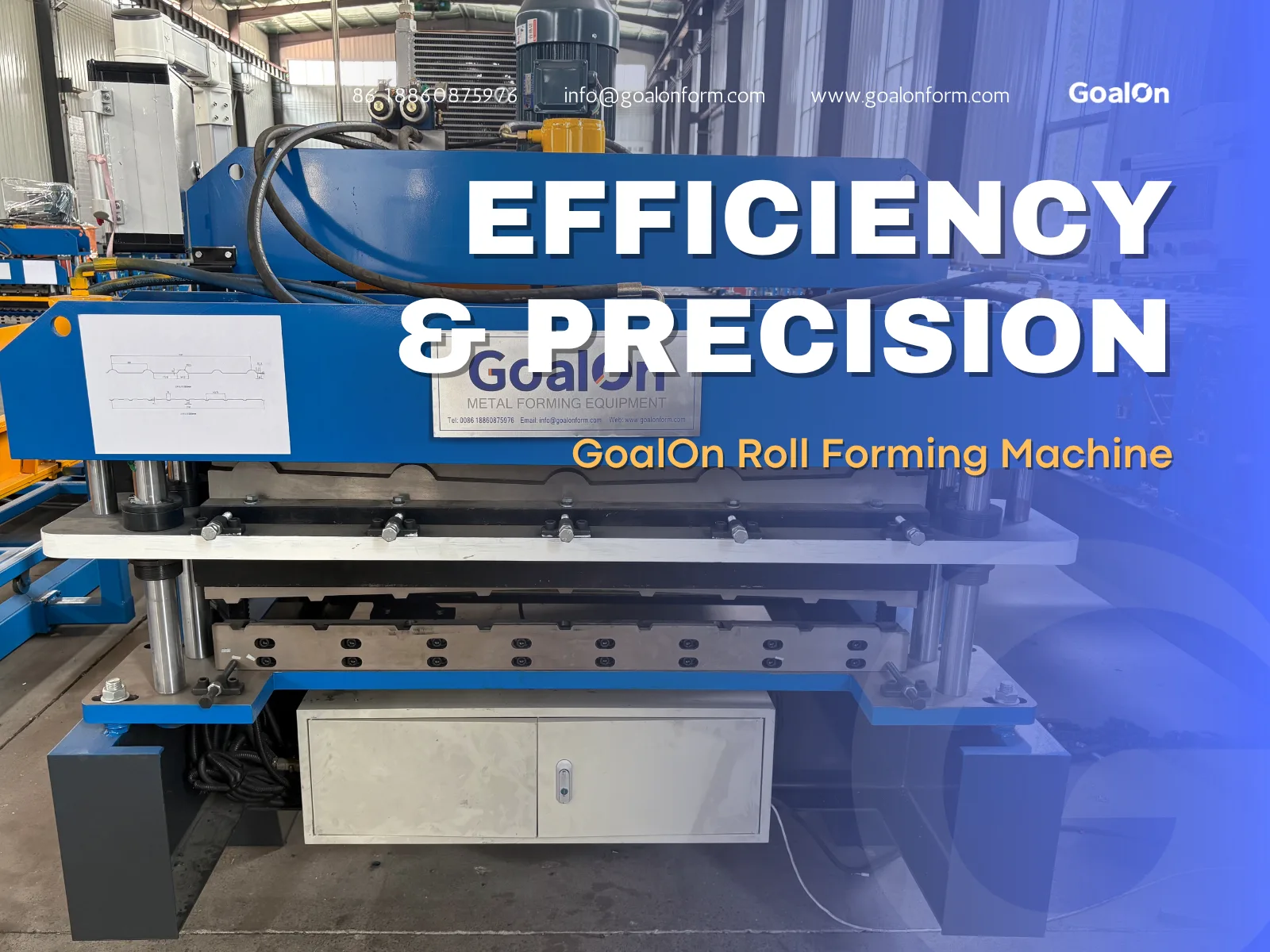
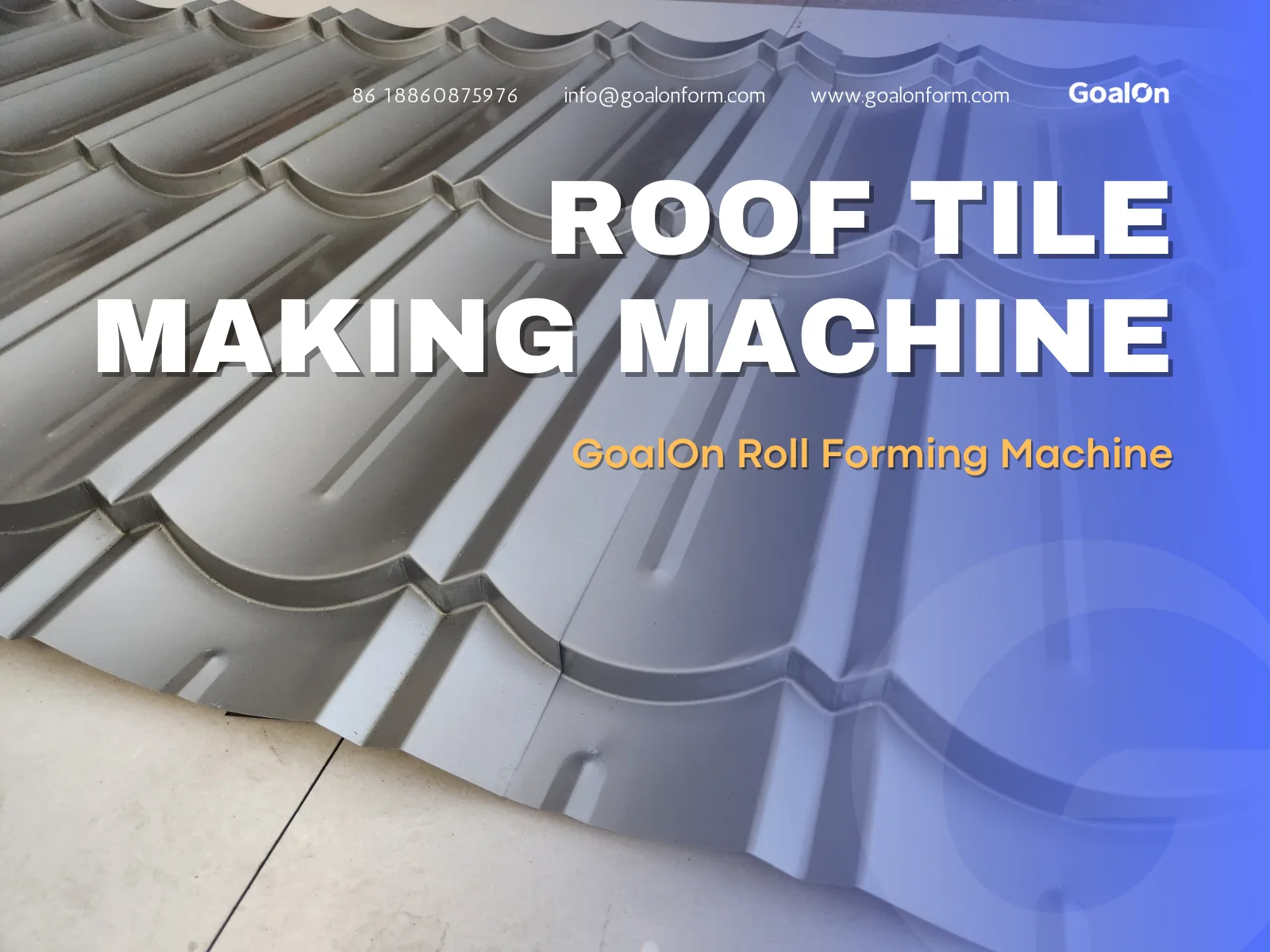
- Roof Panels (Tile Profiles): These are relatively simple. Adjustments are minimal, and first-time operators usually master a tile roof roll former within a day or two.
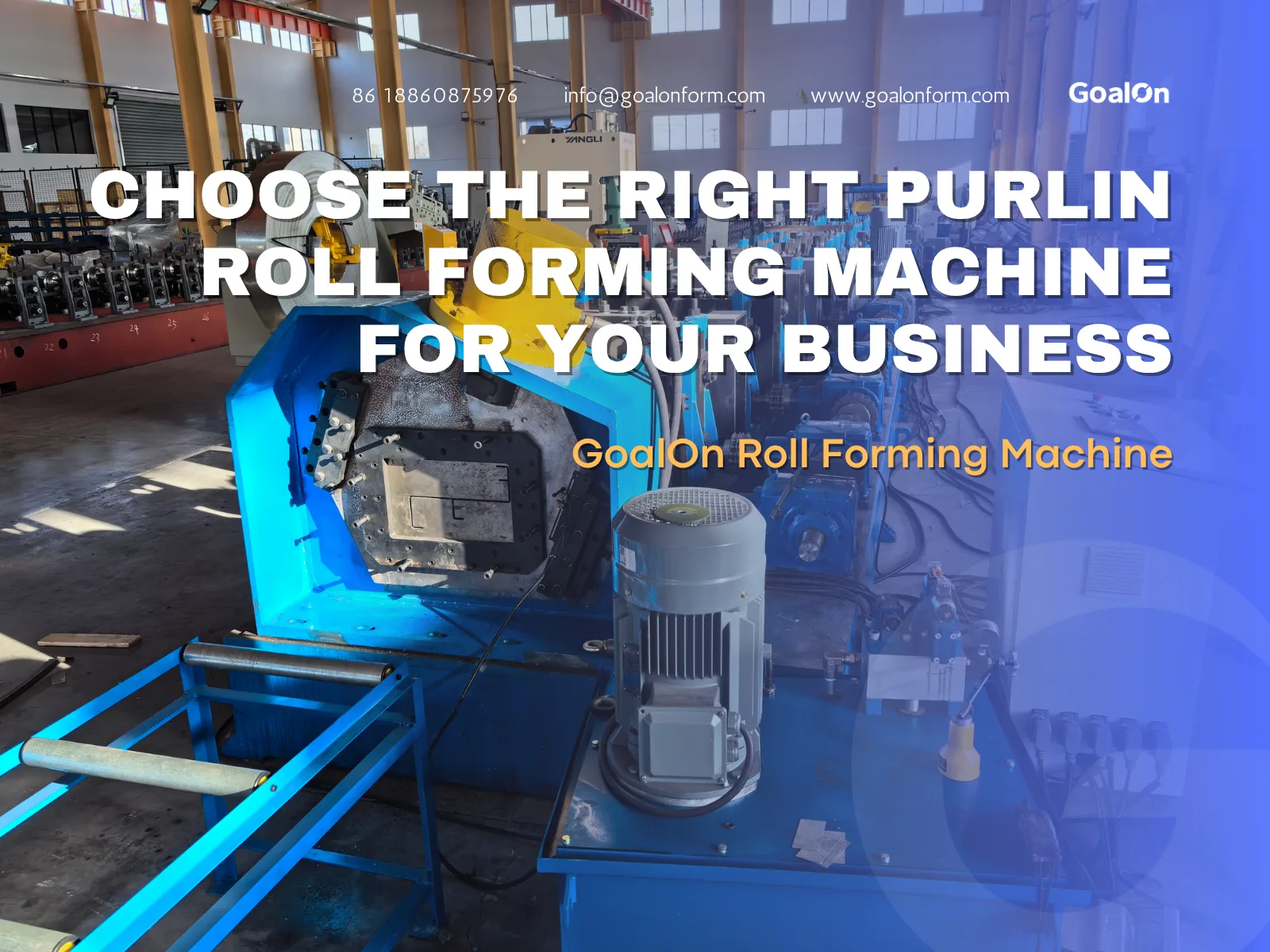
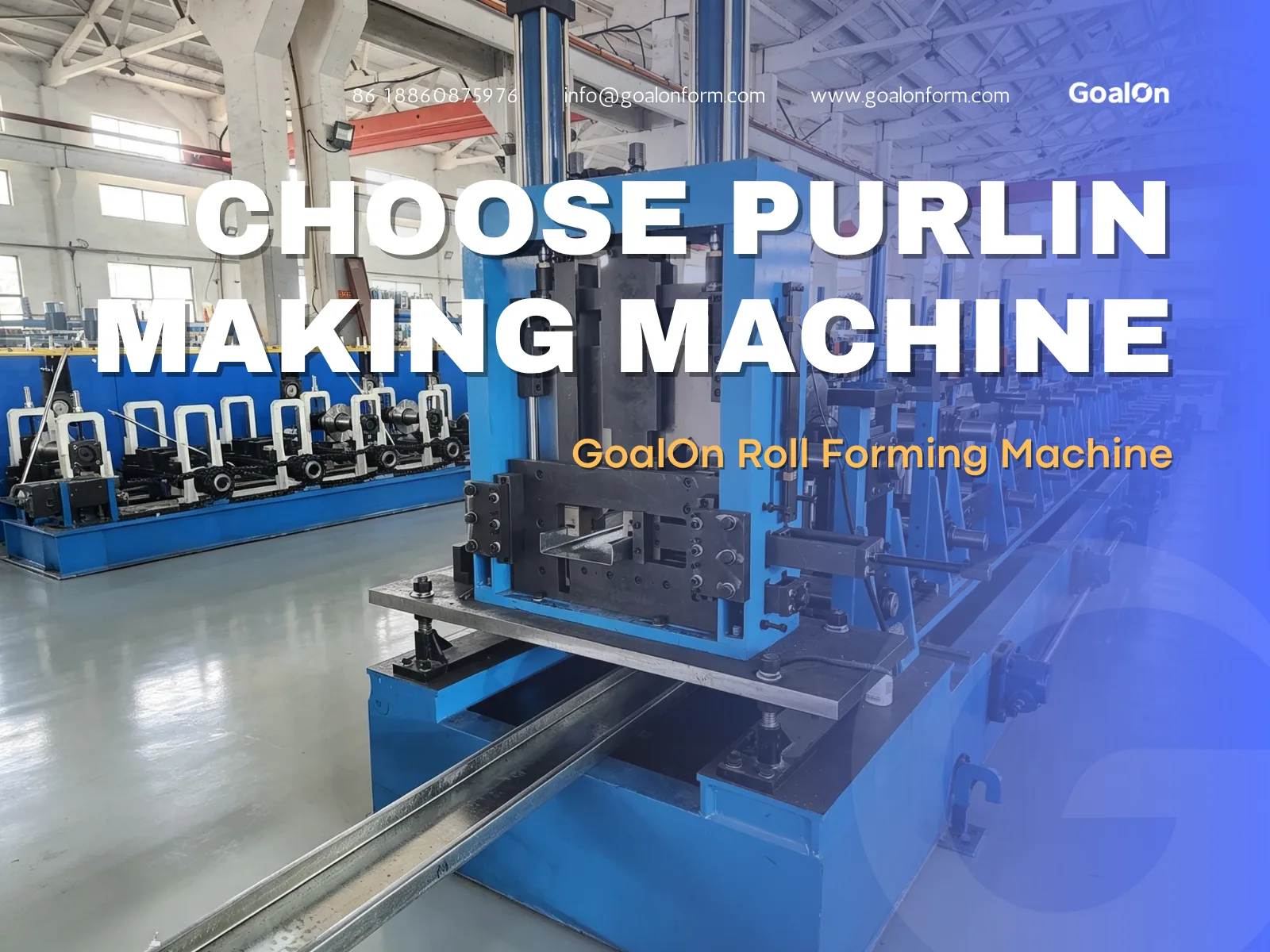
- CZ/U Purlins: These medium-complexity profiles require more precise width and height adjustments. Misalignment in a purlin roll former can affect structural performance.
- Box Beams / Heavy-Duty Profiles: High-difficulty profiles require precise synchronization of dual drives, gearboxes, and interlocking components. Operating these machines without training can be challenging.
- Door and Window Frames: High precision is required for multi-station punching, slant cutting, and angle adjustments. Operators must understand both the machine logic and profile tolerances.
By understanding the profile you intend to produce, you can anticipate how much operator skill will be needed to run the roll forming line effectively.
4. Key Modules Affecting Operational Difficulty
Each component of a roll forming machine impacts operational complexity:
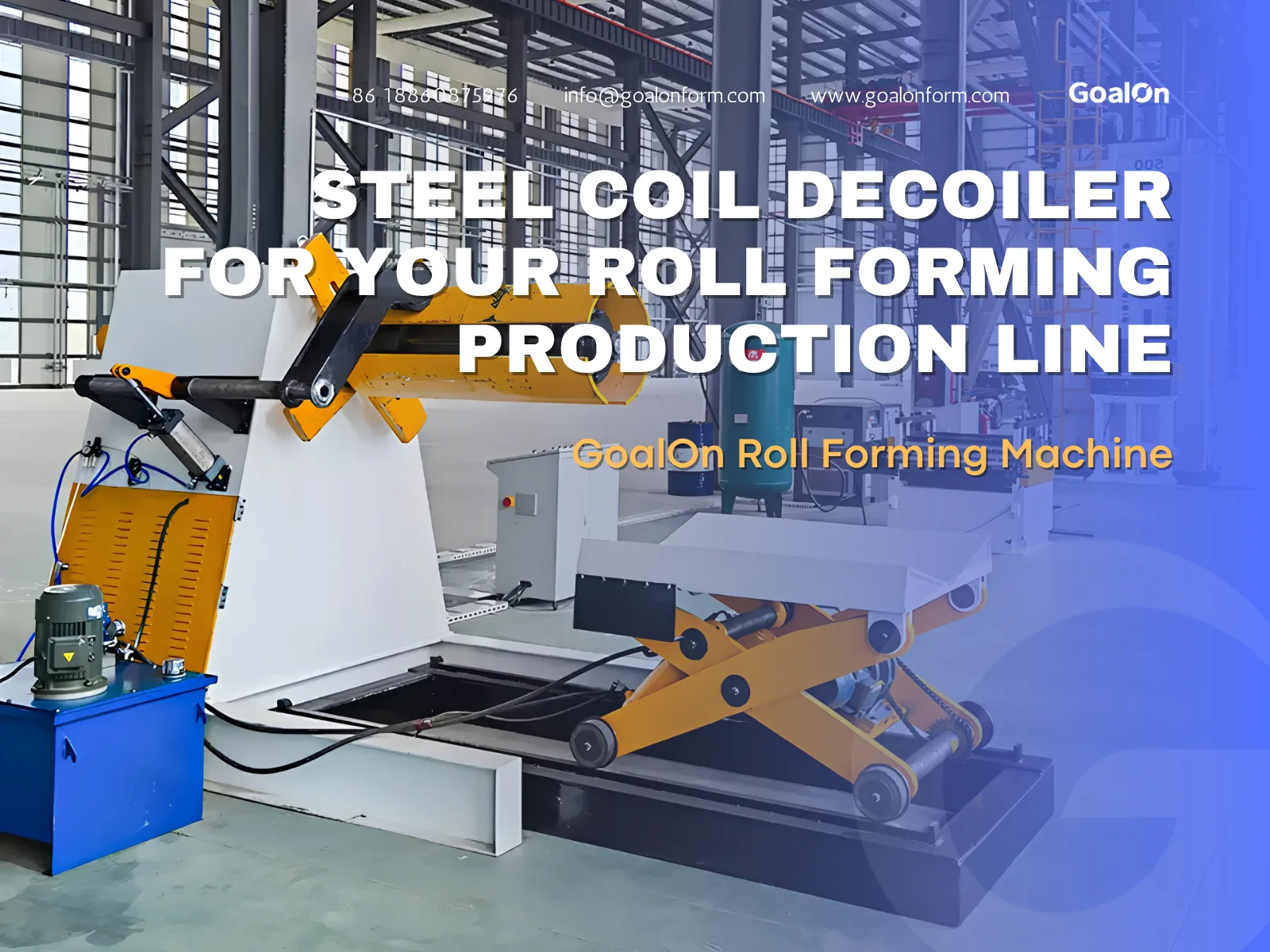
- Decoiler / Uncoiler: Loading steel coils and controlling tension can be tricky without experience. Modern hydraulic uncoilers reduce manual effort, but understanding coil dynamics is essential.
- Leveling / Straightening: Straightening steel before forming affects profile consistency. Operators must adjust rollers for different material thicknesses and surface conditions.
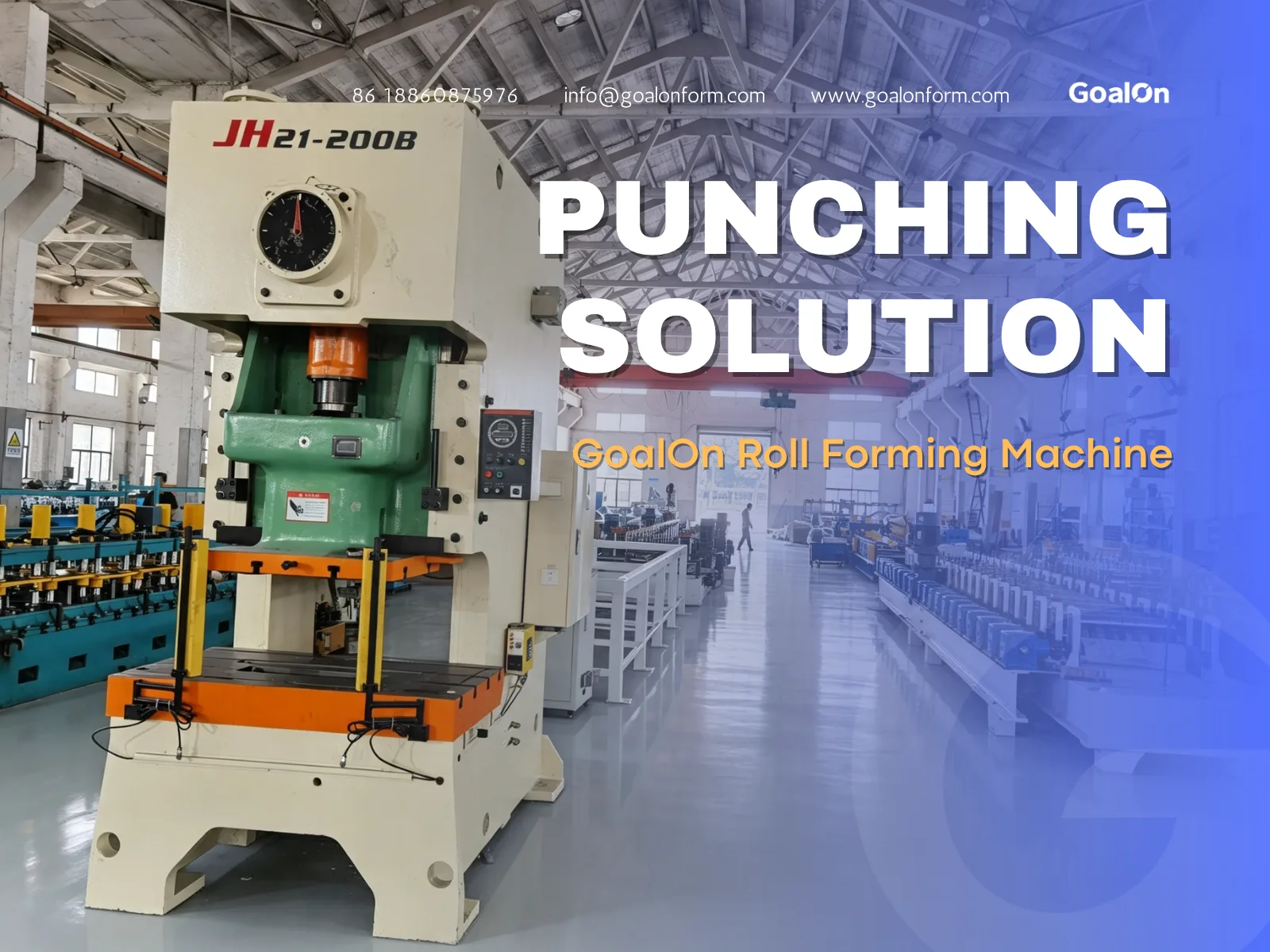
- Punching / Notching: Positioning holes or cutouts accurately requires knowledge of punch die adjustments. Quick-change tooling reduces downtime.
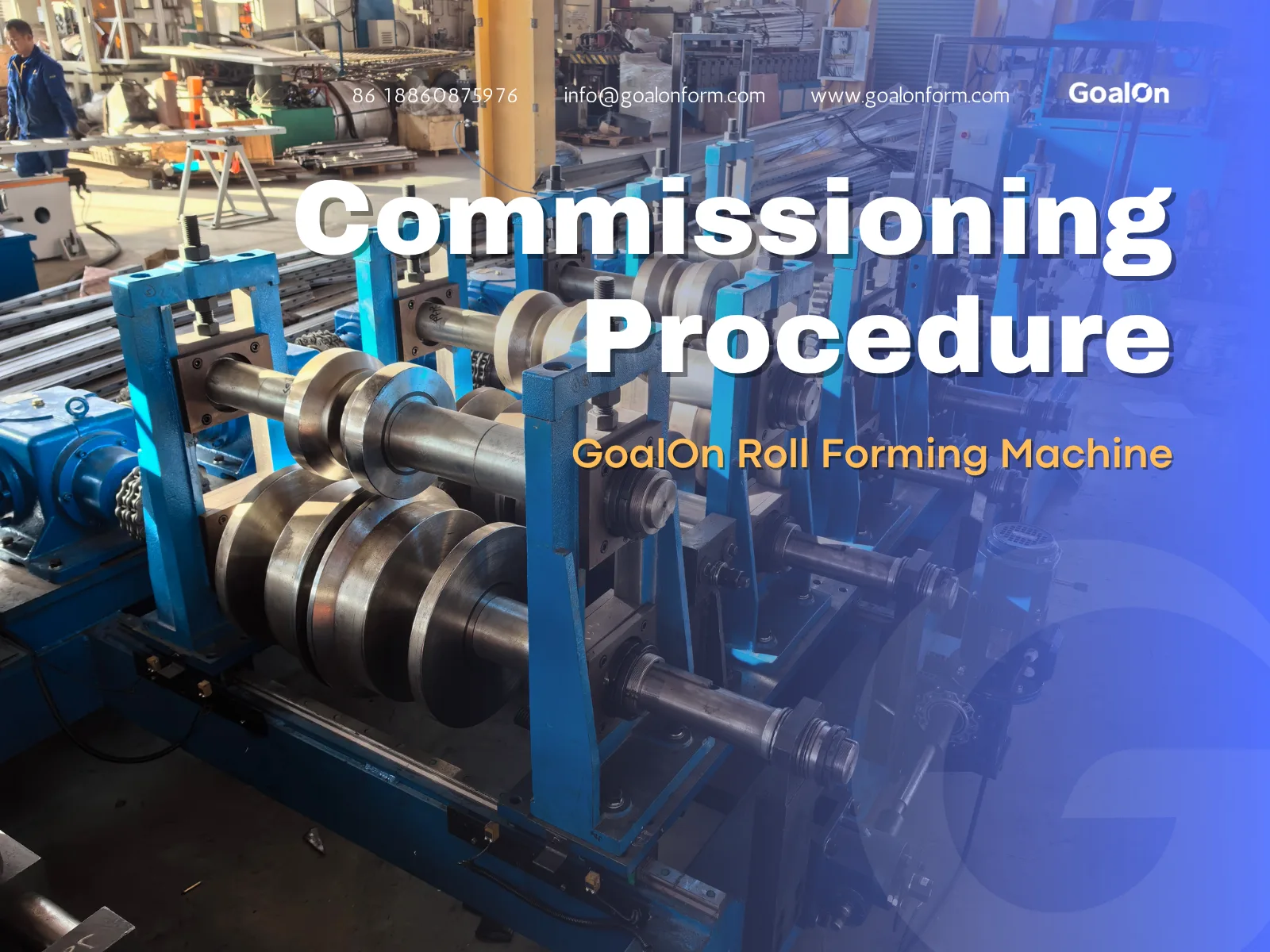
- Roll Forming Machine (Main Unit):
- Chain vs. shaft-driven systems influence adjustment complexity.
- Number of forming stations (roll sets) affects setup time.
- Lateral roll adjustment is critical for maintaining profile accuracy.
- Cutting / Shearing Systems: Options include single-sided cut, double-sided cut, or hydraulic slant cuts. Each type has its own operational requirements.
- Outfeed / Stacking: Automation here reduces operator workload, but manual systems require constant attention.
Understanding how each module works is crucial for managing the learning curve and maintaining consistent production quality.
5. Adjustments and Troubleshooting
Operating a roll former is about constant monitoring and fine-tuning. Common adjustments include:
- Profile width and height corrections
- Roller lateral position and gap settings
- Punch and cut alignment
Troubleshooting is simpler on machines with modular design and clear calibration markings. I often tell clients that choosing a roll forming machine with intuitive adjustment features significantly reduces operational stress, especially for first-time operators.
6. Automation vs. Manual Operation
Automation can dramatically reduce operating difficulty:
- Automated Lateral Adjustment: Ensures precise alignment of roll sets without constant manual correction.
- Hydraulic Stop Cut: Reduces operator involvement in cutting, improving consistency.
- Quick Tool Change Systems: Save hours during die changes.
However, automation adds complexity in setup and maintenance. It’s essential to balance automation with your team’s skill level and production requirements.
7. Maintenance and Long-Term Operation
Proper roll forming machine maintenance directly impacts operational difficulty. Daily tasks include lubrication, chain inspection, and bolt tightening. Machines with proactive maintenance features reduce unexpected stops and simplify operation. I recommend clients establish a routine maintenance schedule for each forming rolling machine in their line.
Remember, a machine that is easier to maintain is also easier to operate consistently over time.
8. Tips for First-Time Operators
- Begin with simpler profiles to build confidence.
- Keep an operation manual and log all adjustments.
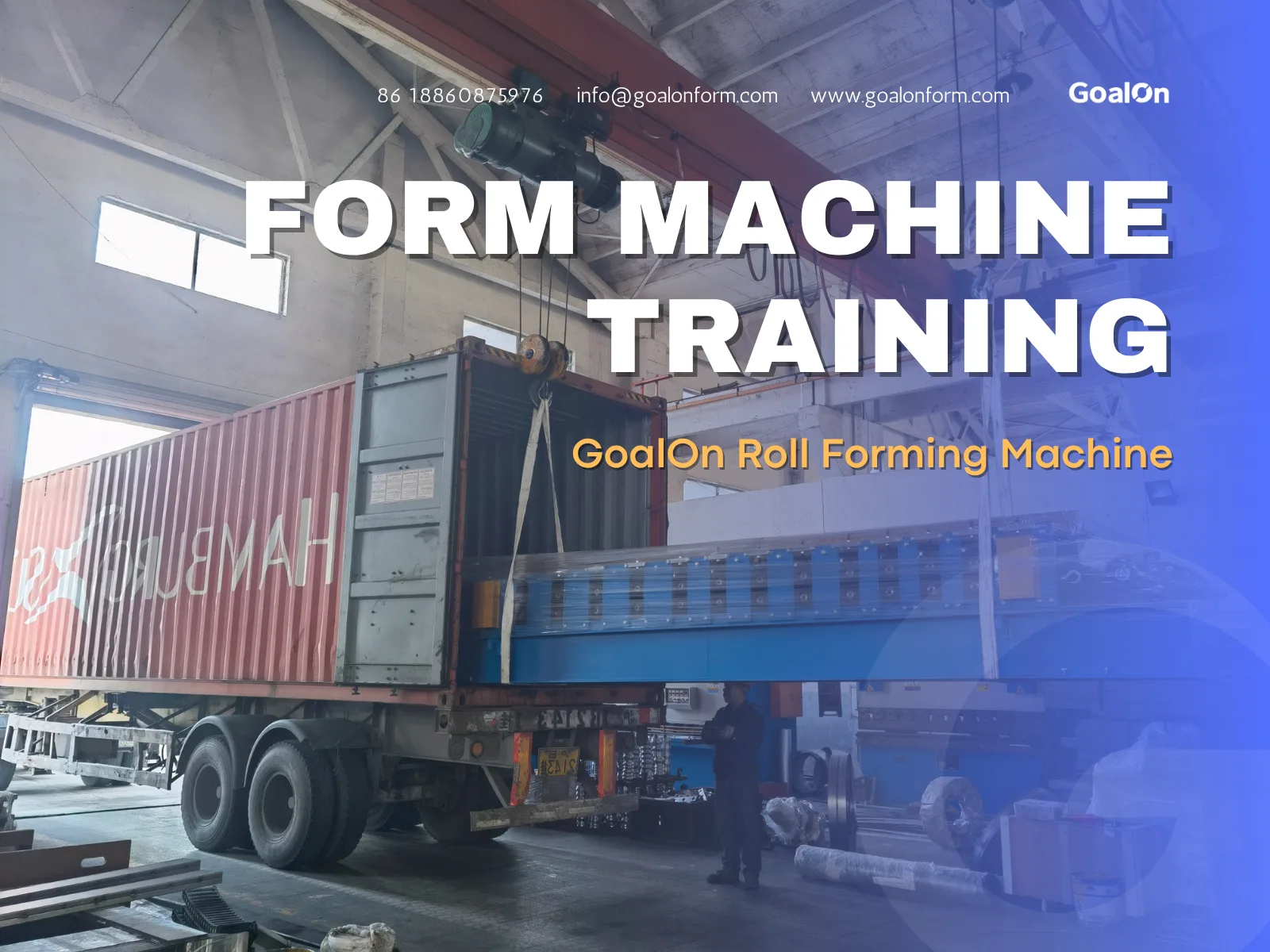
- Attend training sessions offered by the machine supplier.
- Encourage operators to understand both machine mechanics and material behavior.
With these steps, even complex roll forming machines become manageable, improving productivity and profile quality.
9. Choosing the Right Machine to Minimize Difficulty
Selecting a roll forming machine should balance profile complexity, production volume, and operator skill. Examples:
- A standard tile roof roll former is easy for beginners.
- A CZU purlin line with lateral roll adjustment offers medium complexity with high precision.
- Box Beam forming rolling machines require experienced operators but deliver heavy-duty structural profiles.
By choosing the correct machine configuration, you reduce training time, minimize errors, and ensure smooth roll forming line operation.
10. Conclusion
The operating difficulty of cold roll forming machines depends on profile type, machine configuration, automation, and operator experience. First-time buyers should assess:
- Сложность профиля
- Machine modules and ease of adjustment
- Automation features
- Long-term maintenance requirements
By understanding these factors, you can choose a roll former or forming rolling machine that fits your production needs and minimizes operational challenges. I always advise clients to start with manageable profiles, invest in training, and select machines with clear adjustment features. This approach ensures a productive, high-quality roll forming line and a smoother journey into metal profile manufacturing.