In modern metal processing, choosing the right forming technology is not just a technical decision—it directly impacts production efficiency, cost structure, and market competitiveness. For construction companies, metal profile manufacturers, and machinery traders, roll forming has proven to be one of the most reliable and scalable solutions for high-volume production.
Rather than looking at isolated advantages, it is more meaningful to analyze roll forming as a complete manufacturing system. Its real value comes from how multiple technical strengths work together to create a highly efficient, precise, and cost-effective production method.
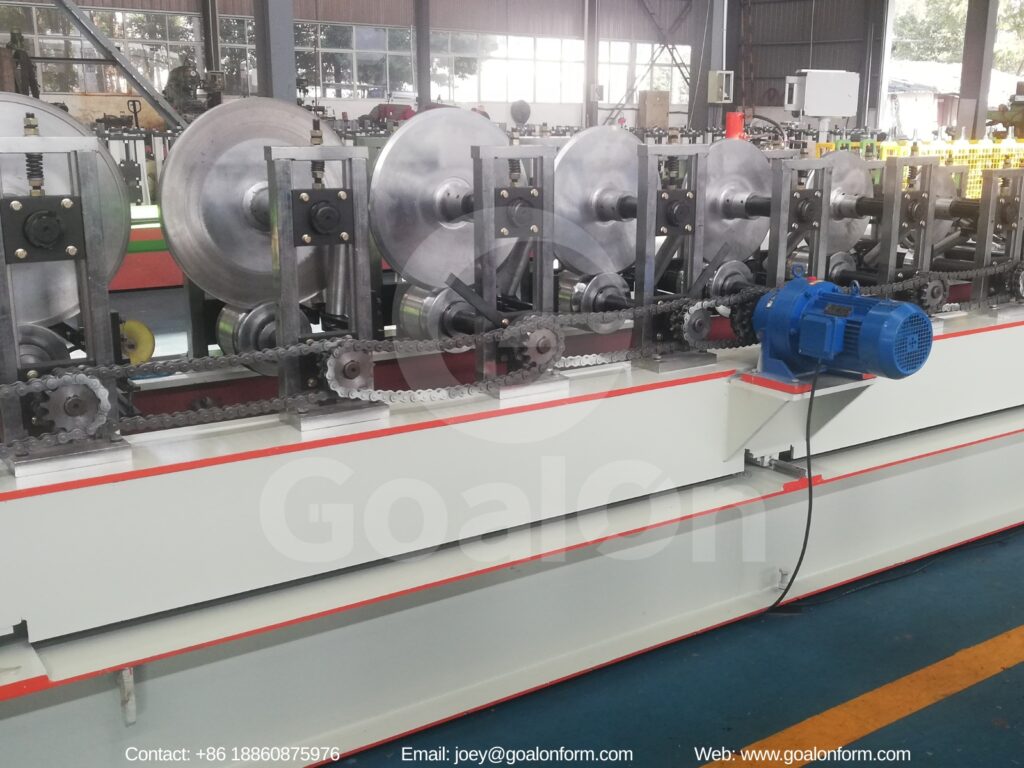
Continuous Production, Automation Integration, and Overall Efficiency
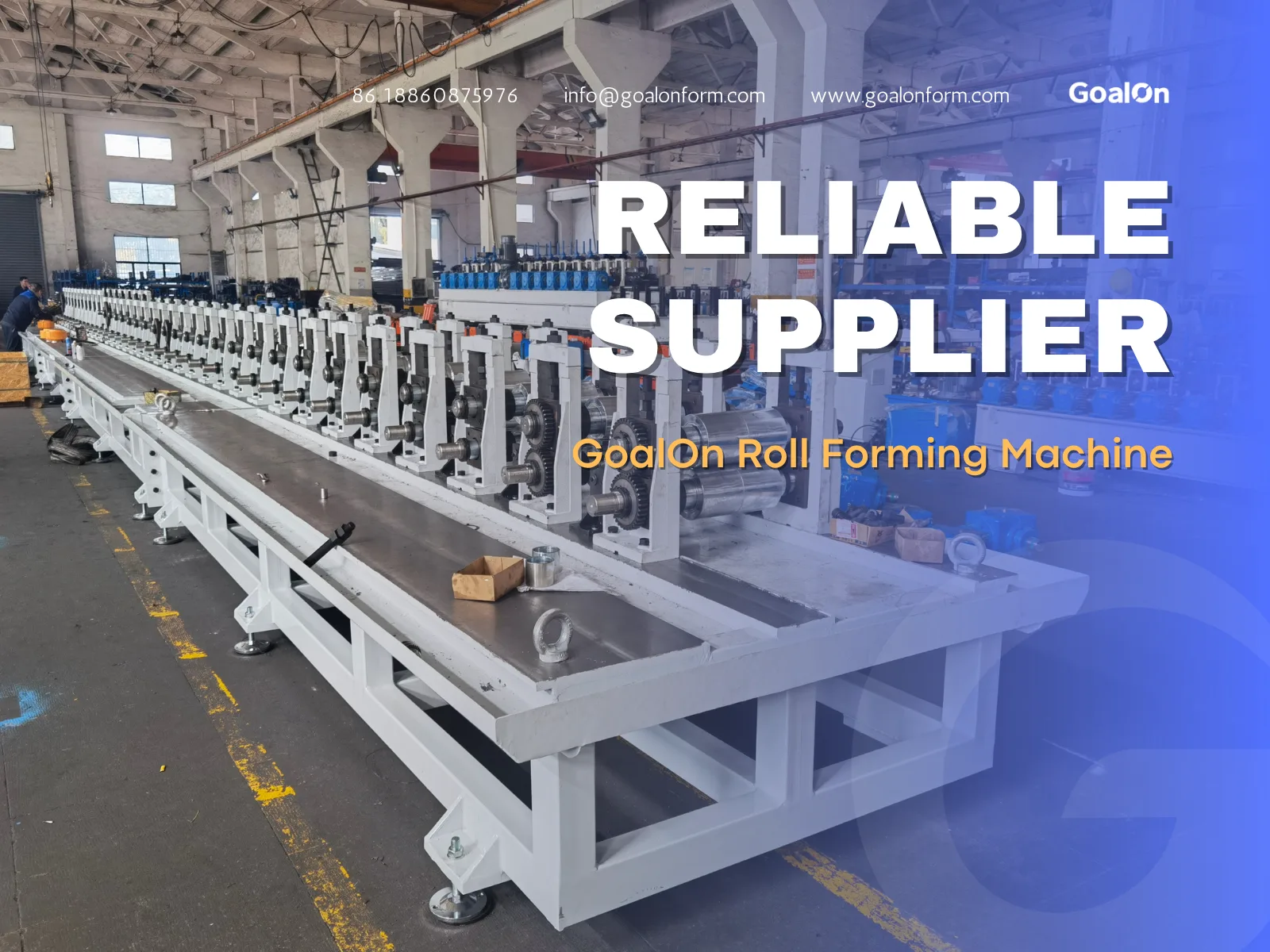
At the core of roll forming lies its continuous production principle, which fundamentally differentiates it from traditional batch-based forming methods such as press braking or stamping. Instead of producing parts one by one, roll forming converts metal coils into finished profiles through a seamless sequence of forming stations.
This process allows production speeds to reach 20–60 meters per minute, depending on profile complexity and configuration. More importantly, the absence of start-stop cycles significantly reduces idle time and improves overall equipment utilization.
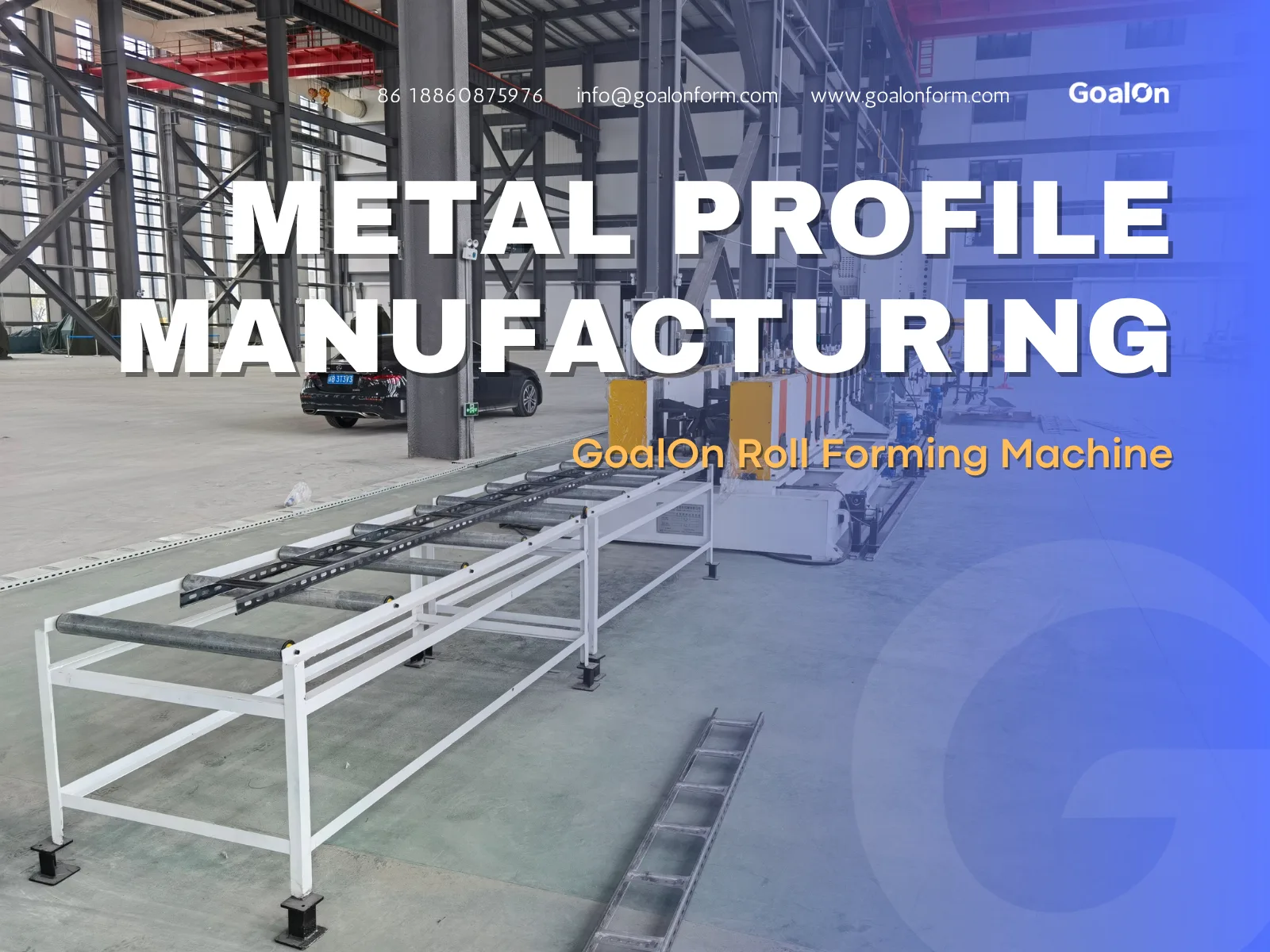
When combined with modern automation systems, the efficiency advantage becomes even more pronounced. A complete roll forming line typically integrates:
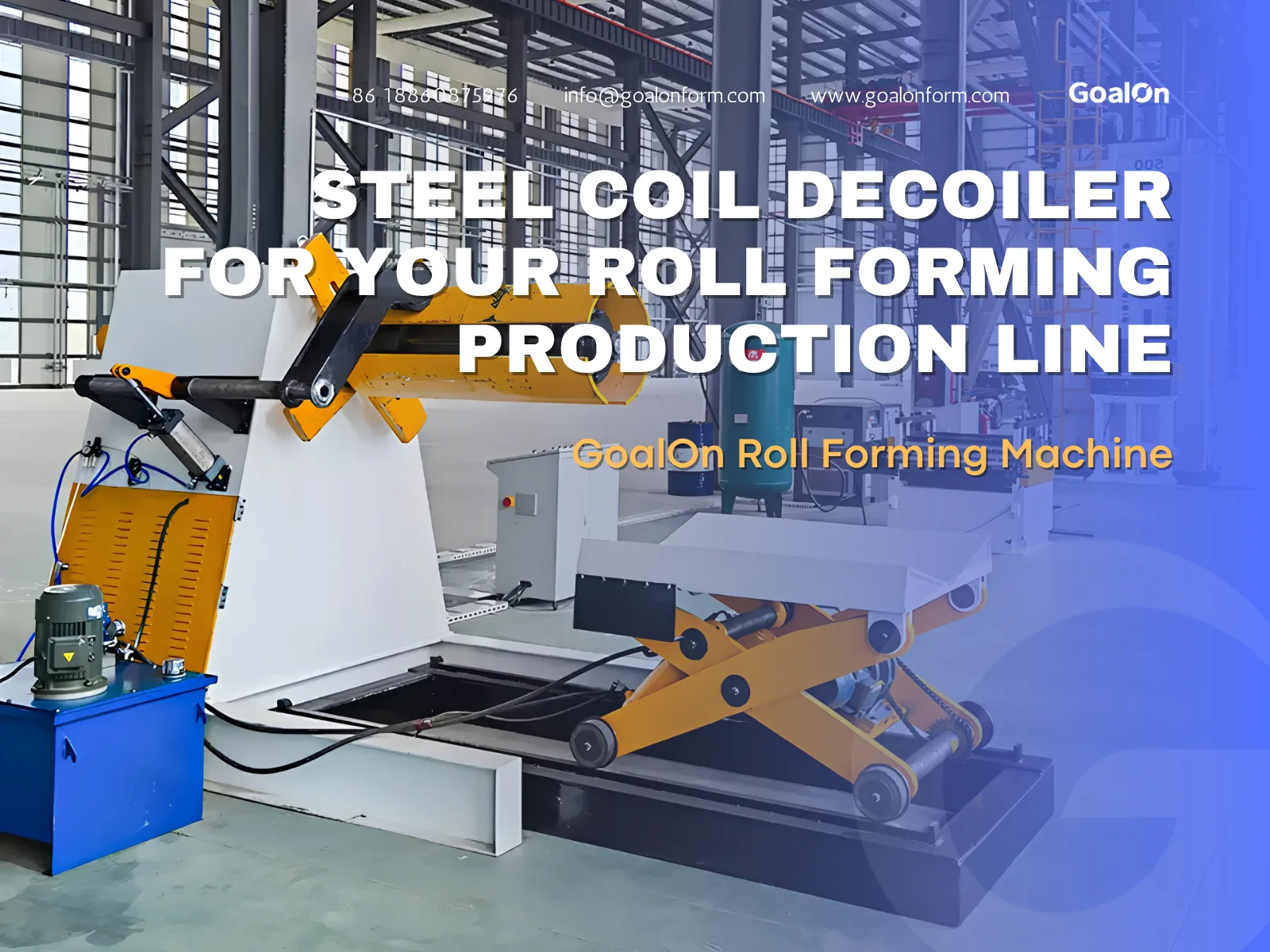
- Hydraulic or motorized decoilers with coil cars
- Servo feeding systems for precise material control
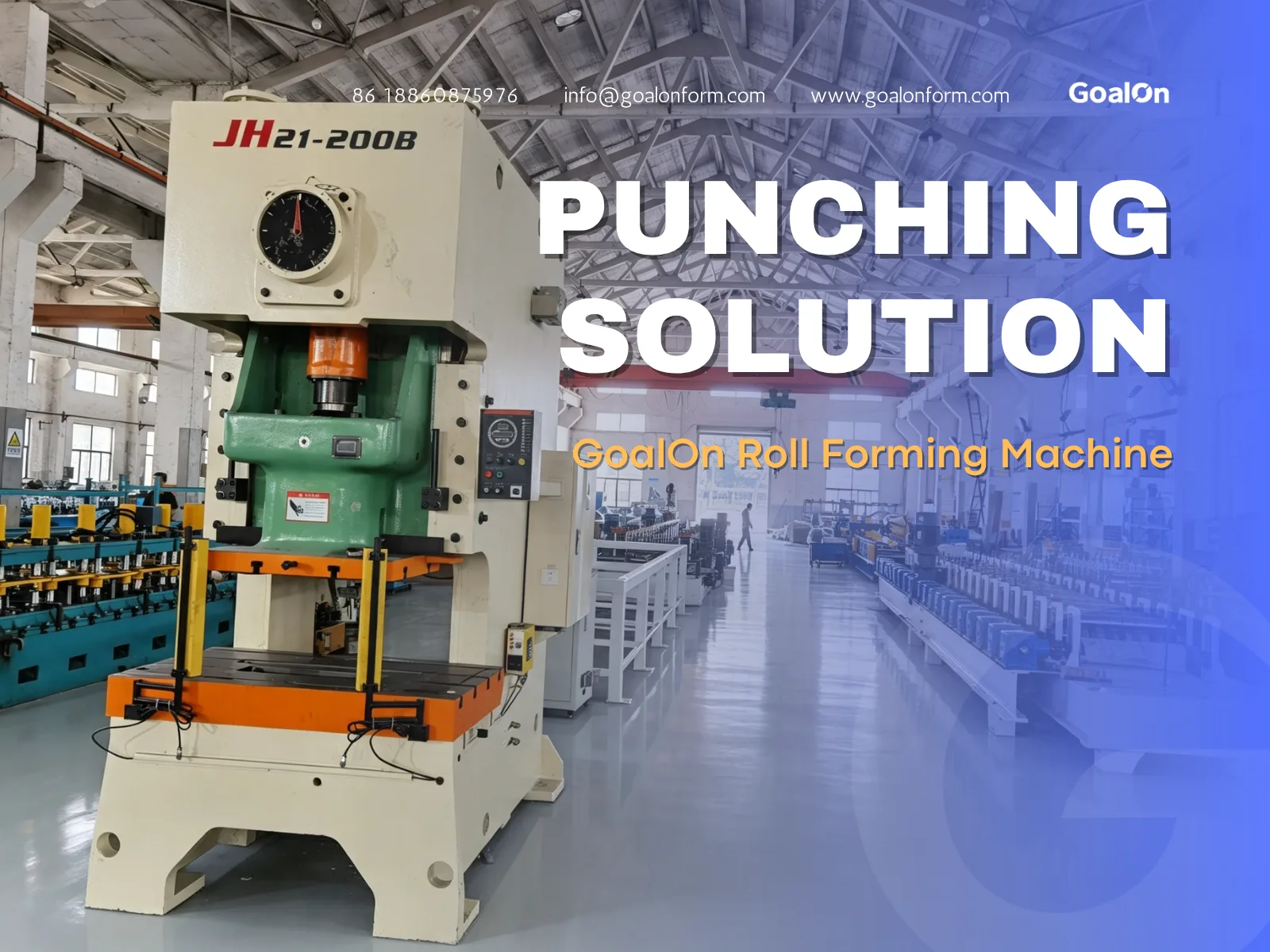
- Inline punching units for hole processing
- Flying cut-off systems enabling non-stop cutting
- Automatic stacking and packaging systems
Through this level of integration, manufacturers can achieve a fully automated roll forming line, minimizing manual intervention while maintaining consistent output. This is particularly valuable in large-scale production environments where labor costs and production stability are critical concerns.
From a strategic perspective, this combination of continuous operation and automation is what makes roll forming one of the most productive manufacturing solutions available today.
Dimensional Accuracy, Profile Complexity, and Structural Performance
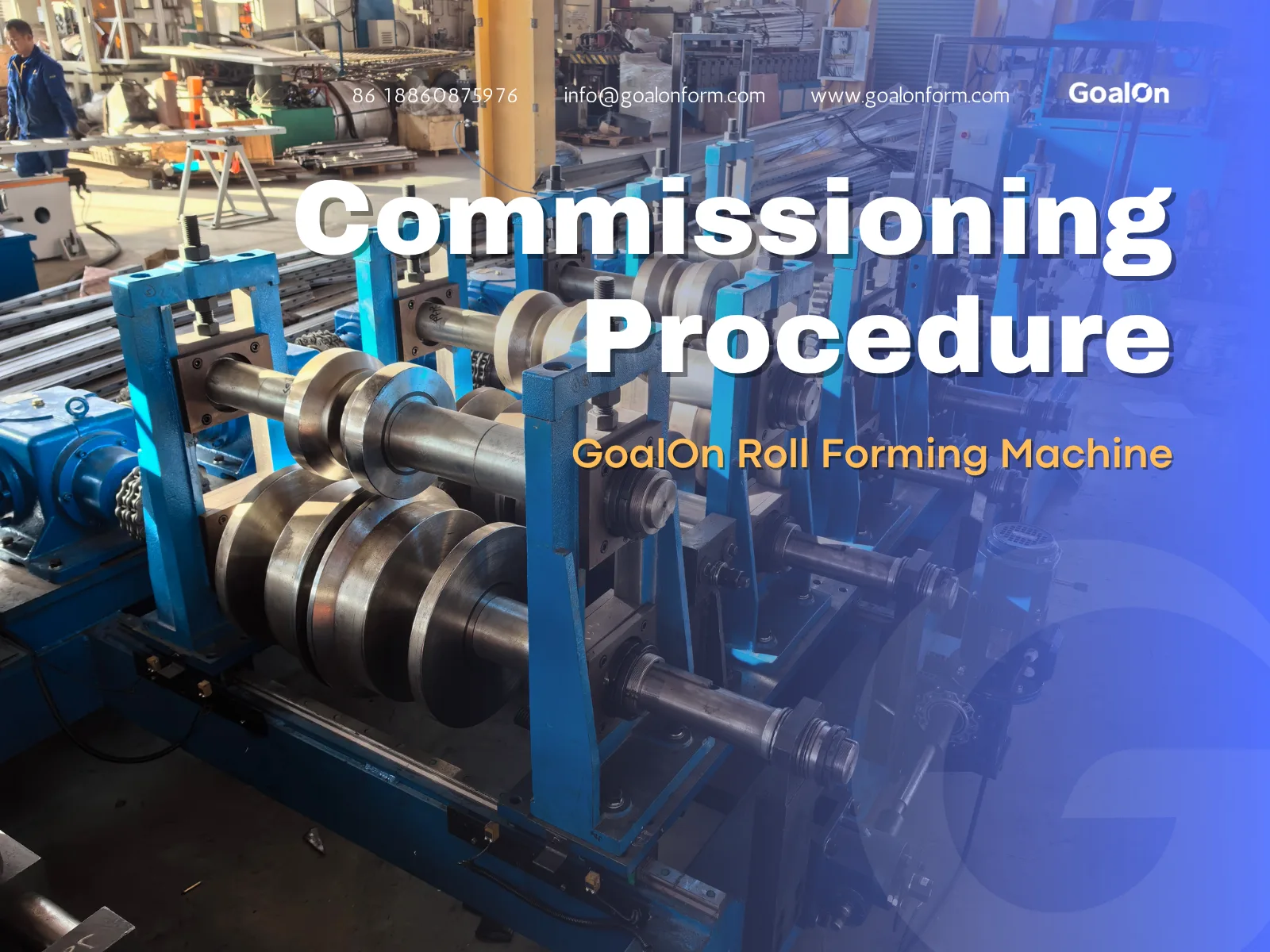
Another key strength of roll forming lies in its ability to produce highly consistent and structurally reliable profiles. This is achieved through a carefully designed sequence of forming stations, where each roller set contributes a controlled amount of deformation.
Because the material is shaped gradually, the process ensures excellent dimensional repeatability. The use of precision-machined roller tooling and stable forming paths allows manufacturers to maintain tight tolerances across long production runs. This level of accuracy is essential for applications such as:
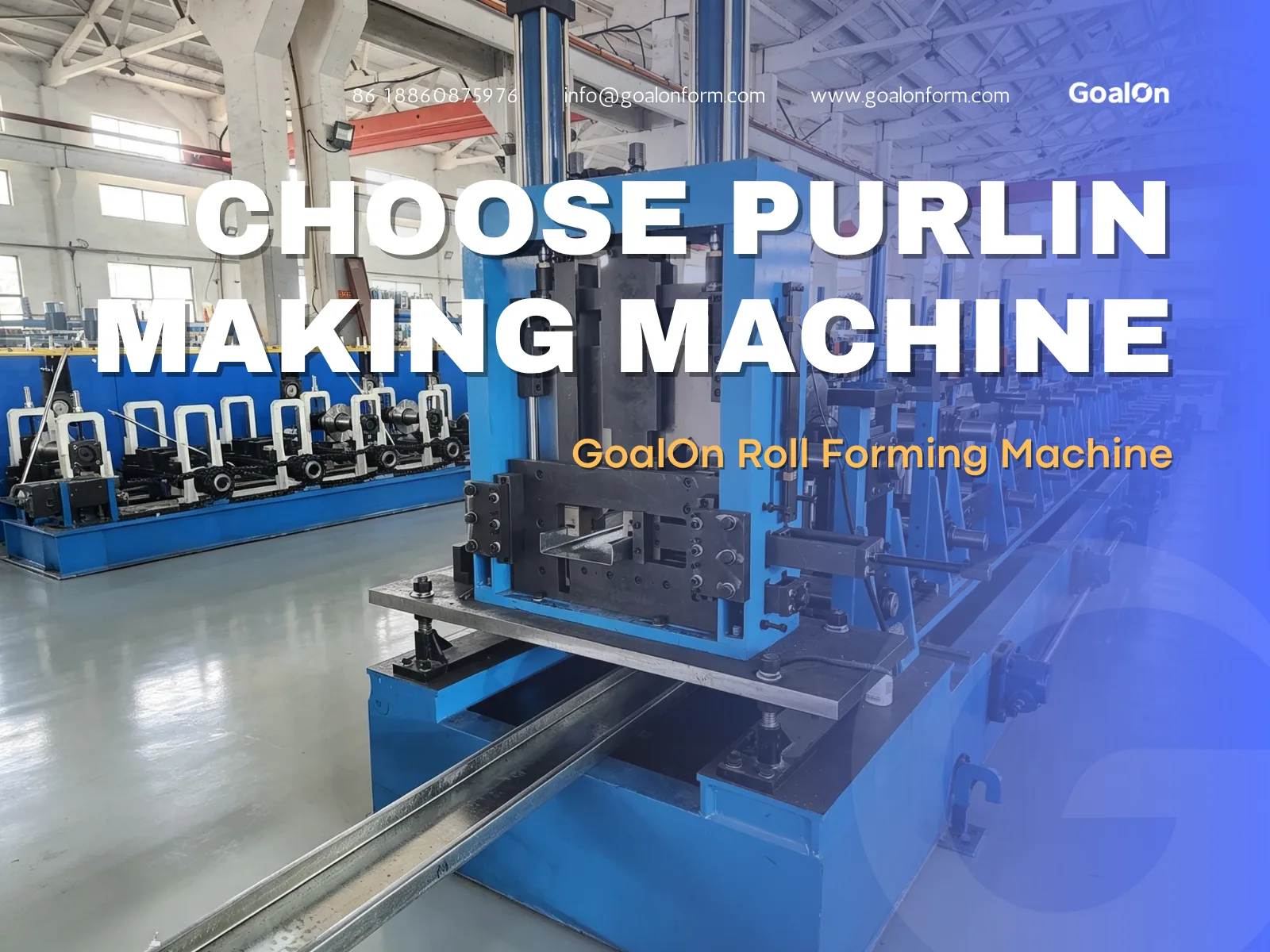
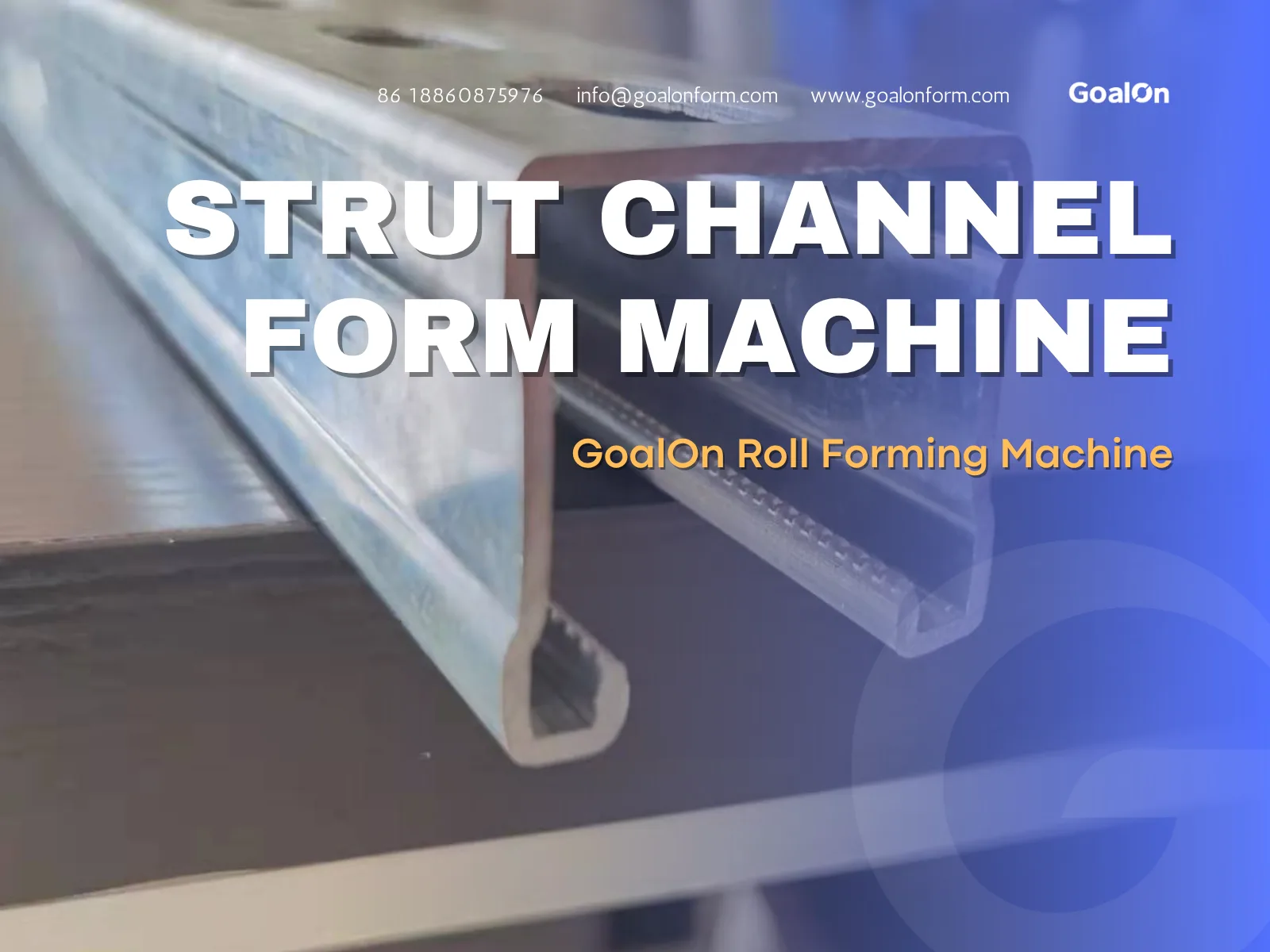
- Steel structure components like C and Z purlins
- Door and window frame systems
- Storage rack and shelving profiles
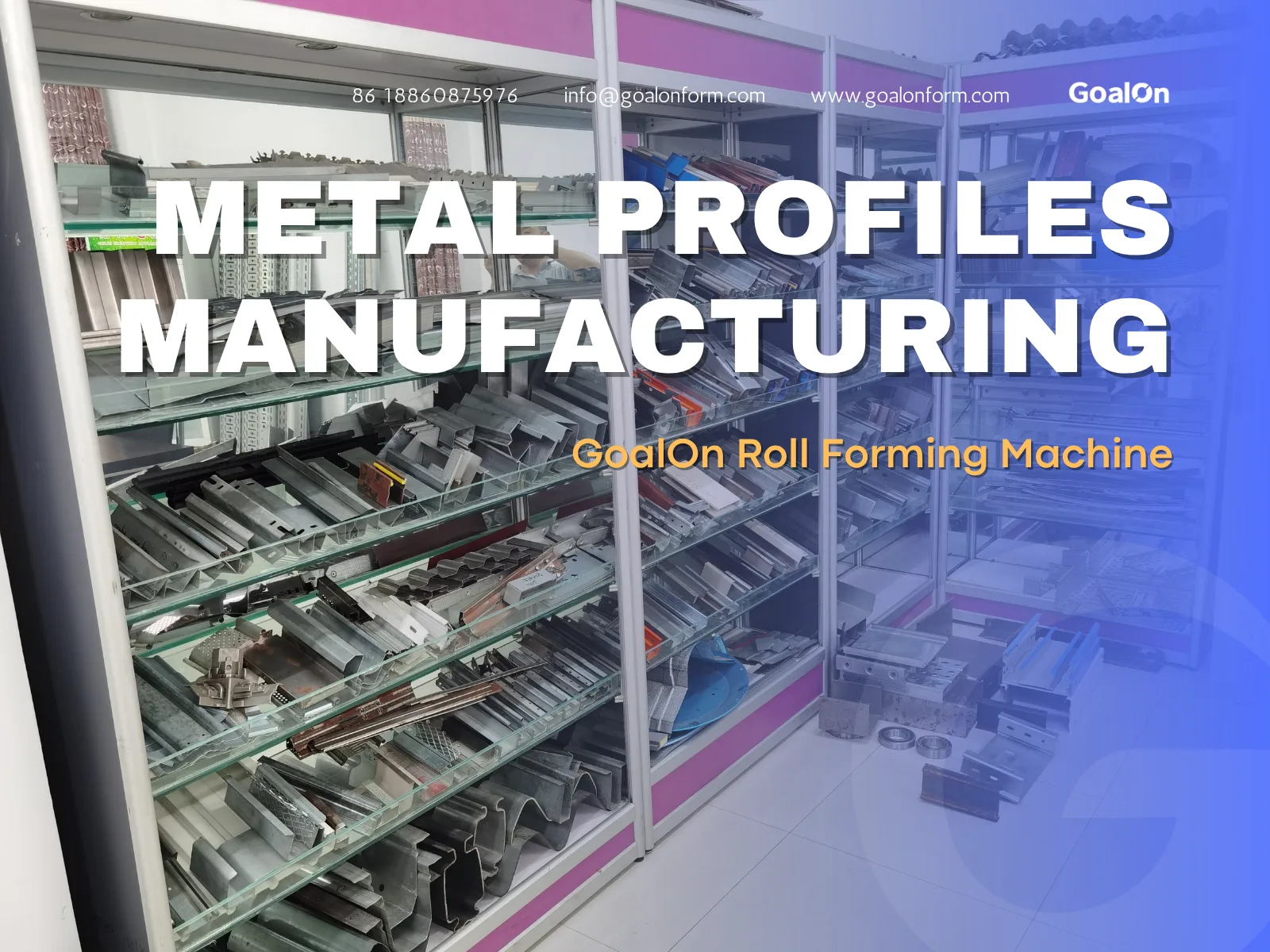
Beyond accuracy, roll forming also excels in producing complex cross-sectional geometries. Through incremental deformation control, it becomes possible to manufacture profiles with multiple bends, stiffening ribs, embossing patterns, and even partially closed sections.
This gradual forming approach also enhances the mechanical properties of the finished product. The material experiences controlled plastic deformation, which can lead to strain hardening, improved load distribution, and reduced stress concentration at critical نقاط.
Unlike welding or secondary fabrication processes, roll forming preserves material continuity, resulting in stronger and more durable profiles. For structural and load-bearing applications, this is a significant advantage that directly impacts product reliability and safety.
Material Utilization, Surface Quality, and Cost Efficiency
Material efficiency is one of the most practical advantages of roll forming, especially in industries where raw material accounts for a large portion of production cost. By using a coil-fed continuous process, roll forming minimizes scrap generation and ensures high material utilization.
Compared to stamping or laser cutting, where offcuts are inevitable, roll forming operates on a near-net shape forming principle, meaning the material is shaped directly into its final geometry with minimal waste. When combined with pre-punching systems, features such as holes and slots can be integrated into the process without requiring secondary operations.
Another important aspect is surface quality. Roll forming is a low-impact process that avoids excessive heat and friction, helping to preserve the integrity of coated materials such as:
- Оцинкованная сталь с нанесенным покрытием (PPGI)
- Aluminum coils
- Нержавеющая сталь
The use of polished rollers and controlled forming ضغط ensures that the coating remains intact, which is critical for corrosion resistance and aesthetic applications.
All these factors contribute to lower long-term production costs. Although the initial investment in roll forming equipment can be relatively high, the overall economics are highly favorable due to:
- Сокращение отходов материалов
- Меньшие потребности в рабочей силе
- High production output
- Minimal maintenance when properly designed
As a result, the cost per unit length of finished product is significantly lower compared to alternative forming methods, especially in high-volume production scenarios.
Production Flexibility and Scalability for Business Growth
In addition to efficiency and cost advantages, roll forming offers a high degree of flexibility, which is increasingly important in today’s demand-driven markets. Modern machines are designed to accommodate a range of profile variations with minimal adjustment.
Features such as quick-change roller systems и CNC-controlled positioning allow manufacturers to switch between different product specifications more efficiently. In advanced systems like CZ purlin machines, automatic size adjustment enables rapid transitions without manual intervention.
This flexibility allows manufacturers to:
- Respond quickly to customized orders
- Reduce downtime during product changeovers
- Serve multiple market segments using a single production line
At the same time, roll forming is highly scalable. A production line can be expanded or upgraded by increasing speed, adding forming stations, or integrating additional automation modules.
This scalability is particularly valuable for growing businesses. Companies can start with a basic configuration and gradually upgrade their equipment as demand increases, ensuring that their production capacity evolves alongside market opportunities.
Broad Industry Applications and Long-Term Value
The versatility of roll forming technology makes it applicable across a wide range of industries. Its ability to produce continuous, high-quality profiles ensures strong demand in sectors such as:
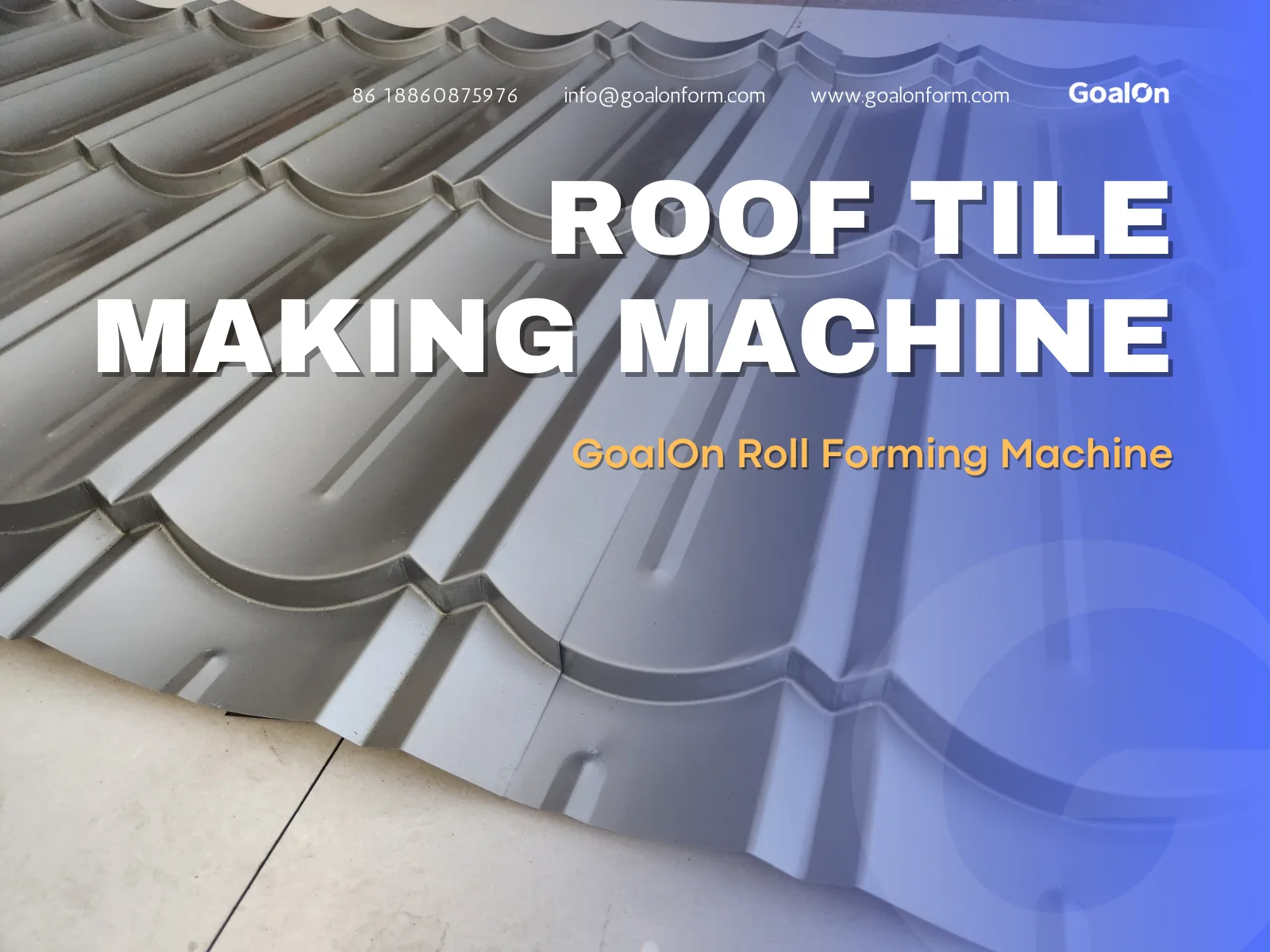
- Construction (roof panels, wall panels, structural profiles)
- Logistics and warehousing (rack systems, shelving components)
- Infrastructure (guardrails, cable trays)
- Renewable energy (solar mounting structures)
Because of this broad application range, investing in roll forming equipment is not limited to a single market segment. Manufacturers can diversify their product portfolio and adapt to changing market conditions without requiring entirely new production systems.
From a long-term perspective, this versatility enhances the return on investment and reduces business risk.
Заключение
Roll forming is not simply a forming method—it is a comprehensive manufacturing solution that combines efficiency, precision, and scalability. Its advantages are most evident when viewed as an integrated system, where continuous production, automation, material efficiency, and structural performance work together.
For companies involved in construction, metal profile manufacturing, and machinery trading, adopting roll forming technology means gaining a long-term competitive advantage. By leveraging continuous processing, precision tooling, и automated production systems, manufacturers can achieve higher productivity, lower costs, and superior product quality in an increasingly demanding global market.