When I first started working with cold roll forming machines, one of the most common challenges I saw manufacturers face was adapting their roll forming line to produce different profile sizes. The key to achieving this flexibility often lies in a seemingly small component: the spacer sleeve. Hand-changing spacer sleeves may sound simple, but doing it correctly has a direct impact on production efficiency, product quality, and machine longevity.
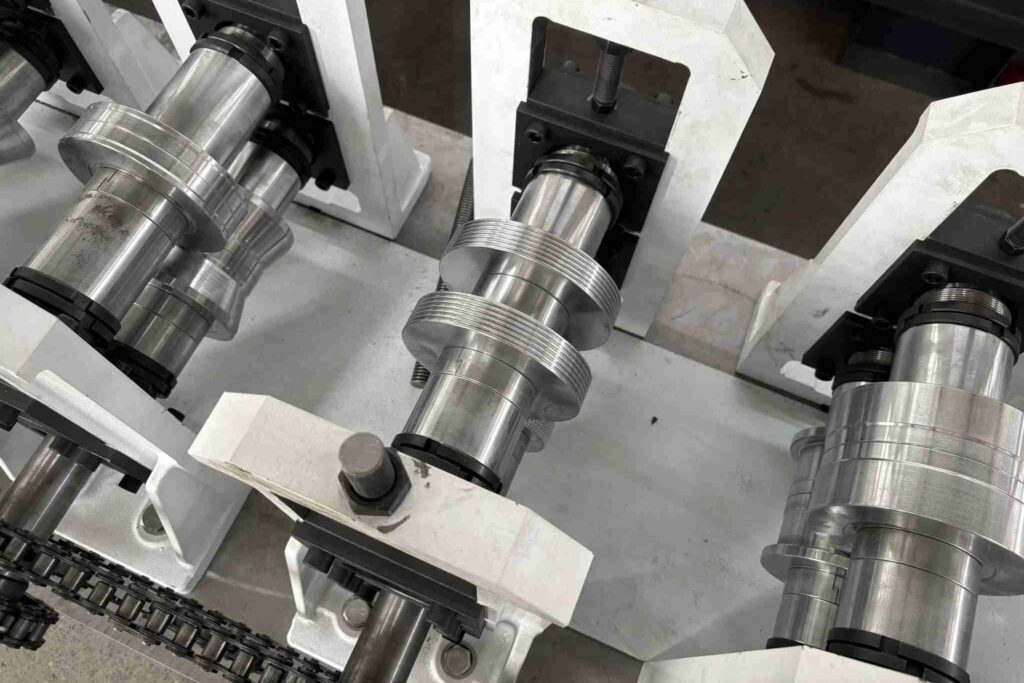
In this blog, I want to share my insights on manual spacer sleeve changes, highlighting practical techniques, common pitfalls, and purchasing considerations. Whether you are a first-time buyer of roll forming machines or a seasoned operator, understanding this process can save time and reduce costs.
Why Changing Dimensions Matters in Roll Forming
Roll forming lines are designed to produce metal profiles with high precision, but each profile comes with unique width, height, and thickness specifications. Using the wrong roller spacing leads to deformed profiles, increased scrap, and potential damage to the machine.
Manual spacer sleeve changes allow you to quickly adjust the gap between rollers. This flexibility is crucial for:
- Small to medium-sized batches with multiple profile types
- Reducing downtime when switching production
- Ensuring consistent profile dimensions without excessive trial and error
Without proper understanding, operators often underestimate the importance of correct sleeve selection, leading to misaligned rollers, poor forming, or even safety hazards.
The Role of Spacer Sleeves in a Roll Former
Spacer sleeves serve as adjustable elements between rollers, controlling the distance and alignment along the roll forming line. Their material, thickness, and installation precision directly affect:
- Forming accuracy: Proper gap ensures the metal flows correctly and maintains intended shape
- Surface quality: Correct sleeves prevent scratches, marks, or uneven bending
- Machine wear: Accurate spacing reduces unnecessary stress on shafts, bearings, and gears
There are several types of sleeves commonly used in forming rolling machines:
- Fixed sleeves: Standard sizes for routine profiles
- Adjustable sleeves: Allow minor adjustments without complete removal
- Replaceable sleeves: Used when switching to significantly different profile dimensions
Understanding the type of sleeve your roll forming machine uses will determine how efficiently you can switch production sizes.
Step-by-Step Guide to Manual Spacer Sleeve Replacement
I always recommend a structured approach to changing sleeves to avoid errors and maximize safety. Here is a detailed workflow I follow:
- Preparation:
- Stop the roll forming line and disconnect power
- Ensure the work area is clean and all tools are ready
- Mark current sleeve positions for reference
- Removing Old Sleeves:
- Loosen securing bolts carefully
- Remove sleeves one by one, noting any wear or damage
- Avoid forcing sleeves out to prevent roller or shaft scratches
- Selecting New Sleeves:
- Choose the correct thickness according to profile specifications
- Verify compatibility with your roll former
- Installing New Sleeves:
- Align sleeves precisely to avoid off-center rolling
- Tighten bolts evenly to prevent misalignment
- Measure gaps with calipers or feeler gauges for accuracy
- Testing and Adjustment:
- Run a small batch of test material
- Inspect the profile for dimensional accuracy and surface finish
- Make minor adjustments if needed
Following these steps ensures your roll forming machine maintenance is consistent, and reduces the risk of mistakes that can halt production.
Key Considerations During Operation
From my experience, even small oversights can have big consequences. Here are practical tips I share with clients:
- Always handle sleeves with clean gloves to prevent contamination
- Maintain a log of sleeve thickness and machine settings for each profile
- Avoid mixing sleeves from different lines or manufacturers
- Never operate the machine with partially installed sleeves
These practices not only improve safety but also extend the life of your forming rolling machines.
Impact on Production Efficiency
Manual sleeve changes do take time—typically 30 to 60 minutes depending on the machine and profile complexity. This downtime can affect your production schedule if not planned carefully. Here’s how I approach it:
- Standardize sleeve change procedures for each line
- Prepare pre-measured sleeve kits for frequently produced profiles
- Train operators to minimize trial-and-error adjustments
Compared with fully automated sleeve-changing systems, manual changes cost less upfront but require disciplined operation to maintain efficiency. For many small to medium operations, this balance offers excellent flexibility without a huge capital investment.
Purchasing and Selection Advice
When selecting a roll forming machine, I advise looking for:
- Easy access to rollers and sleeves
- Clear documentation for sleeve specifications and compatibility
- High-quality sleeve materials to reduce wear
- Machines that support quick manual changeovers
At Goalon Machinery, I focus on designing roll forming lines that balance flexibility, precision, and operator safety. Selecting the right machine ensures that manual sleeve changes are not only possible but practical for real-world production needs.
Cost and ROI Considerations
Manual sleeve replacement involves labor and minor downtime, but the benefits often outweigh the cost:
- Faster adaptation to different profiles
- Reduced scrap and material waste
- تحسين اتساق المنتج
- Extended machine life with proper maintenance
For companies producing a range of metal profiles, these advantages translate into a higher return on investment compared with machines that are less adaptable.
Summary: Practical Insights from the Shop Floor
Hand-changing spacer sleeves is a simple concept but requires careful execution. When done correctly, it enhances your roll forming line’s versatility, ensures consistent product quality, and reduces maintenance headaches. My experience shows that disciplined operations, combined with smart machine selection, make manual sleeve replacement an effective tool for small and medium-sized manufacturers.
Whether you are a construction company, a metal profile manufacturer, or a machine trading company, understanding and implementing proper sleeve management can make a significant difference in production efficiency.
If you want a roll forming machine that is easy to adjust, reliable, and supported by practical maintenance advice, I encourage you to explore Goalon Machinery’s offerings. Investing in the right forming rolling machines today saves time, reduces errors, and strengthens your production capabilities for years to come.