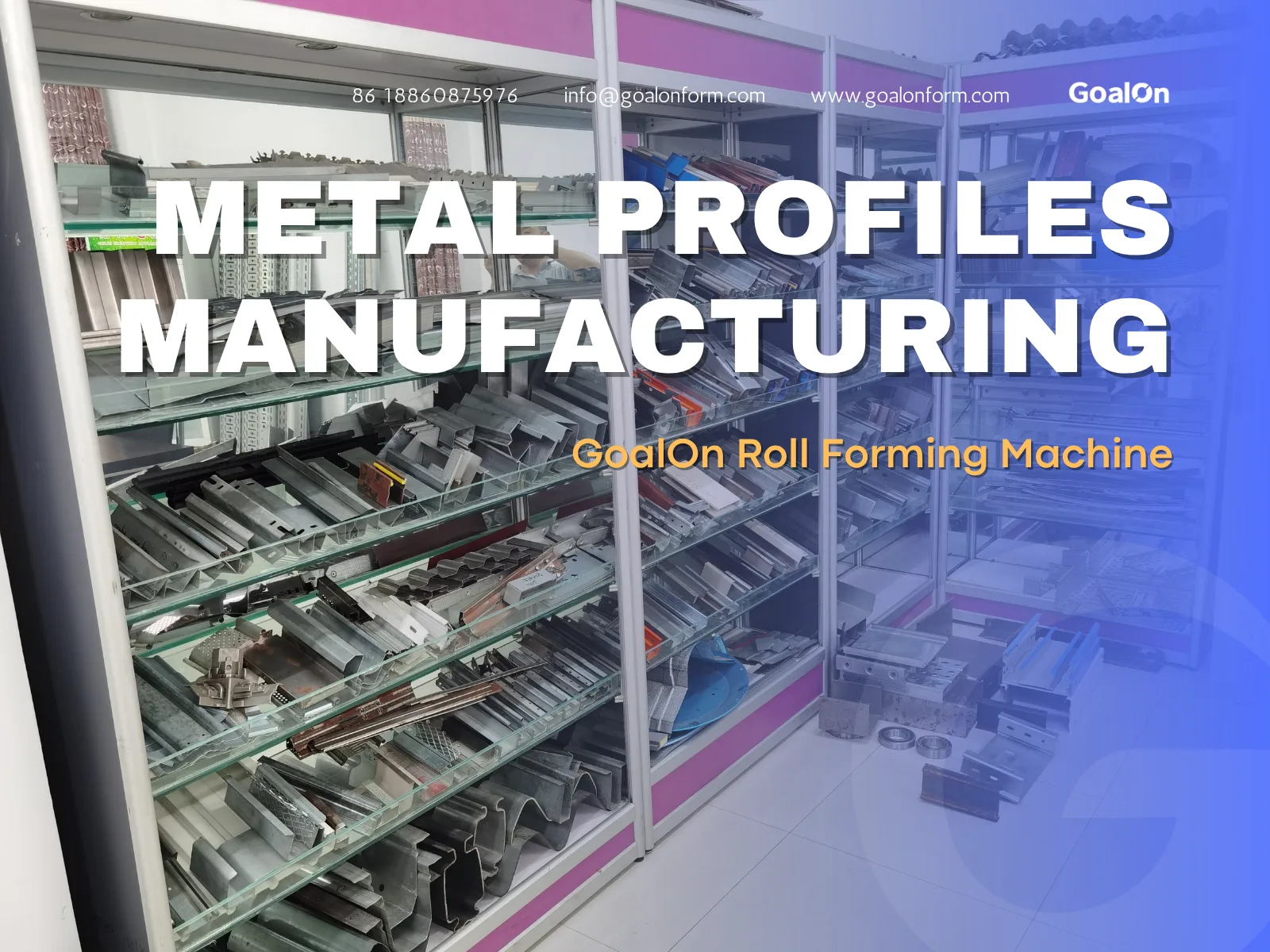
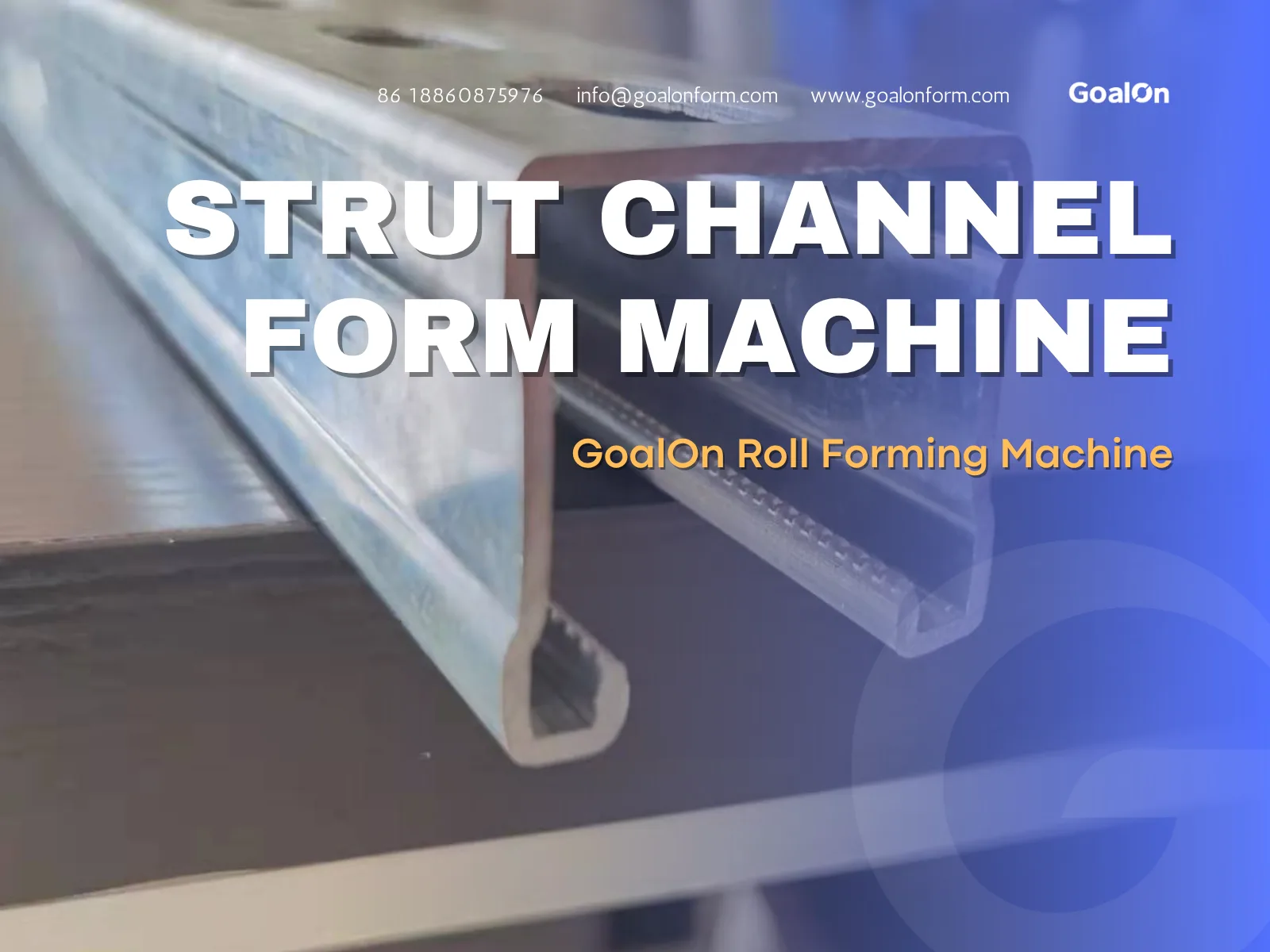
As an engineer with years of experience in cold roll forming machines, I’ve witnessed how these machines can transform metal profile production, especially in the rapidly growing solar industry. Strut channels, also called C-channels or support channels, are crucial components in solar panel installations.

They form the backbone of mounting structures, whether for rooftop or ground-mounted systems. The demand for these channels is increasing, and manufacturers are looking for flexible, high-quality, and efficient production methods. That’s where roll forming machines truly shine.
Understanding the Role of Roll Forming Machines in Solar Support Production
Solar installation projects require strut channels in a variety of dimensions, thicknesses, and material types. Each installation can have different load requirements and environmental conditions, which means manufacturers need to produce multiple sizes of channels with precision. A high-quality roll forming machine allows me to achieve this efficiently.
A single roll forming line can handle a wide range of material specifications, from 1.5mm to 3mm galvanized steel or aluminum sheets. It also allows adjustments in width, height, and shape without major downtime. For companies aiming to supply custom strut channels quickly, investing in a roll former provides a huge advantage over relying solely on pre-fabricated materials.
Technical Insights: How Roll Forming Lines Handle Strut Channels
Producing strut channels with a roll former involves several key steps:
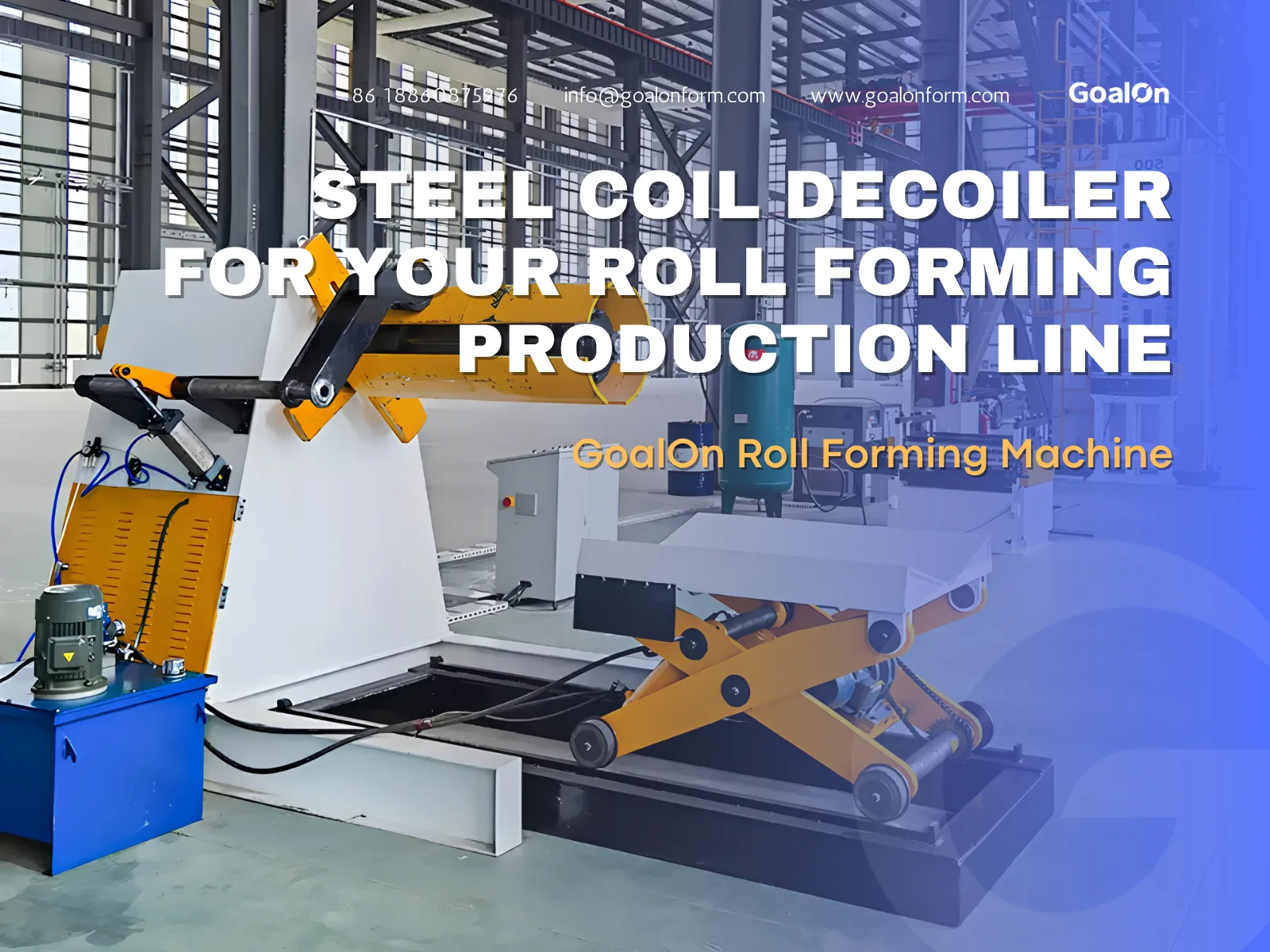
- Decoiling and Flattening: Raw metal coils are loaded onto a hydraulic uncoiler and flattened using leveling rollers. This ensures a smooth surface and accurate dimensions throughout production.
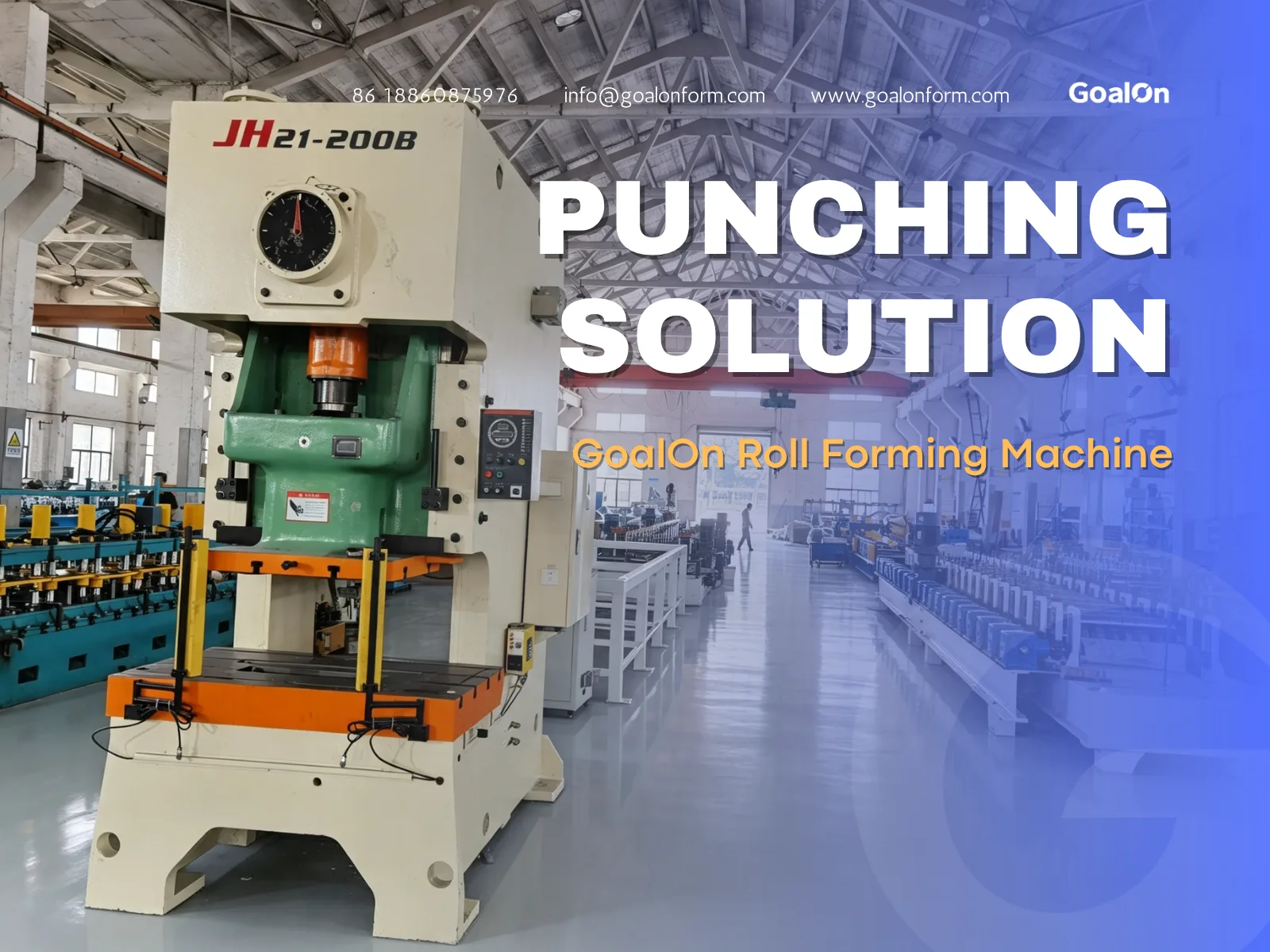
- Punching or Slotting: Predefined holes or slots are punched automatically according to design requirements. Precision here is essential for installation efficiency on solar panels.
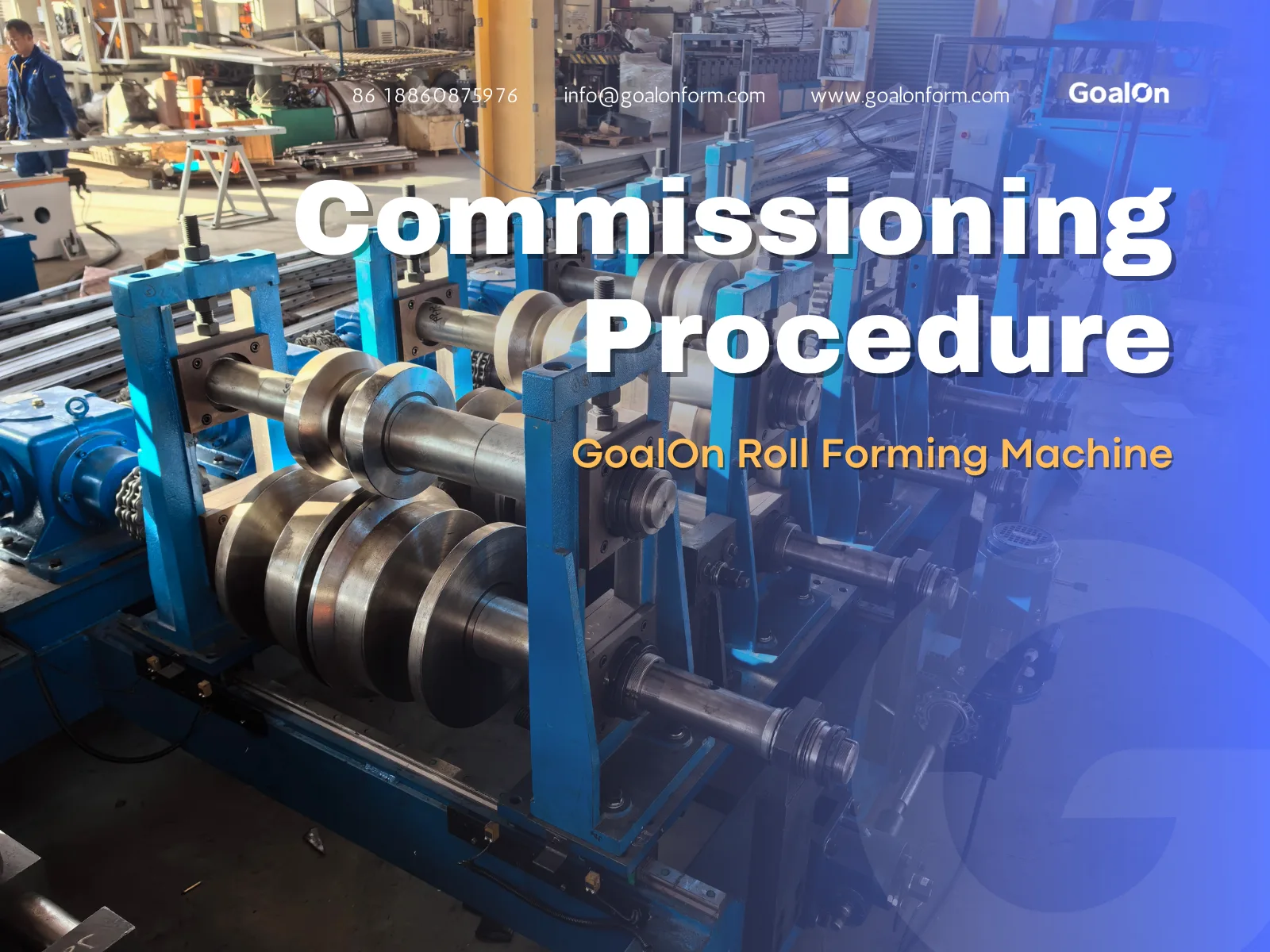
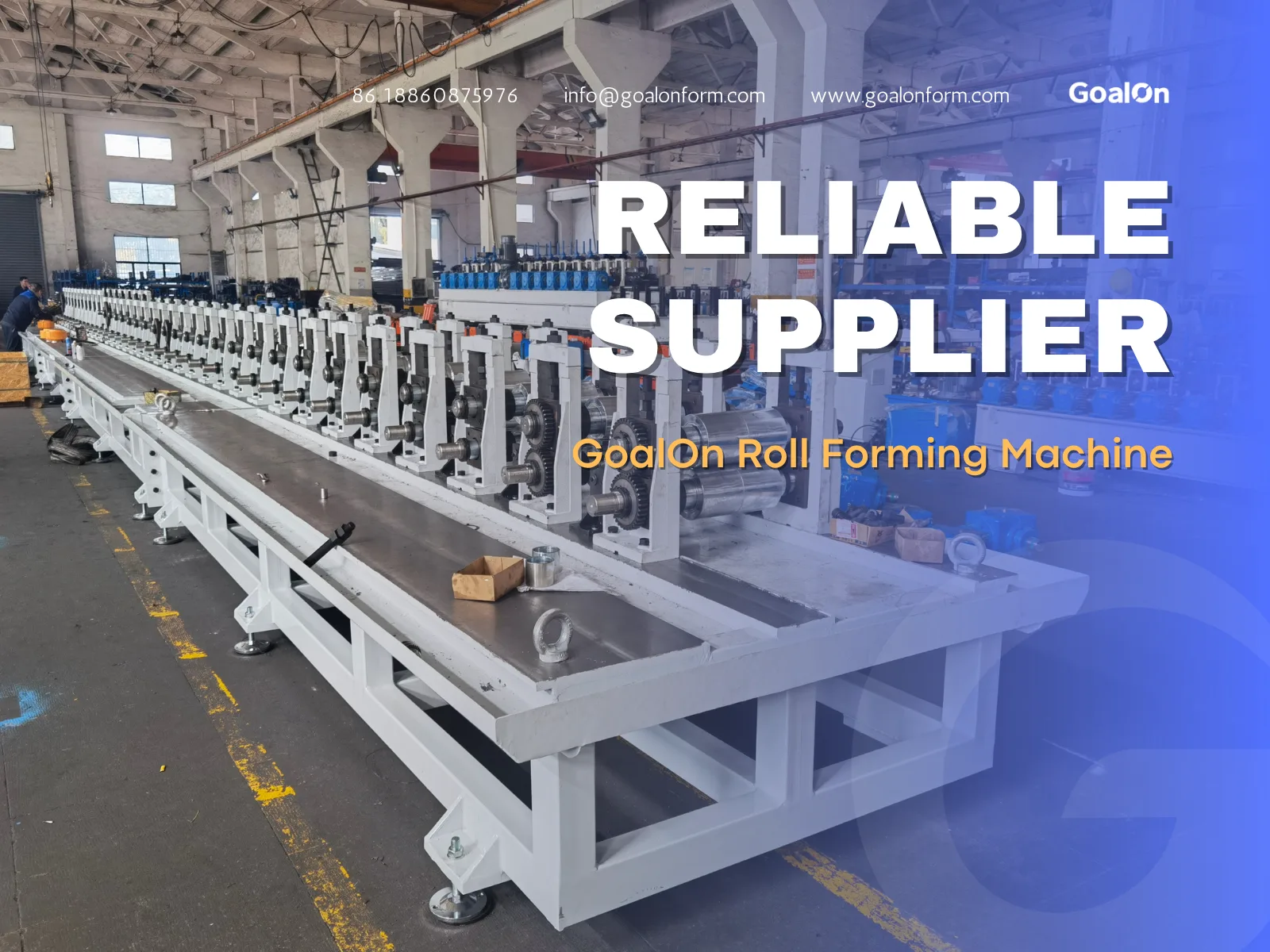
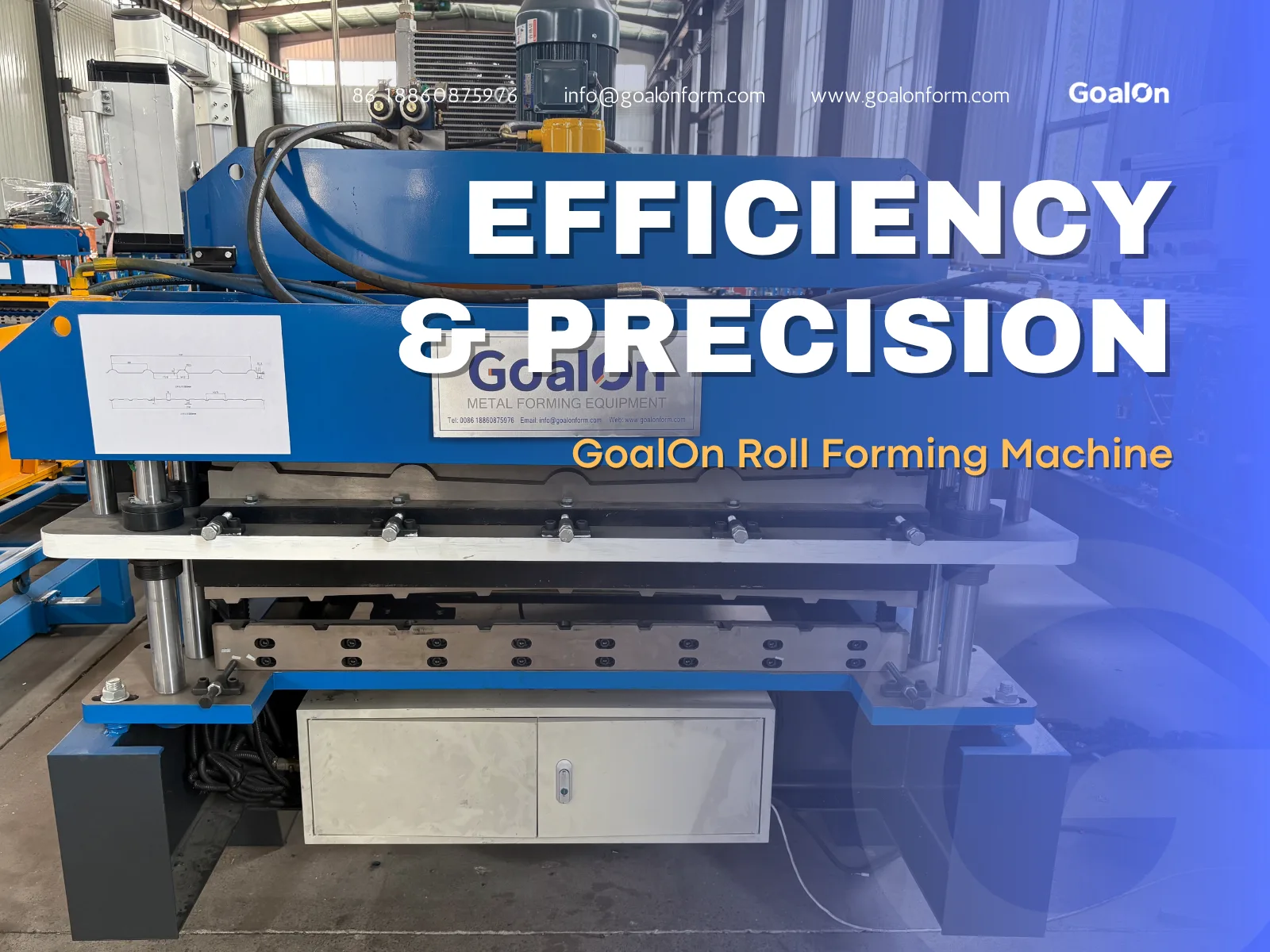
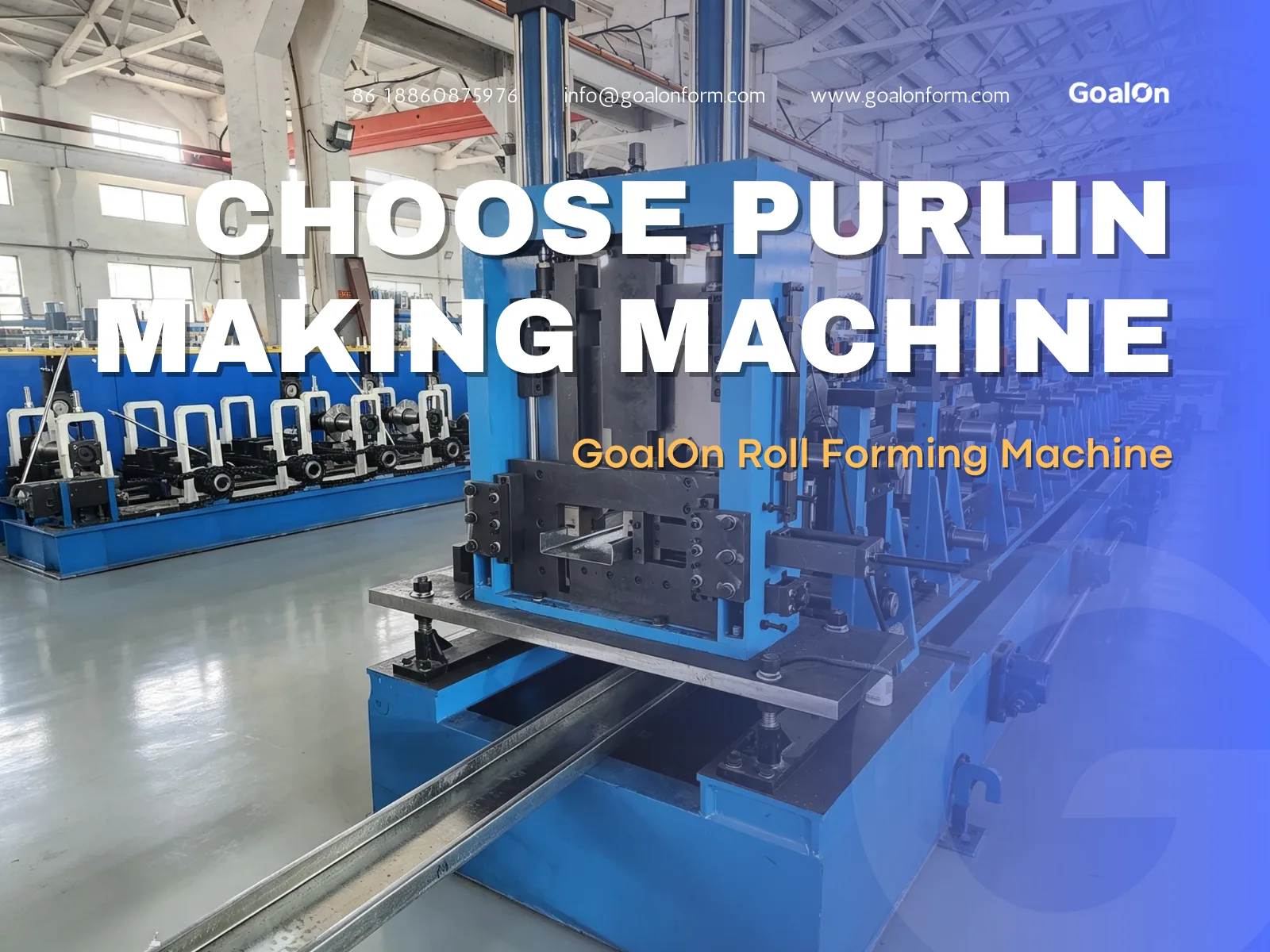
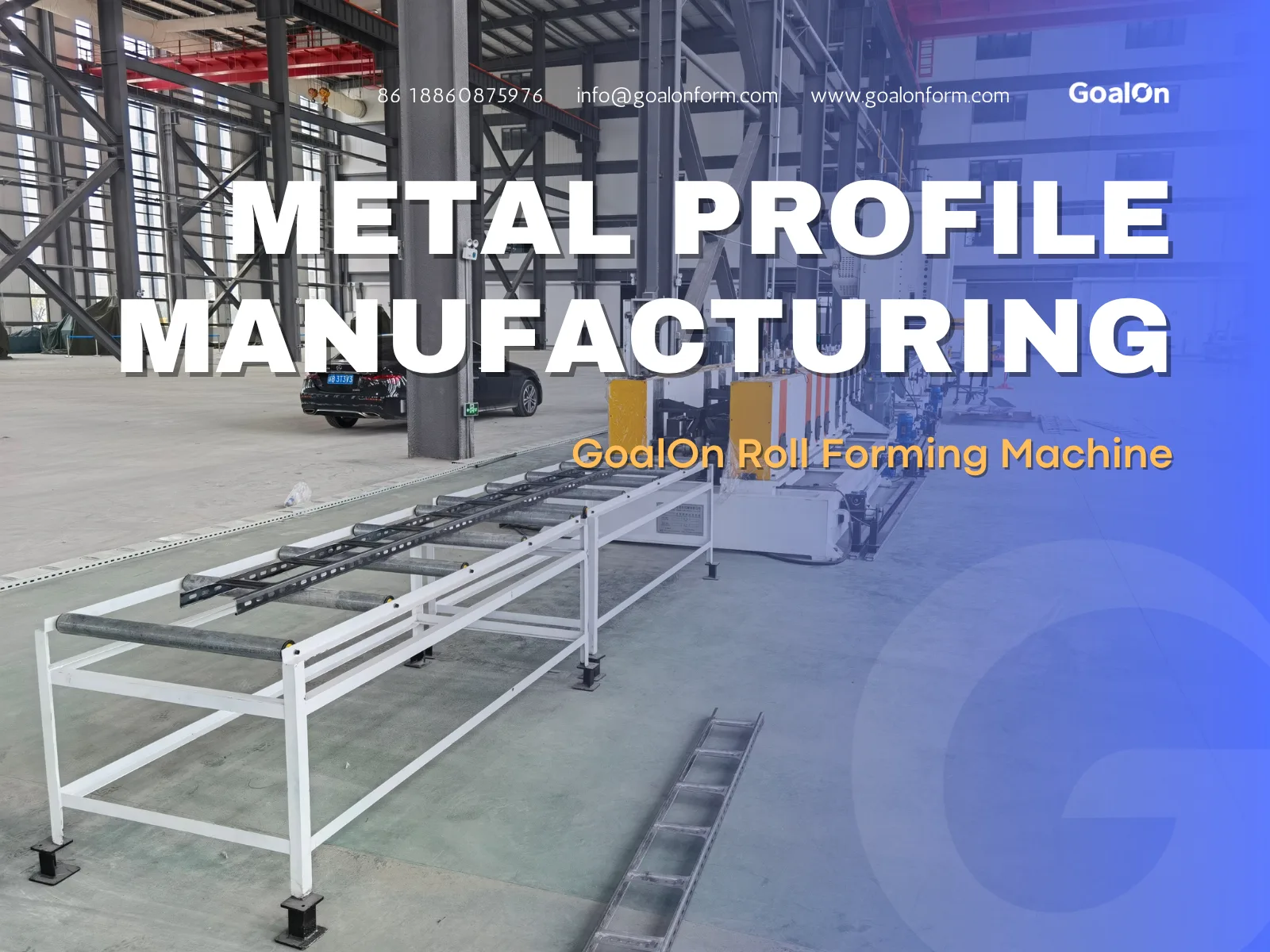
- Roll Forming: The metal passes through consecutive forming rollers, which gradually shape it into the desired strut channel profile. A forming rolling machine with chain or gear drive systems can maintain tight tolerances for both simple and complex channel designs.
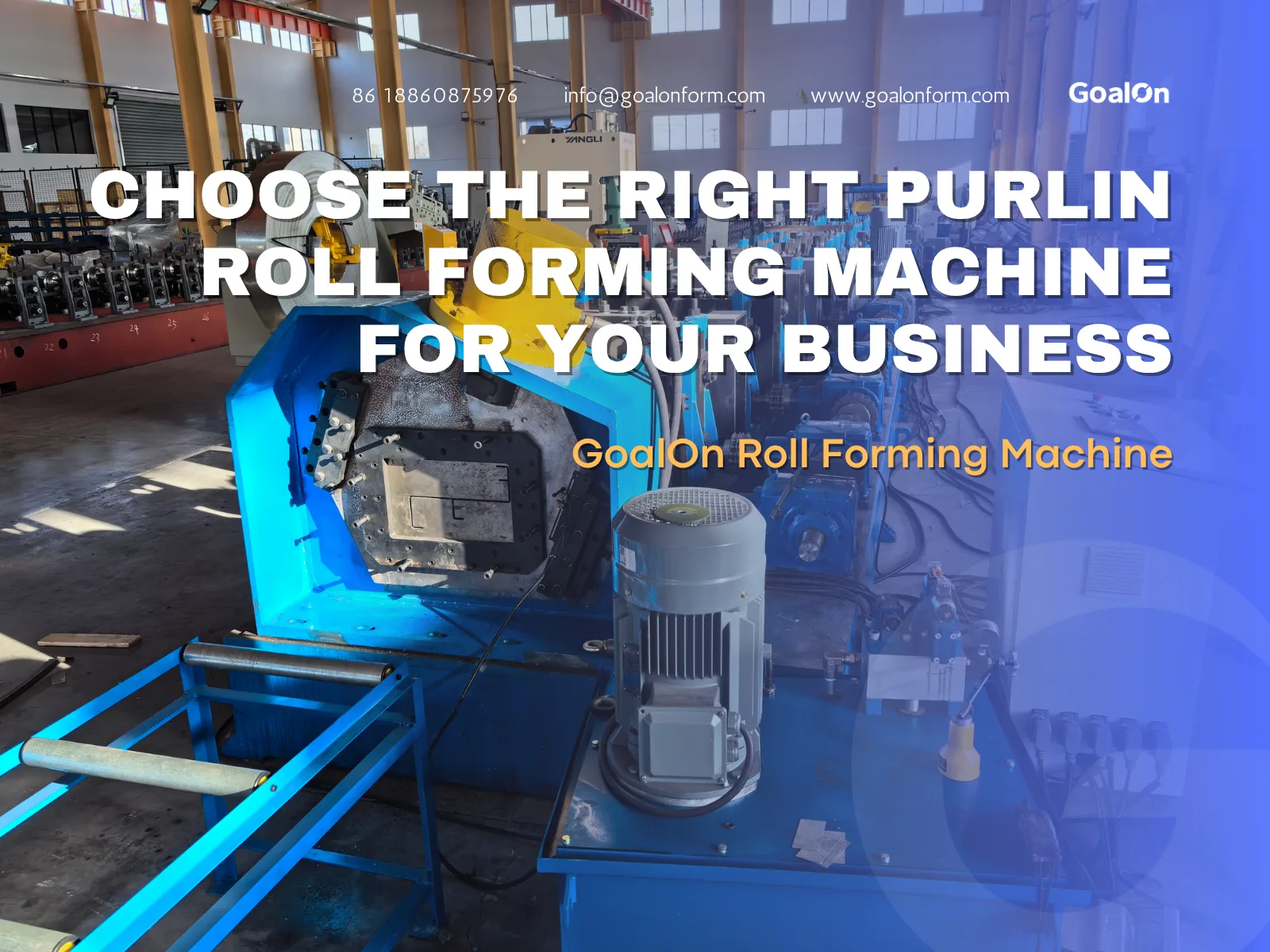
- برش: Modern roll forming lines often include hydraulic or automatic tracking cutting systems, which ensure precise lengths without causing deformation at the ends.
- Outfeed and Stacking: Finished channels are collected and stacked efficiently, ready for shipping or further assembly.
A well-configured roll forming line not only produces channels in a variety of dimensions but also maintains consistency, reduces material waste, and minimizes labor requirements.
Choosing the Right Roll Forming Machine for Solar Industry Applications
When selecting a roll former for strut channel production, I focus on several factors:
- Material Compatibility: Ensure the machine can handle galvanized steel, aluminum, or other metals you intend to use.
- Profile Flexibility: Single or dual side shifting, multiple forming stations, and adjustable dies help accommodate multiple channel designs.
- حجم تولید: Consider the required output. Some lines can produce hundreds of meters per hour, while others prioritize customization over speed.
- Precision Features: Automatic hole punching, hydraulic tracking cutting, and adjustable rollers improve efficiency and installation accuracy.
Investing in the right roll forming machine reduces operational risks, improves product quality, and ensures your production line can adapt to future solar support designs.
Production Efficiency and Cost Benefits
A properly configured roll forming line significantly increases production efficiency. By automating processes such as punching, forming, and cutting, manufacturers can save labor costs and reduce production errors. For instance, producing strut channels in-house using a roll former is often cheaper than sourcing pre-formed channels from third-party suppliers, especially for customized orders.
Moreover, roll forming machines offer scalable solutions. Starting with a basic line, I can gradually upgrade to higher automation, adding features like automatic stacking, hydraulic tracking cutting, or inline punching for multiple hole patterns. The return on investment is clear: faster production, lower operational costs, and more competitive pricing for customers.
Solar Industry Trends Driving Roll Former Adoption
The solar industry is expanding globally, and projects are becoming increasingly diverse. Ground-mounted solar farms and commercial rooftop installations demand different channel sizes and specifications. Manufacturers must respond quickly to these variations to remain competitive.
A flexible roll former allows me to adjust production without major retooling. It also reduces reliance on external suppliers, who may have longer lead times or limited customization options. In my experience, companies that invest in high-quality forming rolling machines gain a significant edge in both speed and product versatility.
Maintenance and Longevity: Keeping Your Roll Forming Line at Peak Performance
Maintaining a roll forming machine is essential for long-term productivity. I follow a strict maintenance routine that includes:
- Regular lubrication of bearings and chain drives.
- Checking roller alignment and wear to prevent profile deformation.
- Inspecting hydraulic systems and tracking cutting mechanisms.
- Periodic machine calibration to maintain hole position accuracy.
Proper roll forming machine maintenance minimizes downtime, extends machine life, and ensures consistent channel quality, which is crucial for meeting the high standards of the solar industry.
Conclusion: Why Investing in a Roll Former Makes Sense for Solar Manufacturers
From my perspective as a roll forming engineer and purchasing consultant, investing in a high-quality roll forming machine is a strategic decision for solar component manufacturers. It offers:
- Precision and consistency in producing strut channels.
- Flexibility to meet diverse project requirements.
- Cost savings compared to outsourcing or using multiple smaller machines.
- Scalability for future expansion or automation upgrades.
For companies aiming to compete in the booming solar market, a reliable roll forming line is not just an asset—it’s a necessity. If you want to streamline production, improve product quality, and respond to market demands efficiently, I highly recommend considering Goalon Machinery’s roll forming solutions. Their machines combine robust engineering, flexibility, and excellent service, making them an ideal partner for solar strut channel production.