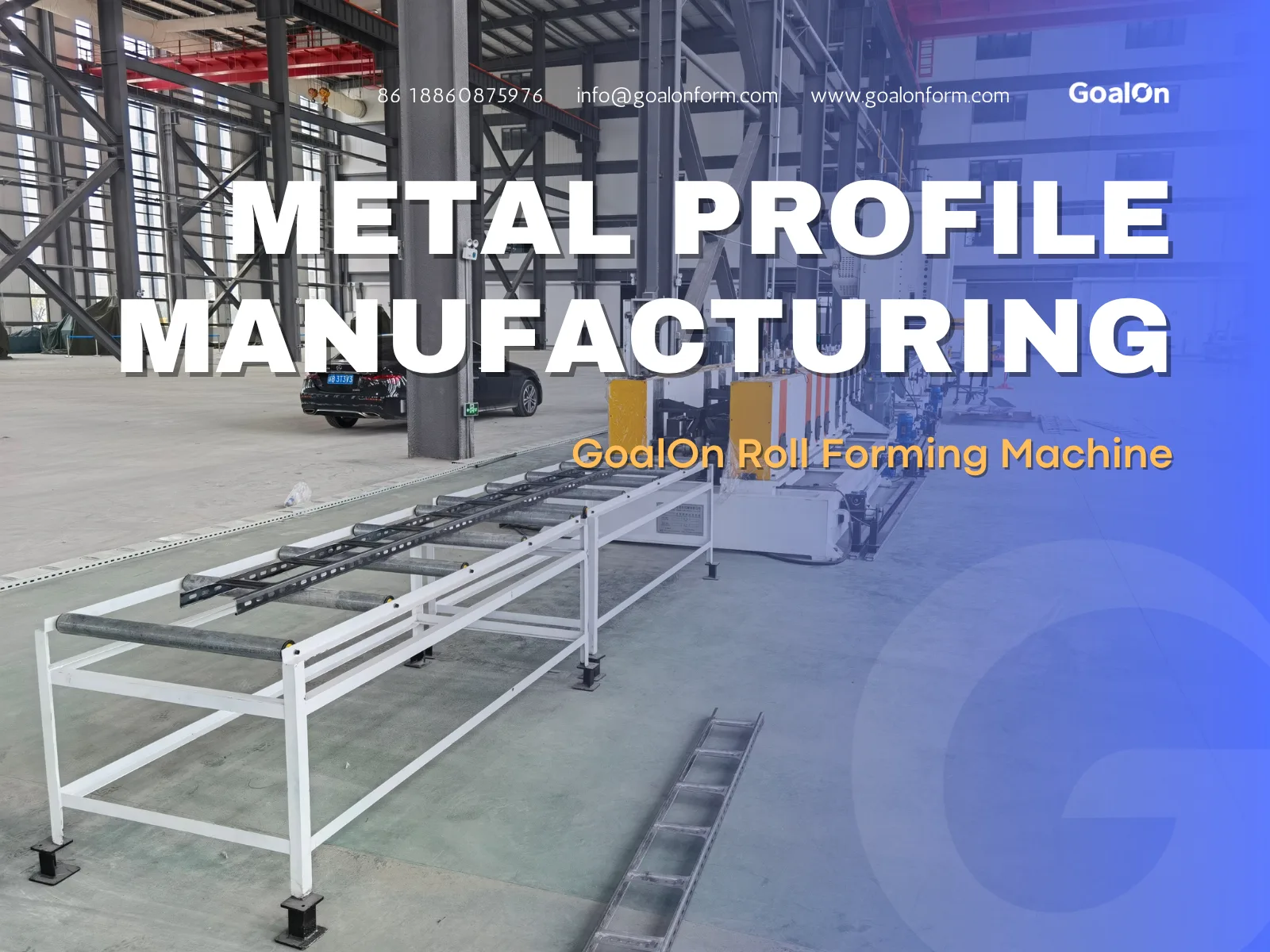
I’ve spent years helping construction companies, metal profile factories, and machine traders select roll forming machines that actually match their production needs. During this time, I’ve reviewed countless machine configurations, inspected workshops, and troubleshot many production lines in real projects. All of this experience taught me one simple truth: choosing a roll former shouldn’t feel overwhelming—if you follow a clear, practical process.
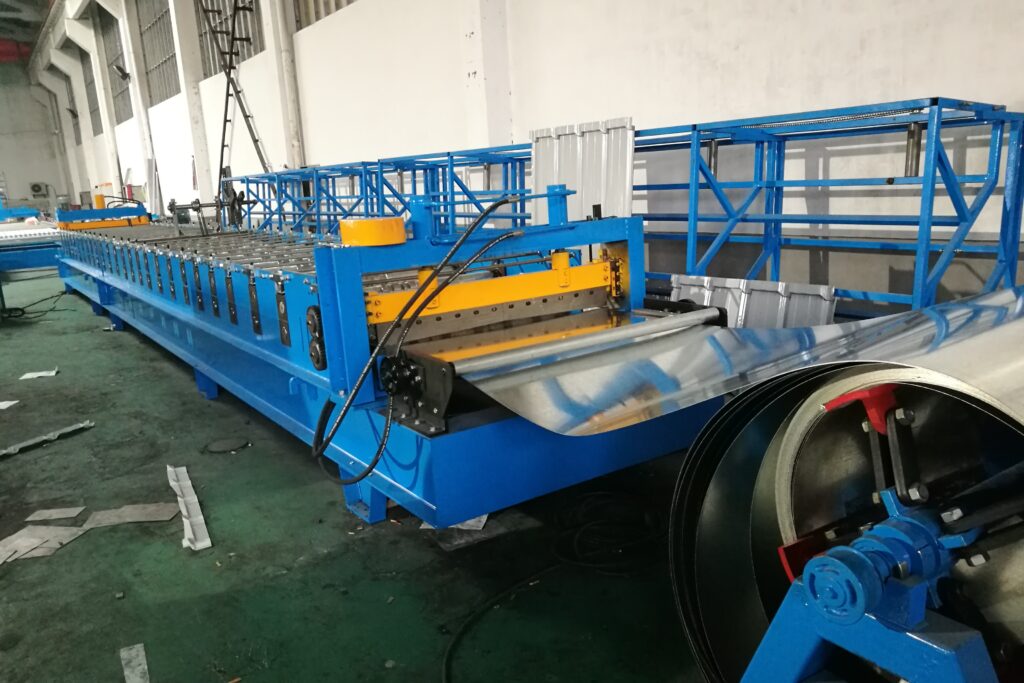
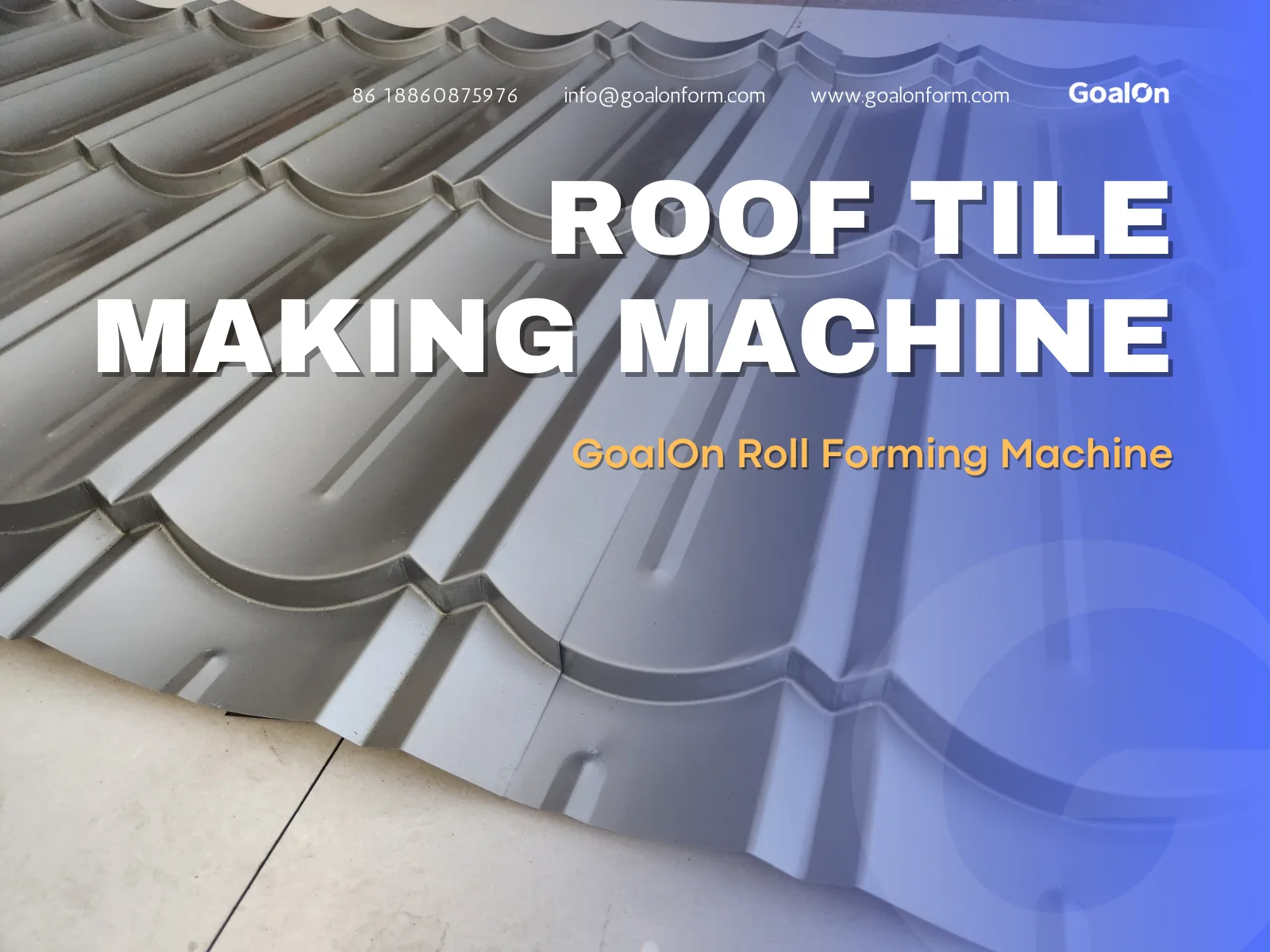
Whether you’re looking for a roof panel roll forming machine, un machine de profilage de pannes, or any custom forming rolling machine, I want this guide to help you make a confident, informed decision that saves money and avoids production headaches.
1. I always begin with the product profile—because it defines the entire roll former
Every part of a machine de formage par roulage design depends on the profile drawing. When I evaluate a drawing, I focus on:
- Steel thickness range
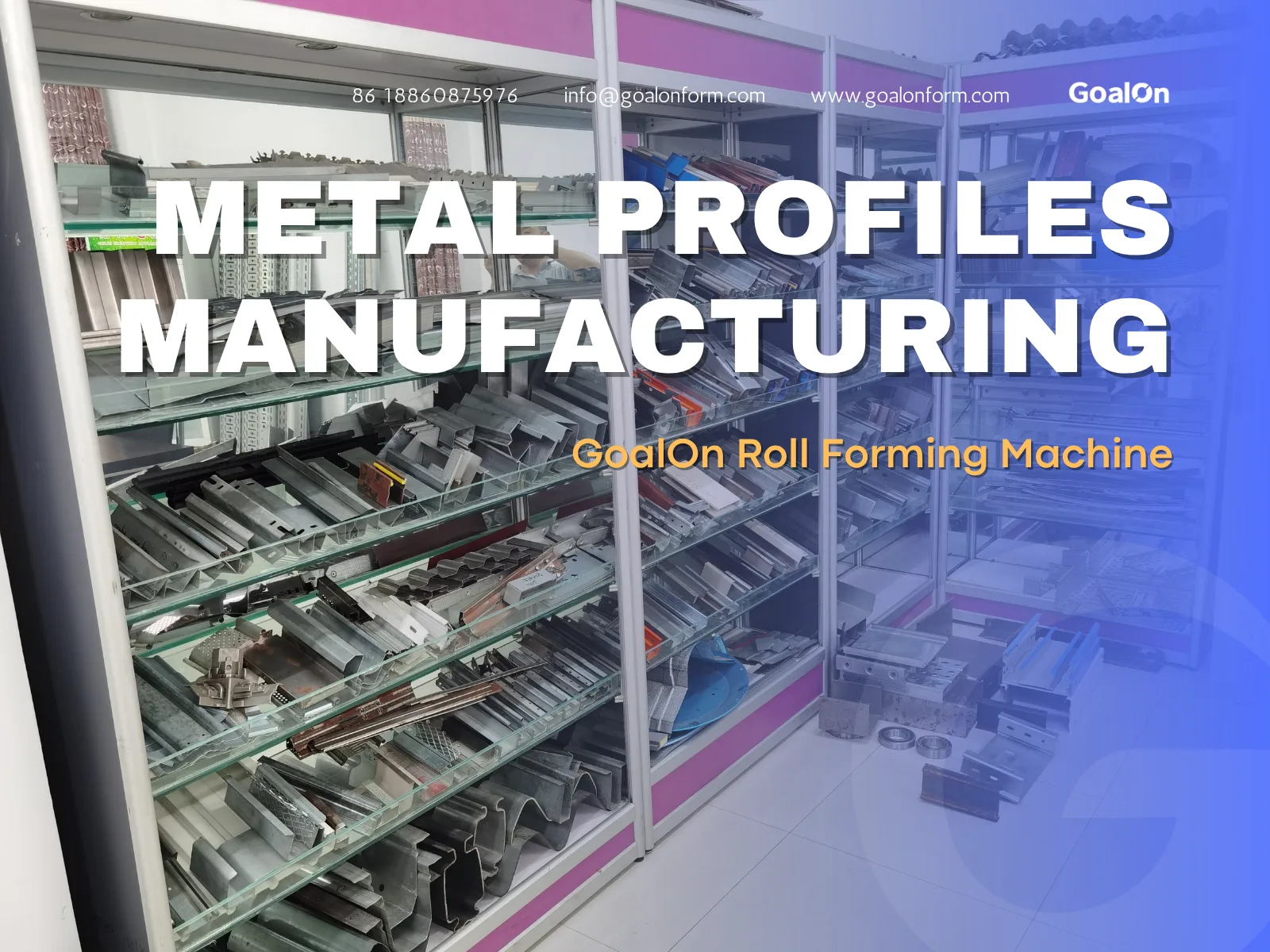
- Profile geometry and mechanical strength
- Minimum bending radius
- Dimensional tolerance
- Punching, embossing, rib patterns, or notch requirements
A complex drawing often demands a heavy-duty gearbox drive, a rigid pillar structure, or more forming stations. A simpler drawing might run perfectly on a chain-driven roll former. Understanding the profile ensures the machine won’t be underbuilt—or overpriced.
2. I match the working speed to real business needs
Many buyers ask for a “high-speed roll forming machine,” but higher speed isn’t always the smarter investment. Speed depends on:
- Material type and thickness
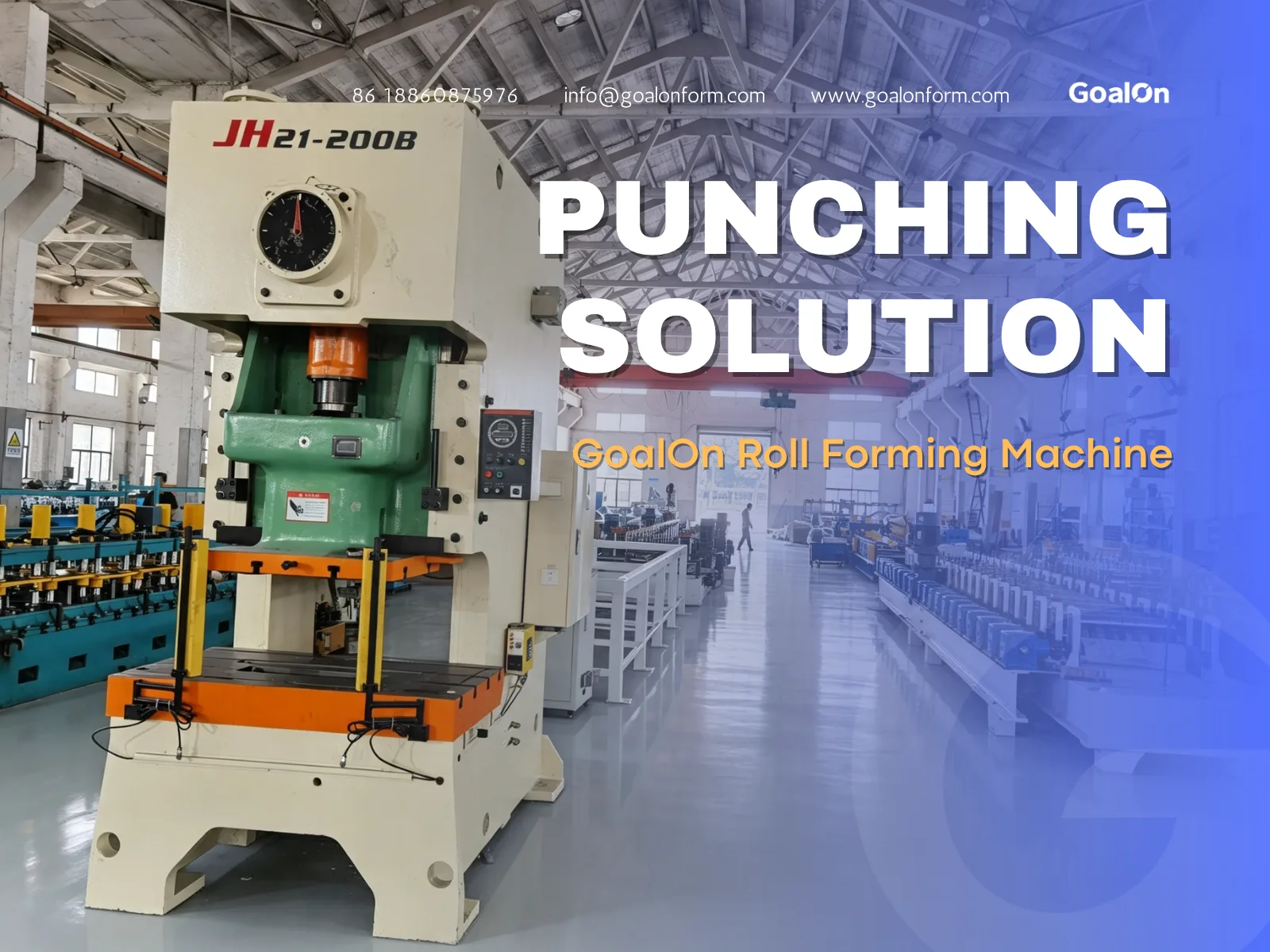
- Punching requirements
- Cutting method: stop-to-cut, flying cut, or servo tracking
- Worker skill and workshop space
I always propose a speed that fits your order volume, not marketing claims. A well-matched production speed increases efficiency without creating unnecessary cost.
3. I evaluate the three key modules that determine production stability
After walking through many workshops, I realized the stability of a high-quality roll forming machine relies heavily on three areas:
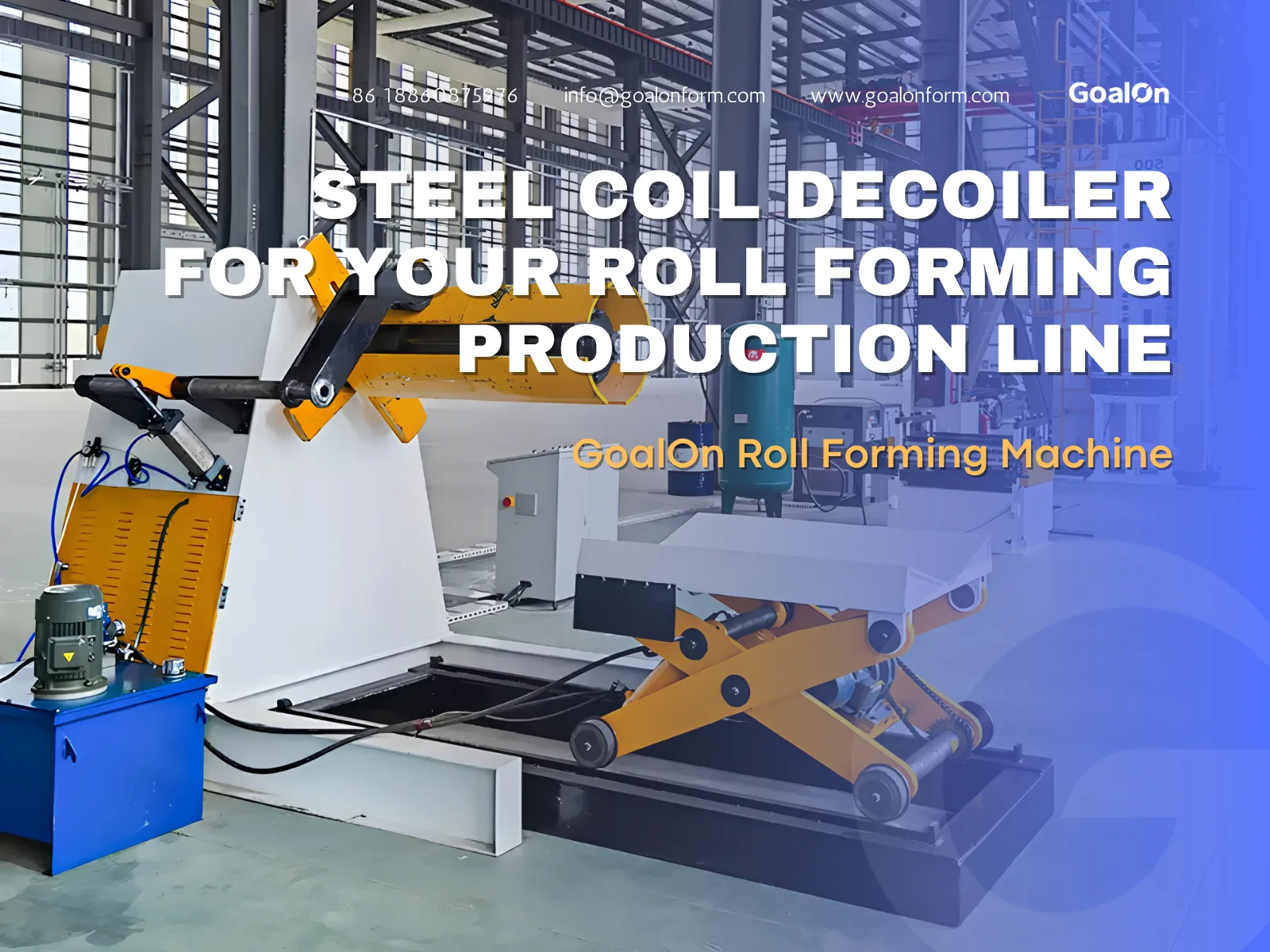
- Decoiler
A hydraulic decoiler reduces feeding tension and prevents edge waves.
- Leveling & Guiding Section
A solid entry section ensures the strip enters the roll former accurately, reducing scrap and misalignment.
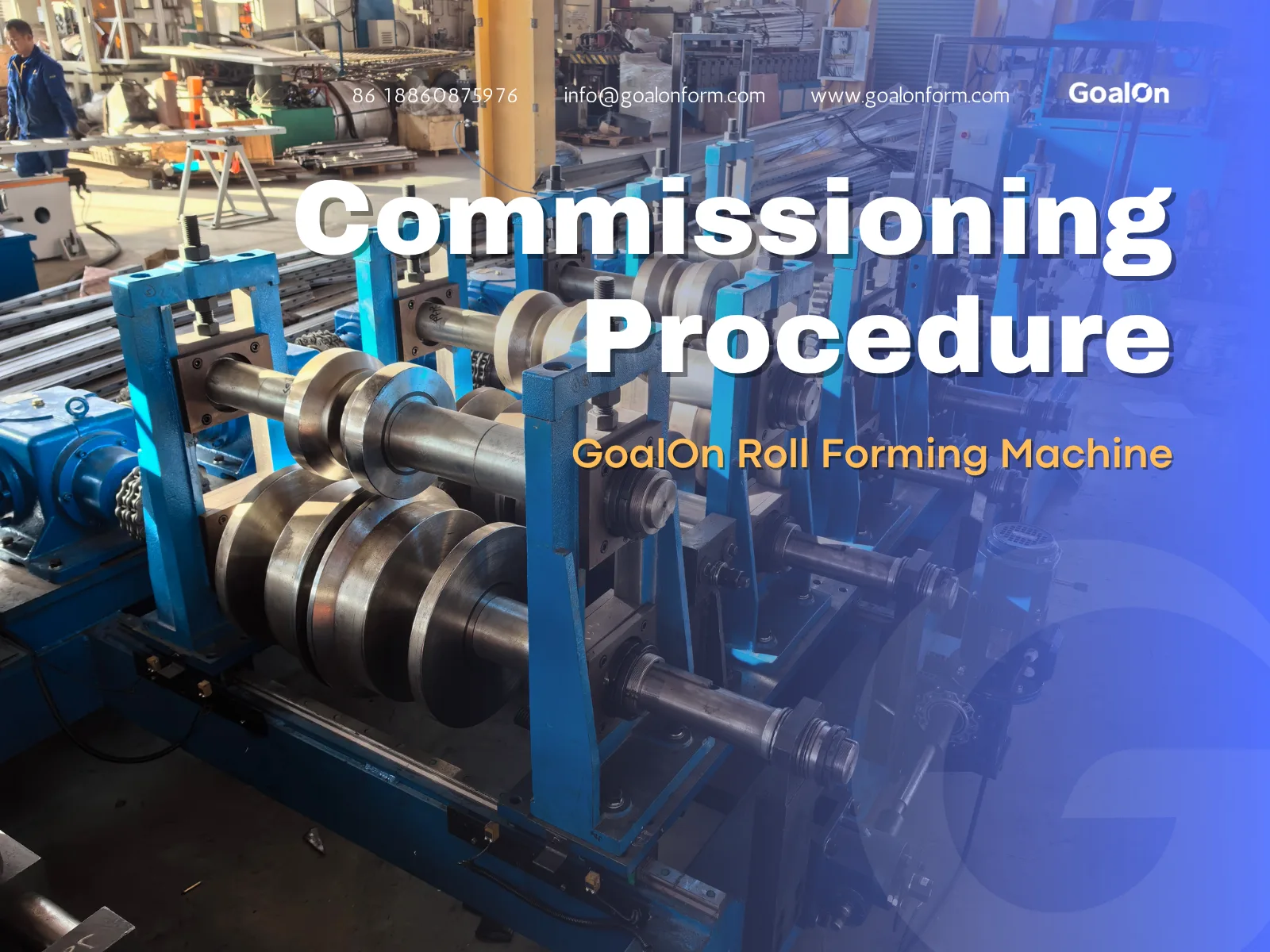
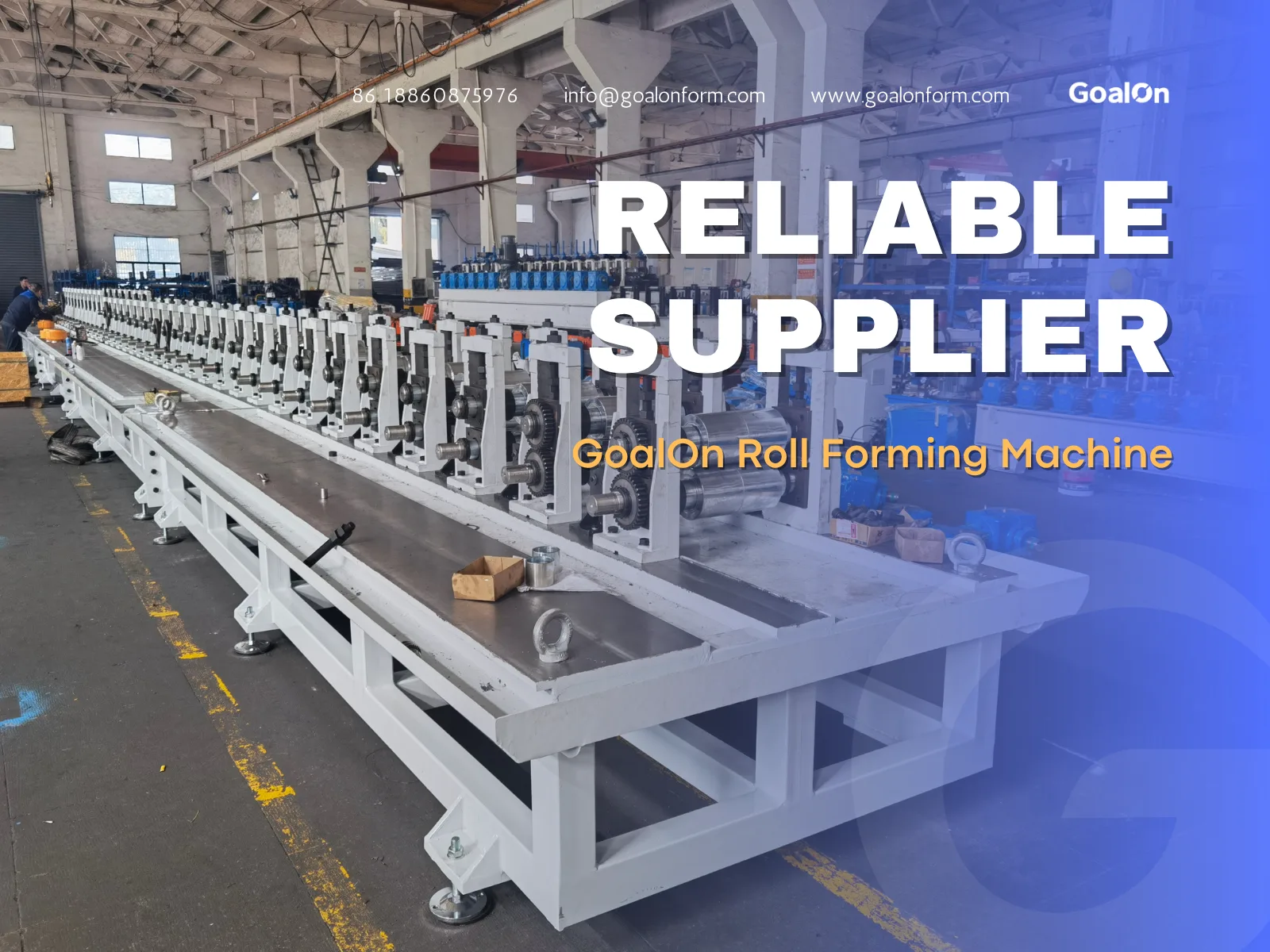
- Main Forming Base
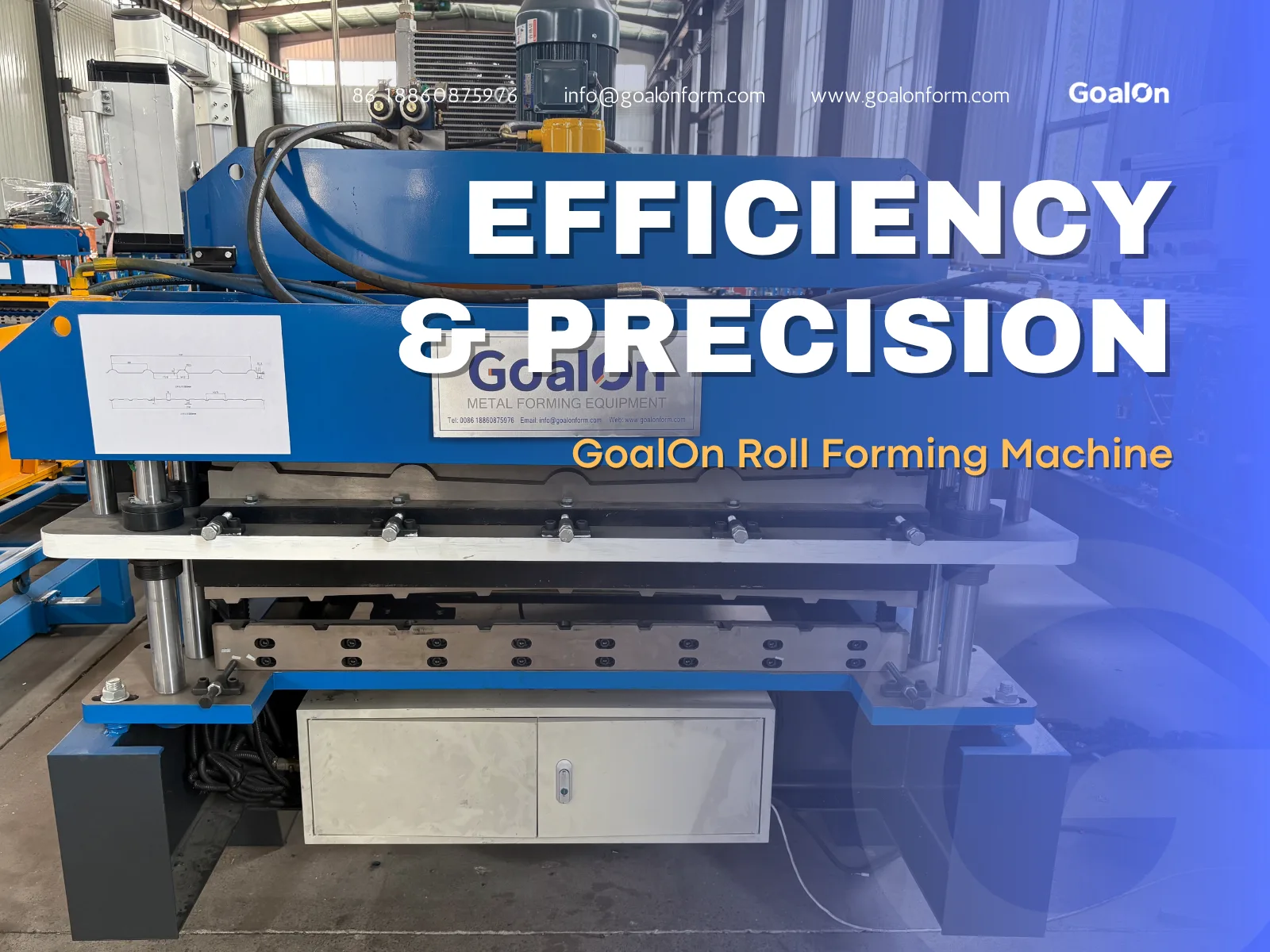
A rigid frame minimizes vibration and protects roll toolings, maintaining product accuracy over long-term usage.
4. I select the cutting method based on the final product
Every cutting option in forming rolling machines has clear advantages:
- Hydraulic stop cutting – economical and stable for moderate speed
- Flying cutting – ideal for large-volume roof panel production
- Servo tracking cutting – excellent precision for high-end profiles
- Saw cutting – suitable for thicker materials or closed profiles
Instead of recommending the “best,” I always select the cutting method that fits the product and the buyer’s budget.
5. I check the electrical system—because uptime depends on it
A reliable roll forming machine must have a stable control system. I prefer:
- Siemens / Mitsubishi / Omron PLC
- Schneider circuit protection
- Clear, user-friendly touch screen
- Real-time fault display
Cheap electrical components usually cause the highest long-term maintenance cost. I’ve seen good machines fail early simply because the control cabinet was built with the wrong components.
6. I always verify supplier service—not just machine quality
A forming line is a long-term investment; after-sales support is part of its value. Before trusting a manufacturer, I look at:
- Response time
- Remote debugging capability
- Spare parts availability
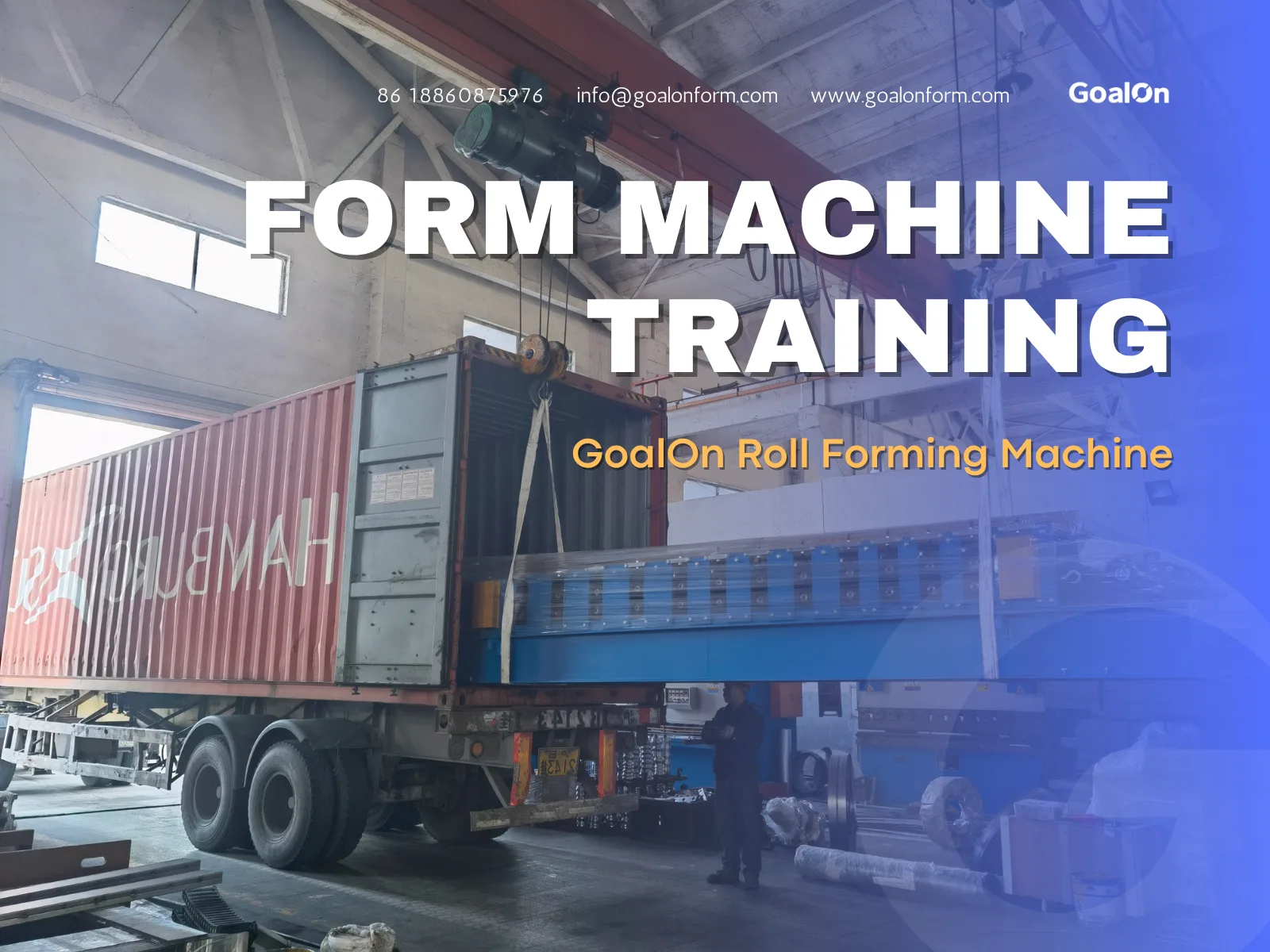
- Installation training
- Technical manuals & wiring diagrams
A factory that stands behind its machines gives you far fewer operational risks.
7. I consider future expansion before finalizing a roll former
A good roll forming machine should support your business today and tomorrow. I always ask buyers:
- Will you produce more profile sizes later?
- Do you plan to add punching or embossing in the future?
- Will you need coil width adjustment?
- Will you use automation, stackers, or packaging later?
A small upgrade now can unlock long-term production flexibility.
Conclusion
Buying a roll forming machine isn’t just a purchase—it’s an investment that shapes your production quality, speed, and long-term competitiveness.
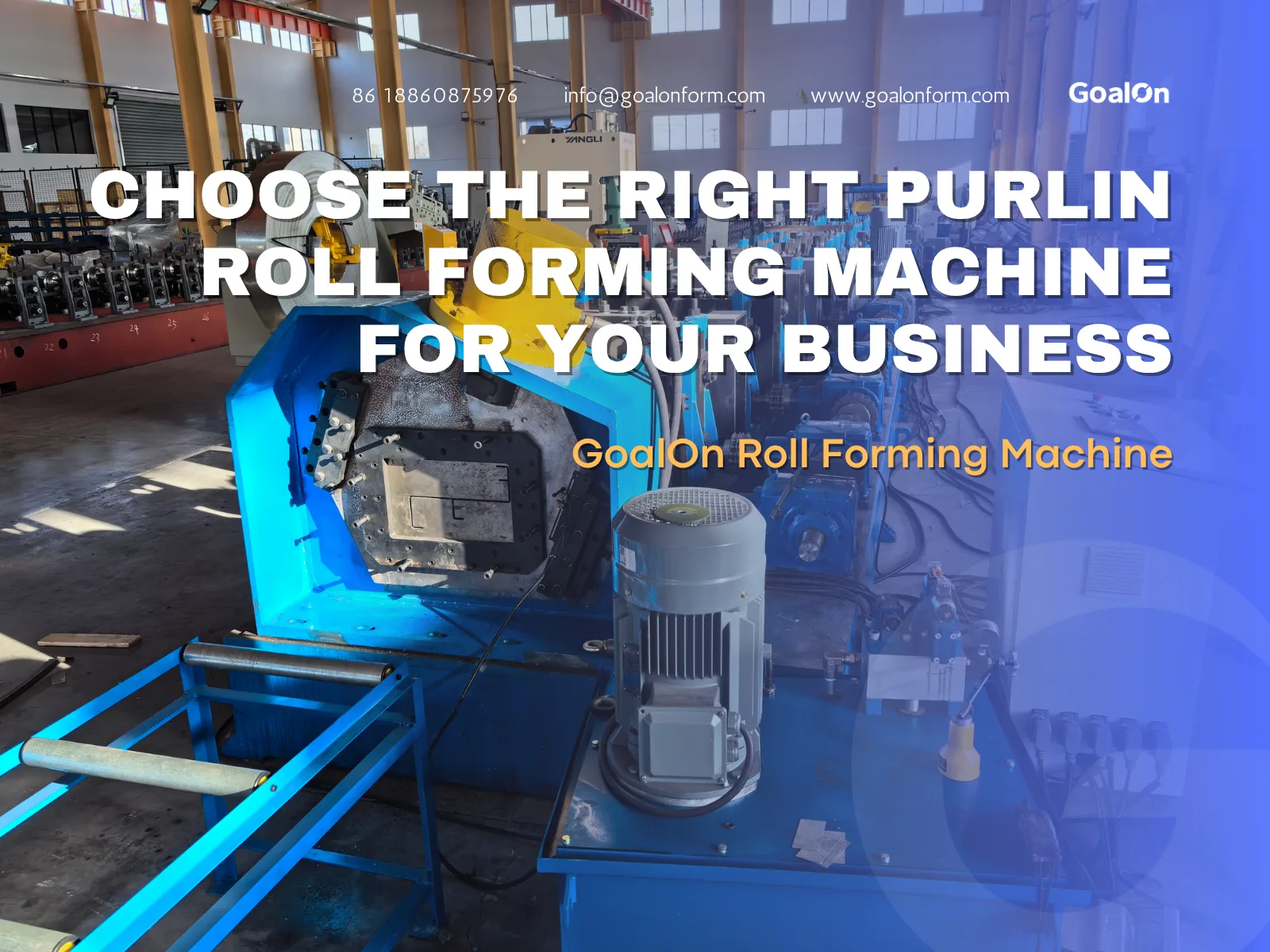
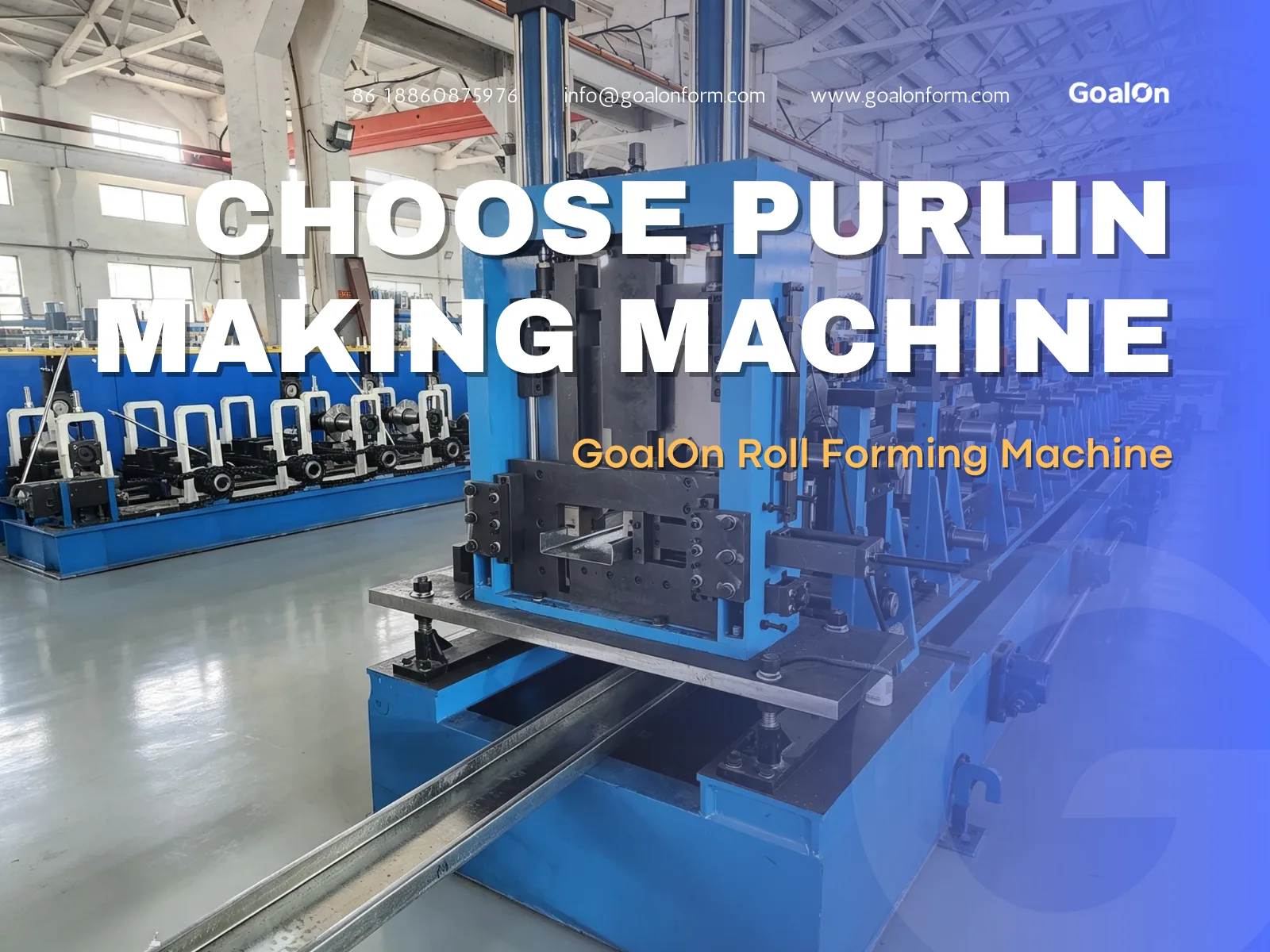
With a clear understanding of your profile, production volume, cutting needs, and supplier capability, you can choose a roof panel roll forming machine, a purlin roll forming machine, or any forming rolling machine with full confidence.
If you want me to review your machine drawings, compare quotations, or evaluate a supplier’s configuration, I’m always happy to share my personal experience and help you avoid common mistakes.