परिचय
Purchasing a roll forming production line is a major investment. I know from experience that many buyers focus only on the initial price and overlook the factors that truly determine long-term value and productivity. The cost of a production line is not just the price tag of the machine itself—it also depends on technical specifications, material requirements, auxiliary equipment, automation level, and after-sales service.
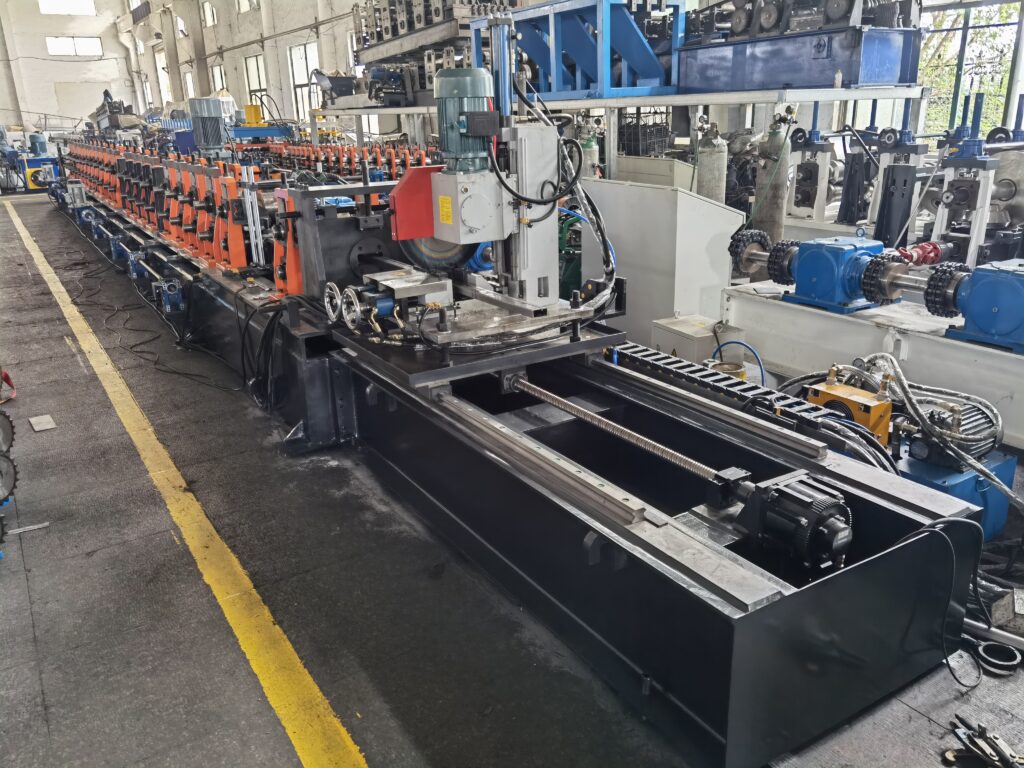
In this guide, I want to break down all the critical factors that influence the price of a roll forming production line. My goal is to help construction companies, metal profile manufacturers, and machine trading companies make informed decisions, avoid costly mistakes, and choose the line that best fits their production needs.
1. Production Line Type and Product Specifications
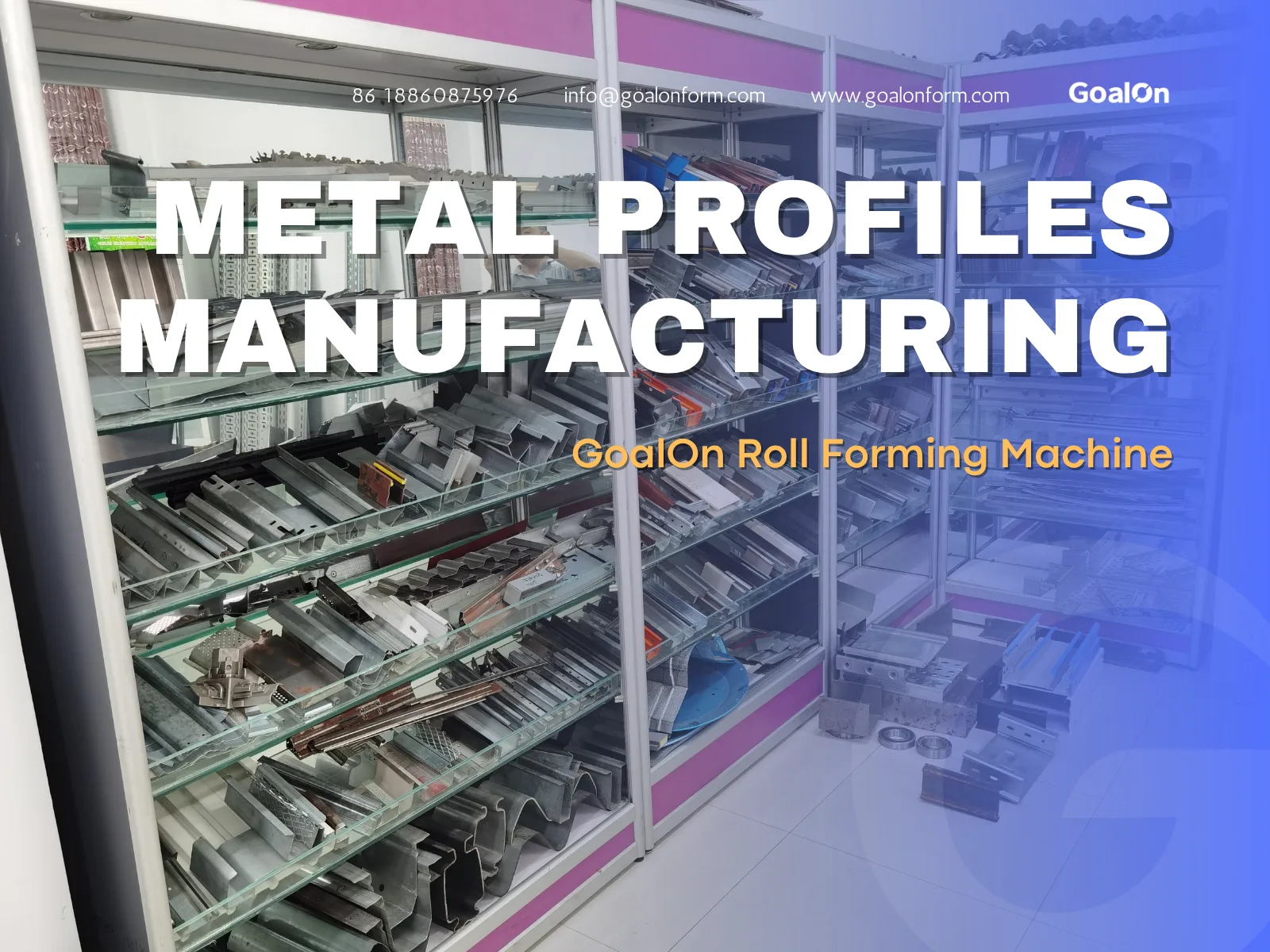
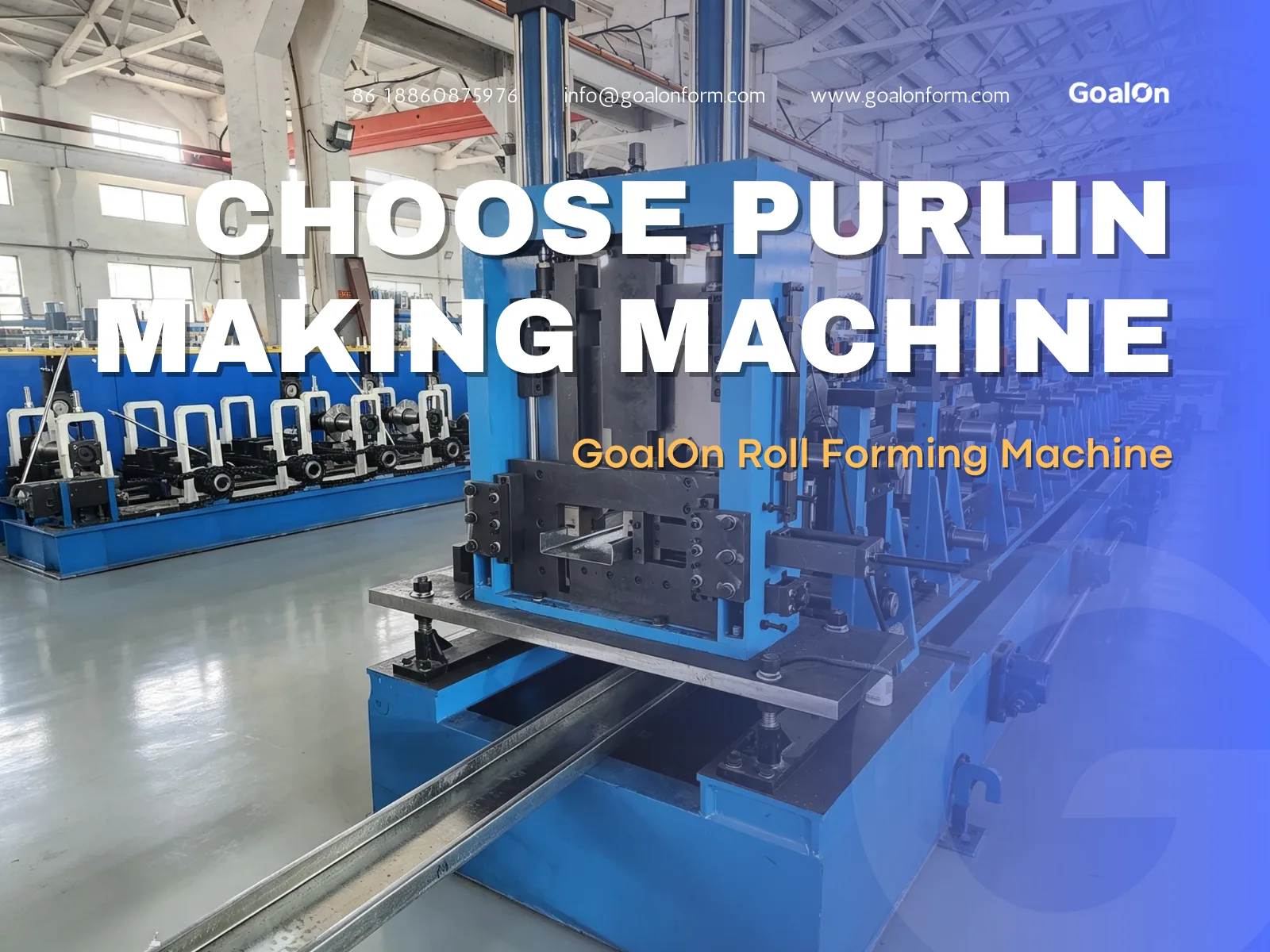
The type of roll forming production line you choose is the first major factor that affects price. A line designed for roof panels is structurally different from one producing C or Z purlins, door frames, or highway guardrail barriers. The complexity of the profile, the thickness of the sheet metal, and the width all directly affect machine design, tooling requirements, and production speed.
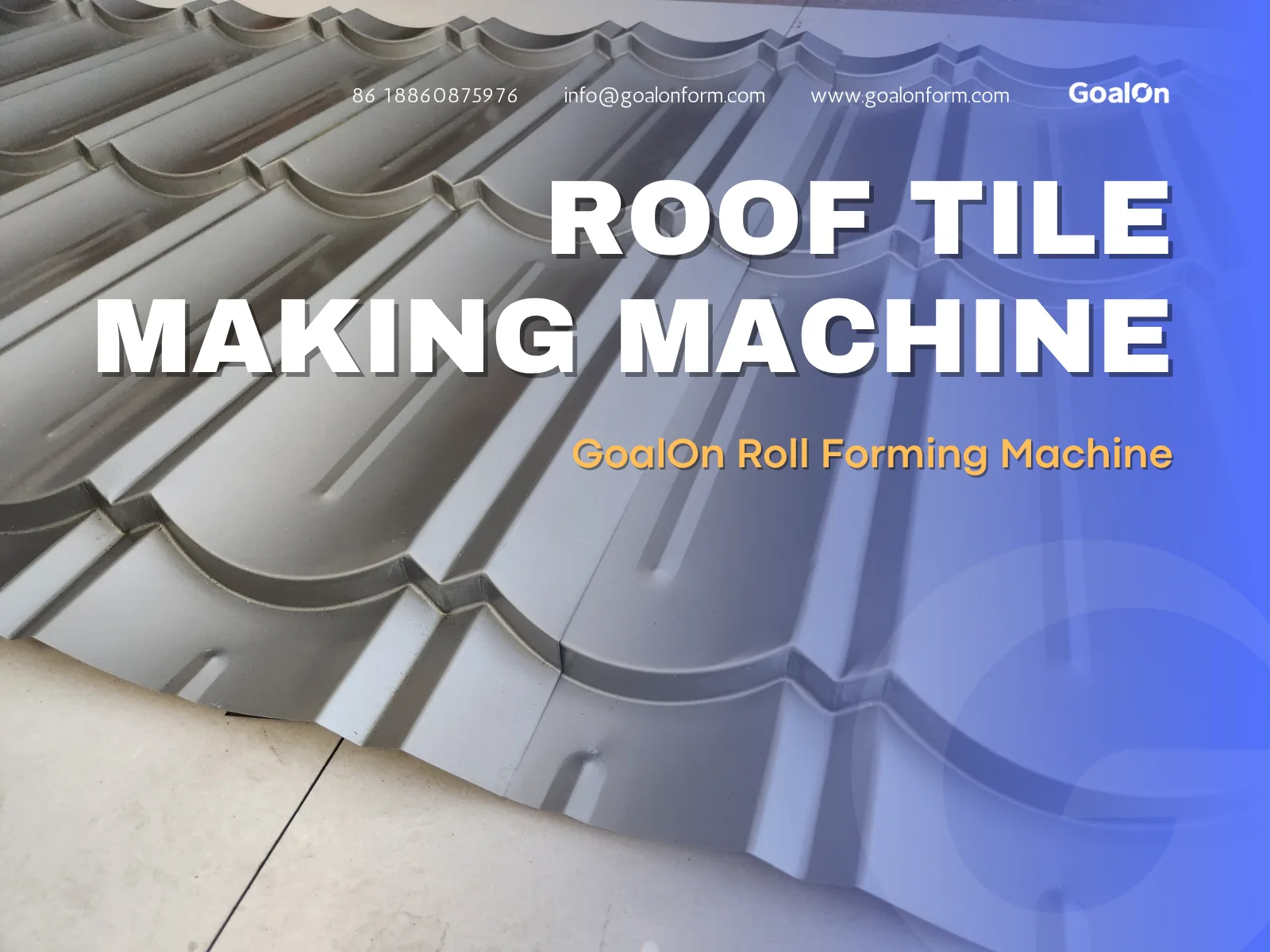
For example, a barrier W-beam roll forming machine requires heavy-duty forming rollers and precise control systems to handle thicker, high-strength steel. On the other hand, a standard roof panel roll forming line may handle thinner materials and simpler profiles, reducing cost.
Automation level also plays a role. Fully automatic lines with hydraulic cut-to-length, PLC-controlled stacking, and integrated feeding systems cost more but save labor and improve consistency. A semi-automatic line may have a lower initial price but requires more manual labor and attention.
2. Raw Material and Sheet Specifications
The type of steel or aluminum you plan to process significantly impacts the production line’s price. Wider coils, thicker materials, or high-strength alloys require heavier-duty forming machines, stronger gearboxes, and precise leveling systems.
For example, a line handling 1.5–3mm galvanized steel demands robust drive chains, reinforced shafts, and high-quality bearings. If you want to process pre-painted or embossed coils, the line may need specialized rollers and additional equipment to prevent surface damage.
Even minor variations in coil width or steel grade can lead to differences in machine design, which directly affects cost. That’s why it is essential to define your material specifications before requesting a quotation.
3. Core Machine Configuration
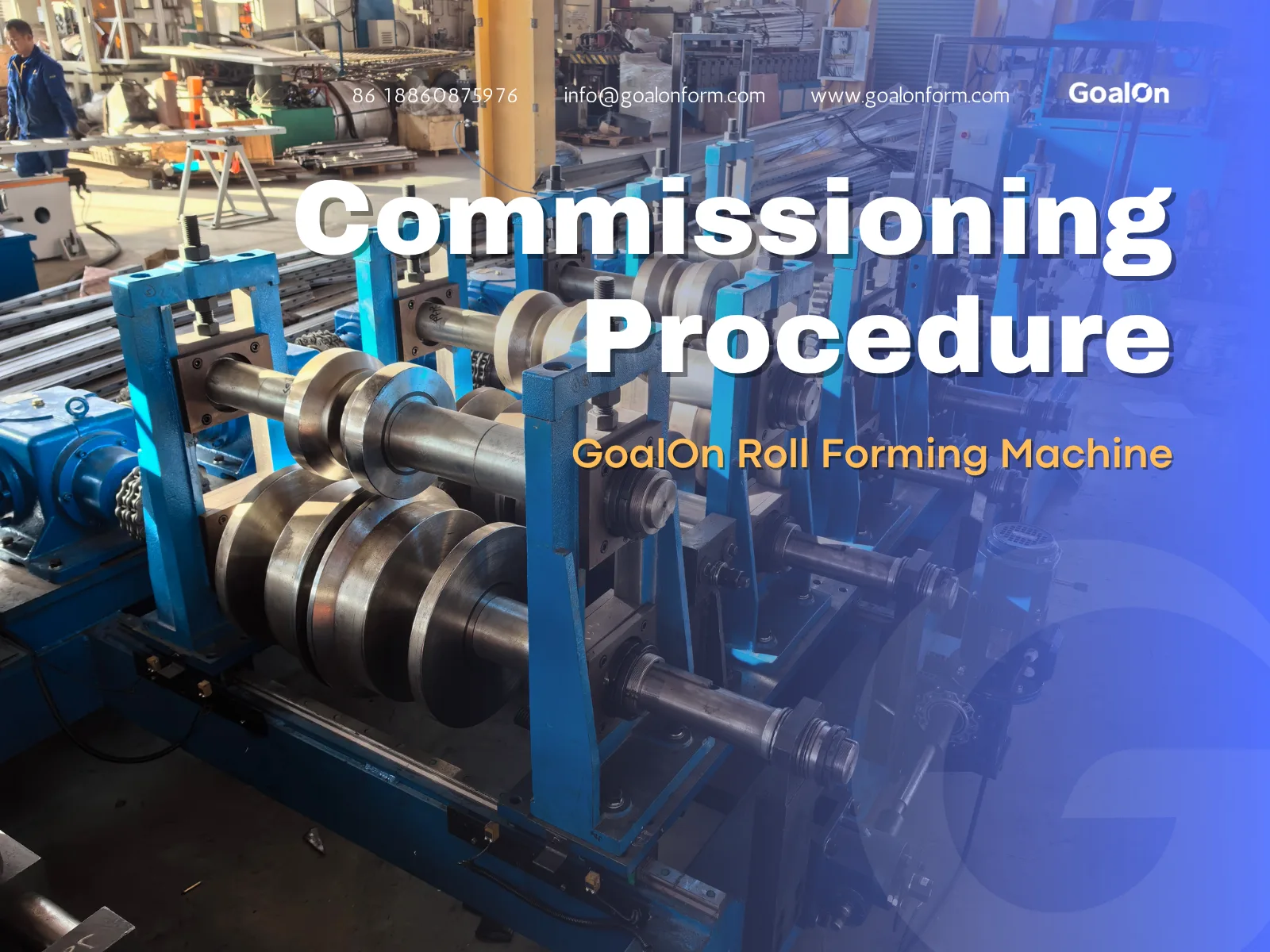
The core components of a roll forming machine make up the bulk of the investment. Key factors include:
- Main machine drive: Chain drive vs. shaft drive. Chain-driven machines are more flexible but may require more maintenance. Shaft-driven machines are heavier and more expensive but offer higher stability for complex profiles.
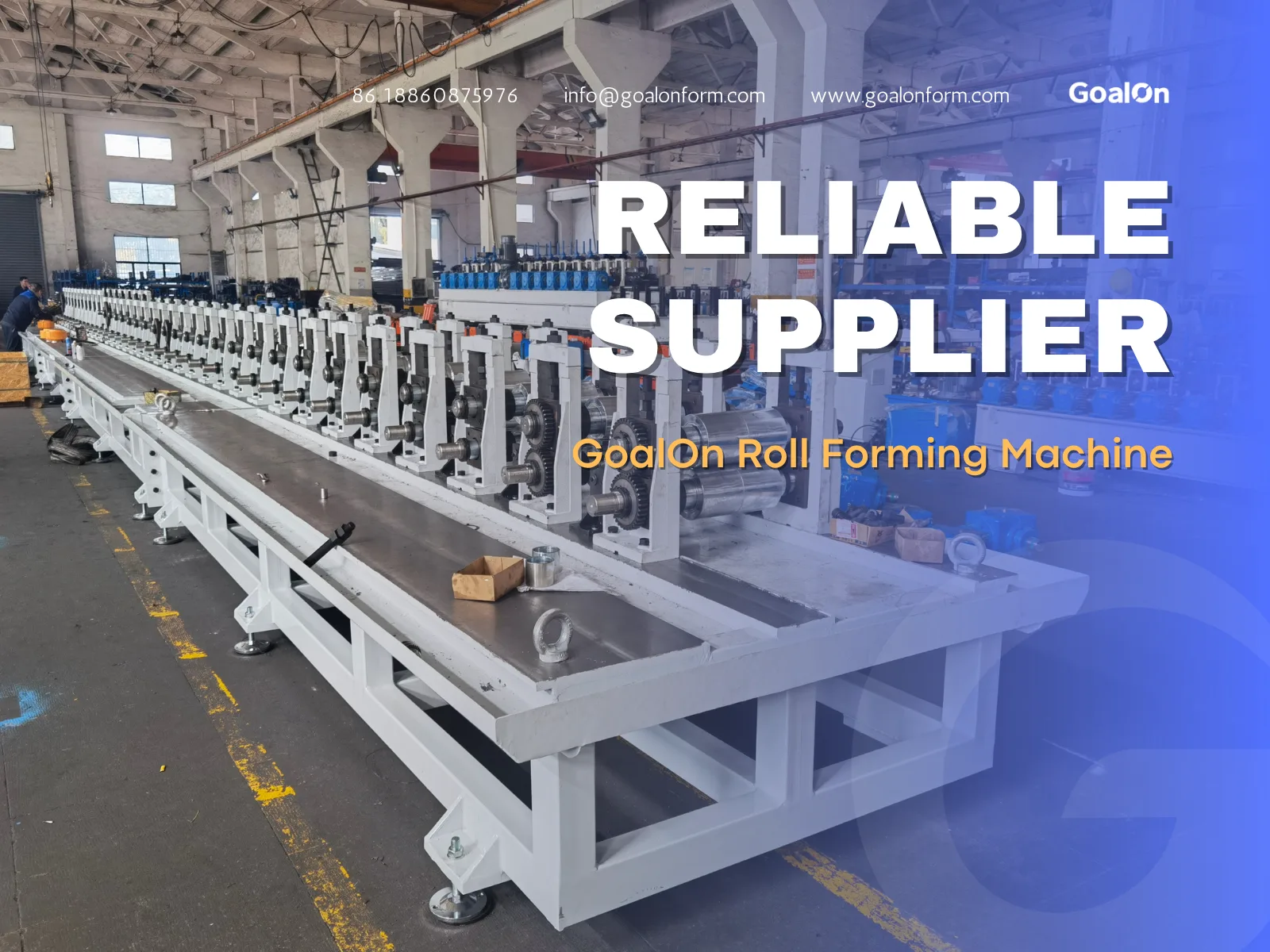
- Roller stations: More stations allow gradual forming, reducing stress on material but increasing the cost of rollers, shafts, and the frame.
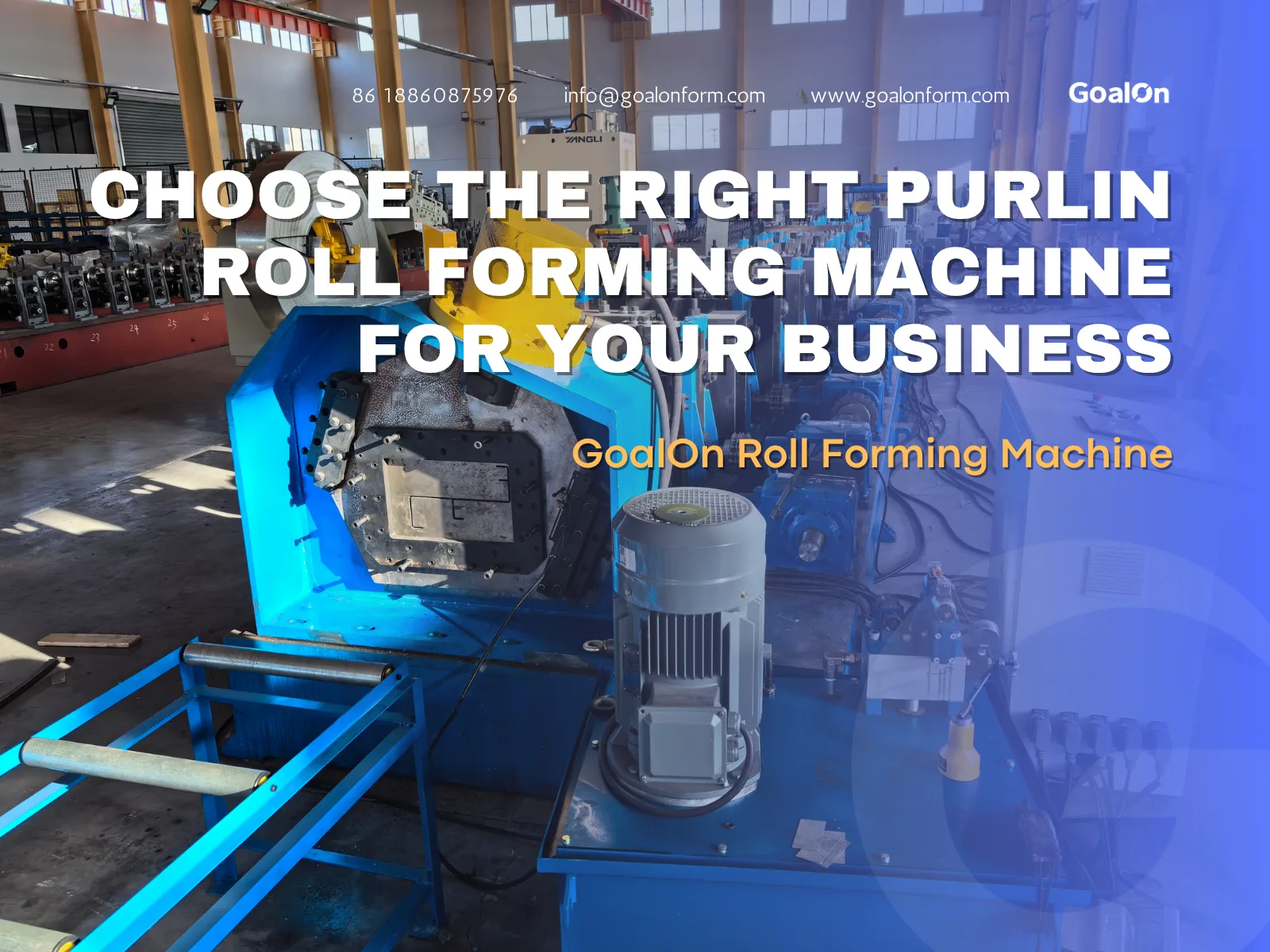
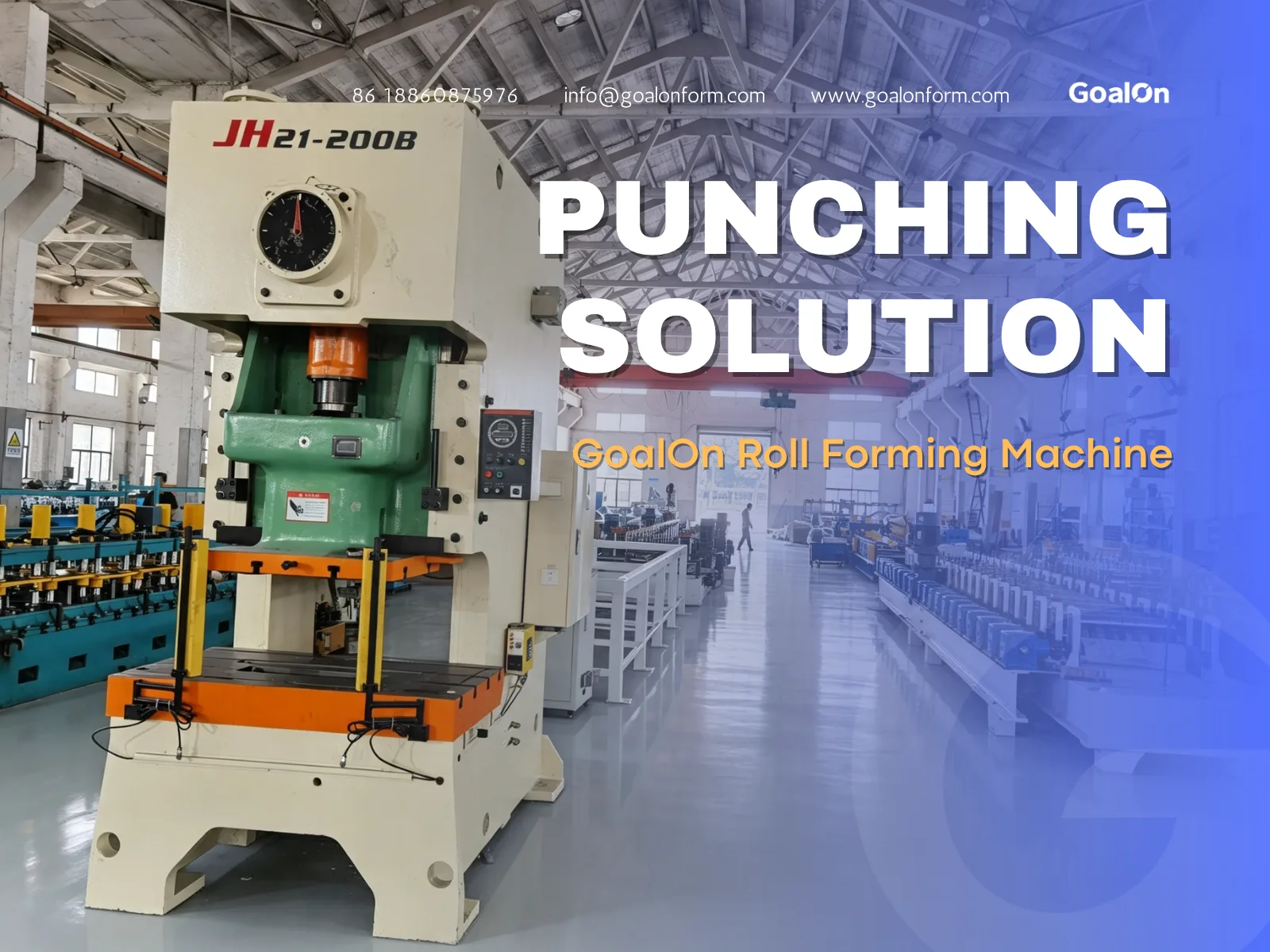
- Cutting and punching units: Options include hydraulic punching, flying shear, or cut-to-length shears. Each adds cost based on precision, speed, and control requirements.
- PLC and control systems: Advanced PLCs with touch-screen interfaces, automatic tracking, and fault diagnostics improve efficiency but increase the initial investment.
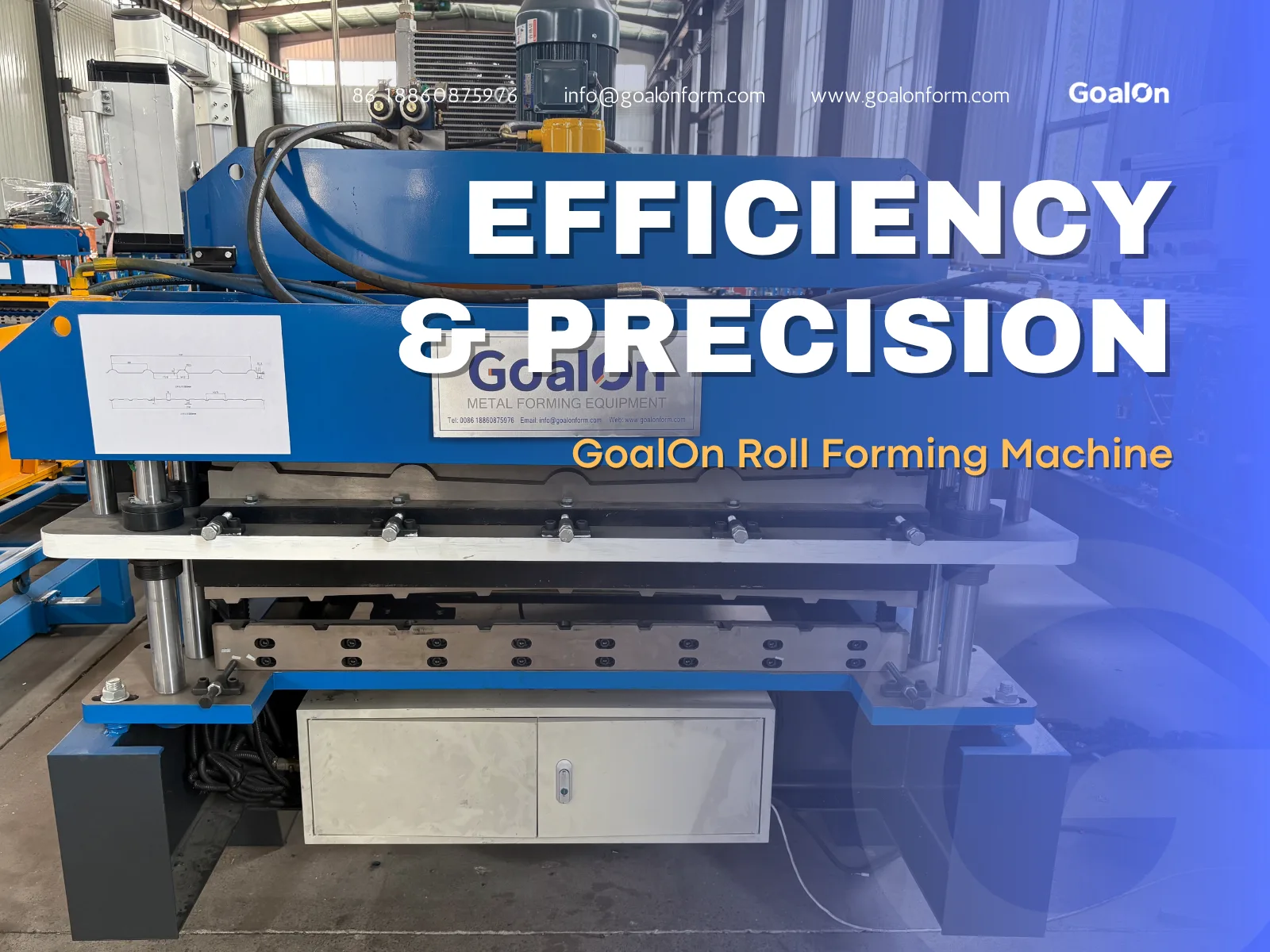
- Hydraulic system: A strong hydraulic system ensures smooth punching and cutting, especially for thicker steel.
Each configuration choice directly affects both price and production capabilities. Choosing the right balance between function and budget is critical.
4. Auxiliary and Optional Equipment
Auxiliary equipment contributes significantly to the overall investment but can greatly improve productivity, safety, and product quality. Key items include:
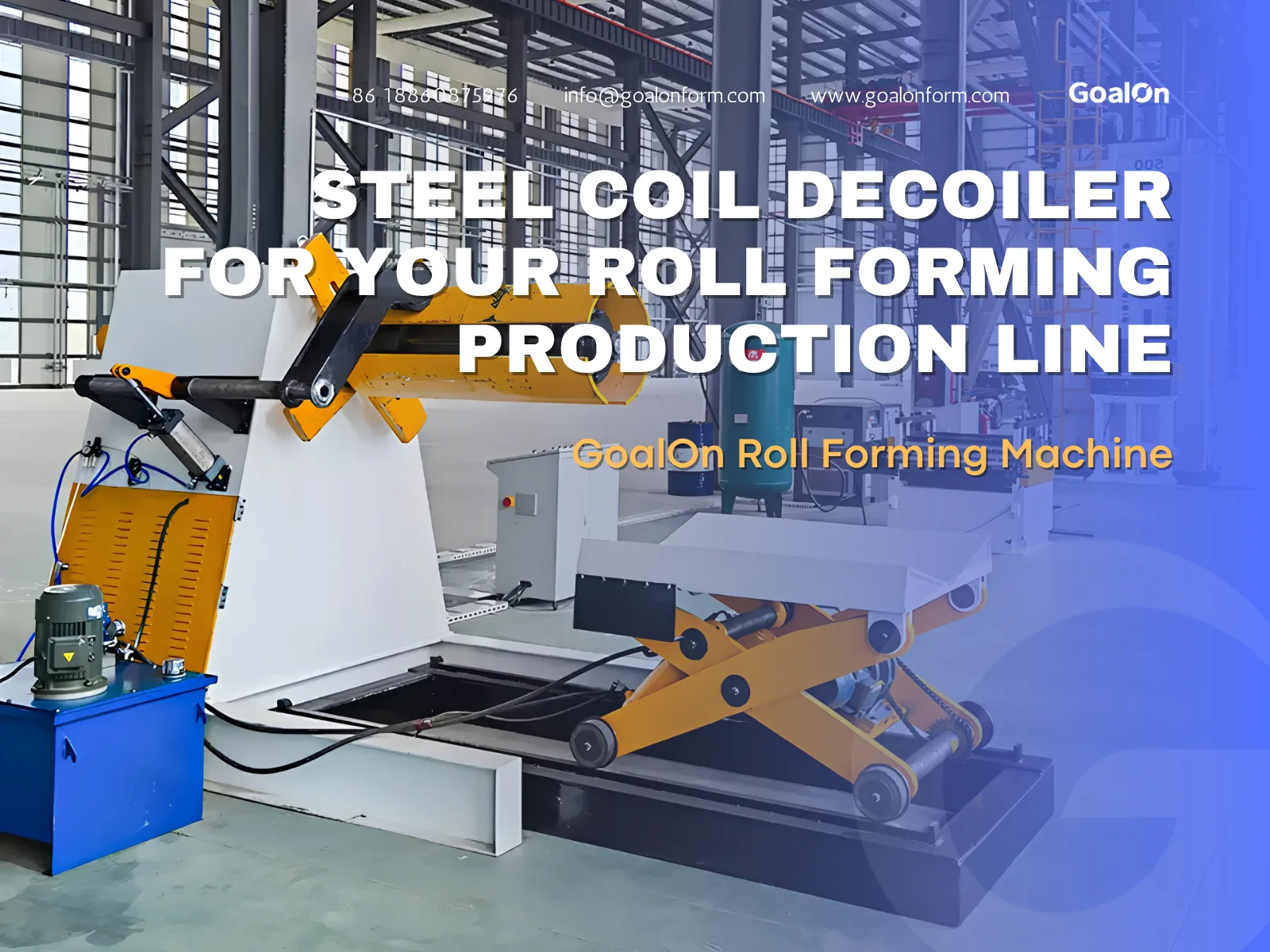
- Decoilers and leveling machines: Proper feeding reduces material waste and improves consistency.
- Guiding and straightening devices: Ensure precise entry into the forming machine.
- Outfeed tables or automatic stackers: Reduce labor, improve safety, and prevent damage to finished products.
- Optional equipment: Coating machines, embossing or emboss-pattern rollers, and ink marking systems.
Investing in high-quality auxiliary equipment is an area where buyers often save upfront costs but face higher labor costs, production errors, or downtime later. I always advise considering these items carefully.
5. Production Capacity and Automation Level
The target production speed and level of automation also influence cost. High-speed lines require:
- Reinforced machine frames to maintain precision at high speeds
- Higher-quality bearings and shafts to reduce wear
- Accurate servo or hydraulic drives for synchronized operations
Automation saves labor and increases output but comes with a higher initial price. Semi-automatic lines cost less upfront but may require more hands-on operation and can limit output consistency. For highway guardrail barrier roll forming machines, automation is almost always necessary because of the heavy material and precise curvature requirements.
6. After-Sales Service and Supplier Choice
The supplier and after-sales package also impact the total cost of ownership. Reliable services include:
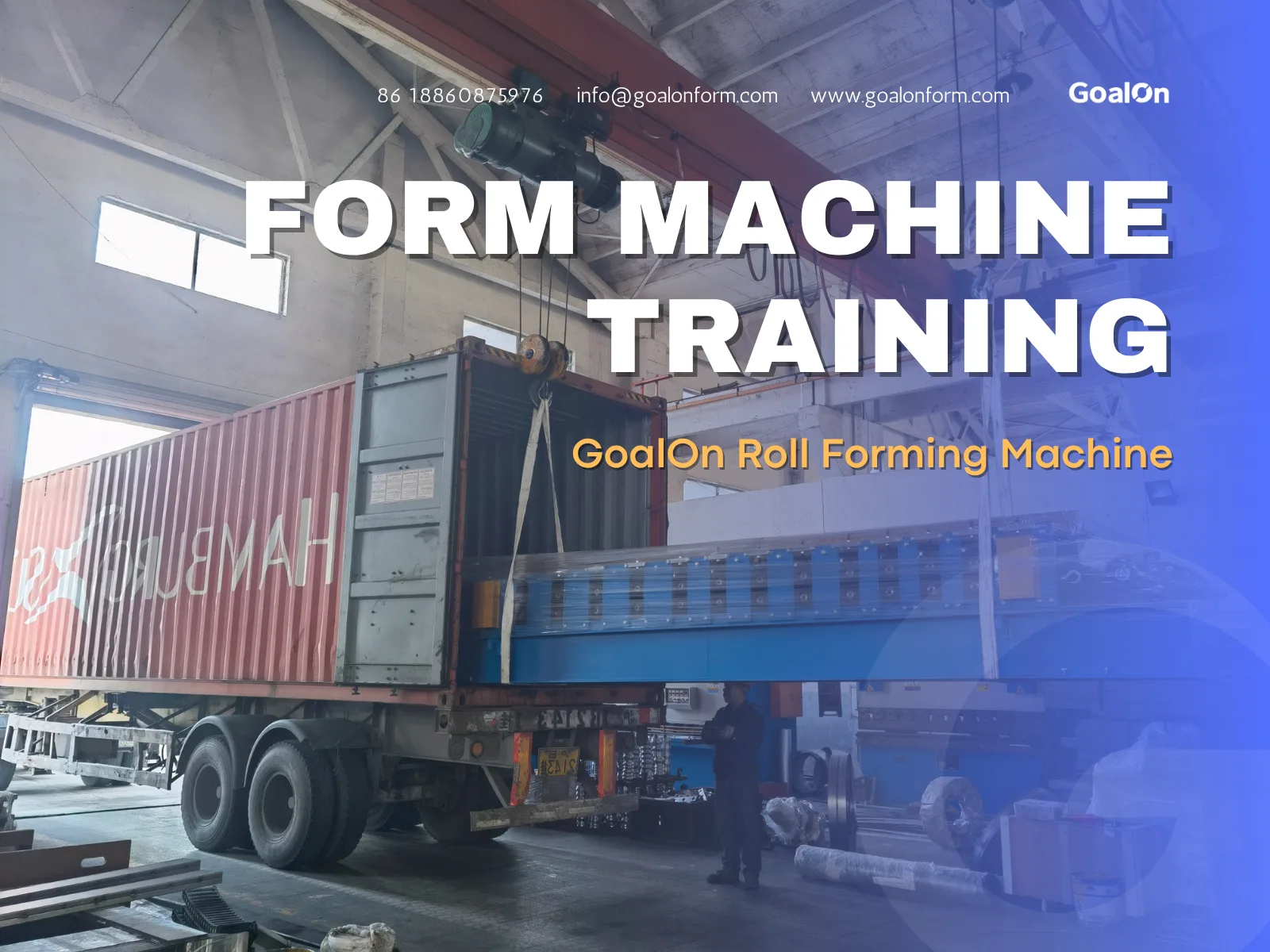
- On-site installation and commissioning
- Operator training and troubleshooting
- Spare parts availability and warranty coverage
- Shipping and customs support
Choosing a reputable supplier like Goalon Machinery can save costs and headaches in the long term. Cheaper options may initially save money but often result in delays, maintenance issues, or lower product quality.
Conclusion and Buying Tips
The price of a roll forming production line is a combination of many factors: product type, material specifications, core machine configuration, auxiliary equipment, production speed, automation, and after-sales service.
When selecting a line, I always recommend:
- Clearly define your production goals, material types, and profile specifications.
- Compare machine configurations, auxiliary equipment, and automation levels, not just the price tag.
- Factor in installation, training, and maintenance services to evaluate the true investment.
- Choose a supplier with proven experience and a strong track record for quality and support.
By considering these factors carefully, you can invest in a high-quality roll forming machine that meets your production needs, reduces operational risk, and delivers long-term value.