धातु निर्माण और निर्माण-संबंधित उद्योगों में, सही फॉर्मिंग प्रक्रिया का चयन केवल एक तकनीकी विवरण नहीं है—यह सीधे उत्पाद की गुणवत्ता, उत्पादन दक्षता और दीर्घकालिक परिचालन लागत को प्रभावित करता है। सबसे अधिक तुलना किए जाने वाले तरीकों में रोल फॉर्मिंग और रोल बेंडिंग शामिल हैं। हालांकि दोनों प्रक्रियाएं रोलर्स पर निर्भर करती हैं, लेकिन उनके अनुप्रयोग, उपकरण डिजाइन और उत्पादन तर्क मूल रूप से भिन्न हैं।.


निर्माण कंपनियों, धातु प्रोफ़ाइल निर्माताओं और मशीन ट्रेडिंग कंपनियों के लिए, रोल फॉर्मिंग लाइन में निवेश करते समय या नई फॉर्मिंग रोलिंग मशीनों का मूल्यांकन करते समय इस अंतर को समझना आवश्यक है।.
उत्पादन के परिप्रेक्ष्य से रोल फॉर्मिंग की समझ
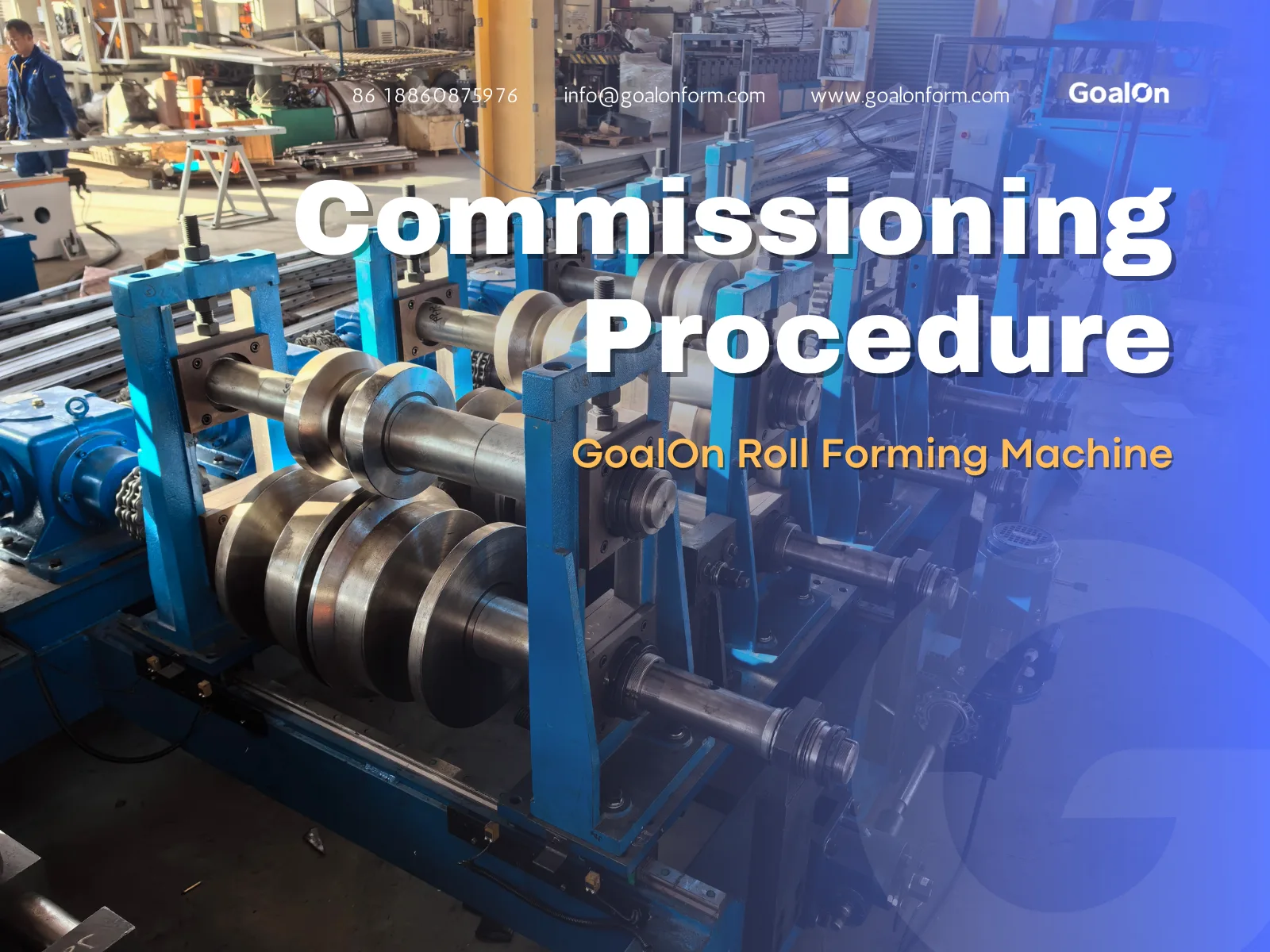
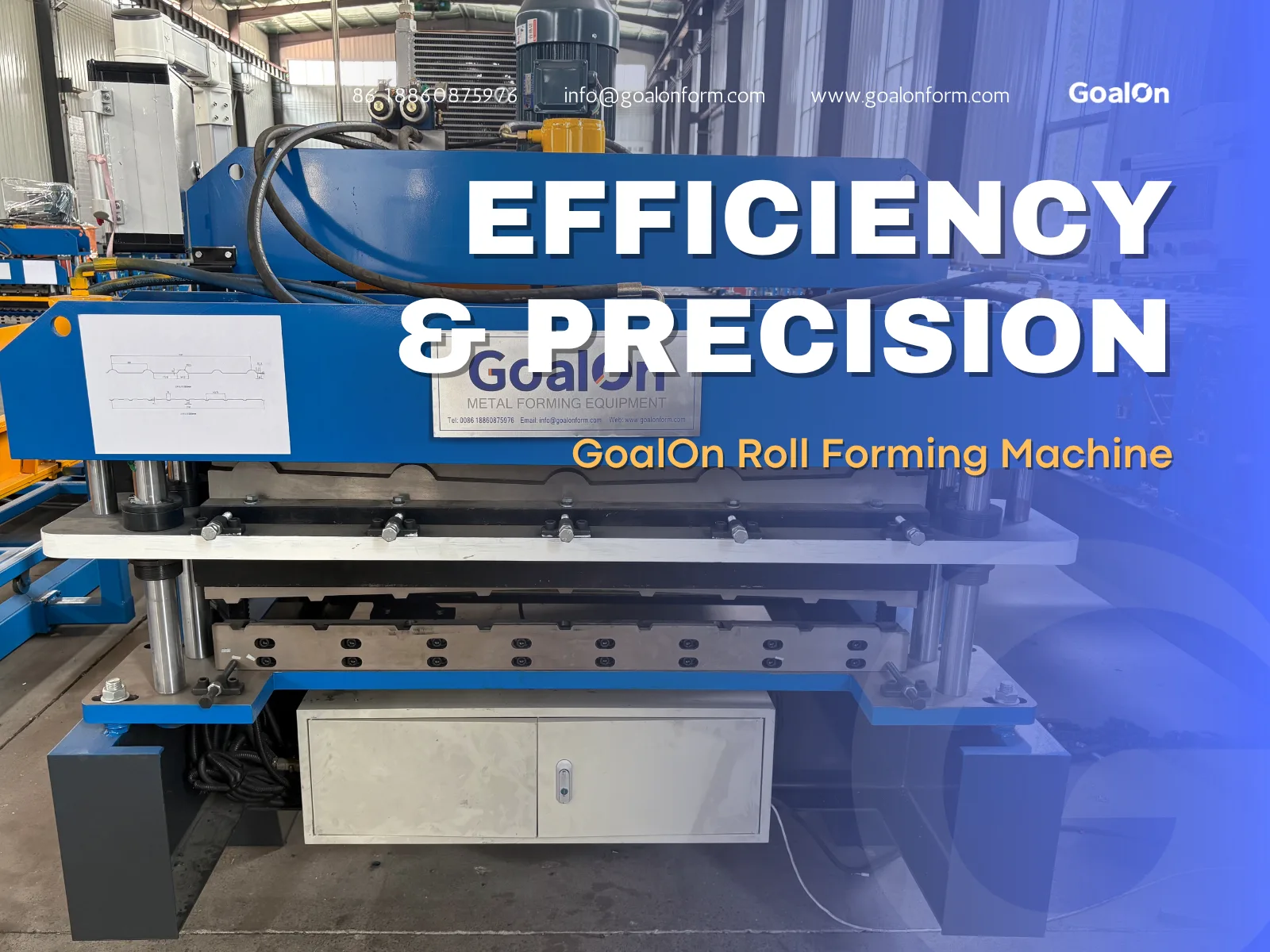
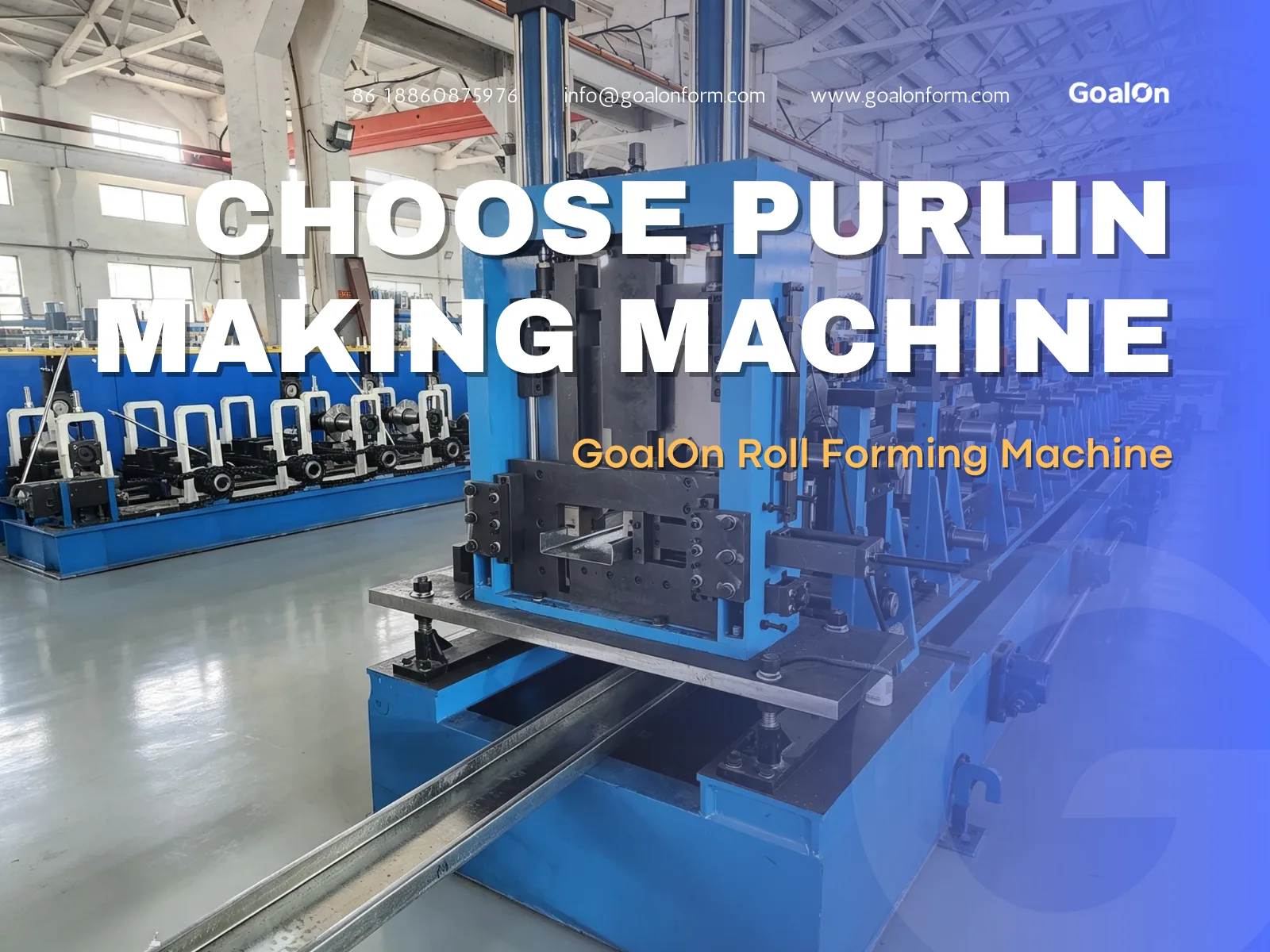
रोल फॉर्मिंग एक सतत धातु निर्माण प्रक्रिया है जिसे एक समान क्रॉस-सेक्शन वाली प्रोफाइल बनाने के लिए डिज़ाइन किया गया है। एक रोल फॉर्मिंग मशीन धातु की कॉइल को कई फॉर्मिंग स्टेशनों से गुजारती है, जहाँ प्रत्येक रोल फॉर्मर सामग्री को धीरे-धीरे आकार देता है जब तक कि अंतिम प्रोफाइल प्राप्त नहीं हो जाती।.
प्रेस-आधारित फॉर्मिंग विधियों के विपरीत, रोल फॉर्मिंग विकृति को चरण-दर-चरण लागू करती है। यह दृष्टिकोण आंतरिक तनाव को कम करता है, आयामी सटीकता में सुधार करता है, और रोल फॉर्मिंग लाइन को लंबे समय तक उच्च गति पर संचालित करने की अनुमति देता है।.
निर्माण के दृष्टिकोण से, रोल फॉर्मिंग तब आदर्श होती है जब:
- लंबी उत्पादन श्रृंखलाएँ आवश्यक हैं।
- कड़ी सहनशीलता और निरंतर गुणवत्ता मायने रखती है।
- श्रम लागत और सामग्री की बर्बादी को नियंत्रित किया जाना चाहिए।
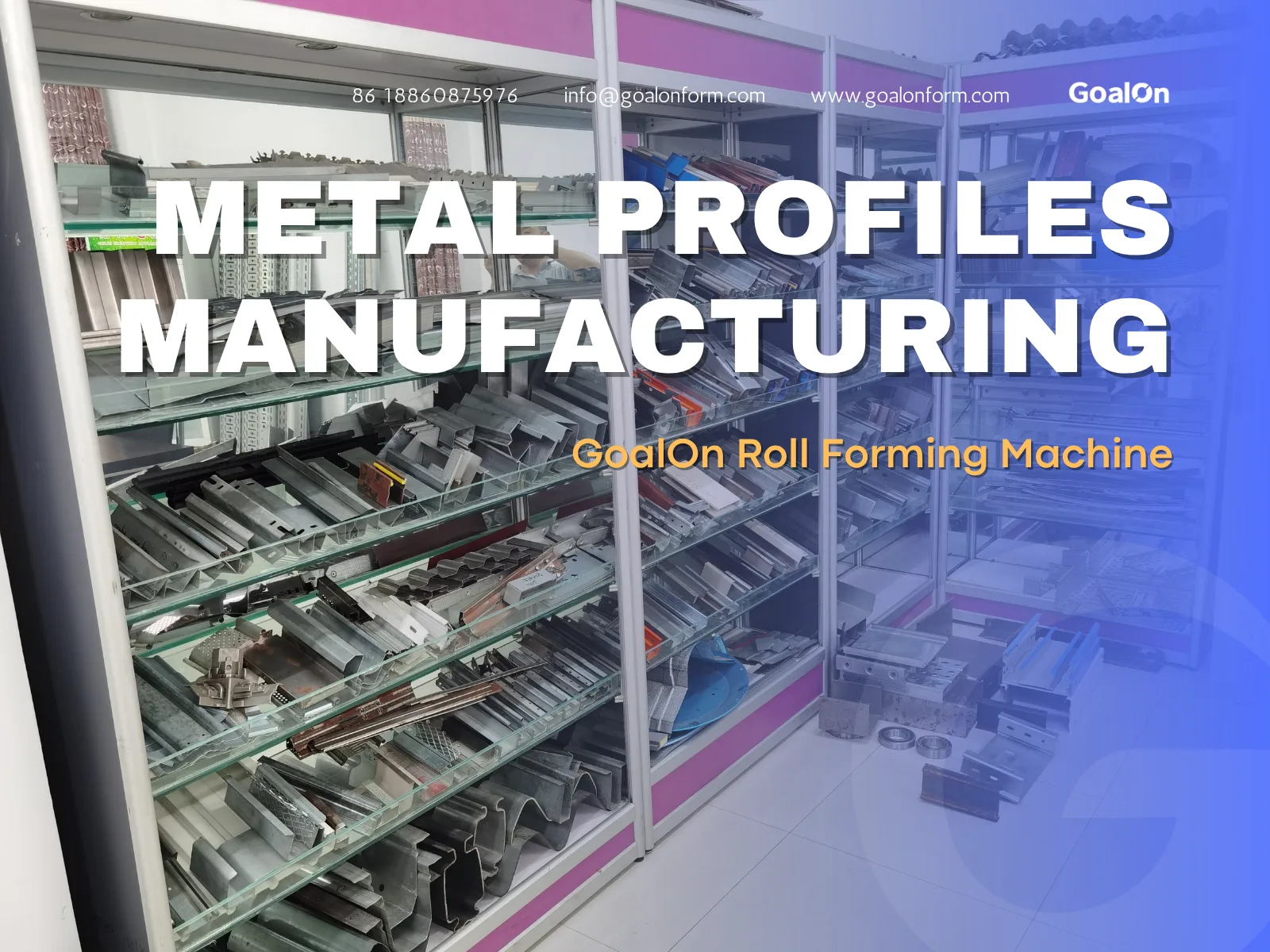
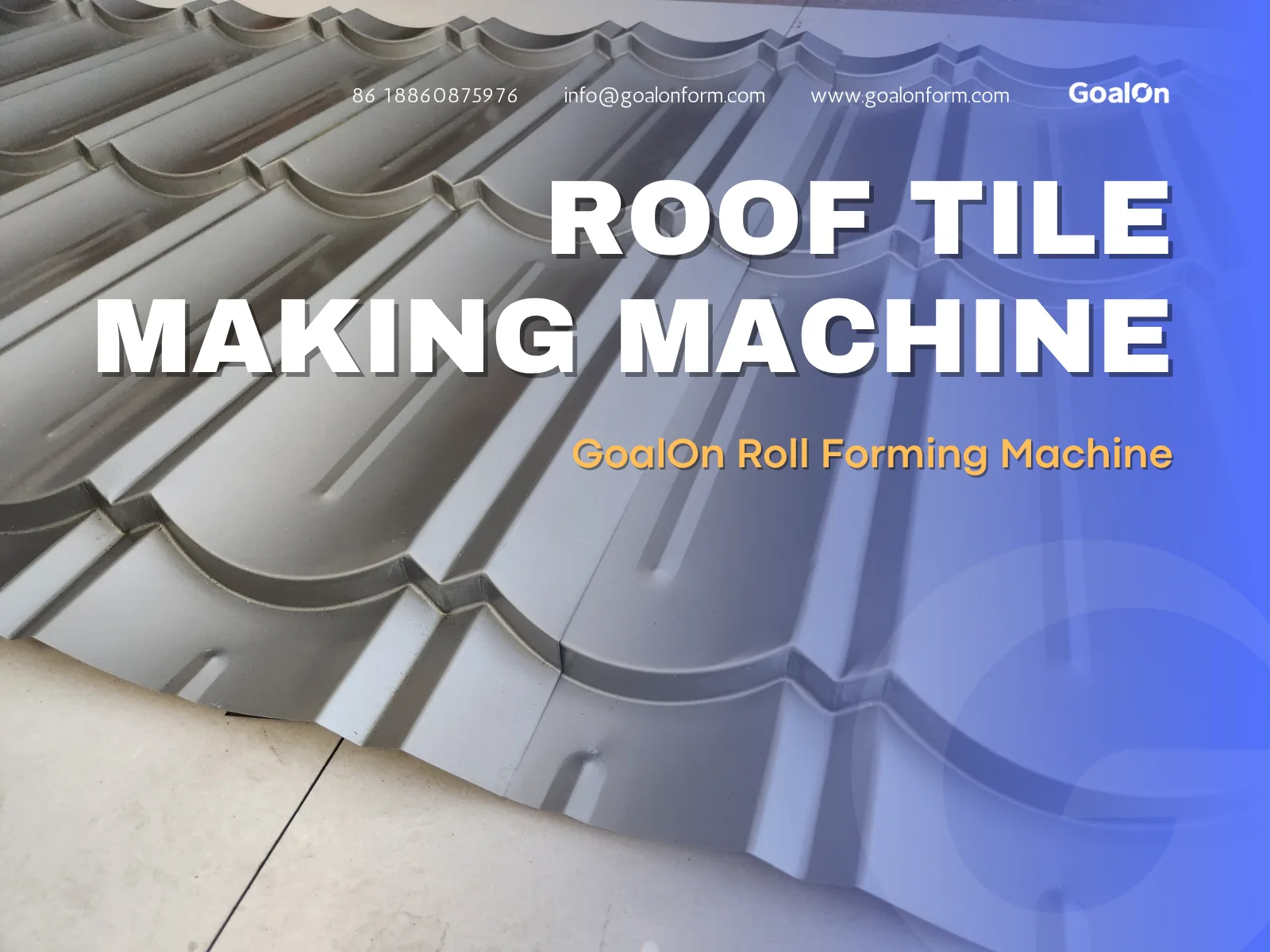
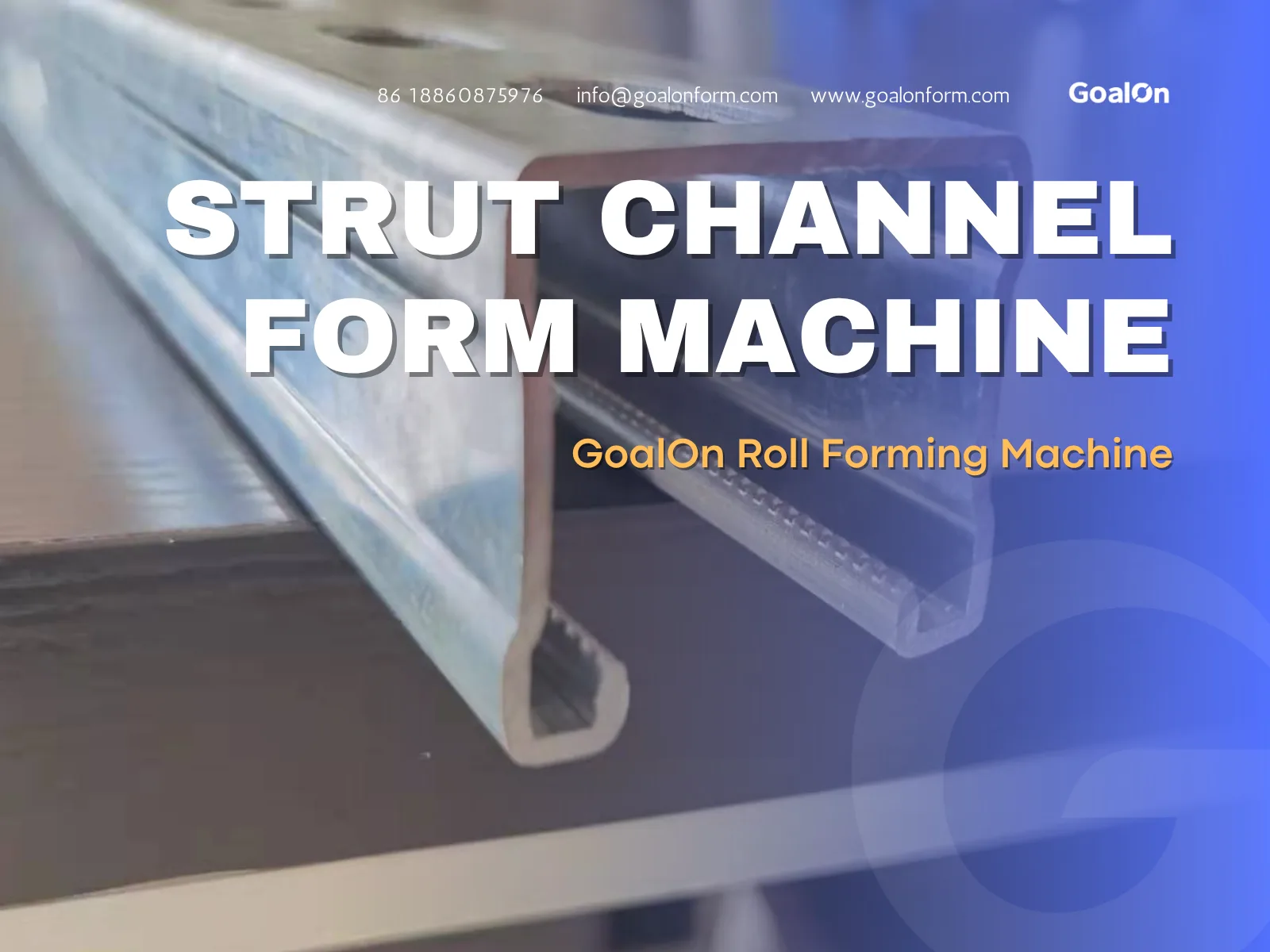
इसीलिए रोल फॉर्मिंग मशीनों का व्यापक रूप से संरचनात्मक चैनलों, छत और दीवार पैनलों, दरवाज़े और खिड़की प्रोफाइल, शेल्विंग सिस्टम और कई अन्य निर्माण-संबंधी घटकों के लिए उपयोग किया जाता है।.
उच्च-मात्रा वाले निर्माण में रोल फॉर्मिंग लाइनें क्यों उत्कृष्ट हैं
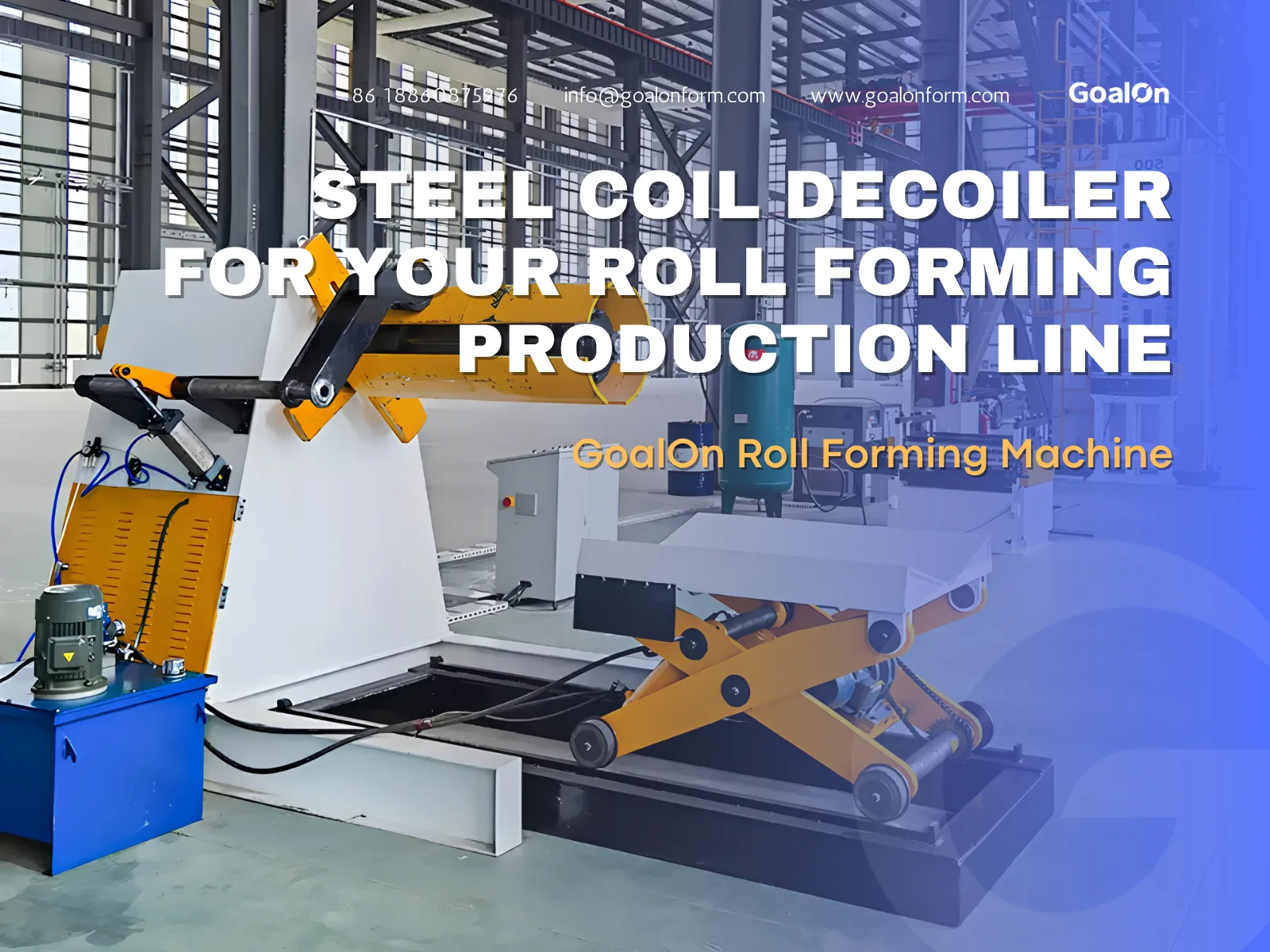
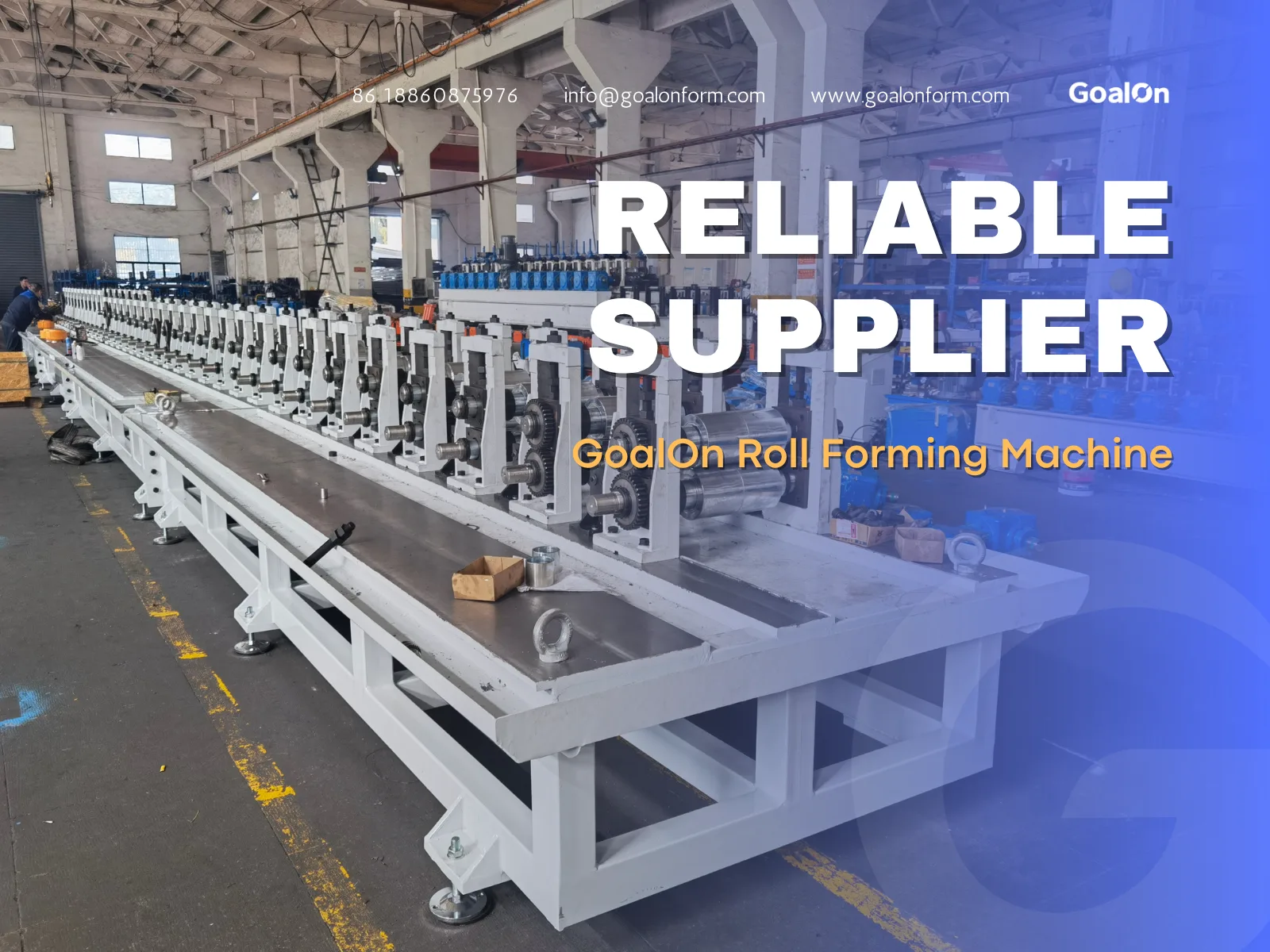
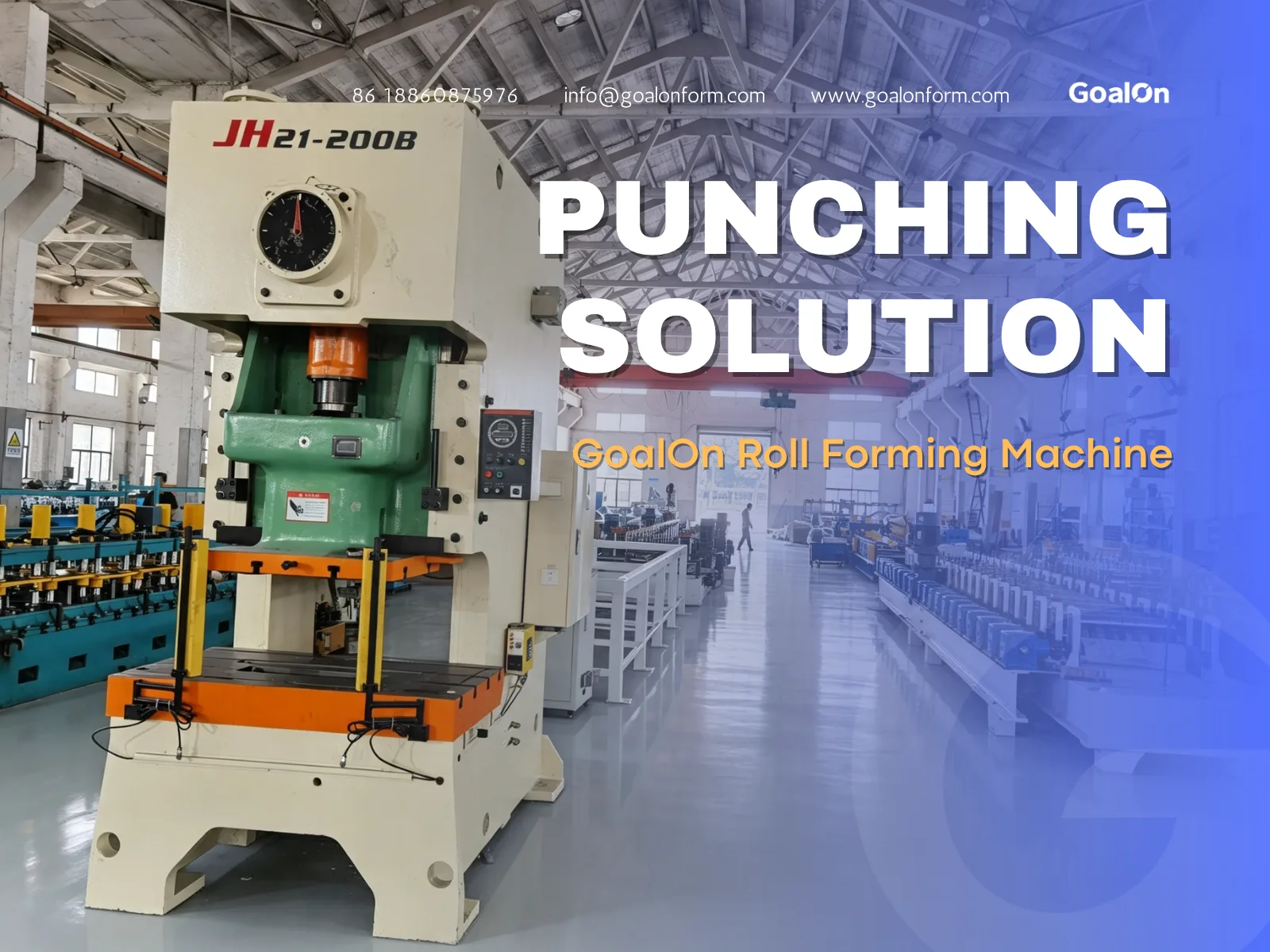
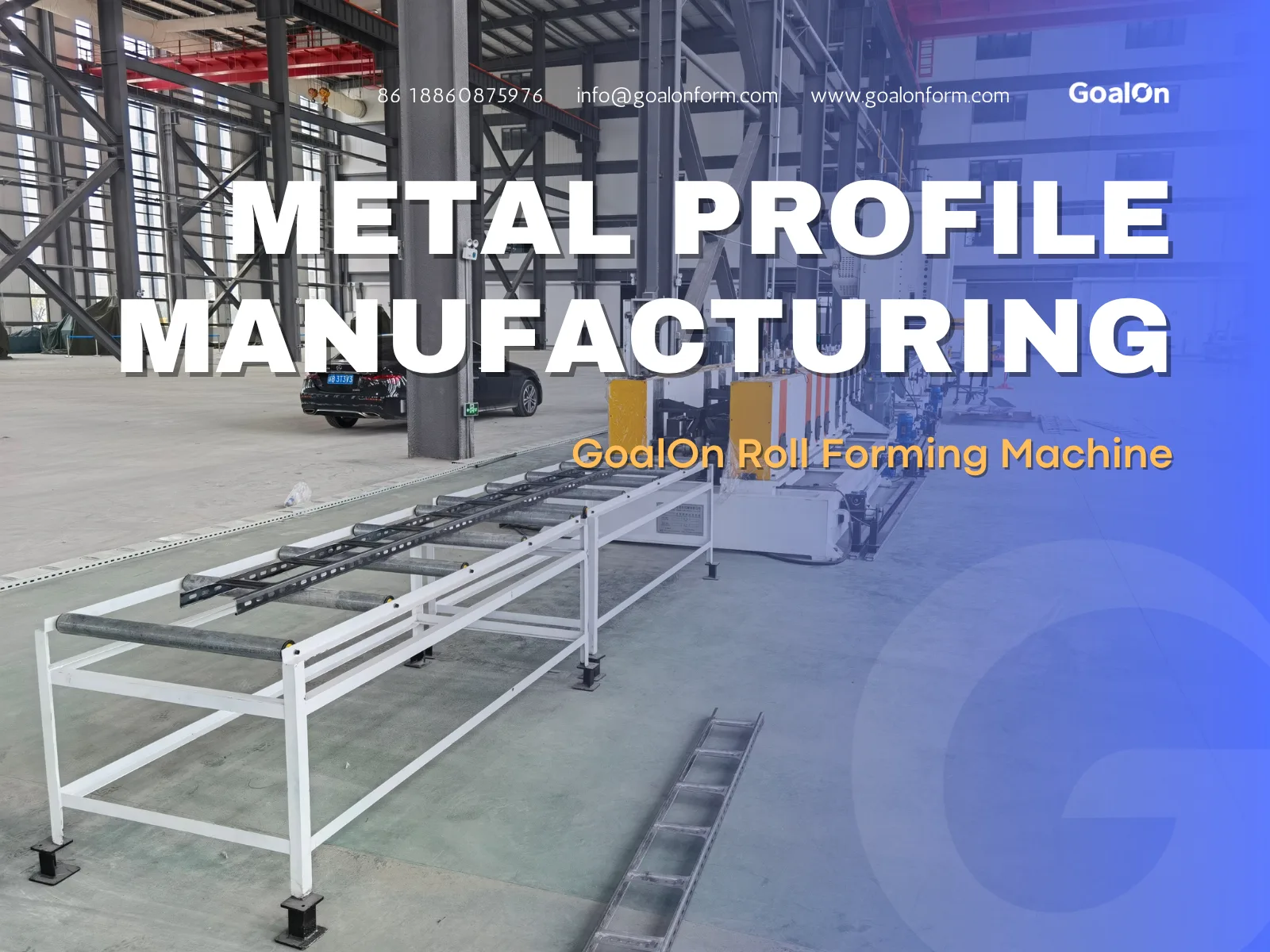
एक अच्छी तरह से डिज़ाइन की गई रोल फॉर्मिंग लाइन केवल एक मशीन नहीं है—यह एक उत्पादन प्रणाली है। यह आमतौर पर डीकोइलिंग, मार्गदर्शन, फॉर्मिंग, पंचिंग, कटिंग और रन-आउट समाधानों को एक ही वर्कफ़्लो में एकीकृत करती है।.
प्रोफ़ाइल निर्माताओं के लिए, यह कई लाभ प्रदान करता है:
- न्यूनतम डाउनटाइम के साथ निरंतर संचालन
- हजारों मीटरों में स्थिर आउटपुट गुणवत्ता
- टूलिंग चालू होने के बाद प्रति इकाई लागत कम हो जाती है।
वैकल्पिक फॉर्मिंग रोलिंग मशीनों की तुलना में, रोल फॉर्मिंग लाइनें एल्यूमीनियम और स्टील अनुप्रयोगों में विशेष रूप से प्रतिस्पर्धी होती हैं, जहाँ एक्सट्रूज़न या बैच फॉर्मिंग लागत को काफी बढ़ा देगा।.
रोल बेंडिंग कैसे एक अलग उद्देश्य पूरा करती है
रोल बेंडिंग धातु को लंबे, सीधे प्रोफाइल बनाने के बजाय वक्र या त्रिज्याओं में आकार देने पर केंद्रित होती है। सामग्री—अक्सर प्लेटें, पाइप या संरचनात्मक खंड—रोलर्स के बीच रखी जाती है, जो नियंत्रित बल लगाकर वांछित कोण या वक्रता प्राप्त करते हैं।.
यह प्रक्रिया आमतौर पर में उपयोग की जाती है:
- दाब पात्र और भंडारण टैंक
- बड़े व्यास वाले पाइप
- ऑटोमोटिव और एयरोस्पेस संरचनाएँ
- वक्राकार वास्तुशिल्पीय तत्व
हालांकि रोल बेंडिंग इन अनुप्रयोगों के लिए अत्यधिक प्रभावी है, यह बड़े पैमाने पर लंबे, समान प्रोफाइल बनाने के लिए अभिप्रेत नहीं है। इस कारण से, औद्योगिक प्रोफाइल उत्पादन में यह शायद ही कभी रोल फॉर्मिंग मशीन का विकल्प होता है।.
सही तकनीक का चयन: व्यावहारिक विचार
जब ग्राहक रोल फॉर्मिंग और रोल बेंडिंग की तुलना करते हैं, तो मुख्य प्रश्न यह नहीं होता कि कौन सी प्रक्रिया अधिक उन्नत है, बल्कि यह होता है कि कौन सी प्रक्रिया अंतिम उत्पाद की आवश्यकताओं के अनुरूप है।.
रोल फॉर्मिंग तब पसंदीदा समाधान है जब:
- प्रोफ़ाइल का आकार लंबाई भर एकसार रहता है।
- उत्पादन मात्रा अधिक या निरंतर है
- स्वचालन और पुनरावृत्ति महत्वपूर्ण हैं।
रोल बेंडिंग तब अधिक उपयुक्त होती है जब:
- इस भाग के लिए एक नियंत्रित त्रिज्या या चाप आवश्यक है।
- उत्पादन मात्रा सीमित या अनुकूलित है
- सामग्री की मोटाई या ज्यामिति निरंतर आकार देने में बाधा डालती है।
इस अंतर को समझने से खरीदार उन उपकरणों में निवेश करने से बच सकते हैं जो भविष्य की उत्पादन मांगों के साथ विस्तार नहीं कर सकते।.
रोल फॉर्मिंग मशीन के रखरखाव की भूमिका
परिचालन के दृष्टिकोण से, रोल फॉर्मिंग मशीन का रखरखाव दीर्घकालिक प्रदर्शन में महत्वपूर्ण भूमिका निभाता है। रोलर्स का उचित संरेखण, बेयरिंग्स का चिकनाईकरण, और ड्राइव सिस्टम का नियमित निरीक्षण निरंतर गुणवत्ता सुनिश्चित करते हैं और अप्रत्याशित डाउनटाइम को कम करते हैं।.
मशीन मालिकों और व्यापारियों के लिए, एक अच्छी तरह से रखरखाव किया गया रोल फॉर्मर:
- टूलिंग का जीवन बढ़ाता है
- सटीकता बनाए रखना
- पूरे रोल फॉर्मिंग लाइन के मूल्य की रक्षा करता है
इसलिए उपकरण आपूर्तिकर्ताओं का मूल्यांकन करते समय रखरखाव-अनुकूल मशीन डिज़ाइन एक महत्वपूर्ण कारक है।.
उपकरण डिजाइन और अनुभव क्यों मायने रखते हैं
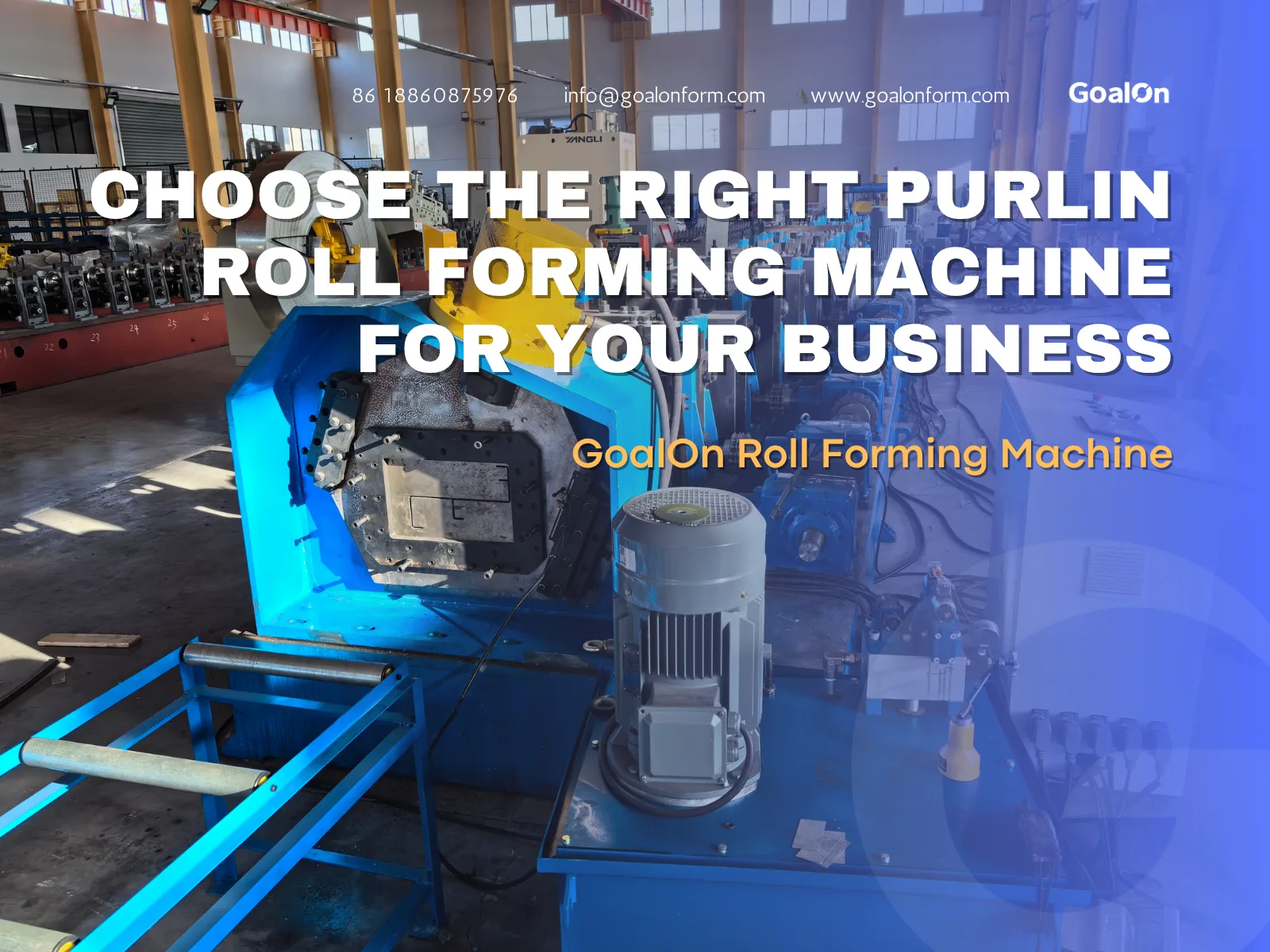
सभी रोल फॉर्मिंग मशीनें समान नहीं होतीं। मशीन फ्रेम की कठोरता, रोलर की सामग्री, ट्रांसमिशन संरचना और फॉर्मिंग अनुक्रम का डिज़ाइन उत्पादन की स्थिरता और प्रोफ़ाइल सटीकता को सीधे प्रभावित करते हैं।.
निर्माण और विनिर्माण परियोजनाओं के लिए, एक अनुभवी रोल फॉर्मिंग मशीन आपूर्तिकर्ता के साथ काम करने का मतलब केवल उपकरणों तक पहुंच प्राप्त करना ही नहीं, बल्कि अनुप्रयोग संबंधी ज्ञान भी प्राप्त करना है। इसमें सामग्री का व्यवहार, प्रोफ़ाइल की व्यवहार्यता और उत्पादन अनुकूलन शामिल हैं—ऐसे कारक जिन्हें अक्सर कोटेशन चरण में अनदेखा कर दिया जाता है।.
अंतिम विचार
रोल फॉर्मिंग और रोल बेंडिंग दोनों ही आवश्यक धातु निर्माण तकनीकें हैं, लेकिन ये विभिन्न औद्योगिक आवश्यकताओं को पूरा करती हैं। बड़े पैमाने पर सुसंगत, उच्च-गुणवत्ता वाले धातु प्रोफाइल उत्पादन पर केंद्रित कंपनियों के लिए, उचित रूप से डिज़ाइन की गई रोल फॉर्मिंग लाइन उपलब्ध सबसे कुशल और लागत-प्रभावी समाधानों में से एक बनी हुई है।.
प्रक्रिया, उपकरण और दीर्घकालिक परिचालन आवश्यकताओं को समझने से खरीदार अधिक समझदारी से निवेश कर सकते हैं—और अधिक प्रतिस्पर्धी उत्पादन क्षमताएँ विकसित कर सकते हैं।.