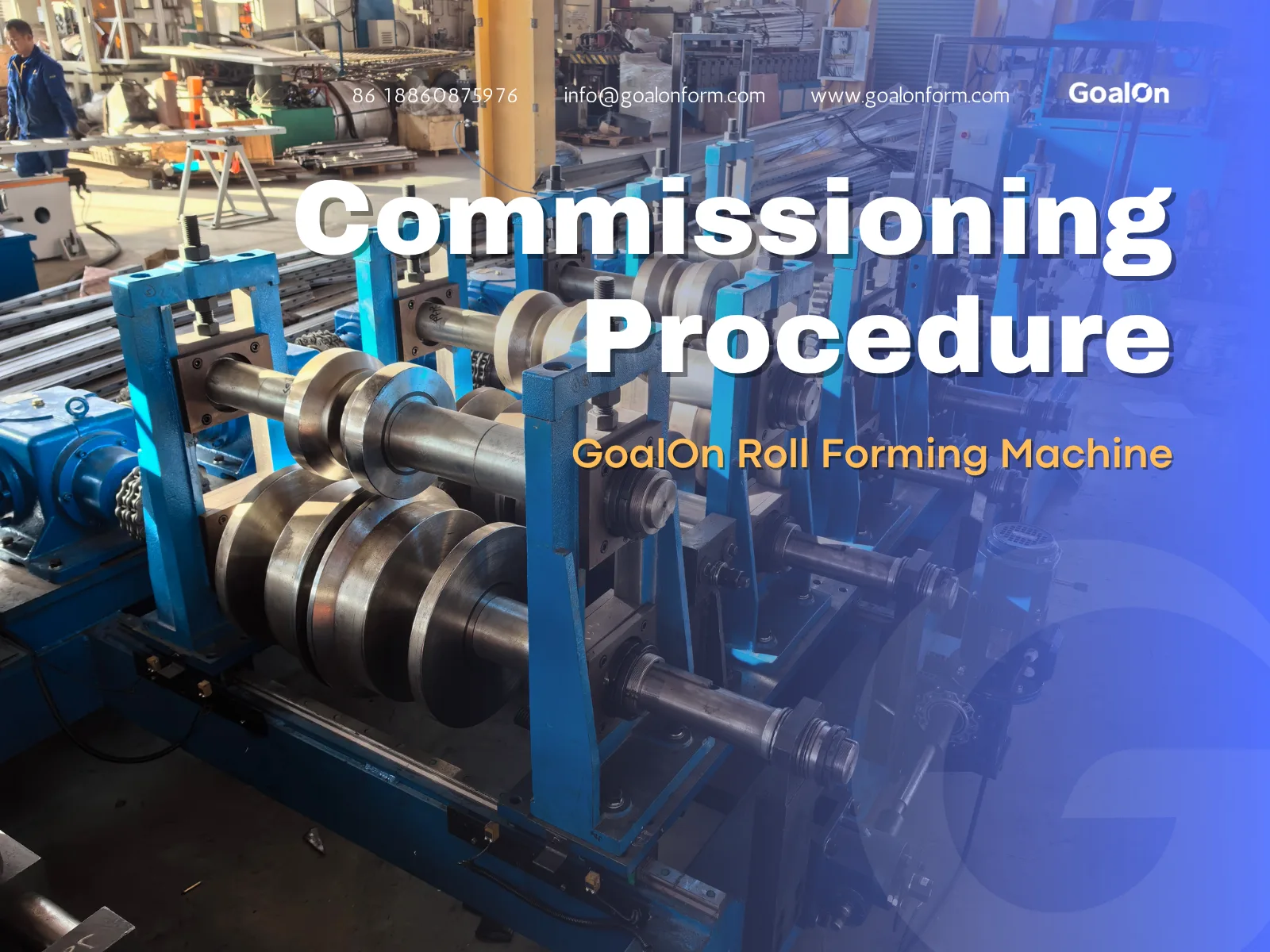
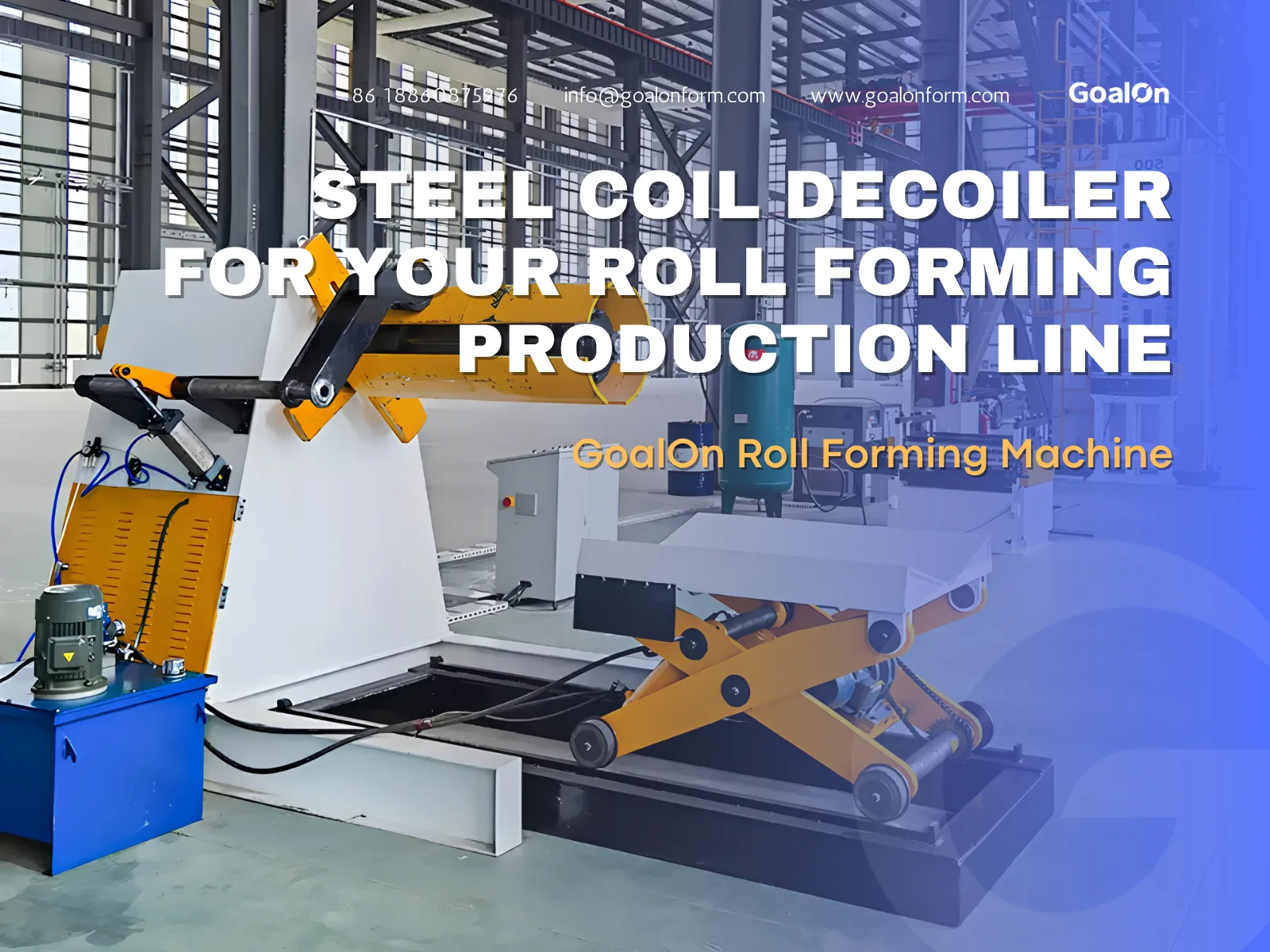
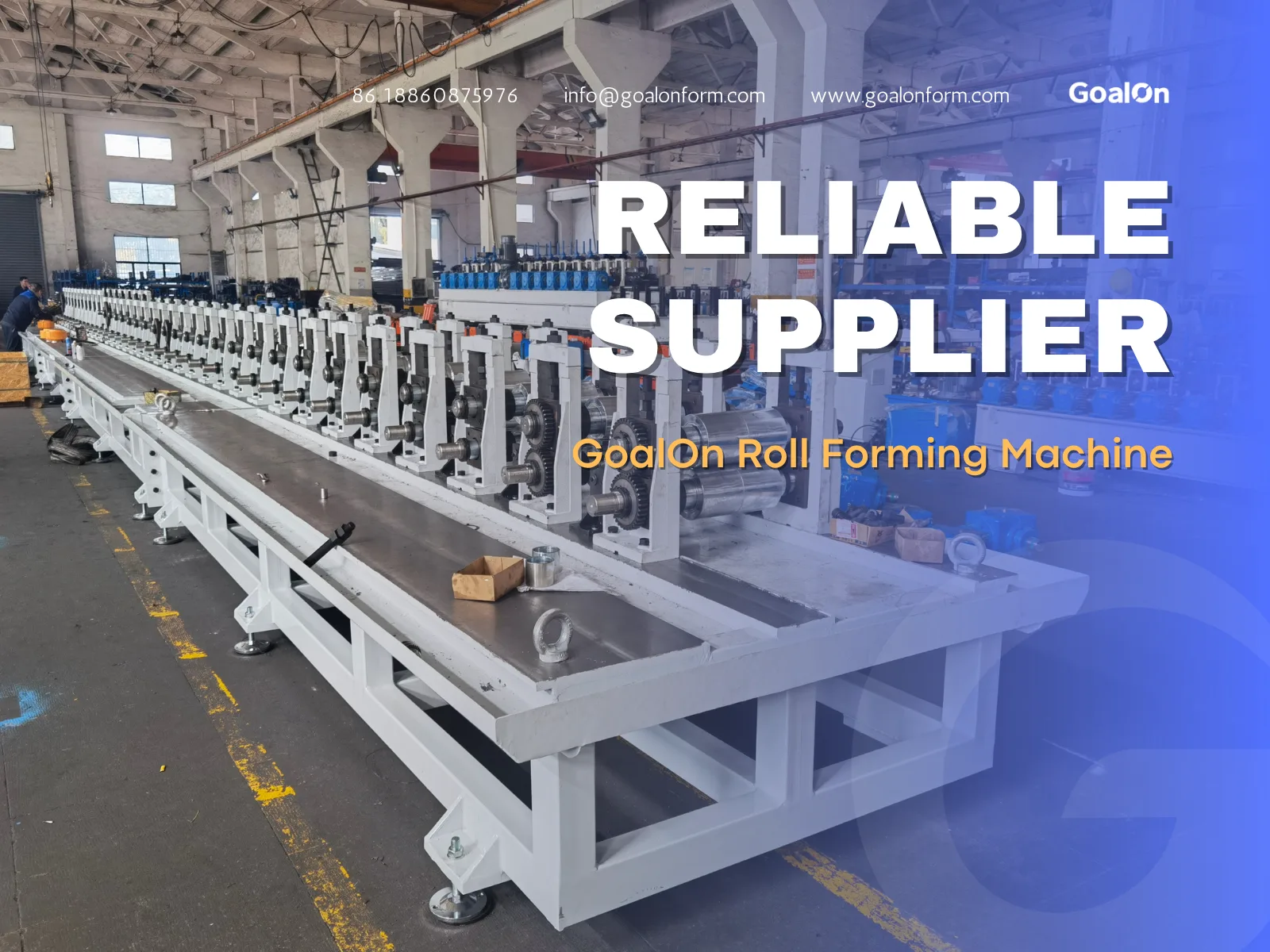
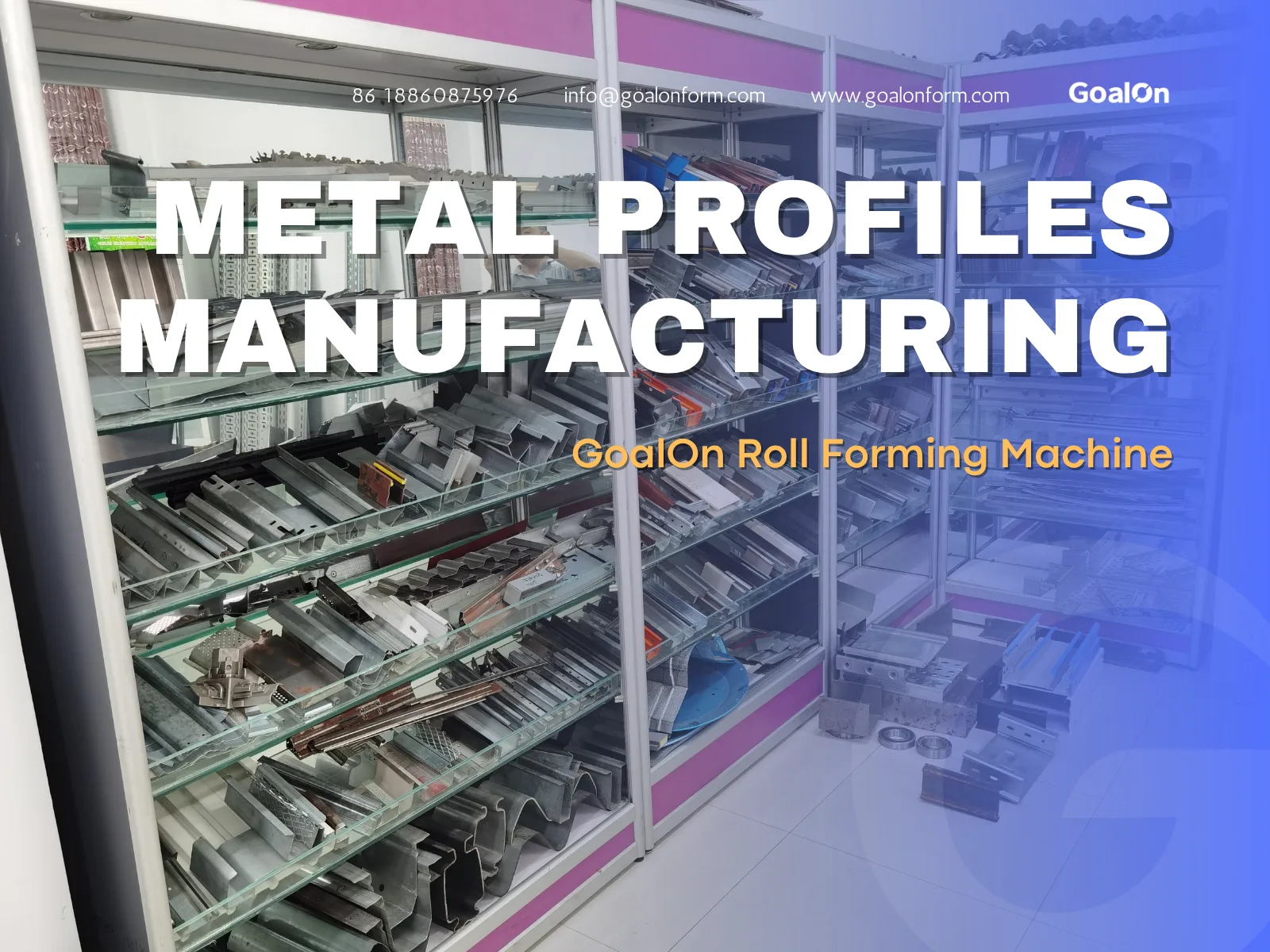
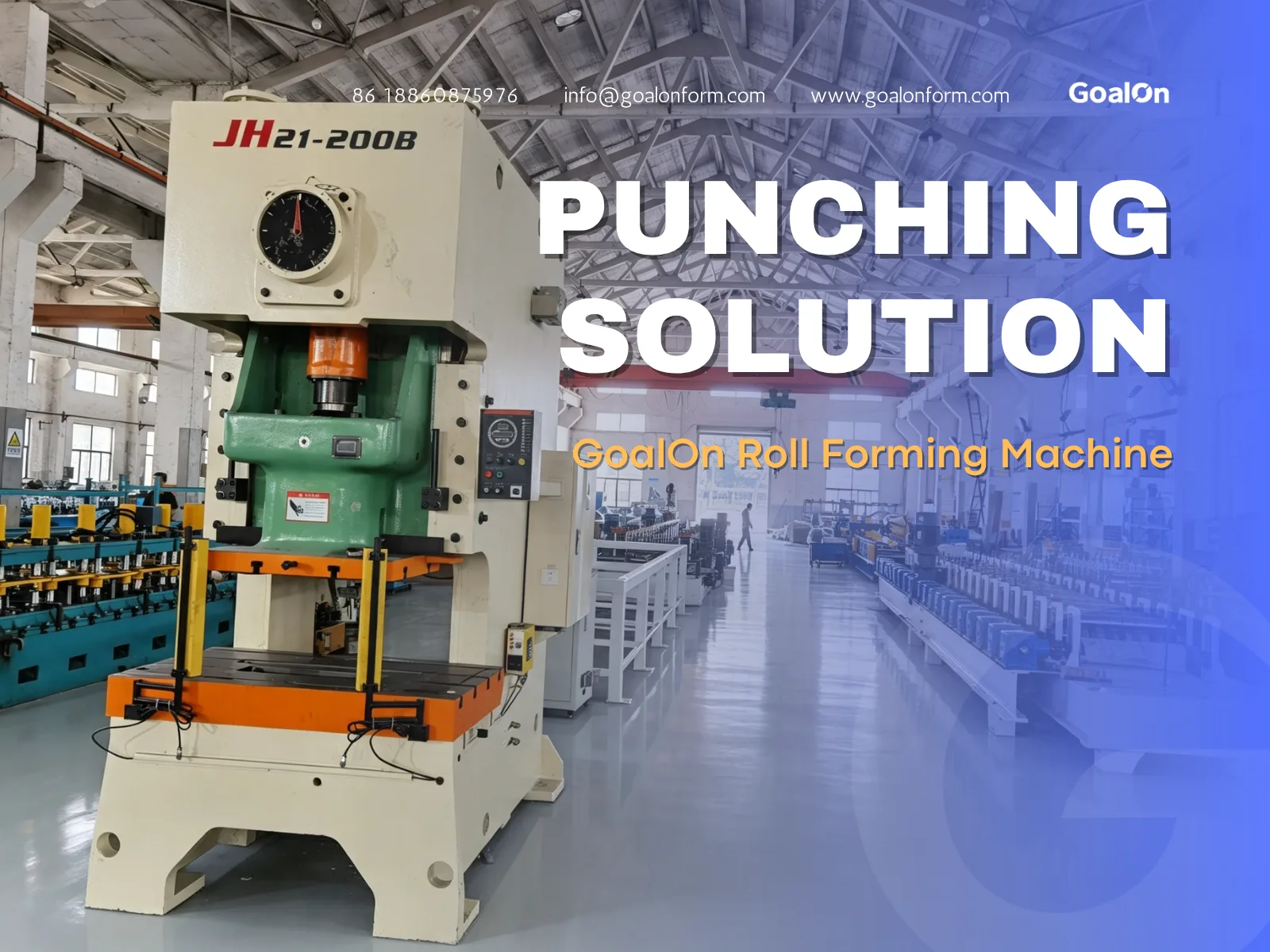
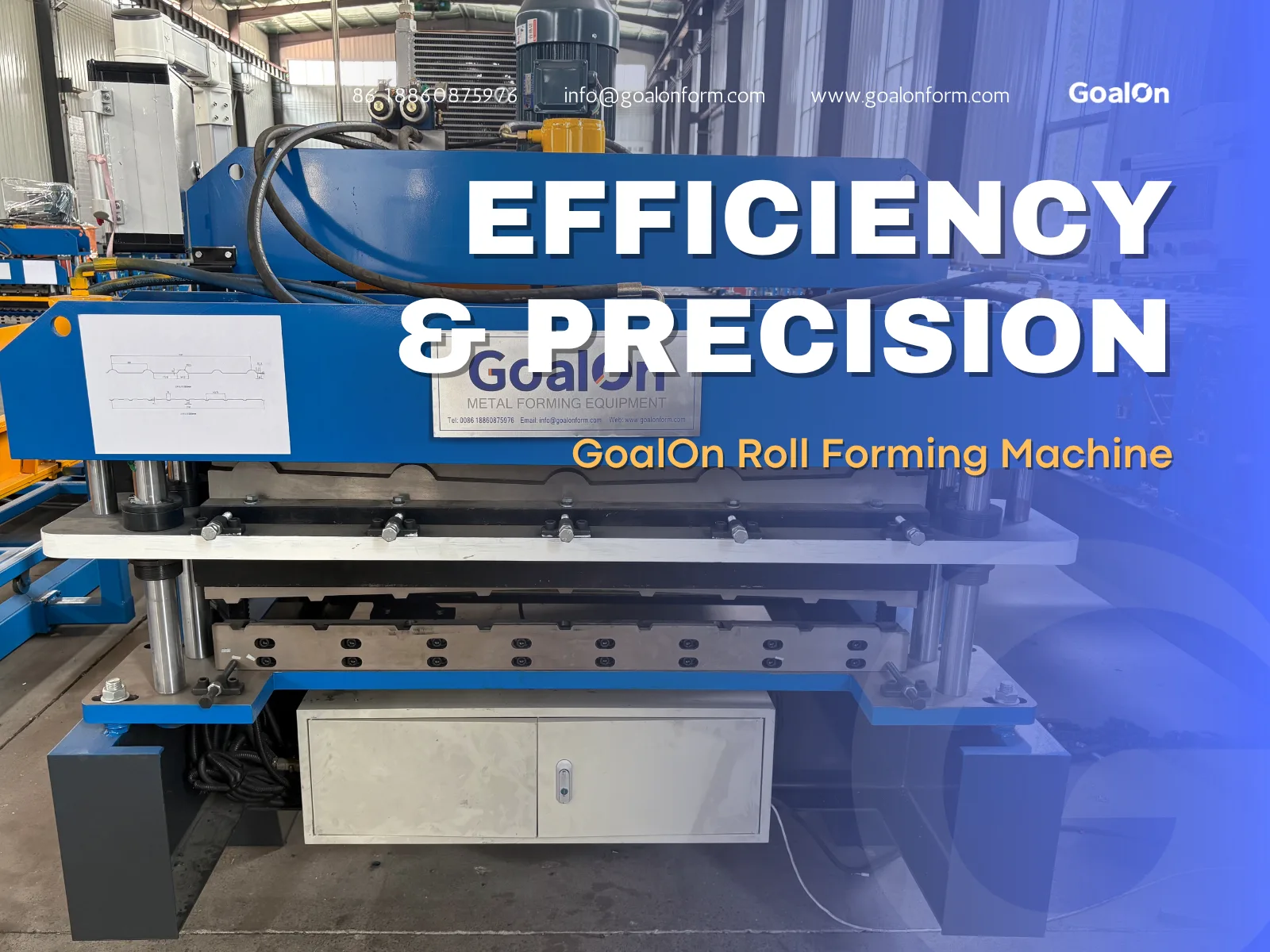
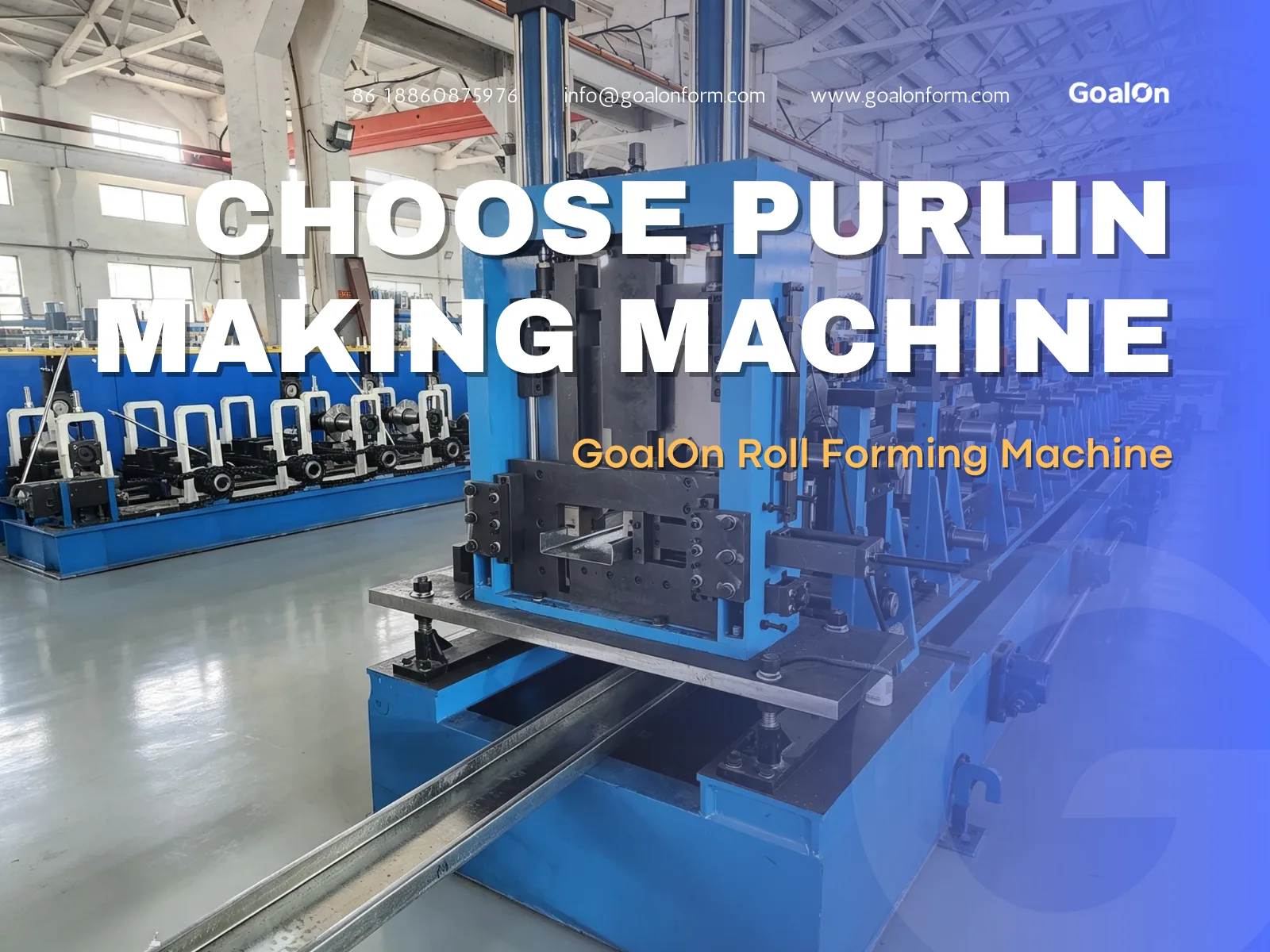
In modern industrial manufacturing, cold roll forming machines have become one of the most efficient and stable solutions for producing long-length metal profiles with consistent cross-sections. Compared with traditional press braking or extrusion methods, roll forming offers superior advantages in mass production efficiency, dimensional accuracy, and material utilization rate. This is why it has been widely adopted across multiple industries ranging from construction to transportation and renewable energy.
For construction companies, metal profile manufacturers, and machine trading businesses, understanding where and how this technology is applied is essential not only for equipment investment decisions but also for market positioning and product development strategy.

1. Construction Industry: The Largest Application Field
The construction sector is the primary user of cold roll forming technology, accounting for a significant share of global demand. The reason is simple: modern buildings require large volumes of standardized steel profiles with high structural strength and low production cost.
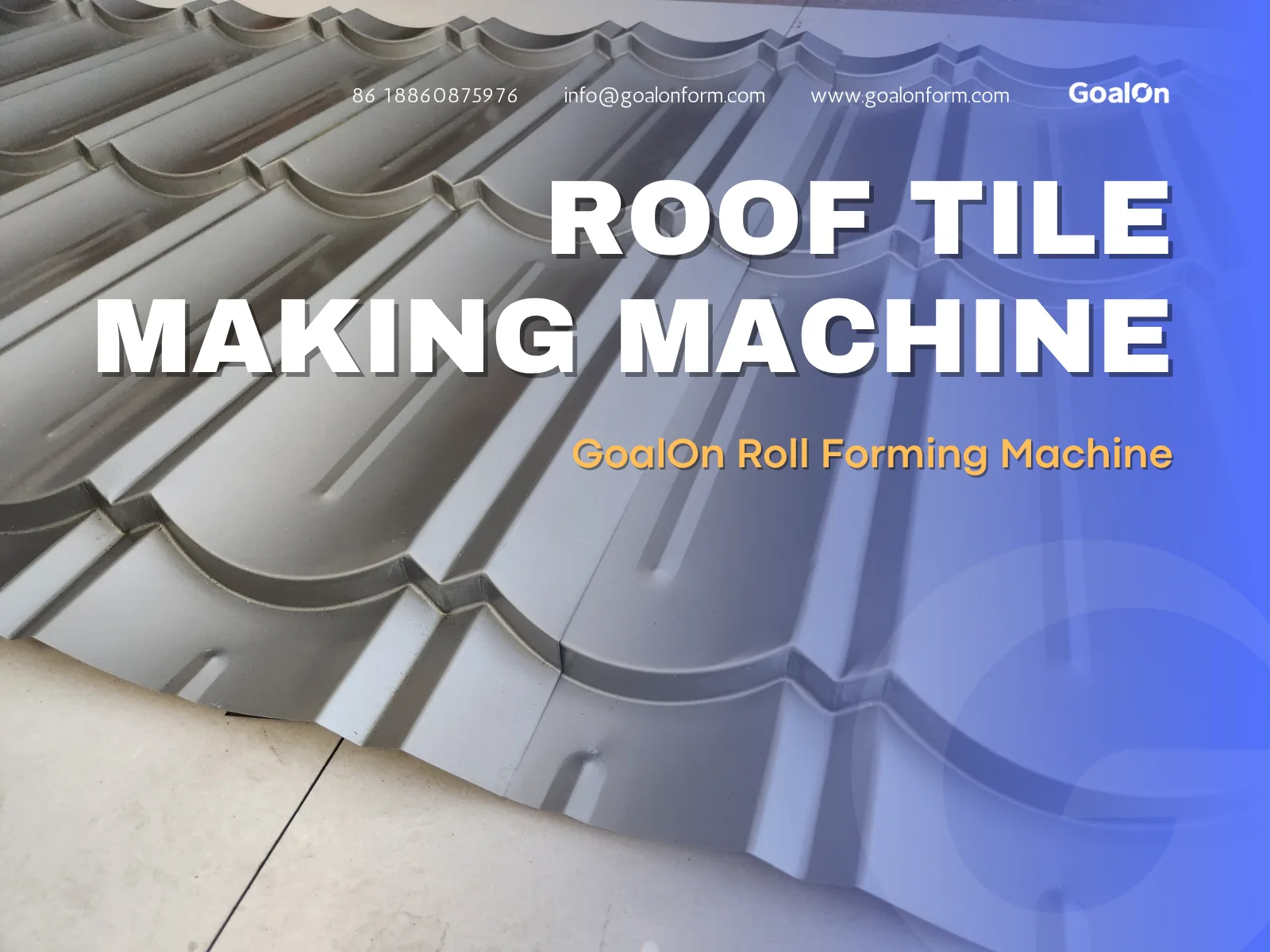
Typical products include roof panels, wall cladding systems, purlins, studs, tracks, and decking sheets. These profiles are produced using high-speed roll forming lines that can run continuously with minimal interruption.
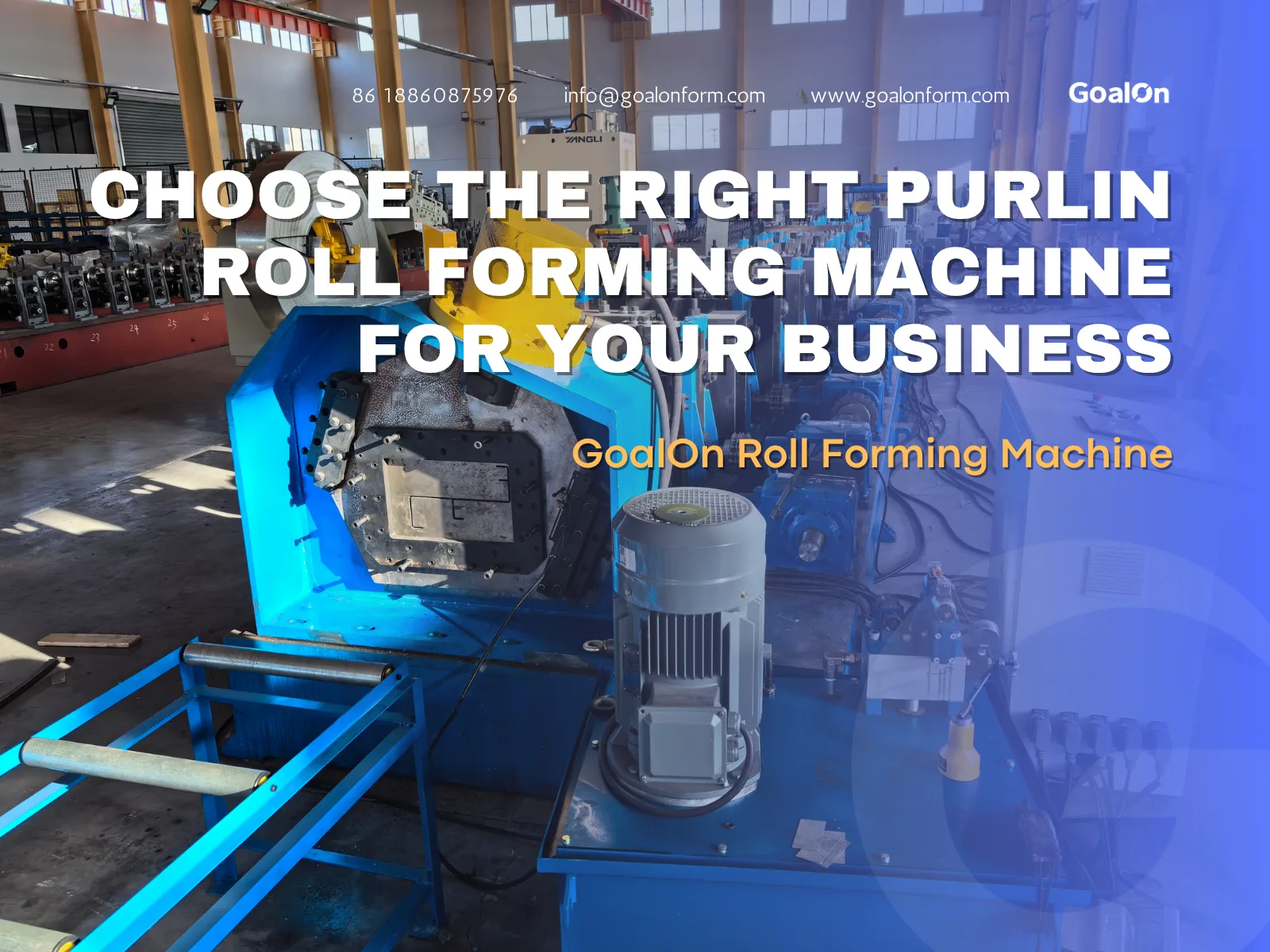
One of the key advantages in construction applications is the ability to produce complex profiles with tight tolerances. For example, C/Z purlin machines with automatic size adjustment allow manufacturers to produce multiple sizes without changing rollers, significantly reducing downtime.
In this industry, consistency is critical. Even slight deviations in profile geometry can affect installation quality on-site. Therefore, servo-controlled feeding systems and precision roller design are widely used to ensure dimensional stability over long production runs.
2. Steel Structure and Pre-Engineered Buildings (PEB)
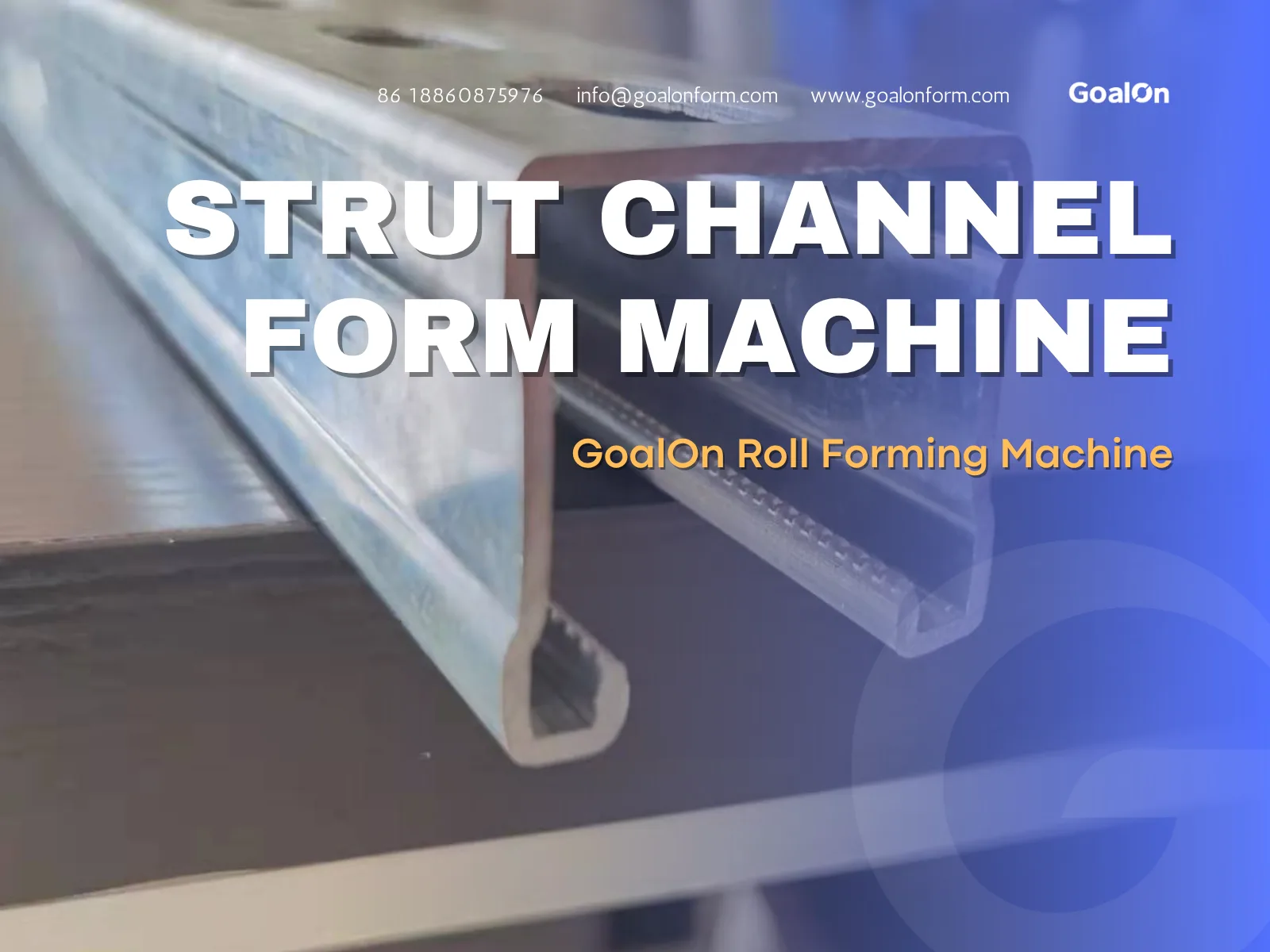
The steel structure industry, especially pre-engineered buildings (PEB), heavily depends on roll formed components. These structures require large quantities of secondary steel members such as purlins, girts, and bracing channels.
Cold roll forming is particularly suitable because it supports continuous production of long structural members without welding joints, which improves both strength and cost efficiency.
Another important factor is flexibility. PEB projects often require customized profiles depending on architectural design. Modern roll forming systems are equipped with quick-change tooling systems and automatic width adjustment, enabling fast adaptation to different project specifications.
For manufacturers in this segment, productivity and flexibility are equally important, making roll forming the ideal solution.
3. Automotive Industry: Lightweight and Precision Components
In the automotive sector, cold roll forming machines are used to produce structural reinforcement parts, crash management systems, seat rails, bumper beams, and various chassis components.
The automotive industry places extremely high demands on material strength-to-weight ratio, surface quality, and consistency. Roll forming is capable of processing high-strength steel (HSS) and advanced high-strength steel (AHSS) with controlled deformation, making it suitable for safety-critical parts.
Unlike stamping, roll forming allows gradual shaping of metal through multiple stations, which reduces internal stress and improves structural integrity. This is especially important for energy absorption components in crash zones.
Additionally, high automation levels, including inline punching and cutting systems, ensure that roll forming fits into modern automotive mass production lines.
4. Renewable Energy Industry: Solar and Wind Applications
With the rapid growth of renewable energy, cold roll forming machines have become essential in producing mounting structures for solar panels and wind power systems.
In solar energy projects, roll forming is used to manufacture solar mounting rails, brackets, and support frames. These components require high corrosion resistance and precise geometry to ensure panel alignment and structural stability over decades of outdoor exposure.
Most systems use galvanized steel or aluminum-magnesium-zinc coated steel. Therefore, roll forming equipment must be compatible with coated materials without damaging surface protection layers.
In wind energy, roll formed profiles are used in auxiliary support structures, cable trays, and internal framing systems of wind turbine installations.
The scalability of roll forming makes it ideal for renewable energy infrastructure, where large-scale deployment is common.
5. Infrastructure and Transportation Systems
Infrastructure development, including highways, railways, airports, and urban transit systems, also relies heavily on roll formed components.
Common applications include guardrails, highway crash barriers, bridge decking systems, tunnel support profiles, and railway cable management systems.
One of the key advantages in this field is durability. Infrastructure components must withstand extreme environmental conditions, including vibration, corrosion, and heavy loads. Therefore, roll formed products are often designed using high-strength galvanized steel with anti-corrosion coatings.
For example, highway guardrail production lines typically integrate continuous punching and forming systems, enabling high-speed manufacturing with consistent hole spacing and profile geometry.
6. Warehousing and Logistics Industry
The growth of e-commerce and global supply chains has significantly increased demand for warehouse storage systems. Cold roll forming machines are widely used to produce pallet racking systems, shelving beams, uprights, and support frames.
These products require both load-bearing strength and modular design flexibility. Roll forming enables manufacturers to produce standardized yet customizable profiles that can be assembled into different storage configurations.
A key technical requirement in this industry is high dimensional repeatability, as even minor deviations can affect assembly compatibility.
Modern warehouse systems also require aesthetic consistency and surface finish quality, which roll forming can achieve through controlled deformation and optimized roller surface treatment.
7. Door and Window Systems
Cold roll forming is also widely used in the production of metal door frames, roller shutter systems, and window reinforcement profiles.
In this segment, precision is extremely important because these profiles directly affect installation accuracy and sealing performance.
Roll forming machines designed for this industry often include inline punching units, embossing systems, and cutting-to-length mechanisms to produce ready-to-install components.
Roller shutter slats, for instance, require consistent curvature and interlocking design, which can only be achieved through multi-stage forming processes.
8. Electrical and Cable Management Systems
Electrical infrastructure systems such as cable trays, cable ladders, and electrical enclosures are also major applications of roll forming technology.
These components must combine strength, ventilation, and ease of installation. Roll forming allows manufacturers to produce complex open-channel profiles with integrated holes and bends.
In many production lines, automatic punching and forming synchronization systems are used to ensure precise hole alignment during continuous production.
The ability to produce long-length cable trays without joints is a major advantage in large industrial installations such as power plants and data centers.
9. Agricultural and Storage Structures
Agricultural facilities such as grain storage systems, greenhouse frames, and livestock shelters increasingly rely on cold roll formed steel structures.
These applications require cost-effective, corrosion-resistant, and easy-to-assemble profiles. Roll forming provides an ideal balance between material efficiency and structural performance.
For example, greenhouse framing systems often use lightweight galvanized profiles produced through high-efficiency low-thickness steel forming lines.
The ability to produce large volumes at low cost makes roll forming highly suitable for agricultural infrastructure development.
10. HVAC and Industrial Equipment Manufacturing
Heating, ventilation, and air conditioning (HVAC) systems rely heavily on roll formed ducts, support frames, and structural housings.
Roll forming enables the production of uniform duct profiles with excellent sealing compatibility. In industrial equipment manufacturing, roll formed frames are used in machine housings, conveyor systems, and protective structures.
A key benefit here is the ability to integrate multi-functional forming stages, such as flanging, embossing, and perforation, within a single continuous production line.
Conclusion: A Core Technology Behind Modern Industrial Manufacturing
Cold roll forming technology has become a foundational process in modern industrial production. Its ability to deliver high-speed, precise, and cost-efficient metal profiles makes it indispensable across construction, automotive, energy, logistics, and infrastructure sectors.
For manufacturers and equipment investors, understanding these industry applications is not just technical knowledge—it is a strategic advantage. As global demand for steel structures continues to grow, the role of advanced roll forming systems will only become more important in shaping the future of industrial manufacturing.