Maintaining a roll forming line is not just a task; it is an investment in productivity, precision, and profitability. I have spent years on the shop floor, evaluating and maintaining roll forming machines, and I have seen firsthand how simple neglect can turn a high-capacity production line into a daily headache.
In this blog, I will share practical, actionable advice for daily maintenance and preventive care of roll forming lines, drawing on my experience both as an engineer and a purchasing specialist.

1. Why Daily Maintenance Matters More Than Most Buyers Expect
Many new buyers assume that once a roll former or forming rolling machines are installed, they will operate smoothly indefinitely. That assumption is a costly mistake. Daily maintenance affects:
- Forming precision – even minor misalignments in the roll forming machine can lead to warped, twisted, or out-of-spec metal profiles.
- Surface quality – scratches, dents, and uneven finishes often originate from preventable issues in feeding, guiding, or the rolls themselves.
- Actual vs. design capacity – a well-maintained roll forming line consistently achieves its rated production speed.
- Downtime reduction – most unplanned stops result from ignored small issues that escalate into mechanical failures.
From my perspective, a lower-cost roll former with poor maintenance will eventually cost more than a higher-quality line with proper care. Preventive maintenance isn’t optional—it’s essential.
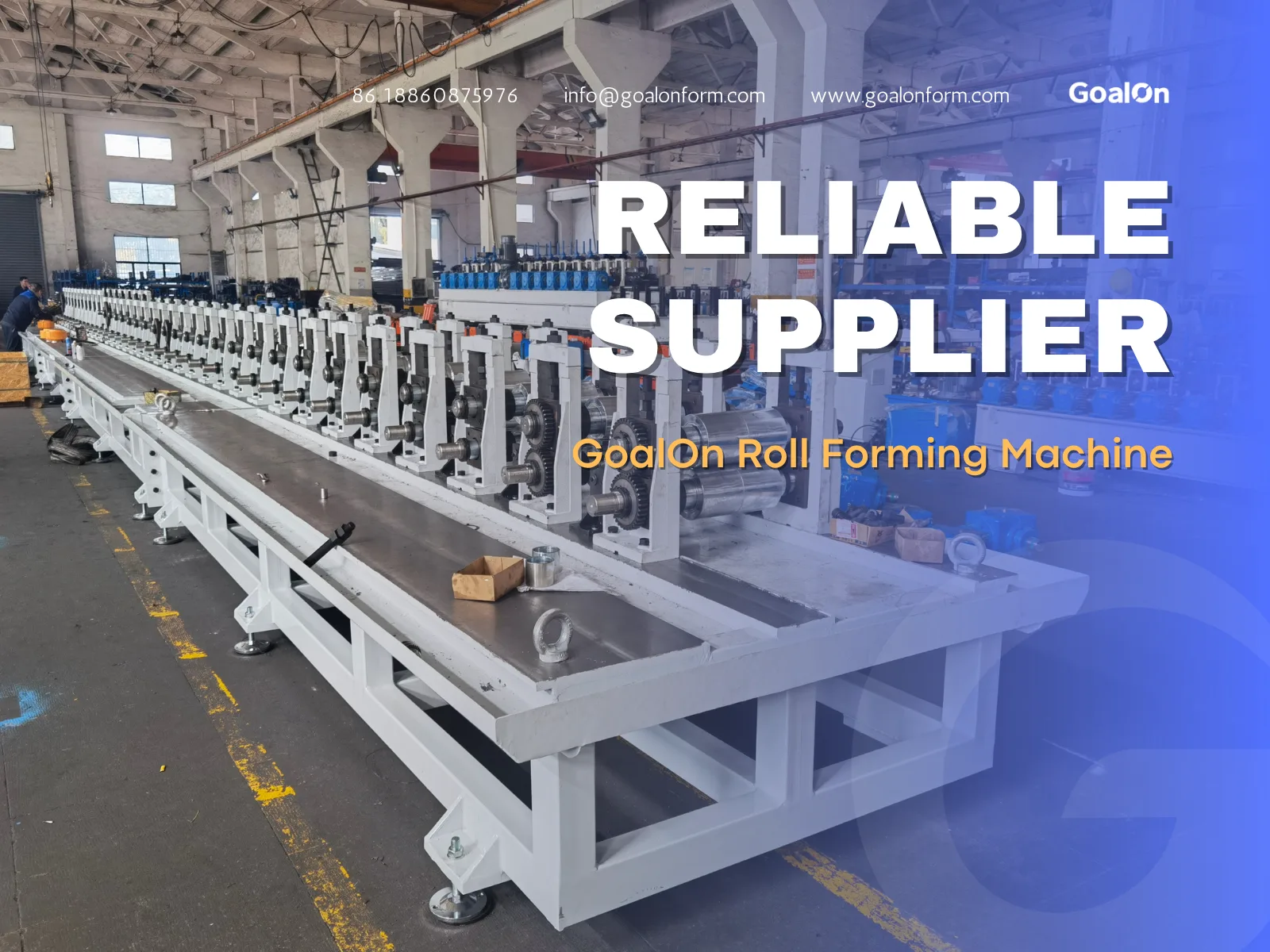
2. Understanding the Roll Forming Line as a System
A roll forming line is a system of interdependent modules:
- Decoiler (coil handling)
- Feeding and guiding system
- Leveling, punching, or pre-cutting units
- Roll forming machine (main forming unit)
- Cutting systems (flying shear, stop-to-cut, or saw units)
- Run-out table and stacking/packaging
Each module has distinct maintenance requirements. Treating the line as a holistic system ensures that small issues in one module don’t cascade and compromise the whole production. For instance, a misaligned decoiler can damage the forming rolls downstream, affecting your entire production run.
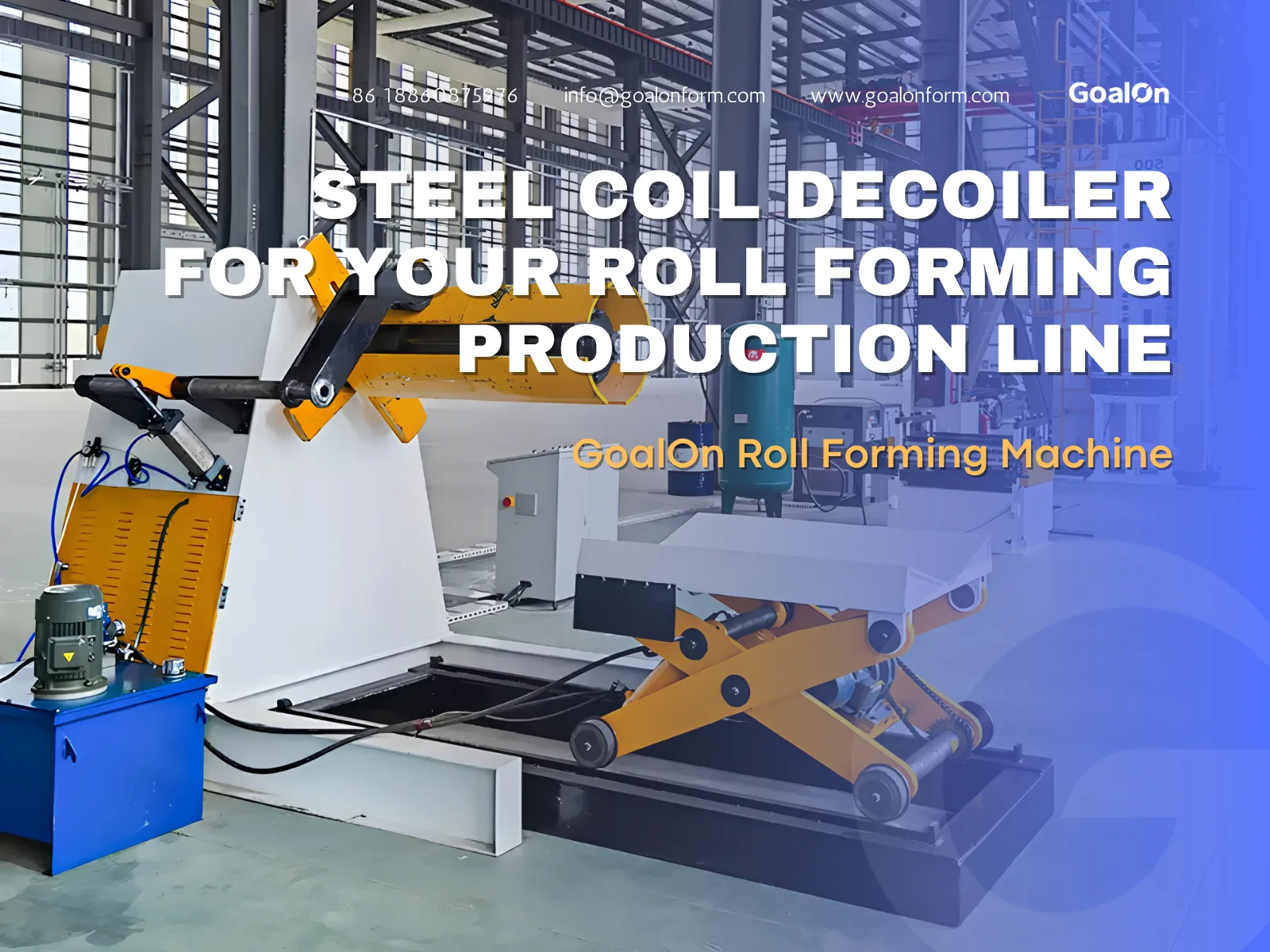
3. Decoiler and Coil Handling: The Starting Point of Maintenance
I have observed that most problems start at the decoiler. Common maintenance points include:
- Hydraulic system – check pressure stability and fluid condition daily.
- Expansion arms – ensure smooth, synchronized movement to prevent coil wobble.
- Brake system – confirm resistance control operates correctly.
Even minor coil misalignment can trigger chain reactions across the roll forming line. I recommend daily inspection routines to catch these issues before they affect production.
4. Feeding, Guiding, and Leveling: Preserving Accuracy Before Forming
The feed and leveling systems are the first line of defense for accuracy. If ignored, even the best roll forming machine cannot produce precise profiles. Key points:
- Guide rollers – check for wear or displacement. Misaligned guides damage both material edges and downstream rolls.
- Leveling rolls – monitor surface condition and parallel alignment. Over-leveling can introduce stress and deformation.
- Adjustment frequency – consider material thickness and type; different steels require slightly different roll settings.
Simple daily checks can prevent expensive downtime and scrap.
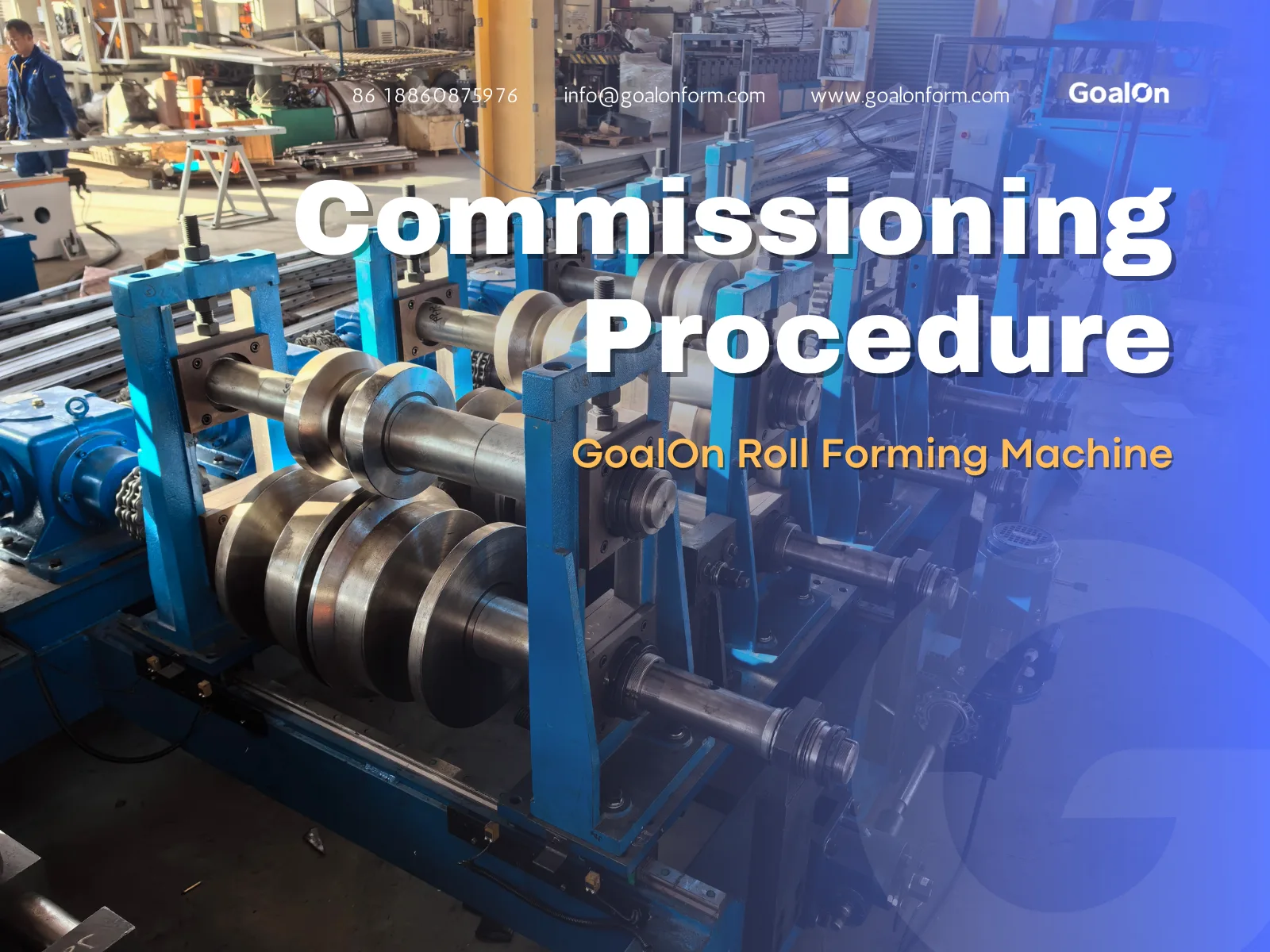
5. Roll Forming Machine: The Heart of the Line
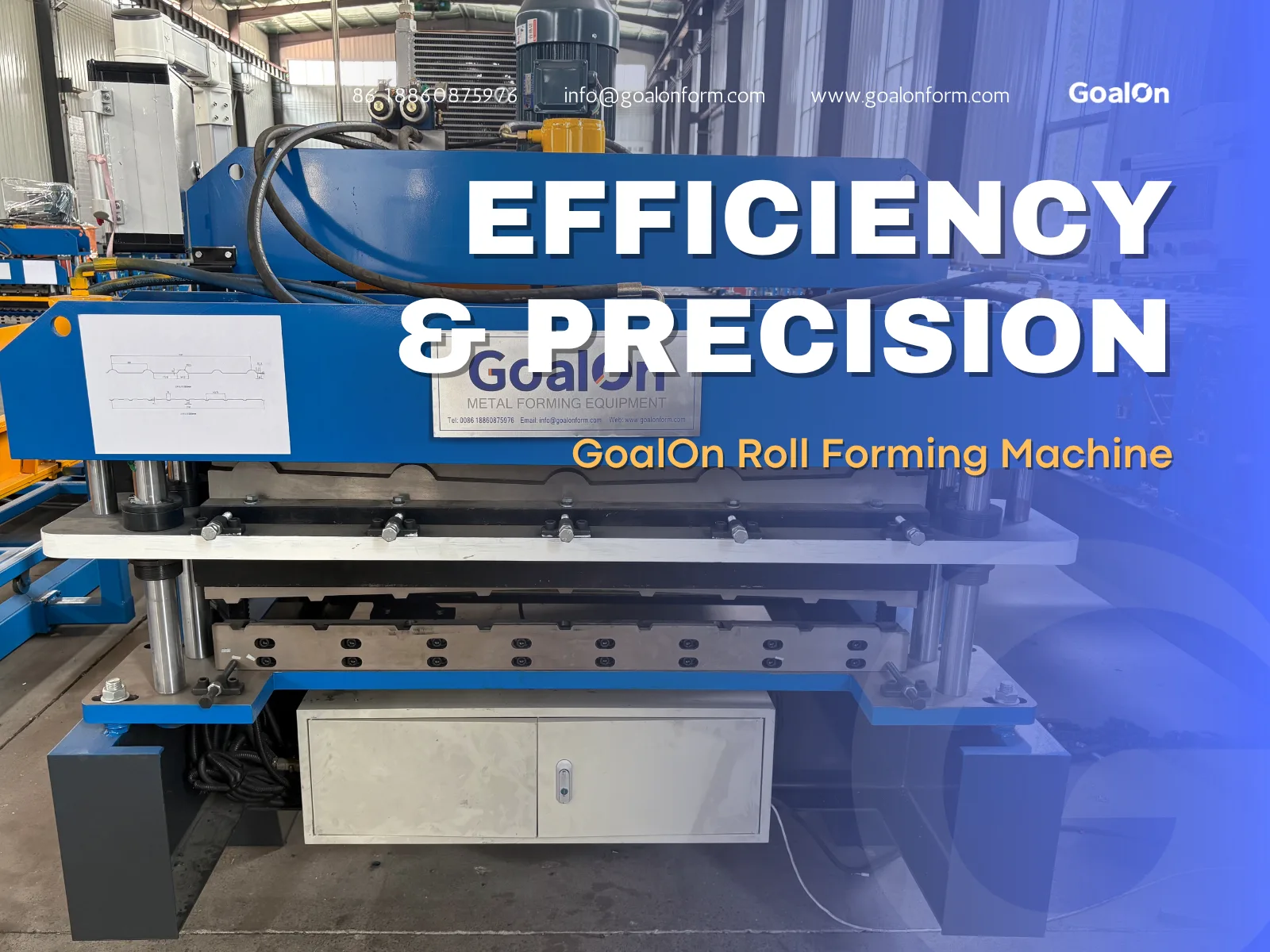
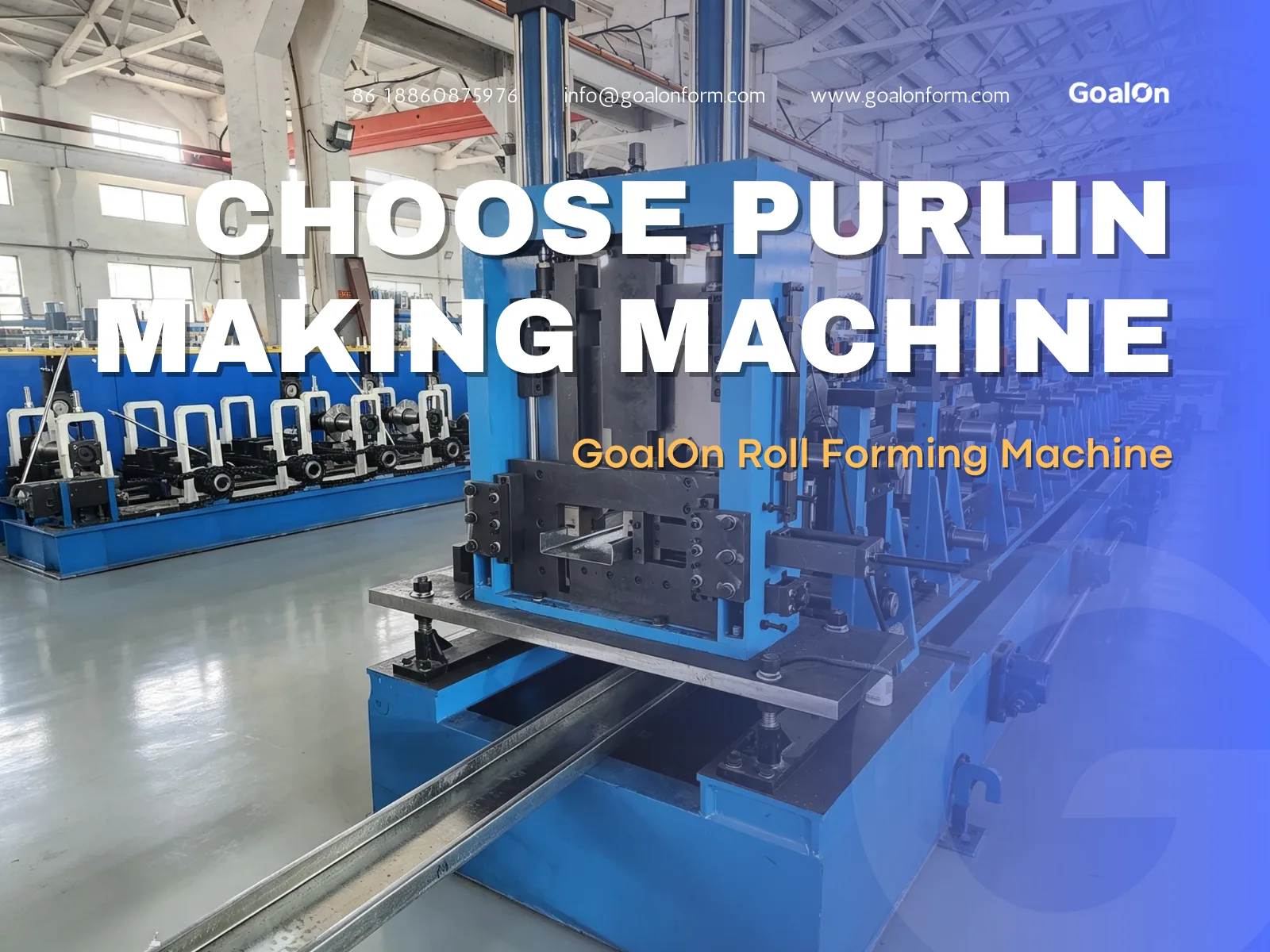
The roll forming machine is the core of any roll forming line. Proper maintenance directly impacts product quality and machine longevity. I focus on several critical areas:
- Rolls and tooling – keep them clean, inspect for wear, and ensure proper alignment. Even slight damage to roll edges can distort profiles.
- Bearings and shafts – check for lubrication and smooth rotation. A failed bearing can halt production entirely.
- Drive system – chains or gearboxes must operate under correct tension; improper lubrication leads to premature wear.
- Regular checks vs. reactive fixes – I have seen operators ignore minor misalignments, only to face major repairs weeks later.
By focusing on these areas daily, you maintain consistent profile dimensions and extend the life of expensive forming rolling machines.
6. Cutting Systems: Precision Maintenance for Consistent Lengths
Cutting systems often reveal underlying maintenance issues first. These include:
- Flying shears – verify timing, blade sharpness, and hydraulic pressure daily.
- Stop-to-cut units – monitor alignment and clamp operation; misalignment affects the first several meters of each coil.
- Sawing units – check guide rails, blade angles, and feed mechanisms.
I emphasize that neglecting cutting system maintenance is a major cause of wasted material and downtime. Even a small misadjustment in a flying shear affects the entire production batch.
7. Electrical, PLC, and Sensors: Preventive Maintenance Beyond Mechanics
Mechanical care alone is not enough. Modern roll forming lines rely heavily on control systems. I always recommend:
- Daily sensor checks – proximity switches, optical sensors, and encoders must be clean and properly aligned.
- Wiring inspection – loose connections or oil contamination often cause mysterious stoppages.
- Software and PLC review – minor glitches in settings can propagate errors across the line.
A proactive approach to electronics ensures the roll forming line operates smoothly and prevents unexpected production losses.
8. Lubrication, Cleaning, and Environment Control
These “small tasks” have a huge impact on forming rolling machines:
- Lubrication – use appropriate oil for bearings, chains, and guides; too much oil attracts dust, too little causes wear.
- Cleaning – remove metal shavings, dirt, and debris daily.
- Environment – maintain temperature and humidity to prevent corrosion and material deformation.
Neglecting these steps often reduces the effective lifespan of the roll forming machine by years.
9. Maintenance Frequency: Daily, Weekly, and Preventive Strategy
I divide maintenance into:
- Daily tasks – visual inspection, cleaning, minor lubrication.
- Weekly tasks – check hydraulic levels, rollers alignment, sensor calibration.
- Monthly or preventive tasks – deep inspection of gearbox, bearings, and critical roll forming components.
A structured preventive maintenance schedule reduces downtime, improves product consistency, and ultimately saves money.
10. Procurement Perspective: Choose Machines That Are Easy to Maintain
Maintenance considerations must influence purchase decisions:
- Design for maintainability – machines with easy access to rolls, chains, and bearings save hours of labor.
- Quality of components – gearboxes, bearings, and hydraulic systems from reliable suppliers reduce long-term risk.
- Supplier support – I always evaluate service availability, parts supply, and documentation before buying a roll former.
When I recommend machines to clients, I always emphasize that maintenance-friendly design is as important as production capacity.
11. Final Thoughts: Maintenance as a Competitive Advantage
A well-maintained roll forming line is a competitive edge. It guarantees consistent quality, high throughput, and reliable delivery schedules. From my experience, buyers who plan for proper roll forming machine maintenance see faster ROI and far fewer headaches than those chasing cheap machines.
Investing in preventive care today keeps your forming rolling machines running efficiently tomorrow—and ensures that every roll forming line under your management becomes a long-term asset, not a liability.