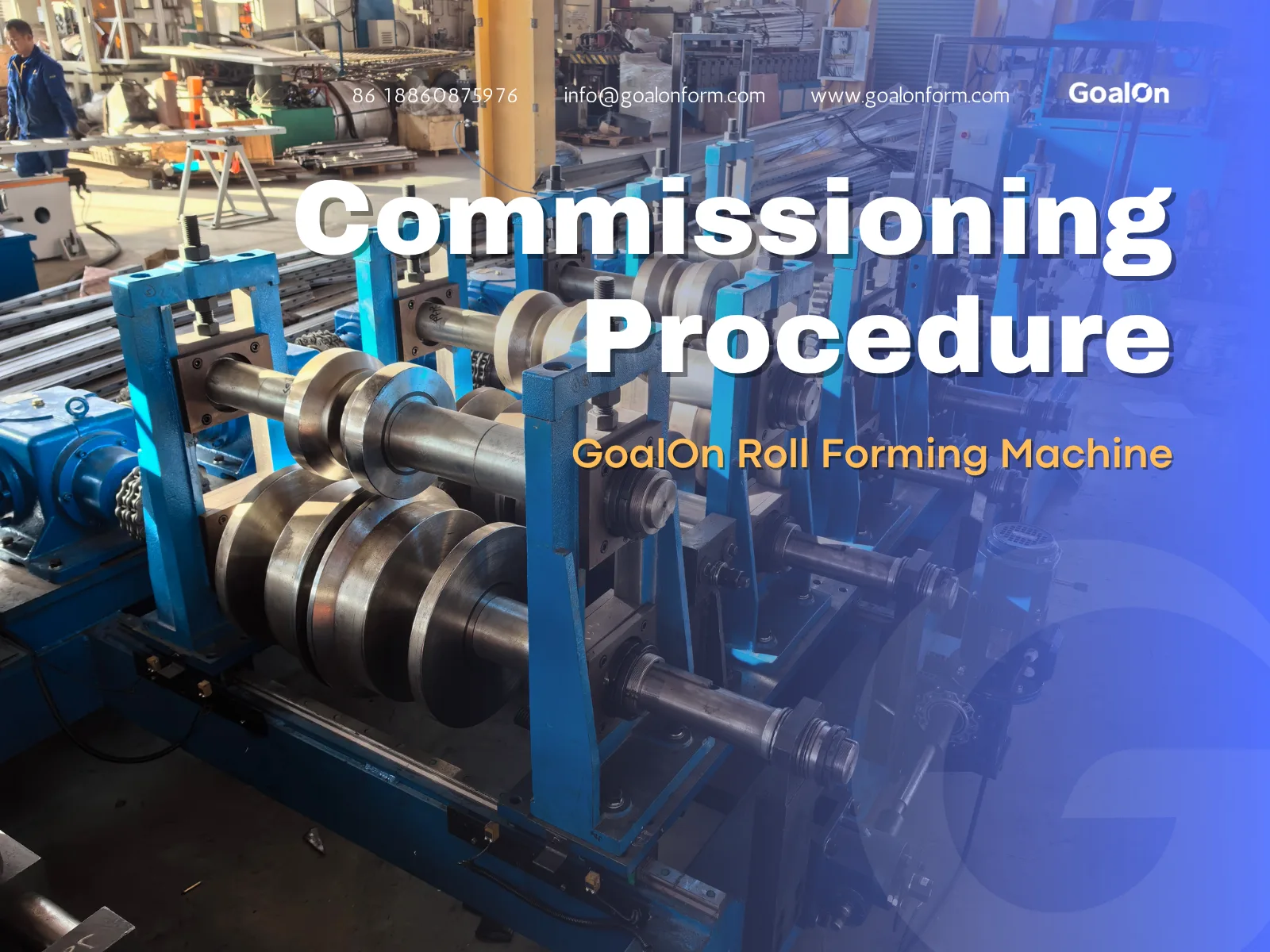
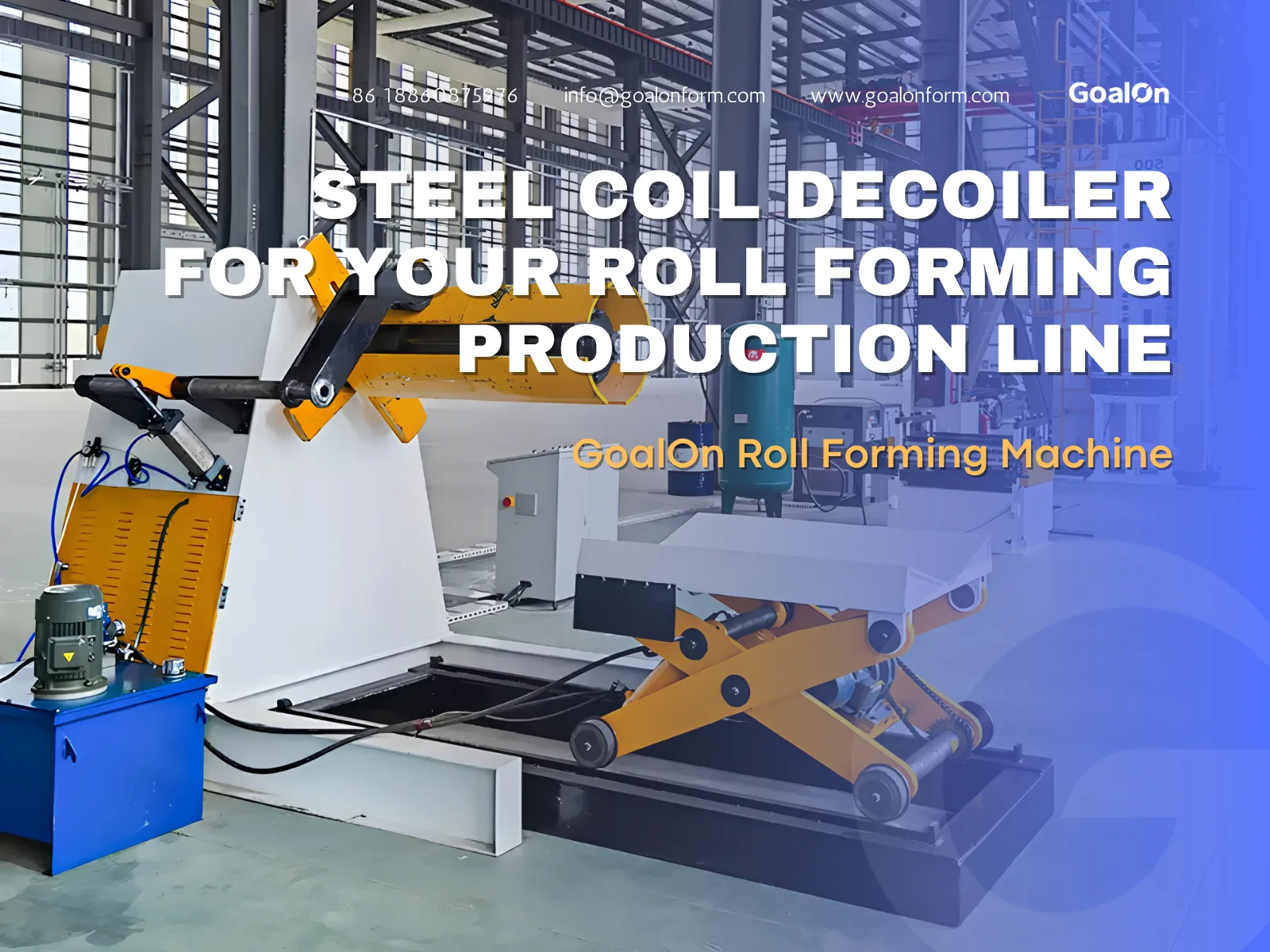
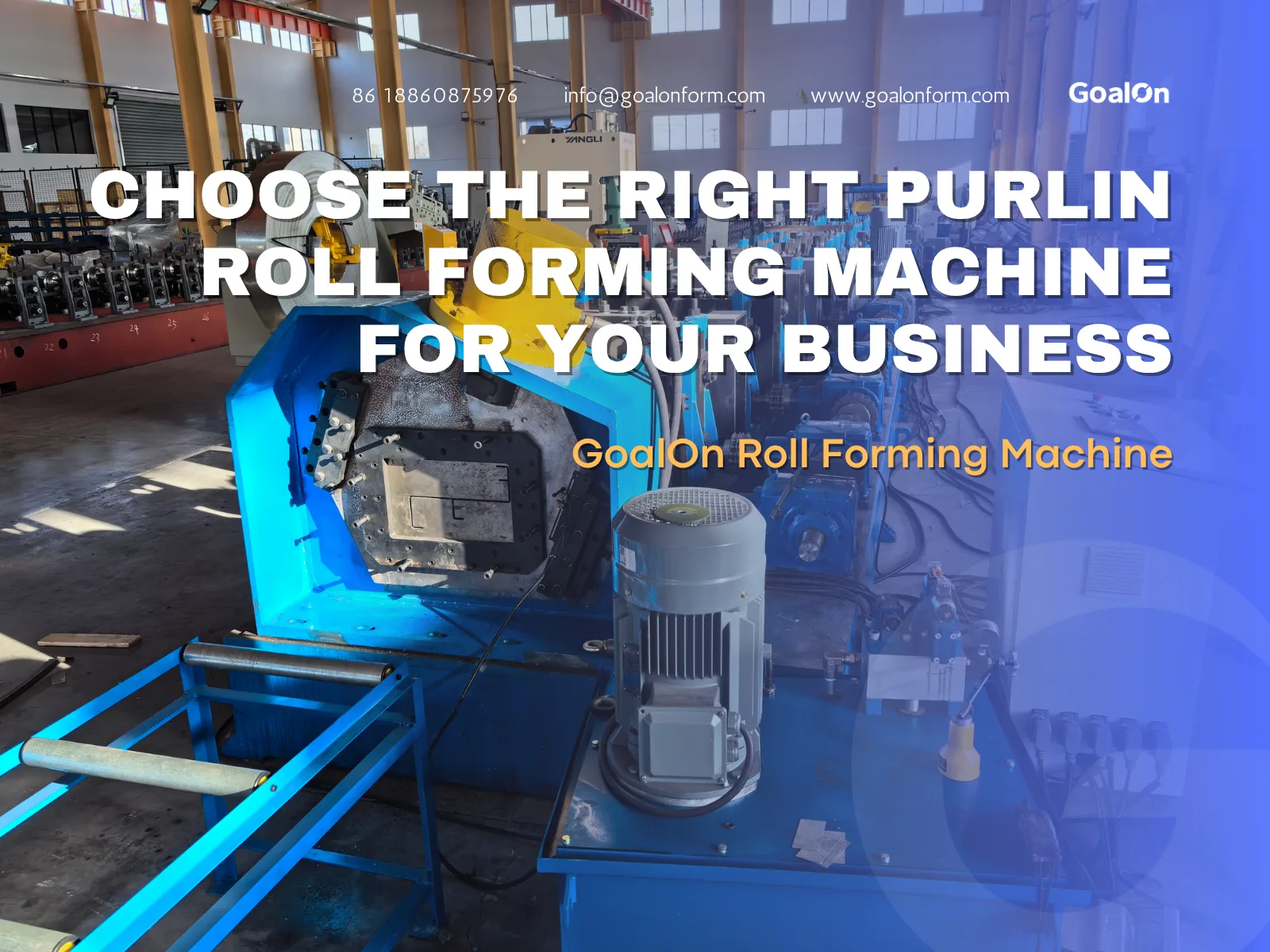
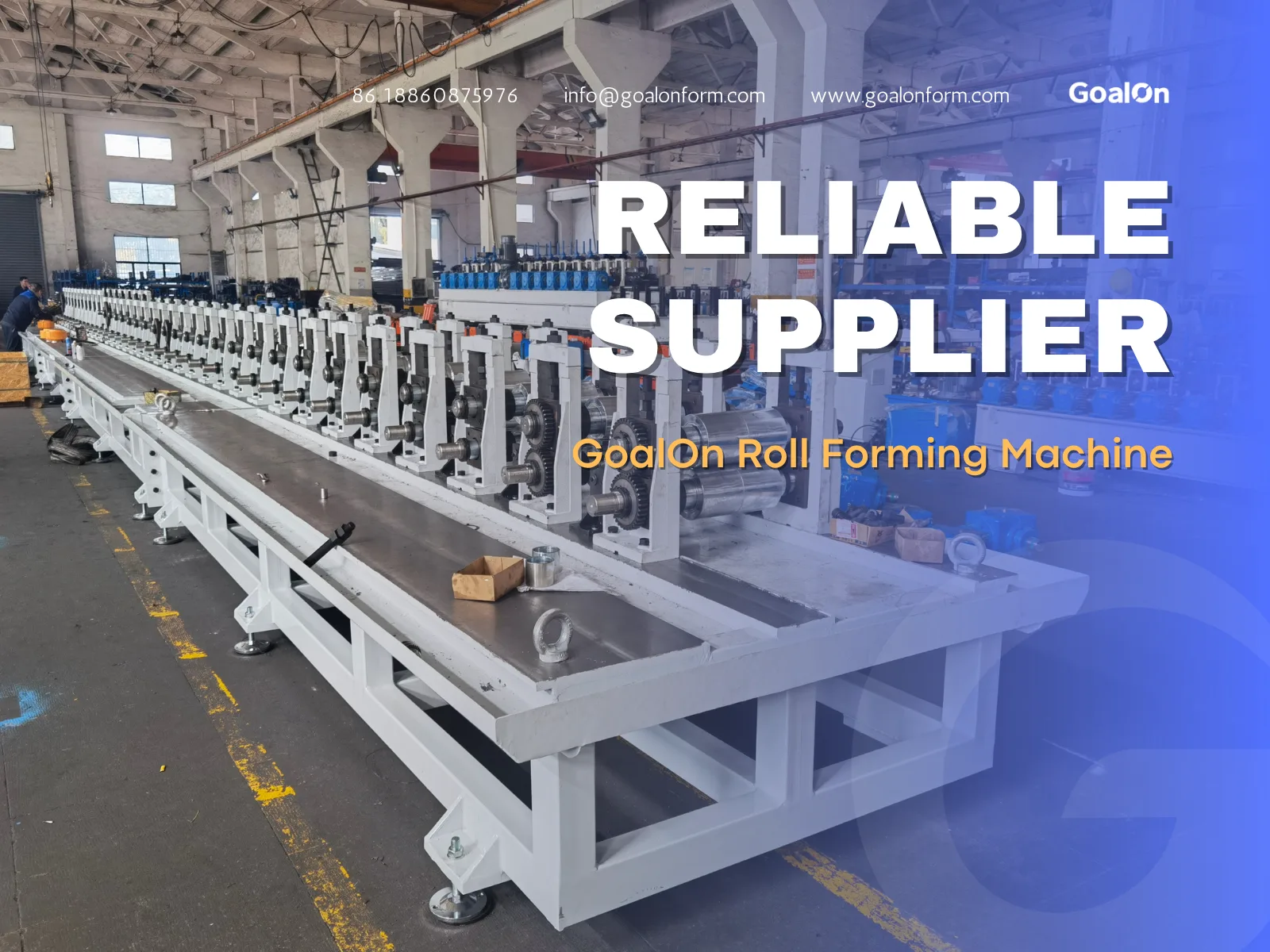
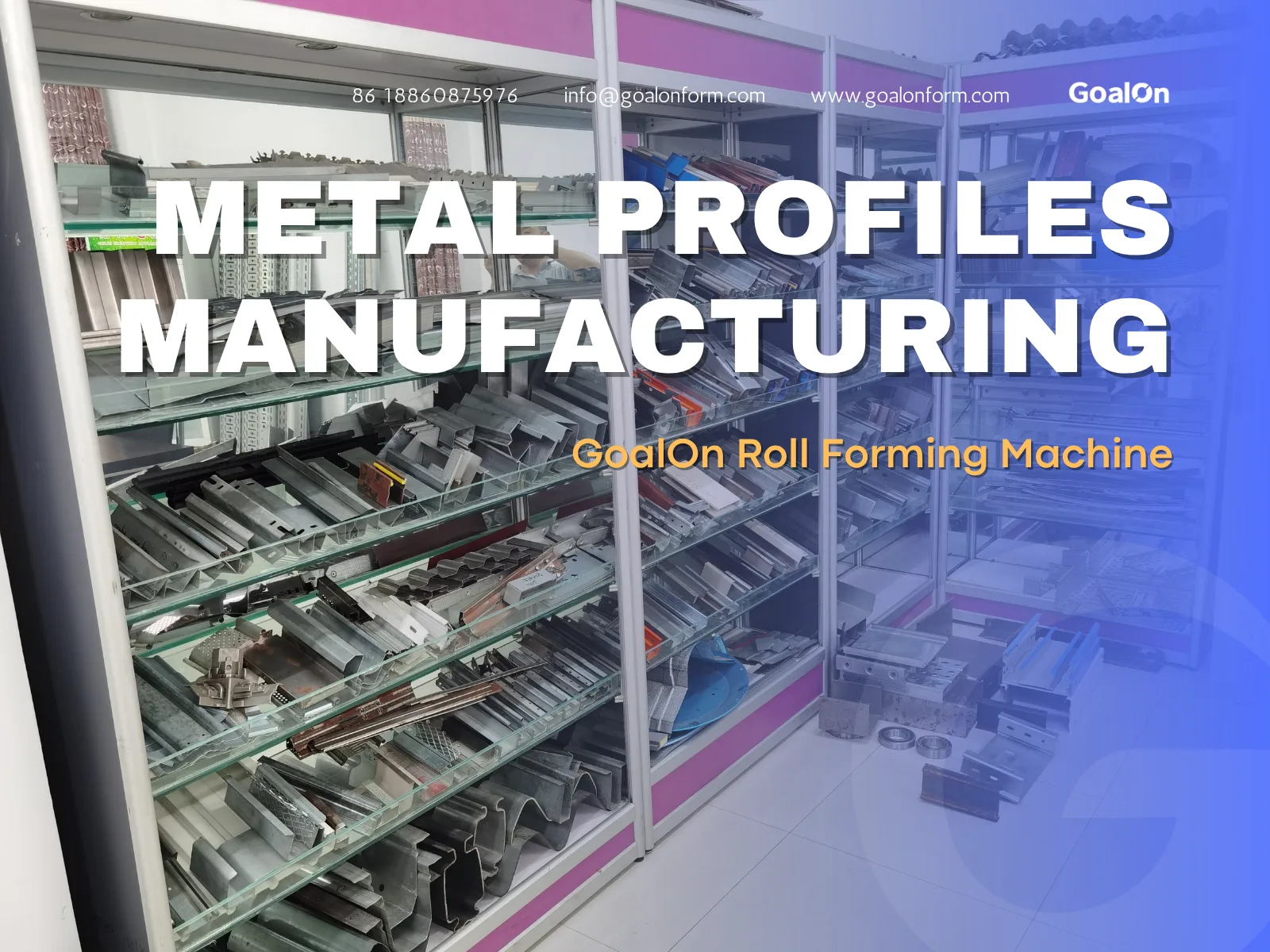
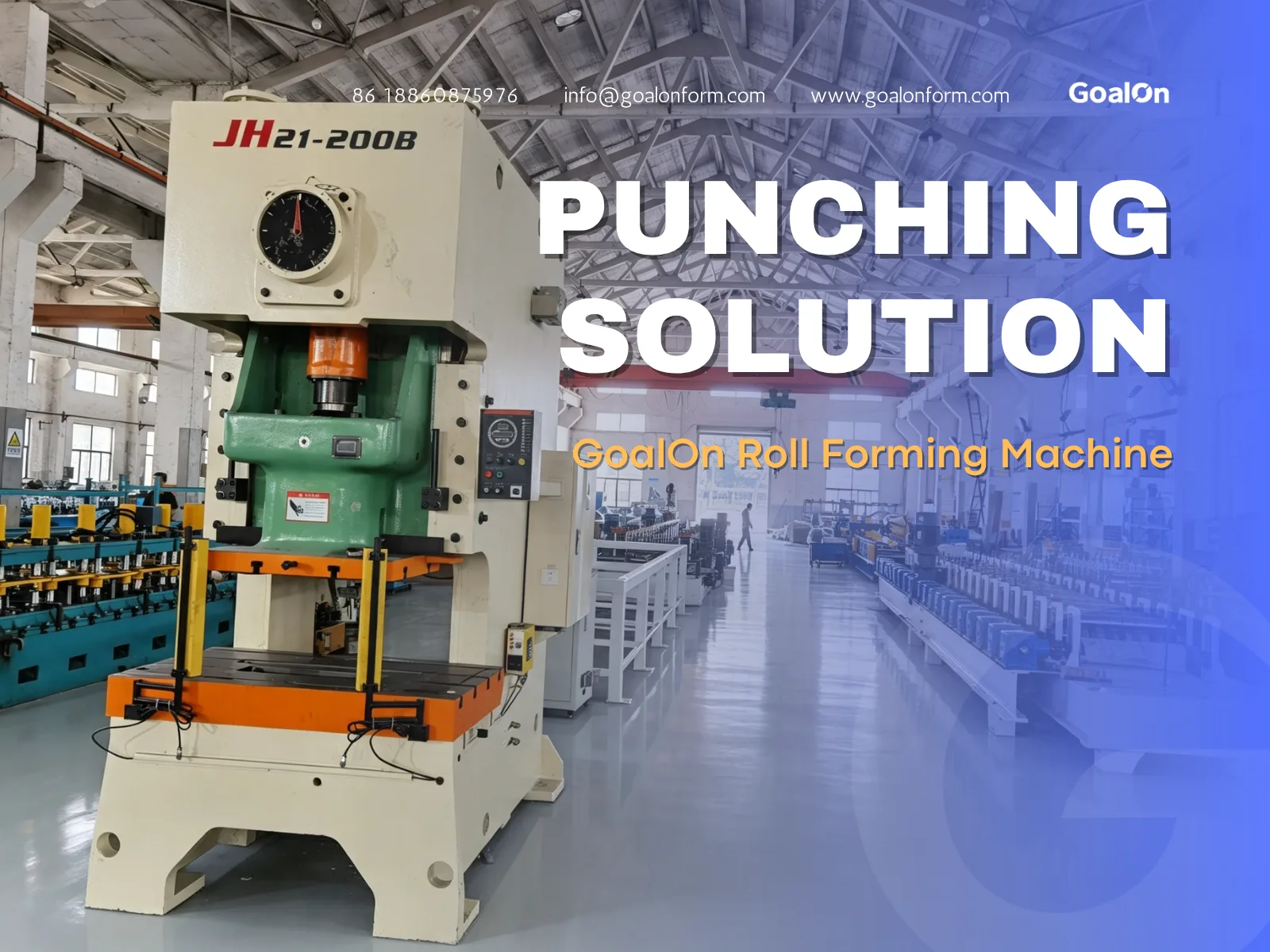
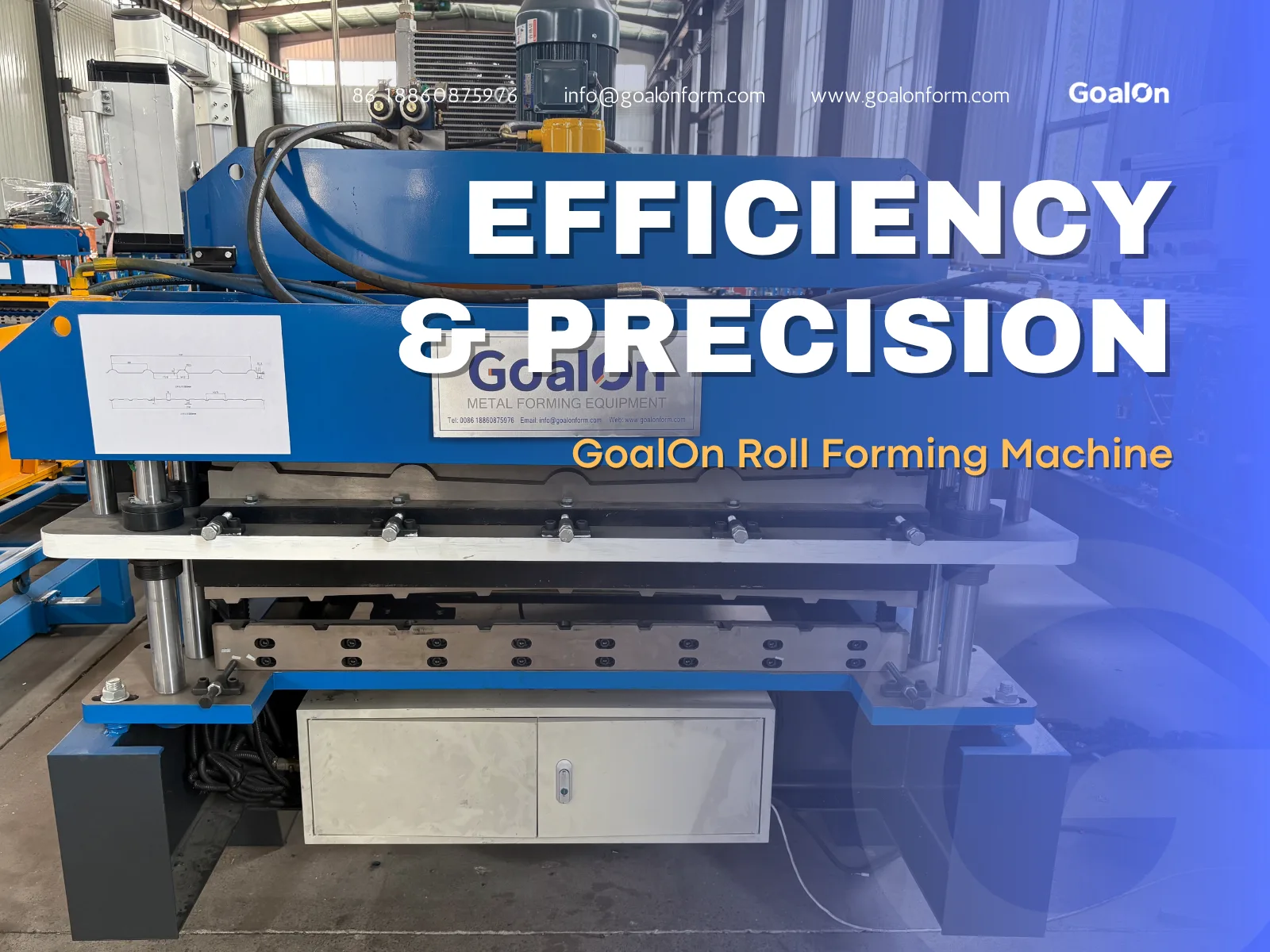
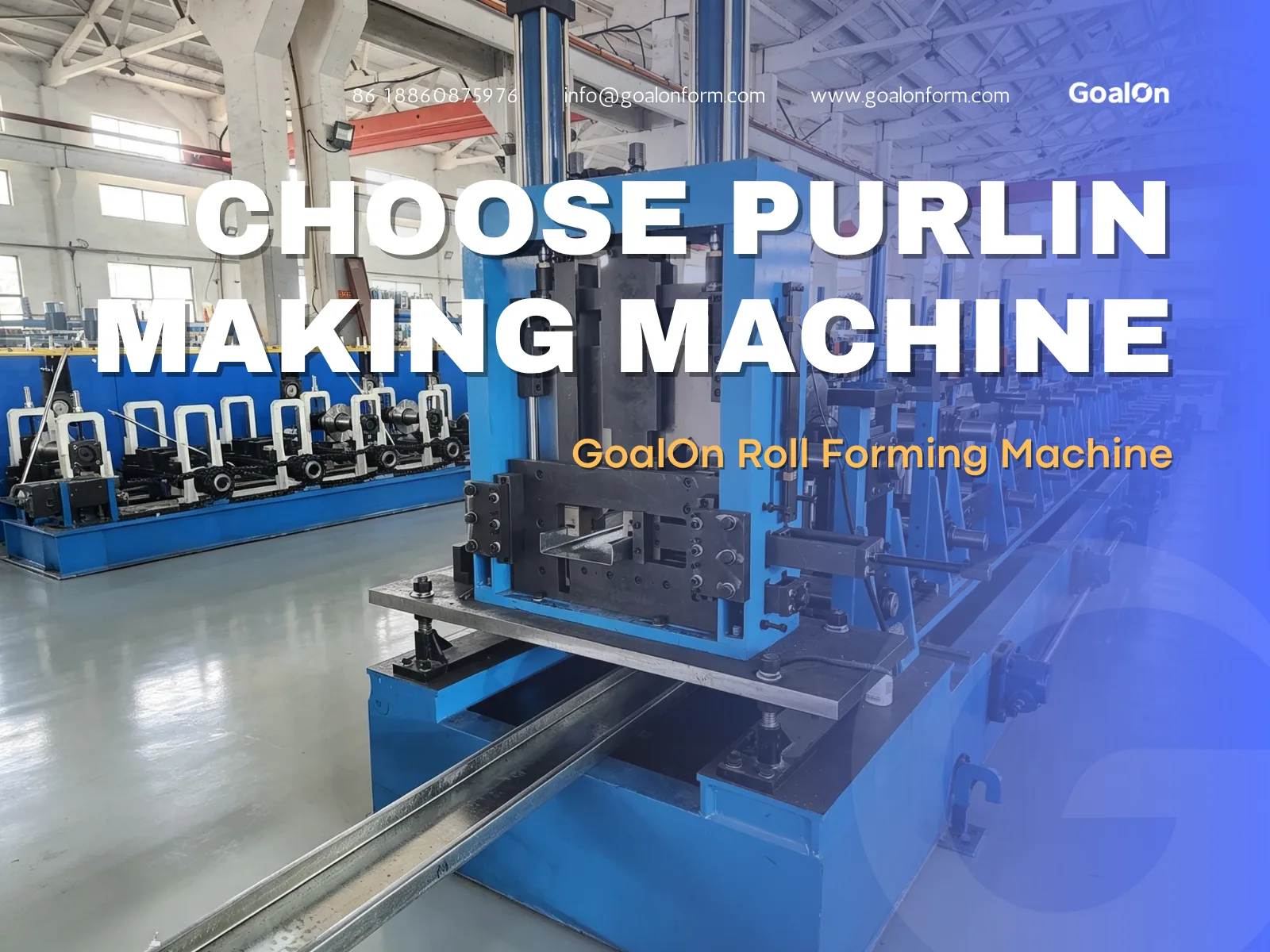
When I first started working with roll forming machines, I quickly realized that rollers are the heart of any roll forming line. The precision, surface finish, and overall efficiency of a roll forming machine largely depend on the quality of its rollers.

Poor rollers can cause profile deviations, scratches on the metal sheet, and frequent downtime—all issues that increase operational costs and reduce production efficiency. In this blog, I want to share practical insights on the factors that affect roller quality and what to look for when purchasing roll forming machines.
Roller Material Selection and Performance Requirements
One of the most critical factors that directly determines roller performance is material selection. Choosing the wrong material can lead to premature wear, cracking, and inconsistent product profiles.
- Common roller materials include:
- 45# Steel: Widely used for standard roll forming tasks, offers good toughness but limited wear resistance. Suitable for low to medium production speeds and softer sheet metals.
- Alloy Steel (Cr12MoV, Cr12): Offers excellent hardness and wear resistance after heat treatment, ideal for high-speed production lines and heavier gauge steel.
- Surface-hardened or coated rollers: Chromium plating, nitriding, or tungsten carbide coatings enhance durability, reduce friction, and prevent surface scratches on sensitive materials.
- Key performance considerations:
- Hardness and toughness balance: Rollers must be hard enough to resist wear but tough enough to avoid cracking under stress.
- Wear resistance: High-speed roll forming and repeated forming of high-strength steel demand rollers that maintain their profile over time.
- Corrosion resistance: For long-term performance, coatings or surface treatments prevent rust, which can affect sheet quality and production reliability.
From my experience in procurement and engineering, I always check the material certification, hardness testing results, and metallographic reports. High-quality rollers directly translate to higher accuracy, reduced maintenance costs, and longer machine life.
Heat Treatment and Surface Hardening
Even the best steel can fail if heat treatment is not properly executed. Quenching, tempering, or surface hardening processes must be carefully controlled. Improper heat treatment leads to uneven hardness, surface cracking, and rapid wear. For roll forming lines, I always verify the hardness distribution and depth of surface hardening, especially for high-speed forming rollers, because these directly affect forming consistency and sheet metal surface finish.
CNC Machining and Profile Accuracy
Rollers must be machined with high precision to ensure the final profile matches design specifications. I recommend checking tolerances, surface roughness, and concentricity. CNC grinding and turning produce consistent rollers, but even small deviations in profile can cause shape errors in C, Z, or trapezoidal sheets on your roll forming machine. When I evaluate suppliers, I use coordinate measuring machines (CMMs) to verify roller accuracy before placing large orders.
Roller Design and Production Line Compatibility
Different profiles—whether C/Z purlins, wall panels, or guardrails—require rollers designed to match the forming process. Improper design or inadequate stage sequencing can lead to material stretching, uneven bending, or excessive springback. I always recommend testing a small batch on a prototype roller to ensure the line performs consistently under real production conditions.
Surface Finish and Coating
The surface finish of rollers directly affects the metal sheet’s appearance and reduces friction. Chrome plating or nitriding increases roller lifespan and maintains surface smoothness, which is especially important for forming high-gloss or pre-painted sheets. I often advise clients to inspect coating thickness, adhesion quality, and surface roughness before committing to a supplier.
Bearings, Alignment, and Installation
Even high-quality rollers fail if they are not properly installed. Bearings must be precise, and alignment must be checked for parallelism and coaxiality. Misalignment leads to uneven sheet thickness, deviations in profile, and accelerated wear. Routine inspection and adjustment are part of standard roll forming machine maintenance and prevent costly downtime.
Production Parameters and Operational Factors
Roll forming is sensitive to operational factors such as line speed, material feed rate, and thickness. I have seen lines where mismatched speeds or improper springback compensation caused significant roller damage. Adjusting forming speed according to sheet thickness and strength can greatly extend roller life.
Daily Maintenance and Lifespan Management
Routine maintenance is not optional—it is essential. I recommend regular cleaning, lubrication, and measurement of roller wear. Logging production volumes and material types helps predict when rollers should be replaced before quality drops, reducing scrap and downtime. Proper maintenance is one of the most effective ways to maximize the ROI on your forming rolling machines.
Purchasing and Quality Evaluation Guide
From my years in procurement, I can confidently say that buying high-quality rollers is just as important as choosing the right roll forming machine. Here are the steps I take to ensure the rollers I purchase are up to standard:
- Verify material and certification: Request detailed material certificates, hardness tests, and metallographic reports.
- Inspect sample rollers: Small-batch trial runs reveal potential issues with wear, surface finish, or dimensional stability.
- Check machining precision: Use a CMM or visual inspection to confirm tolerances and roundness meet specifications.
- Evaluate coatings and treatments: Assess chrome plating or nitriding thickness and adhesion to prevent early failure.
- Assess supplier reliability: Choose suppliers with proven experience in high-speed, heavy-duty roll forming applications.
High-quality rollers reduce downtime, minimize scrap, and maintain consistent production. I always recommend that buyers view roller quality as an investment—cutting corners here will cost far more in lost production and maintenance expenses over time.
Conclusão
Rollers are the backbone of any roll forming line. From material selection to machining, surface treatment, and maintenance, every factor impacts the precision, efficiency, and profitability of your roll forming operation. By carefully evaluating roller materials, production quality, and supplier reliability, you can ensure your roll forming machine delivers consistent, high-quality profiles for years to come.
If you are looking for reliable roll forming machines, I highly recommend checking out Goalon Machinery, where I source my equipment. Investing in high-quality rollers today ensures smoother production, better product quality, and long-term savings.