In modern steel construction, roofing systems are no longer just protective layers — they are engineered components that directly influence structural safety, installation efficiency, and lifecycle cost. Among all available profiles, the IBR trapezoidal roof sheet has become one of the most widely adopted solutions in global markets due to its balance of strength, economy, and installation convenience.
At the center of this production ecosystem is the IBR Trapezoidal Roof Panel Roll Forming Machine, a continuously operating production line that transforms steel coils into precise roofing profiles with high repeatability and industrial efficiency.
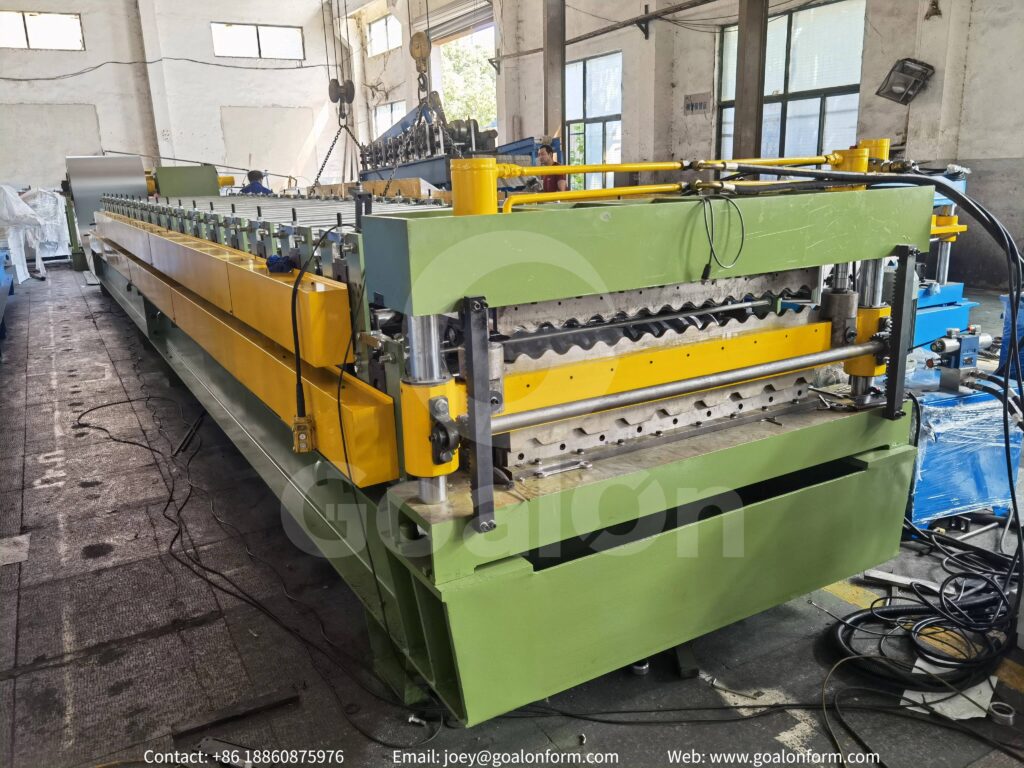
For construction companies, metal roofing manufacturers, and trading firms, understanding this system is not only a technical requirement but also a key factor in evaluating long-term production competitiveness.
Why IBR Roof Profiles Dominate Global Roofing Applications
The IBR profile (Inverted Box Rib) is designed based on structural mechanics principles, where alternating ribs and flat zones increase stiffness without significantly increasing material usage. This makes it highly suitable for cost-sensitive yet performance-driven markets.
From an engineering standpoint, the profile works because of moment of inertia optimization, where the trapezoidal geometry significantly improves bending resistance compared to flat sheets of the same thickness.
Typical applications include industrial roofing, warehouses, agricultural buildings, residential garages, and prefab structures. In many developing markets, the IBR profile has become a standardized roofing solution due to its compatibility with widely available steel grades such as galvanized and prepainted coils.
Common production parameters usually include:
- Material thickness range: 0.3–0.8mm
- Coil width: typically 925mm to 1220mm depending on regional standards
- Effective coverage width: commonly 686mm or 890mm
The profile’s popularity is also driven by its drainage efficiency and overlapping installation design, which reduces labor dependency during construction.
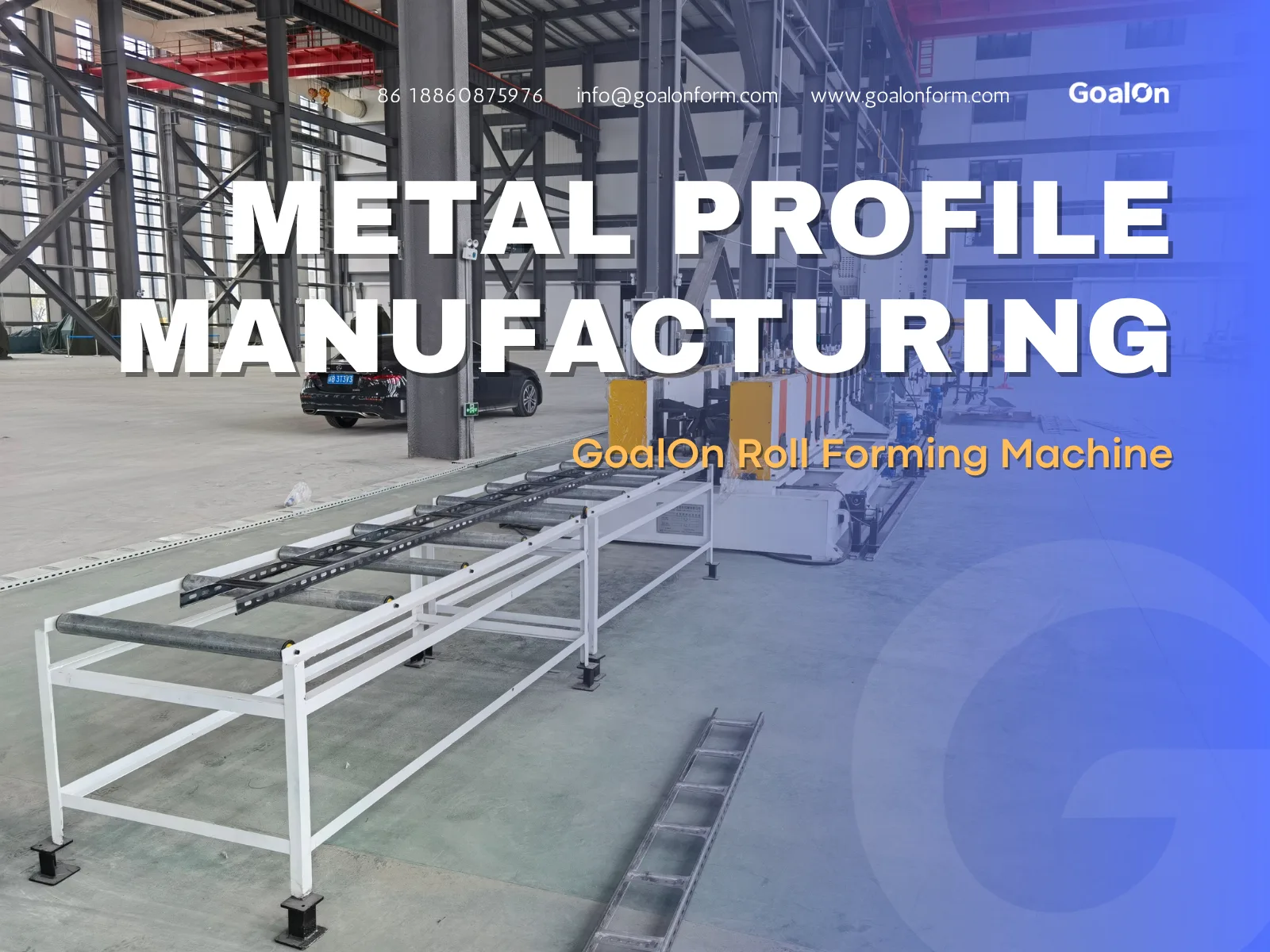
Structural Overview of an IBR Roll Forming Production Line
An IBR roll forming system is not a single machine but a coordinated production line integrating mechanical, hydraulic, and electrical subsystems.
A standard configuration typically includes:
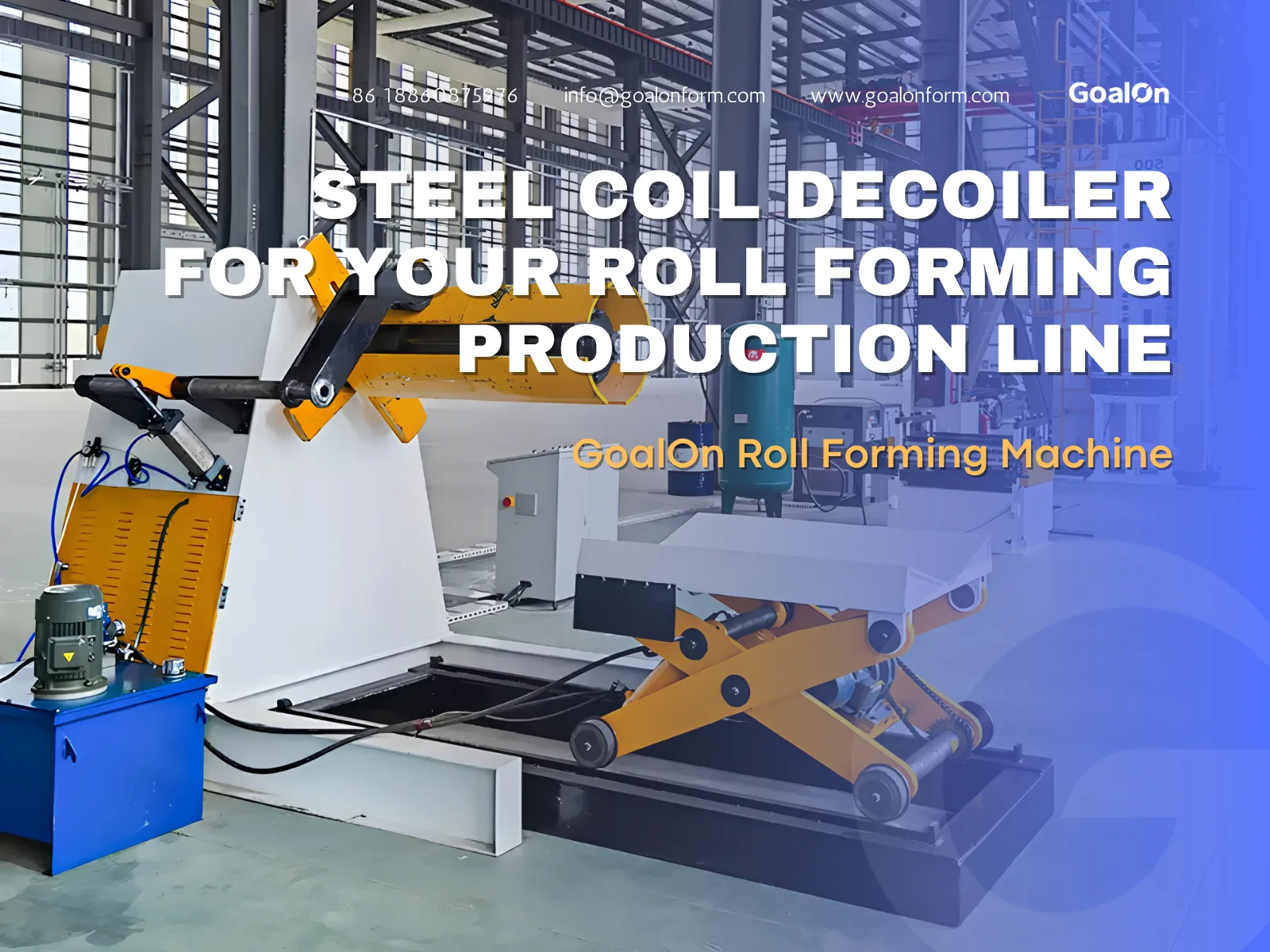
- Hydraulic decoiler system (5T–10T capacity)
- Entry guide and leveling alignment section
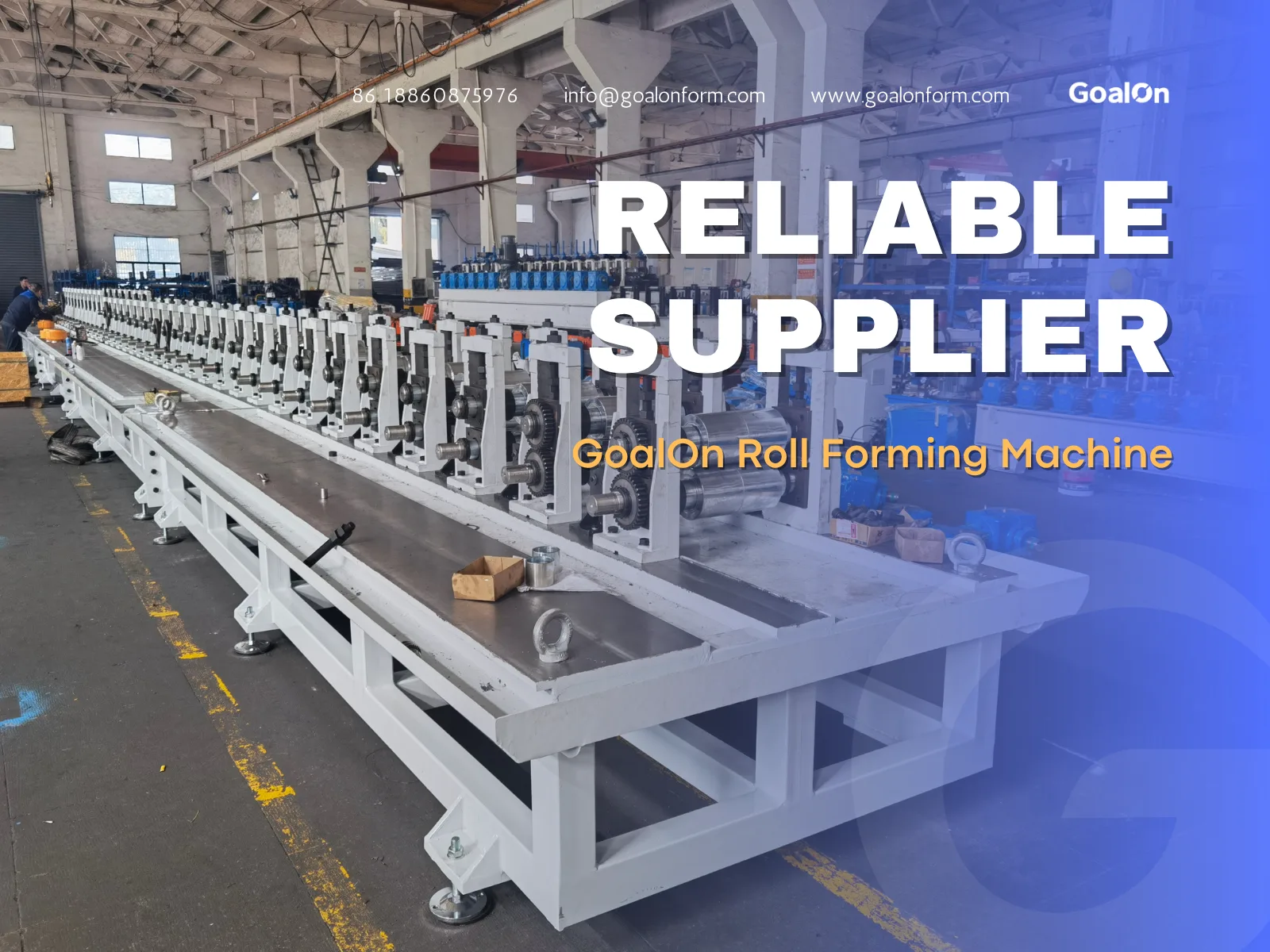
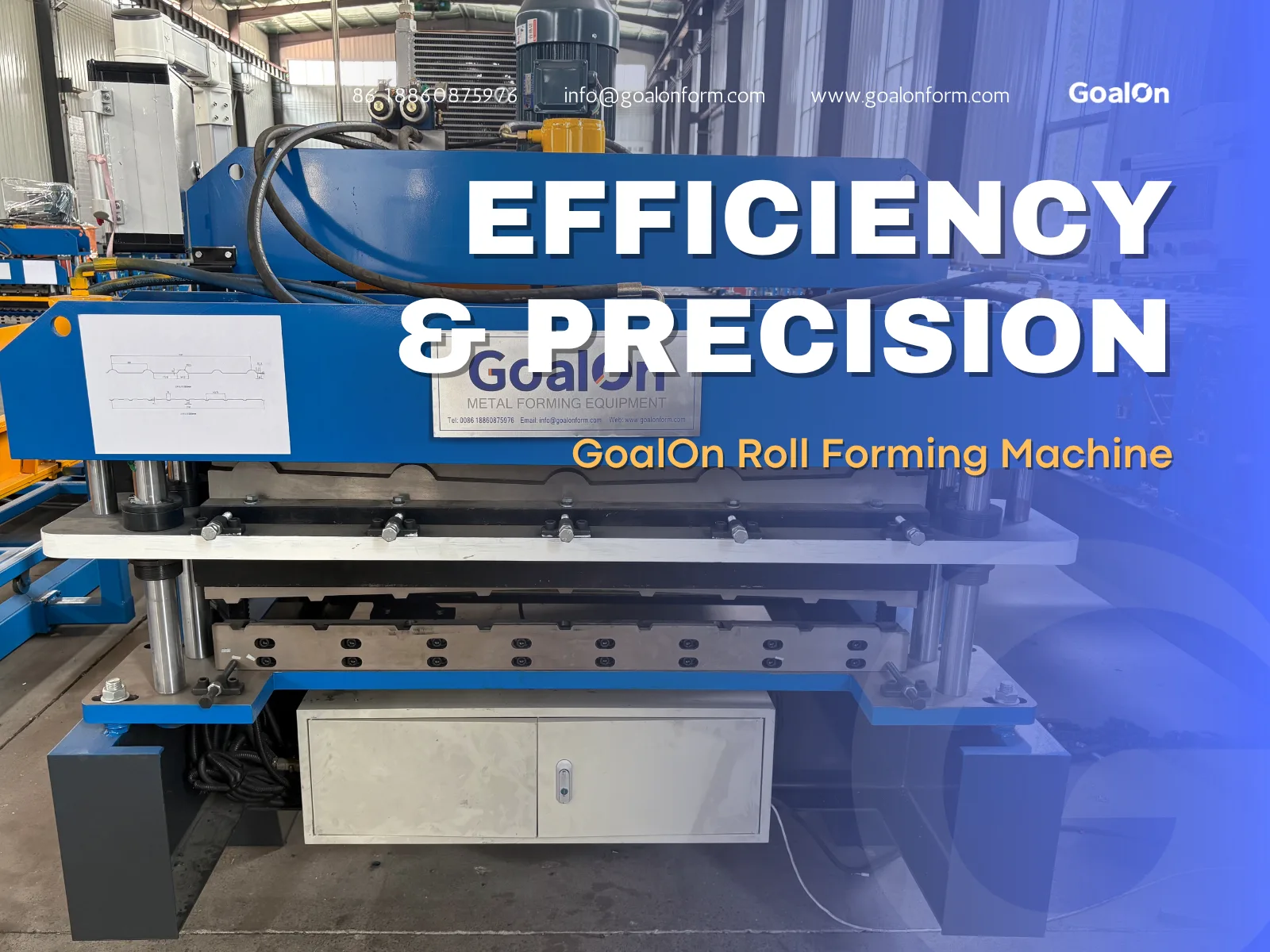
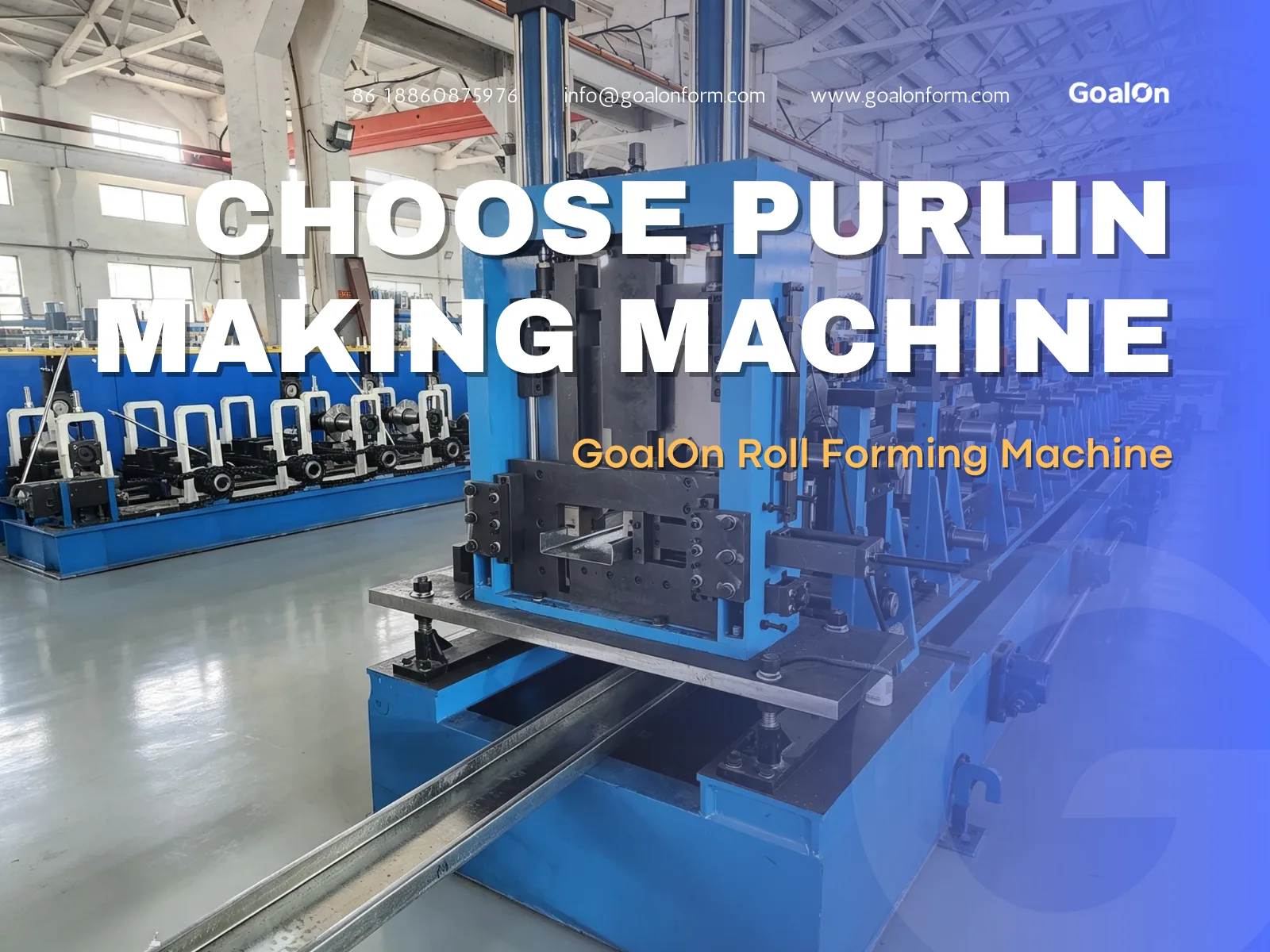
- Roll forming main machine (14–18 forming stands)
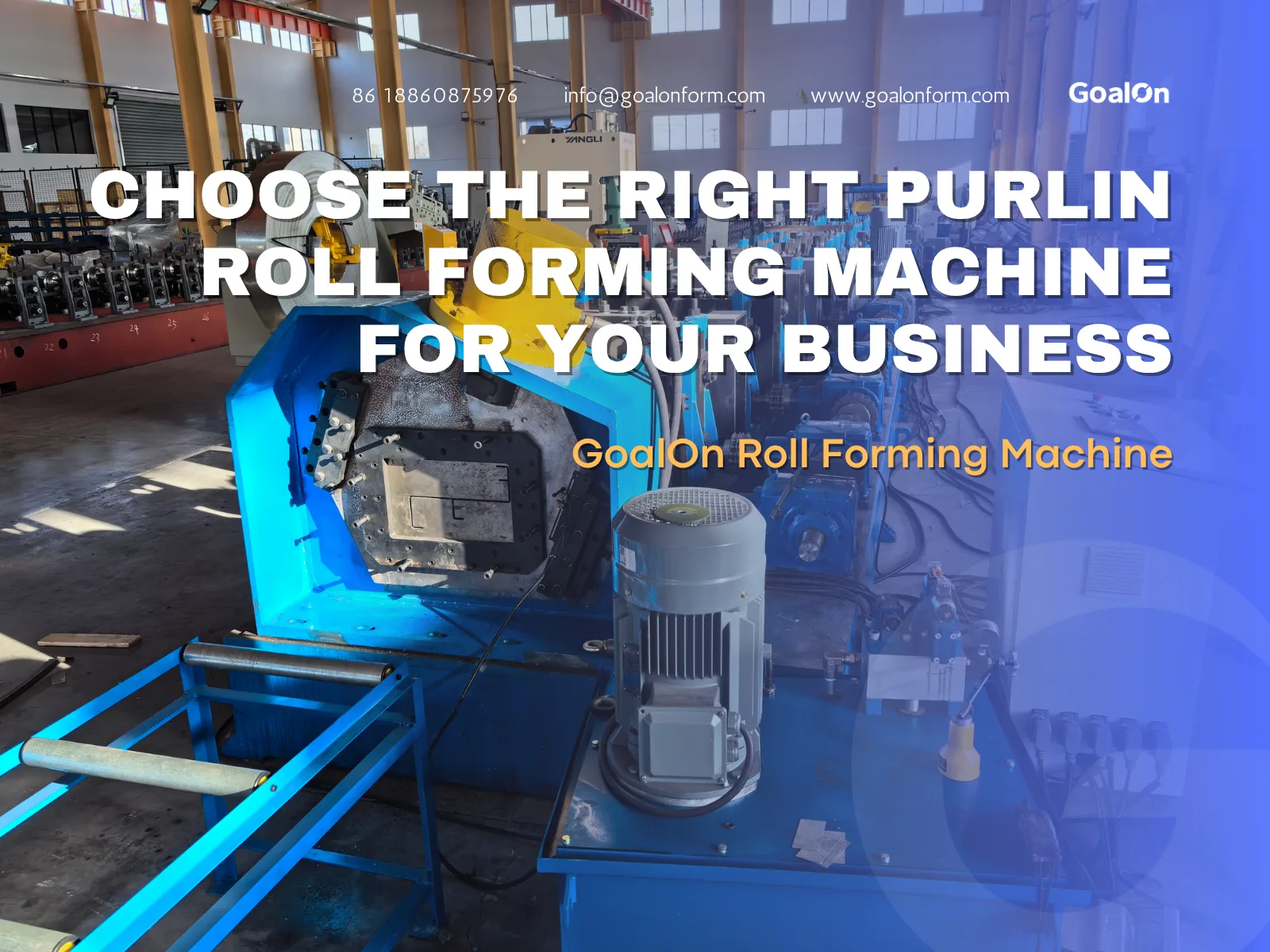
- Hydraulic cutting system or servo fly shear
- PLC control system with HMI touchscreen
- Output run-out table or automatic stacking system
Each module plays a critical role in maintaining dimensional accuracy and production continuity.
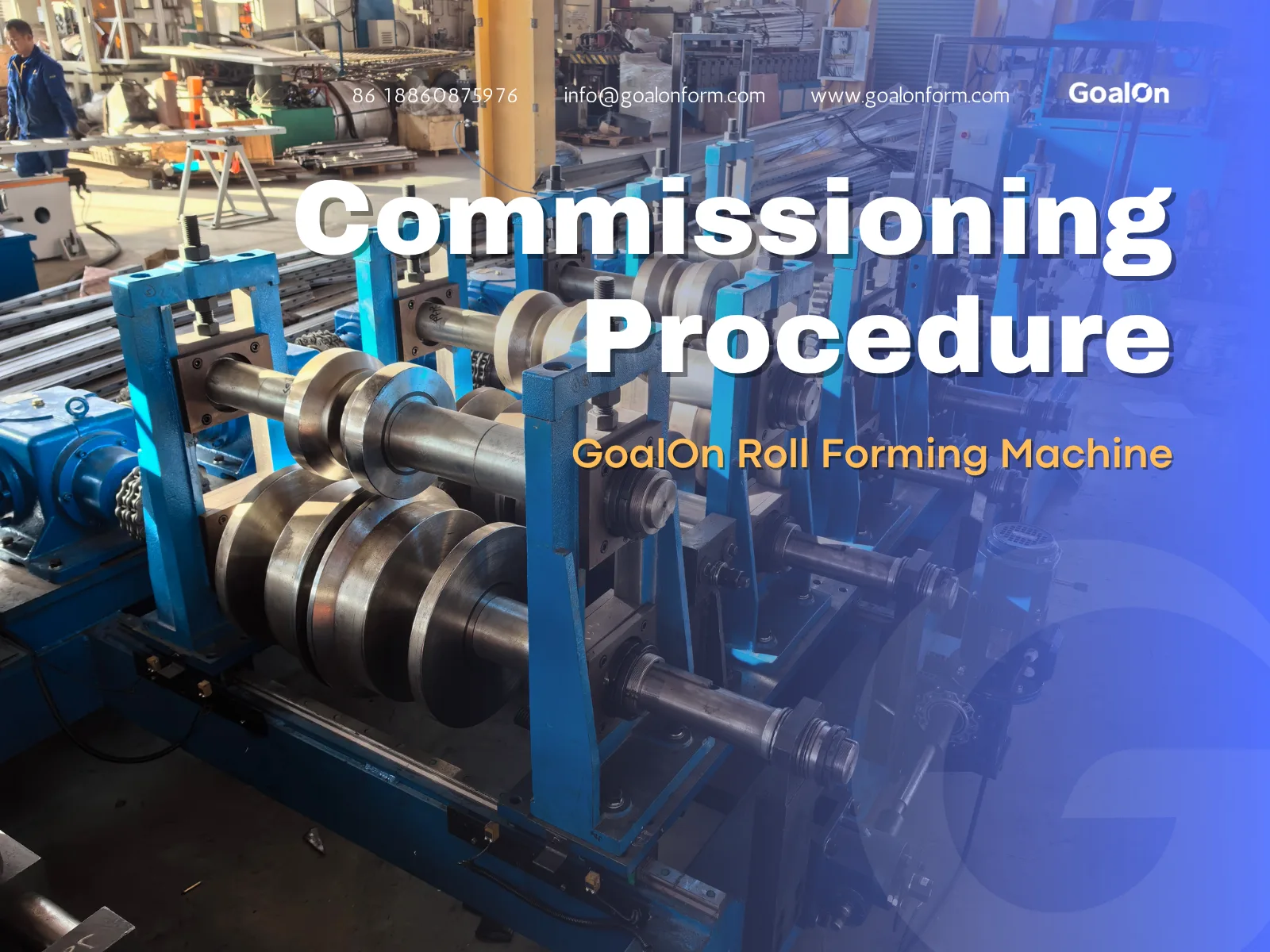
From a manufacturing engineering perspective, the most critical subsystem is the forming section, where progressive deformation occurs through precisely designed roller stations. These rollers are typically manufactured using Aço para rolamentos GCr15, CNC-machined, heat-treated, and finished with hard chrome plating to ensure wear resistance and surface stability during long-term operation.
Working Principle: Controlled Plastic Deformation Process
The IBR roll forming process is based on continuous cold plastic deformation. Unlike stamping or press forming, the material is shaped gradually, which reduces internal stress and improves dimensional stability.
The process can be divided into four key stages:
1. Coil Feeding and Alignment
The steel coil is loaded onto the decoiler and fed into the system through guide rollers. Proper alignment at this stage is essential to avoid cumulative deviation during forming.
2. Progressive Roll Forming
As the strip passes through sequential roller stations, each set performs a small incremental deformation. This staged shaping method ensures the material reaches final geometry without cracking or surface damage.
The forming precision is heavily dependent on roller profile accuracy and stand alignment tolerance, which directly affects final panel flatness.
3. Length Measurement and Cutting
Once the required length is reached, the control system triggers either a hydraulic post-cutting unit or a servo fly-cutting system. The choice depends on production speed requirements and surface quality expectations.
Fly-cut systems allow continuous production without line stoppage, significantly improving output efficiency in high-volume manufacturing environments.
4. Output and Stacking
Finished panels are transferred to the run-out table, where they are collected manually or by an optional automatic stacking system for packaging and transportation.
Critical Engineering Parameters That Determine Machine Quality
For buyers and engineers, machine selection should never be based only on price. The long-term performance of an IBR production line depends on several technical factors:
Frame Structure Rigidity
A heavy-duty frame made from 350H or 400H structural steel ensures stability during continuous operation. Frame rigidity directly influences vibration levels, which in turn affect profile accuracy.
Transmission System Design
Chain drive systems are cost-effective, while gearbox-driven transmission systems provide higher synchronization accuracy and reduced mechanical backlash, especially important for high-speed production.
Roller Material and Heat Treatment
High-quality rollers are typically made from GCr15 steel with quenching and tempering treatment, followed by CNC machining and chrome plating. This ensures wear resistance and consistent forming geometry over long production cycles.
Cutting Precision System
Hydraulic cutting systems are widely used due to their reliability and simplicity. However, servo-controlled fly cutting systems provide higher precision and eliminate production interruptions, making them ideal for export-grade production lines.
Control System Intelligence
Modern systems use PLC controllers from brands like Siemens or Delta, combined with HMI touchscreens. Advanced systems allow operators to control:
- Sheet length programming
- Batch quantity automation
- Speed adjustment
- Diagnóstico de avarias
Optional Configurations for Market-Specific Requirements
Depending on regional demand and product positioning, several optional systems can be integrated:
- Protective film laminating system for coated steel sheets
- Embossing rollers for anti-slip or decorative textures
- Automatic stacking and packing systems
- Double-layer or quick-change profile systems for multi-product production
These upgrades are especially valuable for manufacturers targeting diversified roofing markets.
Why IBR Roll Forming Machines Remain a High-Demand Investment
From a commercial perspective, the continued dominance of IBR profiles is driven by structural and economic advantages:
- High strength-to-weight ratio, enabling material savings
- Excellent rainwater drainage due to trapezoidal geometry
- Fast installation with overlapping sheet design
- Wide acceptance in Africa, South America, and Southeast Asia
- Compatibility with multiple steel coatings such as galvanized and PPGI (pre-painted galvanized iron)
For manufacturers, this translates into stable demand and predictable production cycles, making the production line a relatively low-risk capital investment.
Buyer-Oriented Evaluation Checklist
When evaluating suppliers, experienced buyers typically focus on engineering verification rather than promotional claims:
- Confirm exact profile drawing (rib height, pitch, effective width)
- Request real production videos under load conditions
- Verify material adaptability across thickness ranges
- Check forming speed consistency under continuous operation
- Evaluate after-sales support, spare parts availability, and installation guidance
- Review warranty terms (commonly 12–18 months)
These checks ensure that the production line performs reliably in real industrial environments, not just in test conditions.
Technical Specification Overview
- Espessura do material: 0.3–0.8mm
- Forming stations: 14–18
- Production speed: 12–30 m/min (depending on configuration)
- Drive system: chain or gearbox
- Cutting system: hydraulic / servo fly shear
- Control system: PLC + HMI touchscreen
- Material compatibility: galvanized steel, galvalume, PPGI
All parameters can be customized according to local building standards and market requirements.
Application Scope Across Industries
IBR roofing panels are widely used in:
- Industrial and commercial buildings
- Residential roofing systems
- Agricultural storage facilities
- Prefabricated construction systems
- Wall cladding and enclosure systems
This broad applicability ensures consistent demand across multiple construction sectors.
Conclusion: Engineering Value Beyond Simple Production
The IBR Trapezoidal Roof Panel Roll Forming Machine is not just a fabrication unit — it is a complete industrial system integrating mechanical precision, automation control, and continuous production engineering.
For manufacturers, its value lies in three core aspects: dimensional stability, production efficiency, and market adaptability. When properly configured, it becomes a long-term production asset capable of supporting large-scale roofing material supply with minimal operational cost.
As global construction continues shifting toward steel-based, modular, and cost-efficient building systems, investing in a well-designed IBR roll forming line is no longer optional — it is a strategic manufacturing decision that directly impacts competitiveness in the international market.