When investing in a roll forming machine or a complete roll forming line, manufacturers often focus solely on machine specifications, production capacity, and material compatibility. While these are critical, one factor frequently overlooked is the workshop layout.
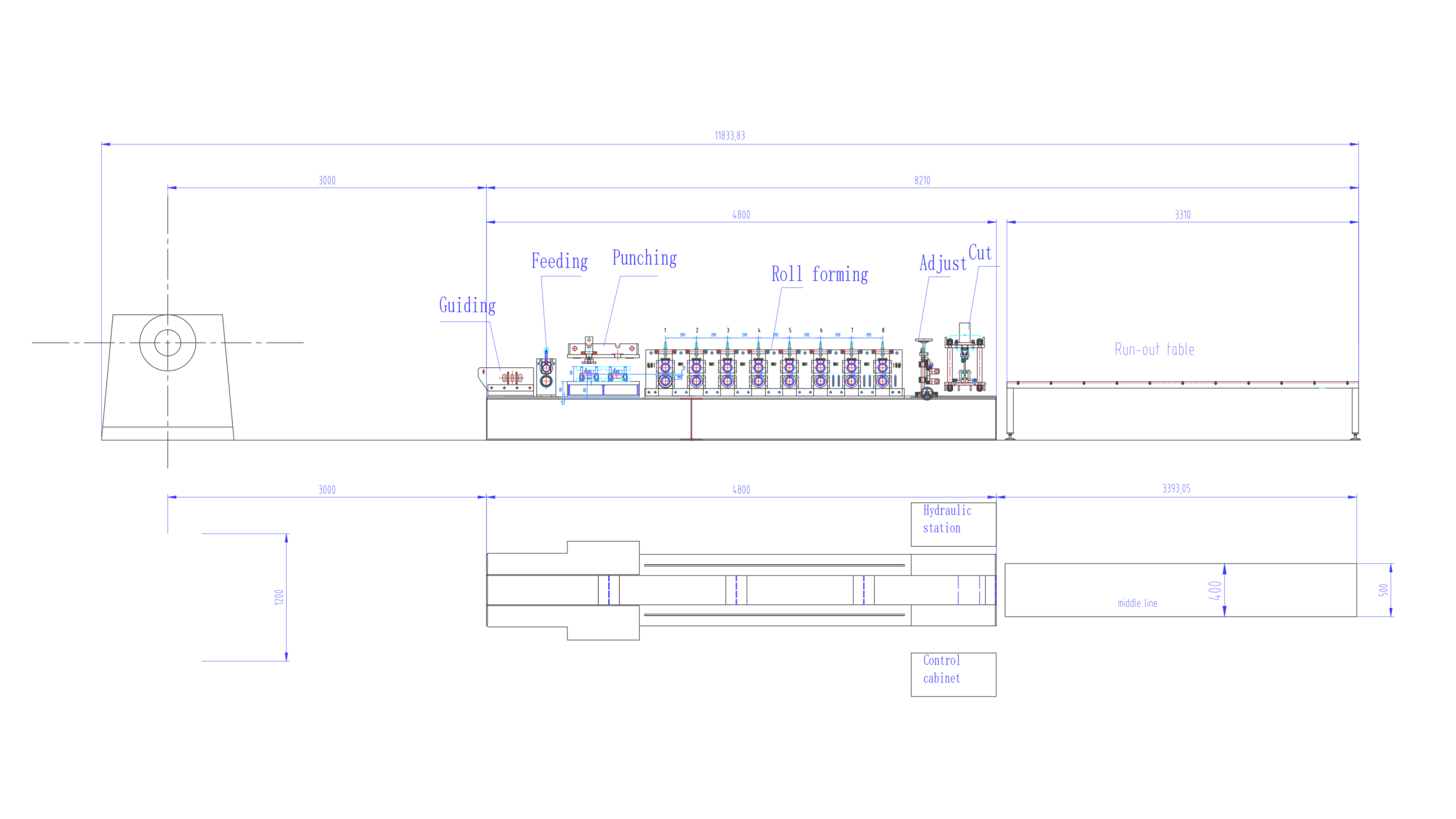
Proper placement of forming rolling machines in your production space directly impacts operational efficiency, safety, and long-term maintenance. In my years as a purchasing engineer and roll forming line specialist, I have seen many workshops where suboptimal layouts caused unnecessary downtime, safety risks, and reduced output.
In this blog, I will share practical guidance on arranging your roll forming machines in a workshop, helping you maximize efficiency and minimize risks.
Understanding the Modules of a Roll Forming Line
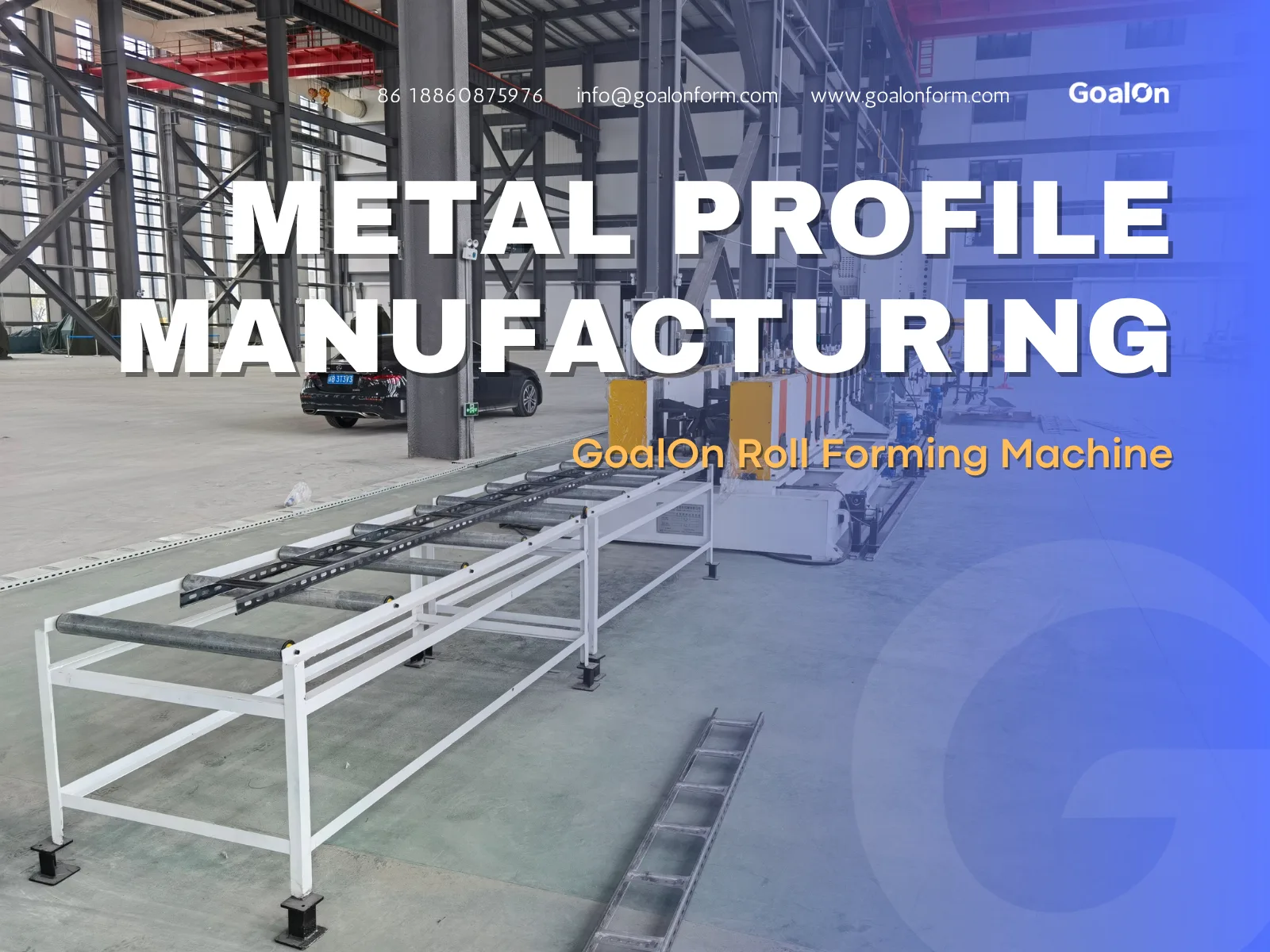
A standard roll forming line typically consists of several modules:
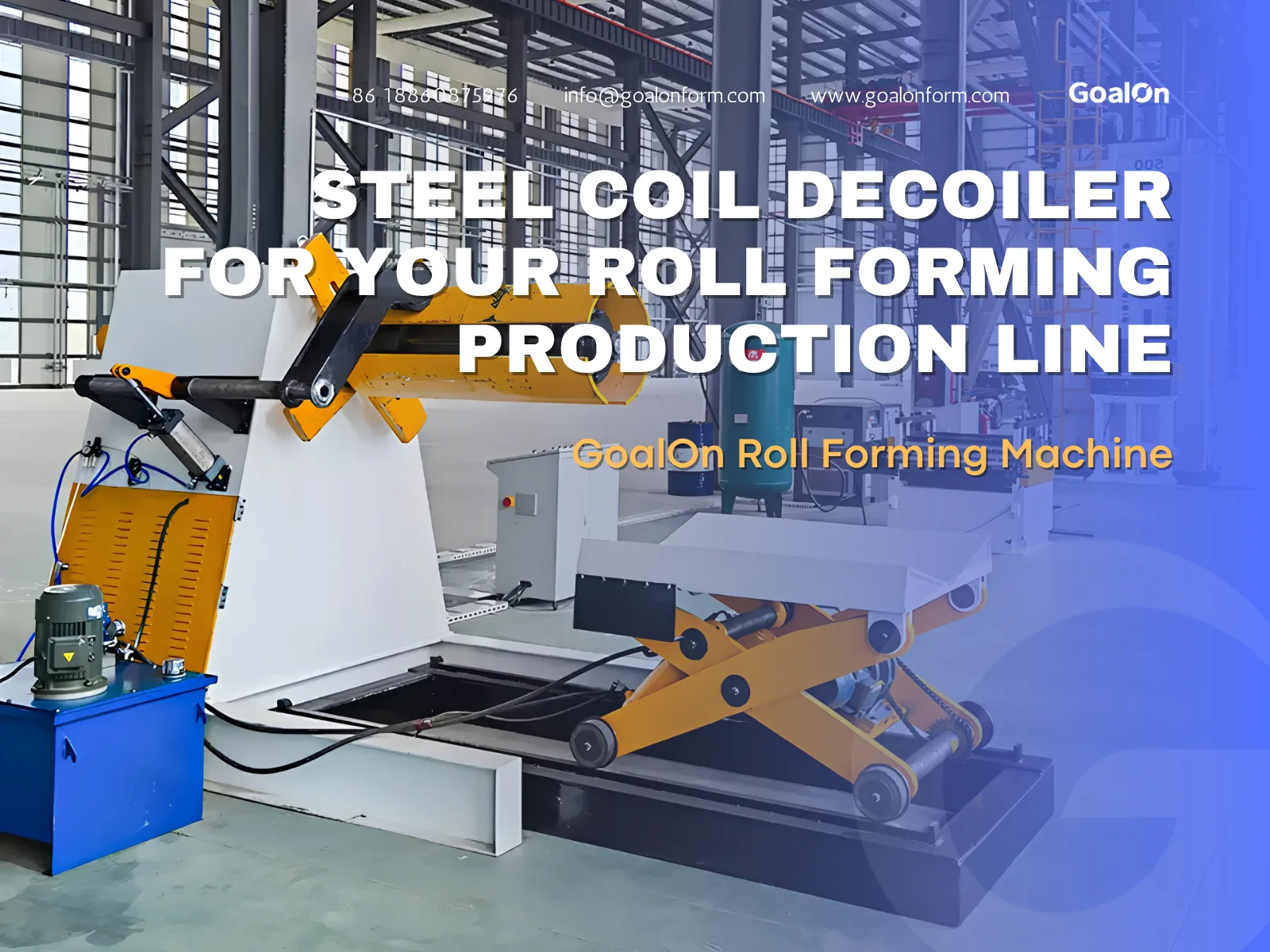
- Decoiler / Uncoiler – feeds raw material into the line.
- Leveling/Flattening Station – ensures the sheet or coil is flat for precise forming.
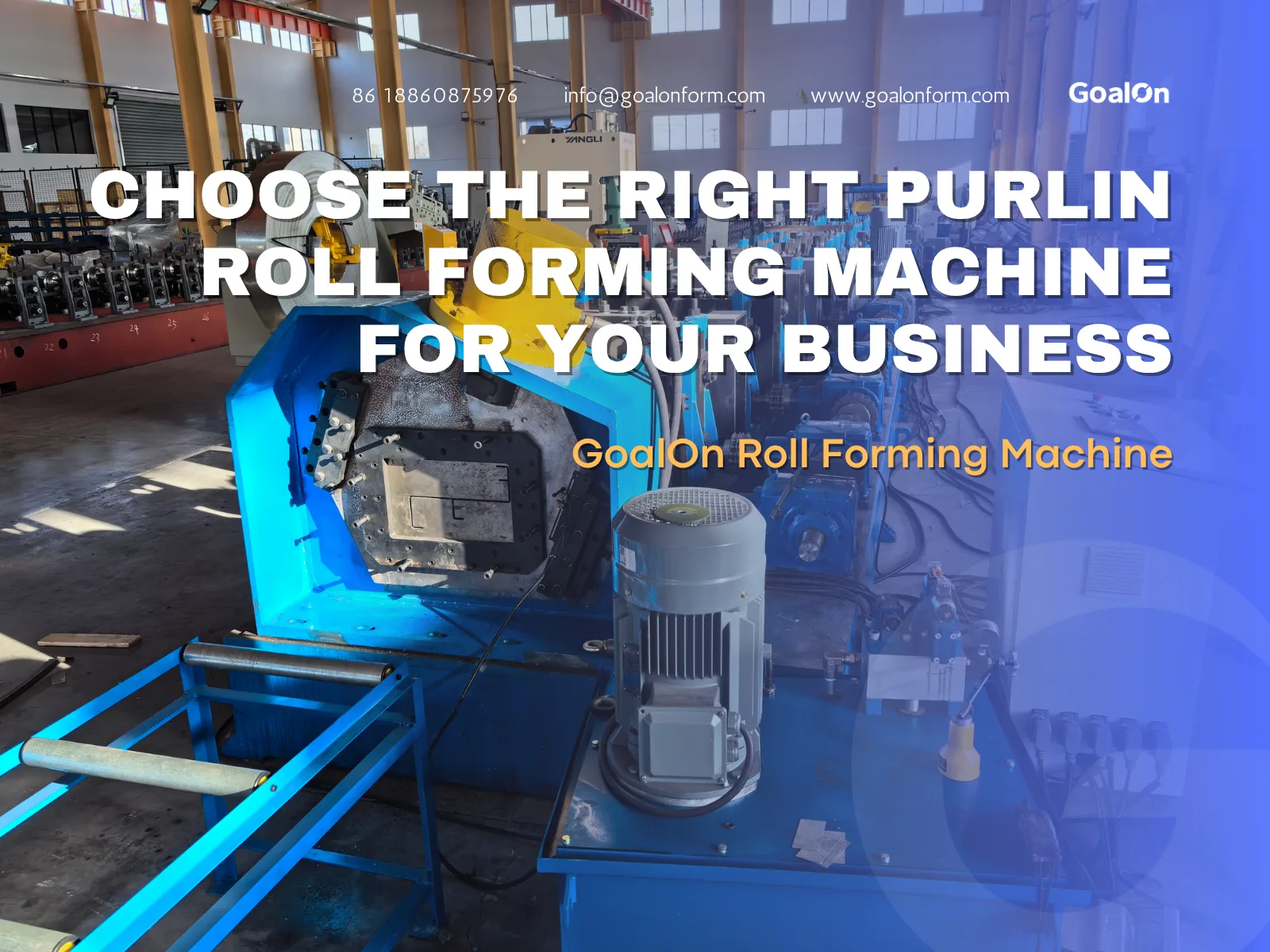
- Punching/Notching Station – optional, depending on the profile.
- Pre-Cutting / Tracking Cutting – adjusts material length before forming.
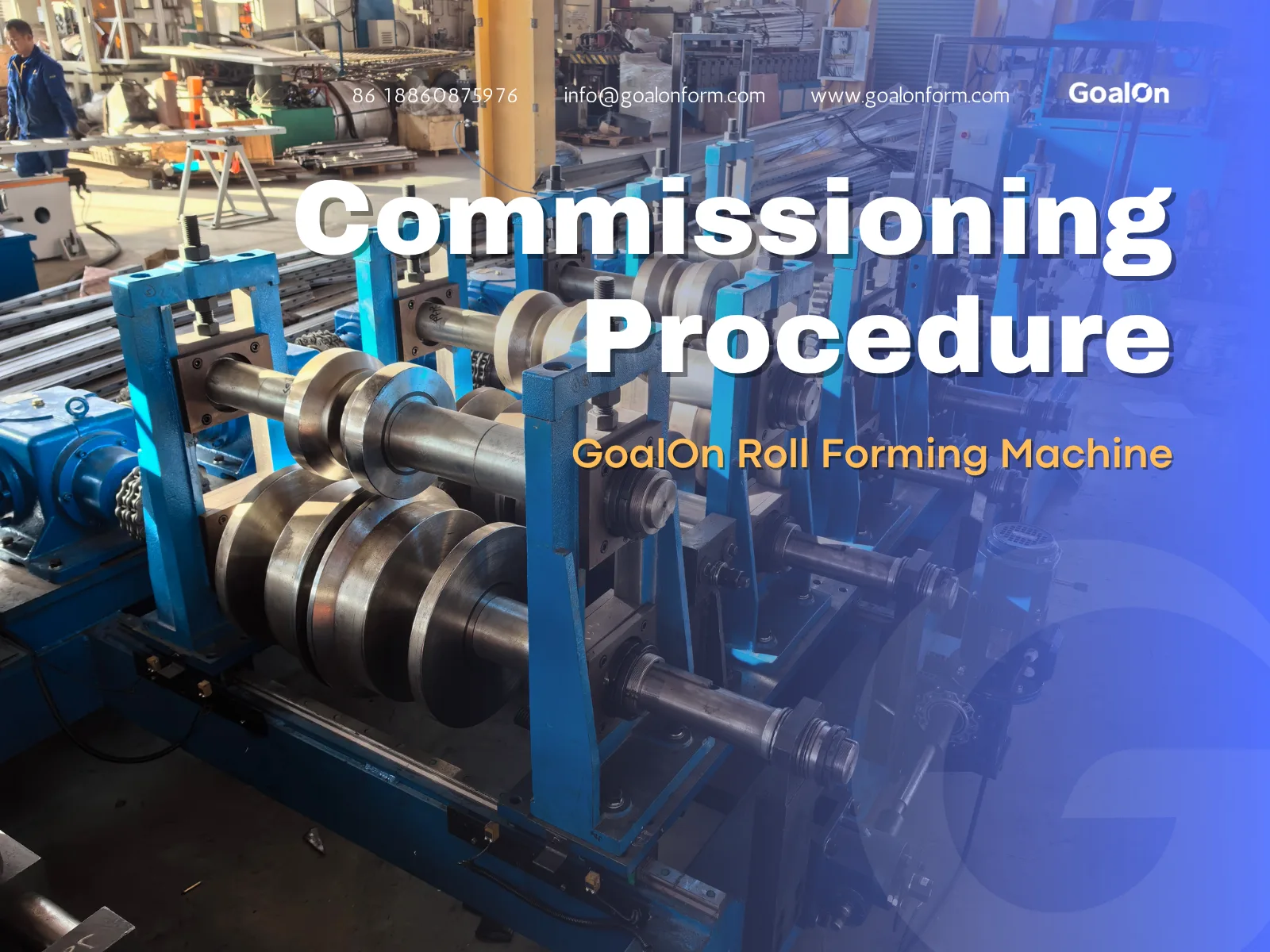
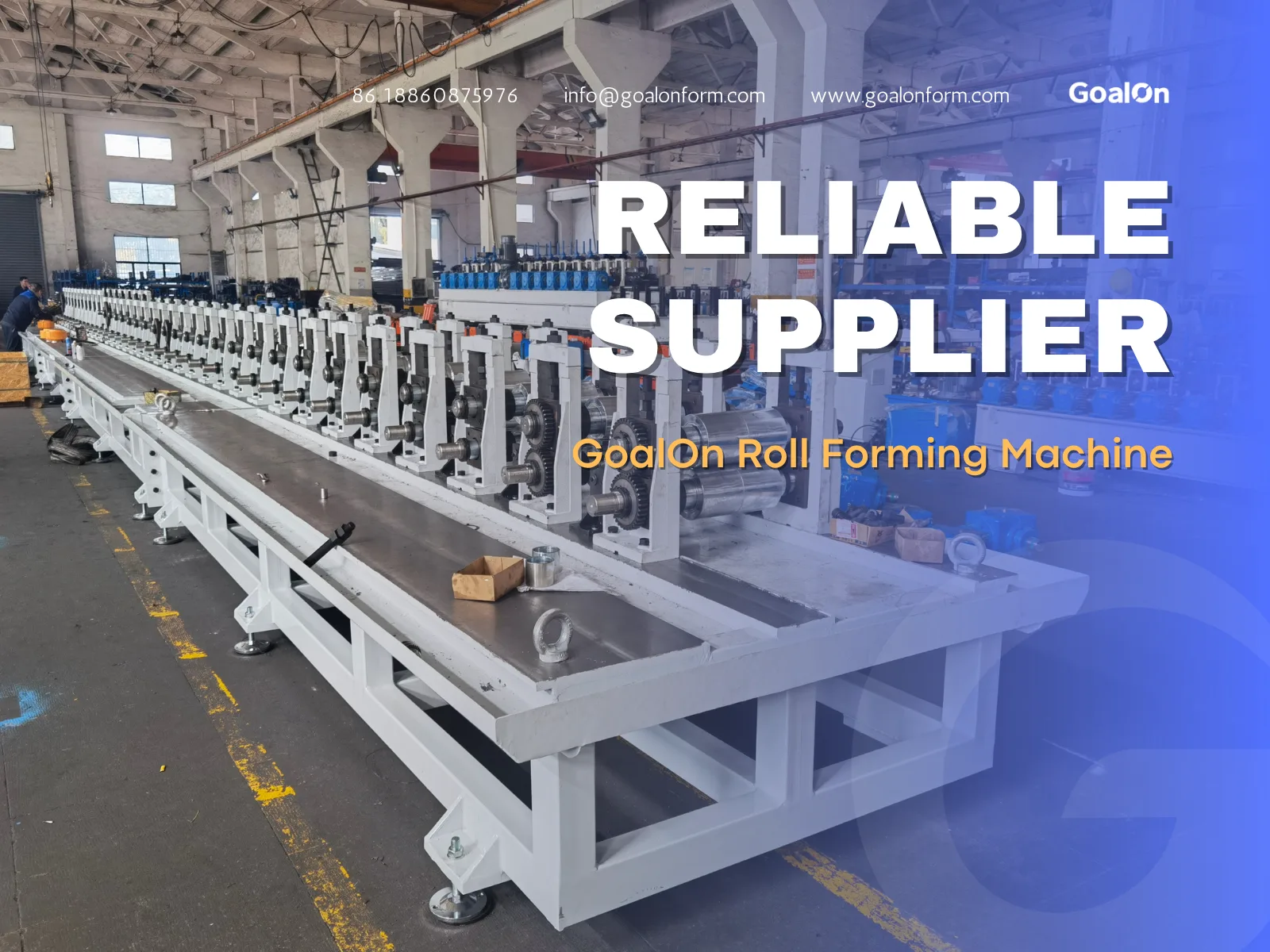
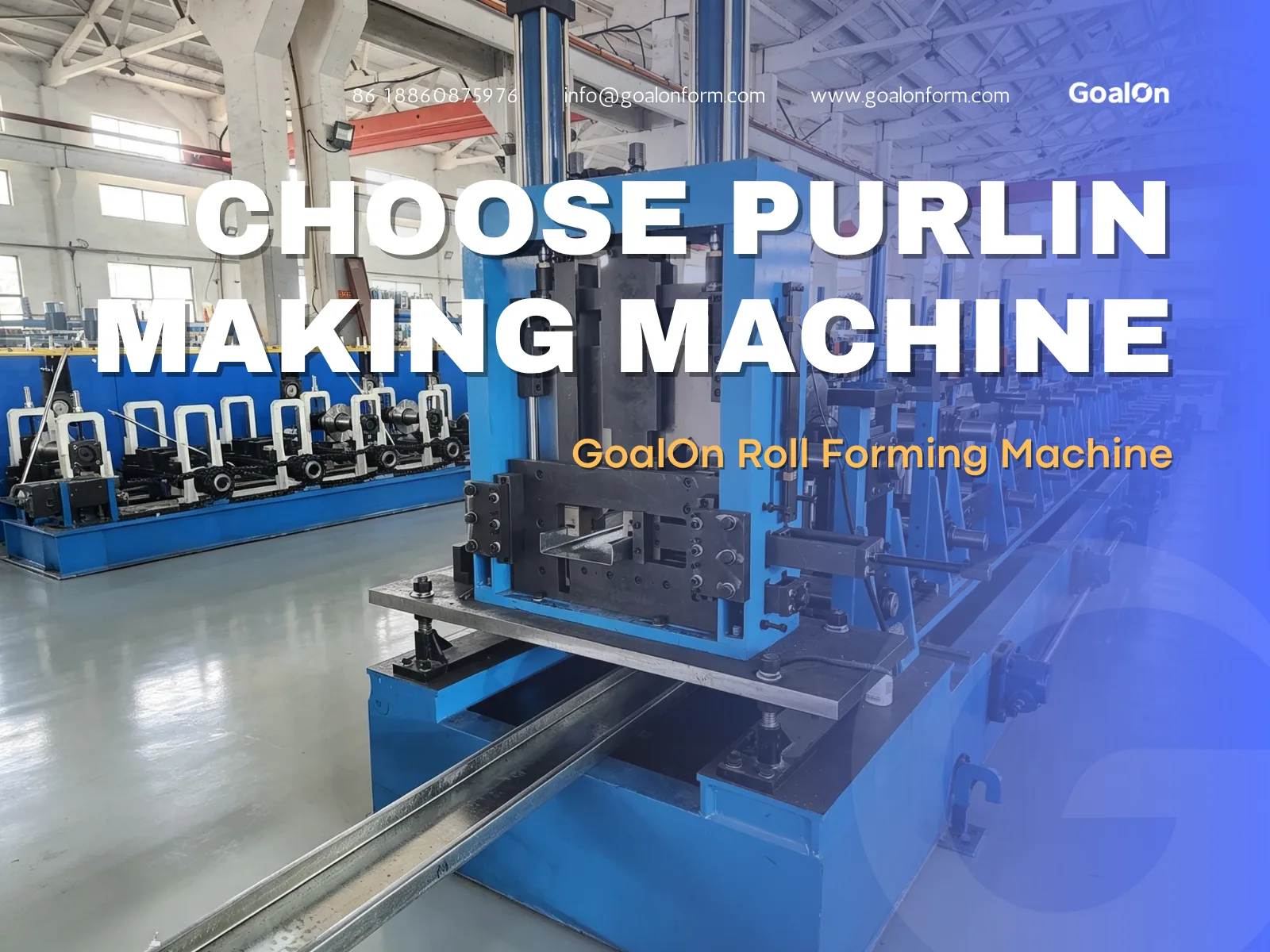
- Main Forming Section – where the metal sheet passes through rollers to achieve the desired profile.
- Post-Cutting / Shearing Station – cuts finished profiles to length.
- Outfeed / Stacking Area – where finished profiles are collected.
Each module has distinct space, load, and access requirements, and overlooking these needs can create bottlenecks or safety hazards. For example, heavier profiles require wider spaces for handling and maintenance.
Chain Direction and Machine Positioning
One of the simplest yet most critical layout principles is positioning the chain side of the roll former. I recommend placing the chain side against a wall. This prevents accidental interference with personnel traffic and reduces the risk of damage. The operator side should face open space or aisles for easy access.
Incorrect positioning, such as having the chain side facing a pedestrian walkway, not only endangers workers but also complicates roll forming machine maintenance.
Integrating Overhead Cranes and Material Handling
Many workshops rely on overhead cranes for raw material handling and moving finished profiles. When planning your roll forming line, account for:
- Crane reach and height relative to the machine modules.
- Safe loading and unloading zones around the decoiler and outfeed area.
- Clearances for operators to move safely while the crane is in operation.
A well-integrated crane layout ensures minimal manual handling, improving workflow efficiency and reducing the risk of accidents.
Punching, Shearing, and Ground Preparation
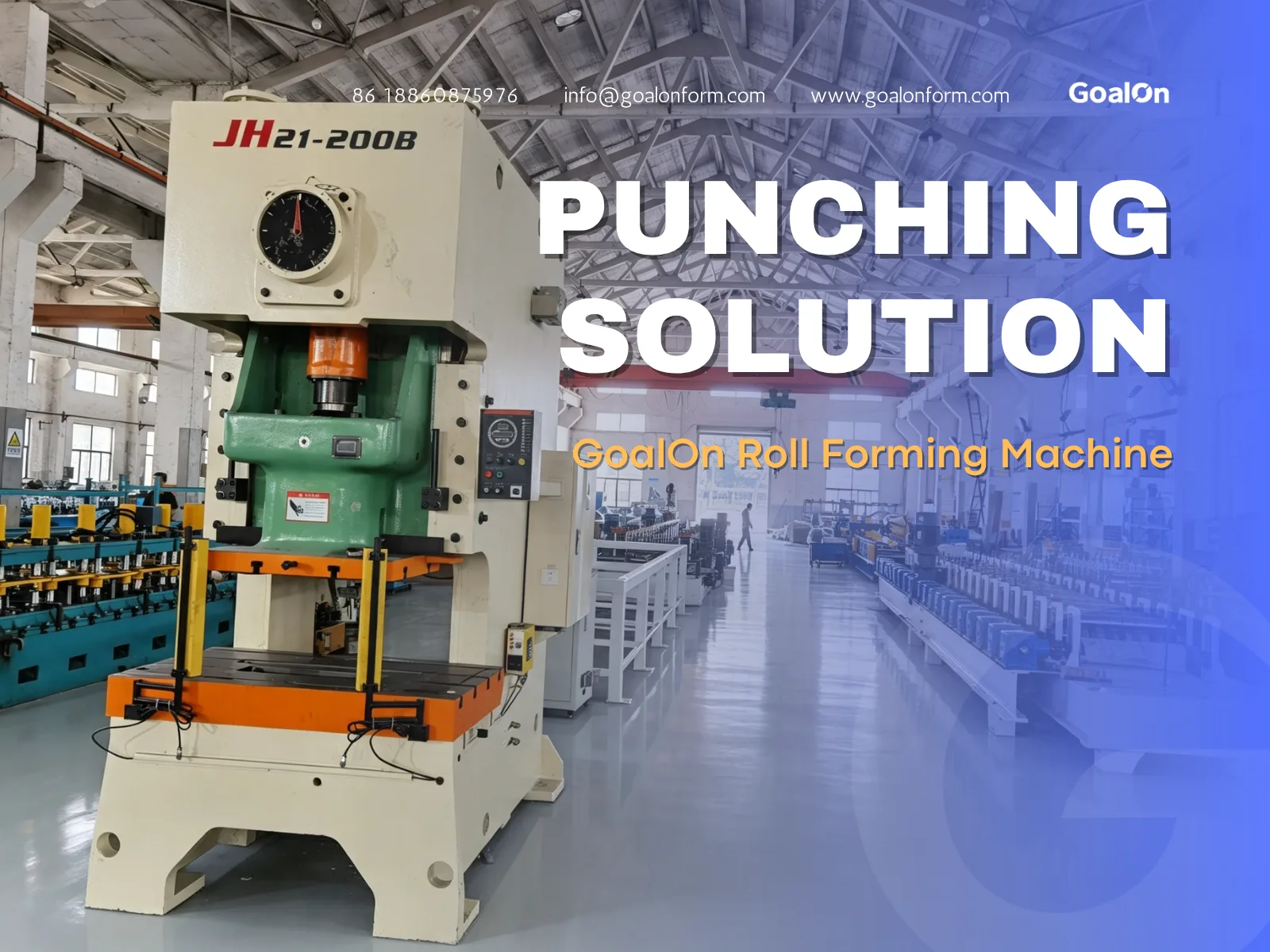
Modules with punching or shearing functions may require floor modifications, such as recessed pits or reinforced platforms. For instance, a punching station at the end of a roll forming line might need a ground pit to align with die height or to collect scrap efficiently.
Additionally, safety features like protective barriers and emergency stops must be positioned around these areas. Proper ground preparation allows smoother operation and easier roll forming machine maintenance over time.
Planning for Multiple Roll Forming Lines
If your workshop hosts multiple forming rolling machines, consider:
- Parallel vs. L-shaped layouts – balance space efficiency with operator accessibility.
- Shared material and product pathways – avoid cross-traffic between lines.
- Dedicated safety and emergency zones – prevent accidents when lines operate simultaneously.
I’ve found that a careful layout plan reduces material handling time by 20–30% and prevents line interference, which is critical for maintaining consistent production speeds.
Optimizing Material Flow
Efficient workshops optimize the path from raw material to finished product:
- Decoiler to forming line: minimal distance reduces handling time.
- Formed profiles to outfeed/stacking area: ensure a clear path for forklifts or conveyors.
- Use of rollers, conveyors, or manual carts: streamlines flow while preventing damage.
Following the “shortest path principle” can drastically improve production efficiency and reduce unnecessary labor costs.
Maintenance and Service Access
Every roll forming machine requires periodic maintenance:
- Roll replacement, lubrication, and inspection need at least 1–1.5 meters of clearance around the machine.
- Preplanning space for service ensures your team can perform roll forming machine maintenance safely and efficiently.
- Leave room for future upgrades or additional modules, especially if you plan to expand your product range.
Safety and Human Traffic Considerations
Safety is a critical factor in workshop layout:
- Keep pedestrian walkways separate from operational areas.
- Position emergency exits and firefighting equipment for quick access.
- Use visual cues such as painted lines or barriers to delineate machine zones.
Poor layout can lead to injuries, material damage, and production downtime.
Procurement and Layout Integration
When purchasing forming rolling machines, always consider layout constraints:
- Match machine length and module configuration to your workshop dimensions.
- Plan the placement of decoilers, punching stations, and outfeed areas in advance.
- Ensure that your layout allows smooth material handling from entry to exit.
Remember, layout planning before procurement saves costs and reduces the risk of retrofitting or relocating heavy machinery later.
Conclusion: Practical Recommendations
From my experience, a well-planned workshop layout for roll forming machines can improve production efficiency, reduce accidents, and simplify roll forming machine maintenance. Key takeaways:
- Place the chain side of the roll former against a wall; keep the operator side accessible.
- Allocate sufficient space for maintenance, roll changes, and lubrication.
- Modify the floor for punching or shearing modules when necessary.
- Plan multiple lines with separate pathways and safety zones.
- Optimize material flow from raw coil to finished profile.
- Consider layout constraints before purchasing or expanding your roll forming line.
Investing time in workshop layout ensures your forming rolling machines operate at peak efficiency, improve product quality, and reduce long-term operational costs. If you are considering upgrading your workshop or purchasing new roll formers, thoughtful layout planning will pay dividends in productivity, safety, and maintenance convenience.
About the Author: I am a roll forming machine engineer with years of experience in machine procurement, workshop planning, and production optimization. I help manufacturers and traders select the right roll forming line and configure their workshop for maximum efficiency.