1. Introduction: Setting the Stage
When I first started working with clients in the roll forming industry, I often heard the same expectation: “Can one machine produce multiple profiles?” Many new buyers assume that a single roll forming machine, or roll former, can act as a “universal” machine, capable of handling a variety of metal profiles. In reality, this assumption rarely holds true.
Believing in a “one-machine-fits-all” solution can lead to costly mistakes—machines underperforming, production delays, and even scrap material. My goal with this post is to help readers understand the technical reasons behind this limitation and guide them in making informed purchasing decisions. By understanding why roll forming machines usually produce a single profile, you can avoid common pitfalls and optimize your production line for efficiency and profitability.
2. Understanding the Basic Structure and Working Principle of a Roll Forming Machine
To understand why a roll forming machine is typically limited to one profile, it is important to examine the key components of the machine and how they work together.
- Machine Frame and Support System
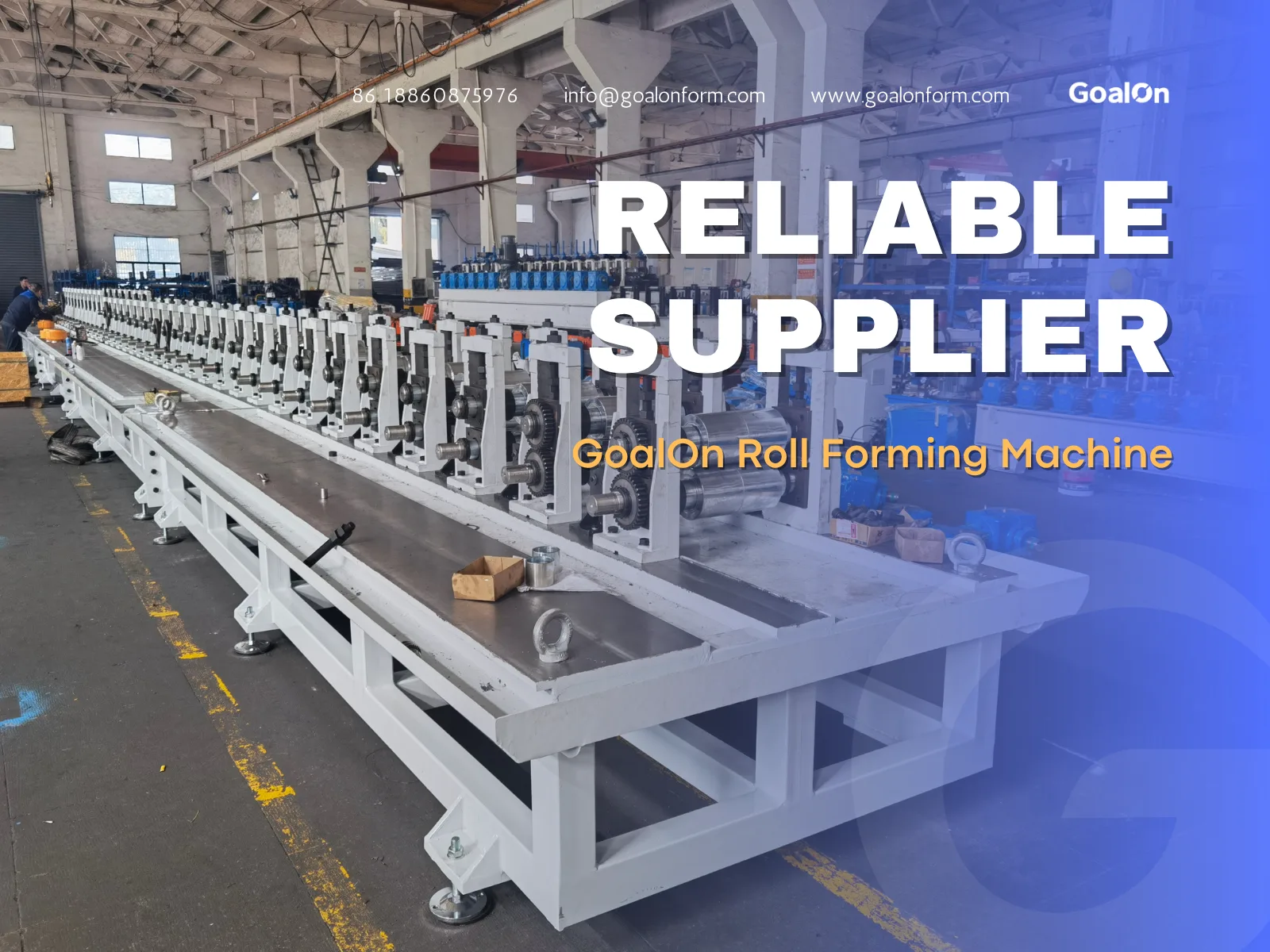
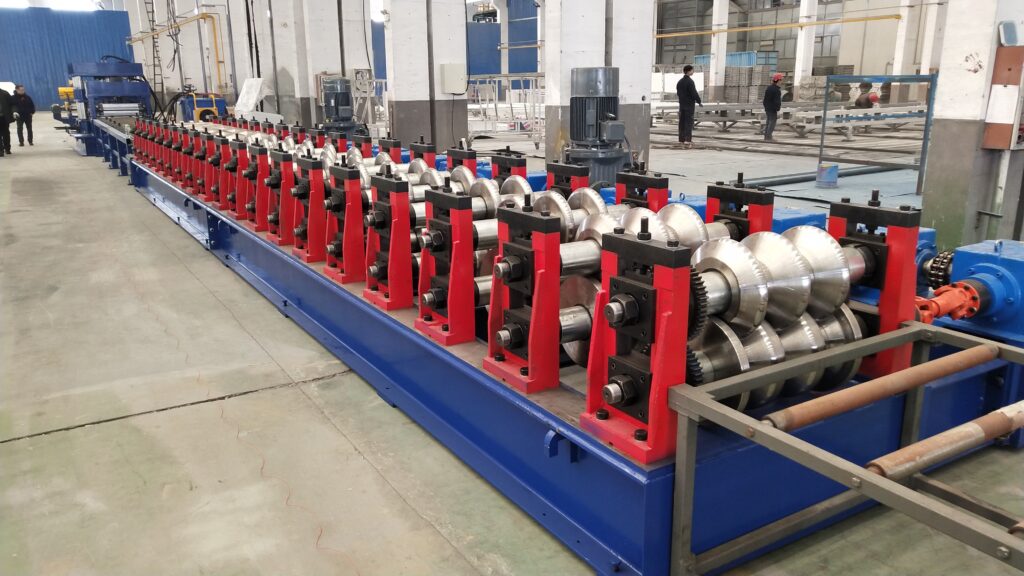
The machine frame is designed to hold a fixed number of forming stands or stations. Each stand is positioned according to the shape of the profile it is intended to produce. The spacing and alignment of these stands are crucial because they determine the path the metal sheet follows during forming. Changing this setup for a different profile requires significant adjustment.
- Forming Rollers
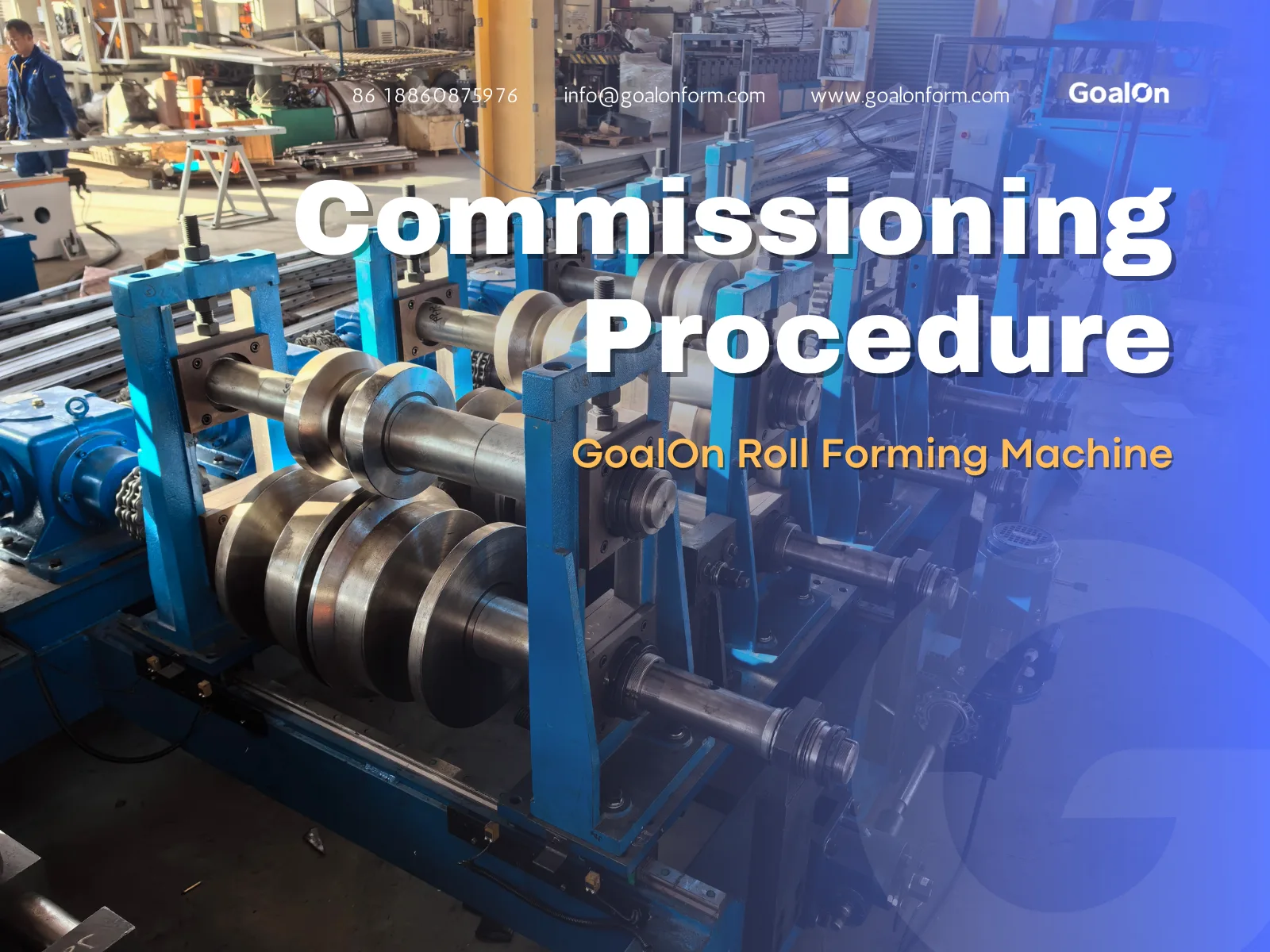
Each forming roller, or die, is custom-engineered to bend the metal at specific angles and create precise contours. Every profile has its own unique roller configuration. If you want to form a different shape, you must replace or reposition the rollers, which is time-consuming and requires high precision.
- Transmission and Synchronization System
Most machines use chains, gears, or shafts to synchronize the rotation of rollers and ensure smooth forming. The design and calibration of these systems are optimized for a particular profile. Switching profiles without recalibrating may reduce accuracy or even damage the machine.
- Feeding and Cutting Modules
The feeding guides and cutting units are typically set for a specific profile width, thickness, and length. Automatic cutting systems are programmed to stop at precise lengths and may require adjustments when changing profiles. Without these adjustments, the final product quality can be compromised.
- Conclusão
Every module—from the frame to the rollers, transmission, and cutting systems—is designed for one specific profile. This is why a single roll forming machine rarely adapts seamlessly to multiple profiles.
3. Technical Reasons That Limit a Single Machine to One Profile
- Fixed Roller Dies
The forming rollers are physically fixed. Changing profiles requires dismantling and installing a new set of rollers. This is not only labor-intensive but also demands precise alignment to maintain quality.
- Station Sequence and Forming Steps
Different profiles require different forming sequences and station numbers. A machine optimized for one profile cannot automatically adjust its forming order to accommodate another shape.
- Material Mechanics
Profiles vary in thickness, width, and bending angles. Each variation affects the stress, tension, and pressure needed during forming. A machine set for one profile may not handle another profile’s material properties properly, leading to defects.
- Speed and Stability Constraints
Switching between profiles can slow production because the machine cannot operate at its optimal speed for a new shape. Product quality may also drop due to misalignment or uneven material flow.
- Automation and Control System Limits
PLC systems and servo controls are usually programmed for a single profile, ensuring accuracy and efficiency. Reprogramming or adjusting for a different profile requires time, technical expertise, and sometimes hardware modifications.
4. Real-World Production Examples
- C Purlins vs CZ Purlins
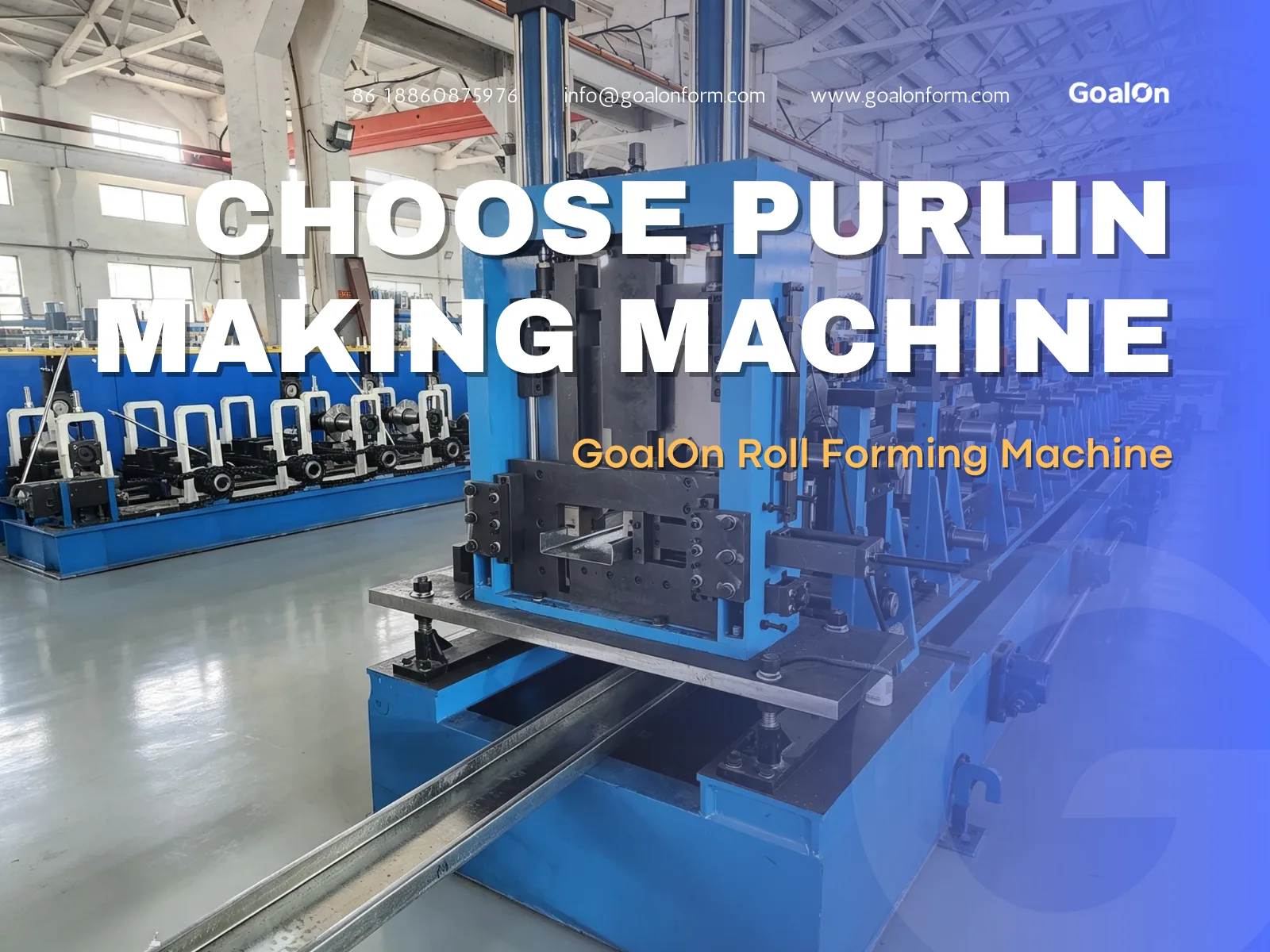
Both profiles might use similar steel thickness, but their contours are entirely different. CZ purlins often require additional bending steps and different roller dies. A machine optimized for a C purlin cannot produce CZ purlins without significant modifications.
- Floor Decking vs Corrugated Roof Panels
Floor decking has flat areas and stiffening ribs, whereas corrugated panels feature wave patterns. The required forming pressure, roller spacing, and cutting methods differ substantially.
- Light Rack Beams vs Window Frames
These profiles differ not only in shape but also in strength requirements. Rollers, press force, and machine speed must be adjusted accordingly. A machine designed for one type will struggle to maintain the structural integrity of the other.
- Practical Implication
Switching profiles on a single machine often means downtime for roller replacement, system recalibration, and sometimes scrapped material. In real production settings, this reduces efficiency and increases costs.
5. Purchasing Advice and Strategies
- Single-Profile Machines for Stability
I recommend configuring multiple single-profile machines if your production includes diverse profiles. Each machine produces one profile consistently, ensuring high quality and predictable output.
- Modular or Quick-Change Systems
For small-batch, multi-profile production, consider machines with modular or quick-change roller systems. These allow faster profile switching but come with higher costs and may still require calibration.
- Ajuste automático do tamanho
Some high-end machines offer automatic width or height adjustment for a limited range of profile dimensions. This feature works well for items like purlins or rack beams, but it cannot fully replace a dedicated single-profile machine.
- Evaluate Production Plans
Look at your monthly or annual orders and production volume. This assessment will determine whether investing in multiple machines or modular solutions makes sense.
- Communicate with Suppliers
Share your production requirements with your roll forming machine supplier. They can optimize roller sets, forming stations, and automation to suit your production plan.
6. Conclusion and Recommendations
A single roll forming machine typically produces only one profile because of fundamental technical and operational constraints. Understanding this principle is crucial for making intelligent purchasing decisions.
When planning your production line, focus on profile-specific machines or modular solutions that balance efficiency, flexibility, and cost. Avoid chasing the myth of a “universal machine.” By assessing your production needs carefully, you can select the right machines, reduce downtime, maintain consistent product quality, and improve overall profitability.
If you follow these guidelines, you will make smarter investments, save time on retooling, and ensure that each profile meets the exacting standards of your customers.