Cold roll forming technology has become a core solution for manufacturers who need stable, high-volume production of metal profiles with tight tolerances and controlled costs. For industries such as construction systems, industrial storage, transportation infrastructure, solar mounting structures, and custom steel framing, a शीत-रोल फॉर्मिंग मशीन is no longer just a forming device—it is a complete production strategy that influences efficiency, product quality, and long-term profitability.
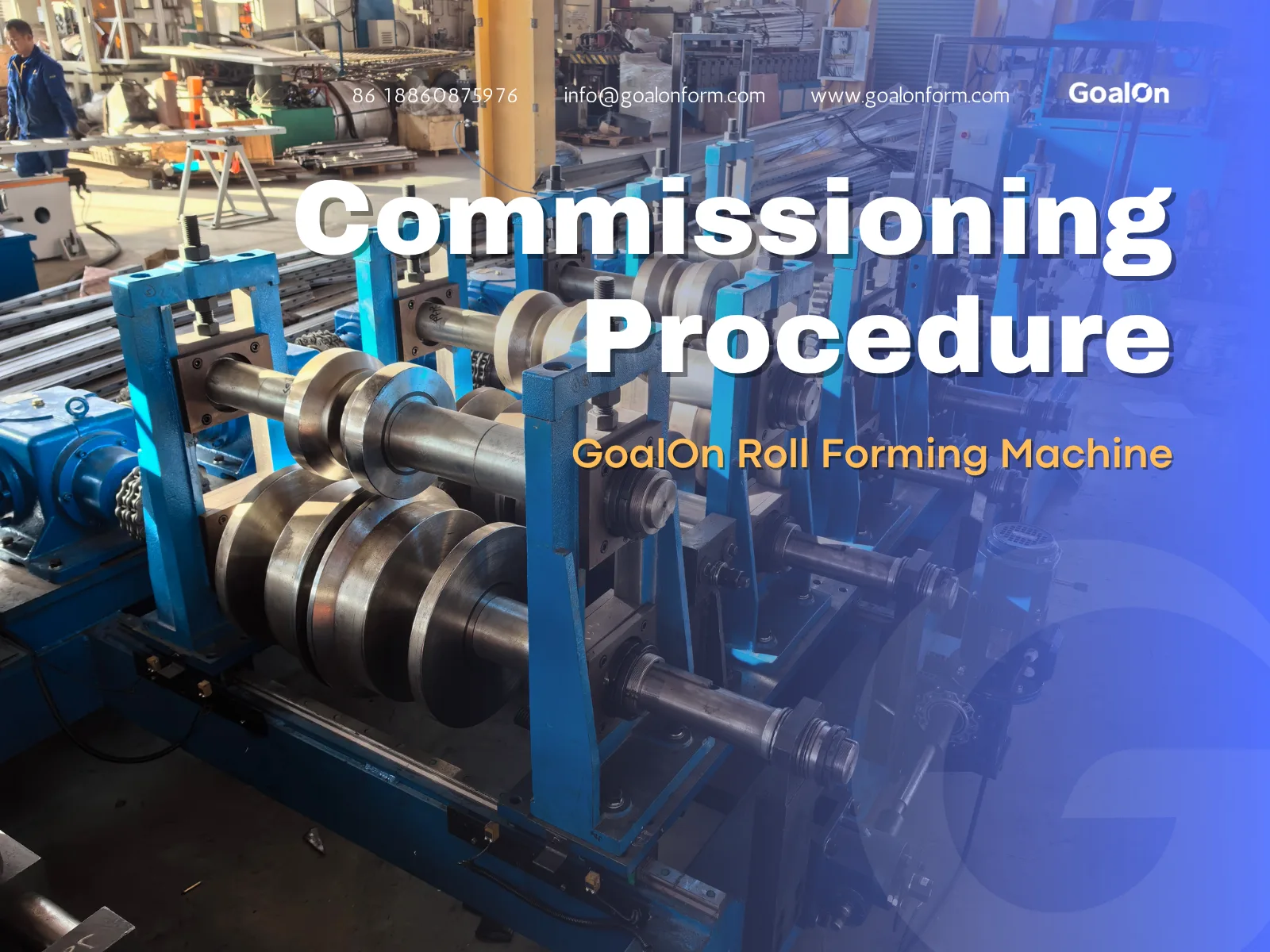
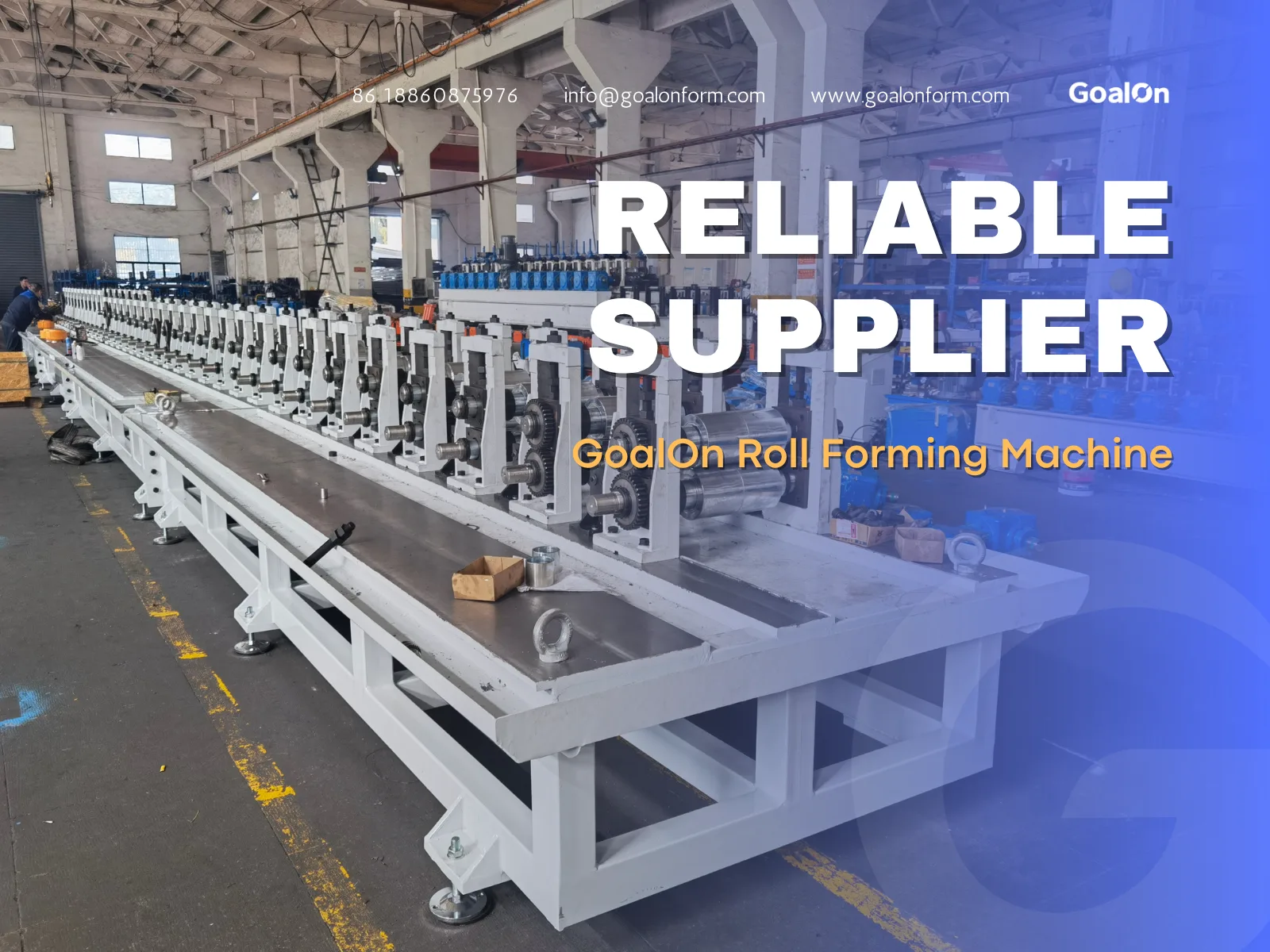
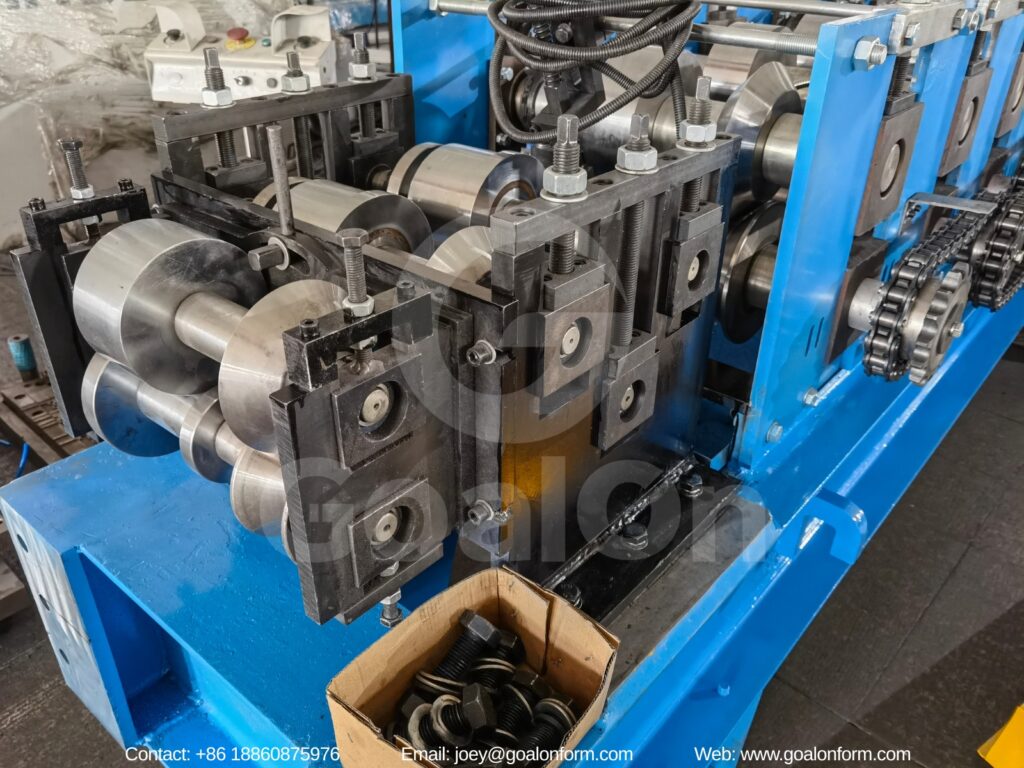
Unlike traditional metal forming methods that rely on single-point deformation, roll forming distributes the forming process across multiple stations. Each roller set contributes a small, controlled deformation until the final profile shape is achieved. This continuous forming principle is what allows manufacturers to achieve high speed, low waste, and consistent geometry over long production runs.
1. Cost Reduction Starts from Continuous Production Logic
One of the most important reasons manufacturers switch to roll forming technology is its ability to support uninterrupted production. A well-designed line can run steel coils continuously with minimal downtime, especially when equipped with an automatic feeding system and stable tension control.
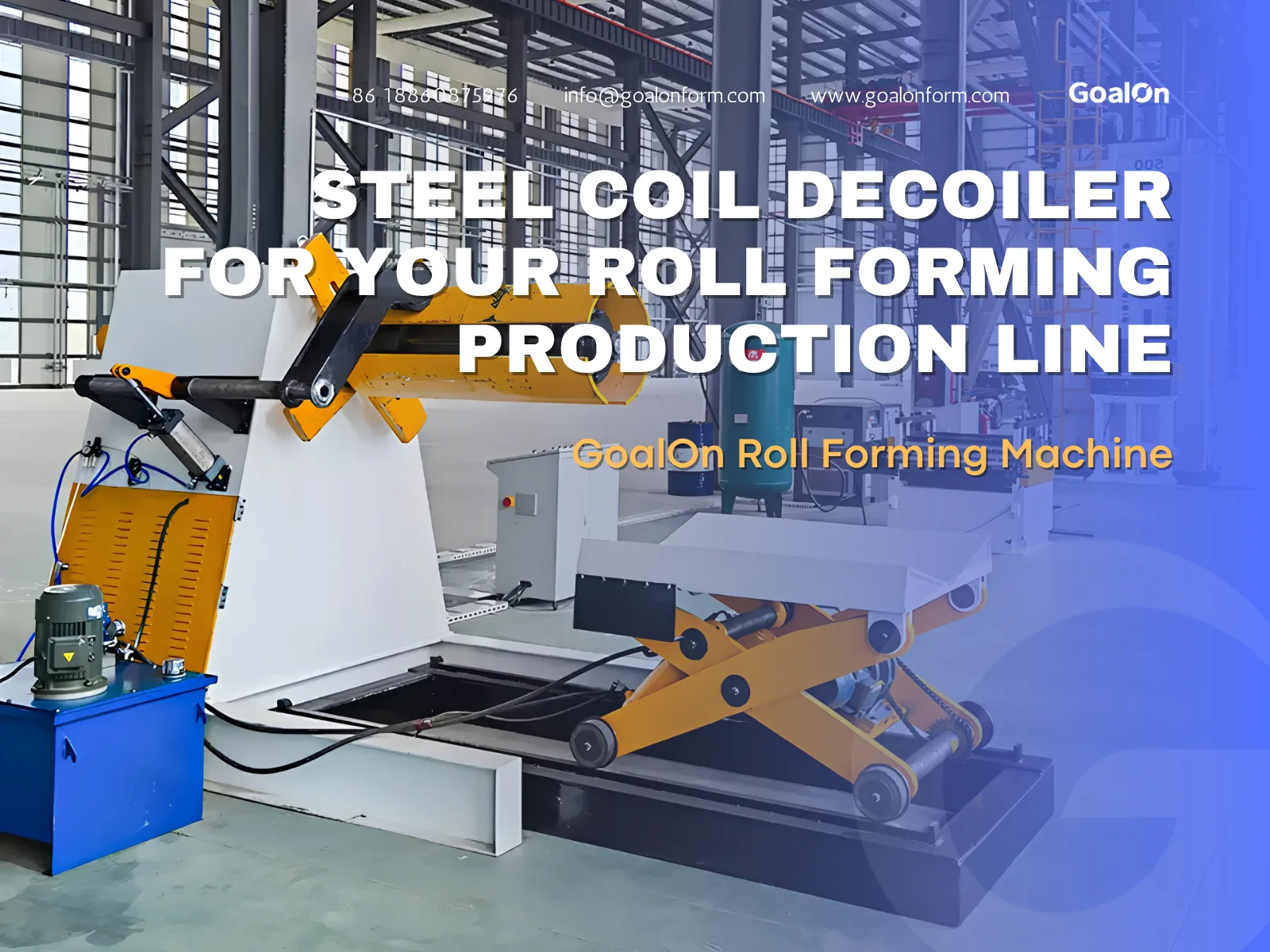
In a typical production setup, the material flow is managed through हाइड्रोलिक डीकोइलर, leveling section, forming stands, and finally cutting. Because the process is continuous, there is no need for repeated clamping and repositioning, which is common in press braking operations.
From a cost perspective, continuous forming significantly reduces:
- Labor intervention per ton of output
- Machine idle time
- Handling loss between processes
In high-volume manufacturing environments, even a small improvement in uptime translates into substantial annual savings.
2. Material Utilization and Scrap Control as a Key Profit Driver
Material cost is often the largest component in metal profile production. Cold roll forming technology helps optimize this through controlled deformation and precise length management.
A key advantage is the extremely high material utilization rate, especially when paired with optimized nesting and cut planning systems. Since the steel strip is formed gradually and not cut between each operation, waste is minimized.
Modern lines also integrate cut-to-length systems using either hydraulic shearing or flying saw technology. These systems ensure that every finished profile is produced with consistent length accuracy, reducing off-cuts and rework.
Additionally, compared with stamping or fabrication methods, roll forming avoids excessive trimming of edges, which further improves material efficiency over large production batches.
3. Engineering Precision and Profile Consistency
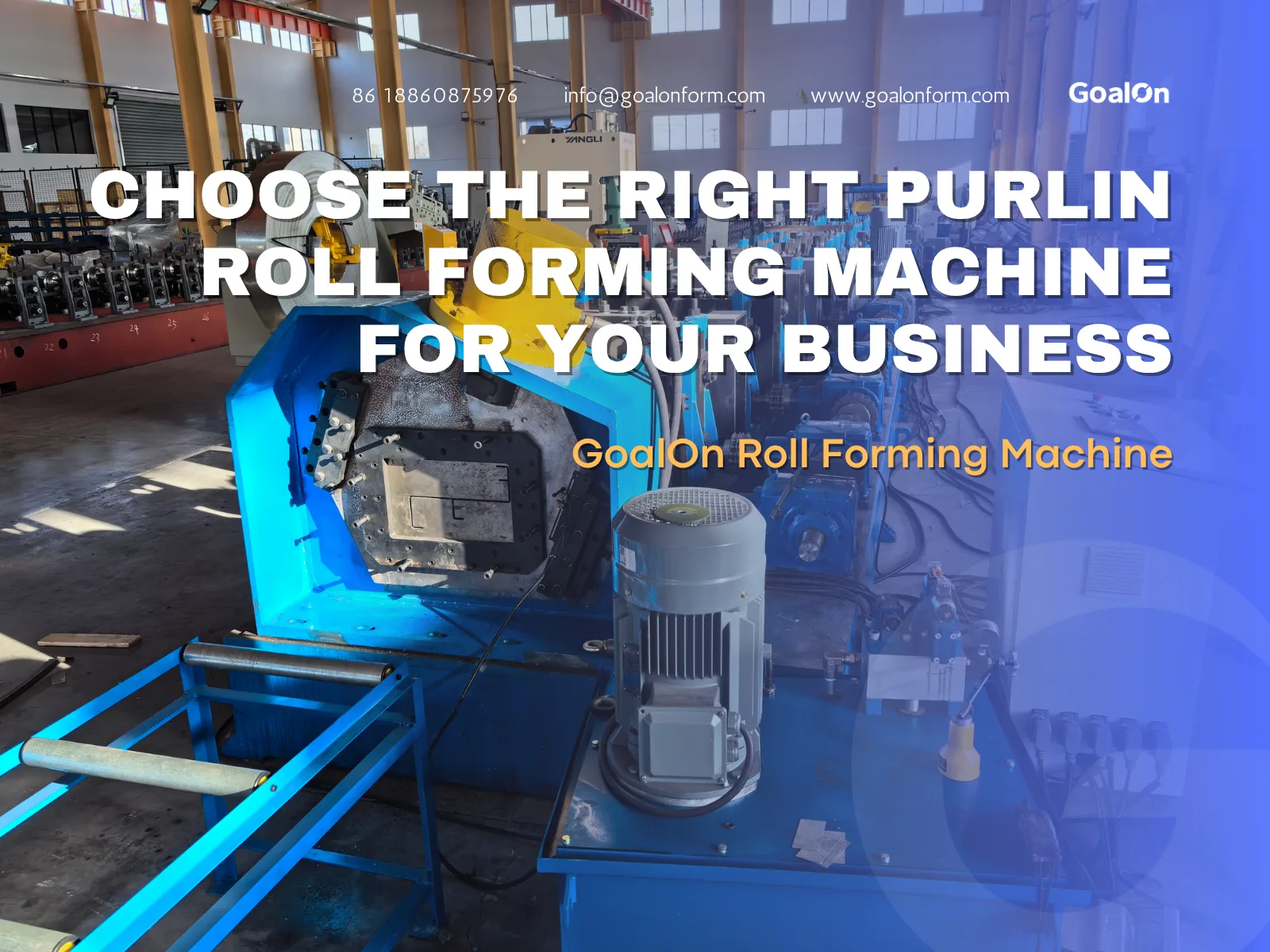
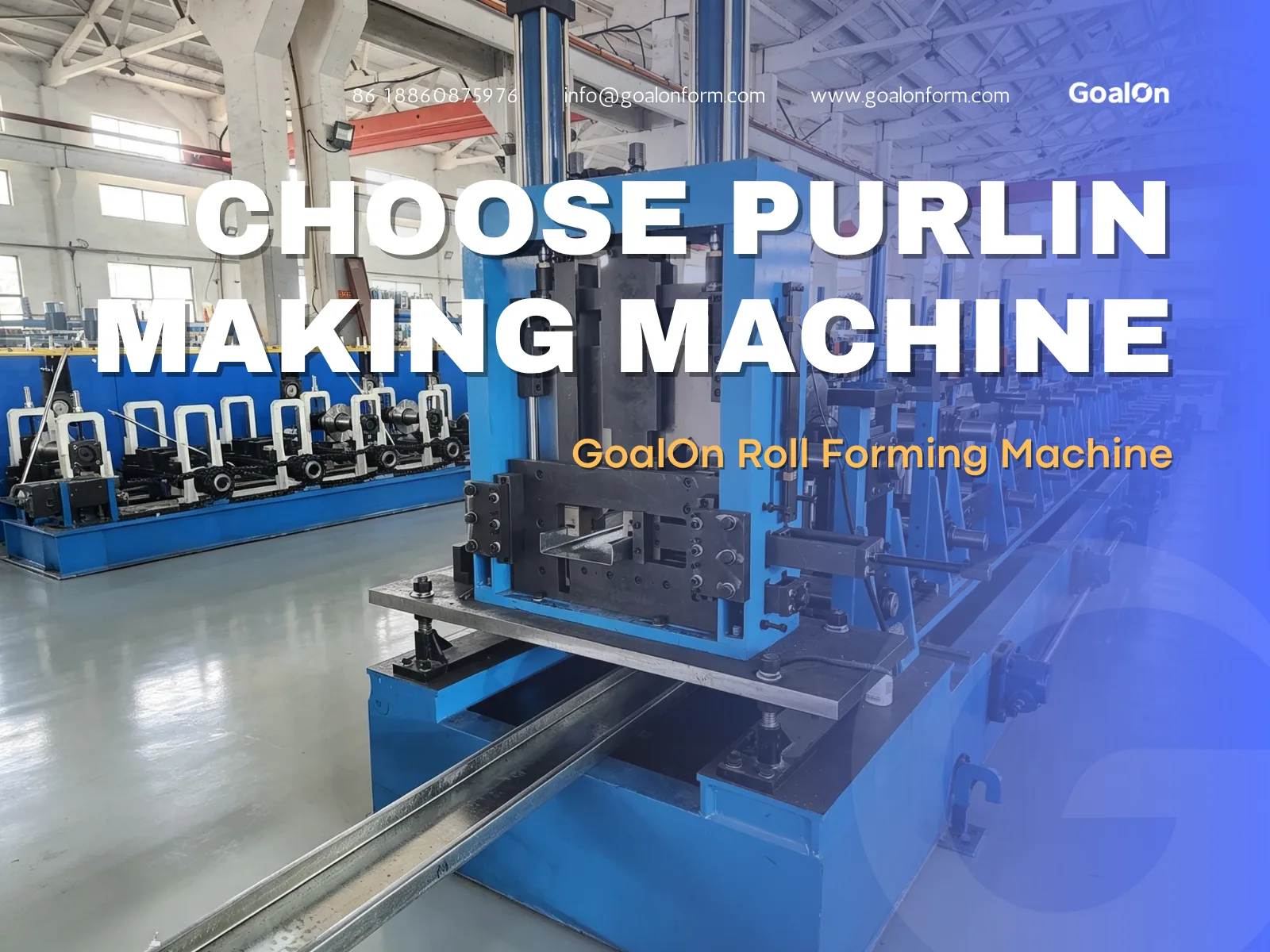
For manufacturers supplying structural components like C purlins, U channels, cable trays, guardrails, and rack systems, dimensional consistency is critical. Any deviation can affect assembly compatibility and structural performance.
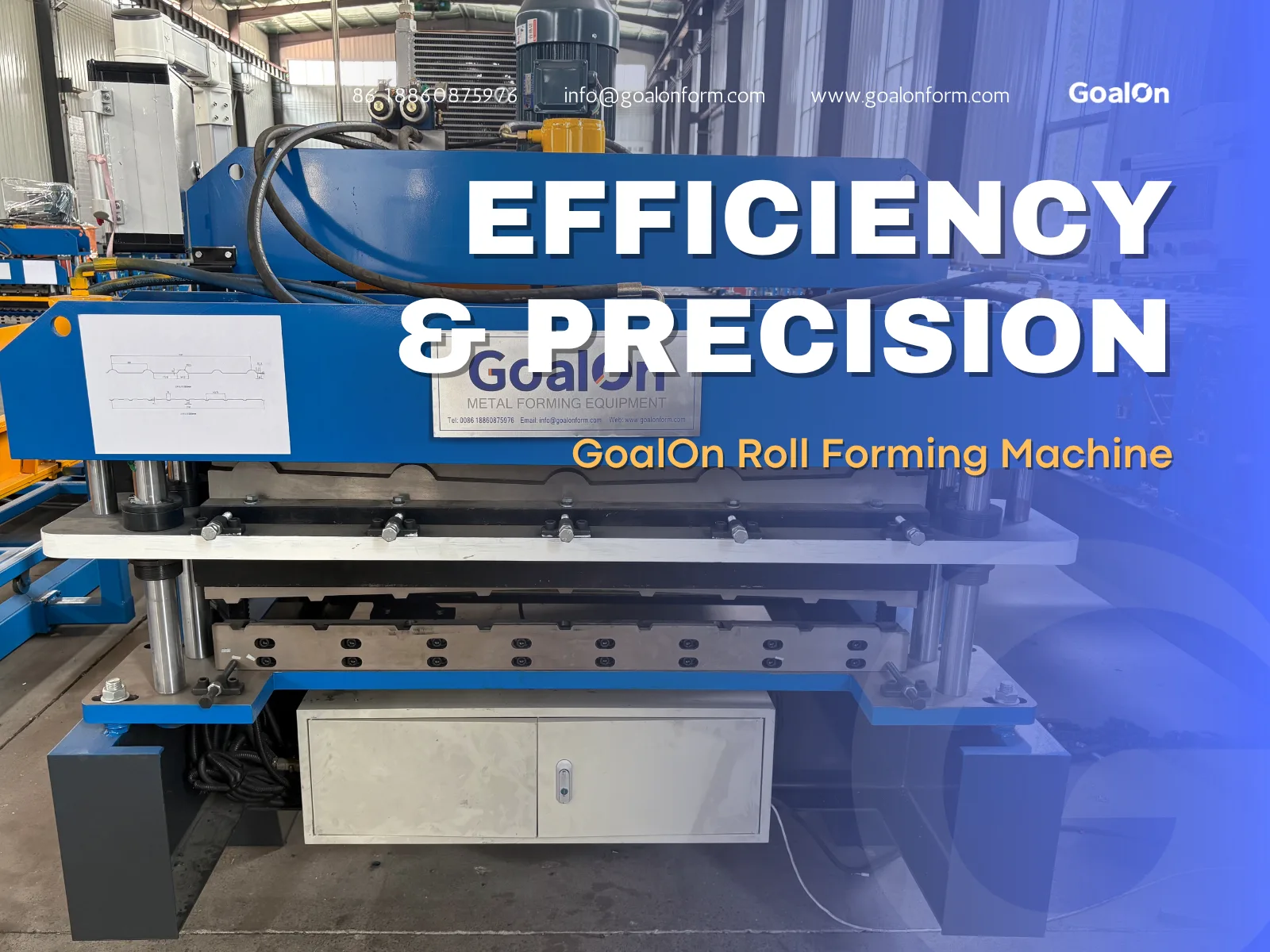
This is where the engineering design of the roll forming line becomes essential. A stable machine structure combined with precise roller alignment ensures consistent forming pressure across all stands.
Modern machines often include:
- पीएलसी नियंत्रण प्रणाली for synchronized operation
- High-precision encoder feedback for length control
- Servo-driven or hydraulic adjustment systems for positioning
These technologies ensure that each production cycle maintains strict dimensional tolerances. The result is high profile accuracy and repeatability, even over long shifts or continuous multi-day production runs.
4. Automation as the Core of Modern Roll Forming Lines
Automation is one of the strongest drivers of efficiency improvement in today’s metal forming industry. A fully automated line reduces reliance on manual operation and improves safety, consistency, and throughput.
Typical automated systems include:
- Automatic coil loading car
- Hydraulic decoiler with tension control
- Servo feeding system for stable material entry
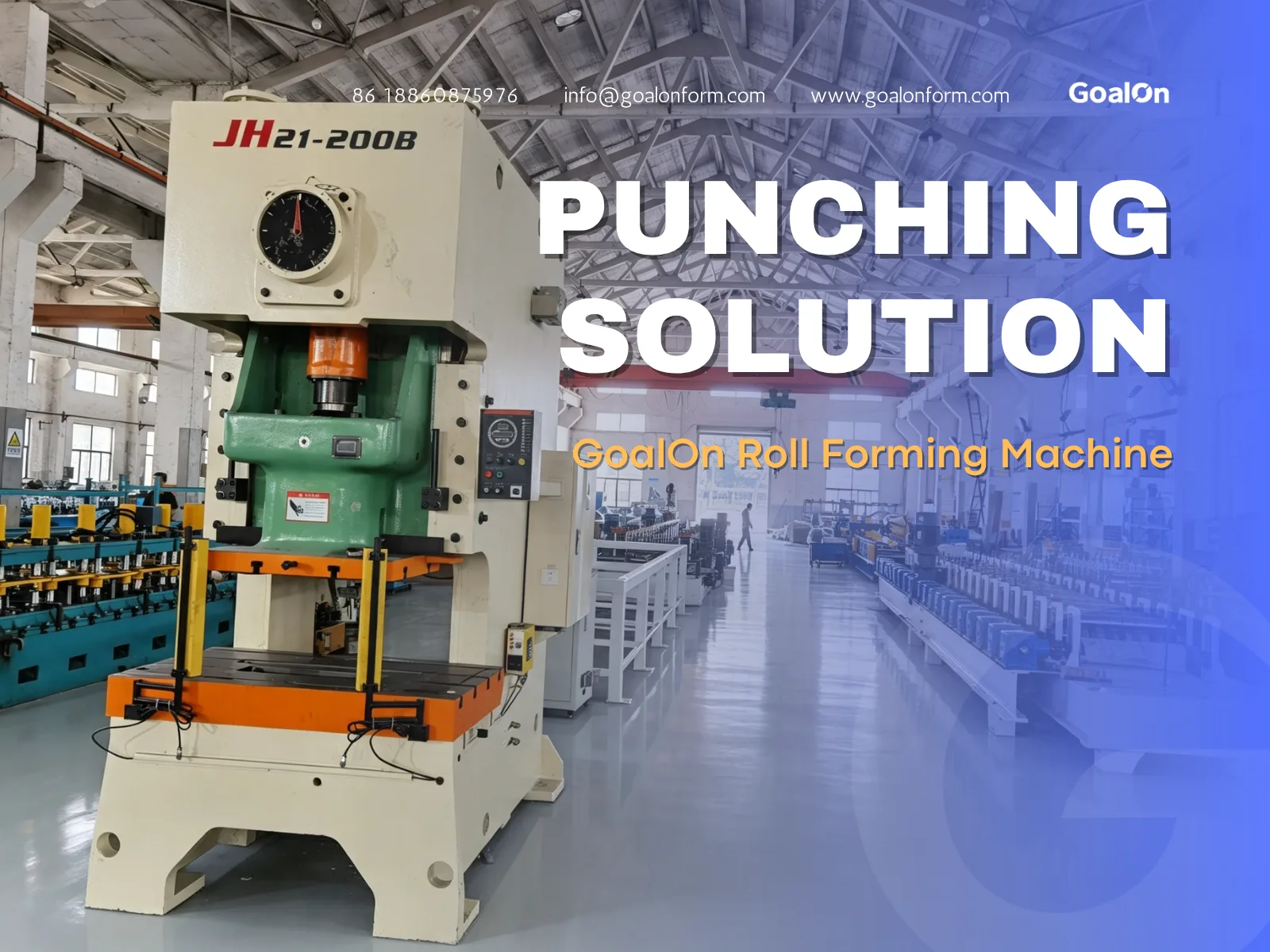
- Automatic punching units for pre-hole or slot creation
- Flying shear or tracking cutter for continuous cutting
- Automatic stacking or run-out tables
With these systems integrated, the production line can operate with minimal supervision. Operators mainly focus on monitoring parameters rather than direct manual intervention.
From an EEAT (Experience, Expertise, Authoritativeness, Trustworthiness) perspective, automation is not just about efficiency—it also reduces human error, improves repeatability, and provides better production traceability.
5. Tooling Design and Multi-Profile Flexibility
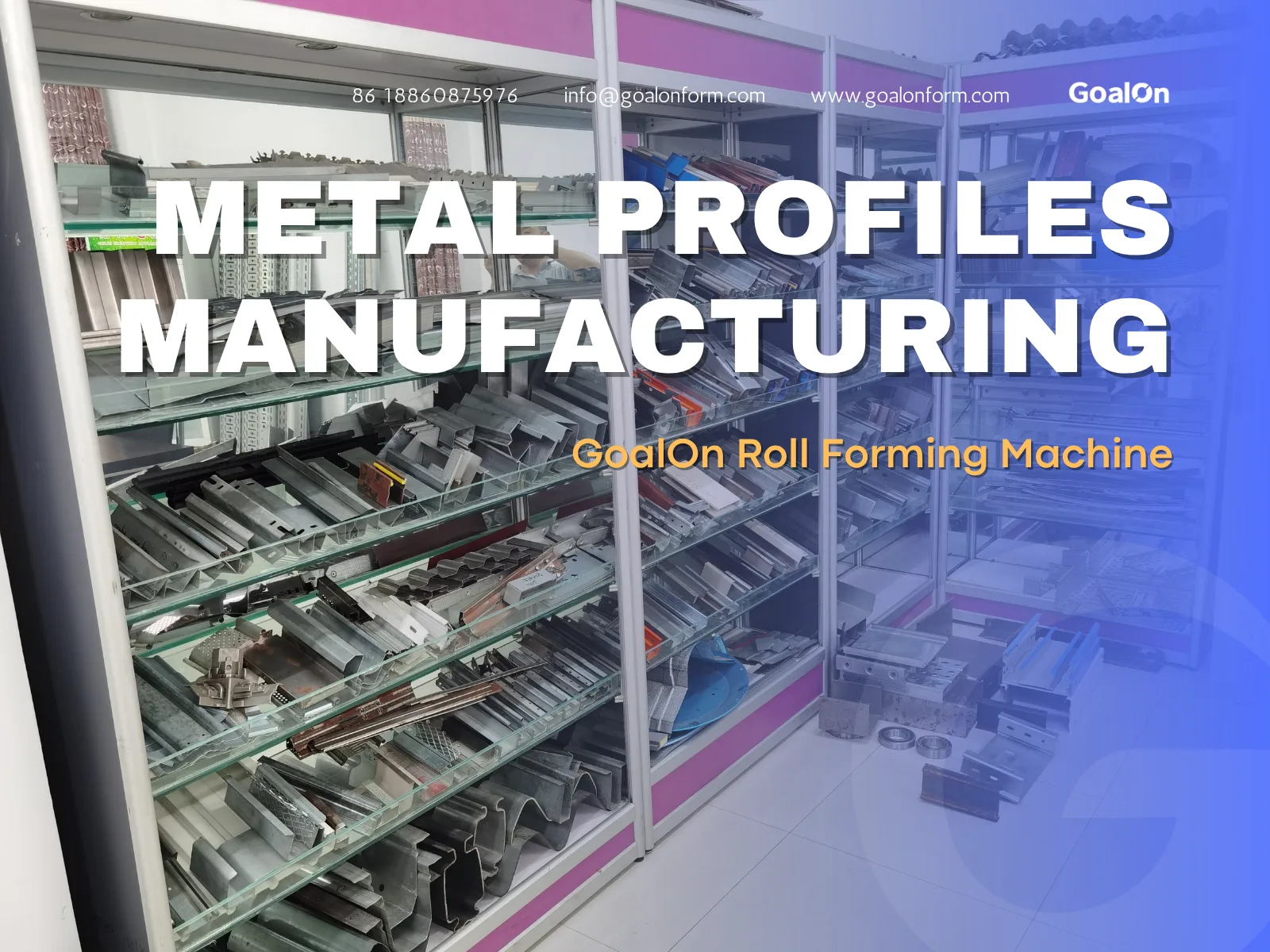
One of the most overlooked advantages of roll forming technology is its flexibility in product design. A single machine can often produce multiple profiles, provided that the tooling system is properly designed.
The key factor here is tooling design engineering. Roll sets are customized according to profile drawings, material thickness, and strength requirements. Once the tooling is installed, the machine can maintain stable production for long cycles.
For manufacturers working with multiple product categories, flexible configurations are possible through:
- Quick-change roller systems
- Adjustable side stands
- Modular forming sections
This allows producers to switch between different profile dimensions such as various purlin sizes or rack beam specifications without needing entirely separate production lines.
In competitive markets, this flexibility helps manufacturers respond quickly to customer demands without sacrificing efficiency.
6. Line Speed, Productivity, and Real Output Economics
Production speed is another major factor influencing cost efficiency. Depending on material thickness and profile complexity, modern cold roll forming lines can operate anywhere between 10 to 120 meters per minute.
However, real productivity is not only about speed—it is about stable output under continuous operation. A machine running at a moderate but stable speed often produces better annual output than a high-speed system with frequent downtime.
Key performance factors include:
- Line speed stability under load
- Tool wear resistance
- Synchronization between forming and cutting systems
- Coil quality and thickness consistency
When all these factors are optimized, manufacturers achieve higher output per shift without increasing labor or energy costs significantly.
7. Energy Efficiency and Operational Cost Optimization
Compared with traditional machining or stamping systems, roll forming lines are relatively energy efficient because deformation is gradual and distributed across multiple stations.
The main energy consumption areas include:
- Motor-driven forming stands
- Hydraulic systems for punching and cutting
- Decoiler tension systems
By using optimized motor configurations and energy-efficient hydraulic systems, modern machines can significantly reduce electricity consumption per ton of steel processed.
Over long-term operation, these savings contribute meaningfully to total production cost reduction.
8. Maintenance Strategy and Long-Term Stability
A critical aspect of cost efficiency is not just production speed, but long-term reliability. Well-designed roll forming machines are built for continuous industrial use with structured maintenance schedules.
Key maintenance considerations include:
- Roller surface wear inspection
- Lubrication of forming stands
- Hydraulic oil system checks
- Alignment calibration for forming accuracy
Manufacturers that implement preventive maintenance strategies often experience fewer breakdowns and longer machine lifespan, improving overall ROI.
From an engineering standpoint, machine rigidity and frame design also play a major role in reducing vibration and extending tooling life.
9. ROI Perspective for Manufacturers and Traders
For construction material producers, warehouse system manufacturers, and equipment trading companies, investment in a roll forming line is evaluated based on return on investment rather than just machine price.
ROI is driven by:
- Reduced labor cost per ton
- Lower scrap rate and higher material utilization rate
- Increased production capacity per shift
- Faster order delivery cycles
In many real industrial cases, a well-configured line can recover its investment within a few production cycles when operating at full capacity.
For trading companies, offering customized roll forming solutions also increases market competitiveness, especially when targeting regions with growing infrastructure demand.
Conclusion: A Strategic Production Asset, Not Just a Machine
Cold roll forming technology represents a shift from manual or semi-manual fabrication to fully integrated industrial production systems. The real value of a शीत-रोल फॉर्मिंग मशीन lies not only in shaping steel, but in optimizing the entire production chain—from coil feeding to final stacking.
When properly engineered with automation systems, precision tooling, and stable mechanical design, these lines deliver a combination of cost efficiency, production stability, and product consistency that is difficult to achieve with alternative forming methods.
For manufacturers and trading companies aiming to expand capacity, improve margins, and enter more demanding markets, investing in advanced roll forming technology is a long-term strategic decision that directly strengthens competitiveness in the global metal profile industry.