In modern cold roll forming production, cutting is not just a final step—it is a critical determinant of dimensional accuracy, production efficiency, and product consistency. While forming defines the geometry of a profile, cutting defines its usability. For construction companies, metal profile manufacturers, and machine trading companies, understanding cutting methods is essential for making informed investment decisions and optimizing production lines.
Among all available technologies, one cutting method has become dominant across most roll forming applications. However, its suitability depends heavily on production speed, material properties, and product design. This article provides a comprehensive and practical analysis of cutting methods used in roll forming, with a focus on real-world industrial applications.

The Role of Cutting in Roll Forming Production
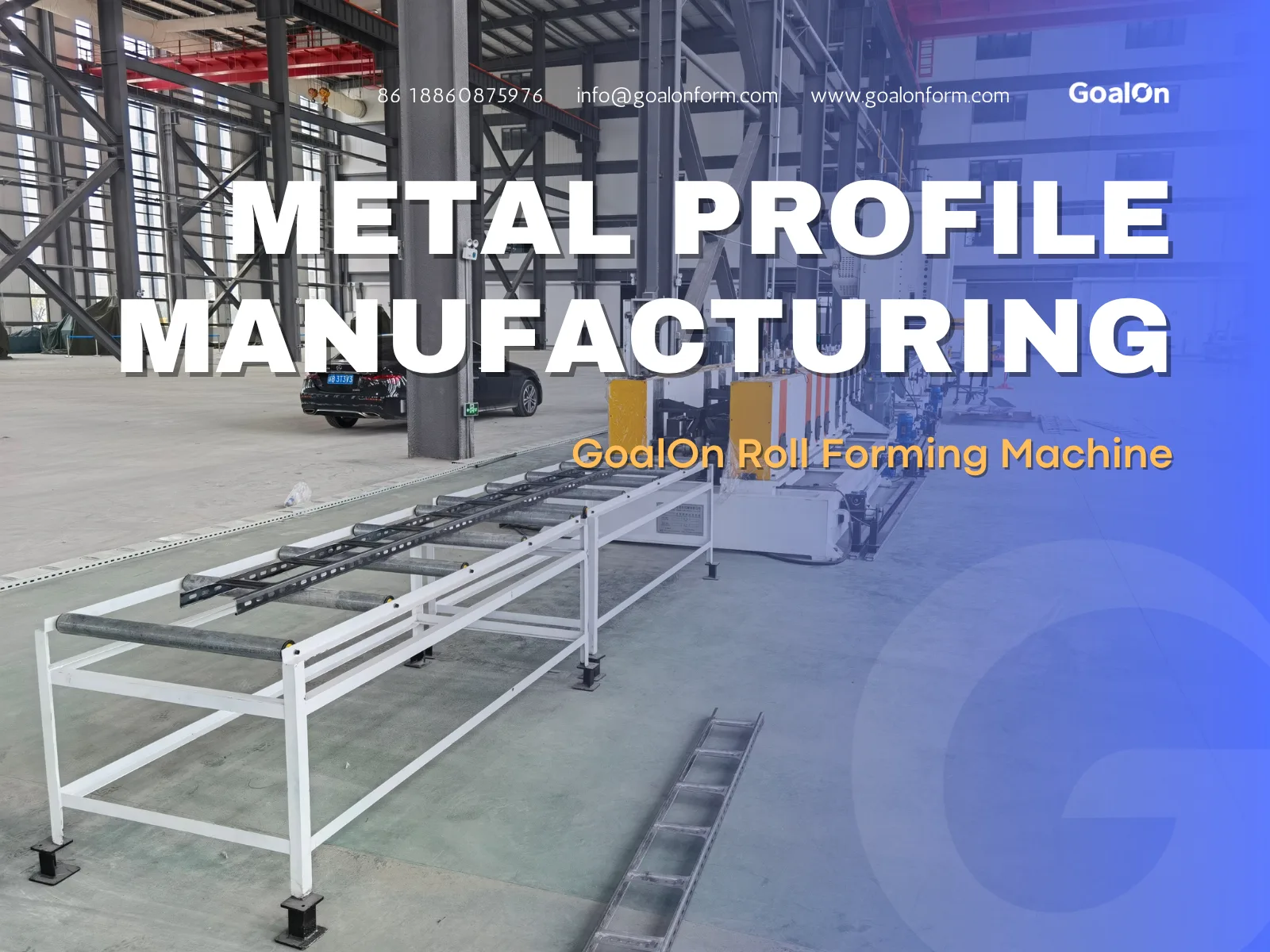
Before comparing methods, it is important to understand where cutting fits into the overall process. A typical roll forming line includes:
- Decoiling
- Leveling
- Punching (optional)
- قالبگیری نوردی
- برش
- Output handling
Cutting is the stage where continuous profiles are transformed into precisely defined lengths, and this transition must occur without compromising shape integrity.
In high-volume manufacturing, even small inaccuracies in cutting can result in:
- Length deviation accumulation
- End deformation (flare, burr, twist)
- Production interruptions
That is why the cutting system must be carefully matched with the forming process.
The Most Common Method: Hydraulic Flying Cut-Off
Across the industry, the most widely used solution is the hydraulic flying cut-off system. This method has become the standard for medium-to-high speed roll forming lines.
نحوه کار
The flying cut-off operates by synchronizing with the moving profile. Instead of stopping the material, the cutting unit travels along the production direction at the same speed as the profile, performs the cut, and then returns to its starting position.
Key characteristics include:
- No need to stop the roll forming process
- Servo or encoder synchronization with line speed
- Hydraulic or servo-driven cutting motion
Why It Is the Most Common
The dominance of this method comes from its balance between speed, accuracy, and adaptability:
- It supports continuous production, which significantly improves throughput
- It ensures consistent cutting length accuracy, especially when combined with encoder feedback
- It reduces mechanical stress compared to stop-and-cut systems
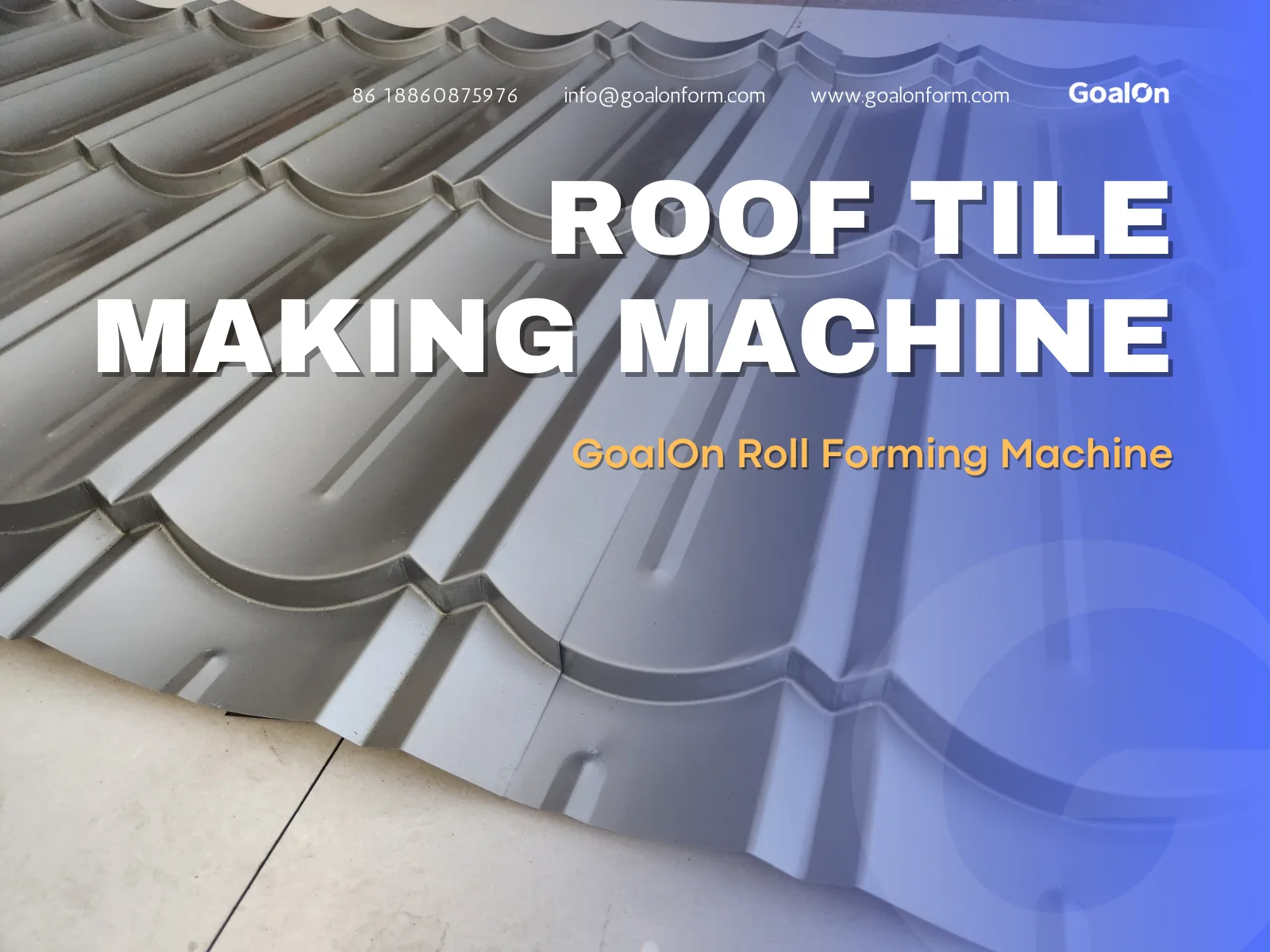
For most roofing panels, wall panels, purlins, and light structural profiles, the hydraulic flying cut-off is the preferred choice.
Stop-and-Cut (Post-Cut) Systems: Simplicity vs Efficiency
Before flying systems became mainstream, stop-and-cut (post-cut) was widely used—and it is still relevant in certain scenarios.
اصل کار
In this method, the roll forming line pauses when the desired length is reached. The cutting device then performs the cut while the material is stationary.
مزایا
- Simpler mechanical design
- Lower initial investment cost
- Easier maintenance
محدودیتها
However, the drawbacks become evident in modern production environments:
- Production speed is significantly reduced due to frequent stops
- Increased wear on drive systems from repeated acceleration and deceleration
- Not suitable for high-output factories
This method is still practical for:
- Low-speed production lines
- Thick materials requiring higher cutting force
- Small-scale manufacturers with limited budgets
Pre-Cut Systems: Special Applications with Material Savings
Another method is pre-cutting, where the coil is cut into sheets before entering the roll forming machine.
Key Features
- Cutting occurs before forming, not after
- The forming machine processes pre-cut blanks instead of continuous strip
When It Is Used
Pre-cut systems are less common but valuable in specific cases:
- Profiles with variable lengths and frequent size changes
- Production requiring zero scrap between parts
- Materials where post-cut deformation is a concern
Technical Considerations
However, this method introduces challenges:
- Feeding accuracy must be extremely precise
- Material positioning becomes critical
- Not ideal for high-speed automation
Because of these constraints, pre-cut is typically used in niche applications rather than mainstream production.
Rotary Shear Cutting: High-Speed Specialist
For extremely high-speed production lines, especially in industries like metal decking or lightweight gauge profiles, rotary shear cutting is sometimes used.
How It Differs
Instead of a vertical cutting motion, rotary shear uses rotating blades synchronized with material movement.
Benefits
- Capable of ultra-high-speed cutting
- Smooth cutting action with reduced vibration
- Suitable for thin materials
Drawbacks
- Complex design and higher cost
- Limited flexibility for different profile shapes
- Requires precise synchronization
This method is typically found in large-scale industrial operations where production volume justifies the investment.
Flying Saw Cutting: For Heavy-Duty Profiles
When dealing with thicker materials or structural sections, flying saw systems are often used.
Characteristics
- Uses a circular saw blade
- Moves synchronously with the profile (similar to flying cut-off)
- Suitable for heavy-gauge steel
مزایا
- Effective for thick materials (e.g., >3 mm steel)
- Clean cuts on structural sections
محدودیتها
- Higher noise levels
- Increased maintenance due to blade wear
- Slower than shear-based systems
This method is commonly used in:
- Structural steel components
- Automotive profiles
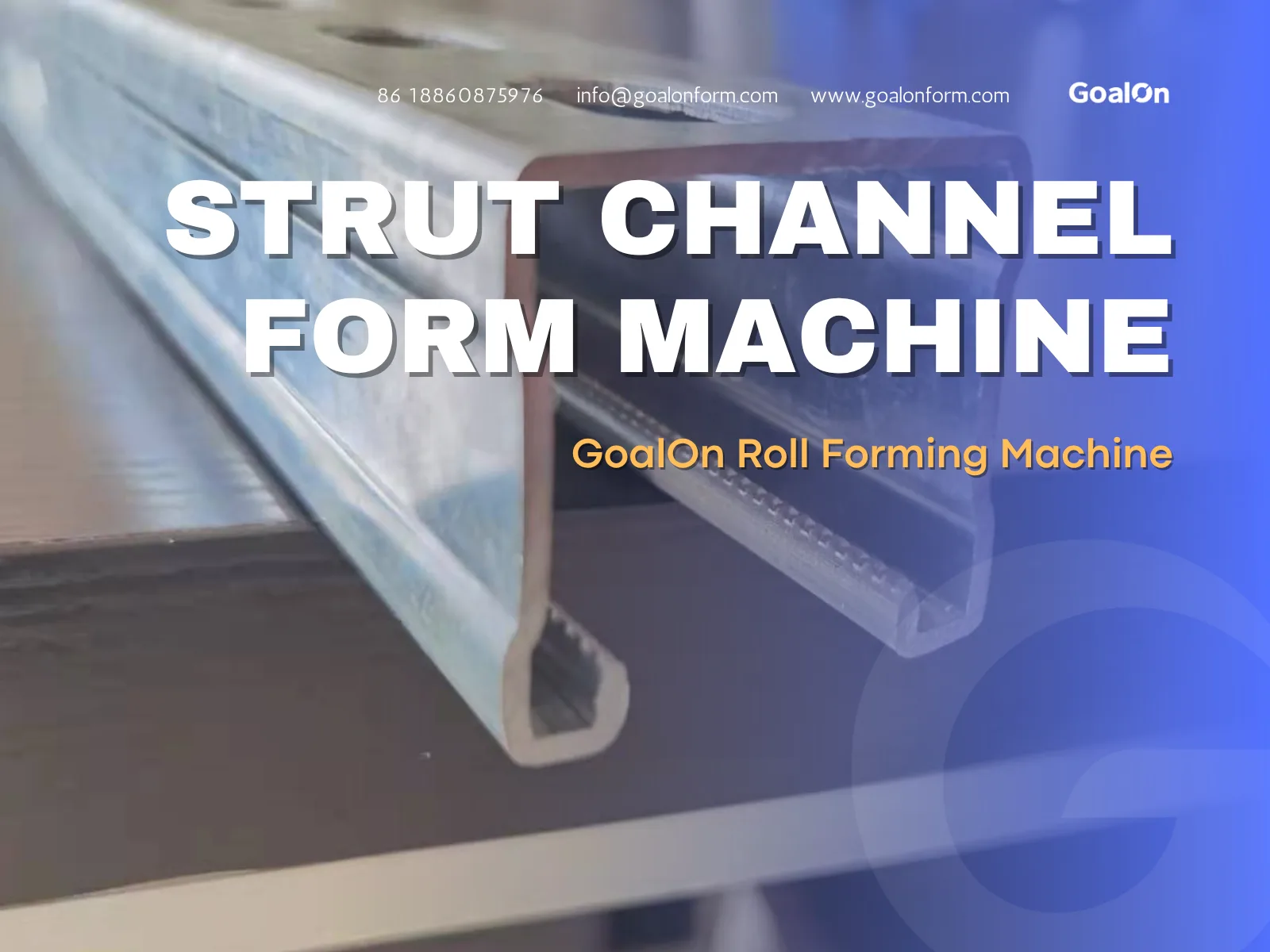
- Heavy-duty purlin production
Key Technical Factors in Choosing a Cutting Method
Selecting the right cutting system is not just about preference—it requires a systematic evaluation of production requirements.
1. Material Thickness and Strength
Thicker materials require higher cutting force. For example:
- Thin sheets (0.3–1.0 mm): flying shear or rotary shear
- Medium thickness (1.0–3.0 mm): hydraulic flying cut-off
- Heavy gauge (>3.0 mm): flying saw
آن yield strength of the material also affects blade wear and cutting force requirements.
2. Production Speed
Speed is one of the most critical factors:
- Low-speed lines: stop-and-cut is acceptable
- Medium-to-high speed: flying cut-off becomes essential
- Ultra-high speed: rotary shear may be required
In modern factories, maintaining continuous operation without توقف is a major competitive advantage.
3. Profile Complexity
Complex profiles introduce additional challenges:
- Deep ribs or asymmetrical sections may require special die design
- Closed profiles (like box beams) may need precise cutting alignment
- Profiles with pre-punched holes require synchronization between punching and cutting
This is why cutting systems must be integrated into the overall line design—not treated as an isolated component.
4. Length Accuracy Requirements
Accuracy depends on:
- Encoder precision
- Synchronization control
- Mechanical rigidity
Modern systems use servo-driven tracking combined with PLC control to achieve high precision, often within ±1 mm tolerance.
5. Maintenance and Operating Cost
Each method has different long-term costs:
- Hydraulic systems: require oil maintenance
- Saw systems: require blade replacement
- Rotary systems: require precise calibration
Choosing the cheapest system upfront often leads to higher lifecycle costs.
Industry Trends: Toward Automation and Intelligence
Cutting systems are evolving alongside the broader trend of automation in roll forming.
Modern lines increasingly feature:
- Servo-driven flying cut-off systems replacing purely hydraulic ones
- Integration with PLC and HMI systems for real-time adjustment
- Automatic length setting and error correction
- Data tracking for production optimization
For machine trading companies, offering intelligent cutting solutions is becoming a key differentiator in competitive markets.
Practical Recommendations for Buyers
For construction companies, profile manufacturers, and equipment traders, the following guidelines can help in decision-making:
- Choose hydraulic or servo flying cut-off for most standard applications
- Use stop-and-cut only for low-speed or budget-constrained projects
- Consider rotary shear only if production volume justifies high investment
- Evaluate cutting together with the entire line—not as a standalone unit
- Always request real production data, not just theoretical specifications
نتیجهگیری
While multiple cutting technologies exist in roll forming, the hydraulic flying cut-off system remains the most common and versatile solution in the industry. Its ability to combine continuous production, reliable accuracy, and adaptability makes it the preferred choice across a wide range of applications.
However, there is no one-size-fits-all answer. The optimal cutting method depends on a combination of material characteristics, production speed, profile complexity, and long-term operational goals.
For businesses aiming to stay competitive, the focus should not only be on selecting a cutting method, but on building a fully optimized, synchronized roll forming system where cutting, forming, and control technologies work seamlessly together.