مقدمه
Walk into any supermarket, convenience store, warehouse club, or retail store, and you will see countless shelving systems supporting products safely and efficiently. Behind these shelving systems is a highly specialized manufacturing process powered by a supermarket shelf roll forming machine.

Modern shelving products require precision-made uprights, beams, shelf panels, brackets, back panels, and reinforcement components. Producing these parts efficiently would be difficult without advanced roll forming technology.
For shelf manufacturers, choosing the right roll forming machine directly affects:
- Production capacity
- Product quality
- Labor costs
- Manufacturing efficiency
- Long-term profitability
In this guide, you will learn:
- How shelf roll forming machines work
- Main machine components
- Key advantages of roll forming technology
- Common shelf profiles produced
- Important buying considerations
- Future industry trends
By understanding these factors, manufacturers can make better investment decisions and improve production performance.
Understanding Roll Forming Technology
Roll forming is one of the most efficient methods for producing metal profiles with a constant cross-section.
Unlike traditional fabrication processes that depend heavily on cutting, welding, and bending operations, roll forming gradually shapes a continuous metal strip through multiple roller stations at room temperature.
The process typically starts with galvanized steel, cold-rolled steel, or pre-painted steel coils. The material passes through a series of carefully designed forming stations until the final profile is achieved.
Because the material is formed gradually rather than bent in a single operation, roll forming offers several important advantages:
- دقت چندبعدی
- Excellent surface finish
- کاهش ضایعات مواد
- کیفیت ثابت محصول
- کاهش هزینههای تولید
- سرعت تولید بالا
These benefits are especially important for shelf manufacturing, where accurate assembly and attractive appearance are critical.
Why Roll Forming Is Ideal for Shelf Manufacturing
Shelf systems are usually produced in large quantities and consist of multiple profile types.
A typical shelving system may include:
- Uprights
- Box beams
- Step beams
- Shelf panels
- Back panels
- Reinforcement channels
- Brackets
- Various accessories
Producing these components through traditional fabrication methods often requires multiple manufacturing steps, including:
- برش
- ضربهزنی
- Bending
- Welding
- Grinding
- Surface finishing
A roll forming production line combines many of these operations into a single automated process.
As a result, manufacturers benefit from:
- Higher productivity
- نیاز کمتر به نیروی کار
- یکنواختی بهتر محصول
- Reduced manufacturing costs
This is why roll forming has become the preferred production method throughout the shelving industry.
Main Components of a Shelf Roll Forming Machine
Understanding machine configuration is essential when comparing suppliers and evaluating investment costs.
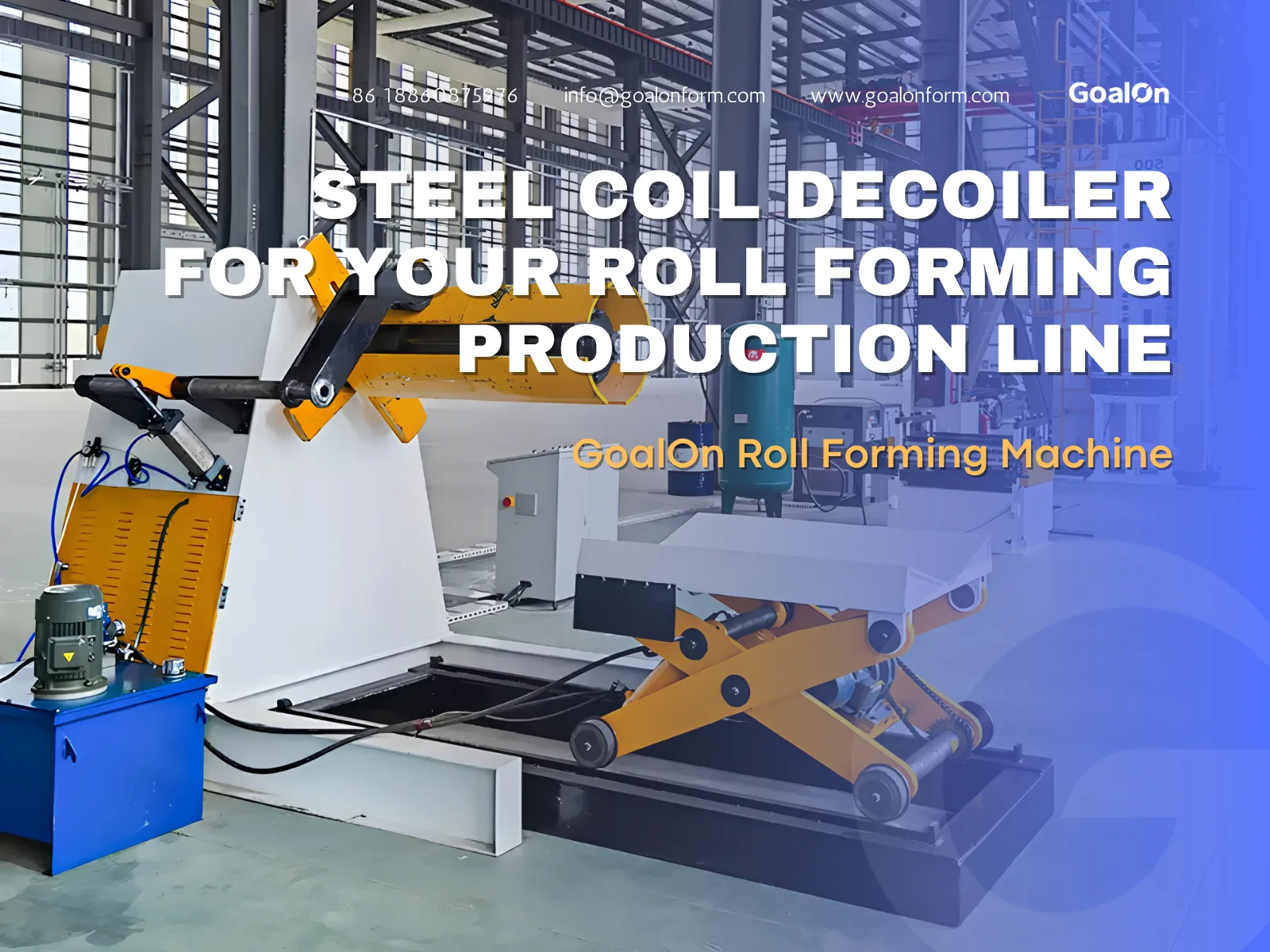
دستگاه بازکردن قرقره
The production process begins with the decoiler.
The decoiler supports and unwinds the steel coil before it enters the production line.
Common options include:
- Manual decoilers
- Hydraulic decoilers
- Double-head decoilers
- Heavy-duty decoilers with loading cars
Key Benefits
- Stable material feeding
- Improved production efficiency
- Reduced operator workload
- Enhanced workplace safety
For high-volume shelf manufacturing, hydraulic decoilers are generally the preferred solution.
واحد ترازسازی
Steel coils often contain residual stress and natural coil curvature.
The leveling unit removes these imperfections and ensures the material enters the forming section in a flat condition.
Key Benefits
- Improved profile accuracy
- Better punching precision
- More stable forming performance
- Reduced profile deformation
Proper leveling is one of the most important factors affecting final product quality.
Servo Feeding System
Modern shelf roll forming lines frequently use servo feeding systems to improve positioning accuracy.
The servo feeder controls feeding length with extremely high precision, helping maintain consistent hole locations throughout production.
This feature is particularly important for shelf uprights that contain multiple installation holes.
Key Benefits
- Accurate feeding length
- Consistent punching positions
- Improved production repeatability
- کاهش ضایعات مواد
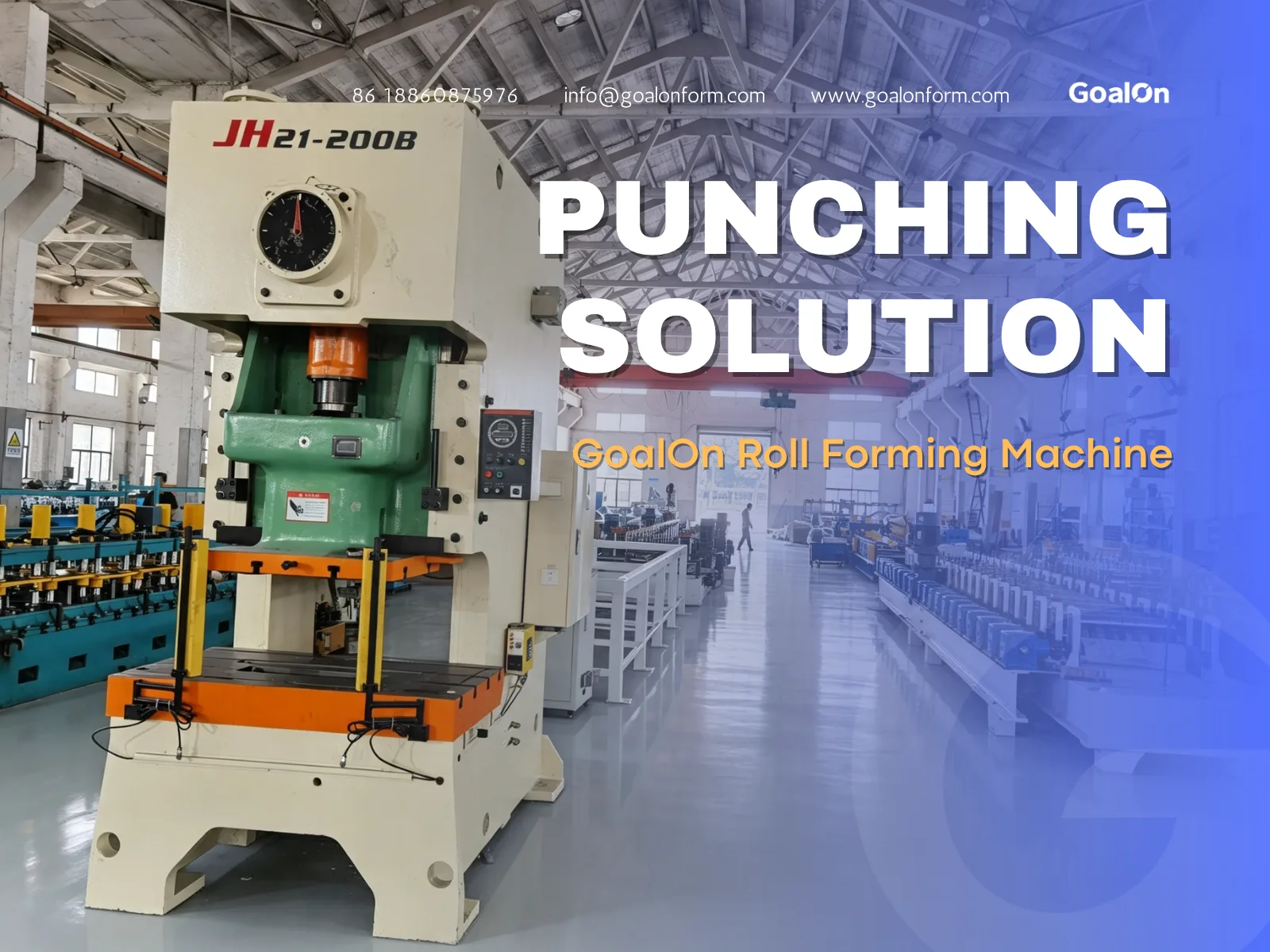
Hydraulic Punching Unit
Many shelf components require punching operations before forming.
These operations may include:
- Round holes
- Slots
- Mounting holes
- Embossing patterns
- Assembly openings
Modern punching systems can include:
- Multiple punching stations
- Quick-change tooling
- سیستمهای موقعیتیابی سروو
- High-speed punching capability
Key Benefits
- Higher assembly accuracy
- Improved product consistency
- Faster production speed
- Reduced secondary operations
The punching system directly affects shelf installation performance and overall product quality.
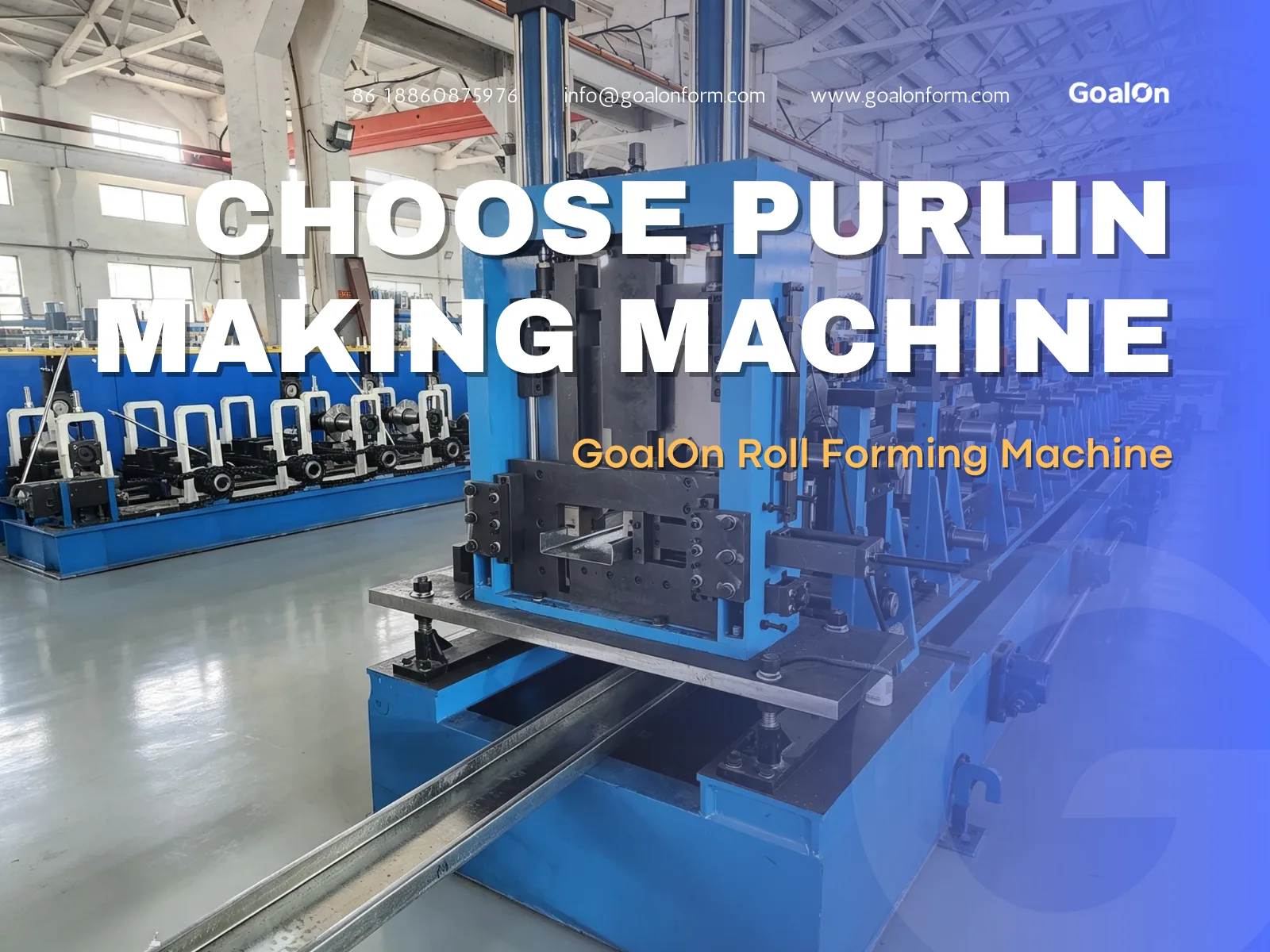
ماشین شکلدهی نوردی
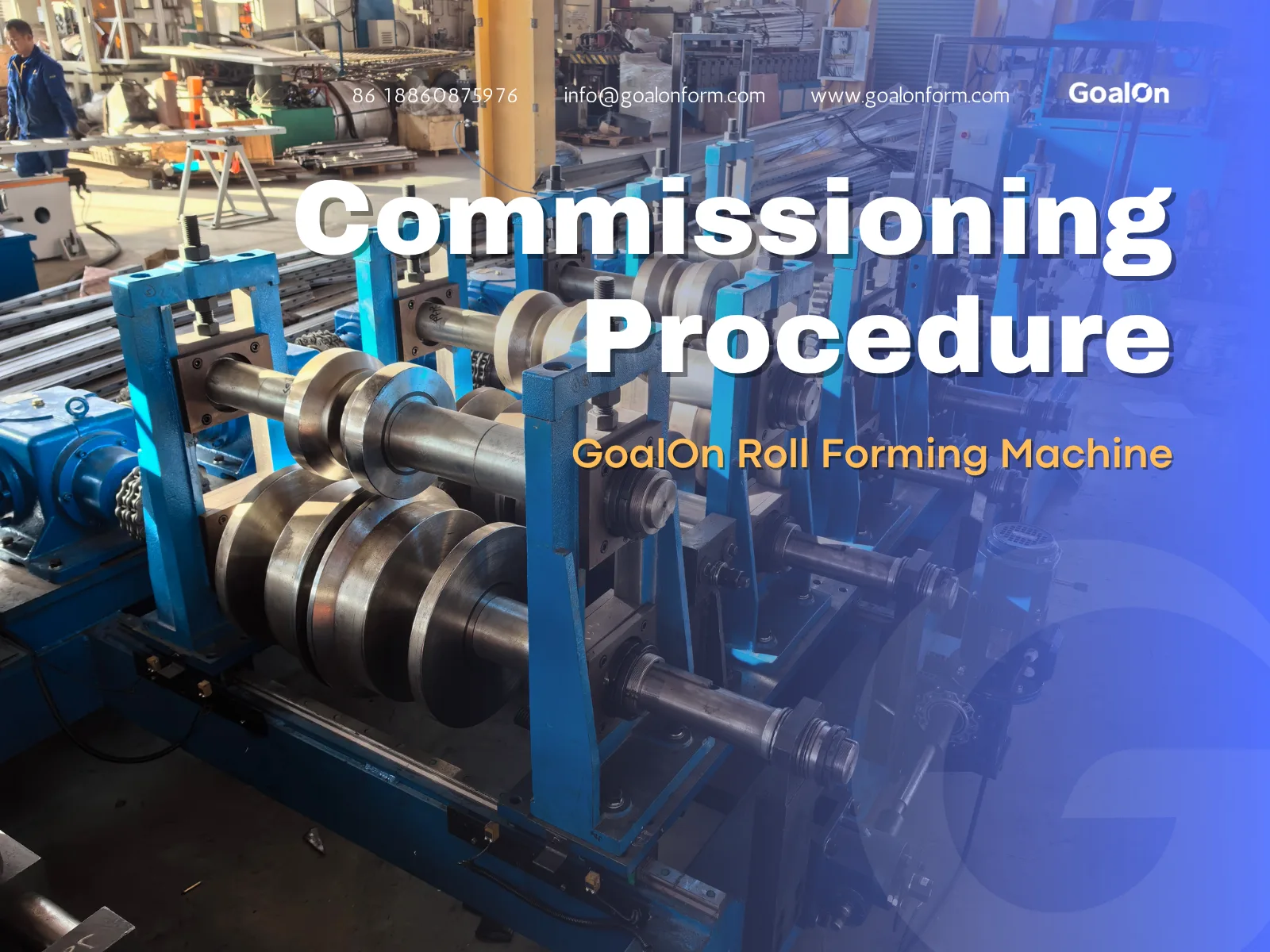
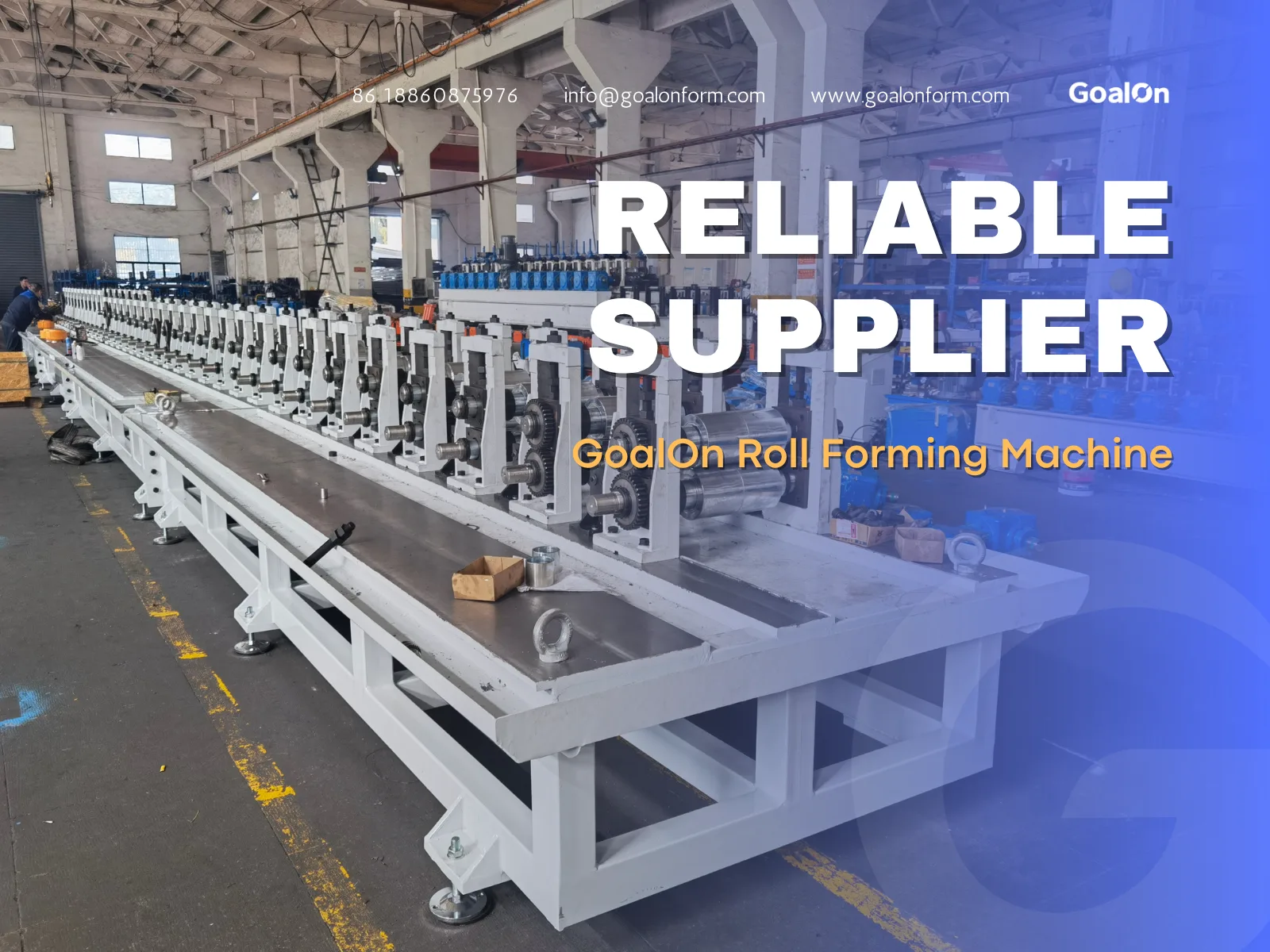
The roll forming section is the core of the production line.
Multiple roller stations gradually transform the flat steel strip into the desired shelf profile.
Roll tooling design determines:
- geometry پروفایل
- Product quality
- Material compatibility
- سرعت تولید
Professional machine manufacturers use advanced CAD software and forming simulations to optimize roller design and minimize forming stress.
Key Benefits
- دقت چندبعدی
- Continuous production capability
- Stable product quality
- Low material waste
A well-designed roll forming machine can operate continuously while maintaining excellent profile consistency.
Cutting System
After forming, the profile must be cut to the required length.
Manufacturers typically choose between two cutting methods.
Hydraulic Stop Cutting
The machine briefly stops before each cutting operation.
مزایا
- Lower investment cost
- Simple maintenance
- عملکرد قابلاعتماد
est For
- Small and medium production volumes
- Budget-sensitive projects
Flying Cutoff System
The cutting unit moves synchronously with the profile during production.
مزایا
- Continuous production
- Higher line speed
- Maximum productivity
بهترین برای
- Large-scale shelf manufacturers
- High-output production facilities
Cutting System Comparison
| Cutting Type | Main Advantages | Best Application |
|---|---|---|
| Hydraulic Stop Cutting | Lower cost, easy maintenance | Medium-volume production |
| Flying Cutoff | Continuous production, higher speed | High-volume production |