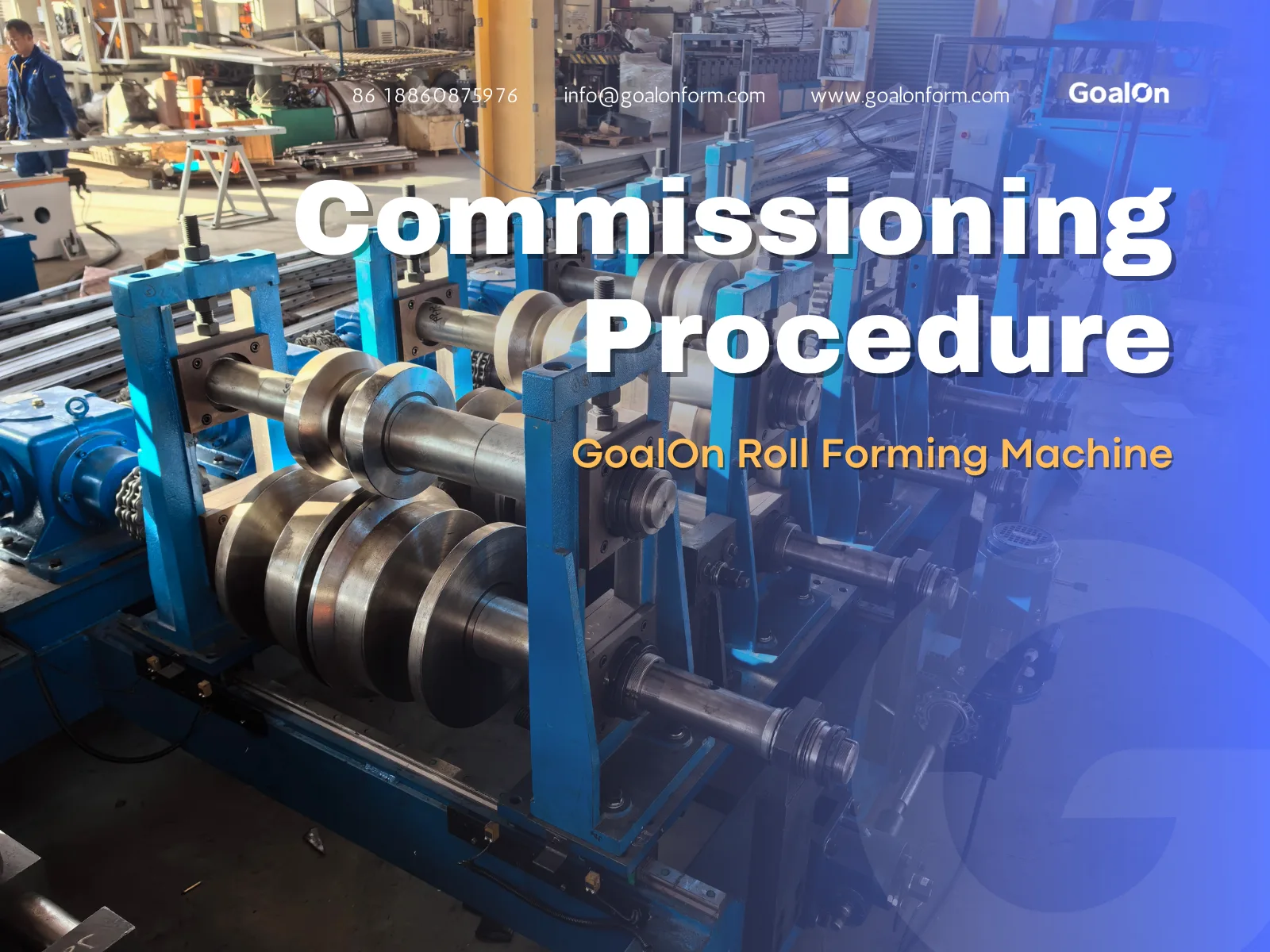
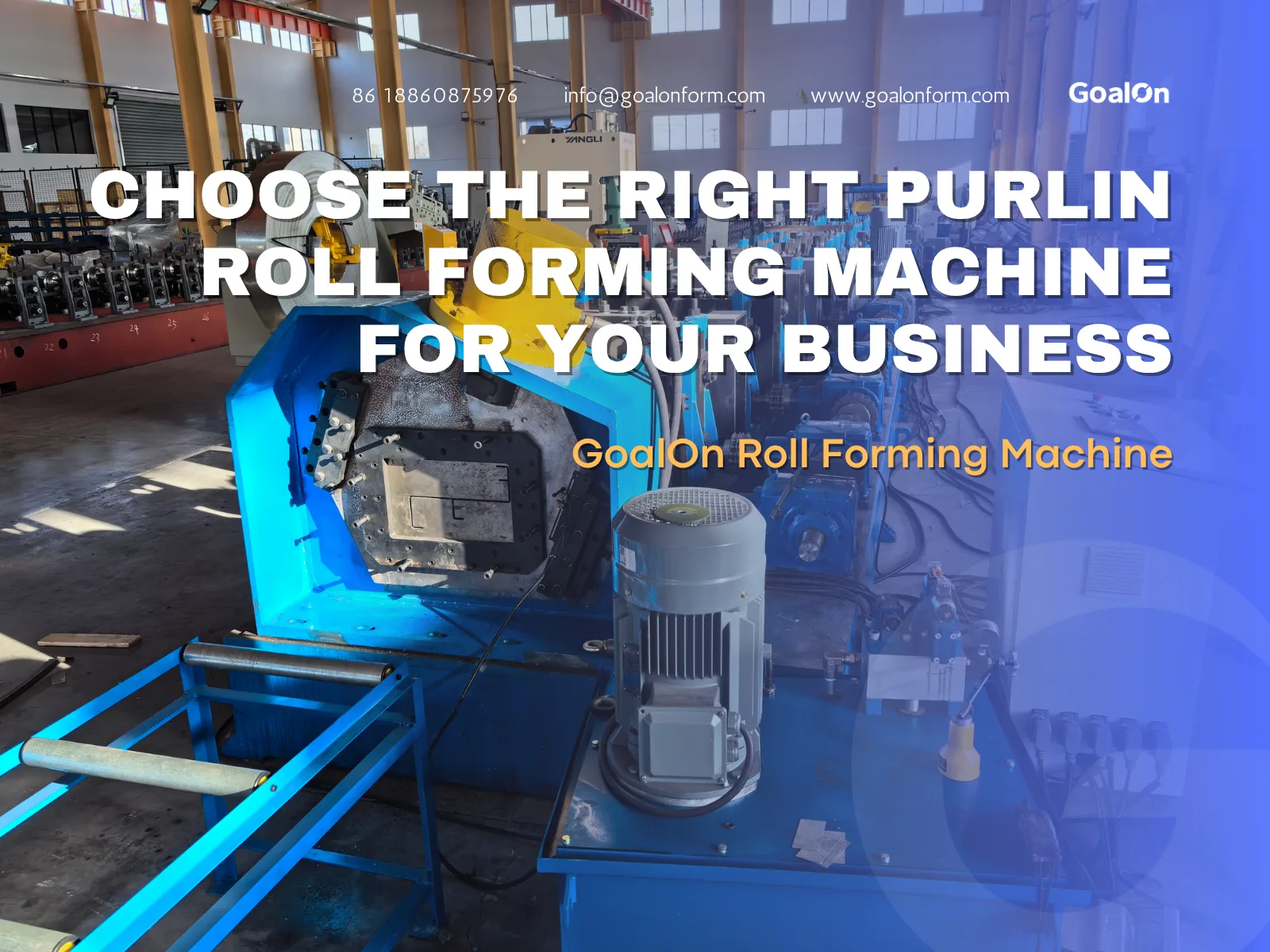
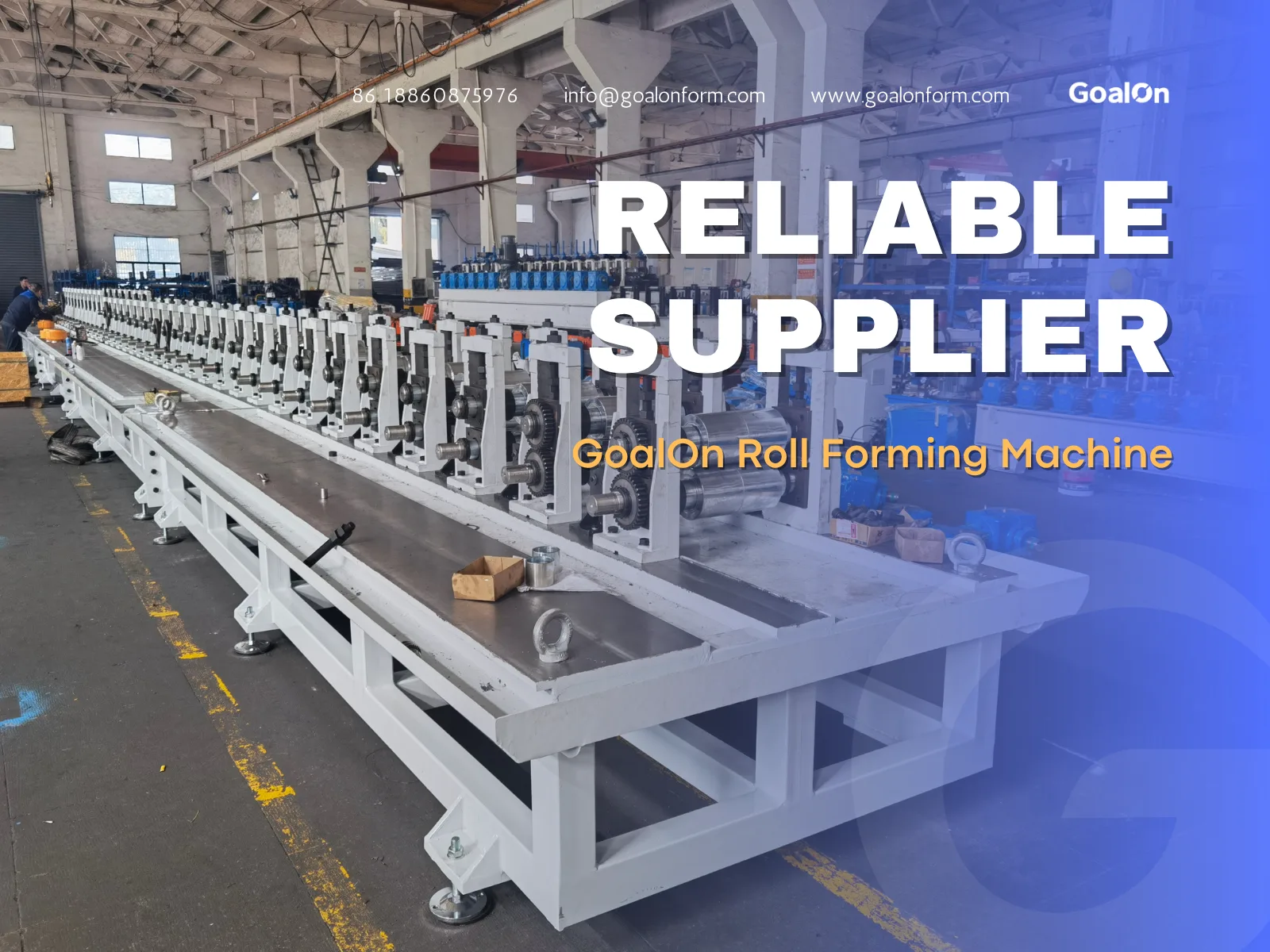
In today’s highly competitive metal fabrication and construction industries, manufacturers are constantly seeking production methods that combine efficiency, precision, and scalability. Among all available technologies, the cold roll forming process has proven to be one of the most reliable and cost-effective solutions for producing consistent metal profiles at high volumes.
For construction companies, metal profile manufacturers, and machinery trading firms, understanding the true advantages of roll forming is not just a matter of equipment selection—it directly impacts production cost, product quality, and long-term return on investment (ROI). This article provides a comprehensive, technically grounded analysis of why roll forming machines have become a cornerstone of modern metal processing.

Continuous Production Efficiency and High Throughput Capability
One of the most significant advantages of roll forming machines lies in their ability to operate under a اصل تولید مستمر. Unlike press-based or batch-processing methods, roll forming lines allow steel coils to be fed into the system and gradually shaped into the desired profile through multiple forming stations without interruption.
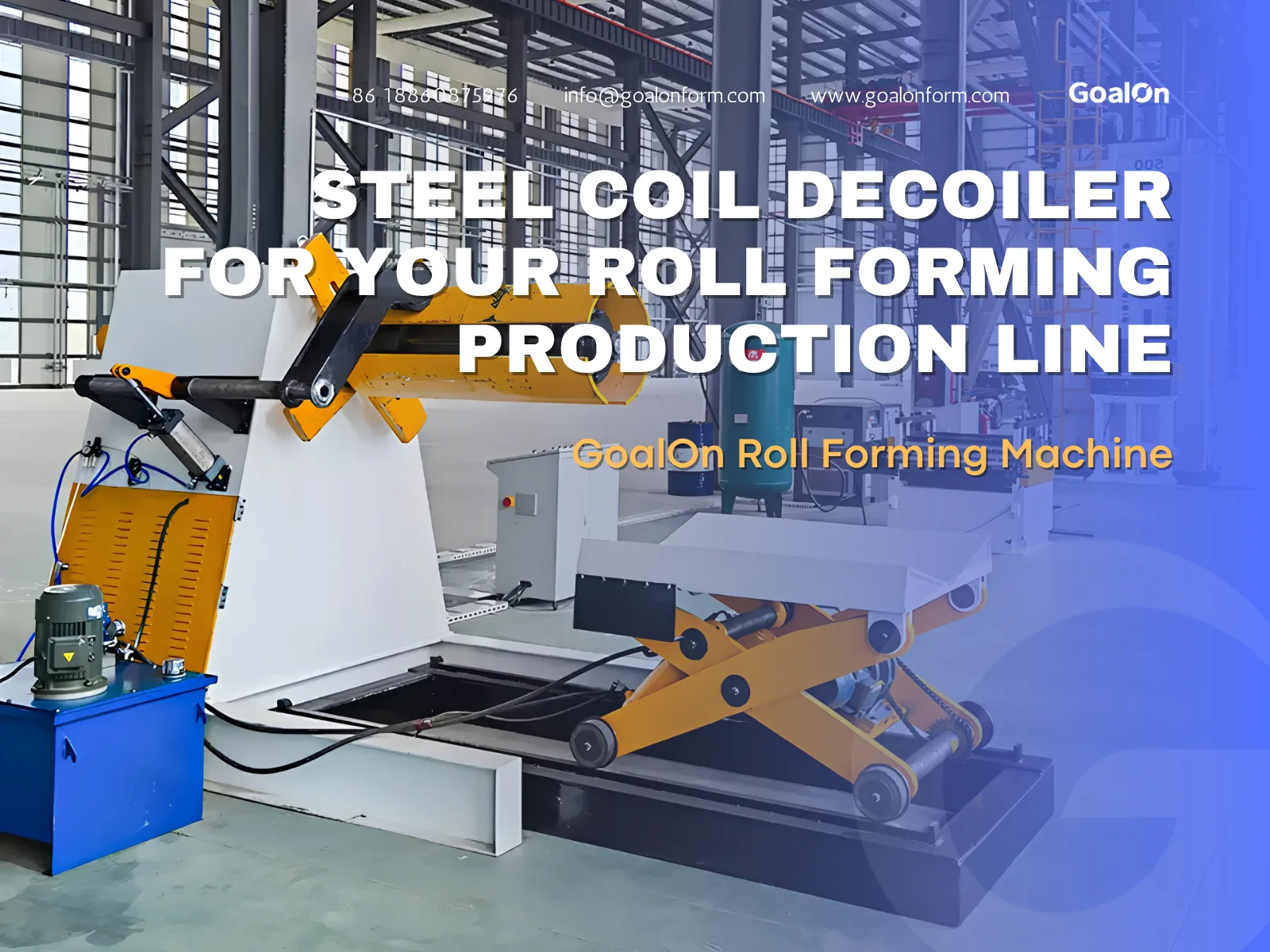
This results in exceptionally high productivity levels, especially when combined with automatic decoiling, leveling, and cutting systems. A well-designed line can maintain stable speeds ranging from 15 to 60 meters per minute depending on the profile complexity and cutting method.
More importantly, the integration of servo-driven flying shear systems یا hydraulic post-cutting mechanisms ensures that cutting does not interrupt the forming process. This eliminates downtime and significantly improves output consistency. For large-scale construction projects or manufacturers supplying standardized profiles like C/Z purlins, roofing sheets, or cable trays, this continuous operation translates directly into shorter delivery cycles and higher customer satisfaction.
Superior Dimensional Accuracy and Profile Consistency
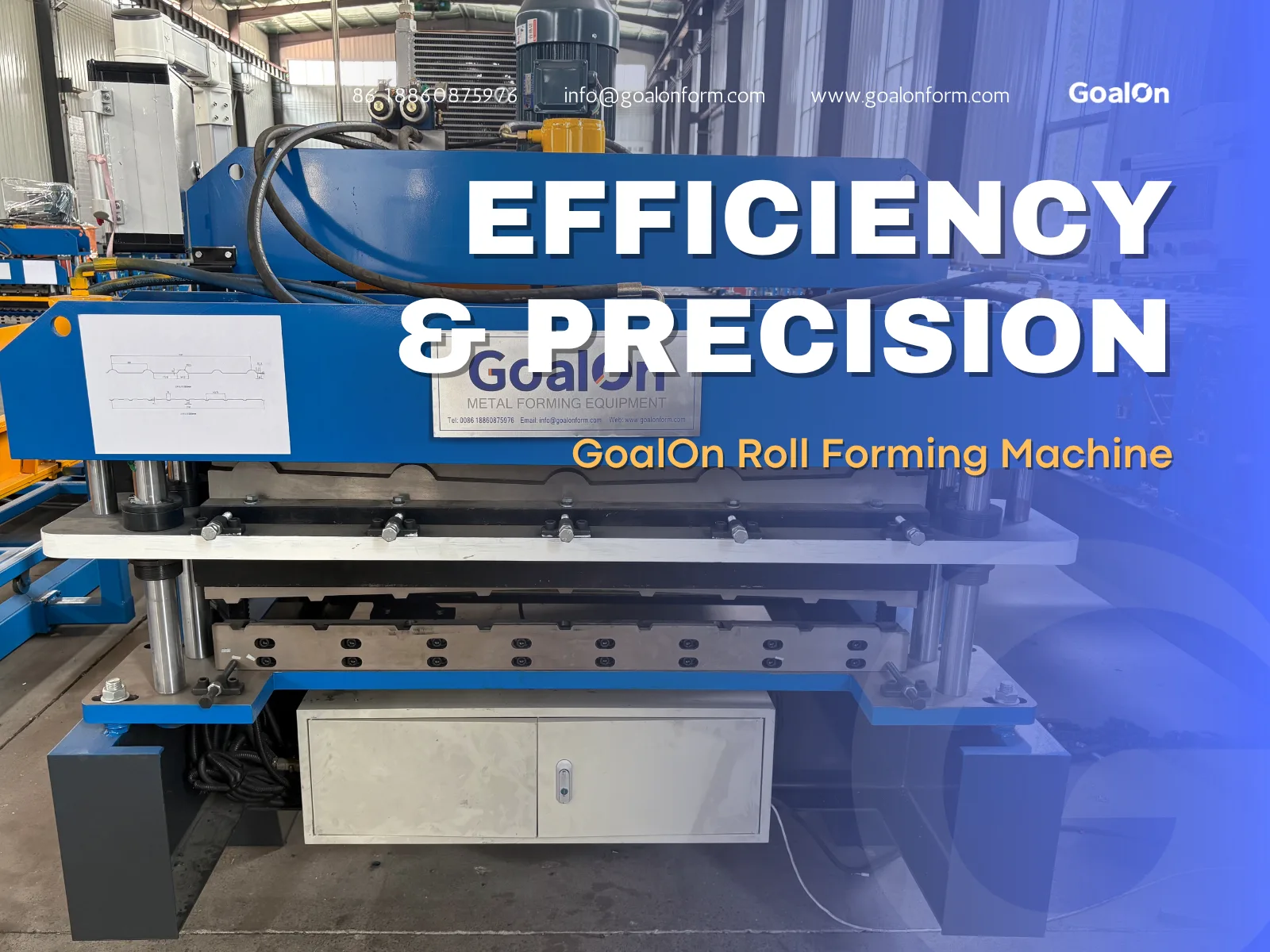
Roll forming machines are engineered to deliver high precision through carefully designed roll tooling and forming sequences. Each forming station incrementally bends the material, minimizing stress concentration and ensuring uniform deformation.
This gradual forming approach leads to tight dimensional tolerances, often within ±0.5 mm depending on machine quality and material properties. Compared to traditional bending or stamping, the risk of deformation defects such as springback, warping, or edge cracking is significantly reduced.
علاوه بر این، استفاده از PLC-controlled systems and encoder feedback mechanisms allows for precise length control and repeatability. This is particularly critical for applications such as structural framing, where even minor deviations can affect installation alignment and structural integrity.
For manufacturers targeting export markets in North America or Europe, where standards are strict, maintaining such precision is essential for compliance and competitiveness.
Material Utilization and Waste Reduction
Another key advantage of roll forming technology is its ability to maximize raw material utilization. Since the process involves continuous feeding from a steel coil, there is minimal scrap generation compared to punching or laser cutting processes.
The optimization of coil width, strip layout, and profile design ensures that nearly the entire material is converted into finished products. In many cases, waste is limited to only the leading and trailing ends of the coil.
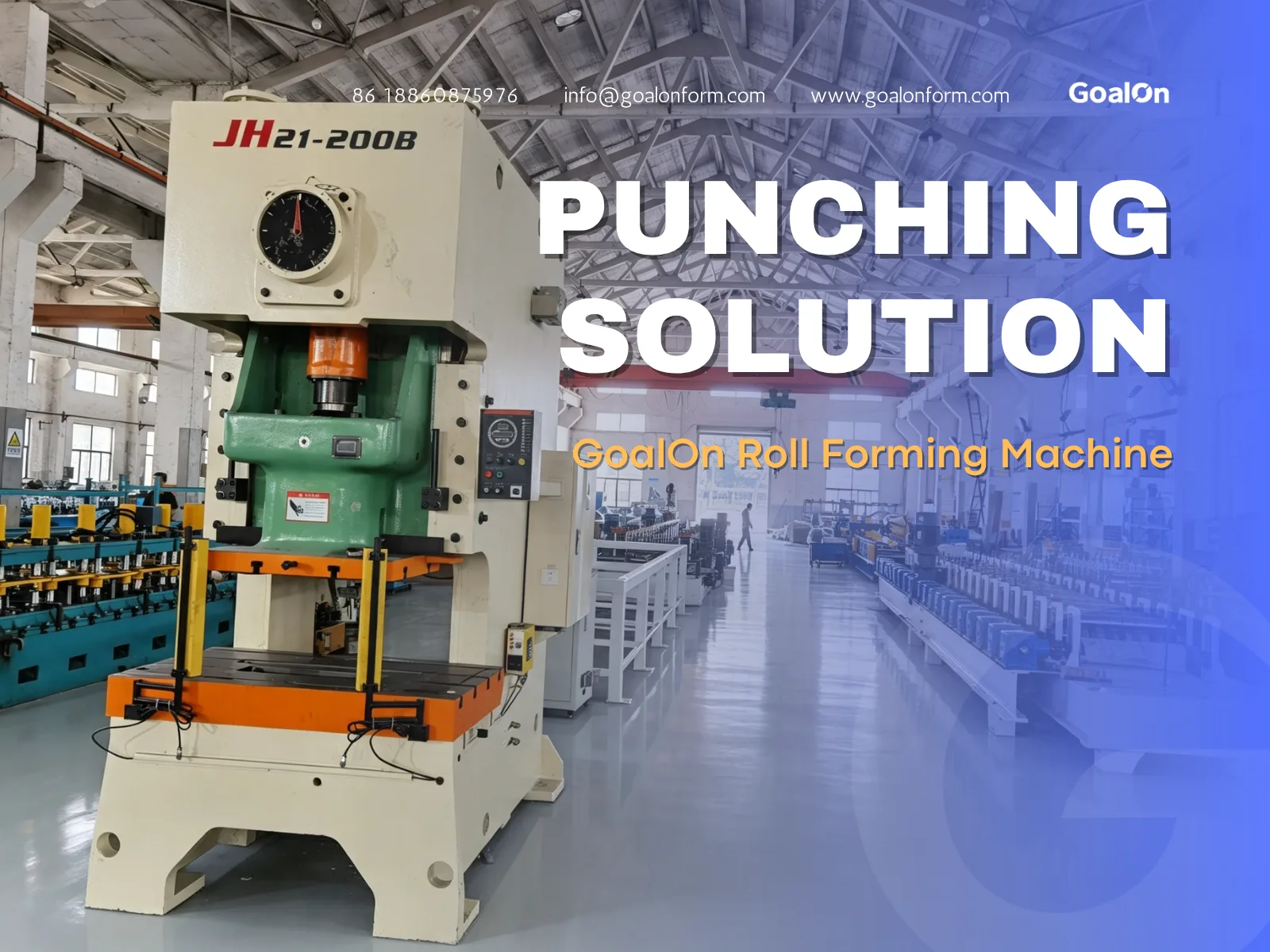
Furthermore, when combined with سیستمهای پانچ پیشفرض یا inline punching stations, manufacturers can eliminate secondary processing steps, reducing both material handling and potential errors. This not only lowers production costs but also aligns with modern sustainability goals by minimizing material waste.
Flexibility in Profile Design and Application Range
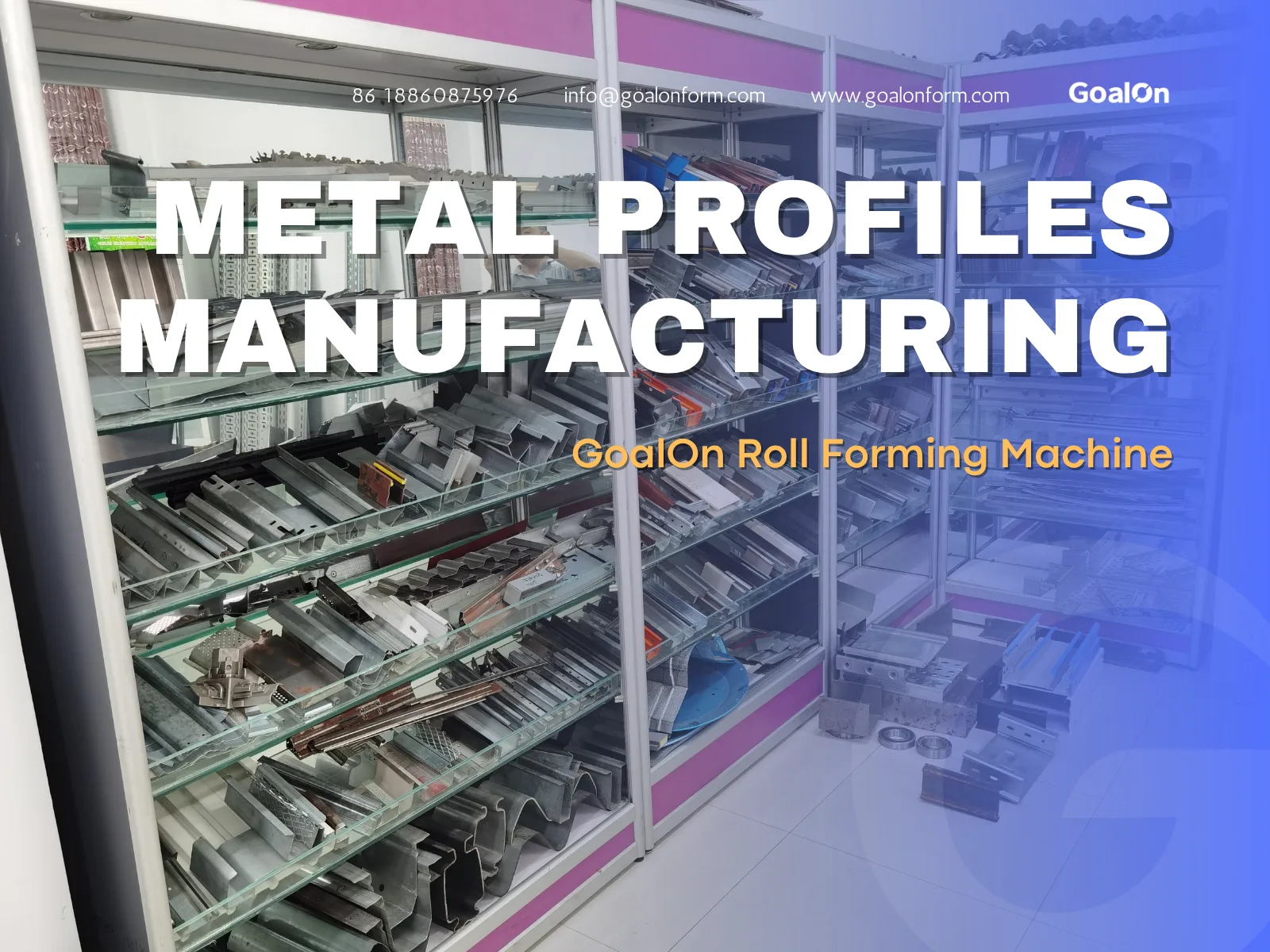
Roll forming machines are highly versatile and capable of producing a wide range of profiles across multiple industries. From simple U-channels to complex multi-bend structural components, the process supports a high degree of design flexibility.
This is largely due to the modular nature of roll tooling design and the ability to customize forming stations according to the profile geometry. Advanced systems even allow for quick-change cassette systems یا automatic size adjustment mechanisms, enabling manufacturers to switch between different profiles with minimal downtime.
Typical applications include:
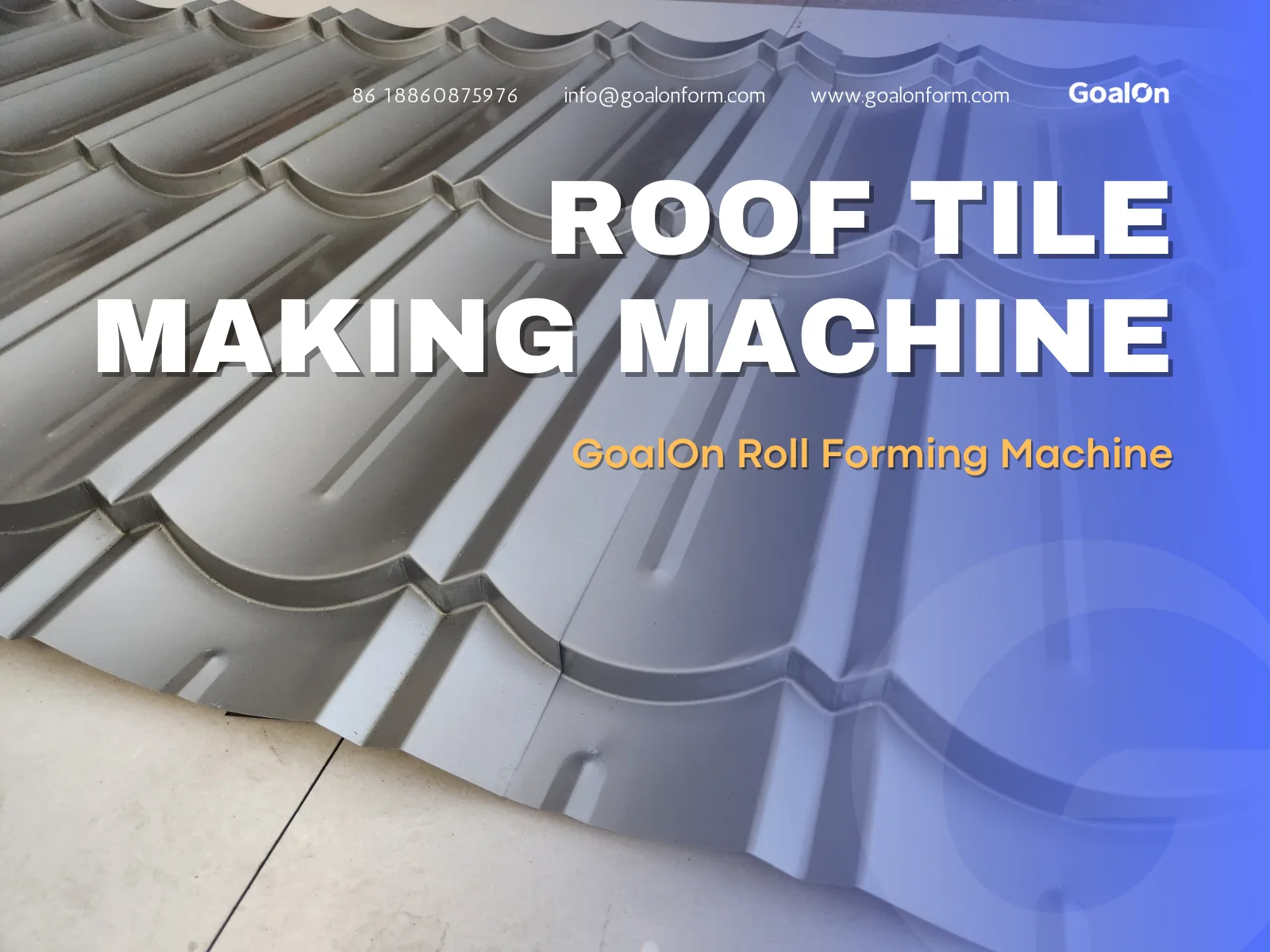
- Roofing and wall panels
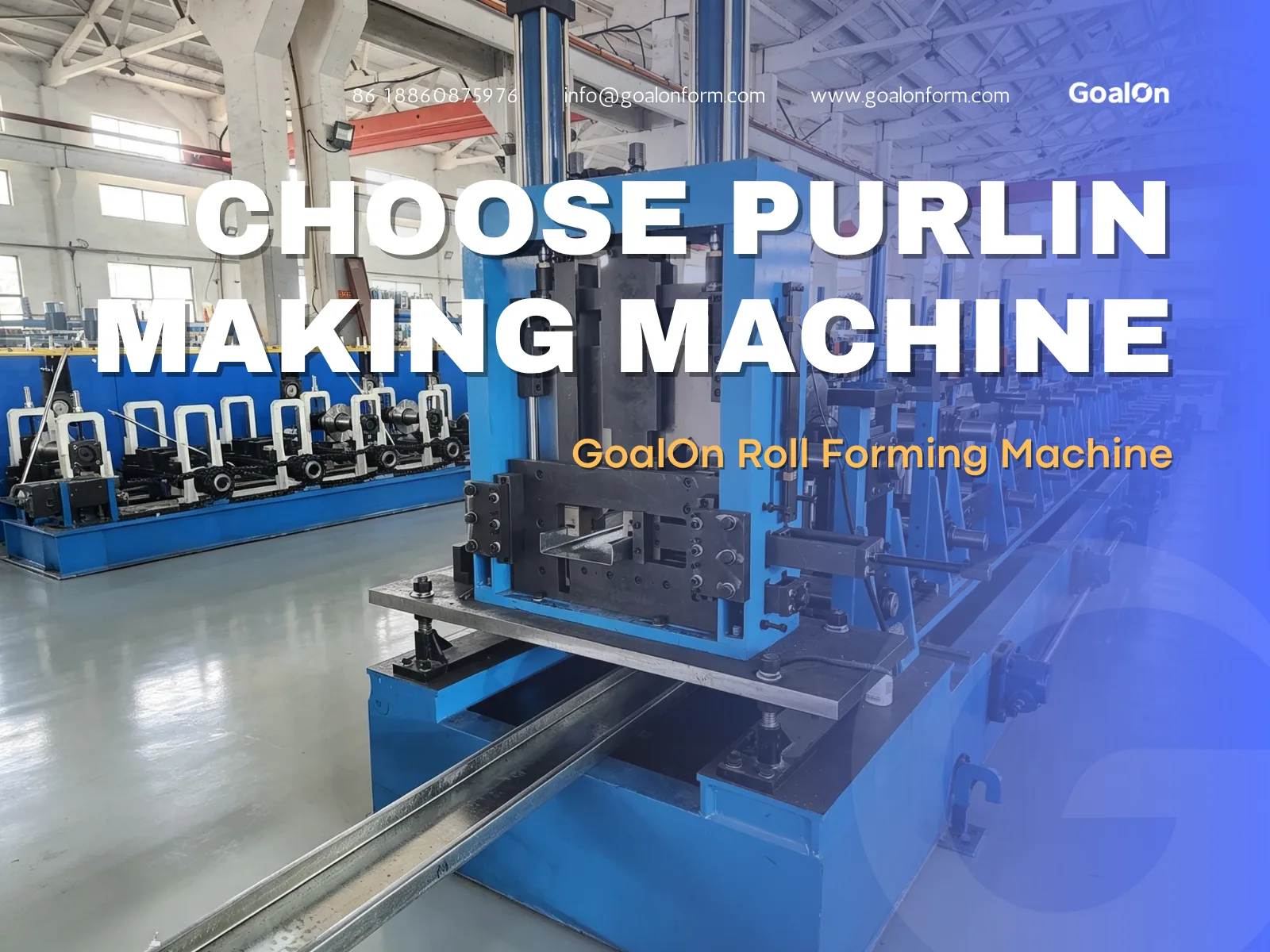
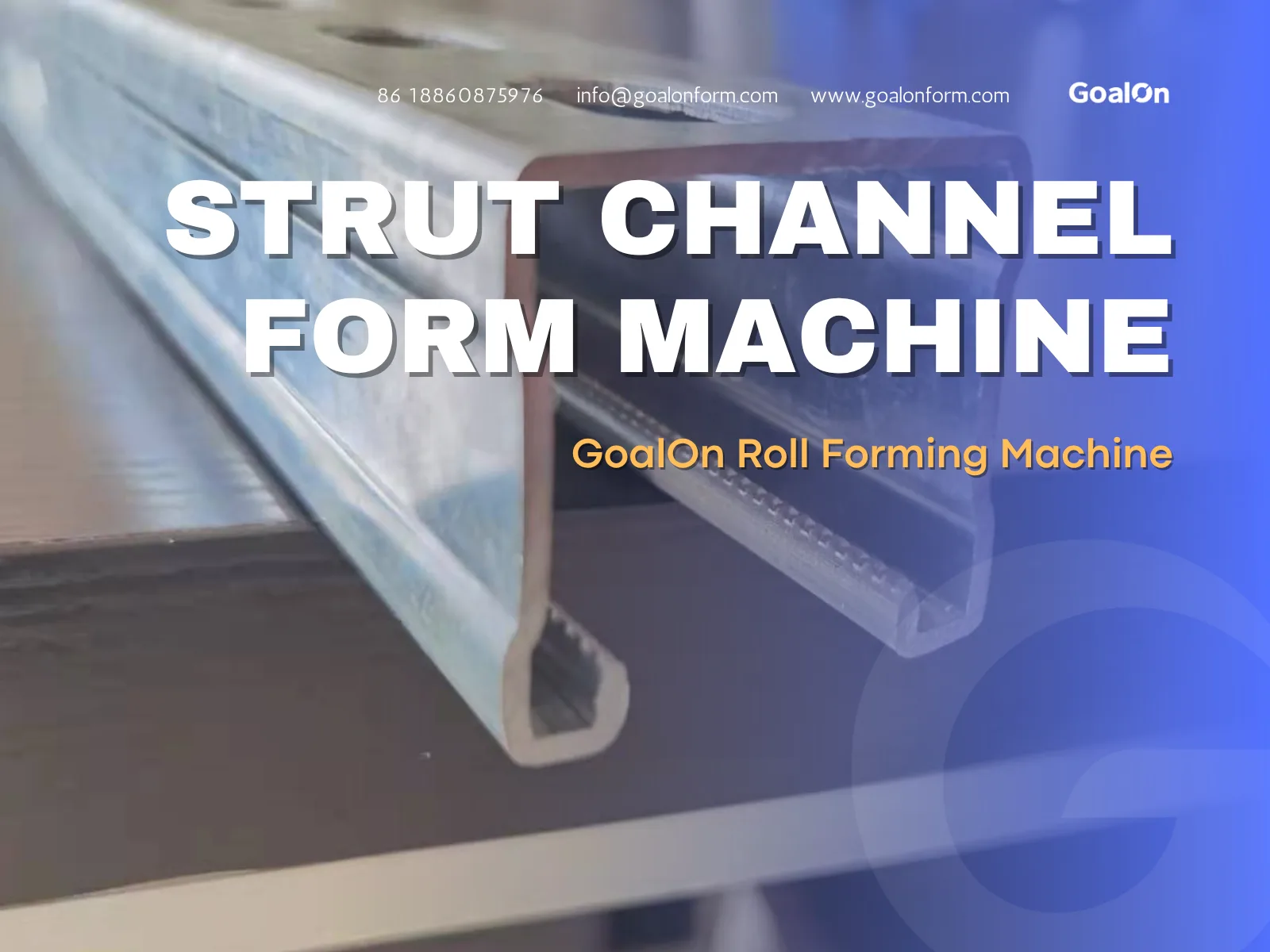
- C/Z/U purlins and structural profiles
- Cable trays and electrical support systems
- چوبکاری در و پنجره
- Storage rack components and logistics systems
For trading companies, this versatility makes roll forming machines highly attractive as they can cater to diverse customer needs across different regions and industries.
Lower Labor Costs Through Automation
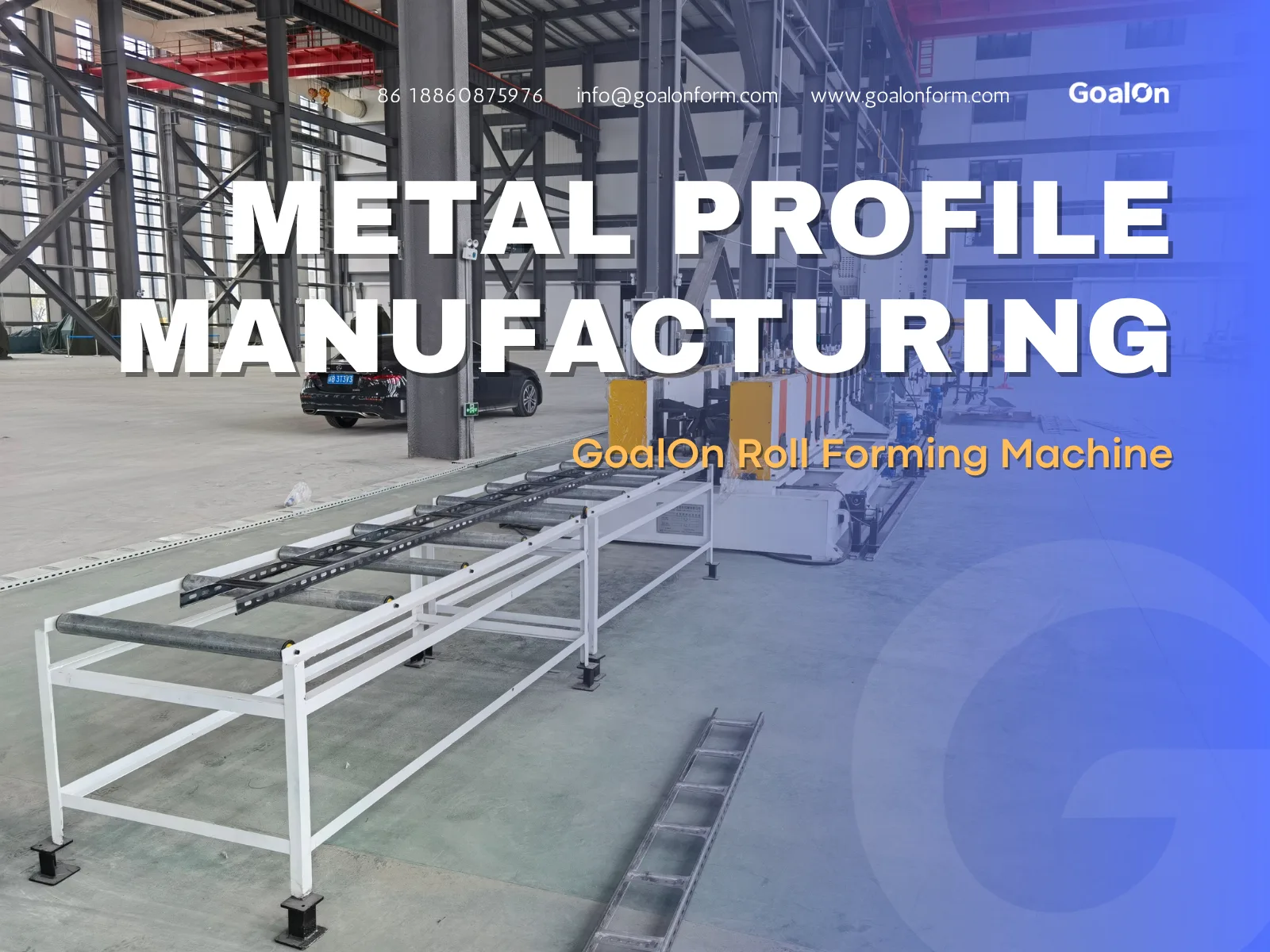
Modern roll forming lines are designed with a high degree of automation, significantly reducing the need for manual intervention. Key processes such as decoiling, feeding, forming, cutting, and stacking can all be integrated into a single automated workflow.
The implementation of centralized PLC control systems, often combined with touchscreen HMI interfaces, allows operators to monitor and adjust production parameters with ease. This reduces dependency on highly skilled labor while also minimizing the risk of human error.
Additionally, advanced lines may include automatic stacking systems یا robotic handling solutions, further reducing labor requirements and improving workplace safety.
For manufacturers operating in regions with rising labor costs, this level of automation provides a strong competitive advantage by lowering operational expenses while maintaining consistent output quality.
Long-Term Durability and Low Maintenance Requirements
Roll forming machines are known for their robust construction and long service life. Key components such as the forming rollers (typically made from Cr12 or D2 tool steel) و shaft systems are designed to withstand continuous operation under high loads.
When properly maintained, a high-quality roll forming line can operate efficiently for over 10–15 years. Routine maintenance typically includes:
- Lubrication of bearings and transmission systems
- Inspection of roller wear and alignment
- بررسیهای سیستم هیدرولیک
- Electrical system diagnostics
The relatively simple mechanical structure, compared to more complex CNC machinery, means that maintenance is straightforward and cost-effective.
For buyers evaluating total cost of ownership, the combination of long equipment lifespan and low maintenance frequency makes roll forming machines a highly economical investment.
Enhanced Safety and Operational Stability
Safety is a critical consideration in any manufacturing environment, and roll forming machines offer several inherent advantages in this regard. Unlike high-impact stamping presses, roll forming operates through gradual deformation, reducing the risk of sudden mechanical failure.
Modern machines are equipped with multiple safety features, including:
- Emergency stop systems (E-stop circuits)
- Protective guarding and safety covers
- Overload protection mechanisms
- Sensor-based fault detection systems
Additionally, the stable and continuous nature of the process minimizes vibration and mechanical shock, contributing to both operator safety and equipment longevity.
For companies aiming to comply with international safety standards such as CE certification, these built-in safety features are essential.
Scalability and Integration with Modern Production Systems
As manufacturing trends move toward Industry 4.0, roll forming machines are increasingly being integrated into smart production environments. Advanced lines can be connected to MES (Manufacturing Execution Systems) یا ERP systems, enabling real-time production monitoring and data analysis.
This allows manufacturers to track key performance indicators such as:
- Production output
- Machine utilization rate
- Material consumption
- Downtime and fault frequency
Such data-driven insights enable continuous process optimization and better decision-making.
Moreover, roll forming lines can be easily scaled by adding auxiliary equipment such as inline embossing machines, punching units, ، یا stacking systems, allowing businesses to expand their capabilities without replacing existing infrastructure.
Strong ROI and Competitive Market Advantage
From a financial perspective, roll forming machines offer a compelling return on investment. The combination of high productivity, low material waste, reduced labor costs, and long equipment lifespan ensures that initial capital investment can be recovered relatively quickly.
For example, in high-demand sectors such as construction or warehouse racking systems, a well-utilized roll forming line can achieve payback within 1–2 years depending on production volume and market conditions.
Furthermore, the ability to produce consistent, high-quality profiles enhances brand reputation and customer trust—key factors in securing long-term contracts and expanding market share.
Conclusion: A Strategic Investment for Modern Manufacturers
Roll forming machines are not just production equipment—they are strategic assets that enable manufacturers to achieve higher efficiency, better quality, and stronger market competitiveness.
By leveraging continuous production capability, precision engineering, material efficiency, and automation, businesses can significantly improve their operational performance while reducing costs.
For construction companies, metal profile manufacturers, and machinery trading firms, investing in the right roll forming technology is a decisive step toward sustainable growth in an increasingly demanding global market.