1. Introduction: Why Coated Materials Change the Rules in Roll Forming
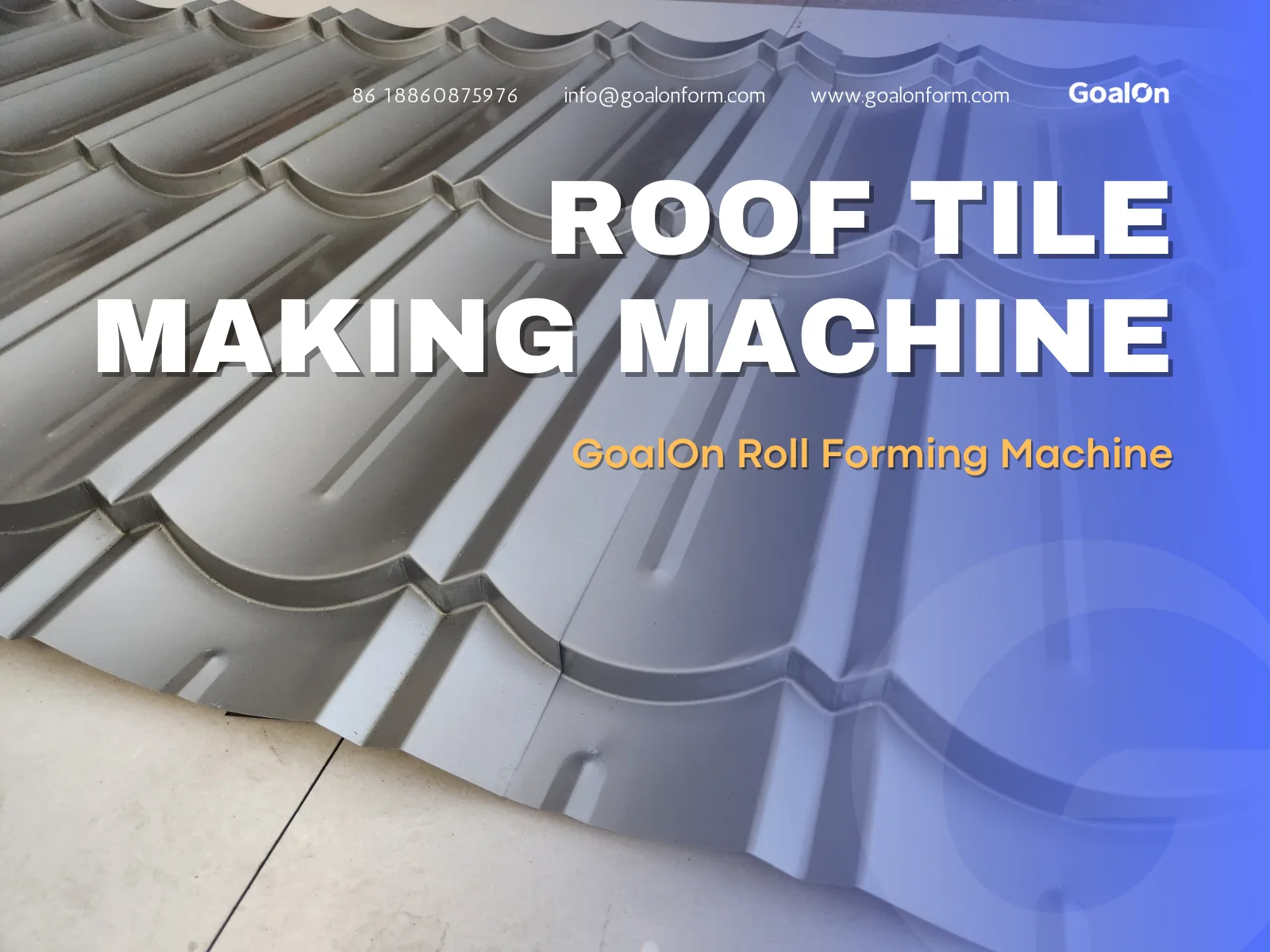
In modern metal construction systems, coated and pre-painted steel coils have become the mainstream choice due to their corrosion resistance, aesthetic performance, and reduced post-processing cost. However, when these materials enter a roll forming line, the processing logic changes fundamentally.
Unlike bare steel, coated surfaces are not only structural materials but also functional and decorative layers, meaning any mechanical damage directly affects product value. This raises a practical engineering question: whether a roll forming machine can consistently process coated coils without surface damage while maintaining industrial production efficiency.
The answer is yes, but only when the entire production system is designed around surface protection rather than only forming capability.

2. Material Behavior: What Actually Changes When Steel Is Coated
To understand machine compatibility, we must first understand how coatings change material behavior during forming.
Coated steels such as GI, GL, PPGI, and PVDF-coated sheets do not behave like bare carbon steel. The base metal still deforms plastically, but the surface layer introduces new constraints:
- The coating has lower elongation capacity than steel substrate
- It is sensitive to localized friction and point pressure
- It may experience micro-cracking at high bending strain zones
- Surface adhesion strength varies depending on coating type
For example, PVDF-coated architectural panels have excellent weather resistance but relatively low tolerance to mechanical abrasion, while galvanized steel is more robust but still prone to roller marking if surface hardness mismatch occurs.
This means the forming process is no longer only about steel deformation—it becomes a dual-layer deformation control problem (steel + coating system).
3. Core Engineering Challenge: Balancing Forming Force and Surface Protection
Once coated coils enter a roll forming line, three engineering constraints must be balanced simultaneously:
- Plastic deformation of steel base material
- Integrity of coating layer
- Surface quality requirement for end-use
The conflict appears in forming zones where bending stress is concentrated. If deformation is too aggressive, coating cracks; if too mild, profile accuracy fails.
This is why coated material processing is not about “whether the machine can do it”, but about how the forming stress is distributed across multiple stages.
The entire line must be designed around controlled energy release instead of single-point deformation.
4. Machine System Design: How Roll Forming Lines Adapt to Coated Steel
To successfully process coated materials, modern roll forming machines integrate several key system-level optimizations. These are not isolated components, but a coordinated engineering solution.
4.1 Surface Protection Through Roller Engineering
The most critical interface is the contact between roller and material. Any defect here directly transfers to product surface.
To prevent damage, manufacturers use:
- High-polish chrome-plated rollers
- Controlled surface roughness (typically Ra ≤ 0.4 μm)
- Hardened alloy steel with stable wear resistance (HRC 58–62)
The objective is simple: eliminate micro-friction points that could scratch coating layers during continuous contact.
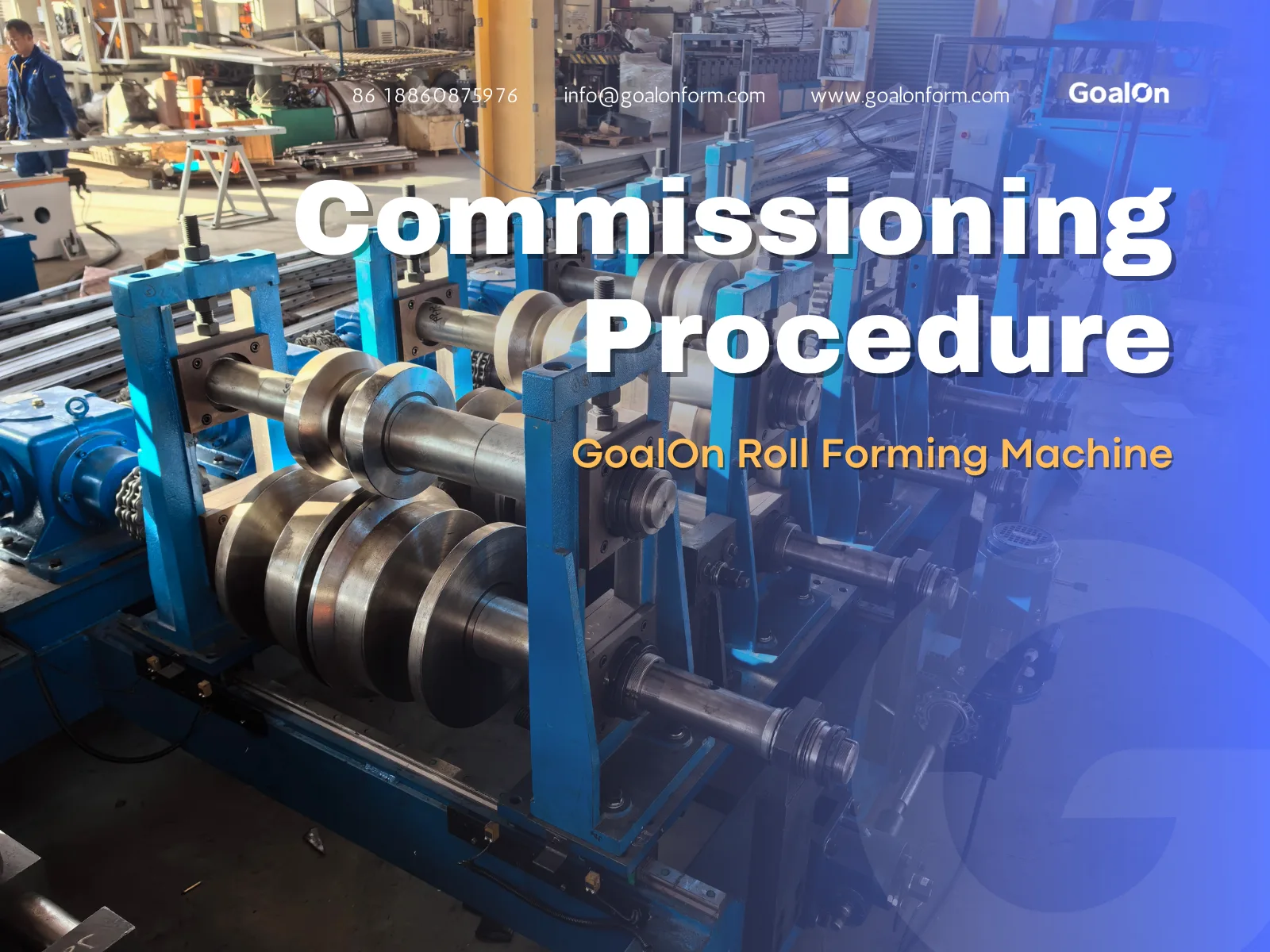
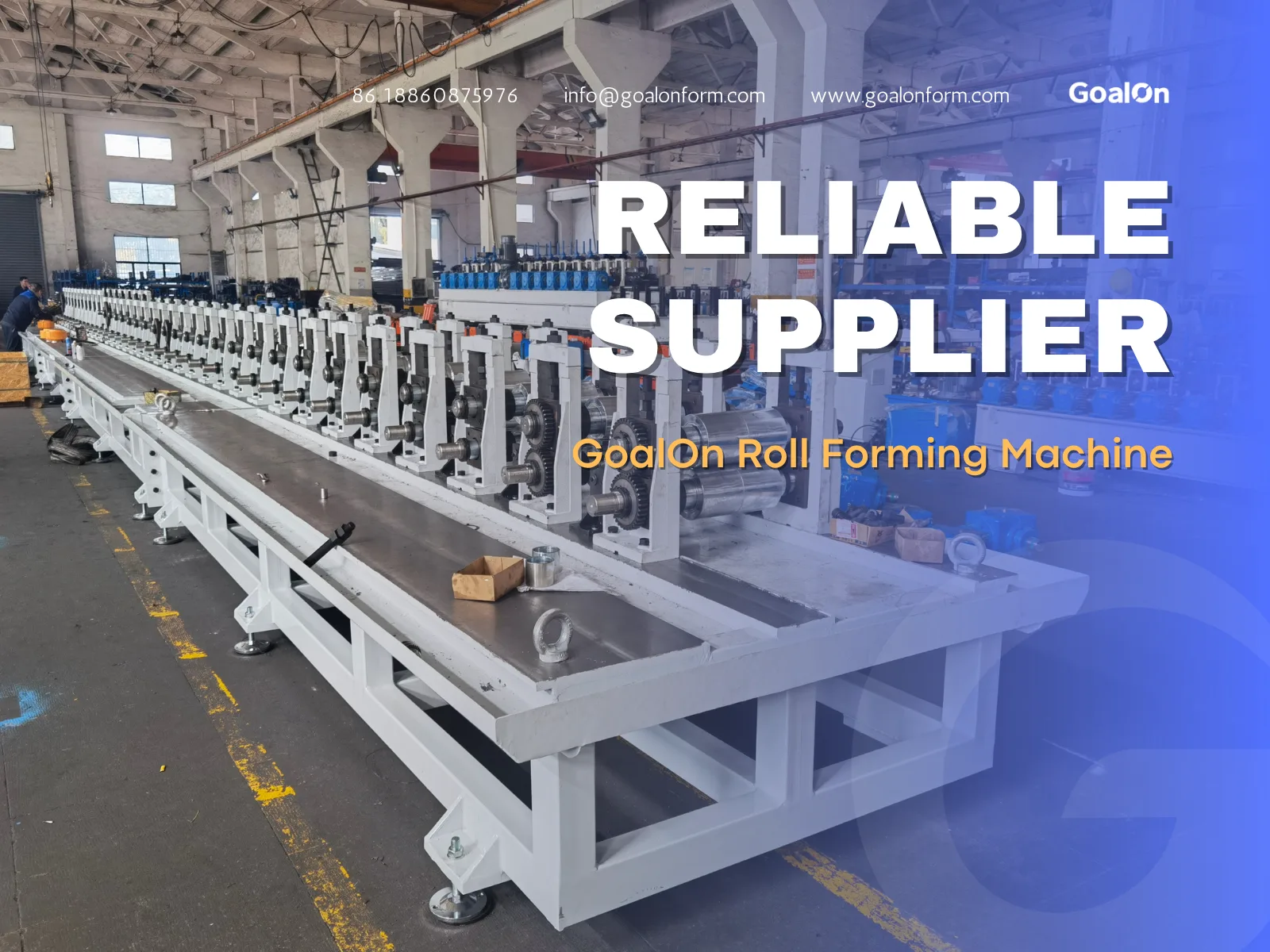
4.2 Progressive Forming Architecture (Multi-Stage Stress Distribution)
Instead of forming the profile in fewer aggressive steps, coated material lines adopt progressive roll forming architecture.
Each stand only contributes a small angle increment, reducing strain concentration per stage.
This design achieves:
- Lower instantaneous bending stress
- Reduced coating fatigue accumulation
- Better dimensional stability over long runs
In engineering terms, it converts “high-stress forming” into a distributed deformation system, which is essential for surface-sensitive materials.
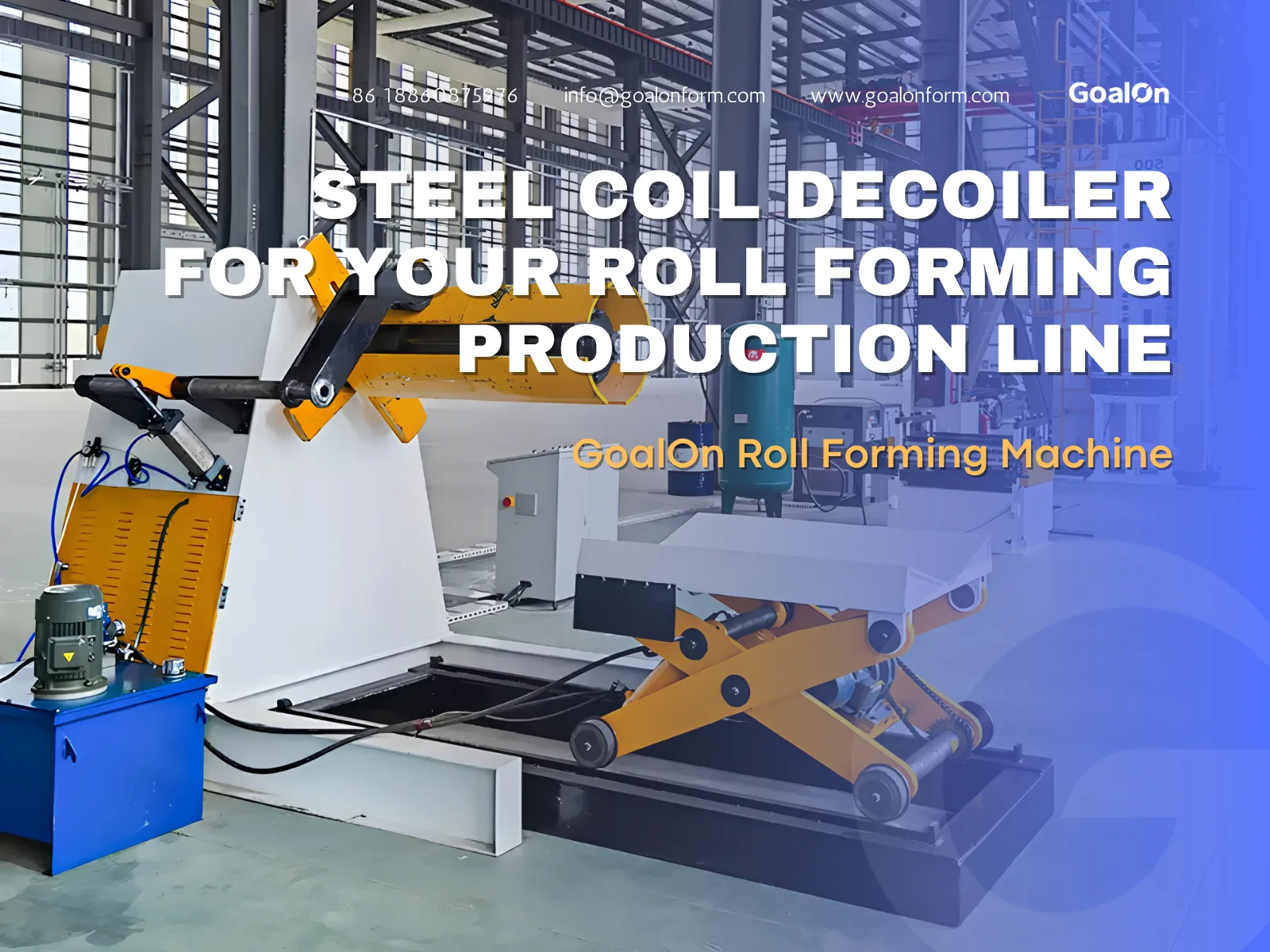
4.3 Controlled Feeding and Tension Stability
Before the material even reaches the forming stands, feeding stability determines final surface quality.
Key systems include:
- Servo-driven feeding alignment
- Adjustable pinch rollers
- Floating entry guides
These ensure the coil enters the forming section without lateral stress or micro-slippage, which are common causes of early-stage coating damage.
4.4 Pressure and Gap Control Precision
Excessive pressure is one of the most underestimated causes of coating failure.
Modern systems therefore use:
- Hydraulic or pneumatic roller adjustment
- Fine-tuned roll gap calibration systems
This allows operators to balance forming force with surface safety dynamically, especially when switching between different coated materials.
5. Process Control: Speed, Lubrication, and Operational Strategy
Once the mechanical system is optimized, process parameters become the second layer of control.
5.1 Speed Control Logic
Although roll forming machines can operate at high speeds, coated materials require a more conservative approach.
Higher speed increases:
- Vibration risk
- Surface friction accumulation
- Cutting synchronization errors
Therefore, production speed is typically adjusted based on product type:
- Architectural panels: moderate speed priority (surface quality first)
- Structural profiles: balanced speed and accuracy
- High-output industrial lines: optimized speed with reinforced stability systems
The key principle is not maximum speed, but stable continuous forming quality.
5.2 Lubrication Strategy: Minimizing Surface Contamination
Unlike heavy structural forming, coated material production often avoids traditional oil lubrication.
Instead, manufacturers use:
- Dry forming systems
- Micro-lubrication (only for high-friction applications)
- Clean roller surface maintenance protocols
This is essential because any oil contamination can directly damage aesthetic quality and downstream coating performance.
6. Defect Mechanisms: Why Surface Problems Still Occur
Even with optimized systems, defects may still appear if process control is not strict.
Most common issues include:
- Roller marking caused by surface contamination or wear
- Micro-scratches due to misaligned entry guides
- Edge cracking from excessive forming stress concentration
- Coating dullness caused by heat/friction accumulation
These defects are not random—they are directly linked to deviations in roller condition, forming balance, or feeding stability.
Understanding defect origin is more important than simply reacting to defects.
7. Maintenance Logic: Why Coated Material Lines Require Higher Discipline
Roll forming systems processing coated materials operate under tighter quality constraints, which means maintenance becomes a production-critical function, not a secondary task.
Key maintenance priorities include:
- Continuous roller surface inspection
- Regular cleaning to remove coating residues
- Alignment calibration for forming stands
- Bearing condition monitoring
- Surface re-polishing cycles for chrome rollers
In industrial practice, surface quality is directly proportional to maintenance discipline, especially in architectural product markets.
8. Application Value: Why Coated Roll Forming Dominates Modern Construction Markets
Coated roll formed products are widely used because they combine structural performance with visual and corrosion resistance.
Typical applications include:
- Roofing and wall cladding systems
- Commercial building envelopes
- Cold storage and industrial facilities
- Decorative architectural façades
- Residential steel construction systems
From a market perspective, coated roll forming is no longer a niche process—it is the core production technology of modern building envelope systems.
9. Conclusion: Engineering Reality of Coated Material Roll Forming
The capability of a roll forming machine to process coated or pre-painted steel is not determined by whether it is “possible”, but by whether the system is designed for surface-sensitive deformation control.
A properly engineered line ensures:
- Controlled multi-stage forming stress
- Stable feeding without surface disturbance
- High-quality roller surface interaction
- Consistent output suitable for architectural applications
For manufacturers, contractors, and machine traders, the real differentiation lies not in basic forming capability, but in how well the system preserves coating integrity under continuous industrial production.