در فرآوری فولاد مدرن و تولید سازههای ساختمانی، شکلدهی با غلتک به یکی از کارآمدترین و مقیاسپذیرترین روشها برای تولید پروفیلهای فلزی پیوسته تبدیل شده است. با این حال، همه سیستمهای شکلدهی با غلتک یکسان نیستند. یکی از مهمترین تمایزات در این صنعت بین قالبگیری نورد پروفیل باز و قالبگیری نورد پروفیل بسته. درک این تفاوت برای شرکتهای ساختمانی، تولیدکنندگان پروفیل فلزی و تاجران ماشینآلات هنگام انتخاب راهحلهای تولیدی ضروری است.
از منظر مهندسی عملی و انتخاب تجهیزات، انتخاب بین این دو روش شکلدهی مستقیماً بر بهرهوری تولید، پیچیدگی ابزار، دقت محصول و نیازمندیهای پردازش بعدی تأثیر میگذارد. این مقاله تفاوتها را بهصورت ساختاریافته، فنی و کاربردی بررسی میکند تا به شما در اتخاذ تصمیمات بهتر برای سناریوهای صنعتی واقعی کمک کند.

۱. رولفورمینگ پروفیل باز چیست؟
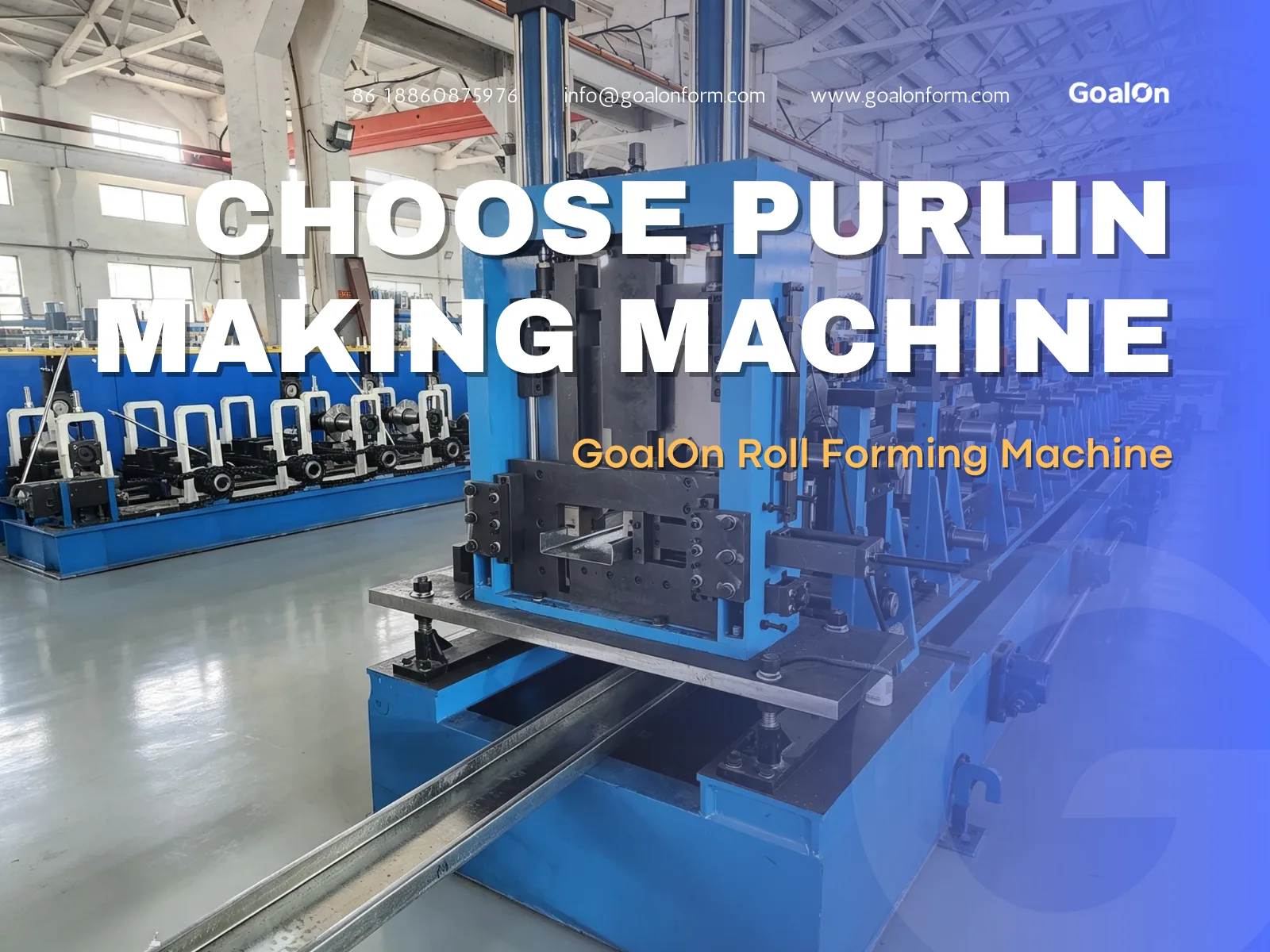
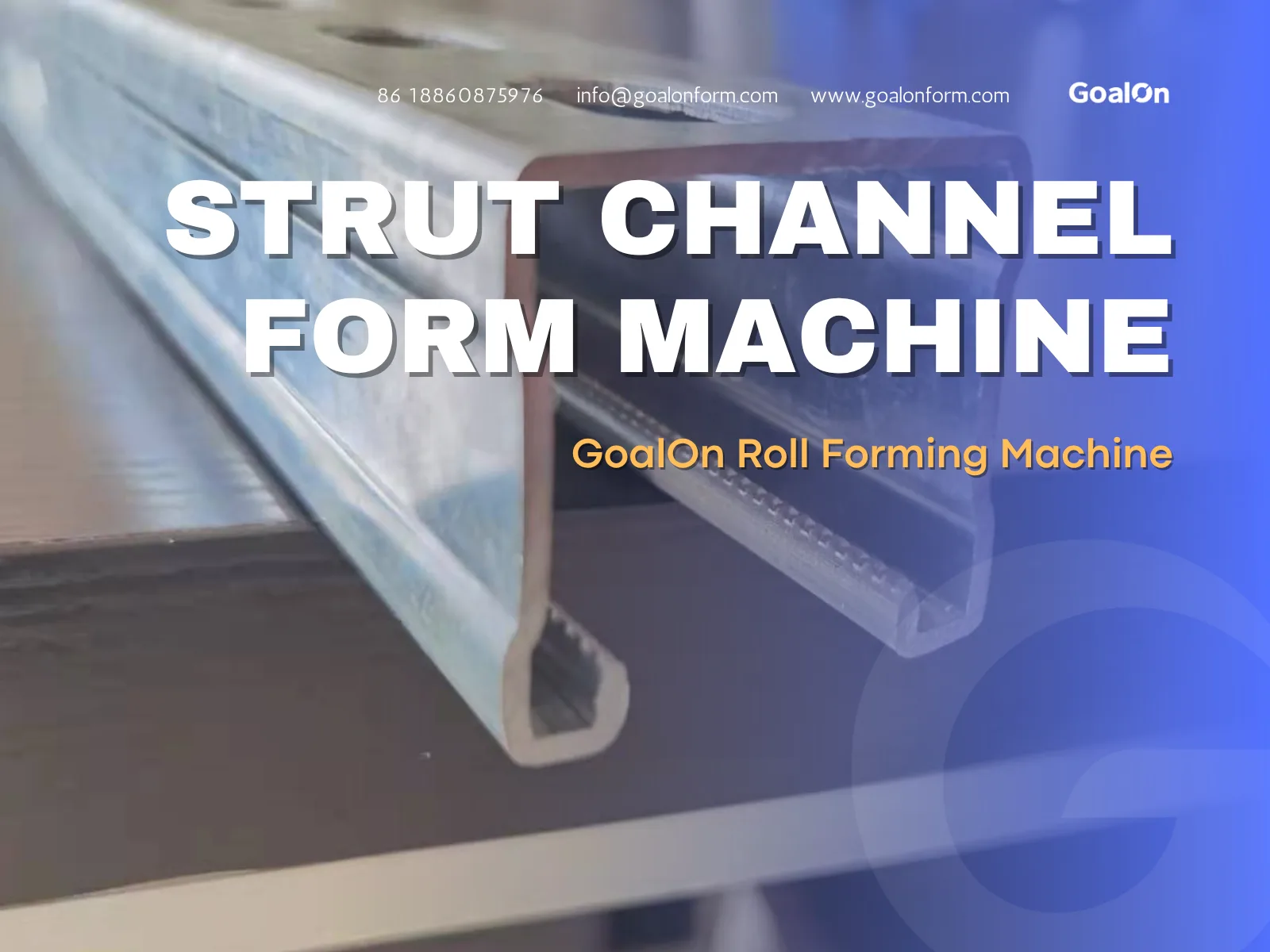
قالبگیری نورد پروفیل باز منظور فرایندی تولیدی است که در آن نوار فلزی به شکلی درمیآید که پس از شکلدهی حداقل از یک طرف باز باقی میماند. نمونههای معمول شامل کانالهای C، کانالهای U، پرلینهای Z، زاویهها و انواع تکیهگاههای سازهای مورد استفاده در ساختوساز و سازههای صنعتی هستند.
ویژگی کلیدی این است که پروفیل شکل کاملاً بستهای را تشکیل نمیدهد. این بدان معناست که لبههای نوار قابل دسترسی هستند و مقطع عرضی را میتوان بدون نیاز به قفلکردن درز، جوشکاری یا مکانیزمهای درهمتنیدگی شکل داد.
از دیدگاه مکانیکی، پروفایلهای باز طراحی و تولید آسانتری دارند زیرا:
- این نوار را میتوان بهصورت مرحلهای از طریق غلتکهای متوالی شکلدهی کرد.
- نیازی به بستن پس از شکلدهی یا اتصال نیست.
- ابزارسازی در مقایسه با سازههای بسته، نسبتاً سادهتر است.
در اصطلاح مهندسی، پروفایلهای باز تا حد زیادی به تغییر شکل کنترلشده متکی هستند، جایی که طراحی گذر رول خمپذیری تدریجی را بدون تمرکز تنش بیش از حد یا ترکخوردگی لبهها تضمین میکند.
۲. رولفورمینگ پروفیل بسته چیست؟
قالبگیری نورد پروفیل بسته تولید مقاطع کاملاً بسته یا تقریباً بسته مانند لولههای مستطیلی، مقاطع توخالی مربعی (SHS)، لولههای دایرهای و تیرهای جعبهای.
برخلاف پروفیلهای باز، مقاطع بسته نیازمند اتصال لبههای ماده در حین یا پس از شکلدهی هستند. این امر پیچیدگی فنی بیشتری را به همراه دارد، زیرا سیستم باید همترازی، تطبیق لبهها و گاهی جوشکاری یا قفلگذاری مکانیکی را تضمین کند.
روشهای رایج مورد استفاده در تولید با پروفایل بسته عبارتند از:
- پیشقالبگیری بخشهای باز و سپس بستن ایستگاهها
- کارخانههای لوله با جوشکاری فرکانس بالا
- سیستمهای مکانیکی قفلکننده درز
- قالبگیری درهمتنیده با کنترل دقیق لبهها
مهمترین چالش مهندسی در تولید با پروفایل بسته، حفظ دقت لبهها است. حتی انطباقناپذیری جزئی میتواند منجر به نقصهایی مانند کیفیت ضعیف درز، انحراف ابعادی یا ضعف ساختاری شود.
در بسیاری از موارد, یکپارچگی درز جوش به عامل کیفی تعیینکننده برای محصولات پروفیل بسته تبدیل میشود.
۳. تفاوتهای ساختاری اصلی بین دو سیستم
تفاوت اساسی بین شکلدهی نورد پروفیل باز و بسته در هندسه و رفتار جریان مواد نهفته است.
در سیستمهای پروفایل باز:
- نوار بهتدریج خم و شکل داده میشود.
- توزیع تنش نسبتاً قابل پیشبینی است.
- نیازی به چسباندن لبهها نیست
در سیستمهای پروفایل بسته:
- این نوار باید به سوی یک شکل کاملاً محصور همگرا شود.
- کنترل لبه حیاتی میشود
- در مراحل نهایی شکلدهی به نیروی اضافی نیاز است.
یکی دیگر از تفاوتهای عمده، معماری ماشین است. خطوط پروفیل باز معمولاً از ایستگاههای استاندارد شکلدهی غلتکی استفاده میکنند که بهصورت یک توالی خطی چیده شدهاند. سیستمهای پروفیل بسته اغلب به پیکربندیهای پیچیدهتری نیاز دارند، از جمله:
- سیستمهای راهنمای جانبی با کنترل تلرانس دقیقتر
- ستونهای شکلدهی با دقت بالا
- واحدهای جوشکاری یا قفلگذاری
- واحدهای کالیبراسیون پس از قالب
این امر خطوط پروفیل بسته را ذاتاً هم از نظر طراحی مکانیکی و هم از نظر کنترل عملیاتی پیچیدهتر میکند.
۴. پیچیدگی طراحی و مهندسی ابزار
ابزارسازی یکی از مهمترین عوامل هزینه و عملکرد در سیستمهای شکلدهی غلتکی است.
برای پروفایلهای باز, طراحی ابزار نسبتاً ساده است. هر ایستگاه رولکاری خمش را بهصورت افزایشی انجام میدهد و تنظیمات در هنگام راهاندازی آسانتر است. سایش ابزار نیز کمتر است زیرا تنش بهطور یکنواختتری توزیع میشود.
با این حال، برای پروفایلهای بسته، ابزارآلات باید موارد زیر را در نظر بگیرد:
- دقت همترازی لبهها
- جبران بازگشت فنری مواد
- توازن تنش داخلی در هنگام بستن
- تشکیل درز یا پایداری جوشکاری
محدودیتهای تلرانس بهطور قابلتوجهی سختگیرانهتر شدهاند. حتی انحراف اندک در فاصله غلتکی یا همترازی میتواند به شکست در بستن صحیح پروفایل منجر شود.
در نتیجه، ابزارهای پروفیل بسته معمولاً گرانتر هستند و در حین طراحی و راهاندازی به مشارکت مهندسی باتجربهتری نیاز دارند.
۵. تفاوتهای فرآیند تولید
جریان تولید پروفیلهای باز و بسته بهطور قابلتوجهی متفاوت است.
جریان تولید با پروفایل باز:
باز شدن → تراز کردن → پانچ (اختیاری) → شکلدهی با غلتک → برش → تخلیه
جریان تولید با پروفایل بسته:
بازکردن کویل → تراز کردن → هدایت لبه → پیششکلدهی → شکلدهی نهایی → جوشکاری یا قفلگذاری (در صورت نیاز) → کالیبراسیون → برش → تخلیه
مراحل اضافی در تولید با پروفایل بسته عبارتند از:
- سرمایهگذاری بالاتر در ماشینآلات
- زمان راهاندازی طولانیتر
- نیازهای نگهداری بیشتر
با این حال، آنها همچنین امکان تولید محصولات سازهای با مقاومت بالا را که در کاربردهای حیاتی مانند اسکلتهای ساختمان، سیستمهای ذخیرهسازی و سازههای حملونقل استفاده میشوند، فراهم میکنند.
۶. تفاوتهای کاربرد در صنعت
انتخاب بین پروفایلهای باز و بسته تا حد زیادی تحت تأثیر نیازمندیهای کاربرد قرار دارد.
پروفایلهای باز معمولاً در موارد زیر استفاده میشوند:
- سیستمهای اسکلت فولادی سبک
- ناودانیهای سقف (شکلهای C، Z، U)
- ستونکهای دیوار و سیستمهای دیوار خشک
- سازههای نصب خورشیدی
- کانالهای کابل و سیستمهای مهاری
این برنامهها سهولت نصب، صرفهجویی در هزینه و انعطافپذیری را در اولویت قرار میدهند.
پروفایلهای بسته معمولاً در موارد زیر استفاده میشوند:
- ساختمانسازی فولادی
- سیستمهای قفسهبندی انبار (بیمهای جعبهای)
- اجزای سازهای خودرو
- شاسی ماشینآلات
- چارچوبهای معماری با بار سنگین
در اینجا اولویت این است استحکام ساختاری بالا, مقاومت پیچشی و ظرفیت باربری.
بخشهای بسته عملکردی برتر در مقاومت در برابر نیروهای خمش و پیچش ارائه میدهند، به همین دلیل در کاربردهای مهندسی سنگین ترجیح داده میشوند.
۷. استحکام، عملکرد و رفتار سازهای
یکی از مهمترین تفاوتهای فنی، عملکرد سازهای است.
پروفایلهای بسته بهطور قابلتوجهی بالاتر هستند:
- صلبیت پیچشی
- کارایی توزیع بار
- مقاومت بستن
این به این دلیل است که هندسهٔ بسته تنش را در تمام وجههای مقطع توزیع میکند و نقاط ضعیف را کاهش میدهد.
پروفیلهای باز، از سوی دیگر، انعطافپذیرتر هستند و تحت بار بهراحتی تغییر شکل میدهند. با این حال، آنها برای سیستمهای سازهای ثانویه که در آنها مقاومت زیاد در برابر بارهای شدید مورد نیاز نیست، بسیار کارآمد هستند.
از دیدگاه مهندسی مکانیک، وجود هندسهٔ بسته اساساً تغییر میدهد لحظهٔ لختی, ، که مستقیماً بر عملکرد سازهای تأثیر میگذارد.
۸. مقایسه هزینه و کارایی تولید
از دیدگاه تولید، شکلدهی نورد پروفیل باز عموماً:
- سریعتر
- کمهزینهتر
- نگهداری آسانتر
- سازگاری بیشتر برای تولید دستهای کوچک
سیستمهای پروفایل بسته عبارتند از:
- سرمایهگذاری اولیه گرانتر
- کندتر در راهاندازی و تنظیم
- نیازمند مهارت اپراتور بیشتری است
- پیچیدگی نگهداری بالاتر
با این حال، پروفیلهای بسته به دلیل عملکرد ساختاری و کاربرد در سیستمهای ساختمانی ردهبالا میتوانند ارزش بازار بالاتری داشته باشند.
برای تولیدکنندگان، تصمیم اغلب به تعادل بین هزینه تولید و ارزش محصول برمیگردد.
۹. چالشهای کنترل کیفیت
نیازمندیهای کنترل کیفیت بین این دو سیستم تفاوت قابلتوجهی دارد.
برای پروفایلهای باز، بازرسی بر موارد زیر متمرکز است:
- دقت ابعادی
- نهاییکاری سطح
- دقت موقعیت سوراخ (در صورت شامل بودن پانچ)
برای پروفایلهای بسته، بررسیهای کیفیت اضافی شامل موارد زیر است:
- یکنواختی همترازی درز
- قدرت جوشکاری (در صورت کاربرد)
- تقارن مقطع عرضی
- توزیع تنش داخلی
سیستمهای پروفایل بسته معمولاً به سیستمهای پایش آنلاین پیشرفتهتری نیاز دارند، زیرا پس از شکلگیری، تشخیص عیوب دشوارتر است.
۱۰. چگونه سیستم مناسب برای تولید خود را انتخاب کنیم
انتخاب بین شکلدهی نورد پروفیل باز و بسته به چندین عامل کلیدی بستگی دارد:
- نوع محصول و کاربرد نهایی
- استحکام سازهای مورد نیاز
- ظرفیت بودجه و سرمایهگذاری
- حجم تولید
- سطح مهارت اپراتور
اگر تمرکز شما بر اجزای ساختوساز انعطافپذیر و تولید مقرونبهصرفه باشد، سیستمهای پروفیل باز معمولاً بهترین انتخاب هستند.
اگر بازار هدف شما شامل مهندسی سازه، سیستمهای انبار یا اجزای باربر باشد، سیستمهای پروفیل بسته ارزش بلندمدت بسیار بالاتری ارائه میدهند.
در بسیاری از کارخانههای پیشرفته، هر دو سیستم بهطور همزمان برای پوشش خطوط تولید مختلف استفاده میشوند.
نتیجهگیری
تفاوت بین شکلدهی نوردی پروفیل باز و بسته تنها به شکل مربوط نمیشود—بلکه بازتابدهنده دو فلسفه مهندسی کاملاً متفاوت است.
سیستمهای پروفیل باز اولویت را به سادگی، سرعت و صرفهجویی در هزینه میدهند و آنها را برای اجزای سازهای سبکوزن ایدهآل میسازند. سیستمهای پروفیل بسته بر استحکام سازهای، دقت و ظرفیت باربری تمرکز دارند، اما به ماشینآلات پیشرفتهتر و کنترل دقیقتر فرآیند نیاز دارند.
برای شرکتهای ساختوساز، تولیدکنندگان و معاملهگران ماشینآلات، درک این تمایز برای اتخاذ تصمیمات سرمایهگذاری آگاهانه حیاتی است. انتخاب سیستم مناسب بهطور مستقیم بر کارایی تولید، رقابتپذیری محصول و سودآوری بلندمدت تأثیر میگذارد.
در صنایع مدرن شکلدهی فلزات، موفقترین تولیدکنندگان کسانی هستند که بهوضوح میدانند هر فناوری را کجا بهکار گیرند و چگونه هر دو را برای حداکثر ارزش صنعتی بهینهسازی کنند.